
Folakemi
MRes Clinical Research
I’ve not only gained a strong academic education but have also become part of a truly international community where I’ve met people from all over the world. Imperial offers everyone the support and opportunities to help you thrive both academically and personally.
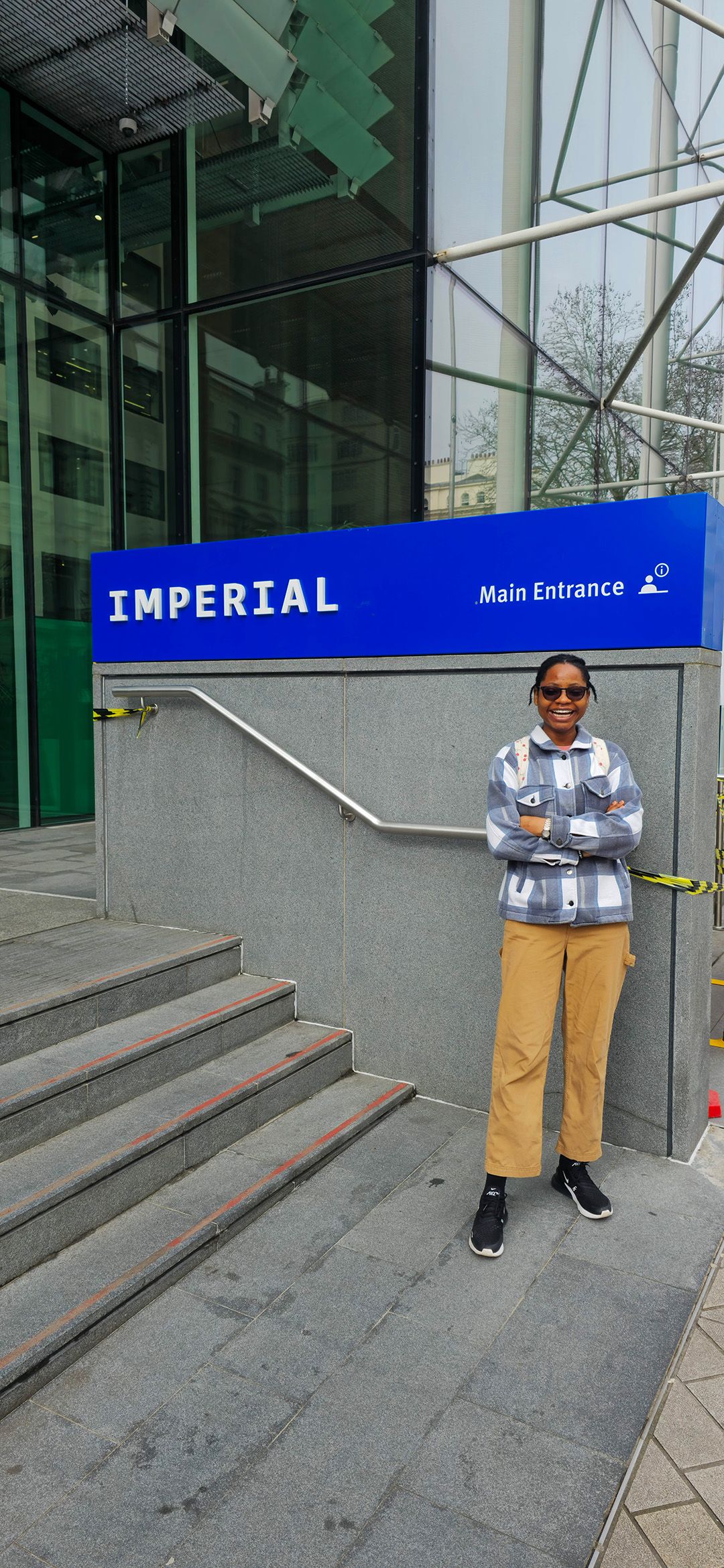

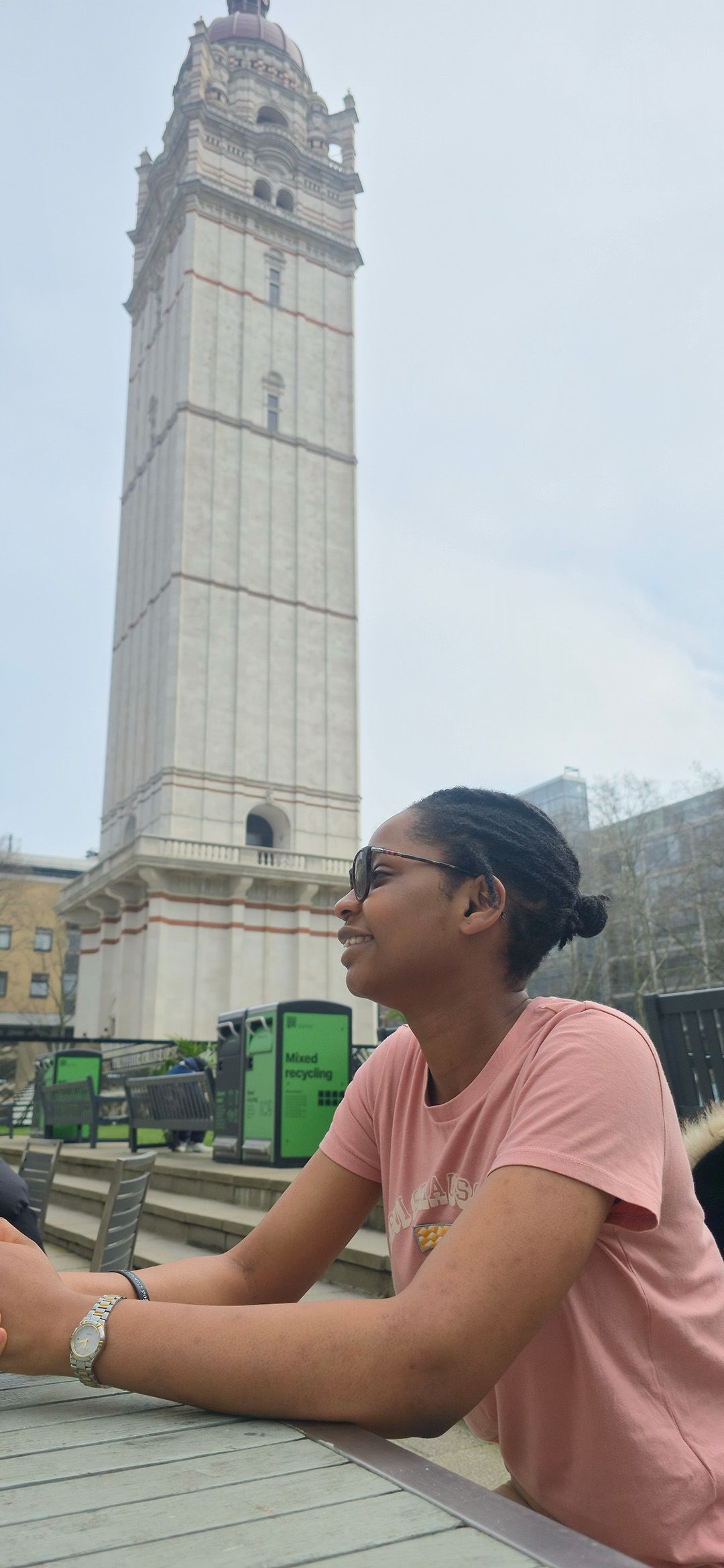
From a last‑minute application to discovering a vibrant research community, Folakemi from Nigeria was drawn to Imperial’s MRes Clinical Research course as it offered hands‑on experiences and the chance to work alongside leading researchers. Hear more from Folakemi as she shares how she’s built a community through societies and clubs and is making the most of living in London – all while preparing to do a PhD.
Why did you choose to do a Master's at Imperial?
The idea of learning from global experts was exciting because it meant I could collaborate with highly knowledgeable individuals who are actively contributing to research and advancing the field.
I already had a taste of what it felt like to be at Imperial through a research assistant volunteering opportunity. While volunteering, I spoke with a student studying the MRes Clinical Research course and after hearing about her experience, I realised it aligned with my interests.
One thing that really stood out to me about the course was the calibre of people from different parts of the world who would be teaching it. The idea of learning from global experts was exciting because it meant I could collaborate with highly knowledgeable individuals who are actively contributing to research and advancing the field.
The quality of education was also a top priority for me – I wanted to study at a university known for its strong research environment and academic excellence like Imperial. At the same time, location played a significant role. I genuinely enjoy living in London, and I knew I wanted to continue my studies in a city where I already felt comfortable.
Applying to Imperial
My decision to apply came quite late in the last week of the application period. I sent an email to the Department of Metabolism, Digestion and Reproduction asking if I could still apply as the deadline was approaching and got an immediate response from them encouraging me to submit as soon as possible. I was pleasantly surprised by the speed of their responsiveness and openness – this made the whole application process feel welcoming rather than intimidating.

About the MRes Clinical Research course
One of the best things about the course is the opportunity to work closely with experienced researchers who are leaders in the field.
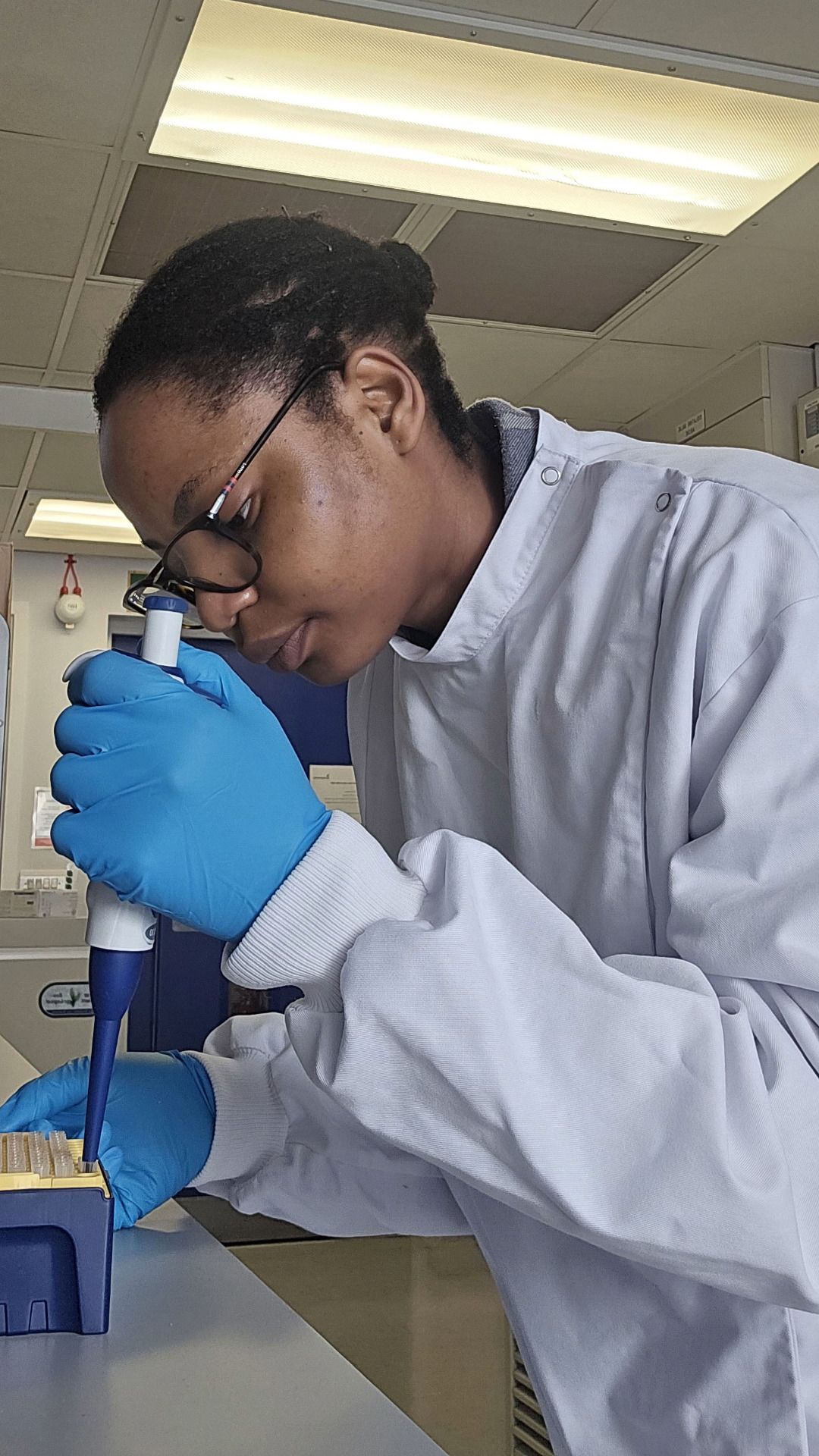
The MRes Clinical Research course focuses on clinical and translational research, where we learn how scientific discoveries can be translated into clinical applications. It combines scientific knowledge with research training, giving us the opportunity to design, evaluate and carry out research that could ultimately improve patient care. The course provides a great balance of theory, critical thinking and hands-on research experience. One of the best things about the course is the opportunity to work closely with experienced researchers who are leaders in the field.
My thirst for knowledge in research never stops, so I definitely feel like I’m in the right place!
Like any research-based programme, one challenge is dealing with uncertainty. In research, things do not always work the way you expect, but I have learned that even negative results are still valuable. They help show which approaches may not work and guide future research in a better direction.
Academic support
I've found the academic environment at Imperial to be very supportive. All my lecturers and supervisors are approachable and willing to help when I need guidance, especially with research related questions. The team within the department has also been very responsive whenever I’ve had questions, whether they were about coursework, research or administrative matters. That level of communication makes my whole student experience smoother.




What's the Imperial community like?
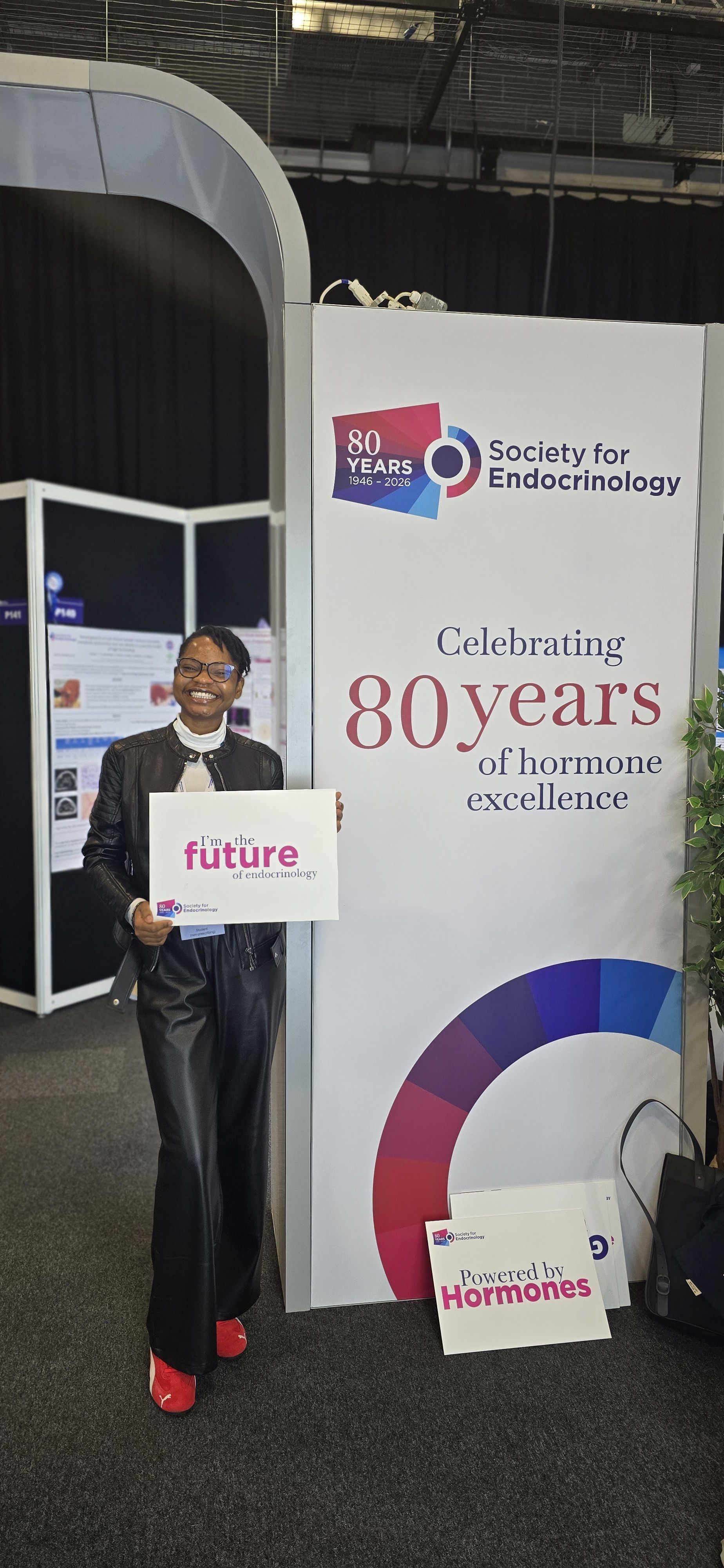
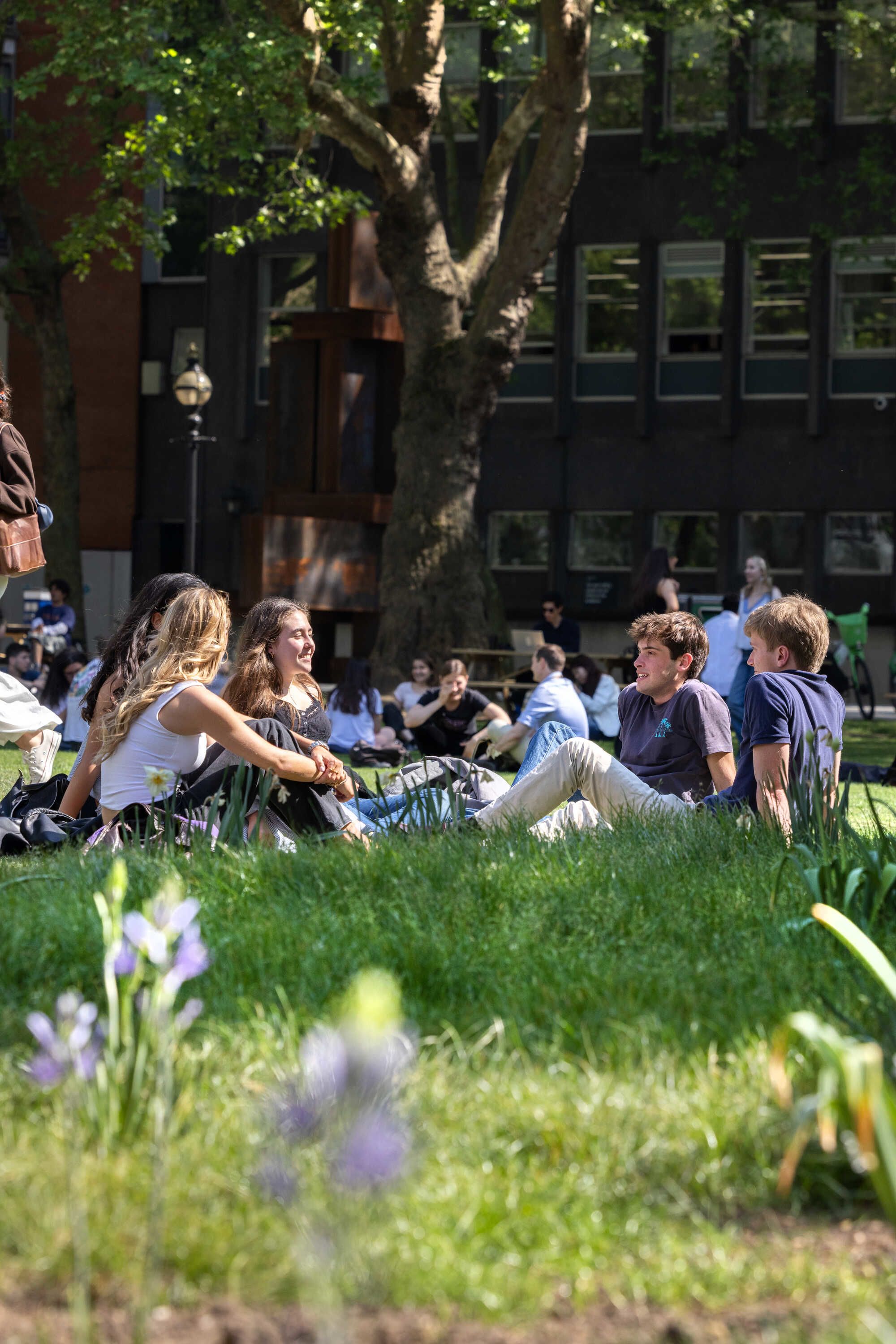
Imperial has provided many seminars, social events and networking opportunities, which have genuinely helped me connect with people and build relationships that have grown into friendships through our shared social and non‑academic interests. I’ve met people from so many different countries and academic backgrounds, and that diversity brings a lot of new perspectives, especially when discussing research. Being surrounded by people who are passionate about research and innovation has really motivated me to grow and push myself further. My thirst for knowledge in research never stops, so I definitely feel like I’m in the right place!
I’ve met people from so many different countries and academic backgrounds, and that diversity brings a lot of new perspectives.
Outside of studying, I’m a member of the KnitSock Society where I knit, crochet and attend socials. It’s one of my favourite extracurricular activities because it provides a relaxing space to create, unwind and connect with friends while also getting the chance to meet new people from across Imperial.
I also serve as the student representative for my department, which means I’m part of the Imperial College Union. This role has given me the opportunity to represent my cohort, share feedback and contribute to improving the student experience.
Student life in London
Living and studying in London is a splendid experience. One of my favourite things about London is how vibrant and diverse it is. There’s always something happening, whether it’s cultural events, conferences, exhibitions or simply exploring different parts of the city. It makes studying here very dynamic because learning doesn’t only happen in lecture rooms.
I also enjoy the simple things London offers. There are so many beautiful parks where you can relax after a busy week of studying. I like exploring cafés and local restaurants as well – it’s a great way to unwind. The areas around Imperial also have plenty of nice places to eat and spend time with friends, and you can sometimes get free samples of food and drinks while walking down the road!
What's life at Imperial really like?
Connect with current students and explore the vibrant community that makes life at Imperial so unique.
After graduating from Imperial
After completing my Master’s, I plan to move straight into a PhD. My Master’s course has served as an important step in preparing me for doctoral research, with my goal being to continue building on the research I have started and transition smoothly into a PhD programme.
I have attended several sessions organised by Imperial’s Careers Service which have been very helpful. Even though I already had a clear idea of my next steps, I still found the sessions valuable because they provide useful guidance for future career development. For example, they offer advice on writing a strong CV, common mistakes to avoid and how to prepare for interviews.
What's your advice for applying to Imperial?
As an international student from Nigeria, studying at Imperial has been a truly rewarding and welcoming experience. I’ve not only gained a strong academic education but have also become part of a truly international community where I’ve met people from all over the world. I’d encourage other international students not to feel intimidated as Imperial offers the support and opportunities to help you thrive both academically and personally – it pushes you to grow, think critically and become confident in your abilities as a researcher.
Also, don’t be intimidated by the reputation! If you’re passionate about what you study, go for it. Imperial provides an environment where you are constantly learning from experts and surrounded by people who are equally motivated. Don’t hesitate to reach out to departments or current students if you have questions – having those conversations and getting support can help you when making your decision.

Want to learn more about our courses?
Visit our Study site to search our postgraduate courses and find out more about how to apply.

 Built with Shorthand