
Placing research in the hands of the community in Ghana
#CelebratingEngagement
with Ben Howard
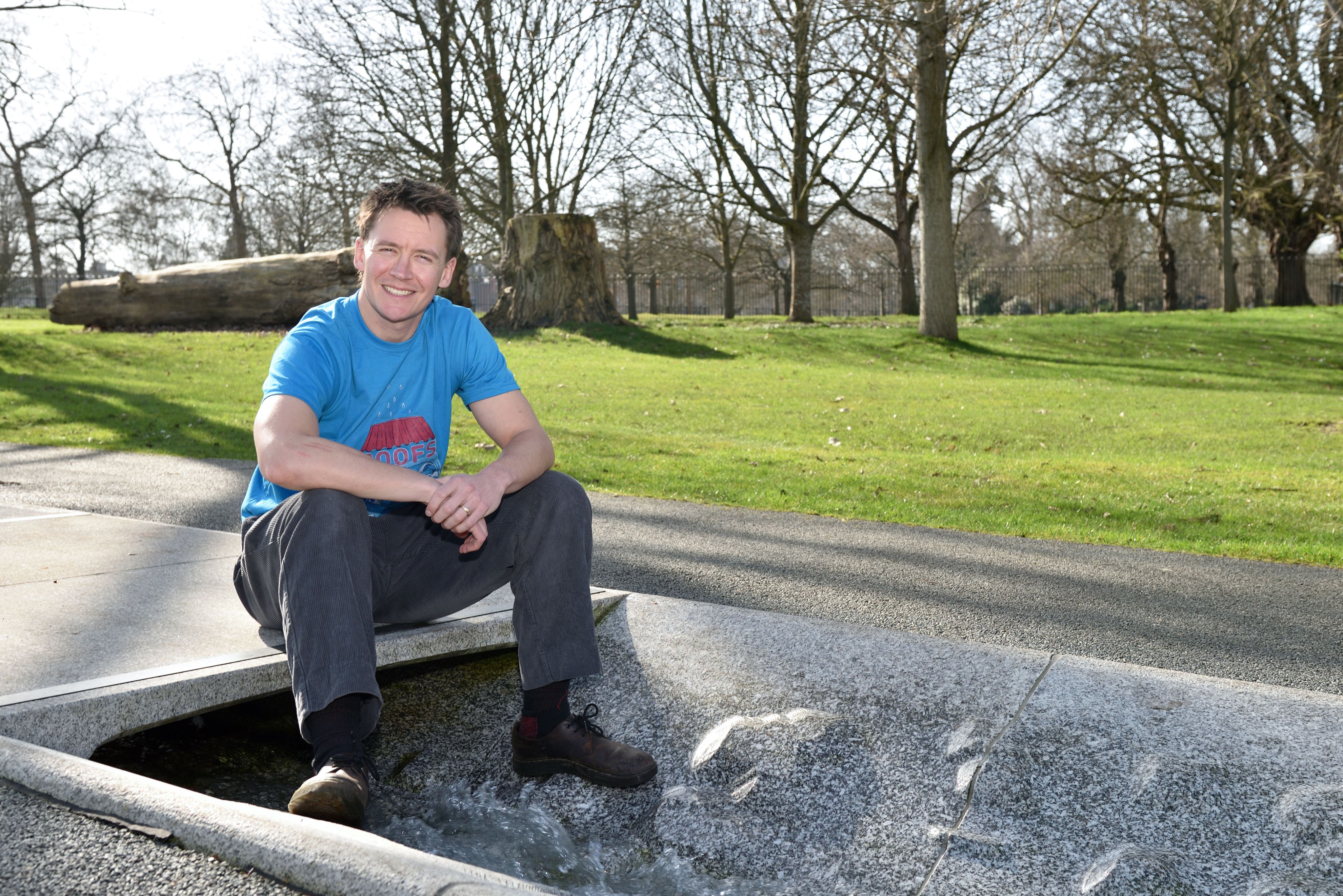

The main reason I became a researcher is because I wanted to do something that contributed to the betterment of society.
For Ben Howard, that purpose lies at the heart of his work as a Research Associate in the Department of Civil and Environmental Engineering at Imperial.
Raised exploring the Yorkshire Dales, his love of the outdoors sparked a lasting curiosity about the landscapes around him. This eventually led to a career in climate change research, where his commitment to impactful and community-focused work earned him the Achievement Award at the 2025 President’s Awards for Excellence in Societal Engagement.
Research shaped by the community
Ben’s current research is in partnership with local communities in Tamale, Ghana, designing and delivering engagement activities on climate change adaptation. Since 2022, he has spent nearly 6 months in-country across seven visits, reaching around 1,000 people.

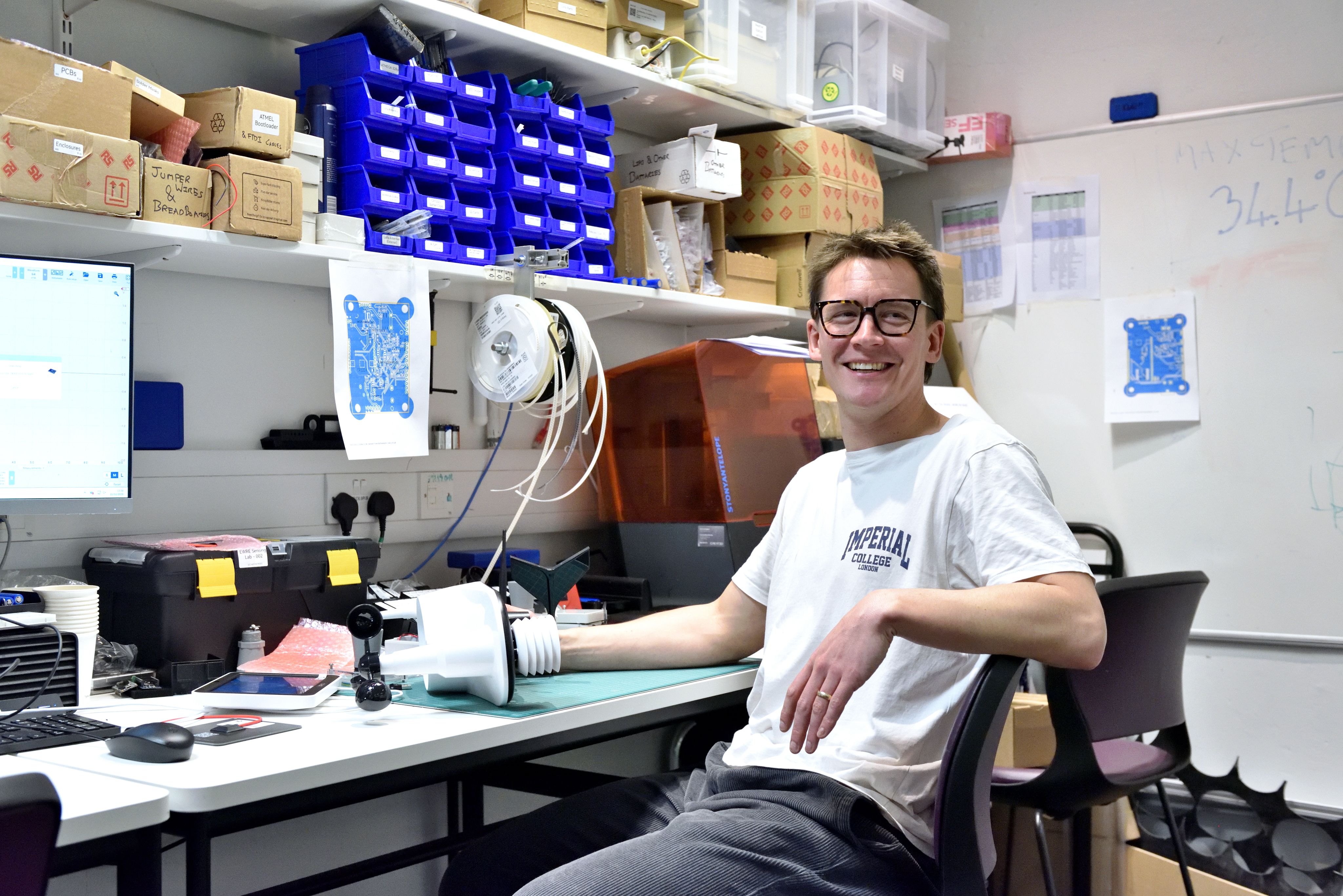
“The first couple of trips I made to Tamale were about understanding what was important to the community,” he says. His team needed to develop an awareness of what questions the local community wanted answered, and what they needed most. Reflecting, Ben shares, “I had joined the research project with a set of research questions that I thought would be interesting. They were thrown out very quickly.”
Ultimately, I’m trying to help to address questions that are important to the community members. I’m not trying to instil my own agenda.
His research revealed that less advantaged communities in Ghana were most at risk of flooding. In response, Ben developed innovative engagement activities that helped to raise awareness of the flooding issues in Tamale. This was done through documentary-style videos, news articles, and a new website, as well as influencing local governments to consider how they can better implement changes through policy.
However, the project’s success did not come without a lot of planning and learning. “There's a big risk of helicopter science, which is when researchers assume they have the tools and the knowledge to answer questions more so than other people who live with these impacts every day.” He shares how his team were intentional with their approach as they were cautious that the community’s trust in researchers had already been degraded.

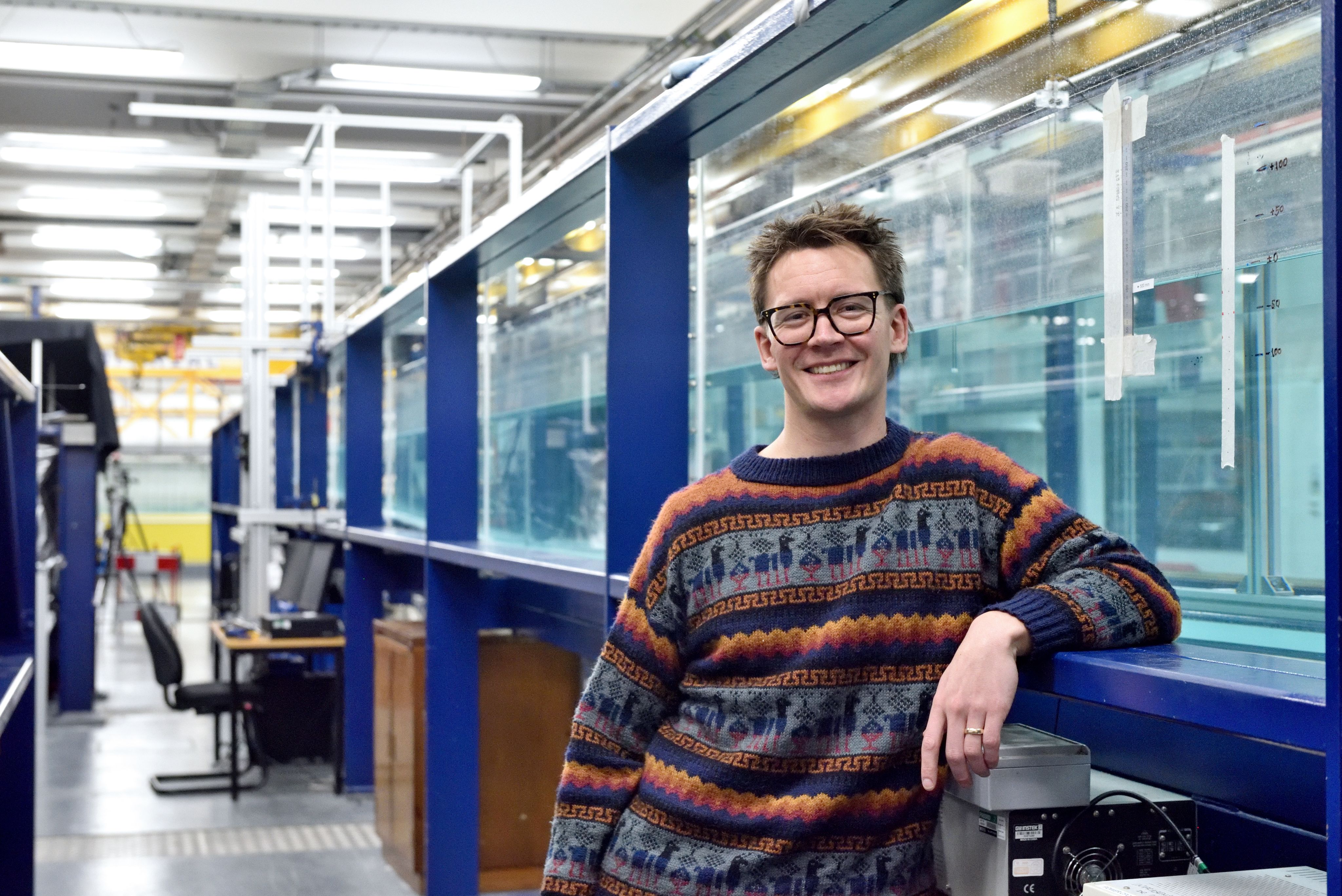

Trust as the foundation of collaboration
Ben and his team built trust by spending sustained time on the ground in Ghana, returning every six months to reconnect with the community. “We wanted to demonstrate that we weren’t just there briefly to collect data and leave,” he explains. This consistent presence allowed them to nurture relationships, creating a space where community members felt comfortable asking questions and sharing their ideas.
Ben also gained trust by embracing traditional Ghanian customs, first seeking permission from the local chiefs before beginning any collaboration with the community. After two years, his team also hosted a Durbar, a community forum with the chief, to mark completion of the project’s first phase. Attended by over 500 people, it was, as Ben puts it “a culmination of all the engagement and co-production work we’d done with these communities.”
Harnessing knowledge that exists within the community
Reflecting on his time in Ghana, Ben explains how he came to appreciate the vast knowledge that already existed amongst the local people. “As researchers, we have a tendency to come in with a PhD and the belief that we are most qualified to find the answers to our questions. But, most of the time people in the community already know the answers.”
Community members who have been flooded every year for the past 30 years have a lived understanding of how flooding occurs, what the precursors are, and the impacts of such an event.
“By bringing together the different knowledge and wisdom from both the community and researchers, that is where we can produce really transformative outcomes" says Ben.

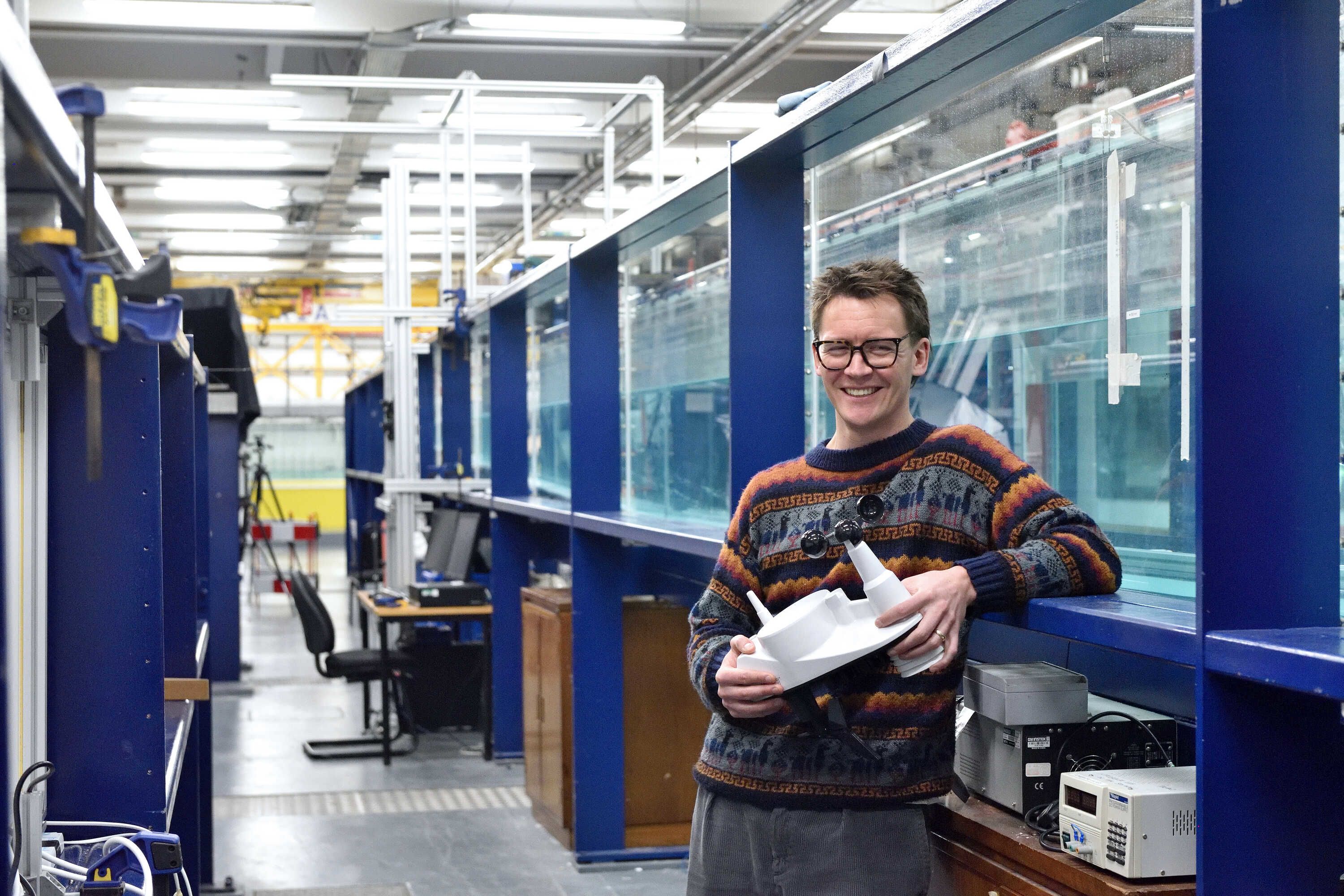
Encouraged by his success at the 2025 President’s Awards, Ben shares that the project in Ghana has secured a further five years of funding from the Wellcome Trust. The team plan to set up hydrological monitoring within Tamale by embedding sensors in the community and training local champions to manage them.
Ben’s work is rooted in the same ethos that drew him to societal engagement. “Research is needed to inform impact, but on its own, it is not enough” he says.
“Engagement is what makes science matter to people” he continues. “It’s the only way research can have real, lasting change.” A powerful reminder that impact is not achieved through research alone, but through the collaborations that bring it to life.

 Built with Shorthand