
Institute of Global Health Innovation
Annual Report 2025


Foreword
2025 marks the Institute of Global Health Innovation’s (IGHI) 15th year – a moment to take stock of how far we have come and to set our sights clearly on what comes next. It has been a year of real achievement across every one of our Centres, of important institutional reflection, and of profound personal loss.
That loss was the sudden passing of my fellow Co-Director, Professor Sir David Nabarro, in July. David was a giant of global health: a tireless champion of equity, an original and searching mind, and the most generous of colleagues. Everything IGHI has achieved in the years he was with us bears his imprint. We carry his legacy forward with immense pride and a deep sense of responsibility to the values he embodied.
Inspired by David’s example, our multidisciplinary Centres of Excellence have pressed forward with the work that defines us: bridging medicine, engineering, policy and design to address the most consequential challenges in global health. The highlights that follow speak for themselves.
The Fleming Initiative is advancing at pace. Anchored by our landmark £45 million partnership with GSK – the largest industry-academic collaboration on antimicrobial resistance (AMR) anywhere in the world – we launched six ‘Grand Challenge’ research programmes, mobilising world-leading scientific expertise and cutting-edge technologies to slow the spread of drug-resistant infections. AMR claims more than a million lives each year. The Fleming Initiative exists because we believe that number is not inevitable.
At the invitation of the Secretary of State for Health and Social Care, I led our Future State Programme – an evidence-based examination of how technological advances can and should reshape healthcare in England by 2035. That work fed directly into Fit for the Future: 10 Year Health Plan for England. This work represents a significant contribution to the long-term vision for health in this country, and I am proud of the rigour and ambition our team brought to it.
The Hamlyn Centre secured a $6.3 million collaboration with the Chinese University of Hong Kong to establish a new Multi-Scale Medical Robotics Centre — bringing together world-class engineers and clinicians with a shared focus on translating robotic technologies directly into patient benefit.
In education, the completion of our 8th NHS Digital Health Leadership cohort brought our alumni community to over 750 leaders embedded across the health system. These are not simply graduates – they are the people leading digital transformation in hospitals, integrated care systems, and government. Watching what they go on to do is one of the most tangible reminders of why the work of this Institute matters.
This year also brought an independent external review of IGHI, benchmarked against 15 peer institutes worldwide. The panel placed us second overall – with particular recognition for our translational impact and research productivity. We welcome that verdict, and we welcome even more the panel’s seven recommendations, which will shape our ambitions for the next 15 years. The question the review posed was not whether IGHI is impactful – it concluded that case is made. The question is how we amplify that impact. That is the challenge we take on with energy and with purpose.
These highlights represent only a fraction of what our teams have achieved this year. The pages that follow are a testament to the extraordinary people who make this Institute what it is – researchers, clinicians, designers, educators, and policy experts who come to work every day with the same conviction: that better evidence, better innovation, and better collaboration can build a healthier world. I hope you find their work as compelling as I do.

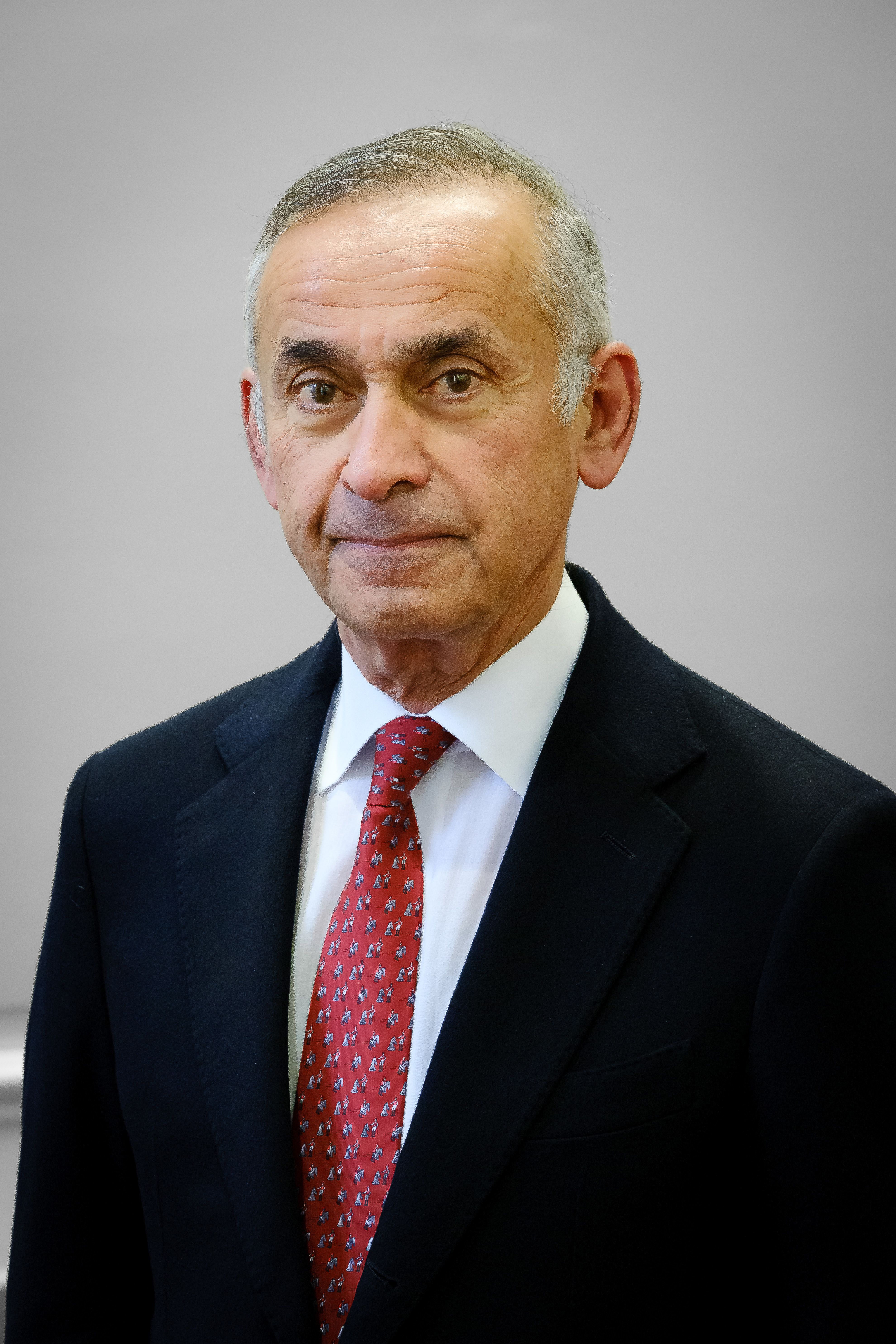
Professor the Lord Ara Darzi, director of the Institute of Global Health Innovation
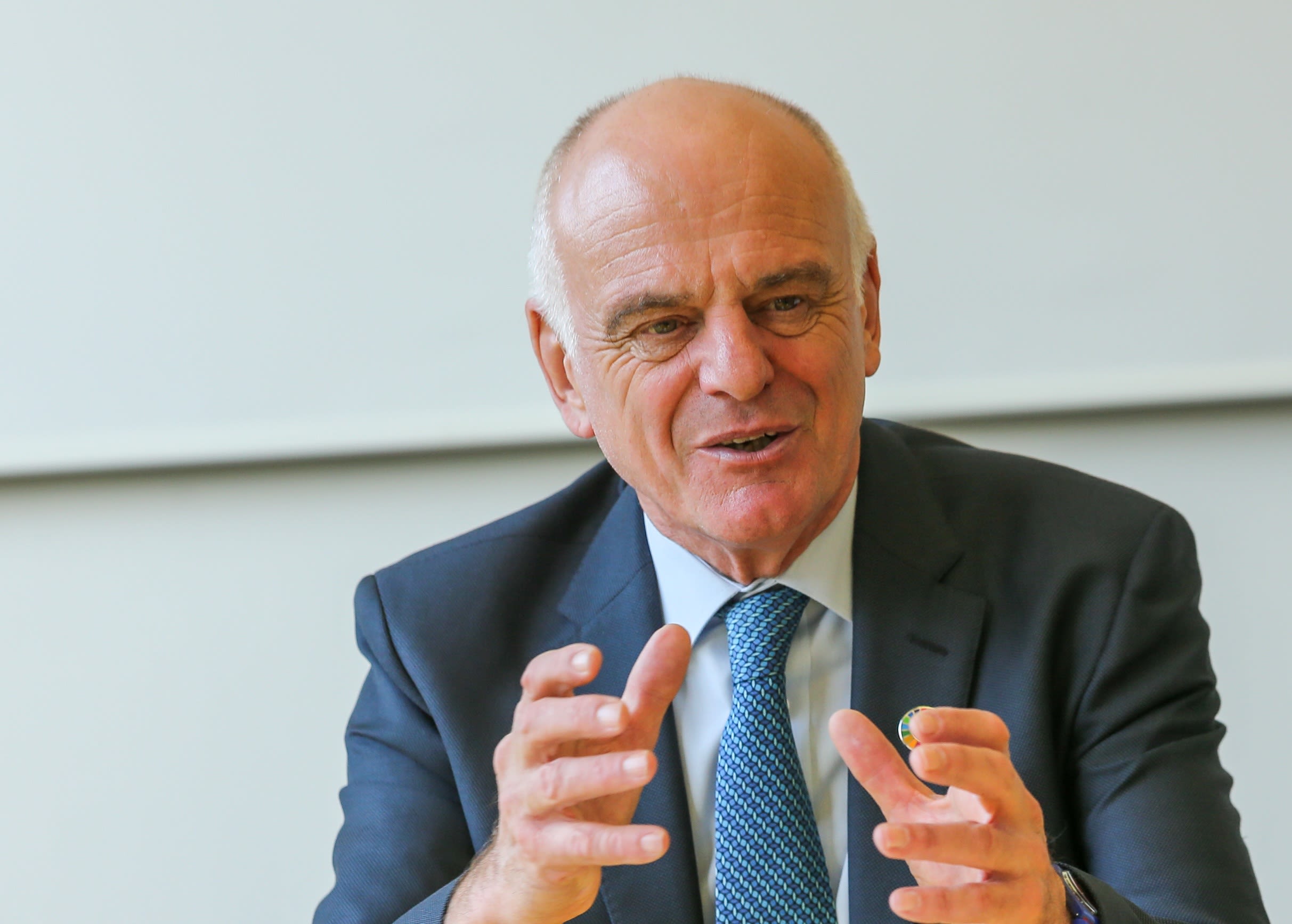
Professor Sir David Nabarro
1949-2025
In 2025, we lost our dear friend and colleague Professor Sir David Nabarro, co-director of the Institute of Global Health Innovation.
We marked his passing at a private memorial service at Imperial College London in January 2026, attended by his family, friends and close colleagues from his long and distinguished career.
His fellow co-director, Professor the Lord Ara Darzi, looks back on his life in this Guardian obituary.

Our Priority Areas
Highlights
Education

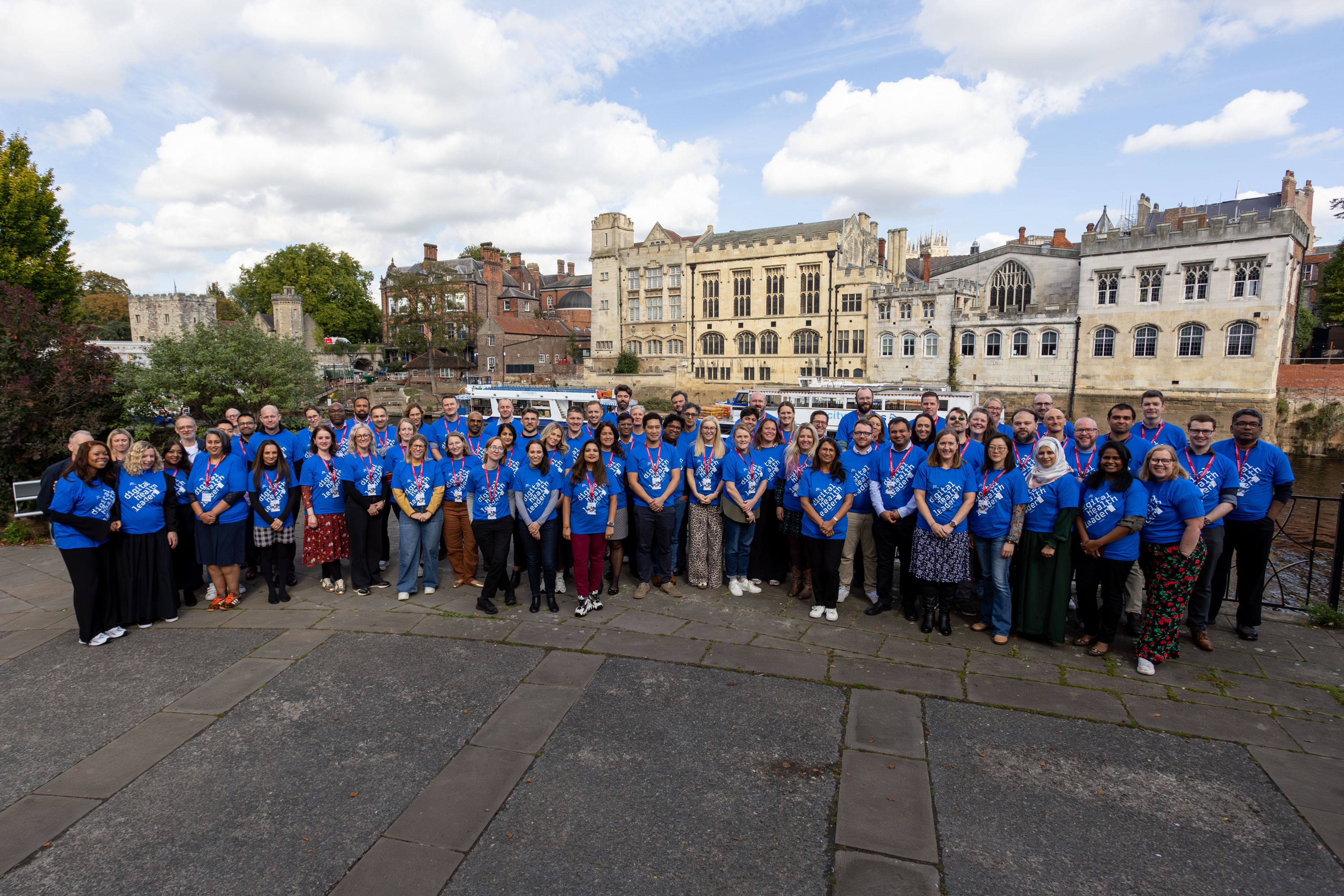
Digital Health Leadership Cohort 8, York, September 2025. Photo: Alex Dodd
Digital Health Leadership Cohort 8, York, September 2025. Photo: Alex Dodd
Training the NHS's future digital leaders
Our Education team trained another 60 future digital leaders from the National Health Service, growing its alumni network to over 750 members.
Centre of African Research and Engagement

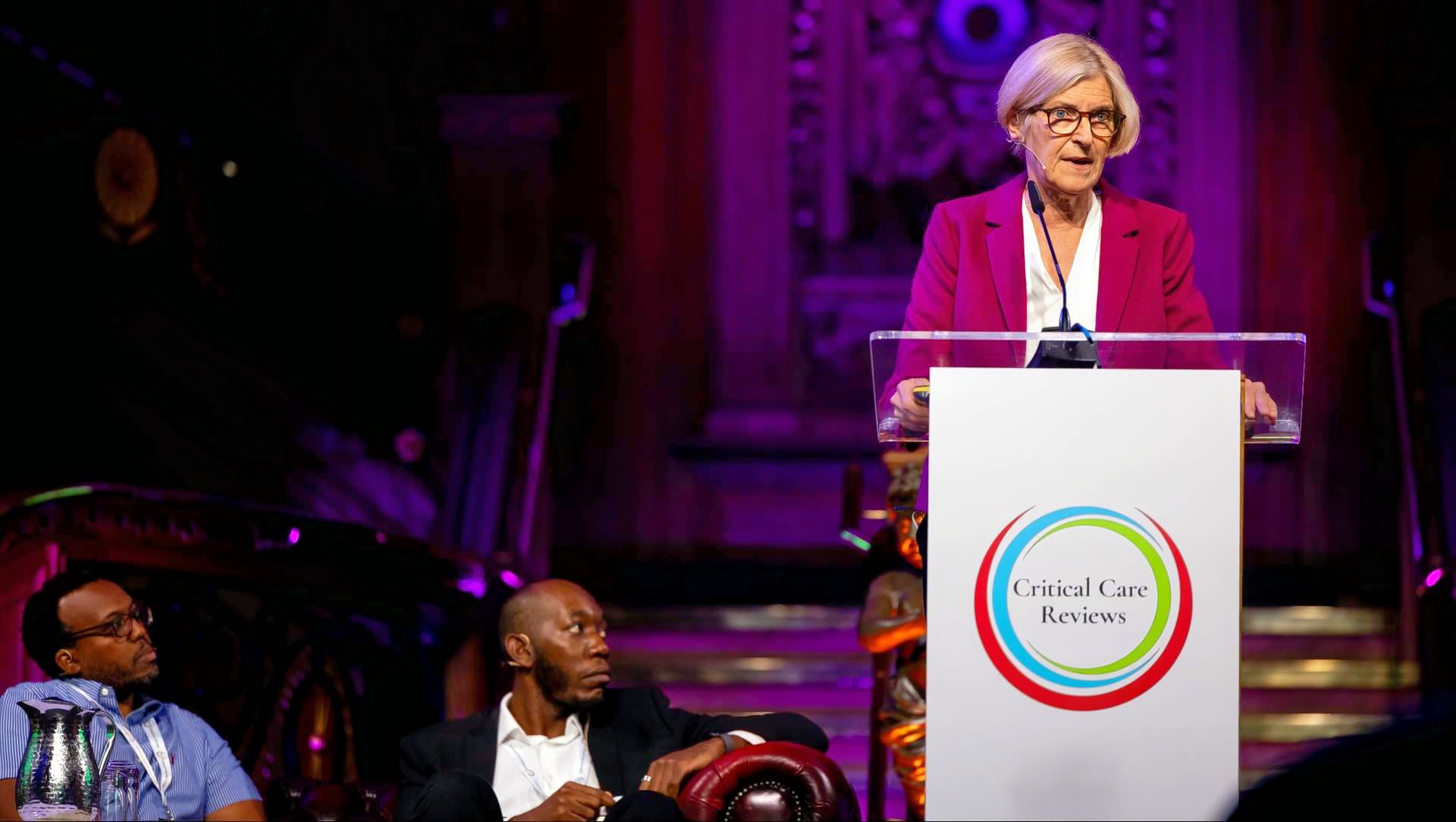
Professor Kath Maitland presenting the findings of the Gastrosam study. Photo: Critical Care Reviews
Professor Kath Maitland presenting the findings of the Gastrosam study. Photo: Critical Care Reviews
Informing international rehydration guidelines
Professor Kath Maitland's Gastrosam trial to rehydrate children with severe acute malnutrition has prompted the World Health Organization to review its guidelines on intravenous and oral rehydration in children.
Climate Cares Centre

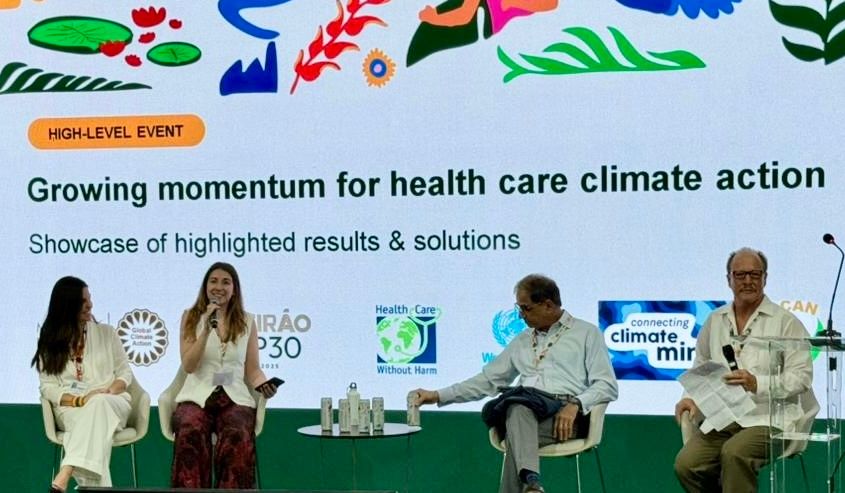
Jessica Newberry Le Vay (second from left) speaking at COP30, Brazil
Jessica Newberry Le Vay (second from left) speaking at COP30, Brazil
Influencing international climate and health policy
Our Climate Cares Centre work informed the UK Health Security Agency's Climate Change and Mental Health report, and fed into the COP30 Belem Health Action Plan.
Centre for Health Policy

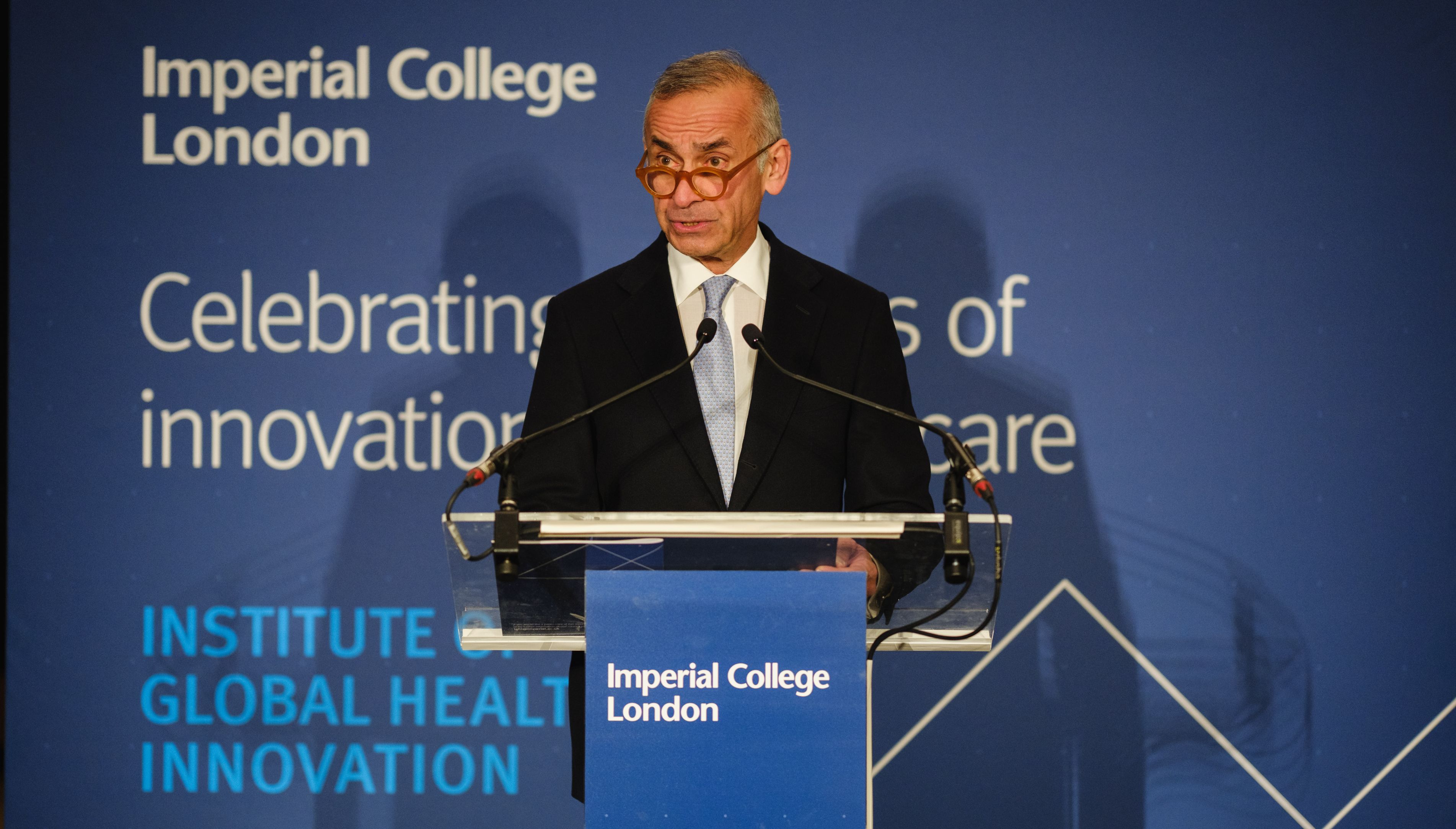
Professor the Lord Ara Darzi
Professor the Lord Ara Darzi
Shaping UK government health policy
For the UK government, Professor the Lord Ara Darzi looked at how healthcare will change over the next 10 years. The work produced four themed reports that fed directly into The 10 Year Health Plan for England.
Fleming Initiative
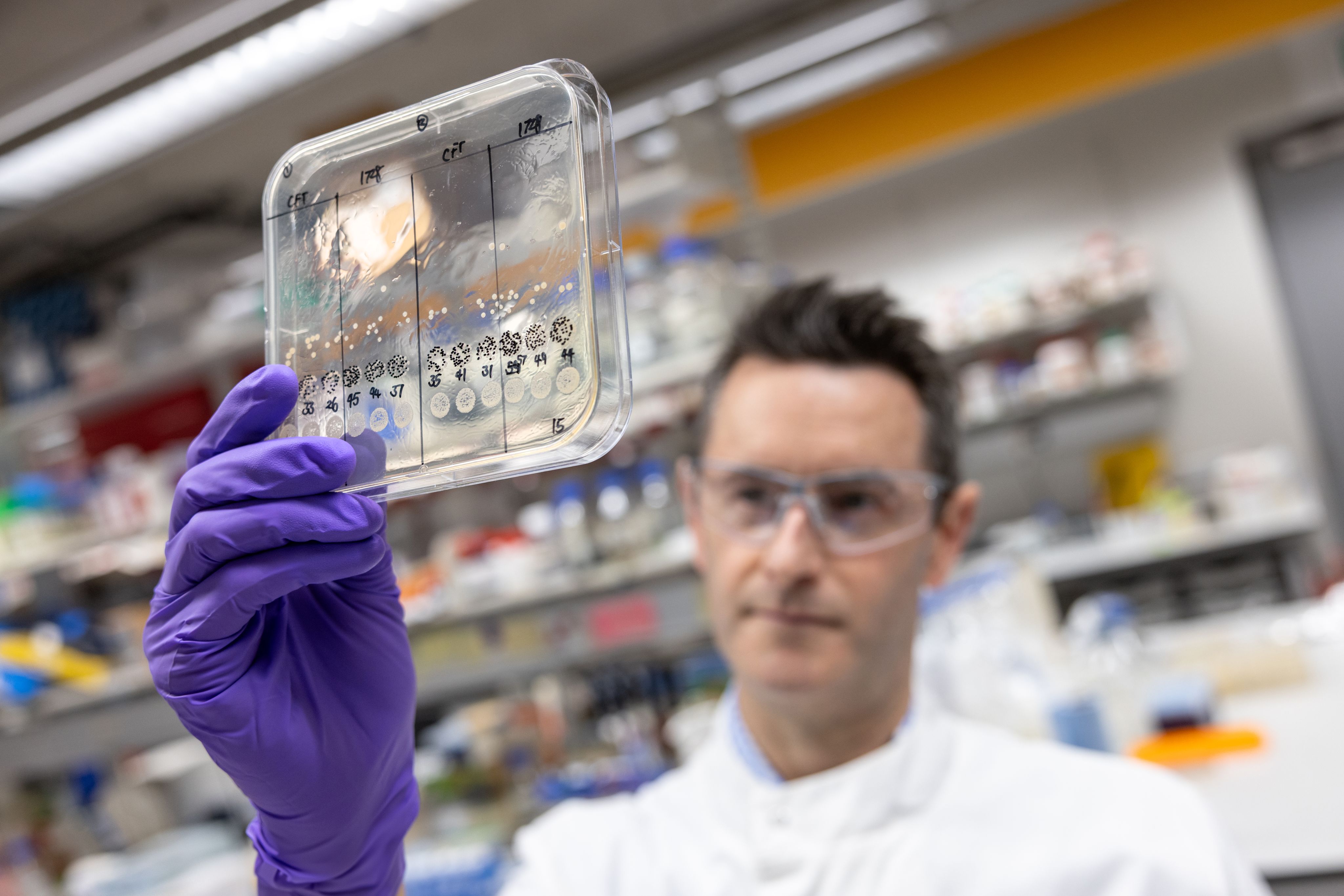
Molecular microbiologist Dr Andy Edwards who is leading one of the grand challenge programmes
Molecular microbiologist Dr Andy Edwards who is leading one of the grand challenge programmes
Tackling AMR with £45mn GSK funding
With £45mn from GSK, the Fleming Initiative launched six ‘Grand Challenge’ research programmes. These bring together world‑leading scientific expertise and advanced technologies to slow the spread of antimicrobial resistance.
Hamlyn Centre

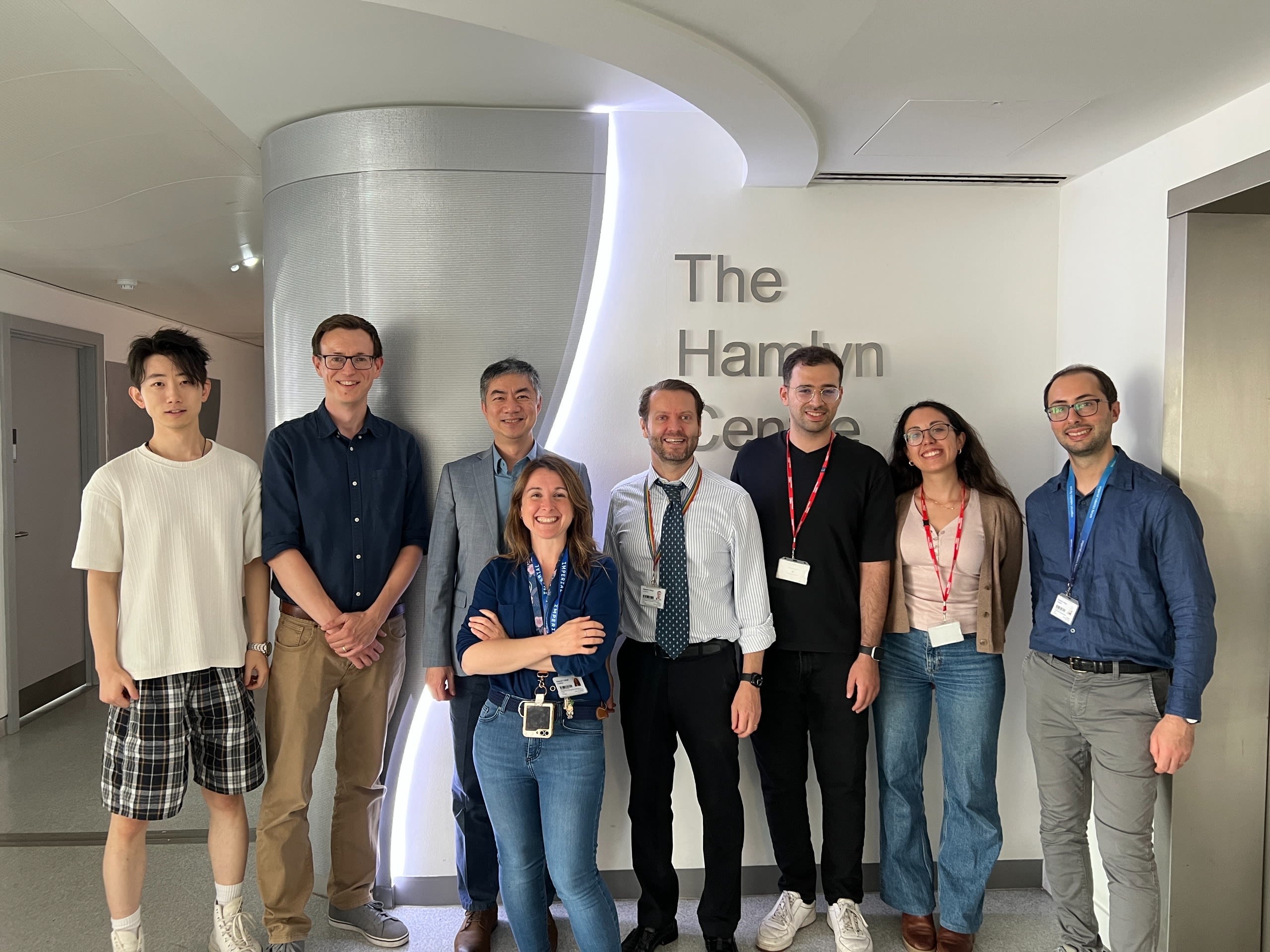
Hamlyn and Chinese University of Hong Kong staff involved in the new collaboration
Hamlyn and Chinese University of Hong Kong staff involved in the new collaboration
Investing $6.3mn in medical robotics hub
Thanks to a $6.3mn collaboration investment, the Hamlyn Centre established a Multi-Scale Medical Robotics Centre with the Chinese University of Hong Kong that will be headquartered in London.
Helix Centre

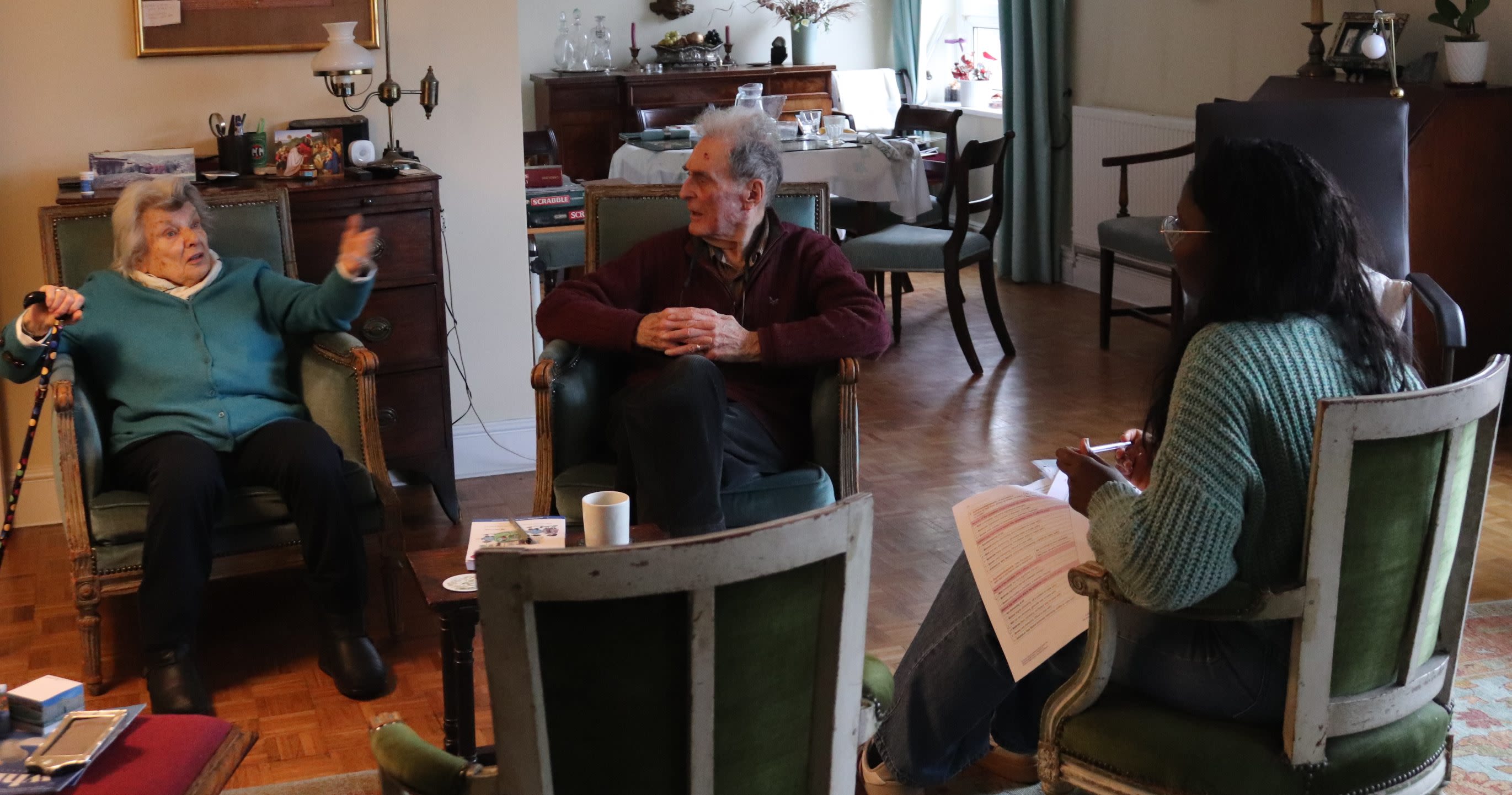
A team member conducting a six-month assessment with MinderCare participants. Photo: Tori Simpson
A team member conducting a six-month assessment with MinderCare participants. Photo: Tori Simpson
Improving the lives of people with dementia
With its MinderCare project, the Helix Centre moved its digital rehabilitation projects from early testing to real-world use, and supported its integration into the NHS.
Patient Safety
Research Collaboration
Dr Calandra Feather outlines the benefits of Touchdose
Reducing prescribing errors with digital tool
Touchdose helps clinicians calculate the correct dosage of a drug to give a patient. Rolled out across West London Children’s Healthcare, it led to an 83 per cent reduction in the odds of an error occurring.
Emerging Global Challenges


Antimicrobial Resistance Grand Challenges
Thanks to £45 million in funding from GSK, the Fleming Initiative has launched six ‘Grand Challenge’ research programmes. They bring together world‑leading scientific expertise and advanced technologies, including artificial intelligence, to slow the spread of antimicrobial resistance (AMR).
Fully funded for three years, the programmes will focus on:
• Gram-negative antibacterial discovery
• Anti-fungal drug discovery
• Immune responses to drug resistant bacteria
• Integrating surveillance and environmental data to build AI models that predict the emergence and spread of resistance
• Delivering an innovative clinical trial to improve how and when antibiotics are prescribed
• Using global research insights to inform policy, public engagement, embed preventive interventions, accelerate continued R&D and amplify societal and government action to get ahead of AMR
In the shadow of 80 years since the Nobel prize for the discovery of penicillin, we’re delighted to see this research progress. We hope this research will be a beacon for the global scientific community and highlight the urgent need for collaborative efforts to tackle the rising global threat of antimicrobial resistance.

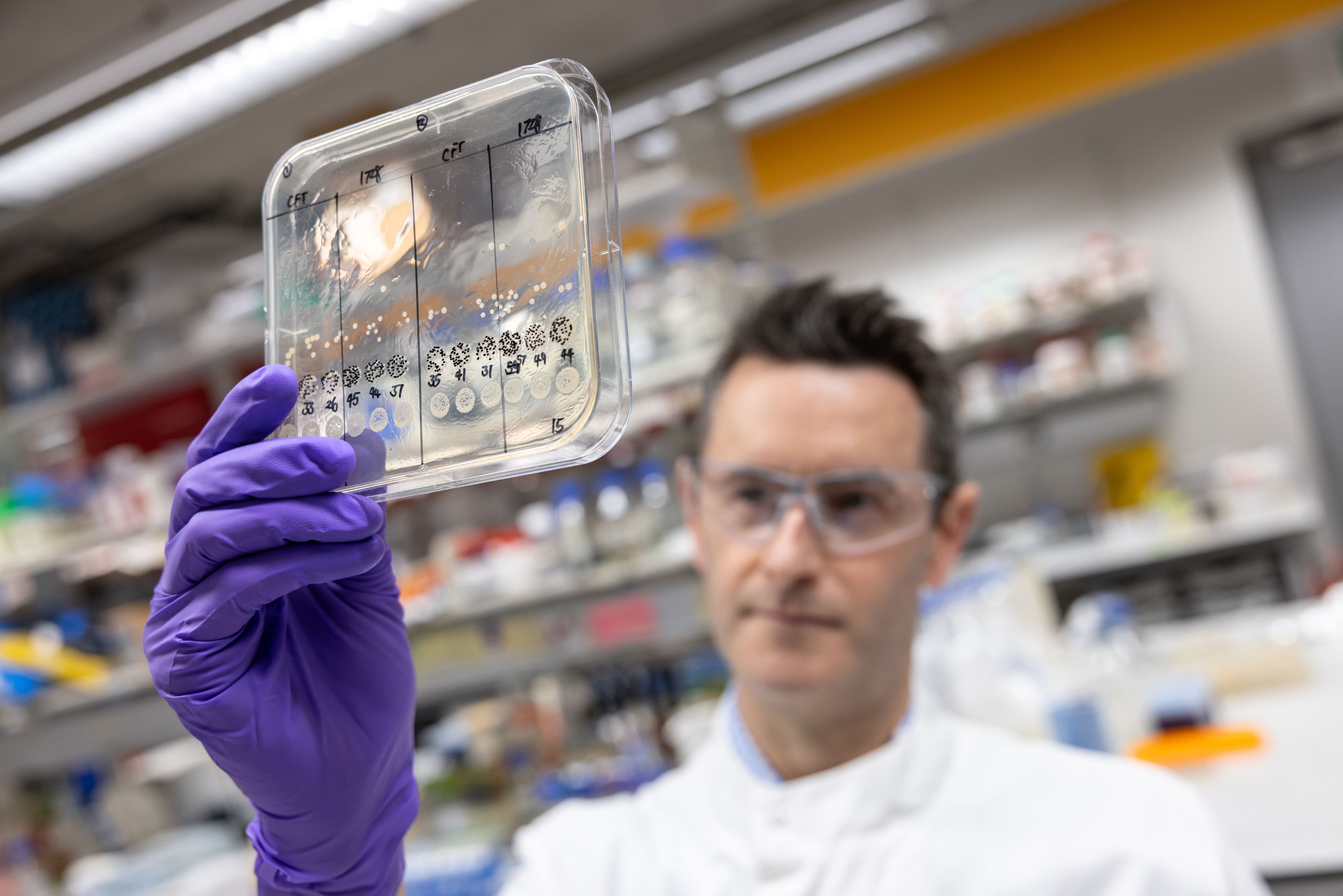
Professor Andy Edwards, molecular microbiologist, one of the Grand Challenge leads
Professor Andy Edwards, molecular microbiologist, one of the Grand Challenge leads
Honouring our Heritage
Eighty years after Alexander Fleming received the Nobel Prize for discovering penicillin, the Fleming Initiative marked the anniversary by co‑hosting ‘Nobel to Now’ with GSK and the Ineos Oxford Institute for Antimicrobial Research. The event brought together scientists, communicators, business leaders and policymakers to reflect on Fleming’s legacy and explore new approaches to tackling AMR.


Professor the Lord Ara Darzi speaking at Nobel to Now. Photo: Andy Pritchard/Imperial
Professor the Lord Ara Darzi speaking at Nobel to Now. Photo: Andy Pritchard/Imperial
In December, Professor Alison Holmes, Director of the Fleming Initiative, contributed to the Nobel Week Dialogue in Gothenburg, Sweden, bringing the urgency of the AMR crisis and the Initiative’s cross‑sector work to a global audience.
At the Fleming Initiative, we are working across three critical pillars – science and innovation, informed policy and economics, and public engagement and involvement – interlinking them to honour the legacy of Alexander Fleming and his Nobel Prize, to address the complex crisis of AMR, and to protect and preserve the effectiveness of antibiotics for us and for future generations.

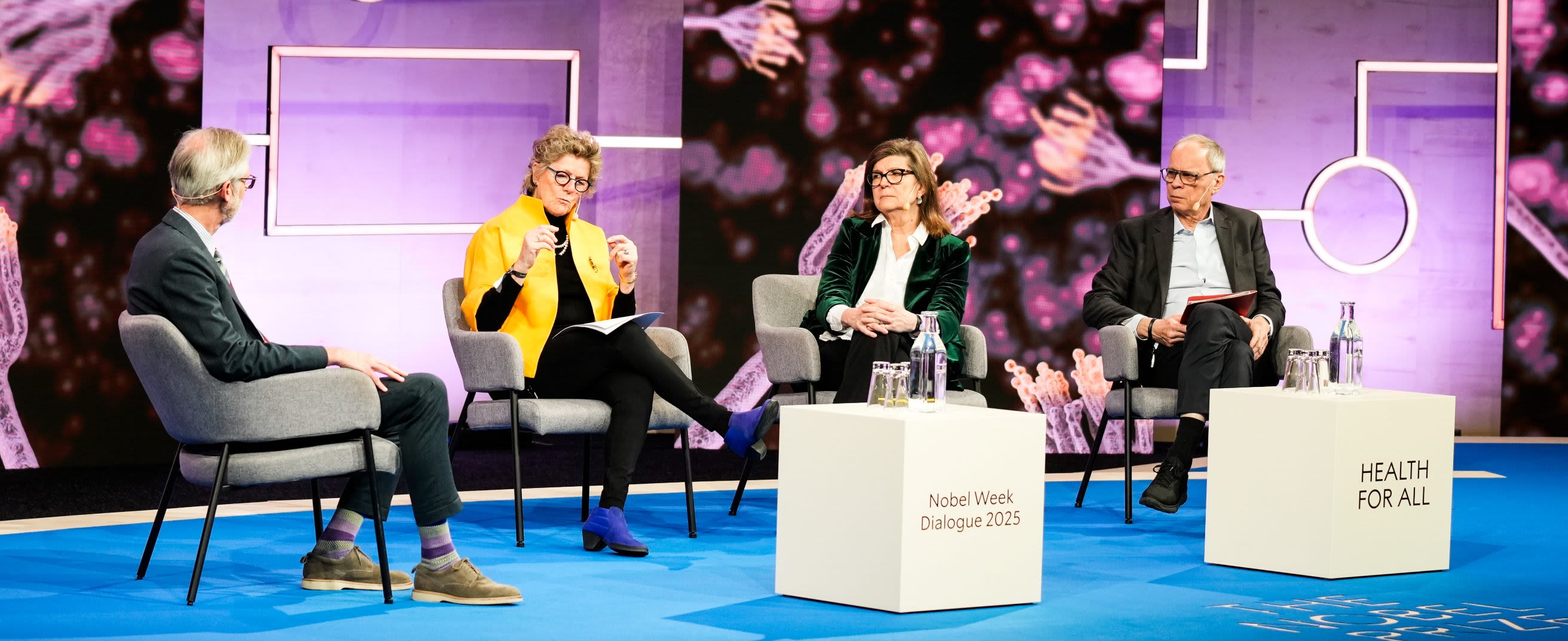
Professor Alison Holmes (2nd from right) discussing AMR as part of the Nobel Week Dialogue. Photo © Anna Svanberg/Nobel Prize Outreach
Professor Alison Holmes (2nd from right) discussing AMR as part of the Nobel Week Dialogue. Photo © Anna Svanberg/Nobel Prize Outreach
Influencing Policy on Climate and Mental Health
In the emerging field of climate change and mental health, our Climate Cares Centre team worked with the UK government and the Kings Fund to convene a climate and mental health network with 13+ UK government departments and agencies. This included a series of roundtables, including on housing decarbonisation and education, in response to needs identified by the group. The Centre’s director, Dr Emma Lawrance, advised the UK Health Security Agency on its Climate Change and Mental Health report, which features multiple case studies of our work.
Jessica Newberry Le Vay from the team organised or presented at eight mental health events at the UN climate conference (COP30) and at the UN Conference of Youth (COY20) in Brazil. This included a high-level event with the COP30 Presidency resulting in Connecting Climate Minds being selected to support the development of the Belem Health Action Plan.
Together with United for Global Mental Health, we published a report about including mental health in national adaptation plans. This was featured in a World Health Organization report and we presented on this at COP30.
Dr Daniella Watson from the team gave a presentation to the European Commission which emphasised mental health as a key climate co-benefit requiring financial investment.

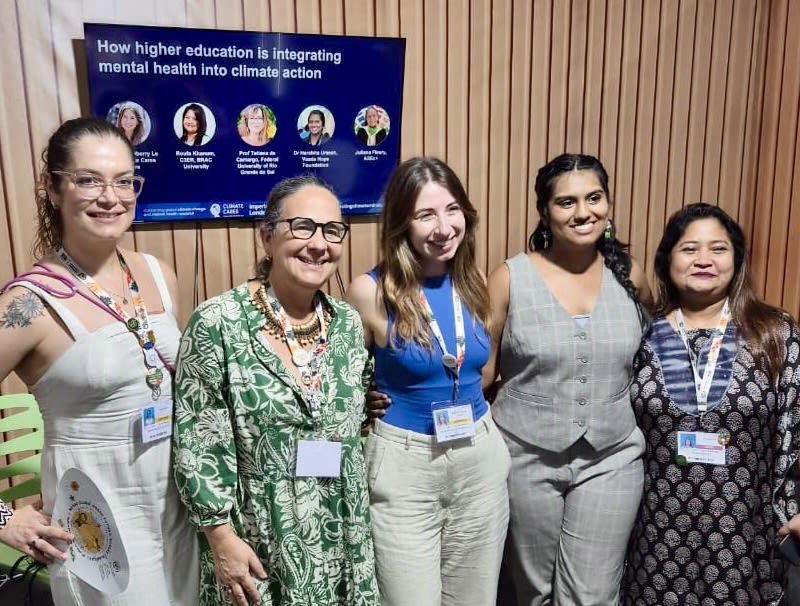
Jessica Newberry le Vay (centre) with fellow COP30 delegates, Brazil
Jessica Newberry le Vay (centre) with fellow COP30 delegates, Brazil
Antimicrobial Awareness Week
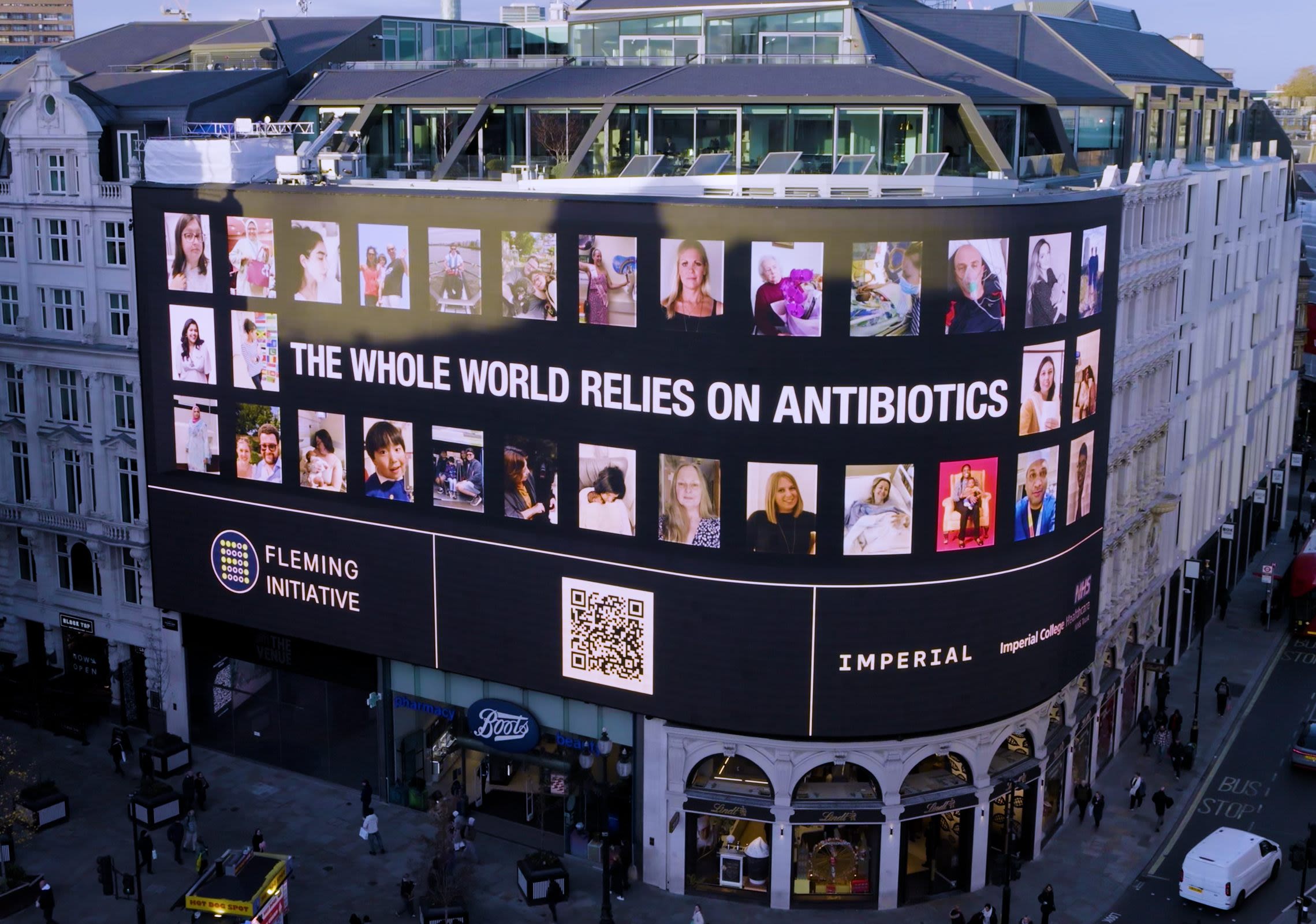
On 18 November, to mark World Anti-Microbial Awareness Week, the Fleming Initiative took over the lights at Piccadilly Circus in London with a 10-minute campaign film featuring photos and personal stories submitted by the public. Nearly 300 submissions were received, almost a third from outside the UK, representing 30 countries worldwide.
The campaign delivered a striking message in the heart of London, inviting audiences to imagine a world where antibiotics lose their power, to appreciate life-saving antibiotics, and reinforcing how individual choices and behaviours can be part of the solution.

The Fleming Centre
The Fleming Initiative worked closely with Imperial College Healthcare NHS Trust and architects Stanton Williams to develop designs for the Fleming Centre which will open its doors in 2028, the centenary of Alexander Fleming discovering penicillin.
The building will support collaborative, multi-disciplinary working, enable global gatherings, and welcome the public. It will include a free, interactive exhibition, flexible events spaces and a cafe. Feedback from public consultations on the design has been very positive and local communities have worked with us to shape early ideas for the exhibition.
In 2025, we met two major milestones: completing the Royal Institute of British Architects (RIBA) Stage 3 design and submitting for planning permission.


Visualisation of the Fleming Centre © Stanton Williams
Visualisation of the Fleming Centre © Stanton Williams
Convening Global Expertise
In 2025, the Fleming Initiative supported the launch of DxAMR, a global collaborative that is accelerating access to, and the effective use of, AMR diagnostics. The initiative brings together global and regional leaders to strengthen diagnostic innovation, implementation and equity, with a particular focus on low and middle income countries where the burden of AMR is highest.

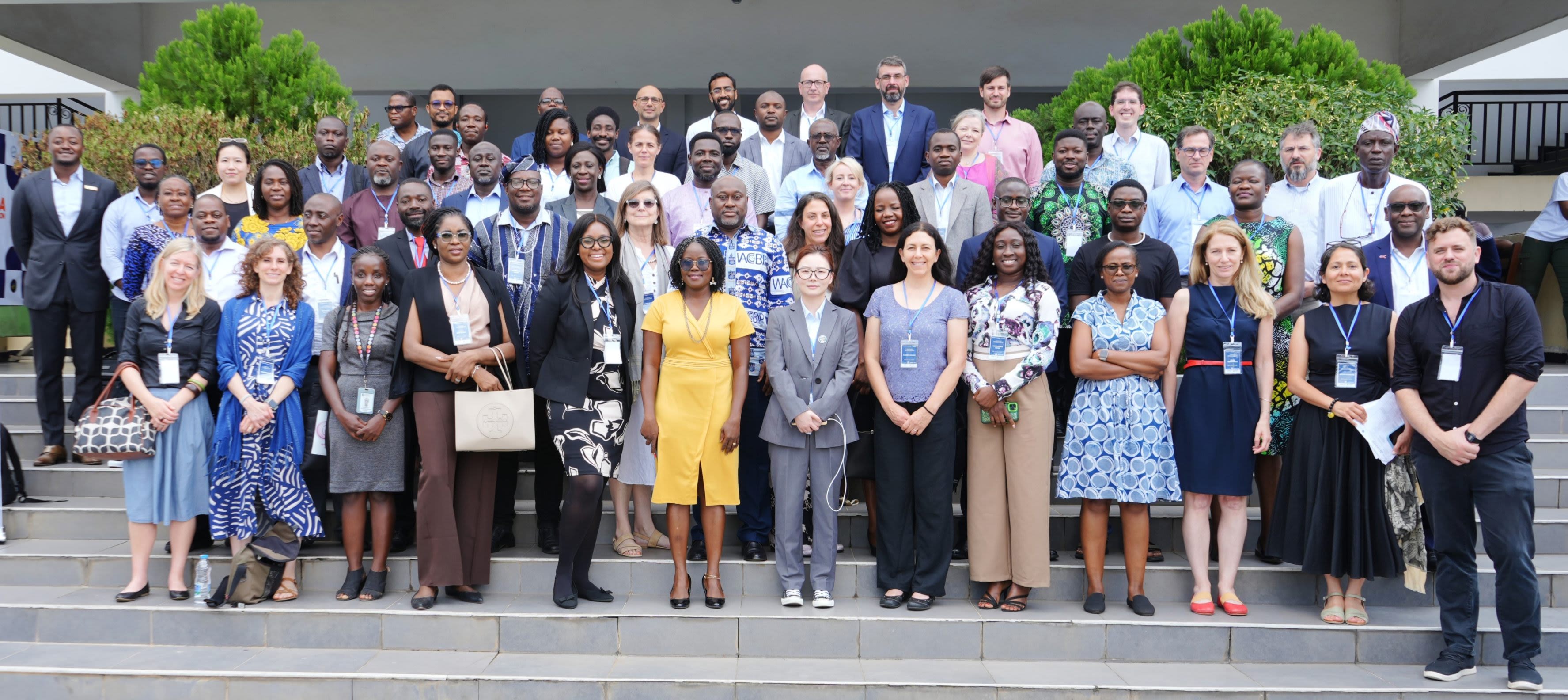
Delegates at the inaugural DxAMR meeting at the University of Ghana, Accra. Photo: Fleming Initiative
Delegates at the inaugural DxAMR meeting at the University of Ghana, Accra. Photo: Fleming Initiative
Professor the Lord Ara Darzi led a strategic visit to the United States, engaging with leaders across industry, academia, government and philanthropy to explore opportunities for collaboration, including signing a memorandum of understanding with Johns Hopkins University.
I was encouraged by the enthusiasm and leadership we encountered during our visit to the US and I look forward to building on these conversations to forge collaborations with US partners that drive real, global impact.

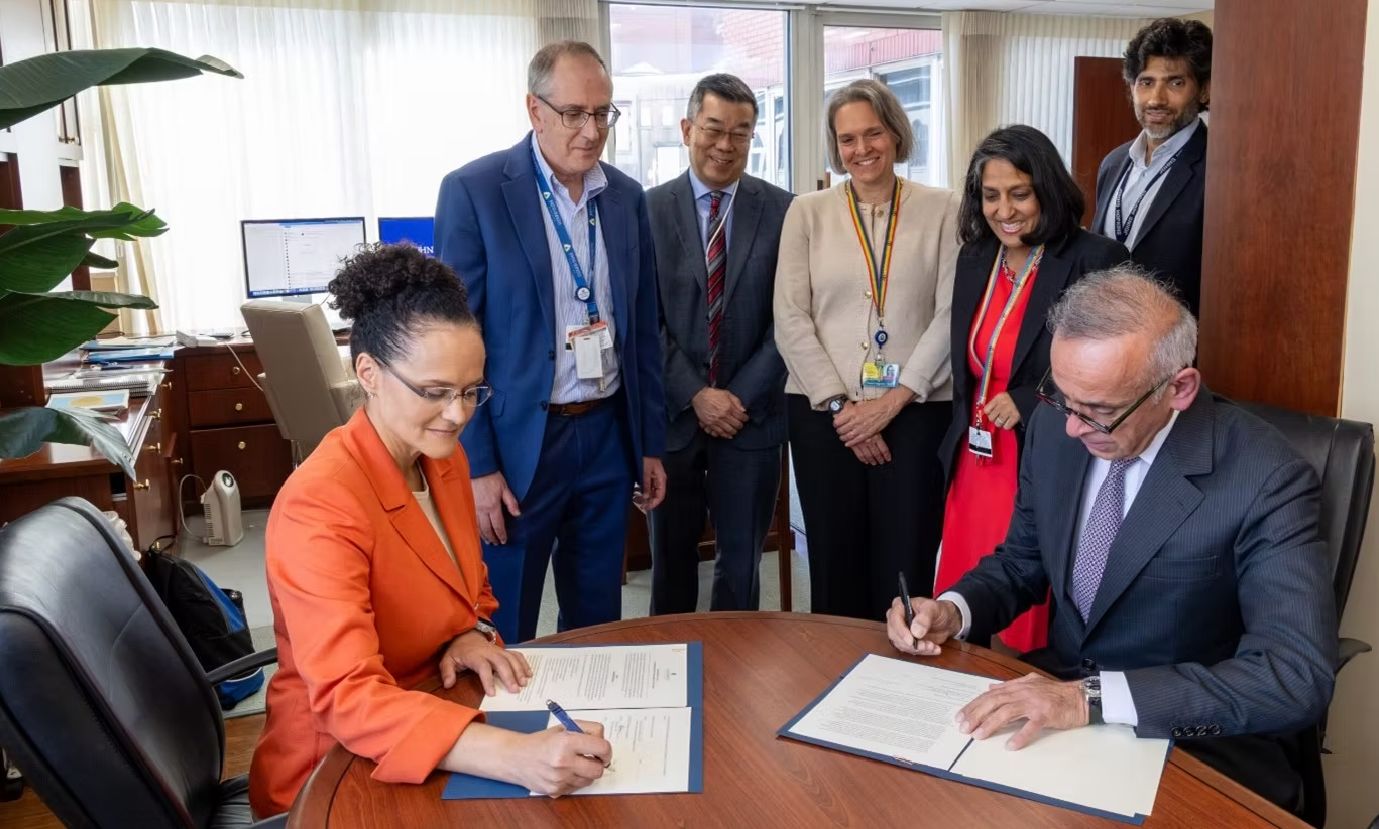
Professor the Lord Ara Darzi signing a Memorandum of Understanding between the Fleming Initiative and Johns Hopkins University. Photo courtesy of Johns Hopkins University
Professor the Lord Ara Darzi signing a Memorandum of Understanding between the Fleming Initiative and Johns Hopkins University. Photo courtesy of Johns Hopkins University
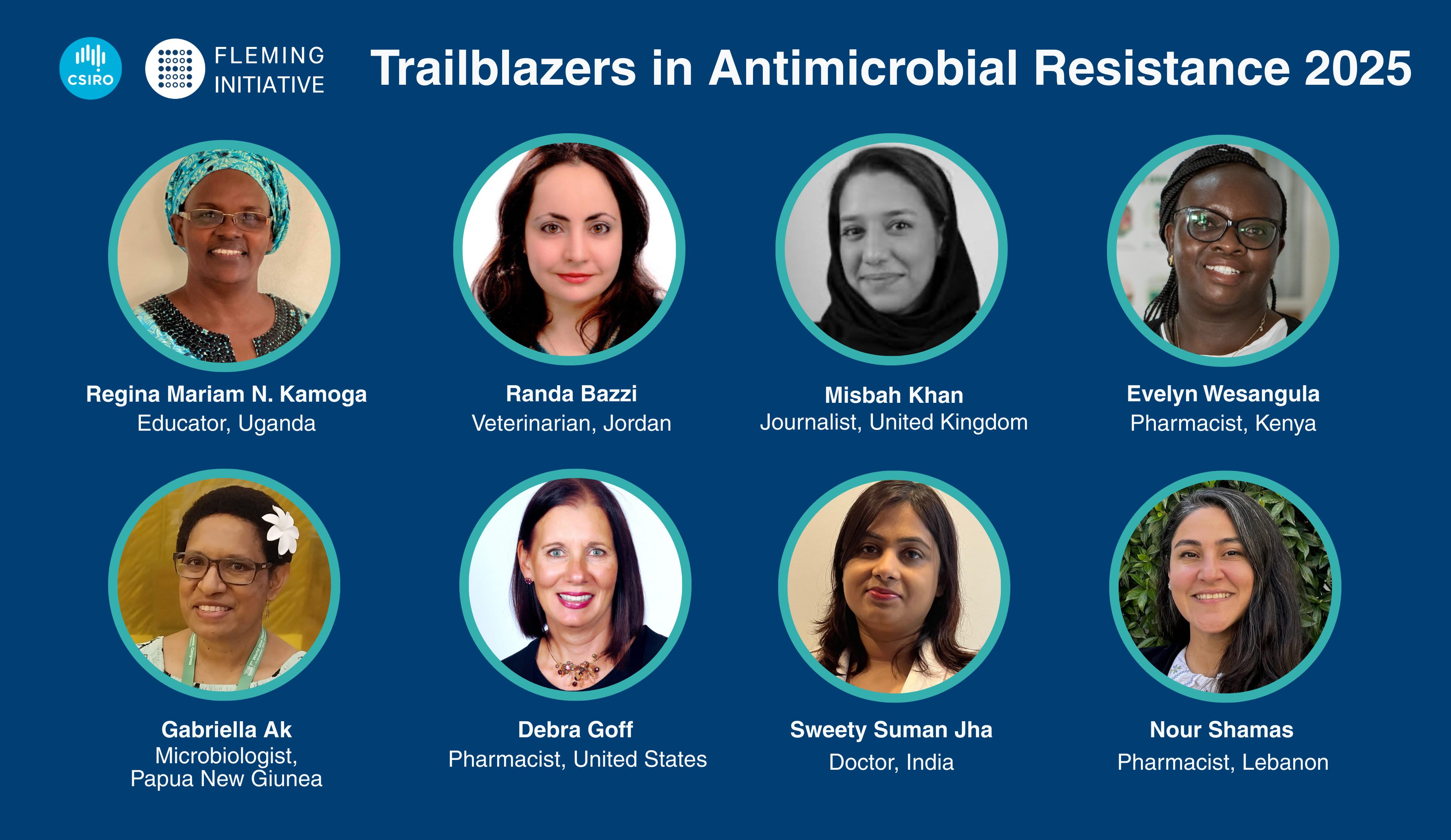
In March 2025, The Fleming Initiative and Australia’s national science agency, CSIRO, teamed up to co-design a new award programme to recognise the achievements of women around the world who are leading and inspiring action on AMR.
This attracted submissions from around the world, spanning a wide range of sectors and disciplines that comprise a One Health approach. Following a rigorous multi-round selection process, eight Trailblazers have been selected and featured on the Initiative’s channel.

Educating Future Leaders


Rising Faster than the Sea Levels
This project brought together 136 young people from Australia, the Philippines, Trinidad and Tobago, Kenya, Europe and the UK, to understand and respond to the mental health impacts of climate change. They developed and delivered the Youth Climate Change Makers Summit in Australia with Eco Mind, a youth organisation, using a model of ‘head’ (a climate literacy workshop), ‘heart’ (processing and learning healthy ways to tend to eco emotions) and ‘hands’ (taking action).
They also evaluated The Resilience Project’s Resilience Circles programme. Through this, young people build a support community, learn skills to benefit and protect their mental health, and take action in a changing climate. The evaluation was recognised by the UK’s Health Security Agency and the World Health Organization, leading to renewed funding from The Children's Investment Fund Foundation to expand the programme in Kenya.
Hear more directly from the young people in the project.


Young people in Philippines discuss the impact of climate change on their mental health
Young people in Philippines discuss the impact of climate change on their mental health
The Compass Project
The Compass Project guides minds and inspires action in climate change education. In 2025, it brought together over 220 students (aged 16-29), educators in England, and 30+ representatives from youth mental health, climate education and climate action in the UK and abroad.
Through group discussions and an online survey, we learned what students and educators are experiencing, identified a shared vision for integrating approaches to youth mental health and climate change education in the UK, and developed practical ways to make that happen. Our findings are published in this report.
Thanks to this project, over 20 educator resources on climate education and mental health now feature on the Mentally Healthy Schools Hub. It has 2.5 million users and prioritises evidence-based resources that reflect educator and student priorities from the research and co-design processes.
We raised the profile of the intersection of climate change education and mental health at a UK government roundtable, and presented Compass at COP30, the United Nations climate conference, in Brazil. Young people and educators were central to the process – from the design and delivery of discussions and workshops, to presenting at international conferences.


Illustration: Pip Robyn Design for the Compass Project
Illustration: Pip Robyn Design for the Compass Project
Patient Safety Training in Rural Malawi
We partnered with Kamuzu University of Health Sciences (KUHeS) and the Ministry of Health in Malawi to support the development of an e-learning course on patient safety for rural health workers in Malawi. Funded by Global Health Partnerships (formerly THET), the course aimed to reach hundreds of health workers in Malawi during its pilot phase. The project fostered two-way capacity building.
We shared online materials from our MSc in Health Policy with KUHeS colleagues and suggested ways to adapt the materials to a shorter e-learning course for health workers in Malawi. In turn, KUHeS staff shared with us their e-learning materials on quality of care, allowing us to better understand how to develop training materials for a diverse global healthcare worker audience.
CROPSNet Conference
In September 2025, we hosted the inaugural Collaborative Research for Online Postgraduate Studies Network (CROPSNet) Conference. The one-day conference – Building Understanding and Driving Progress in Online Postgraduate Taught Education – brought together peers who deliver online postgraduate teaching (PGT) programmes.
Attended by over 80 people, the successful event demonstrated the need for fora to discuss PGT education. The conference marked CROPSNet's first anniversary and a successful first year for the network, which now has over 120 members from 24 institutions.
Digital Health Leadership Programme
In September 2025, we welcomed our eight cohort to the Digital Health Leadership Programme, which was commissioned by NHS England through the NHS Digital Academy. More than 60 professional learners from across the NHS in England joined the programme, which has a renewed emphasis on demonstrating the impact of participants’ learning on the digital projects and programmes they lead within their NHS organisations.
The programme kicked off with a two-day residential leadership forum, which brought together the full cohort, faculty, teaching fellows and guest speakers to foster peer connections and to continue to build the strong community of practice for NHS digital leaders in the NHS. Our alumni network has more than 750 members.

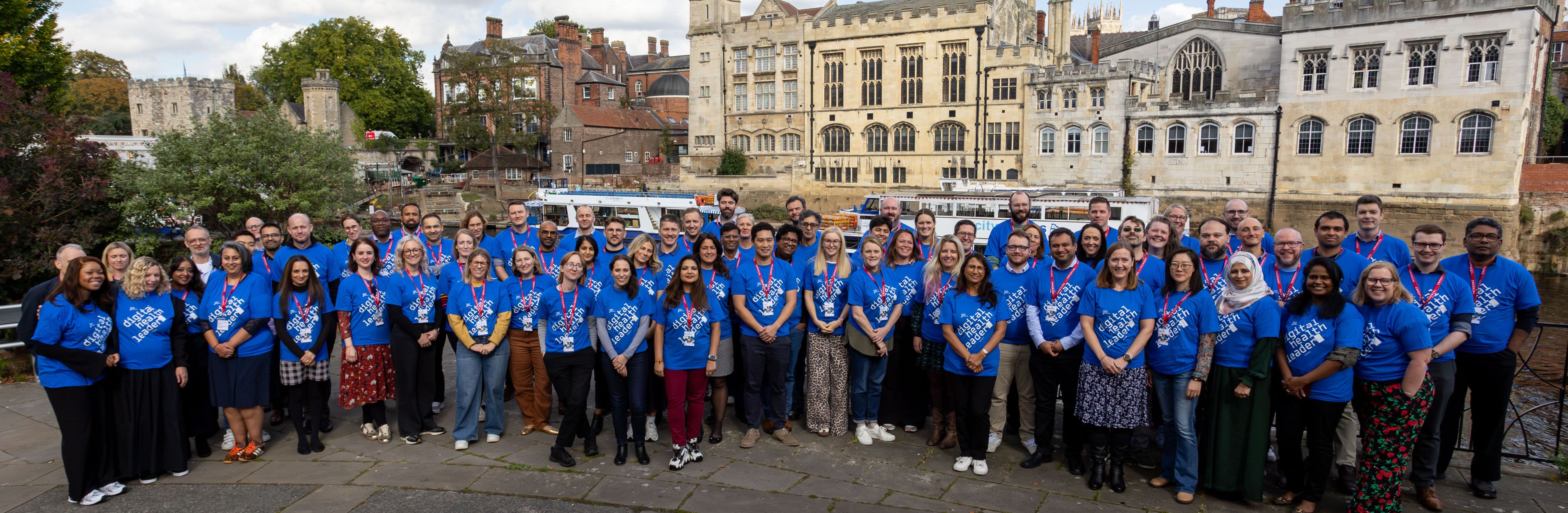
Digital Health Leadership Cohort 8 in York. Photo: Alex Dodd
Digital Health Leadership Cohort 8 in York. Photo: Alex Dodd
Cybersecurity Bootcamps
Last year, we developed a series of highly interactive, seminar-style residential bootcamps to support digital leaders, offering a carefully curated programme of expert panels, Imperial academic keynotes, real-life simulations and practical workshops to enable immediate implementation of their learning into their organisations.
In April 2025, we hosted the first cybersecurity bootcamp in collaboration with IBM. There, we brought together senior NHS leaders and offered them an opportunity to practice and learn: to ask the right questions, to avoid playing catch-up and to prepare for the next wave of threats.

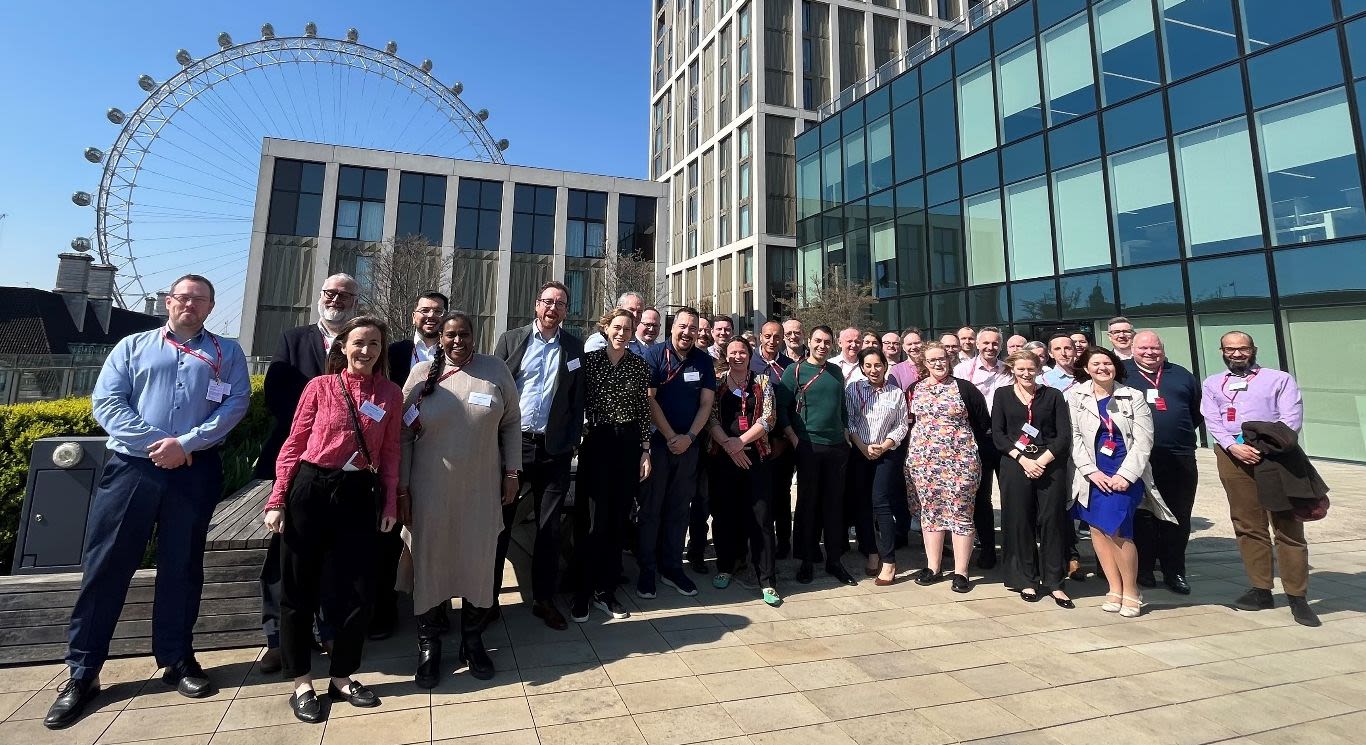
Cybersecurity bootcamp delegates at IBM
Cybersecurity bootcamp delegates at IBM
NHS Graduate Management Training Scheme Summer School
In July 2025, we brought together NHS managers, policy leaders and industry partners to explore how data and digital tools can help transform the NHS into a learning health system.
Participants engaged in interactive practical sessions. IQVIA and Optum ran workshops that showed how real-world evidence and integrated neighbourhood models can improve outcomes and deliver value for citizens and systems through comprehensive data-driven decision making. It highlighted a critical shift in the way we see data – no longer a by-product of care but a driver of continuous improvement.
Public Involvement Front Door
Our NIHR North West London Patient Safety Research Collaboration (PSRC) leads public involvement for SafetyNet, the network of NIHR PSRCs.
In March 2025, SafetyNet launched the Public Involvement Front Door, a digital resource which combines values-based approaches with practical tips and resources to empower researchers to involve public members in their work.
Since then, the site has been visited over 6,000 times and received positive feedback. In this video, three members of the public – Bryan, Martin, and Maria – discuss why it's important to involve groups who may be vulnerable to harm and exploitation in research. They also advise how to make involvement opportunities safer and more supportive.
Healthcare Delivery


Treating Severe Acute Malnutrition
Professor Kath Maitland from our Centre of African Care and Engagement presented the results of her GASTROSAM trial (rehydrating children with severe acute malnutrition) at two international conferences which had an online attendance of over 7,000 delegates from 59 countries.
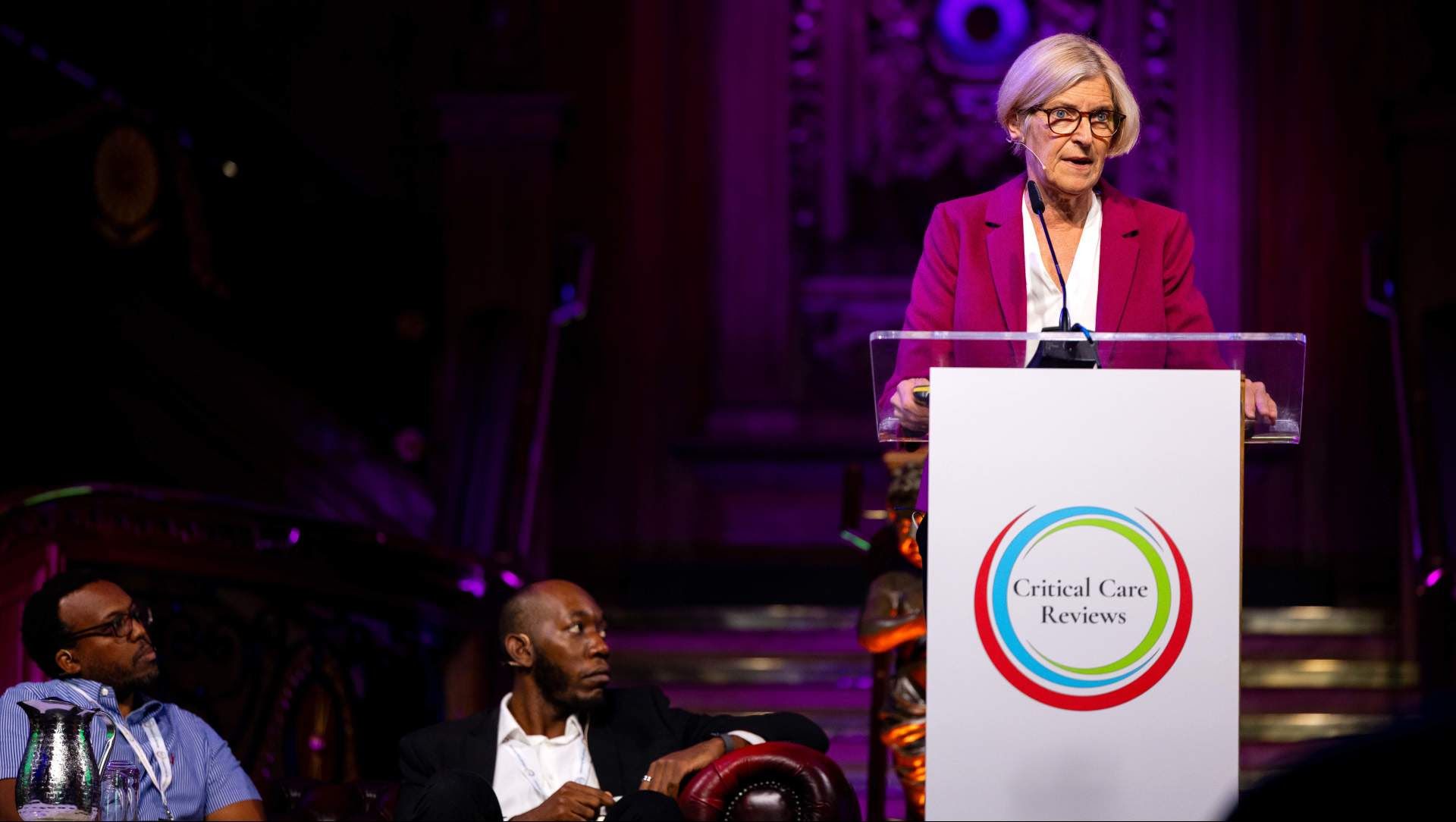
Professor Kath Maitland presenting the Gastrosam findings at the Critical Care Reviews. Photo © Critical Care Reviews
Professor Kath Maitland presenting the Gastrosam findings at the Critical Care Reviews. Photo © Critical Care Reviews
As a result of her research, the World Health Organization has established two committees to review the new evidence on intravenous and oral rehydration, and to update their guidelines, which are over 26 years old. These will affect hundreds of thousands of children in Africa alone.

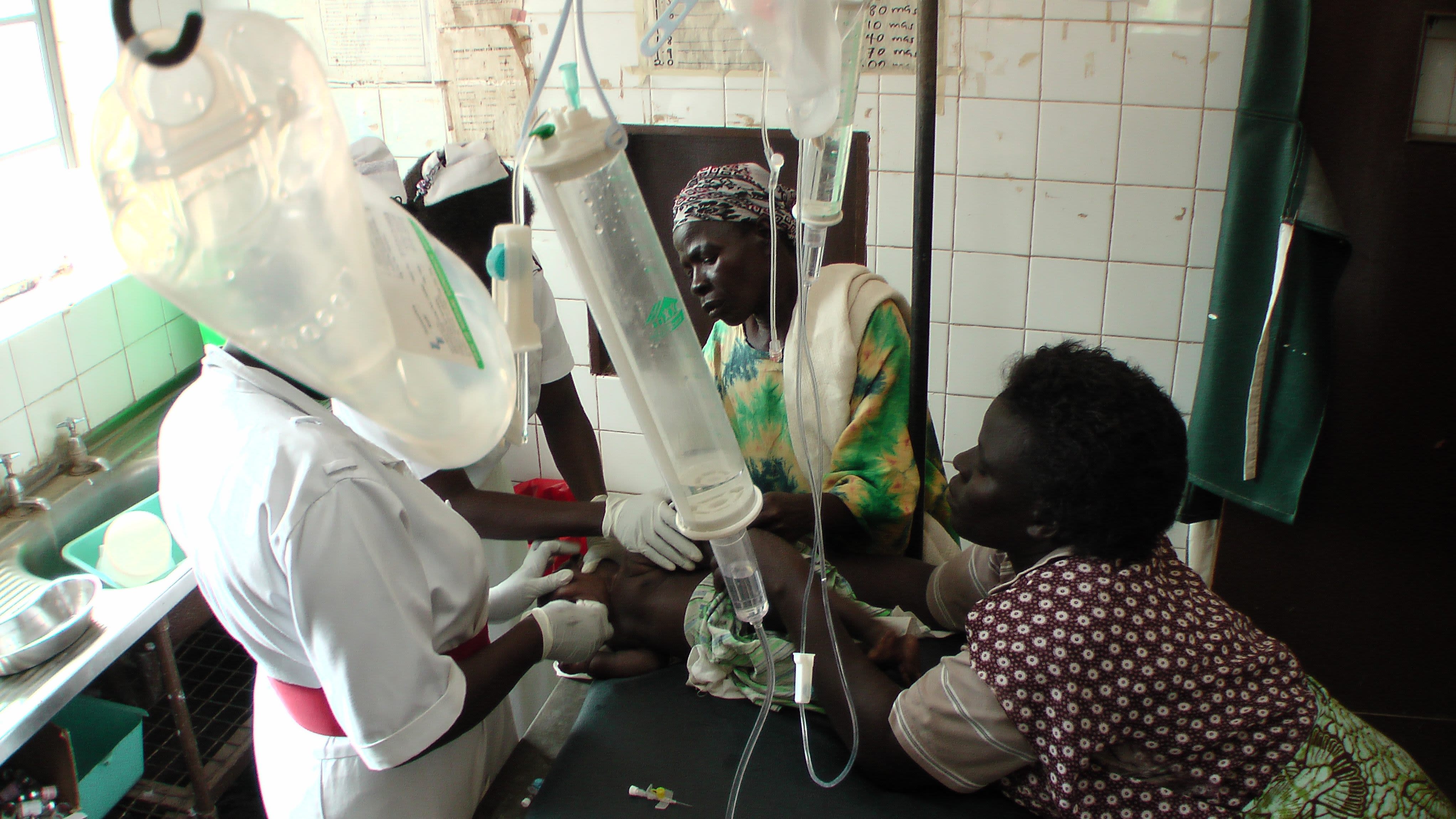
A child receiving IV fluids in Soroti Hospital, Uganda. Photo courtesy of Tom Gibb/Picturing Health
A child receiving IV fluids in Soroti Hospital, Uganda. Photo courtesy of Tom Gibb/Picturing Health
Treating and Preventing Sickle Cell Disease
Sickle cell disease is an inherited blood disorder that affects about one per cent of children born in much of sub-Saharan Africa. Without early diagnosis and treatment, between 50 per cent and 90 per cent of those affected die before the age of five. Yet, current treatment guidelines in the region are largely informed by studies from high-income countries, which may not fully reflect the needs and circumstances of African health systems.
Professor Kath Maitland's H-PRIME trial is addressing this gap by conducting the largest therapeutic randomised controlled trial ever conducted in children with sickle cell disease. Launched in January 2024, the trial enrolled 1,800 children with sickle cell disease in Eastern Uganda. Its goal is to generate robust evidence that will inform future sickle cell treatment policies. The trial will run until January 2028.

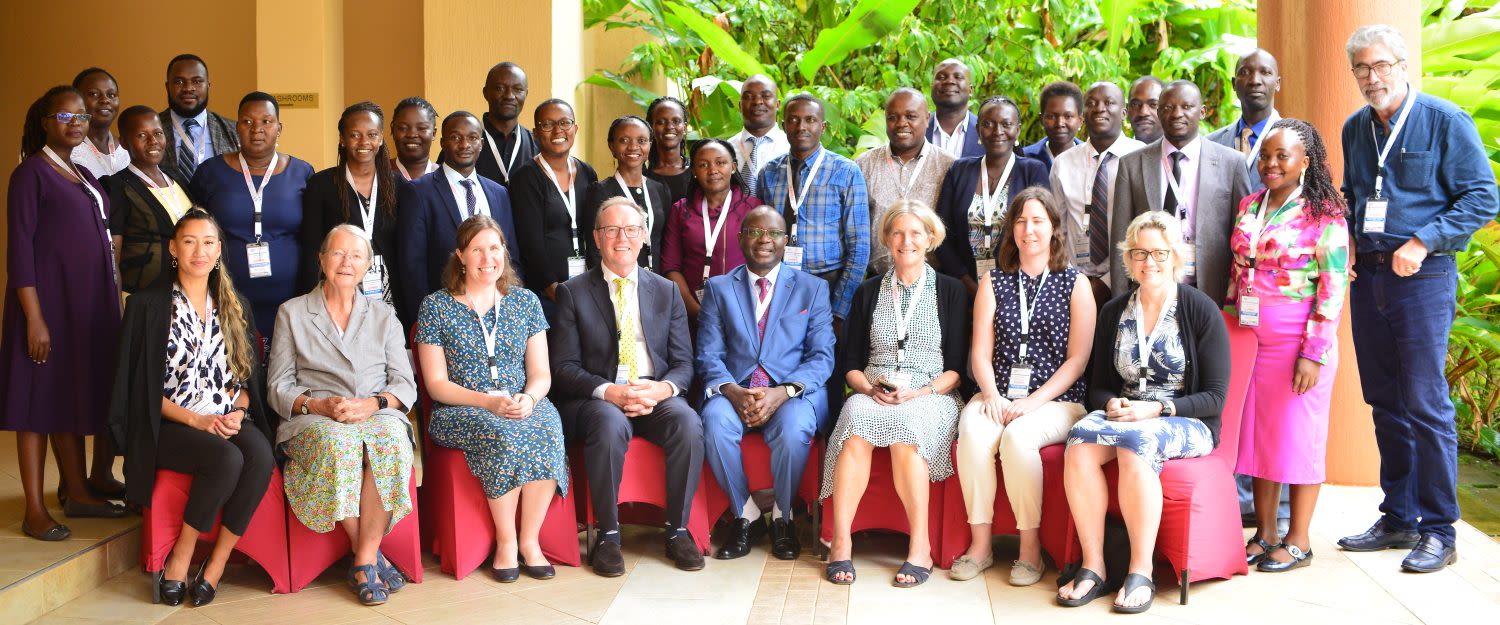
Professor Maitland – front row third from right – with the HPrime trial steering committee
Professor Maitland – front row third from right – with the HPrime trial steering committee
Digital Tools for Stroke and Surgery Recovery
In 2025, our Helix Centre moved its digital rehabilitation projects from early testing to real-world use, making a real difference for people recovering from stroke and surgery.
They published the findings of the UPBEAT Trial, which evaluated the efficacy of OnTrack Rehab in rehabilitating patients’ arms after a stroke. Most participants stayed the course, found it easy to use, and their arm movement and confidence improve. The trial demonstrated that OnTrack can integrate well into stroke pathways, a stepping stone towards adoption by the NHS.
They also progressed the GAMe (Gross Arm Motion sEnsing) algorithm. This fills a gap in remote rehabilitation by giving instant feedback on a person's movement. The design and development will continue in collaboration with stroke survivors, carers and clinicians, with the aim to trial this technology in 2027.

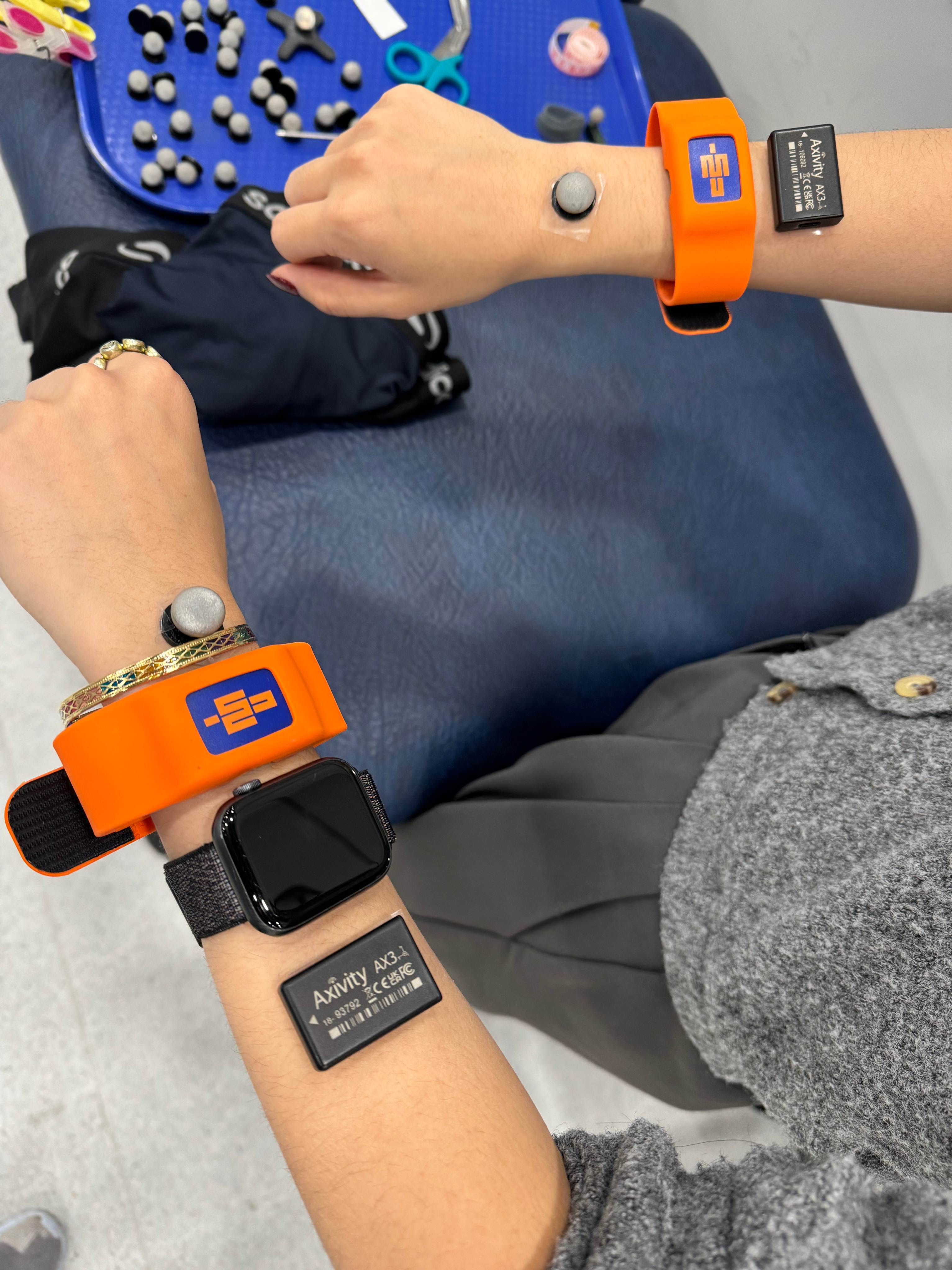
A researcher validating different motion sensors in the lab to benchmark the GAMe algorithm
A researcher validating different motion sensors in the lab to benchmark the GAMe algorithm
Other initiatives included Co-Cook, a digital platform that aims to make stroke rehabilitation a shared experience through cooking. And a study testing OnTrack in breast cancer recovery. The results showed that people who used OnTrack quickly returned to their normal activity levels and reported feeling better compared to those who did not use it.
At the same time as carrying out the research, the team took entrepreneurial steps by joining Imperial’s WE Innovate programme, setting up a company, and testing the commercialisation potential with the NHS, private healthcare providers, and potential customers.
New Hamlyn-Hong Kong Joint Lab
In November 2025, a new Hamlyn–MRC Joint Lab – a multiscale medical robotics programme – was established between our Hamlyn Centre and the Chinese University of Hong Kong.
The five-year, $ 6.3mn collaboration will have its headquarters in the Paterson Wing of St Mary’s Hospital in London. It brings together the complementary strengths of Philip Chiu and Sam Au in Hong Kong with Professor the Lord Ara Darzi and Hamlyn's Professor Ferdinando Rodriguez y Baena.
The research spans remote telesurgery, soft robotics, and surgical data science, and will create creating a shared platform for translational innovation across the two institutions.

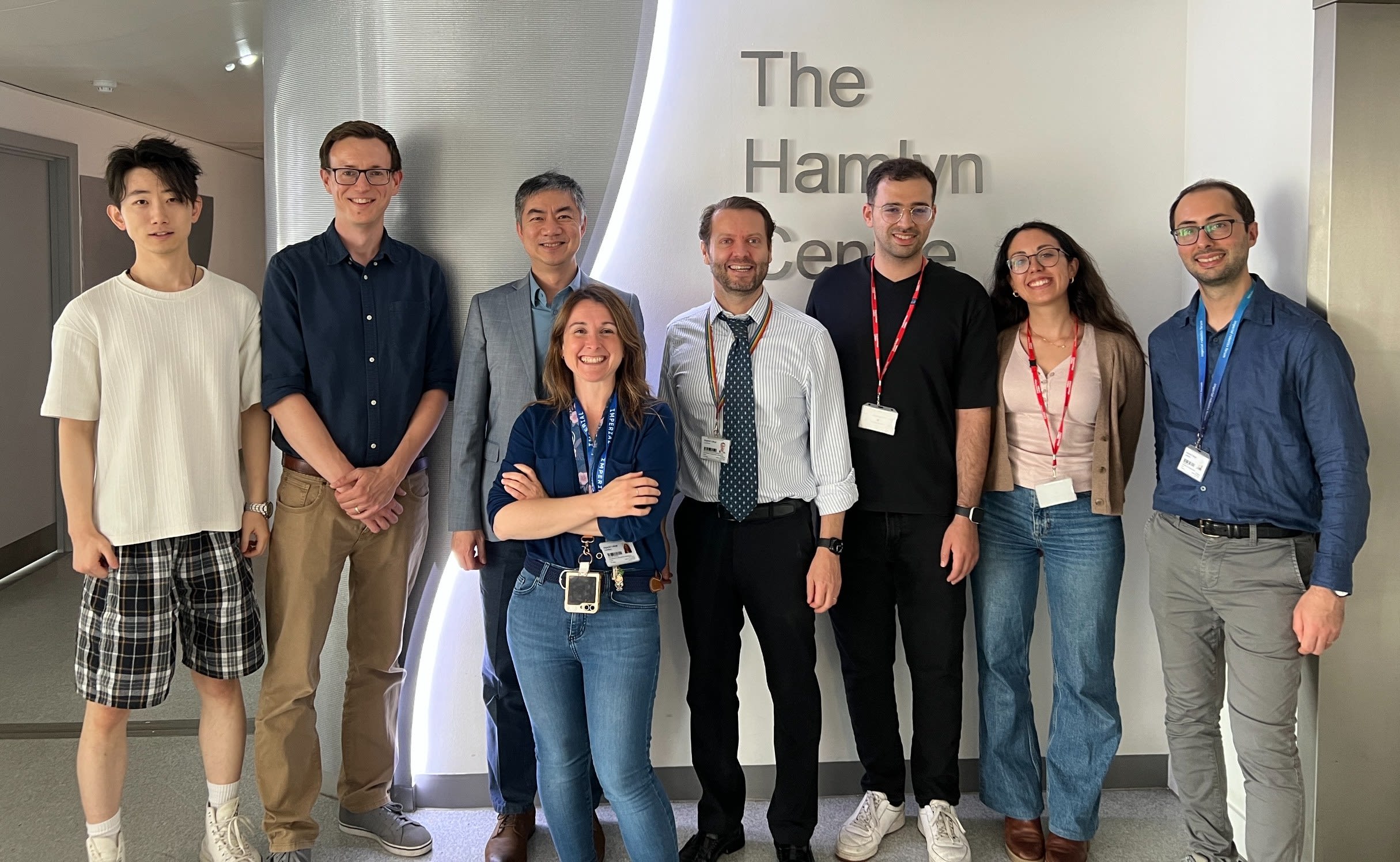
Hamlyn Centre staff with colleagues from Hong Kong
Hamlyn Centre staff with colleagues from Hong Kong
25 Years of Telesurgery
In June, the Hamlyn Centre hosted their annual symposium on medical robotics. Themed "Back to the Future: Telesurgery in 2025", the symposium commemorated nearly 25 years since the first successful telesurgical operation (surgery that uses remote-controlled robotics). The programme covered a broad spectrum of topics ranging from imaging and visualisation in robotic surgery to smart devices, and from surgical autonomy and AI to clinical adoption.
Professor the Lord Ara Darzi delivered a keynote on the past, present, and future of telesurgery. He was joined by a distinguished panel of fellow keynote speakers whose insights spanned clinical practice, technology innovation, and global education in surgery.
One of the flagship components of the symposium – the industry forum – brought together leading voices from the world of medical technology. This session explored the technological, clinical, and systemic innovations driving the evolution of telesurgery. Experts examined transformative advances – from AI and machine learning to 5G and robotic autonomy – and their direct impact on improving surgical precision, patient outcomes, and accessibility, especially in under-served and remote areas.

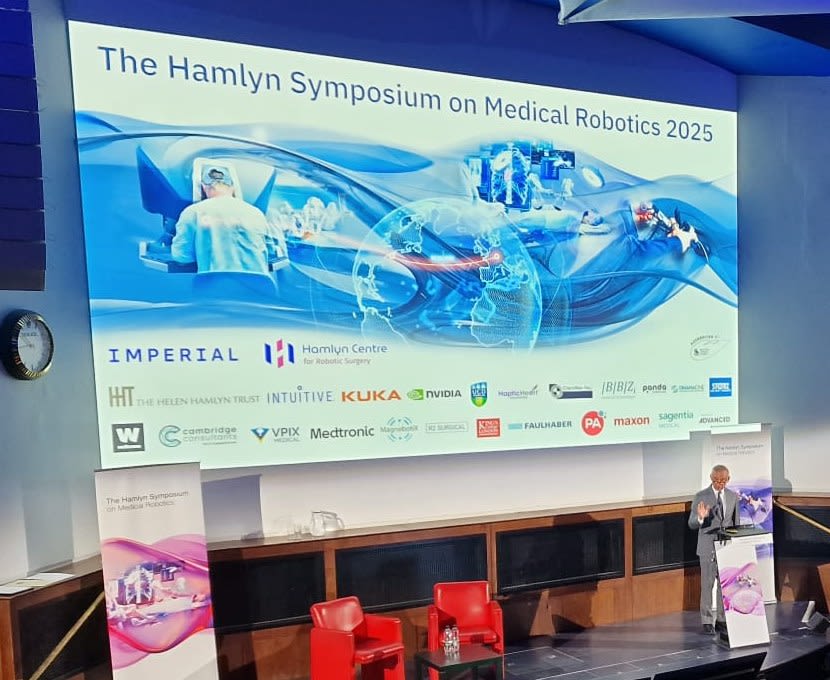
Professor Yuman Fong delivering a keynote
Professor Yuman Fong delivering a keynote
Robotic Gastro-Intestinal Endoscope
In 2025, the Hamlyn Centre’s RoboGast project achieved significant milestones in developing a pain-free robotic platform to support next-generation gastro-intestinal endoscopy – a test that uses a long, thin, flexible tube with a small camera inside to check inside the digestive system.
The team created a refined robotic prototype that combines enhanced dexterity with sophisticated software instructions. This allows the endoscopy to be carried out with greater stability and intuition.
The researchers’ feasibility studies showed promising improvements in patient outcomes and workflow efficiency, and reduced operator burden. The team collaborated with clinical partners on ongoing refinements to user requirements and system integration, to ensure it addresses real-world clinical needs. These developments put RoboGast in a strong position for the next stages of development – including clinical evaluation – in 2026. This work reinforces Hamlyn's commitment to delivering more comfortable, intelligent and accessible gastro-intestinal care.
Real World Medical Technologies
In 2025, MedTechONE helped our Hamlyn researchers move their medical technologies from research to the real world in three ways:
- The MedTech Accelerator, funded by the Wellcome Trust, provided project management, regulatory advice, and funding to help translate their innovations more effectively.
- The foundation stream created a network for early career researchers. Its knowledge base for medical device entrepreneurship offered practical guidance on regulation, funding and commercialisation.
- The collaborative stream helped them move their technologies into clinical trials and applied research projects.
The Future State of Health and Healthcare 2035
Our director, Professor the Lord Ara Darzi, was asked by Health Secretary Wes Streeting to look at how healthcare will change over the next 10 years. To do this, we worked with institutional partners the Royal Society, Wellcome and NESTA; industry partners Google, Siemens, GSK and Narayana Health; and consultancies Boston Consulting Group, Deloitte, CF, and RAND Europe. The result was four themed reports on the shift to prevention, better diagnosis, more efficient care, and the impact of data, digital and AI on healthcare.
The final report drew on this work, as well as extensive interviews with a range of leading health technology thinkers such as Eric Topol and Victor Dzau, to identify seven technologies that will reshape the NHS. These were integrated data, an improved NHS App, GLP-1 medication, wearables, genomics, AI and robotics. The focus on these technologies was adopted wholesale by the government's 10 Year Health Plan for England, thereby directly influencing government policy.
Health Equity


SHE HEALS
People experiencing homelessness have shorter life expectancies, poorer physical and mental health, and less access to healthcare than the general population.
For women experiencing homelessness, the average age of death is 43 – nearly half the life expectancy of women in the general population.
Last year, we partnered with the Marylebone Project – the UK’s largest women’s homelessness service – and Central London Healthcare – a federation of 31 general practices – on SHE HEALS, a participatory art project that used art to explore what holistic, trauma-informed healthcare looks like for women experiencing homelessness.
A group of women at the Marylebone Project helped us develop the research questions and methodology and they advised us how to make our work more psychologically informed.
The project led to the SHE HEALS gallery which features 12 photos taken by women experiencing homelessness to represent what healthcare is currently like for them, and seven artworks that visualise what the women think healthcare should look like in the future. The gallery, and a guide to creating psychologically informed environments for research, will be launched publicly in 2026.
The project was a collaboration between academia, healthcare, and the voluntary sector, and this was celebrated at the 2025 Imperial President’s Awards for Excellence in Societal Engagement, where the Marylebone Project won the Partner Award for Societal Engagement.

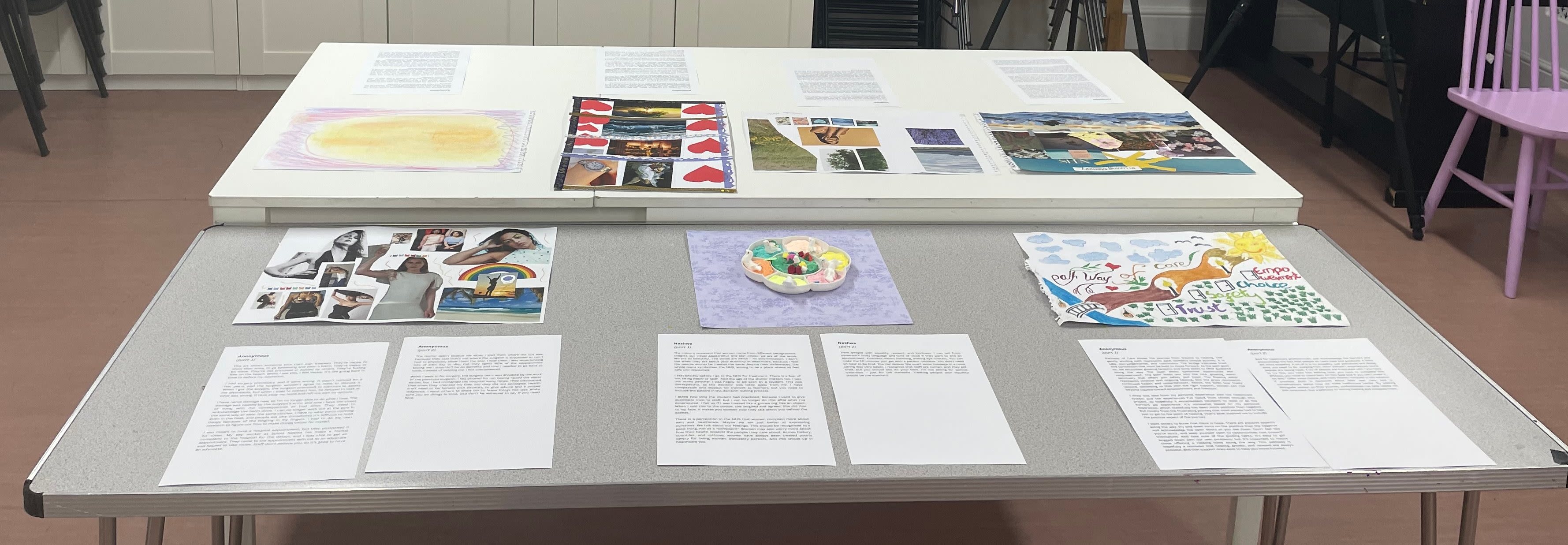
A selection of works from the SHE HEALS collection
A selection of works from the SHE HEALS collection
More Accessible Outpatient Appointments
During 2025, our Helix team, worked with the transformation team at Imperial College Healthcare Trust to make booking and attending an outpatient appointment more accessible.
Aligning with the NHS’s accessible information standard, the project engaged patients with a learning disability, sight loss or limited English to understand how to make services more accessible to them.
Through interviews we discovered that waiting rooms are key to improving a patient’s experience and we worked with them to improve how information is shared. Some of the ideas to emerge were stickers with links to information in other languages, better use of digital screens, improved slide design, printed information in folders, and volunteering guidelines.
New ‘success’ screens in the check-in app give patients relevant information once they have checked in. The project recommended other hospital improvements, including water bowls for guide dogs. The work also included refining the tools and templates that enable Trust staff to make innovate and improve their work. We will build on this in 2026.

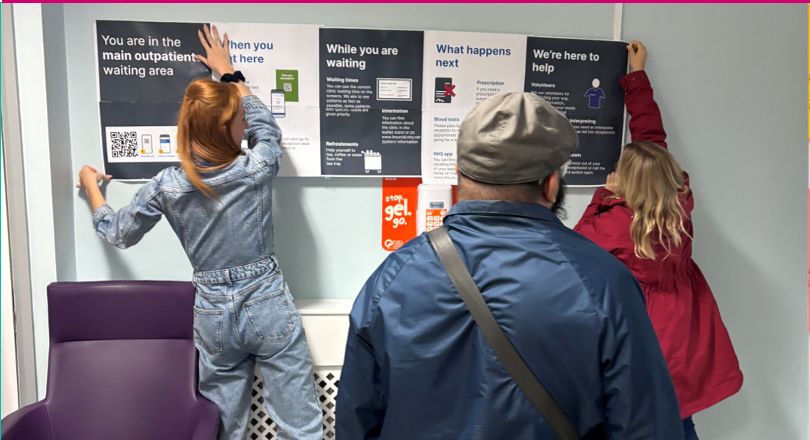
A workshop in a Charing Cross Hospital waiting room
A workshop in a Charing Cross Hospital waiting room
Working Well: Improving Mental Health in the Workplace
In September 2025, our Centre for Health Policy, in collaboration with Mental Health Innovations (MHI), launched the second in a series of policy reports: Working Well: Improving Mental Health in the Workplace. This one explores the nuanced relationship between work and mental health, drawing on analyses of publicly available data, bespoke survey data and expert interviews.
While mental illness is a significant reason why people are outside of work, the report also found that 40% of Shout survey respondents identified a lack of confidence as the main barrier to finding work (as shown in the image below). Experts interviewed agreed that there are many actions that employers can take in order to support employees to develop the confidence to enter the workplace and thrive in it.
The report benefited from the guidance of a mental health voice group, whose members had lived experience of the impact of mental health on work and vice versa. Our team worked with them to develop a guide for employers to make work more supportive of mental health.
Source: Shout post-conversation survey
The North West London Networked Data Lab
The North West London Networked Data Lab is a collaboration between IGHI, Imperial College Health Partners and the North West London Integrated Care System. Funded by the Health Foundation, it is one of five labs analysing linked local health data to help decision makers better understand the needs of their communities.
In 2025, we worked with local patients and carers to understand what matters to them about NHS waiting lists. More than 6.2mn people are waiting for planned care in England – with 200,000 waiting for more than a year – so, we know waiting times are a top priority for the public. Guided by the experiences and priorities of our patient and carer advisory group, we looked at who is waiting for elective care, how long they’ve been waiting, and the impact of this.
Our analysis showed:
- 67% of patients waiting for elective care in North West London are seen within 18 weeks. This is better than the national average of 59%, but well below the NHS target of 92%.
- There is variation in waiting times across medical specialties and demographic groups. For example, patients in the most deprived areas had a median wait time of 73 days, compared to 66 days for those in the least deprived areas.
We also heard from patients that long waits can have a significant impact on their physical, mental, and social wellbeing.
Building the Future of UK Health Data
Led by Dr Saira Ghafur, in collaboration with Lord James O'Shaughnessy, we published our third white paper on the topic of UK health data: Building the Future of UK Health Data: A Blueprint for the Health Data Research Service. The paper provides actionable recommendations for how the UK's new Health Data Research Service can harness data to deliver value to both patients and the healthcare system.
Prevention and Early Detection

Children's Mental Health
Anxiety and depression in children are a growing concern, with mental health services struggling to meet the rising demand for support. Children can be particularly vulnerable to mental health challenges when they move from primary to secondary school, with larger classes, more schoolwork, and new classmates.
In collaboration with Mental Health Innovations (MHI), we ran the Middle Years Project. It looked at what affects the mental health and wellbeing of UK students aged 10 to 13, where students go for support when they are feeling sad or worried, and barriers to seeking support.
We conducted an online survey of 250 students in five schools in England, followed by a series of focus groups to dive deeper into the findings. A young people’s advisory group shaped the questions and focus group activities, ensuring the study was child-friendly and relevant.
The group helped us create an infographic and video of our key findings and recommendations and we shared this with the students, parents, and teachers involved in the project. MHI adopted the recommendations and are now exploring how to improve services for this age group.
Breast Screening
In 2025, we co-designed a campaign to increase the uptake of breast screening in underserved groups in Hounslow, London. Funded by the National Institute of Health Research’s Public Health Research Programme, the project will gather evidence to improve public health and reduce health inequalities in breast cancer.
The team worked with Hounslow Local Authority to design and carry out the research.
The intervention campaign includes resources about breast screening, which are delivered through community champions, other networks from Hounslow Local Authority, and local advertising.
The project will continue into 2026 with training for the community champions, followed by an assessment of the intervention after six months, and a further follow-up six months later. If successful at increasing screening uptake, the team will produce a toolkit, so that other councils and organisations can run this campaign.

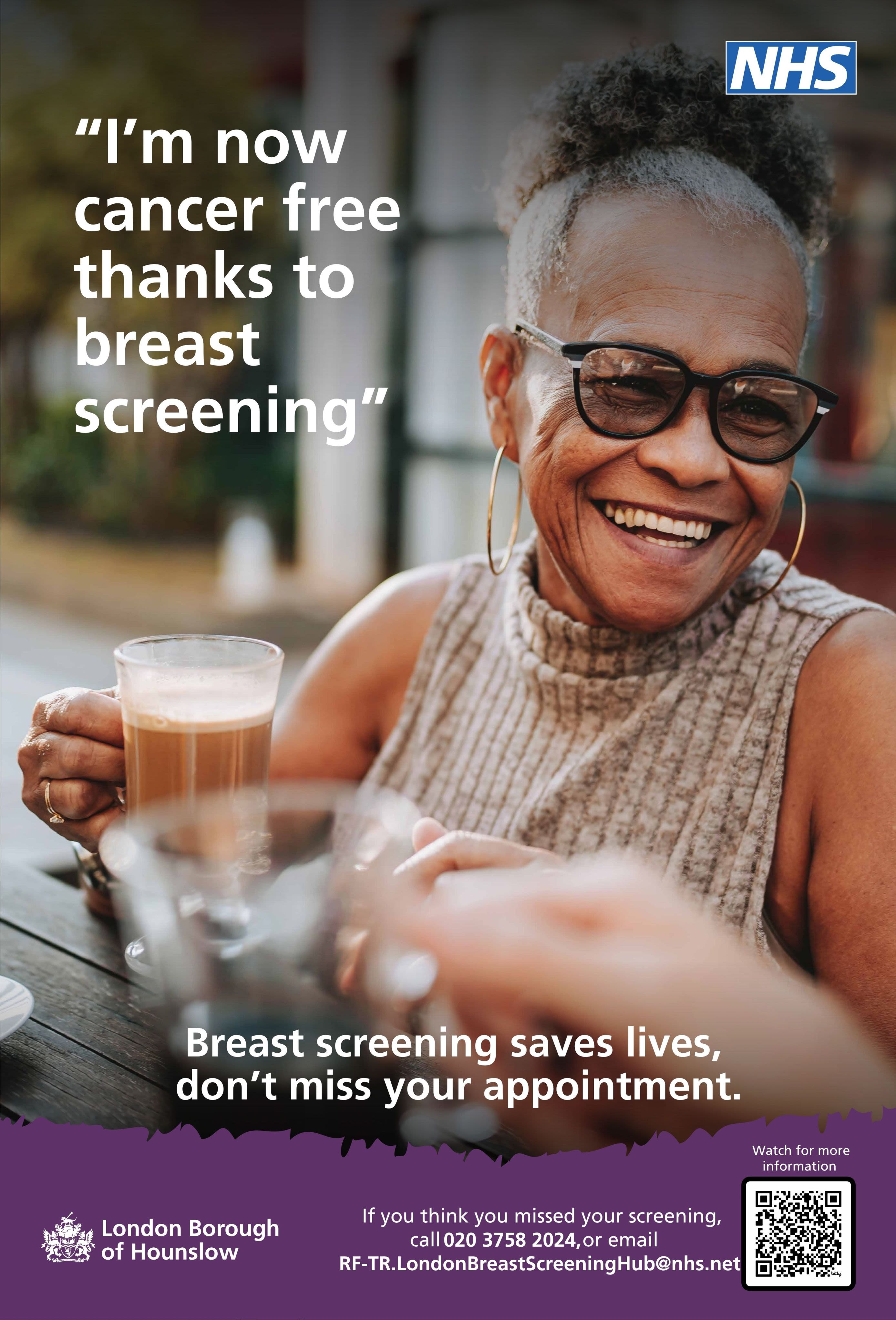
One of the campaign's bus-stop posters
One of the campaign's bus-stop posters
Healthy Ageing
In 2025, our Helix Centre expanded its Healthy Ageing work, using technology to help older adults stay healthier for longer and to monitor early signs of frailty.
Having completed the design and feasibility stage, they worked closely with frail, at-risk participants to design a home-based digital monitoring programme. They installed 15+ wearable and home sensors in the homes of 30 participants. This work led to a prototype called the Healthy Habits app.
More than eight in 10 of the participants continued beyond the required six weeks. Almost 90 per cent said the programme improved their health and wellbeing at least a little, and eight in 10 increased their daily steps, reduced their sitting time, or both by at least 10 per cent compared to the start. The team then launched a follow-up feasibility trial with 25 people. This tested how the app affects frailty, activity levels, quality of life, and other health measures.

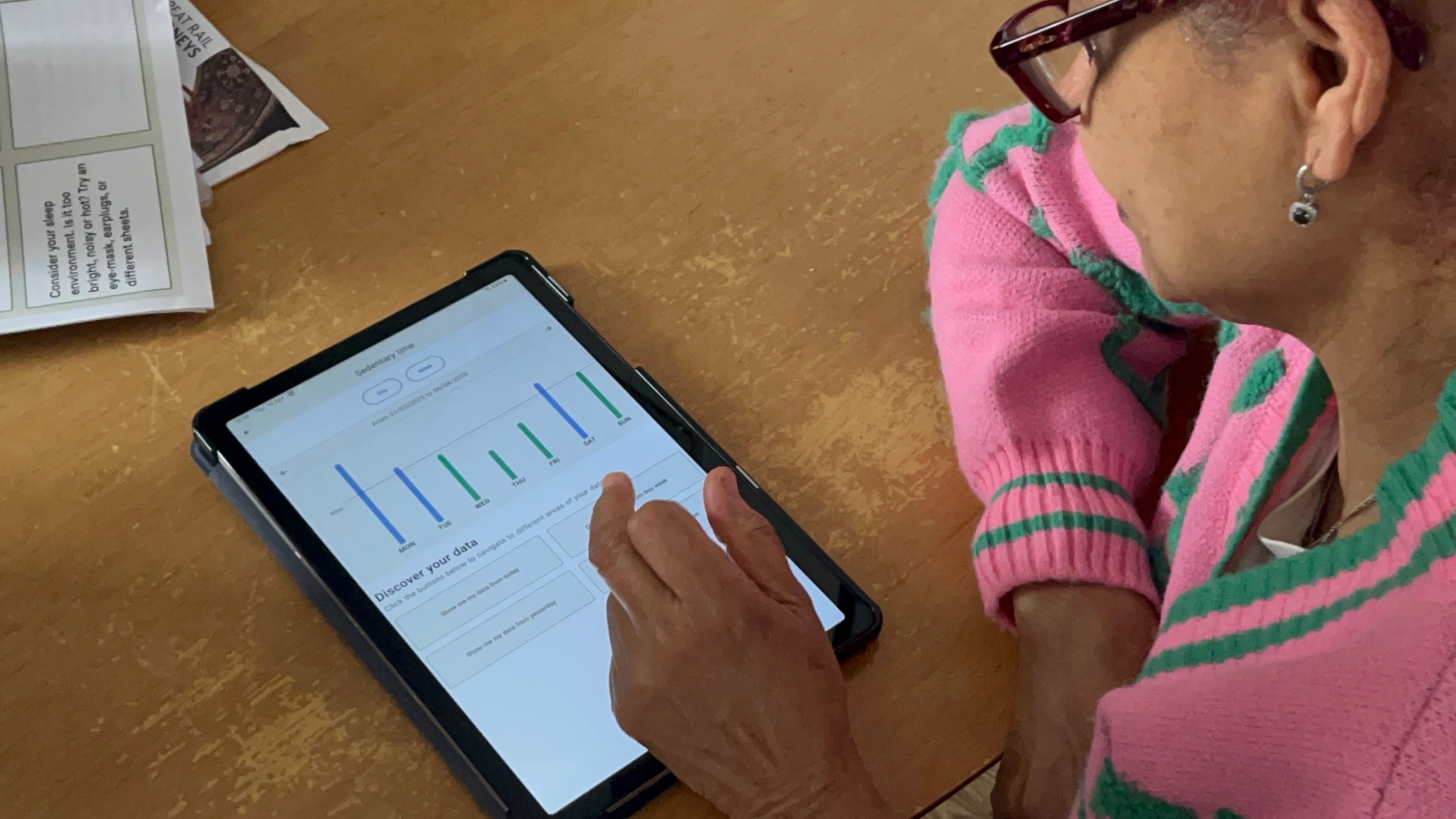
A participant checks her sedentary time data in the Healthy Habits app
A participant checks her sedentary time data in the Healthy Habits app
Dementia Monitoring
In 2025, our Helix Centre continued to support the UK Dementia Research Institute’s Care Research and Technology Centre, with their human-centred design work.
They continued to develop the Minder remote patient-monitoring platform and Minder reports. These provide patient-specific insights from sensors in the home for clinical use. The steering group of people with lived experience completed its first year. It made significant contributions to our work and welcomed new members.
The MinderCare project recruited 100 patients in North West London, and delivered sensor-driven, remote care as an integrated service within the Imperial College Healthcare NHS Trust. The team supported its integration into the NHS, and Tori Simpson conducted house visits to evaluate participants’ views of the service. This informed how the team will develop and expand it in the future.
With the InSleep project, they installed Minder in the homes of over 300 people in the Insight46 1946 birth cohort. Their data will be used to explore the use of sleep behaviour as a biomarker for dementia. Together with Newcastle University, they published a related paper and an insight report.

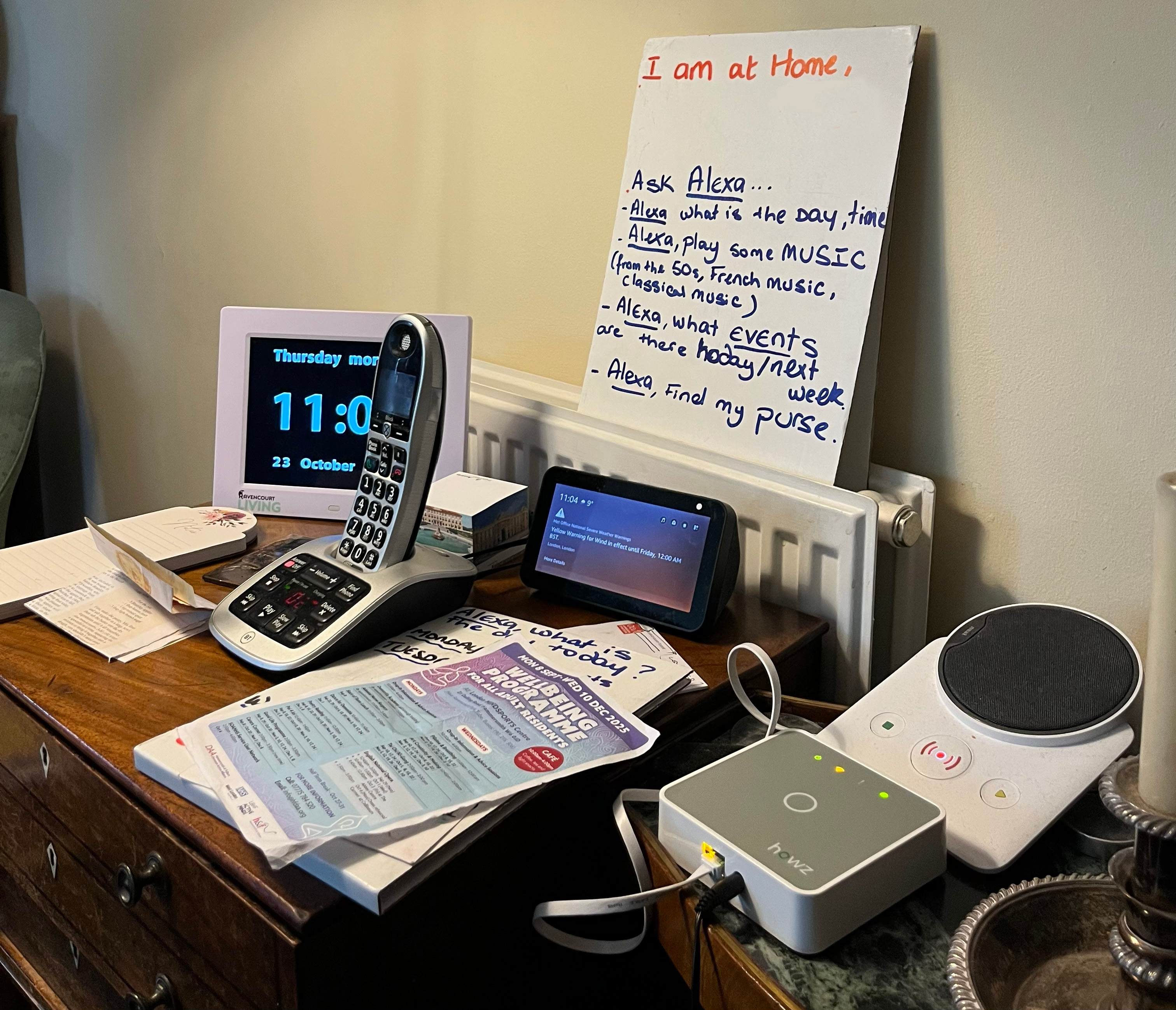
Dementia friendly devices and tools. Photo: Tori Simpson
Dementia friendly devices and tools. Photo: Tori Simpson
Safety and Quality

Global State of Patient Safety 2025
We have worked in partnership with the charity Patient Safety Watch to publish reports on the national and global state of patient safety since 2022. In 2025, we published the Global State of Patient Safety 2025 and a data dashboard. It provides insight into the state of patient safety across the world through the analysis of publicly available data and interviews with experts from across the globe.
Highlights from the report include an updated patient safety ranking of Organisation for Economic Co-operation and Development (OECD) countries, which ranks Norway first and the UK 21st out of 38 countries (see figure below).
The report also includes four best-practice examples of patient safety systems: Australia, Ireland, the Netherlands and Norway. Building on findings from these case studies, and interviews with patient safety leaders from Morocco, Singapore and Thailand, the report includes a framework of 16 ambitions for national health systems to deliver safer care.
Patient safety country ranking of OECD countries in 2023 and 2025, showing Norway 1st and the UK 21st out of 38 countries.
World Health Organization Collaborations
The World Health Organization's (WHO) Global Patient Safety Collaborative (GPSC) was established in 2018 as a joint initiative of the WHO and the UK Government.
We have been academic partners of the GPSC since its inception, supporting the WHO to deliver strategic areas of patient safety leadership, education and training, and research and research capacity development. The GPSC has a global remit but provides country-specific support to Ethiopia, India, Kenya, Mongolia, Pakistan and Sri Lanka (the 'GPSC countries').
In 2025, we supported WHO to deliver three webinars – on patient engagement for patient safety, patient safety incident reporting and learning systems, and legislation for quality of care and patient safety – to participants in GPSC countries
We helped develop the WHO's safety culture guidance tool and wrote an academic paper on global priorities for research in patient safety.
The team also supported the development of a WHO Academy course on patient safety with lessons on sources of harm, clinical risk management, patient and family engagement, safe environments, teamwork and communication, and patient safety incident reporting and learning systems.
To commemorate World Patient Safety Day 2025, Dr Mike Durkin coordinated a podcast with leaders from WHO, the UK government, industry and the charity sector to discuss the topic of safer care for every newborn and child.
We also co-lead, with the WHO, the Quality of Care and Patient Safety Education and Training (QPSET) Network, and, in this capacity, created a global mapping of education and training resources on patient safety. This document is available to global members of the QPSET Network.
Touchdose
Touchdose is a tool that helps clinicians calculate the correct dosage of a drug to give to a patient. It was rolled out across West London Children’s Healthcare and an evaluation was published in BMJ Paediatrics Open. It showed that Touchdose significantly reduced the rate of prescribing errors at St Mary’s Hospital from 7.1 per cent to 1.2 per cent. This represents an 83 per cent reduction in the odds of an error occurring.
The tool was developed by Dosium with support from the National Institute for Health and Care Research, the NHS and Imperial College London.
This robust real-world evidence demonstrates the real positive impact of this technology in everyday clinical practice. Clinicians tell us not only about the remarkable safety benefits, but also about their reduced feelings of stress around prescribing - they feel confident in the knowledge that nothing is missed.
Getting the right treatment straight away is best for patients, saves valuable staff time within the NHS and prevents delays in recovery. I'm really excited by these results, which show that this new tool, developed with support from NIHR infrastructure through our North West London Patient Safety Research Collaboration, will bring significant benefits for children and the clinicians who care for them.
Dr Calandra Feather describes Touchdose by Dosium
NIHR SafetyNet Symposium
In 2025, the first National Institute of Health Research (NIHR) SafetyNet Symposium was hosted by the NIHR Greater Manchester Patient Safety Research Collaboration (PSRC) and supported by all six PSRCs in England including our own NIHR North West London PSRC.
The event – based around the theme of Tackling Inequities in Patient Safety – delivered inspiring keynotes, thought-provoking research showcases, and a vibrant poster exhibition. It strengthened national collaboration, showcased innovative work, and provided a platform to discuss emerging challenges and future priorities in patient safety.
One of our researchers – Fiona O’Driscoll – and public partner Chris Pavlakis gave a presentation on reducing inequity in hospital access through co-design support.
Other highlights included:
- A keynote by Dr Rosie Benneyworth from the Health Services Safety Investigations Body on Moving away from a ‘who’s to blame’ culture.
- A keynote by Prof Dawn Edge from the University of Manchester on ethnic inequities in patient safety.
- A presentation about the patient safety healthcare inequalities reduction framework by NHS England’s Dr Hester Wain, which outlined practical steps for reducing disparities in care.
Dr Fiona O'Driscoll from our PSRC presenting with public partner Chris Pavlakis
AI


The Fleming Initiative and Google
In 2025, the Fleming Initiative partnered with Google to give researchers access to powerful artificial intelligence (AI) tools designed to make laboratory science faster, more efficient and more impactful.
Laboratory science is resource-intensive, and with global challenges like antimicrobial resistance looming, it’s clear we need to do more with less and speed up new discoveries.
Also in 2025, the Fleming Initiative and Google DeepMind called for applications for a three-year postdoctoral fellowship at the interface of computer science, AI and AMR. The fellowship was awarded to Dr Nicolas Moser, whose research focuses on using AI to deliver faster, more reliable diagnostics for infectious diseases, thereby helping clinicians to select the right treatment sooner and improving patient outcomes.


An artist’s illustration of AI, created by Twistedpoly as part of the Visualising AI project launched by Google DeepMind
An artist’s illustration of AI, created by Twistedpoly as part of the Visualising AI project launched by Google DeepMind
Ask Eolas
Runner-up, "Best Innovation in Patient Safety"
NIHR Safety Net Conference, October 2025
AMR is a critical global threat. As part of our work in this field, we are evaluating Ask Eolas – a tool that uses advanced AI to turn hospital treatment guidelines into an easy-to-use, interactive system.
This is how the tool works: a doctor describes a patient’s situation in lay language; Ask Eolas responds with clear, tailored antibiotic recommendations based on the relevant hospital guidelines.
Our evaluation aims to:
- Support responsible antibiotic use.
- Help deliver the UK National AntiMicrobial Resistance Action Plan (2024–2029) by choosing the right antibiotic, at the right dose, for the right length of time.
- Make decisions faster.
- Reduce the time clinicians spend searching through guidelines, so they can make quicker decisions at the bedside.
- Keep patients safe.
- Carefully assess both the benefits and any unexpected risks of using generative AI in everyday clinical practice.
Ask Eolas Ltd
Artificial Intelligence in Mammography Screening (AIMS)
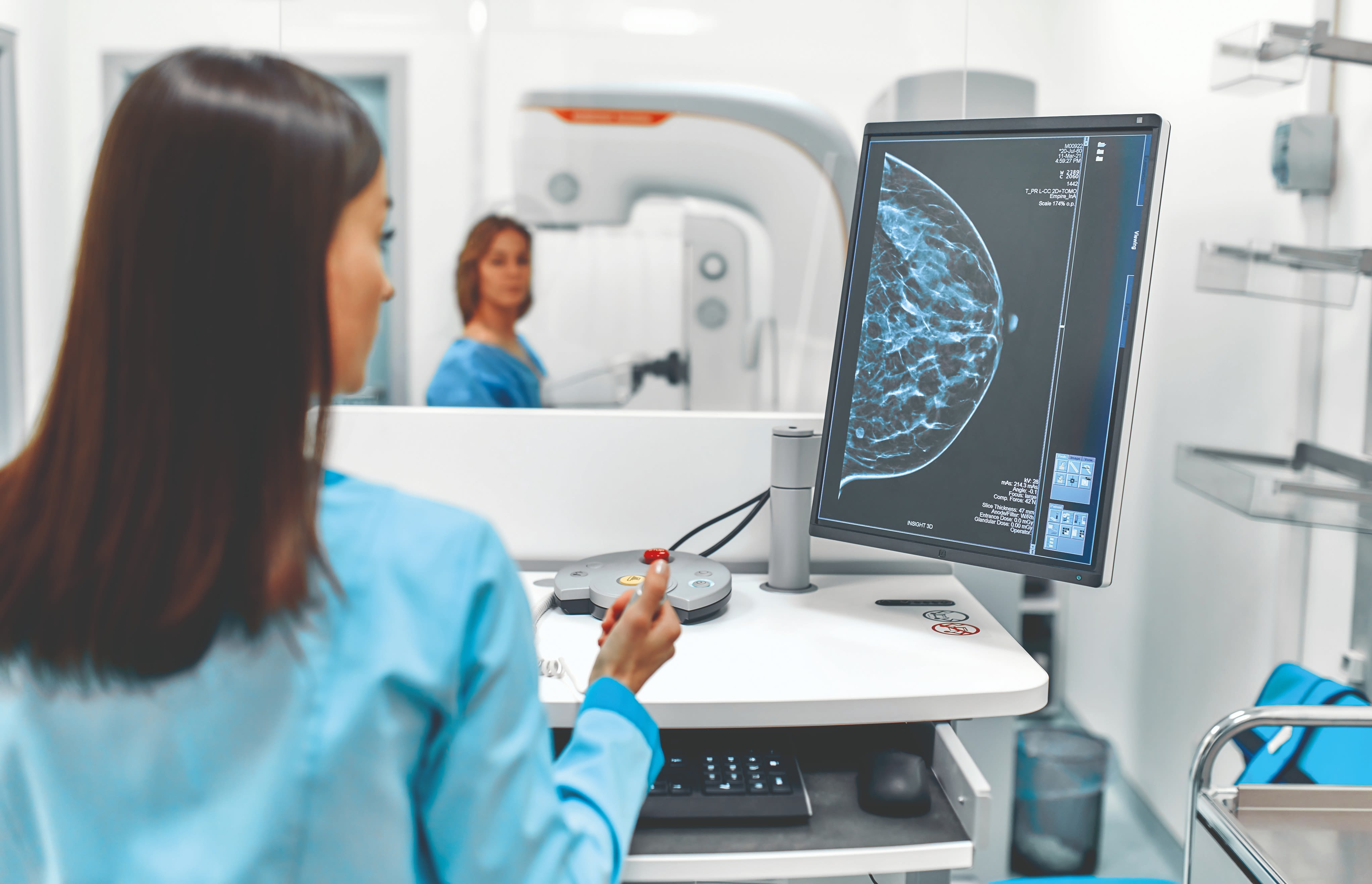
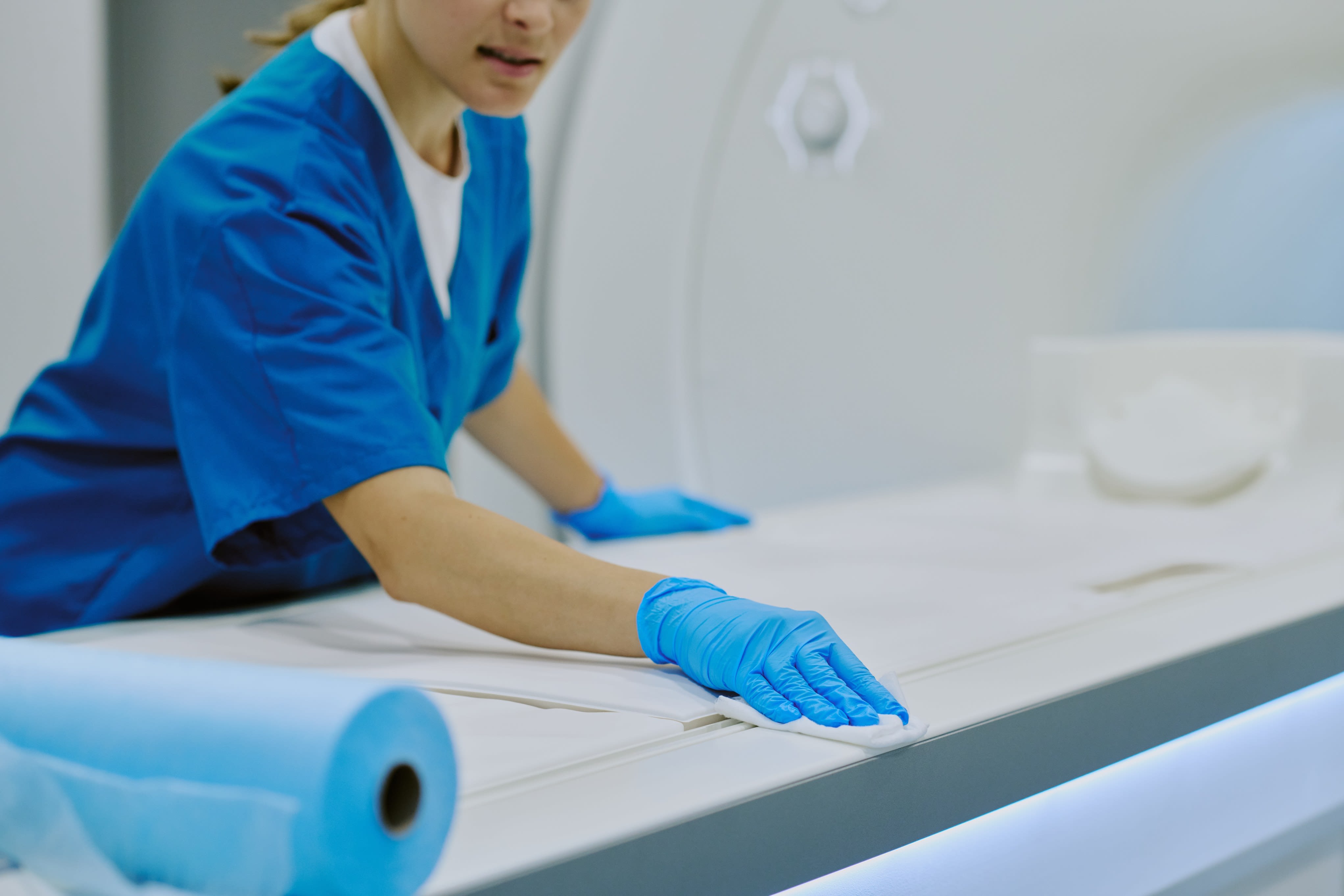
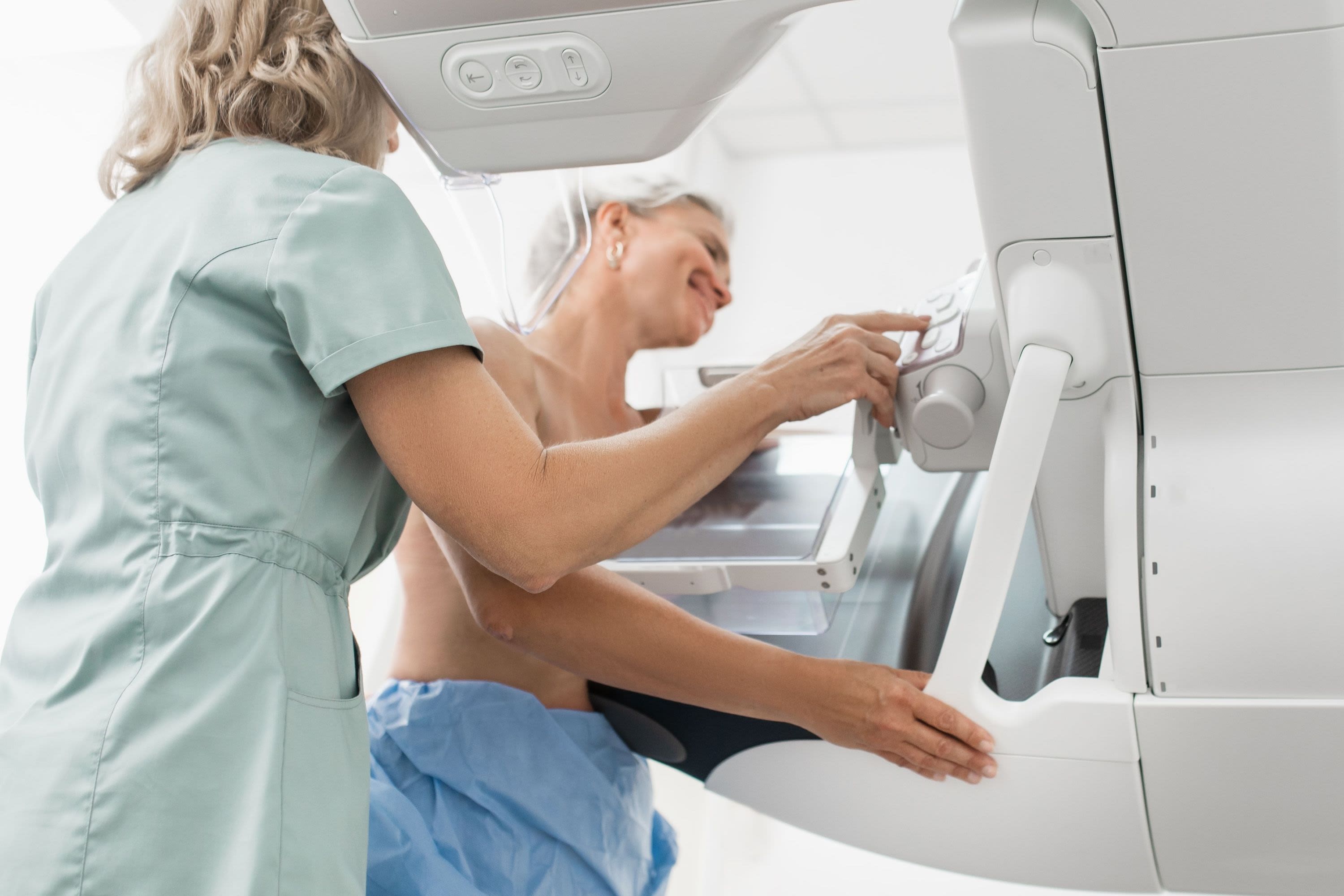
The Artificial Intelligence in Mammography Screening (AIMS) programme is a large-scale evaluation of how AI can be safely and effectively integrated into the NHS's breast cancer screening programme.
Using a national, multi-centre dataset across five screening sites, it has demonstrated that the AI system achieved superior cancer detection rates compared to human readers. The findings were published in Nature Cancer with a companion paper which shows that AI can be effective in arbitration (providing a final opinion when two readers have differing opinions on the scan).
AI was also shown to substantially reduce human reading workload. It provides some of the strongest evidence to date that AI can be safely embedded into population screening rather than evaluated only in isolation.
I'm so encouraged by the progress we're making with AI-assisted breast cancer screening. This research gives me real hope that we can catch more cancers earlier – giving more people the time and the treatment they need.

STARD-AI
Having identified a critical gap in the evaluation of AI diagnostic tools, we collaborated with over 240 stakeholders from academia, clinical medicine, industry, regulation, and journals to develop STARD-AI.
It provides guidance on using AI in healthcare diagnostic testing and builds on the widely used STARD 2015 framework by introducing 18 new or modified items on AI-specific issues. These include dataset construction, model development and evaluation, bias and fairness, and reproducibility.
Published in Nature Medicine in 2025, STARD-AI provides a global reference standard for reporting AI diagnostic accuracy studies and sits alongside other seminal guidelines within the EQUATOR Network.
Its impact is to raise the methodological and reporting bar for clinical AI research, which supports regulators, clinicians, journals, and policymakers to better assess evidence quality and to accelerate the safe, trustworthy adoption of AI in healthcare.
Ambient Voice Technology Trial
In 2025, our PSRC team conducted a small-scale study on the use of AI ‘digital scribes’ in primary care. Digital scribes are AI-powered, voice technologies that listen to doctors’ consultations with patients and generate medical notes in real time.
The team recruited 53 participants from 22 countries who took part in a simulation-based interactive workshop and discussion during the 2025 World Organisation of Family Doctors (WONCA) conference. Although they identified potential benefits – including care that was more focused on patients, and less administrative work for doctors – there were three key safety concerns: accuracy, accountability, and equity.
The team is now planning to pilot the project and run interviews to explore these findings in greater depth. This work addresses current NHS strategic priorities and the growing demand for integrating AI technologies into primary care.
AVT tools could be a game changer!

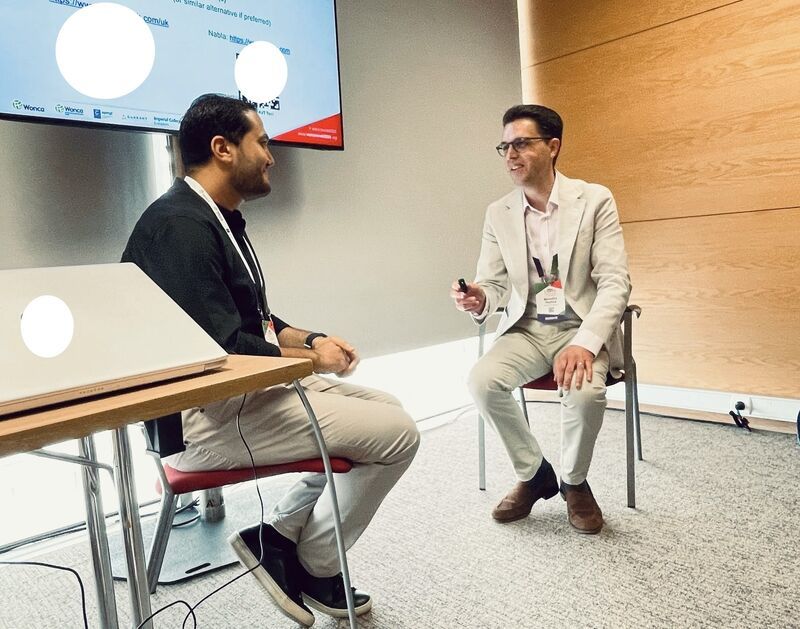
Ahmed Alboksmaty using AI to change voice to text
Ahmed Alboksmaty using AI to change voice to text
Look Ahead

A preview of projects coming up in 2026
From April 2026, the Fleming Initiative will take over management of the Fleming Fund Fellowship alumni network, safeguarding a vibrant community of over 350 AMR professionals across Africa and Asia, following the close of the final phase of the UK Government’s Fleming Fund.
The Hamlyn Centre has secured a £2mn NIHR award for Holographic Surgical Guidance using Artificial Intelligence and Mixed Reality for Safer and More Efficient Surgery (Holo-AIM) which will accurately project 3D images onto a patient’s body during surgery. The project will run for three years from 2026 and brings the Hamlyn team together with surgeons (Royal Marsden Hospital), scientists (Institute of Cancer Research), experts in human factors and health economics from Imperial, and industry partners in the UK and Norway.
The Hamlyn Centre has received a £1.1 mn two-year grant to further develop a robotic system for clinical use in cochlear implant surgery. They will team up with clinicians at University College London Hospitals NHS Foundation Trust to combine expertise in medical robotics, ear, nose and throat surgery, health economics, regulatory processes, and patient and public involvement and engagement. The device will be tested in laboratory settings and in cadaver studies, and the team will develop a clinical plan for future patient trials.
In 2026, the Helix Centre will publish an analysis of Palliate, a programme designed to help family members and other non-professional carers give “as-needed” injections under the skin to loved ones at the end of life. They will also develop and distribute Echoes and Anchors, a self-guided bereavement resource for people after caregiving ends. It was created with bereaved carers, clinicians, and hospice partners. Later in 2026, they will assess whether they can identify frailty in older adults by using home sensors to measure their walking speed.
In 2026, our Patient Safety Research Collaboration will further its work on remote consultations – a doctor’s appointment by phone or video. A pilot study in 2025 showed limited safety concerns but highlighted risks such as misdiagnoses due to communication barriers and the lack of physical examinations. The upcoming work will explore these risks further. The team will then develop, implement and evaluate a tool for the safer implementation of virtual consultations in primary care.
This report was produced by the Institute of Global Health Innovation.
Thank you to all the staff involved.
 Built with Shorthand