Meet our second cohort of students, who joined us in October 2026!
Our 2026 Student Profiles
- James Barnwell
- Ella-May Brookman
- Imogen Cleveland
- Chloe Coleman
- Louis Gringras
- Victoria Harman-McKenna
- Kathleen Hillis
- Tarun Lalapet
- Emily Lee
- Sharon Oladapo
- Nyah Patel-Durasamy
- Hannah Peters
- Matthew Ross
- Omer Emir Serak
- Georgia Shanahan
- Mack Sung
- Jazmine Thorne
- Xiuqi Wang
- Vedant Hinduja
- Cyrus Howbrook
- Zhengxin Hu
- Serene Koh
- Goodnews Nwosu
- Mahima Raghavendra
- Ethan Sip
- Yichen Yu
Name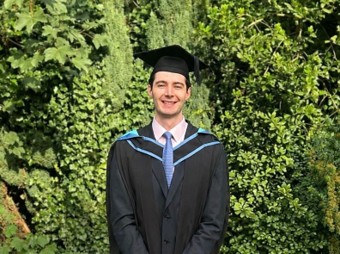
James Barnwell
Project Title
Expanding the Structural Diversity of Cyclic Peptide Libraries with Encoded Chemistry
This project is co-sponsored by the EPSRC CDT in Chemical Biology and Vertex Pharmaceuticals
What were you doing before enrolling in the ICB CDT Programme?
Before enrolling in the ICB CDT Programme, I completed an MSci in Chemistry at the University of Nottingham. In my final year research project I studied the biosynthetic potential of the microalgae E. gracilis, including isolating a natural product while attempting to activate silent biosynthetic gene clusters. During my undergraduate degree I completed a research project in Montreal, working with a member of Environment Canada’s scientific advisory committee investigating the environmental fate of plastic and tire additives.
Why did you choose to apply for your particular project?
I was particularly attracted to my project because it sits at the interface of chemistry and biology and applies chemical approaches to questions that are directly relevant to drug discovery. I wanted to move beyond studying molecules purely from a synthetic or analytical perspective and develop a deeper understanding of how chemical structure can be used to control and investigate biological systems.
What are you looking forward to the most within the CDT programme?
I am most looking forward to the opportunities and events provided by the CDT outside of my area of research, especially in developing and prototyping with the Advanced Hackspace.
Please tell us a fun fact about yourself!
I am a keen hiker and have recently returned from an attempt to hike the Pacific Crest Trail, a roughly 2,650-mile trail running from Mexico to Canada along the western United States. I spent several months hiking through California which involved carrying everything I needed to live independently for days at a time!
Name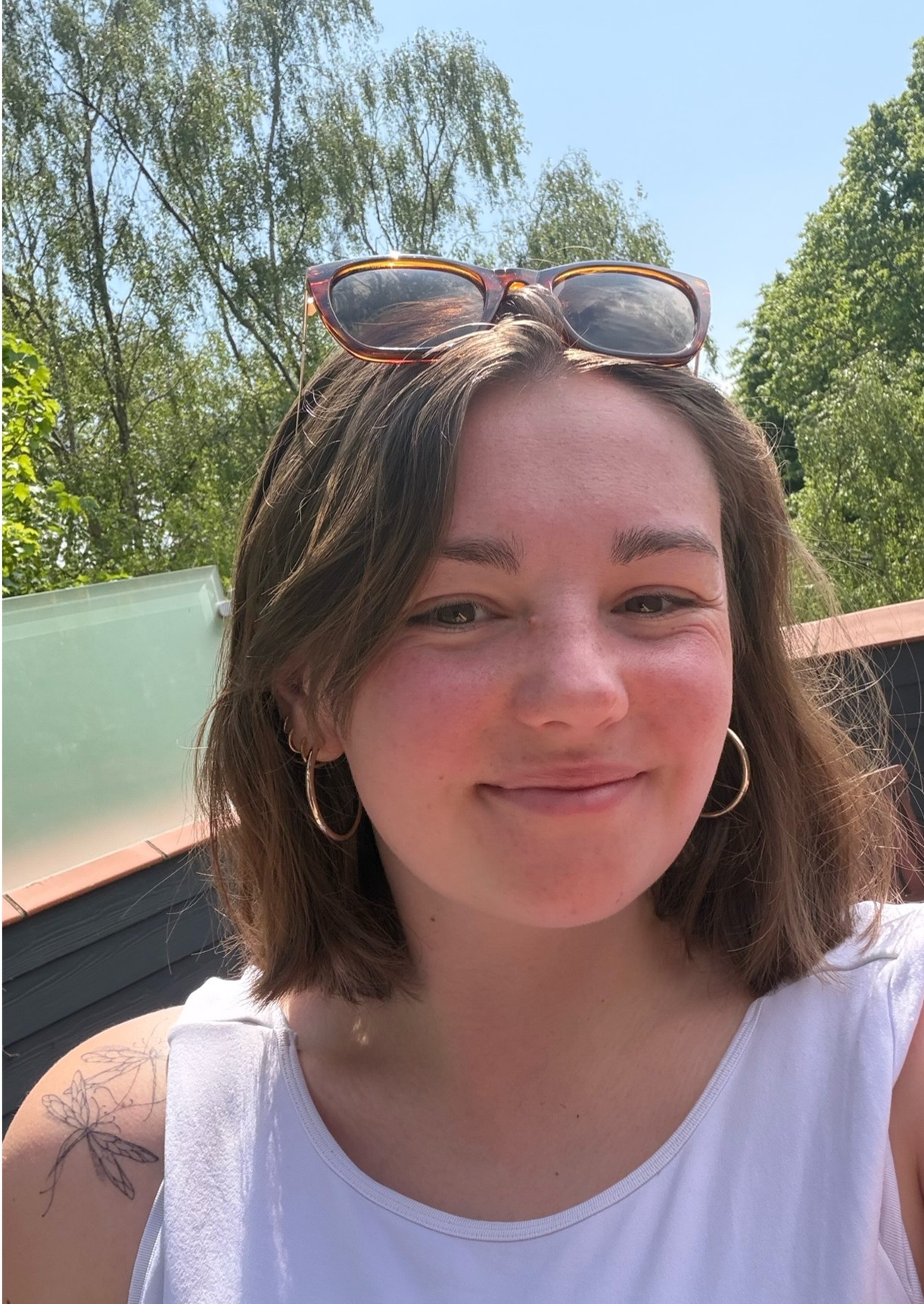
Ella-May Brookman
Project Title
Developing high specificity pesticides to minimise environmental impact.
This project is co-sponsored by the EPSRC CDT in Chemical Biology and BASF
What were you doing before enrolling in the ICB CDT Programme?
I studied Biochemistry at the University of Southampton and completed a year’s industrial placement at Syngenta, where I worked across 3 teams in the Biological Sciences department.
Why did you choose to apply for your particular project?
I wanted to further my knowledge and skillset in the field of biochemistry, whilst branching into new areas such as biophysics that I find fascinating. I greatly enjoyed my time at Syngenta, learning and working in the agrochemical world. Therefore, this project offers the opportunity to pursue my academic interests and work in a new team.
What are you looking forward to the most within the CDT programme?
I’m looking forwards to meeting and collaborating with new people across different fields and exploring the opportunities of a multi-disciplinary project. I’m also looking forward to expanding my skillset through different workshops offered by the CDT such as at the Advanced Hackspace.
Please tell us a fun fact about yourself!
I love languages and am currently learning Spanish!
Name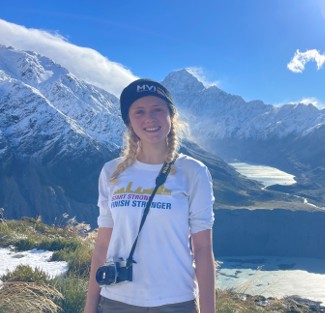
Imogen Cleveland
Project Title
A Target-Based and Mechanism-Led Discovery Pipeline for Herbicide Discovery
This project is co-sponsored by the EPSRC CDT in Chemical Biology and Syngenta
What were you doing before enrolling in the ICB CDT Programme?
I studied a Masters in Chemistry at Durham University, completing my master’s research as part of an exchange programme at NOVA University Lisbon. My research involved using spectroscopy to investigate pigments used in medieval illuminated manuscripts, with the aim of better understanding and preserving these documents. After finishing my master’s, I headed to New Zealand to do an internship at Victoria University of Wellington, where I used NMR spectroscopy to investigate enzyme kinetics in bees.
Why did you choose to apply for your particular project?
I chose to apply for this project because it combines several of the areas of chemistry that I have most enjoyed, including spectroscopy and synthetic chemistry. After doing my internship, I learnt to appreciate how powerful physical chemistry can be for understanding biological problems. I was also excited by the project’s collaboration with Syngenta and its real-world applications in creating an intelligent route to making new herbicides.
What are you looking forward to the most within the CDT programme?
I am most looking forward to the EVOLVE programme, as it is an opportunity to step beyond the traditional boundaries of a PhD. I am particularly excited about the policymaking and media/outreach aspects of the programme, as I believe that good scientific communication is extremely valuable. I am also looking forward to working closely with a cohort who are passionate and excited about science and research!
Please tell us a fun fact about yourself!
I recently hiked the length of the South Island of New Zealand!
Name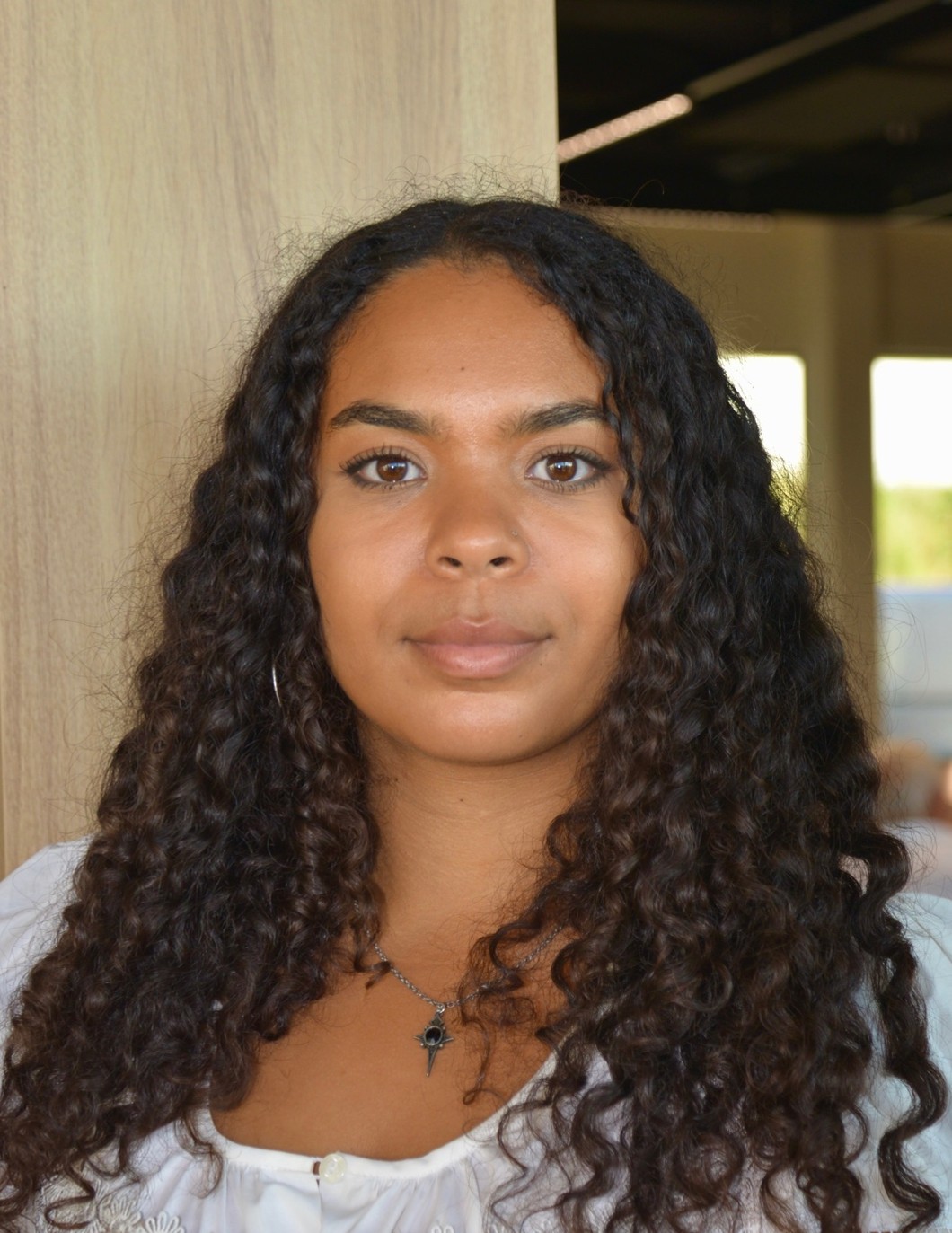
Chloe Coleman
Project Title
Designing next-generation ADCs: molecular mechanisms of uptake and payload delivery
This project is co-sponsored by the EPSRC CDT in Chemical Biology and AstraZeneca
What were you doing before enrolling in the ICB CDT Programme?
I graduated with a BSc in Biochemistry with German for Science from Imperial College London in 2024, during which I did a year of research at Heidelberg University. Since then, I have been working on my MSc in Biochemistry at the Free University Berlin. Here I have had the opportunity to gain experience in my field of interest, through internships in Chemical Biology, Structural Biology and Lead Discovery labs around Berlin, in both academic and industry settings.
Why did you choose to apply for your particular project?
I have always been fascinated by the drug discovery and development process. With a background in structural biology, I am particularly interested in understanding how molecular structure influences biological function and look forward to expanding my expertise to tackle the complexity of cellular uptake mechanisms. I remember first learning about ADCs in my undergraduate studies and feeling drawn to how simple they seem as a concept, despite the underwater iceberg of open questions to explore in the field, particularly in understanding and optimising their uptake and payload delivery mechanisms.
What are you looking forward to the most within the CDT programme?
I’m looking forward to learning and developing new methods in the field, while having the best of both worlds through supervision from both academic and industry supervisors. The multidisciplinary nature of the programme is exciting to me, and I look forward to learning from people with vastly different backgrounds than my own.
Please tell us a fun fact about yourself!
I enjoy the music scene of Berlin and believe in dancing as a form of revolution and liberation! Protect nightlife, subcultures and third spaces :)
Name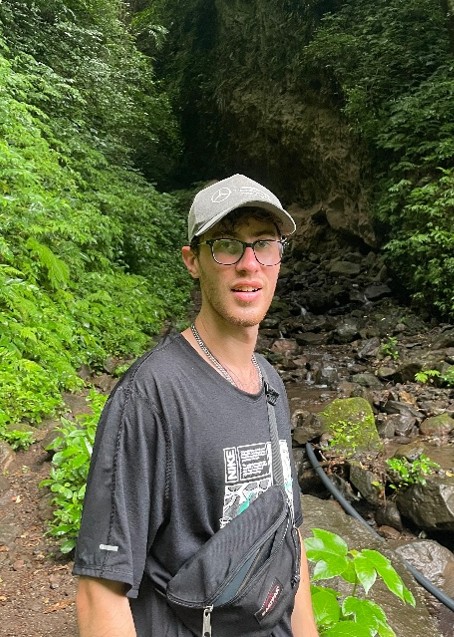
Louis Gringras
Project Title
Enzymatic Technologies for Discovery of Improved Oligonucleotide-peptide Conjugates
This project is co-sponsored by the EPSRC CDT in Chemical Biology and AstraZeneca
What were you doing before enrolling in the ICB CDT Programme?
I completed an integrated Master’s in biochemistry at the University of Bristol, including a final year project in a DNA–protein interaction laboratory researching mechanisms and patterns of enzymatic DNA cleavage in bacterial defence systems. I also spent a sabbatical year in student development and education, travelling around the country supporting students, universities and student unions.
Why did you choose to apply for your particular project?
I chose to apply for this project not only because its multidisciplinary nature suits the way I like to work, but because it brings together several areas of biological and chemical science I already had experience in. The project fuses enzyme mechanics with nucleic acid chemistry towards a clear translational goal, with real applications beyond academic papers. Beyond that, the chance to work across multiple leading groups and with industry within a single project is rare, and it's what pushed me to apply.
What are you looking forward to the most within the CDT programme?
Aside from meeting the wider cohort and joining the larger CDT community, I'm looking forward to the opportunities that go alongside the lab-based research — from science communication to ethical debates, hearing from experts on things adjacent to the core science. I'm especially interested in the Biz-Catalyst teaching, as I think commercial awareness is often the main barrier stopping good research from making it into the market.
Please tell us a fun fact about yourself!
I once managed to get into an event I wasn’t invited to and ended up with a selfie with the Speaker of the House of Commons.
Name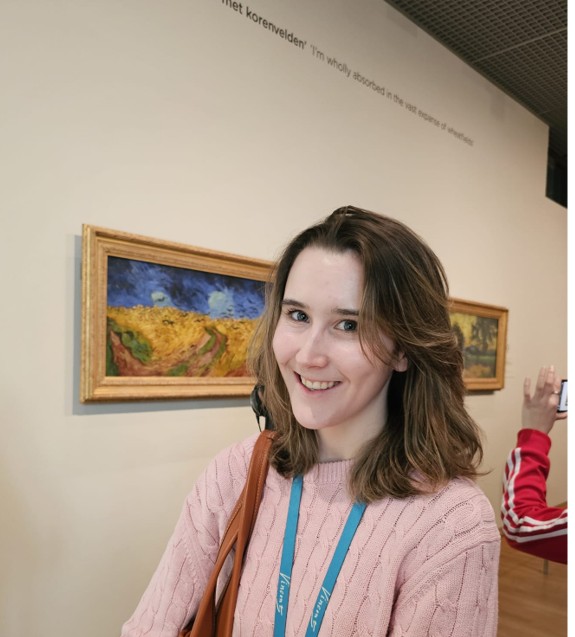
Victoria Harman-McKenna
Project Title
Targeting intractable cancer targets through universal proximity-induced pharmacology
This project is co-sponsored by the EPSRC CDT in Chemical Biology and The Institute of Cancer Research Centre for Cancer Drug Discovery
What were you doing before enrolling in the ICB CDT Programme?
Before joining the CDT, I worked as a Research Associate II in antibody‑drug conjugate development at Zymeworks in Vancouver, Canada. I specialised in high‑throughput assay optimisation, flow cytometry, and mechanistic studies to support preclinical therapeutic programmes. I generated proof‑of‑concept data for novel ADC payloads, most recently helping to build a pan‑RAS ADC platform, including a SAR campaign across 174 molecules to guide candidate selection. Before this, I completed an MSc at the University of Calgary focused on bacteriophage discovery, resulting in first‑author publications in PNAS and Viruses.
Why did you choose to apply for your particular project?
I chose this project because it sits right at the chemistry-biology interface and on the cutting edge of oncology therapeutic research. I'm most motivated by platform‑driven discovery and building systems that let you explore biology in a systematic, mechanistic way. The idea of universal proximity‑induced pharmacology is exciting to me because it creates a framework for accessing targets that conventional modalities can’t reach.
What are you looking forward to the most within the CDT programme?
I’m most looking forward to being part of the cohort; having a group of people learning together, sharing ideas, and approaching problems from different perspectives. I’m also excited about using chemistry to solve biological questions, especially in an environment where people bring different strengths to the table. The collaborative, interdisciplinary nature of the CDT is what appeals to me most.
Please tell us a fun fact about yourself!
I’m a chocolate‑chip cookie connoisseur and made a tier list of Vancouver’s best cookies. I’m excited to make a London version next.
Name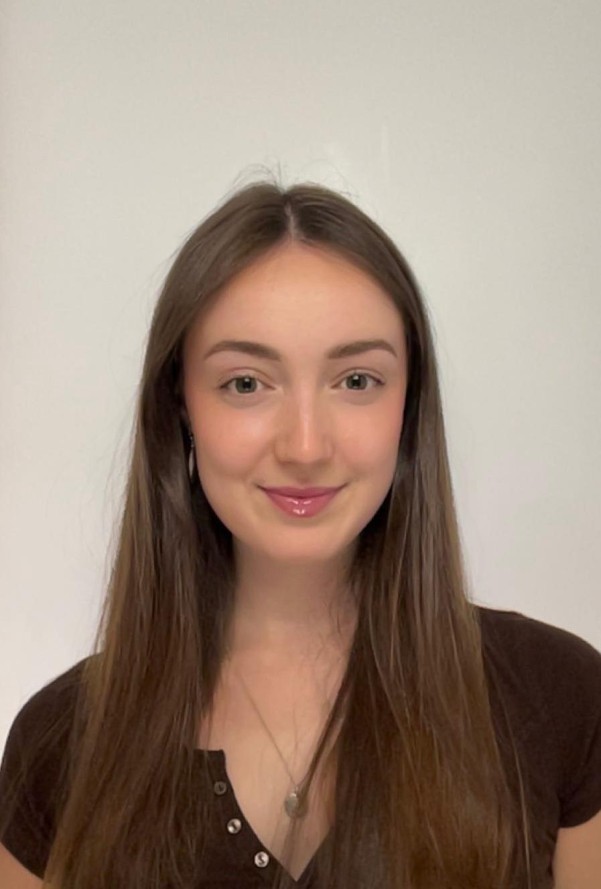
Kathleen Hillis
Project Title
Synthetic cells for cancer therapeutics
This project is co-sponsored by the EPSRC CDT in Chemical Biology and the CRUK Convergence Science Centre
What were you doing before enrolling in the ICB CDT Programme?
I completed my integrated Master’s at the University of Strathclyde on Chemistry with Drug Discovery. My final year involved a research project where I was developing electrochemical lateral flows for assessing liver viability.
Why did you choose to apply for your particular project?
I chose to apply for this project due to its potential to develop more precise cancer therapeutics and ultimately improve patients’ quality of life. I am excited to take the chemistry skills and knowledge I’ve developed during my undergraduate degree and apply them to an important problem in cancer research. I was therefore particularly excited by the interdisciplinary nature of the research and the opportunity to further develop my skills within a collaborative research environment.
What are you looking forward to the most within the CDT programme?
I am looking forward to working with such a diverse group of researchers and having the opportunity to learn about each other’s projects while supporting one another. One particular part of the CDT programme that I am extremely excited about is the science and communication training with the BBC, this is such a rare opportunity and I cannot wait to learn from the experience.
Please tell us a fun fact about yourself!
Outside of academics I love to dance and in my final year choreographed for the university team where we were undefeated!!!! I also had the opportunity to dance for Guerlain over the summer.
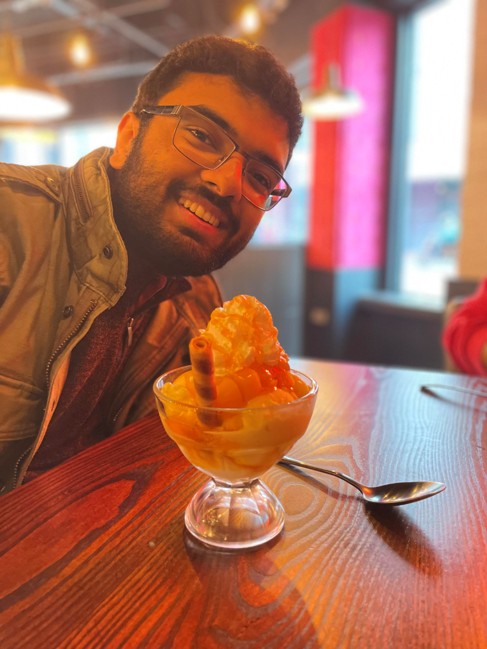 Name
Name
Tarun Lalapet
Project Title
New Methodology for Constructing Structurally Expanded RNA Display Libraries (xRDL)
This project is generously funded by the Faculty of Natural Sciences
What were you doing before enrolling in the ICB CDT Programme?
Even at A-level, I have found myself drawn to questions about how biology could be harnessed to treat disease — my EPQ was an attempt to understand immunomodulatory strategies for severe influenza. Studying Chemistry with Medicinal Chemistry at Newcastle felt like a natural way to start building the molecular toolkit to engage with these questions properly. During a first-year summer project supervised by Dr Tom McAllister, I got my first real taste of the chemistry-biology interface through my work on mRNA display. In my third year, my placement at AstraZeneca gave me a strong grounding in drug development but also confirmed that I wanted to move beyond synthetic organic chemistry and engage more deeply with the biological underpinnings of disease. This led me to the Imperial Chemical Biology and Bio-Entrepreneurship MRes, where my project was focused on developing a novel multi-target epigenetic assay for identifying transcription factors implicated in Alzheimer's disease. Having thoroughly enjoyed my research within the CDT environment, applying for a PhD in the ICB CDT programme felt like the obvious next step in pursuing the questions that had fascinated me since sixth form.
Why did you choose to apply for your particular project?
During my MRes, I came to realise that I find the most satisfaction in building the tools that make discoveries possible. The xRDL project appealed to me because it is fundamentally aimed at developing a platform to expand the scope of what mRNA display can access and, by extension, accelerate the development of peptide therapeutics for numerous diseases. My earlier work with mRNA display at Newcastle also meant I could immediately appreciate what the xRDL project was trying to achieve and why it could be transformative for drug discovery.
What are you looking forward to the most within the CDT programme?
In addition to the PhD project itself, the training in entrepreneurship and scientific translation particularly excites me. I'm interested in building platforms for scientific discovery but also in understanding how scientific developments move from a lab setting into a real-world context. The CDT is the only environment I have found that actively encourages this sort of thinking in the chemical biology space. I am looking forward to using the resources and opportunities within the CDT to develop the combined scientific and commercial literacy that I think will define the most impactful researchers of my generation.
Please tell us a fun fact about yourself!
I am the illustrious founder of the board game club (read: cult) at Ashville College. I also made my entire sixth form sing sea shanties in an assembly. I maintain that both were completely reasonable decisions.
Name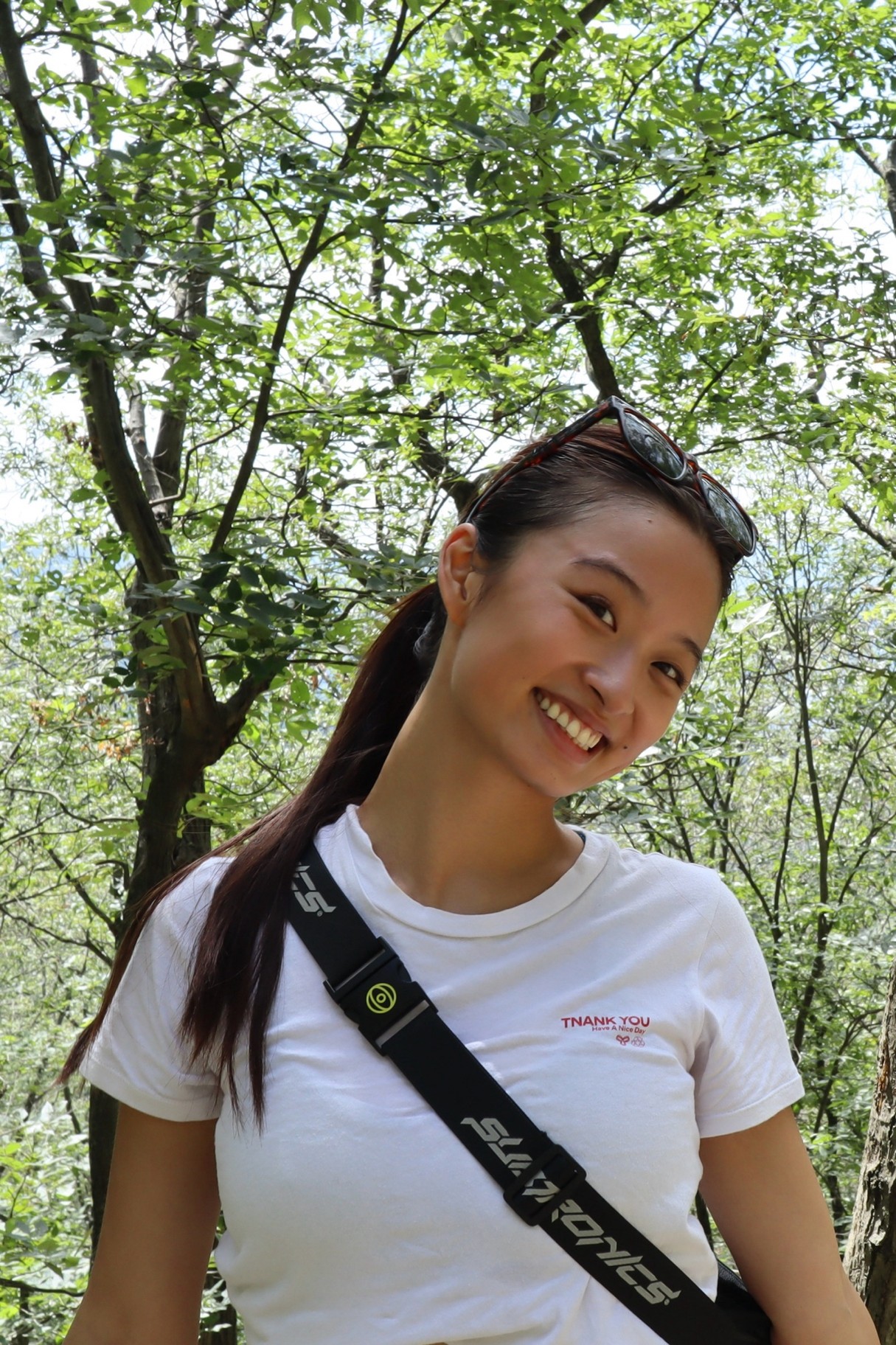
Emily Lee
Project Title
Proteome-wide molecular glue discovery unlocked by chemical proteomics and machine learning
This project is co-sponsored by the EPSRC CDT in Chemical Biology and TernaryTx
What were you doing before enrolling in the ICB CDT Programme?
I graduated in 2021 with a double degree in Biophysics and Molecular Biology from Johns Hopkins University. Afterwards, I spent about four years working at a drug discovery startup called Proxima Bio helping to build their structural proteomics platform for degrader discovery. Last year, I came to Imperial to complete an MSc in Digital Chemistry, AI and Automation. My thesis focused on creating frameworks for peptide property prediction using deep learning models.
Why did you choose to apply for your particular project?
Working at Proxima Bio, I experienced firsthand the challenges that exist in molecular glue discovery. While computational tools have become increasingly powerful, there is still limited availability of reliable screening platforms that can validate structural predictions at scale. This project is a really exciting opportunity to tackle this challenge by exploring creative ways of combining computational methods with structural proteomics for molecular glue discovery.
What are you looking forward to the most within the CDT programme?
Definitely getting to know my fellow cohort members and taking advantage of the courses and learning opportunities like BOOST and EVOLVE throughout the studentship!
Please tell us a fun fact about yourself!
I love picking up new hobbies! This summer I learned to surf in Portugal and sewed my first pair of shorts.
Name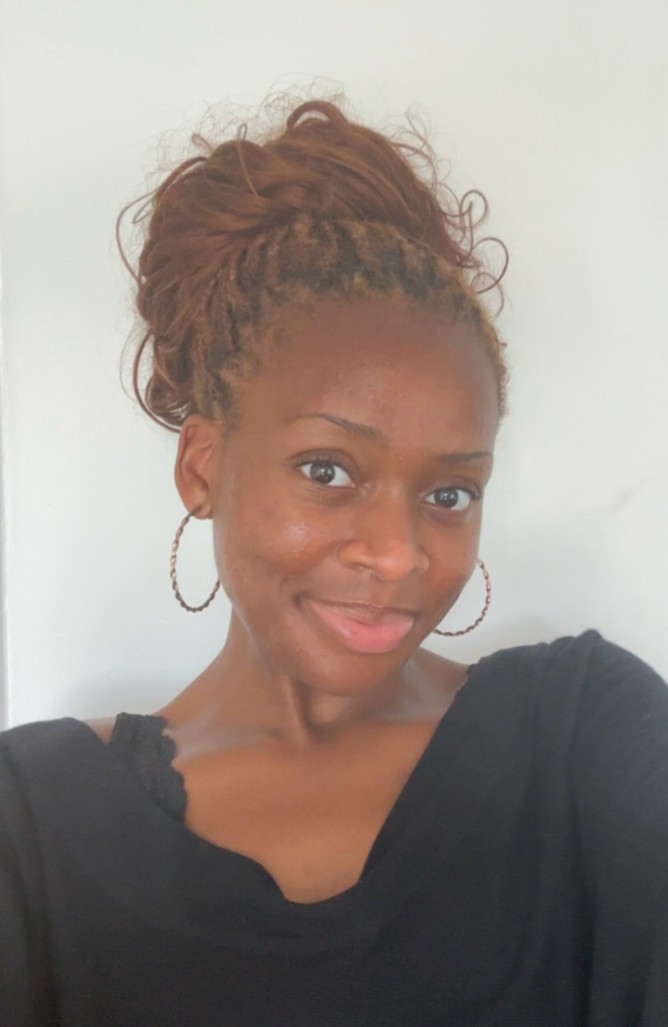
Sharon Oladapo
Project Title
Precision Intracellular Delivery of Potent Anti-Cancer Prodrugs via Modular Responsive-Nanogels
This project is co-sponsored by the EPSRC CDT in Chemical Biology and The Institute of Cancer Research Centre for Cancer Drug Discovery
What were you doing before enrolling in the ICB CDT Programme?
During the last four years, I carried out an MSci in Chemistry at the University of Warwick. In my final year I conducted my research project in the Perrier group where I specialised in RAFT polymerisation. I designed and synthesised a cationic polymer library and complexed these with nucleic acids to assess the potential of the resulting polyplexes as potential gene delivery systems for cancer vaccines. Alongside my degree, I also carried out a summer research project with Warwick Medical School where I investigated the efficacy of Rifampicin encapsulated in polymeric nanoparticle systems in vitro against Staphylococcus aureus (S. aureus) biofilms to conclude if they pose a suitable aid for antibiotic delivery relative to the free antibiotic.
Why did you choose to apply for your particular project?
I knew I had to apply for this project as it combines two areas that I am passionate about: polymers and medicine! Through my previous research experience, I gained an understanding of the significance delivery systems have on the efficacy of therapeutic agents. I believe drug delivery systems should be given equal consideration to the drug itself, and this project provides an exciting opportunity to explore this relationship further. The interdisciplinary nature of the ICB was also a major factor in my decision to apply. I believe working along the interface of chemistry and biology is vital, where there is a focus on working in harmony with our internal biological mechanisms when engineering new systems meant to navigate the human body. The opportunity to work across disciplines and contribute to research with meaningful impact was something I was actively seeking.
What are you looking forward to the most within the CDT programme?
I am looking forward to joining a diverse community that embraces collaboration. I am also excited to take advantage of the various opportunities offered by the CDT, such as expanding my skills in science communication.
Please tell us a fun fact about yourself!
I love cooking and experimenting with flavours, combining ingredients and dishes from my own culture with influences from cuisines around the world! I’m always excited to try a new recipe, or put my own twist on an old favourite :)
Name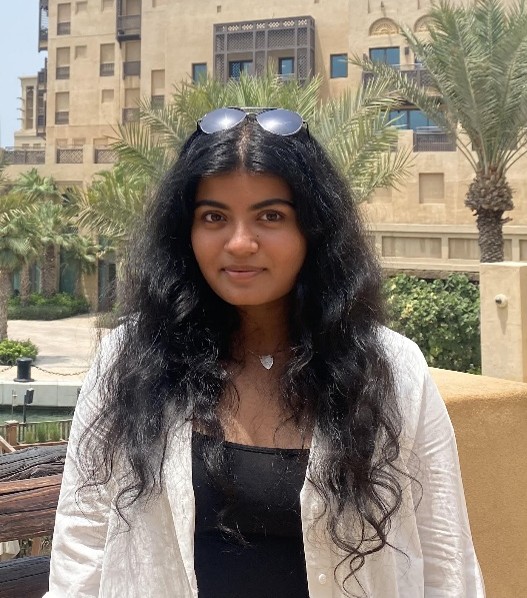
Nyah Patel-Durasamy
Project Title
Unlocking how agrochemicals move through plant systems using biomimetic technologies
This project is co-sponsored by the EPSRC CDT in Chemical Biology and Syngenta
What were you doing before enrolling in the ICB CDT Programme?
I completed my MSci Chemistry with Medicinal Chemistry and a Year in Industry degree at Imperial, graduating in 2026. I carried out my placement year at Syngenta in formulation development, and my MSci project in the Barter group, looking at a novel technology to enhance photosynthesis and thus crop yields.
Why did you choose to apply for your particular project?
My experiences at Syngenta and in the Barter group sparked my interest in applying chemistry to tackle agrochemical challenges. I was particularly drawn to this project because it combines chemical biology and biomimetic technologies with agriculture and has clear real-world applications, with the potential to improve how we understand, design and use agrochemicals more sustainably.
What are you looking forward to the most within the CDT programme?
I am most looking forward to the cohort-based structure and the opportunity to work alongside peers from a range of scientific backgrounds. I am excited to learn from one another, broaden my skill set beyond chemistry and explore different areas of chemical biology.
Please tell us a fun fact about yourself!
I’m an avid cat lover and adopted my two cats after falling in love with them as strays in Turkey!
Name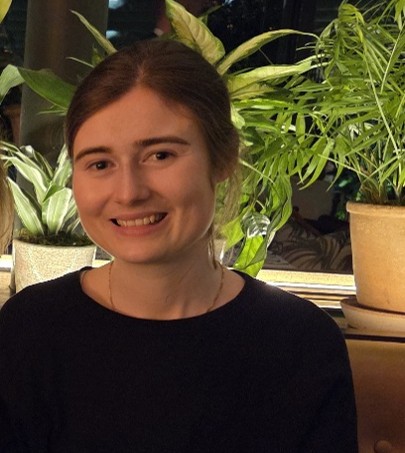
Hannah Peters
Project Title
Rewiring cancer targets through proteome-wide discovery of molecular glues
This project is co-sponsored by the EPSRC CDT in Chemical Biology and AstraZeneca
What were you doing before enrolling in the ICB CDT Programme?
I completed my MSci in Chemistry with Medicinal Chemistry at Imperial College London.
Why did you choose to apply for your particular project?
I have a keen interest in chemical biology, specifically targeted protein degradation and molecular glue discovery. This project reflects a lot of my scientific interests and I am excited to develop my skills further, particularly in proteomics.
What are you looking forward to the most within the CDT programme?
I am looking forward to getting involved in the EVOLVE programme, which is a great opportunity to gain additional experience and skills to complement my main PhD project.
Please tell us a fun fact about yourself!
I continued learning German alongside my Chemistry degree.
Name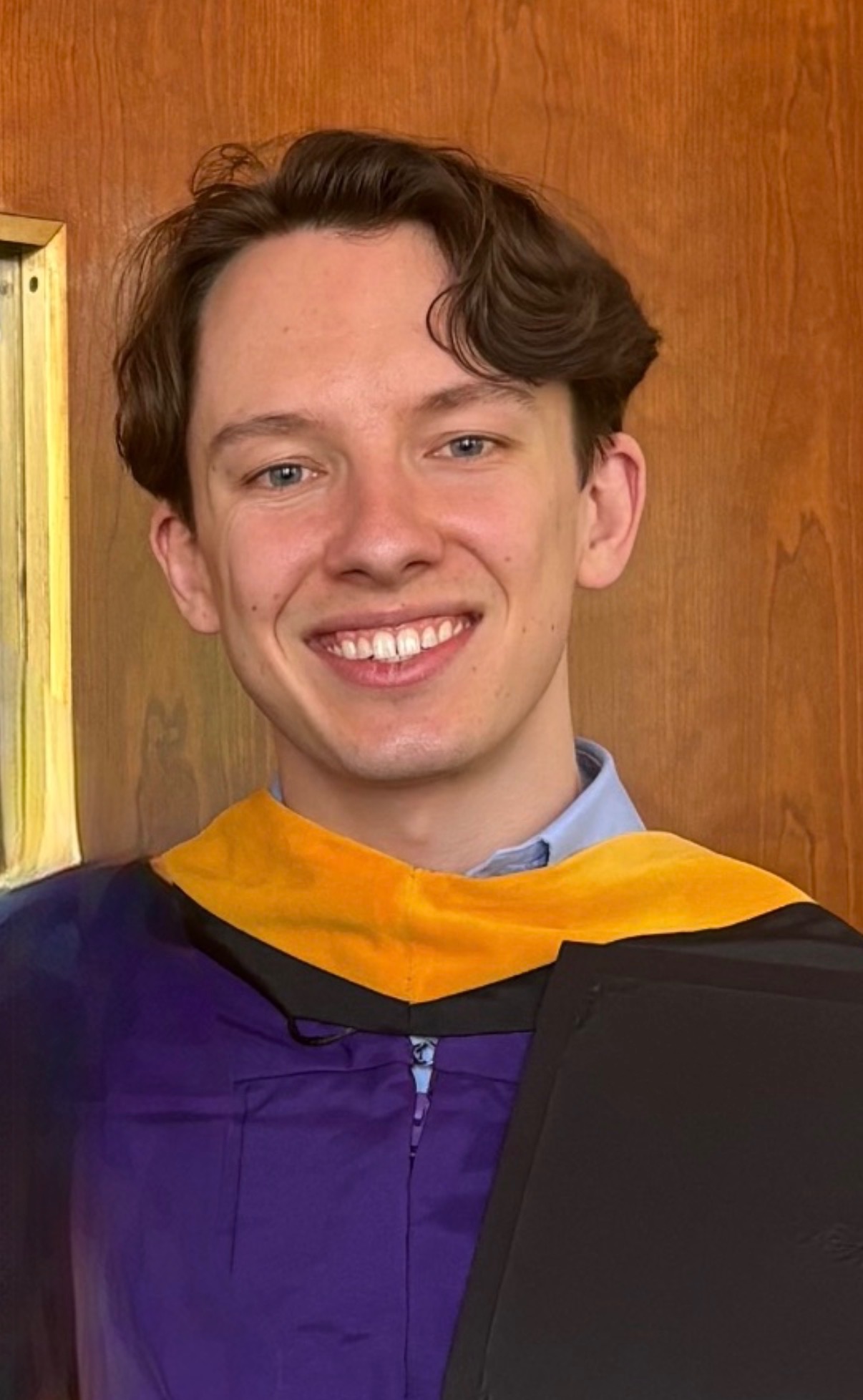
Matthew Ross
Project Title
Transforming EPR into a novel surface sensitive probe to investigate photodegradation on biologically relevant surfaces
This project was made possible via the EPSRC CDT in Chemical Biology and the Norris Plant Chemical Biology Postgraduate Scholarship
What were you doing before enrolling in the ICB CDT Programme?
I completed my M.S. in Chemistry at NYU, with the Avalos Lab. My project was on the characterization of the local structure of defects in melt-processed organic films using solid-state NMR and EPR.
Why did you choose to apply for your particular project?
During my time at NYU, I realized that I really enjoyed research in EPR. I found this project to be particularly interesting because it combines exciting new EPR methods with biomimetic film development.
What are you looking forward to the most within the CDT programme?
I am excited to explore the transferrable skills programmes that the CDT offers, particularly the science communication module. Especially because I will get to do it with a cohort of excited researchers with a diverse range of experiences.
Please tell us a fun fact about yourself!
I have 2 dogs (Sonny and Oliver) and a cat (Clementine) that made the trip with me to the UK.
Name
Omer Emir Serak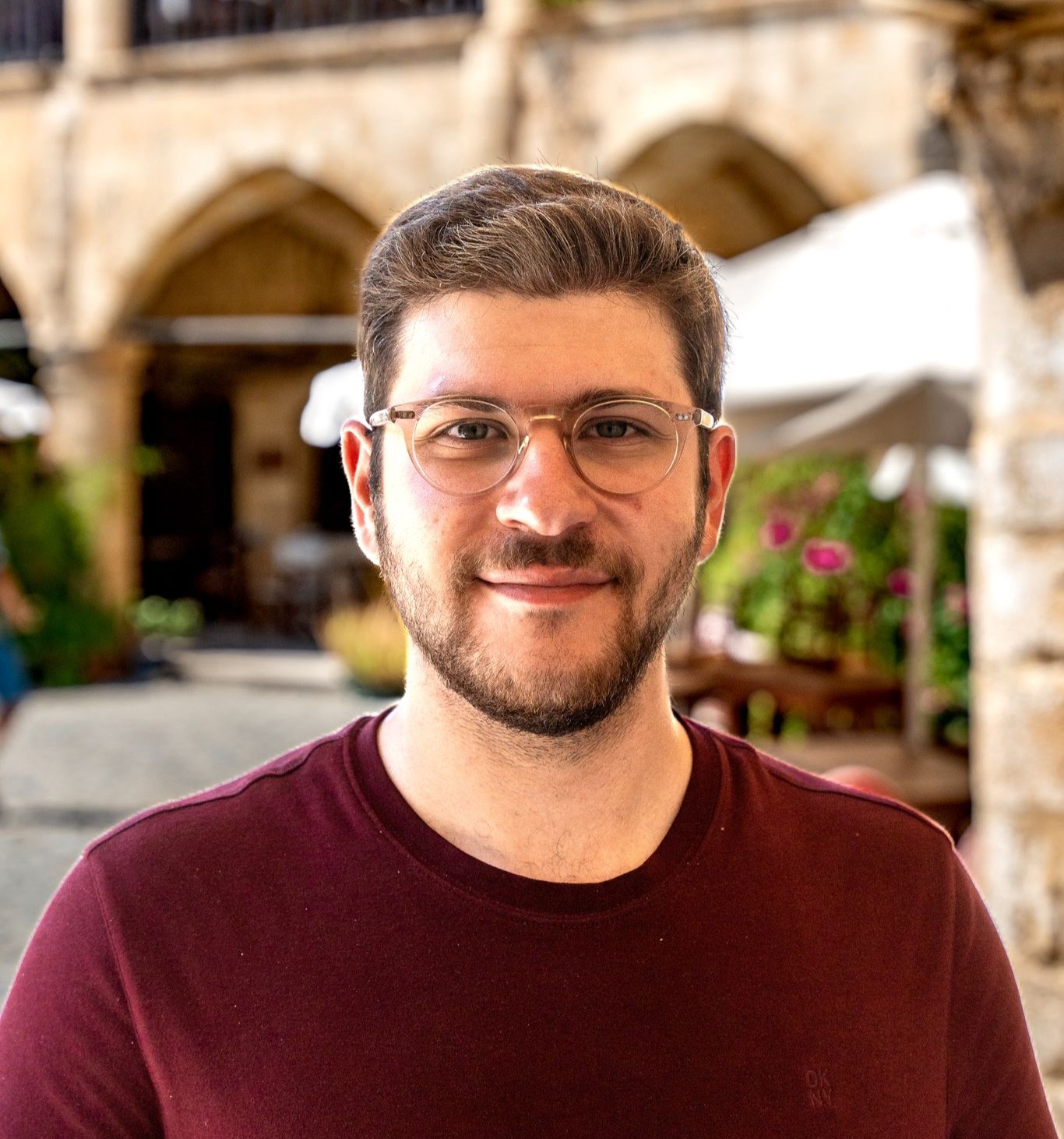
Project Title
Understanding Antibody Uptake to Improve Antibody–Drug Conjugates (ADCs).
This project is co-sponsored by the EPSRC CDT in Chemical Biology and GSK
What were you doing before enrolling in the ICB CDT Programme?
I completed my MEng in Molecular Bioengineering at Imperial. My final-year MEng project at the Tom Ellis Lab (Imperial College Centre for Engineering Biology) focused on using ML-based de novo protein design tools such as RFdiffusion to develop protein biosensors for bacterial cellulose living materials that can detect staph infections. After graduating, I was briefly involved in a project on designing de novo monoclonal antibodies for cancer-specific ion channels.
Why did you choose to apply for your particular project?
I chose this project in order to follow my passion for developing cancer biologics that not only treat the disease, but also improve the quality of life of patients. Antibody-drug conjugates (ADCs) sit at the forefront of targeted cancer therapy, and this project is an opportunity to merge my background in bioengineering and synthetic biology to further the understanding of how ADCs, particularly the monoclonal antibody, are taken up and metabolised by our non-target cells. Thus, I applied to this project to not only develop our knowledge of ADC biology, but also to use those discoveries to optimise and engineer ADCs with reduced toxicity that can have real patient impact. Additionally, I am excited to further my skills in antibody engineering and ADC research, learning from two of Imperial’s esteemed research groups and GSK’s ADC platform team.
What are you looking forward to the most within the CDT programme?
I am really excited to meet and join a cohort of CDT students with diverse cultural and multidisciplinary research backgrounds and learn from them. Within the CDT programme, I am particularly looking forward to initiatives such as the high-throughput drug screening programme and BBC’s science communication lessons, which will enable me to develop holistically as a scientist and aspiring therapeutic innovator.
Please tell us a fun fact about yourself!
I have been playing the electric guitar for over a decade. I enjoy listening and playing anything from Prog Metal to Jazz, and beyond. If you have any song recommendations or want to chat music or guitar, please reach out!
Name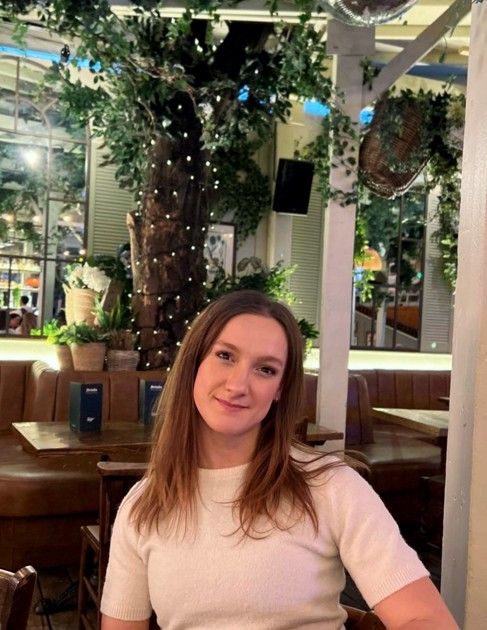
Georgia Shanahan
Project Title
Engineering Carbon Capture Synthetic Cells Via Closed-Loop Discovery
This project is co-sponsored by the EPSRC CDT in Chemical Biology
What were you doing before enrolling in the ICB CDT Programme?
I recently graduated from King’s College London with an MSci in Chemistry with Biomedicine. I completed my final-year project within the Hindley Group, where my research focused on developing synthetic vesicles as biosensors in wound care. I then stayed on as a research assistant over the summer, to continue working on synthetic cell systems.
Why did you choose to apply for your particular project?
I really enjoyed working on synthetic cells during my MSci and wanted to continue my research in this area. I was drawn to this project because it gives me the opportunity to apply my experience to a completely different challenge, especially one as relevant as carbon capture technologies.
What are you looking forward to the most within the CDT programme?
I’m excited to be part of a cohort of early career researchers and to make the most of the training on offer beyond lab work, like the SciComm series!
Please tell us a fun fact about yourself!
I love running, and my longest race (so far!) was a 100 km ultramarathon.
Name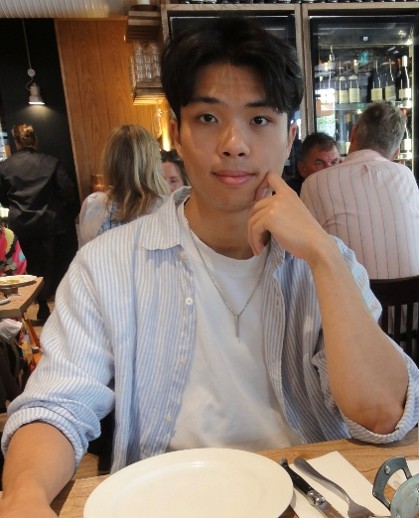
Mack Sung
Project Title
Synthesis and evaluation of tumour-targeted chemotherapeutics that induce immunogenic cell death
This project is co-sponsored by the EPSRC CDT in Chemical Biology and the CRUK Convergence Science Centre
What were you doing before enrolling in the ICB CDT Programme?
Before enrolling in the ICB CDT Programme, I completed a BSc in Chemistry at Imperial College London. During my degree, I gained research experience in chemical biology and peptide chemistry through projects at Imperial, Hong Kong Polytechnic University, and the University of Southampton, which motivated me to pursue a PhD in chemical biology.
Why did you choose to apply for your particular project?
I chose this project because my interest in photodynamic therapy (PDT) first developed during my research at Hong Kong Polytechnic University, where a colleague introduced me to their work in this area. This interest grew further after attending Professor Ramon Vilar’s lecture on PDT. The project also builds naturally on my previous experience in peptide chemistry and bioconjugation, allowing me to apply these skills to cancer therapeutics.
What are you looking forward to the most within the CDT programme?
I’m particularly looking forward to the cohort-based training opportunities, such as the Science Communication with the BBC course. Most importantly, I look forward to learning alongside other aspiring chemists and scientists from different disciplines and building a strong network throughout my PhD.
Please tell us a fun fact about yourself!
I’m a big foodie and love exploring new restaurants. I currently have over 200 food spots saved on Google Maps that I’m hoping to work my way through when I have the time.
Name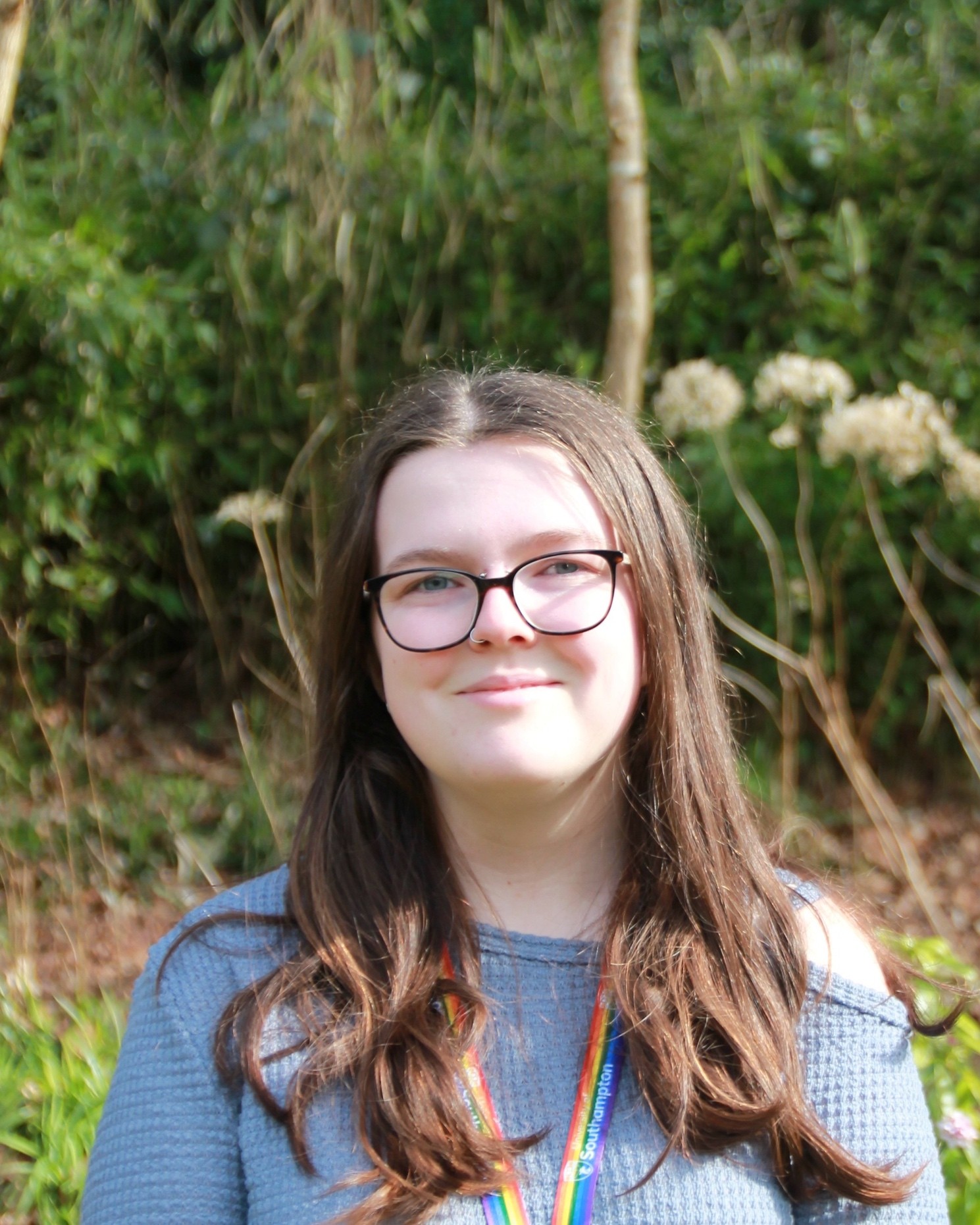
Jazmine Thorne
Project Title
Cysteine-selective bioconjugation warheads for ADCs
This project is co-sponsored by the EPSRC CDT in Chemical Biology and GSK
What were you doing before enrolling in the ICB CDT Programme?
Before joining the ICB CDT I completed an MSci degree in Natural Sciences at the University of Southampton. I really loved this degree as it allowed me to tailor module choices to my interests, eventually leading me to chemical biology. I had the opportunity to take part in a number of really fascinating research projects, including my final year project working on chemical modifications to oligonucleotides. A huge achievement of mine from this degree is already having three publications from my research!
Why did you choose to apply for your particular project?
Antibody-drug conjugates are a really promising area for pharmaceuticals, meaning this project gives me the opportunity to participate in research that could potentially improve lives. Scientifically, it is the perfect intersection of my interests, allowing me to apply my passion for organic chemistry to biological problems for therapeutic benefit.
What are you looking forward to the most within the CDT programme?
I’m really looking forward to joining such a collaborative and multi-disciplinary programme. I have such a passion for all things science, so getting to find out more about all the interesting stuff everyone is doing is really exciting!
Please tell us a fun fact about yourself!
I have three pet rats and I am a real music lover, in particular a metalhead! I’ve been to so many concerts but some favourites of mine would have to be seeing Ozzy Ozbourne at Back to the Beginning, Sabaton at the O2, and my favourite band Ghost twice!
Name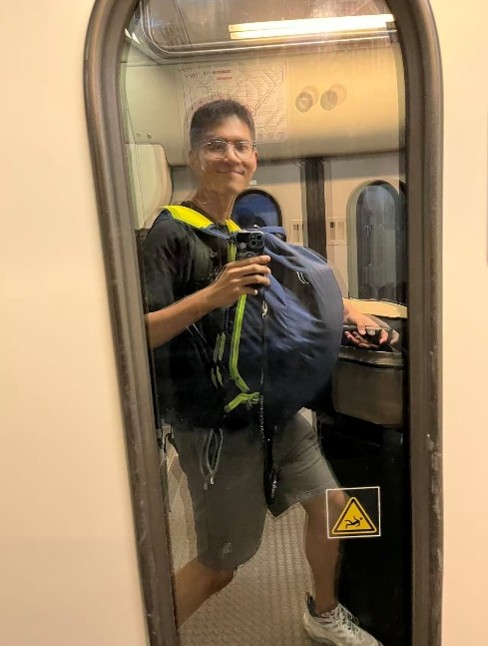
Xiuqi Wang
Project Title
Molecular engineering tools in filamentous fungi for controlled production of high-value molecules
This project is co-sponsored by the EPSRC CDT in Chemical Biology and Bayer
What were you doing before enrolling in the ICB CDT Programme?
I split my dedication equally between bioengineering and food. I obtained my BSc in Biotechnology and Food Engineering from the Technion - Israel Institute of Technology, followed by an MSc in EIT Food Systems (Future Food) from the University of Hohenheim, Germany. Prior to joining the ICB CDT, I spent two years working in an international organization and a research institution, in the field of precision and solid-state fermentation.
Why did you choose to apply for your particular project?
I’m captivated by the vision of sustainable microbial protein in my grand rotation, a field that offers perhaps the most audacious playground an ambitious bioengineer could ever hope for. Over time, I gravitated toward the robust logic and experimental rhythm inherent to Chemical Biology and Synthetic Biology. This project offers a rare opportunity to build a pipeline from scratch, starting with molecular tool development in a novel microbial chassis and moving all the way to industrial bioreactors.
In a grander sense, it is an exciting time and place to be a bioengineer, armed with rich resources and toolkits, to confront anew the greatest works of Nature, "to force him to admit that he is ignorant of the things through which he lives."
What are you looking forward to the most within the CDT programme?
I want to consolidate my knowledge base and upgrade my molecular arsenal in the CDT training module. And I’m genuinely looking forward to whatever fuzzy and sparky moments in the research. Frankly, having four years with little financial burden to just sit down and tackle a complex scientific problem is a luxury I intend to enjoy.
Please tell us a fun fact about yourself!
I’m a relocation and Schengen visa expert, meaning that I lived in 9 apartments, 7 cities, within 3 years and have 4 Schengen visas on my passport, all thanks to the mobility master programme and my work/internship.
Additionally, whenever I mention studying "Food Systems," people instantly ask if I can cook well. While it’s a massive stereotype... in my case, it’s true. I’m a good cook and have worked in a restaurant kitchen.
Name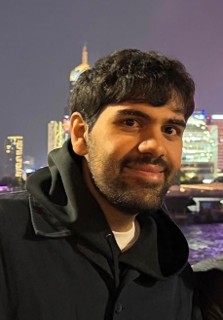
Vedant Hinduja
Project Title
High-throughput Chemistry and Direct-to-Biology for PROTAC discovery
What were you doing before enrolling in the ICB CDT Programme?
I completed my MRes in Drug Design at UCL, where my research focused on the design, synthesis and validation of PROTACs for the treatment of chronic pain. Following this, I spent a few months working in biotech venture capital, evaluating companies developing novel therapeutic and diagnostic technologies.
Why did you choose to apply for your particular project?
During my MRes project, I spent several months synthesising PROTACs in the lab, only to find that many of them did not work in cells. I later came across high-throughput synthesis and direct-to-biology (D2B) workflows during a presentation by GSK scientists and was fascinated by their potential to accelerate the design–make–test cycle, particularly for PROTACs, where multiple components need to be optimised simultaneously.
What are you looking forward to the most within the CDT programme?
I’m particularly looking forward to developing expertise in automated high-throughput chemistry and D2B workflows, learning from experts across different disciplines, and taking advantage of the CDT’s placement and bio-entrepreneurship opportunities.
Please tell us a fun fact about yourself!
Outside the lab you’ll probably find me travelling, trying new cafés and restaurants, or playing tennis!
Name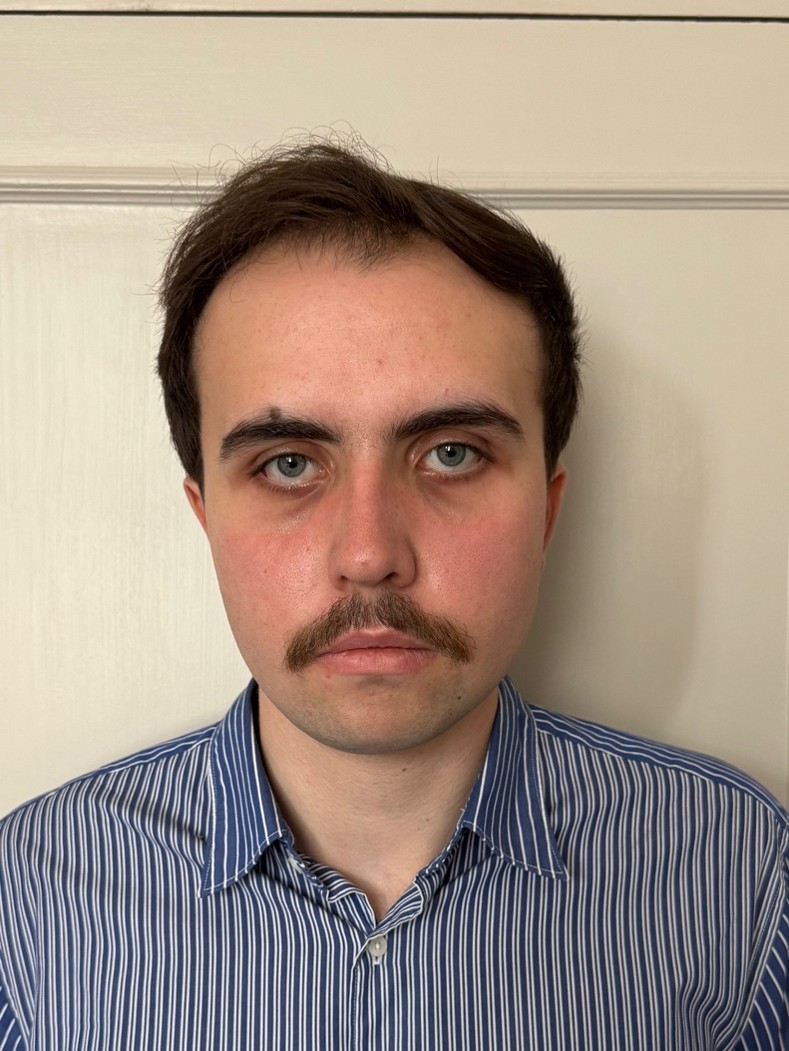
Cyrus Howbrook
Project Title
Computational Gastronomy for Sustainable Protein Recipe Innovation
This studentship is funded by the Bezos Centre for Sustainable Protein
What were you doing before enrolling in the ICB CDT Programme?
Prior to the ICB CDT Programme, I was undergoing my MSc in Mathematical Biology at the University of St Andrews, completing a dissertation concerning the use of dynamical systems to generate synthetic cooking simulations, enabling me to investigate how machine learning can be utilised to improve predictions and model certain cooking dynamics.
Why did you choose to apply for your particular project?
I have always had a profound love for cooking. Over the course of my undergraduate degree in Chemistry, I found that the science behind the cooking process itself was of most intrigue to me. As such, I aimed to implement the theory I learnt into day-to-day practise and, furthermore, into my master’s thesis. From this, I discovered a passion for both implementing scientific theory into practise and working at the forefront of interdisciplinary research, which this project encompasses fully.
What are you looking forward to the most within the CDT programme?
I am most looking forward to exploring the intersection of disciplines that would not traditionally be considered together; particularly, how chemistry, mathematics and machine learning can together transform something as familiar as cooking. The opportunity to work with researchers who approach the same problem from entirely different scientific perspectives is likewise incredibly exciting to me. I am, too, looking forward to developing ideas that have the ability to extend beyond the laboratory and could eventually influence the way we are able to produce, prepare and experience food.
Please tell us a fun fact about yourself!
I used to coach video games semi-professionally in my teen years.
Name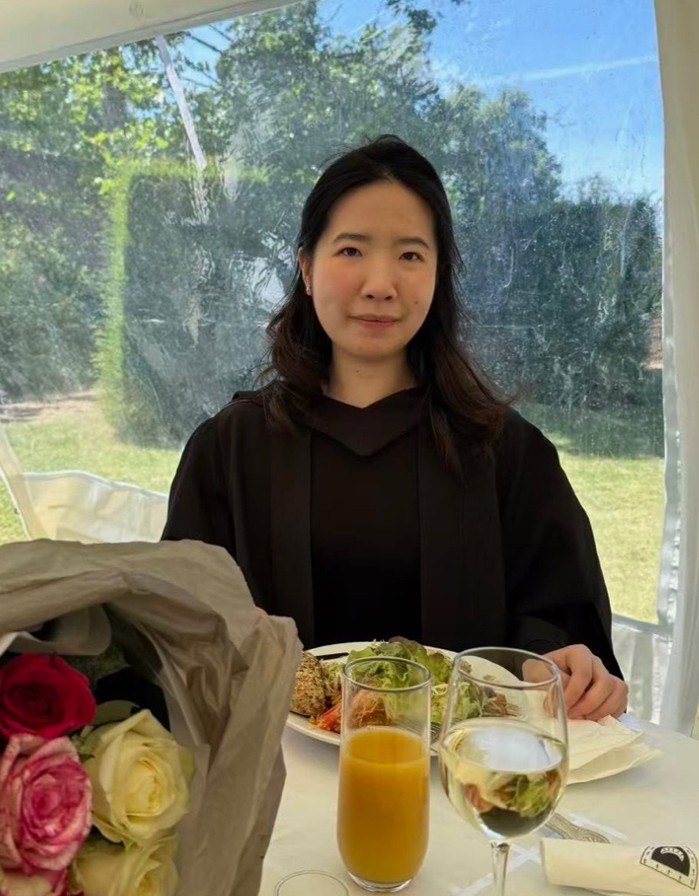
Zhengxin Hu
Project Title
Divergent Synthesis of Functionality-Rich Macrocycles with Oxetane Enhanced Cyclisation
This studentship is funded via the President's Scholarship Programme
What were you doing before enrolling in the ICB CDT Programme?
Before joining the ICB CDT, I completed an integrated MSci in Natural Sciences at the University of Cambridge. In my fourth year, I worked in the Hunter group on covalent-template-directed replication of recognition-encoded melamine oligomers, focusing on optimizing the ZIP reaction conditions during replication. This project allowed me to creatively apply the fundamental chemistry I had learned in lectures, and I found the experience of driving meaningful scientific progress deeply fulfilling.
Why did you choose to apply for your particular project?
During my undergraduate degree and Master’s project, I developed a strong interest in synthetic and supramolecular chemistry and became interested in how these approaches could be applied to biological problems. I was drawn to this PhD project because it sits at the interface of chemistry and biology, allowing me to build on my previous experience while developing new skills. I was also keen to gain experience in drug discovery and explore a new area of research through a multidisciplinary project.
What are you looking forward to the most within the CDT programme?
I’m really excited to get to know the rest of the cohort and hear about the different areas of research everyone comes from. I’m also looking forward to gaining new experiences both in and outside the lab, especially the science communication lectures with BBC.
Please tell us a fun fact about yourself!
I really enjoy baking (and like to think I’m pretty good at it!). Over the summer I taught myself how to crochet and made a large shawl.
Name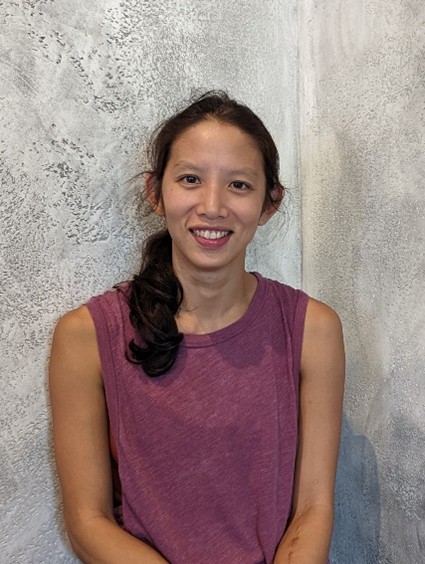
Serene Koh
Project Title
Exploring the role of reactive amino acids and their potential as therapeutic targets
What were you doing before enrolling in the ICB CDT Programme?
I was a researcher at DSO National Laboratories, where I focus on the detection and characterization of proteinaceous toxins. My work involved employing high-resolution proteomic mass spectrometry and bioinformatics tools to analyse complex biological samples.
Why did you choose to apply for your particular project?
Through this studentship, I hope to refine my research skills and explore new experimental and computational techniques for studying protein dynamics and interactions. I am particularly drawn to Prof. Tate’s pioneering contributions to chemical proteomics and drug discovery, especially in developing chemical probes to study protein reactivity and function.
What are you looking forward to the most within the CDT programme?
I am excited to join a close-knit, collaborative cohort that encourages interdisciplinary exchange and mutual growth as researchers. I also look forward to the CDT’s strong focus on translating chemical biology discoveries into real-world impact through its close partnerships with industry.
Please tell us a fun fact about yourself!
I love to explore the outdoors, preferably with some nice sport climbing thrown in. I will also be trying to juggle both my commitments as a student and as a parent of a young child (wish me luck!).
 Name
Name
Goodnews Nwosu
Project Title
Transparent 3D-printed soil: biophysics and metabolomics of root-soil interactions
This studentship is funded by Syngenta
What were you doing before enrolling in the ICB CDT Programme?
I completed an undergraduate master's (MChem) in Chemistry at University of Oxford. My final year involved a project which had me forming Ascorbate derivatives (Vitamin C) to gain insights of how ascorbic acid is used in the enzymatic process of the conversion of 4 – hydroxyphenylpyruvate to homogentisic acid which is involved in the catabolism of L-tyrosine in both humans and plants.
Why did you choose to apply for your particular project?
Following my final year project, I have come to love learning more about the biological side of systems and I wanted to expand the chemical knowledge that I have gained from that into more biological systems such as those involving plants.
What are you looking forward to the most within the CDT programme?
I am looking forward for all the new skills that I will learn through the program especially transferrable skills and being able to go to many events that will expand my knowledge and love for research. I am also looking forward to meeting a range of people of from different backgrounds.
Please tell us a fun fact about yourself!
I am currently in the process of learning 2 languages (Spanish and Japanese). However, I am much better in Spanish!
Name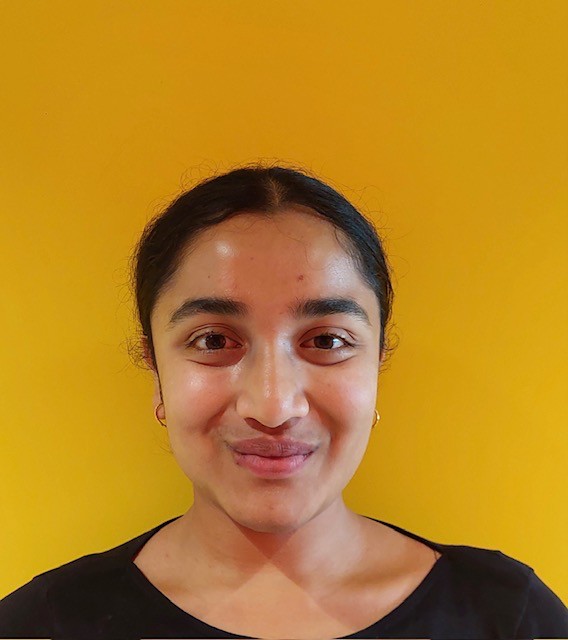
Mahima Raghavendra
Project Title
Decoding mechanisms and drug targets in protein lipidation
This studentship is funded by the Department of Chemistry
What were you doing before enrolling in the ICB CDT Programme?
After graduating last year with an integrated Master’s specialising in organic chemistry, I spent the better part of a year at Oxford Nanopore Technologies, where I was making and purifying oligonucleotides and oligonucleotide conjugates.
Why did you choose to apply for your particular project?
My project will focus on a class of transmembrane acyltransferases whose dysregulation has been implicated in various disease states, yet a lack of structural understanding stymies their potential as drug targets. The fundamental research aspect of this project appealed to me as I’m drawn to developing a deep, mechanistic understanding of how things work. The Tate group has developed several technologies and tools to probe the structure and function of lipidation enzymes, and I’m excited to develop new skills in MD and assay development to apply in tandem.
What are you looking forward to the most within the CDT programme?
I’m looking forward to engaging with the entrepreneurship and policy aspects of the CDT. This is an incredibly exciting period for biotech – it feels like everything is happening, constantly, and I’m interested in how policy, academia, and industry interact to boost innovation.
Please tell us a fun fact about yourself!
I’m a washed-up former child chess player and used to run chess clubs in schools across London!
Name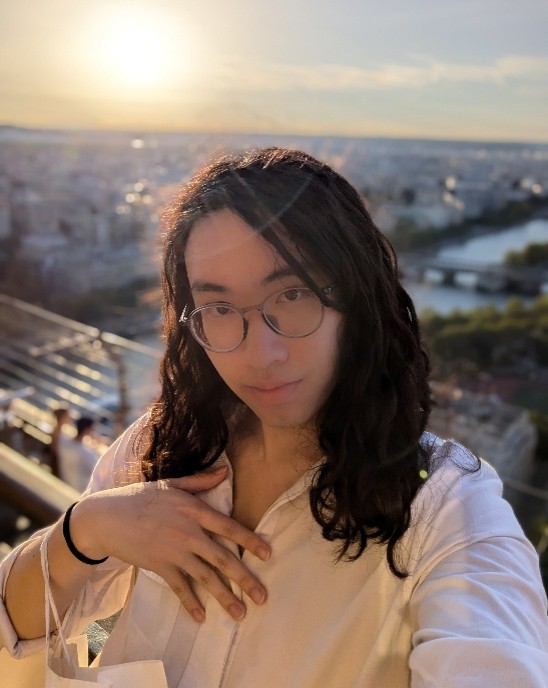
Ethan Sip
Project Title
Enzymatic Methods for Peptide Cyclisation
This studentship is funded by Johnson & Johnson and the Department of Chemistry
What were you doing before enrolling in the ICB CDT Programme?
I completed an integrated Master’s degree in Molecular and Cellular Biochemistry at the University of Oxford. My Master’s project focused on investigating bacterial ethylene-forming enzymes to not only ascertain its purpose in nature, but also to harness its utility for biocatalysis. In the year since, I worked part-time as a science tutor and took the opportunity to travel about.
Why did you choose to apply for your particular project?
I had always held an affinity to the interface of chemistry and biology, which was further strengthened during my time in the lab. Through my Masters’ research, I was introduced to enzymatic chemistry and realised that it incorporates aspects of both fields and implements them to address practical scientific challenges. This project therefore appealed to me as it would allow me to engage in important research regarding the discovery and characterisation of new enzymes for the synthesis of cyclic peptides, which has caught significant attention as an emerging class of therapeutics that can possess the specificity of large biologics and the bioavailability of small molecules. This research topic not only aligns closely with my existing research interests, but also offers an opportunity to contribute to a rapidly developing field with considerable scope for innovation and advancement.
What are you looking forward to the most within the CDT programme?
I am itching to be doing scientific research again! The prospect of being in such a dynamic research environment that provides a great breadth of opportunities for training and collaboration is very exciting, and I am eager to see where this project and this programme will take me.
Please tell us a fun fact about yourself!
I am an avid enjoyer of puzzles and am also an amateur cruciverbalist!
Name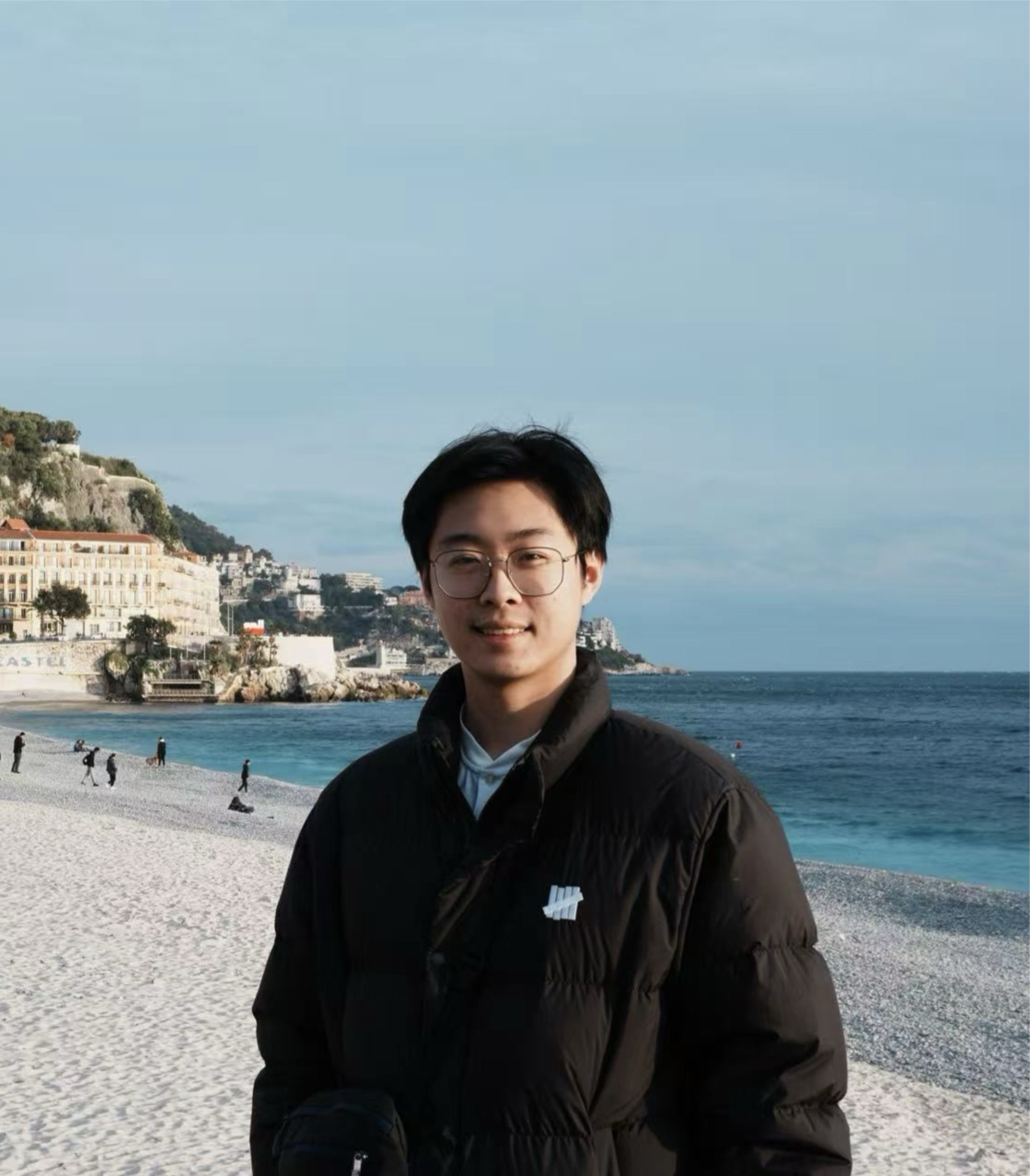
Yichen Yu
Project Title
Evolving Ligase Enzymes for Peptide Synthesis
This studentship is funded via the President's Scholarship Programme
What were you doing before enrolling in the ICB CDT Programme?
Before joining the ICB CDT Programme, I was completing an MSci in Chemistry at Imperial College London. For my MSci project, I worked in Professor Alan Spivey’s group on a more modular way to make alpha-helix mimetics that target the androgen receptor. Before that, I completed a UROP in Professor Ed Tate’s group and spent time in industry at Roche and GSK.
Why did you choose to apply for your particular project?
I chose this project because it brings together synthetic chemistry, enzyme engineering and synthetic biology to address an important practical challenge: making peptide therapeutics more sustainably and efficiently. Solid-phase peptide synthesis is powerful, but it also relies on large amounts of protecting groups, activating reagents and solvent. Part of the appeal is the almost sci-fi idea of designing enzymes as tiny, tireless workers that quietly follow our instructions and carry out chemistry at the molecular scale.
What are you looking forward to the most within the CDT programme?
I want to use the CDT to become genuinely comfortable moving between chemistry, biology and computation. I am looking forward to learning the practical side of protein engineering and directed evolution, as well as meeting people who approach scientific problems very differently from me. I also hope to get better at recognising which ideas are worth pursuing when the first experiment does not work as planned.
Please tell us a fun fact about yourself!
I like keeping active and usually play badminton when I have the time. I also watch a lot of football and support Borussia Dortmund, which can be a surprisingly stressful hobby.
Date last reviewed: 30 September 2026
Date last updated: 30 September 2026