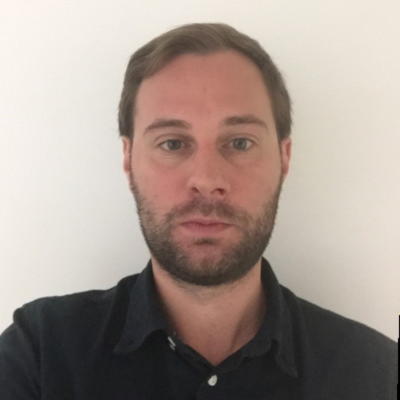
MDR researchers celebrated 2026 academic promotions

The Department of Metabolism, Digestion & Reproduction is proud to have three staff recognised in the latest round of academic promotions.
Congratulations to Dr Aida Martinez Sanchez and Dr Evangelos Triantafyllou, who were both promoted to Associate Professor. And congratulations to Dr Jaimini Cegla who was promoted to Professor of Practice.
Speaking about the promotions, the Head of the Department of Metabolism, Digestion and Reproduction, Professor Waljit Dhillo, said: "Congratulations to all our newly promoted colleagues. Your dedication, hard work, and achievements are truly commendable, and this recognition is thoroughly deserved. I am especially delighted to see our Department continue to grow, with an increasing number of senior female academics."
We spoke with each of our newly promoted colleagues to find out about their background, research and how they feel about their promotion.
Dr Jaimini Cegla, Professor of Practice (Metabolic Medicine)
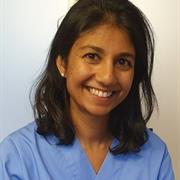 What is your academic background?
My academic journey has always centred around metabolism and how we can translate scientific discoveries into better treatments for patients. I completed my PhD in MDR under Professor Tricia Tan and Professor Sir Steve Bloom, where I studied the interaction between glucagon and GLP-1. The work ranged from in vitro cell-signaling experiments through to clinical studies involving the co-infusion of glucagon and GLP-1 in human volunteers. It was a fantastic training experience because it combined laboratory science with clinical research and gave me an appreciation of the entire translational research pathway.
As an NHS consultant, I lead the lipid service at Hammersmith Hospital. Over time, my research interests have evolved towards clinical trials of novel lipid-lowering therapies, atherosclerotic cardiovascular disease, and observational and registry-based research. I have particularly enjoyed being involved in studies that have the potential to change clinical practice and improve outcomes for patients.
Teaching has also been a very rewarding part of my career. I supervise Endocrinology and Pharmacology iBSc students and really enjoy having students in the department for three to four months. It's a privilege to give them their first real glimpse of research, help them develop foundational research skills, and hopefully inspire a few future clinician-scientists along the way.
What interesting research are you currently working on?
One of the most exciting studies I am currently involved in is VERVE-102, a novel gene-editing therapy designed to lower LDL cholesterol and reduce the risk of cardiovascular disease. The concept is remarkable: a one-time treatment that could potentially provide durable cholesterol lowering and transform the way we think about cardiovascular prevention.
Our team has been involved in delivering the study, including patient identification, recruitment, clinical assessments and ongoing evaluation of safety and efficacy. It has been fascinating to be part of such an innovative programme and to see patients enthusiastically engage with research that could shape the future of cardiovascular medicine. We are now looking ahead to the next stage of development, with Phase 2 studies expected to begin in 2027.
How do you feel about your promotion?
I am absolutely delighted and incredibly grateful. What makes it particularly meaningful is that it recognises the combination of clinical care, research and education, which are the parts of my job that I enjoy most. Looking back, I feel proud of what has been achieved, but I am even more excited about what lies ahead. Metabolic medicine is moving at an extraordinary pace, from advances in obesity treatments to gene-editing technologies, and it is a privilege to work in a field where research is translating so quickly into benefits for patients.
Dr Aida Martinez Sanchez, Associate Professor RNA Biology and Gene Regulation
 What is your academic background?
I completed my undergraduate degree in Biology, followed by a PhD in Biochemistry and Molecular Biology at the Centre for Genomic Regulation in Spain. During my PhD, I studied the importance of mRNA translational control in cell-cycle regulation, which is where my interest in microRNAs began. This interest has remained a constant throughout my career, which has taken me across different biological fields and disease areas, from cell-cycle regulation to osteoarthritis.
After my PhD, I moved to the UK, where I undertook postdoctoral research at the University of Oxford and Imperial College London. It was during my second postdoc that I became increasingly fascinated by metabolism and, more specifically, by the remarkable ability of pancreatic β-cells inside the islets of Langerhans to sense changes in glucose and respond by releasing insulin. Since then, I have focused my research on β-cell biology and the mechanisms that control insulin secretion in health and diabetes.
What interesting research are you currently working on?
My lab uses cutting-edge molecular and cellular biology approaches to understand how miRNAs and their target genes regulate pancreatic β-cell function, identity and survival, and how these mechanisms contribute to diabetes. One particularly exciting area of our research is investigating how miRNAs contribute to differences between individual β cells: for example, why some cells are better at sensing glucose and secreting insulin, while others are more vulnerable to dysfunction or immune attack in type 1 diabetes. We are also studying how miRNA regulation differs between primary human β-cells and stem-cell-derived islets, a promising source of β-cells for transplantation that do not yet fully match the maturity and function of our own. In parallel, we are developing novel approaches to manipulate miRNA function in β-cells, including conjugated miRNA inhibitors and CRISPR/Cas systems tailored to specific miRNAs or miRNA target genes. Together, these approaches will help us uncover new mechanisms of β-cell dysfunction and identify miRNA-based strategies to improve diabetes therapies.
How do you feel about your promotion?
It feels like important recognition not only of my work, but also of the contributions of my team and collaborators, as well as the support of our funders. I am especially proud, and thankful, of how the talented students and postdocs I have worked with since starting my lab in 2018 have contributed so much to our research while growing personally and professionally. Alongside my research, I co-direct the MSc in Applied Multiomics in Biomedicine, where I also teach, so a significant part of my time is devoted to training students. Being able to support the next generation of scientists while carrying out cutting-edge research is a privilege. It is also demanding and labour-intensive, so it is particularly rewarding to see the University recognise the importance of both activities. The promotion is also encouraging because it gives us confidence that we are pursuing the right path and motivates us to continue building on what we are doing.
Dr Evangelos Triantafyllou, Associate Professor of Liver Immunology
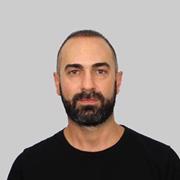 What is your academic background?
I completed a BSc in Biology (University of Athens), then moved to the UK for an MSc in Developmental Biology (University of Bath), before undertaking my PhD in liver immunology at King’s College London, where I studied the mechanisms of immune-mediated injury in liver failure syndromes. Part of that work was carried out at the University of Birmingham. In 2017, I joined Imperial College London as a postdoctoral researcher, focusing on the regulation of myeloid cell inflammatory and bactericidal functions in acute and chronic liver inflammation. In 2022, I became a group leader and Assistant Professor, and this year I was promoted to Associate Professor.
Throughout this journey, I have taken on various scientific and departmental roles. Within MDR, I serve as the Postdoc and Fellows Champion and sit on its People and Culture committee. I’m also a member of the Crick Institute’s Immunology Interest Group and of the Experimental and Translational Science Task Force of the European Association for the Study of the Liver (EASL).
What interesting research are you currently working on?
Our work focuses on innate immune dysregulation and tissue inflammation across diverse liver diseases, with a strong translational emphasis: the goal is to find new ways of treating patients. We ask three main questions:
- How do dysregulated myeloid cells contribute to liver disease? Neutrophils, monocytes and macrophages are central to inflammation, but in alcohol-related and metabolic liver disease, they can become hyperactivated and/or lose their antimicrobial defence properties. We want to understand why.
- How does altered lipid metabolism shape immune cell function?
- How does infection promote inflammation and fibrosis in the liver and other organs? We also ask how infection changes tissue immunity in the short and long term, and how it influences the response to secondary infections.
By dissecting the molecular, cellular and metabolic mechanisms behind these processes, we aim to identify targets for developing new immunomodulatory therapies. So far, our work has pointed to tissue-restorative pathways, checkpoint pathways and regulatory myeloid cell subpopulations as key drivers of liver disease pathogenesis. These findings suggest ways of restoring immune function in patients.
How do you feel about your promotion?
I’m delighted to be recognised for my contributions to research, the College community, and the training and supervision of students, and I’m happy to be pursuing my career here. I’m very grateful to the mentors, collaborators, research team and family who have supported me along the way. I’m proud of what we have achieved so far, and excited about where our research goes next.
Article text (excluding photos or graphics) © Imperial College London.
Photos and graphics subject to third party copyright used with permission or © Imperial College London.
Article people, mentions and related links
Benjie Coleman
Faculty of Medicine