Meet Professor Dhillo, the new Head of the Department of Metabolism, Digestion and Reproduction
/prod01/channel_4/imperial-news/media/news-images/3000X2000-main-article-images/260811_dhillo,_waljit_000.jpg)
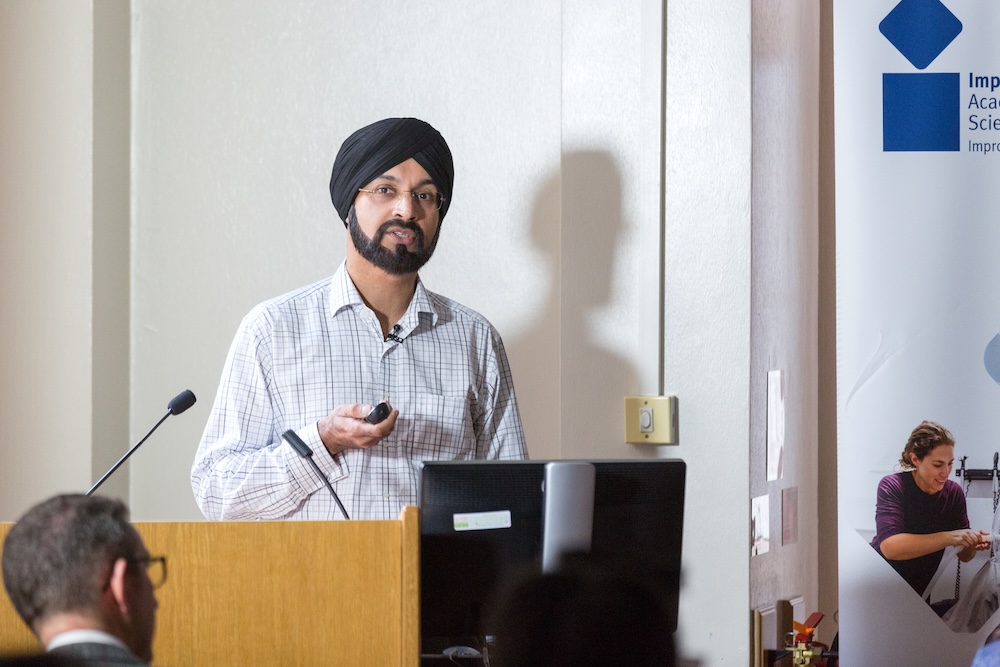
Professor Waljit Dhillo recently started his new role as Head of the Department of Metabolism, Digestion and Reproduction.
In this interview, Professor Dhillo talks about his personal, academic and professional journey, his vision for the Department of Metabolism, Digestion and Reproduction (MDR), and reflects on his 27 years at Imperial.
Tell us a little about your background and what inspired you to pursue a career in medicine and research?
 My parents, who migrated from India in the late 1950s, came from a working-class background but realised the value of education and supported me through school. I went to medical school initially thinking I might pursue a career in general practice as that was the only medicine I had been exposed to growing up.
However, my career direction started to shift towards research and academia when I got the opportunity to undertake an Intercalated BSc, funded by the Medical Research Council. I wasn't initially planning to do one due to the financial burden which my parents couldn’t afford. However, I had done well in my first two years of medical school exams and was awarded a fully funded MRC scholarship (fees and stipend). That was my first real taste of science. I excelled in the BSc and, if I hadn't had that opportunity, I would not have been competitive for an academic career later on.
After qualifying, I did the usual early clinical jobs. Barts, where I trained, was a very big endocrine centre, and I became interested in endocrinology as a potential career. I then joined the rotation in Northwest London and, during that time, decided it would be a good idea to do a PhD.
Professor Karim Meeran, who is still the training programme director 25 years on, pointed me in the direction of Professor (now Sir) Steve Bloom, who I met and subsequently did my PhD with, supported by a Wellcome Trust Fellowship. At that point, I was probably still thinking about more of a clinical career with a research component. But by the end of my PhD, I realised I really enjoyed the science. The rest, as they say, is history.
I went on to receive an NIHR Clinician Scientist Award, followed by an NIHR Career Development Award and then an NIHR Research Professorship (15 years full funding for my whole salary including my research team and consumables). Those awards were instrumental in shaping my career and getting me to where I am today.
How do you feel about becoming the new Head of Department?
 I'm very excited. People will know that I was appointed last October, but I've taken until 1 September 2026 to start because I've been undertaking the National NIHR Dean role, overseeing £230 million of NIHR postgraduate training funding. I really enjoyed that role, and it has felt like giving back to the organisation that supported me through my own training. But it's a big role, and I've also have my research group and Imperial duties, so I wanted to start as Head of Department when I had the time to dedicate properly to it.
Being Head of Department is not a passive position. It needs to be an active role where you have the time to be responsive and take the Department forward. So, I'm excited to start the role with that as my main focus.
I see this position as great opportunity to give back and to serve the community. I've benefited enormously from being at Imperial. Although I've been funded by external fellowships, I've really enjoyed the working environment at Imperial’s Faculty of Medicine. I think taking up this position is about taking that forward to the next generation and, in some ways, paying it back.
I've had several major leadership positions to develop the leadership experience needed to get to this point, and I think that's an important part in making me excited to take on this new role.
What is your vision for the Department?
My first principle is: if it's not broken, don't try and fix it.
 We've had Professor Mark Thursz, and then Professor Phil Bennett, as head of MDR over the last couple of years, and they've done a great job. I think the Department is in good shape. Imperial is healthy, even if we're not wealthy, so we're not in the desperate position of some other institutions, which is a good starting point but we cannot be complacent with regards to ensuring we remain financially sustainable and ideally in a position where we can grow strategically.
I want there to be no glass ceiling, so that people feel they can achieve whatever they want to while they're in our Department. That's very much the mentality I've had throughout my career.
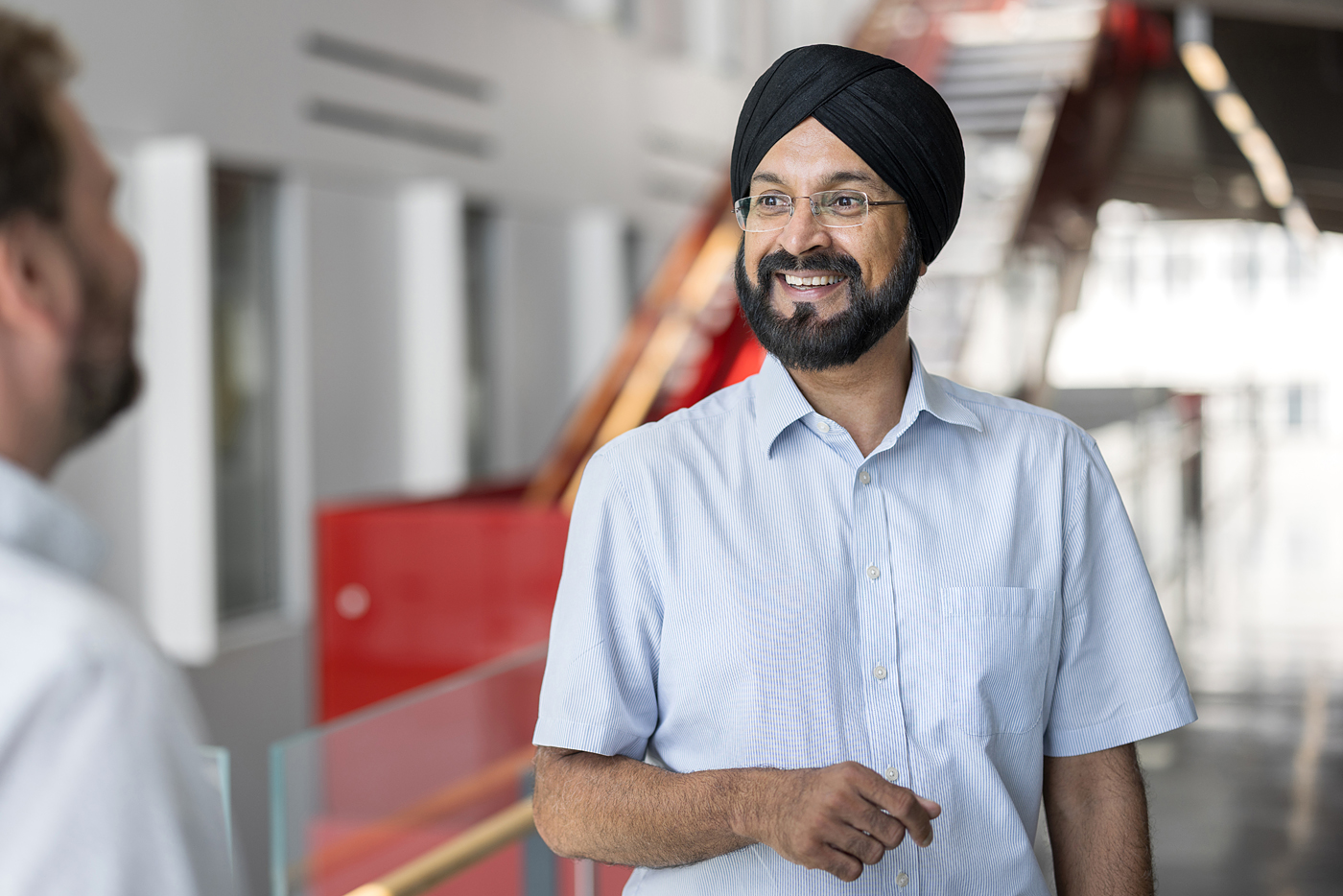
Most people who see my picture that accompanies this interview will probably realise that my face does not look like most Heads of Department at Imperial. But that speaks to why Imperial is a great place to work – you get promoted on excellence regardless of background. I've been here since I started my PhD in 1999, 27 years. I've had many offers from other Universities over the years, but I've chosen to stay at Imperial because I think it's a great place to work and achieve my ambitions.
So, I will work to maintain that environment for other people. To lead a Department that is facilitative and supportive, subject to the financial constraints we're operating within, so others can achieve their ambitions.
What kind of culture would you like to foster within MDR?
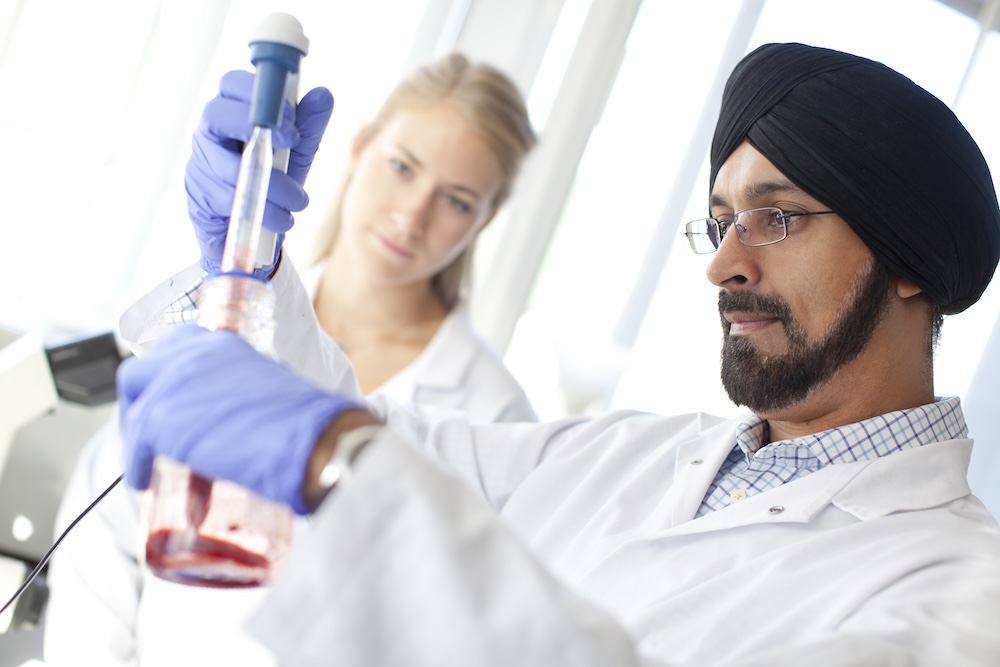 Research is competitive - between institutions, between peers and so on - but it doesn't have to be destructive or unsupportive. It is important that respect is maintained.
I remember when I first started my PhD. I was inspired by the research, but I wasn't necessarily inspired by the behaviour of a few of the senior academics I saw around me. I think that has changed, because research culture has changed and research has also become much more collaborative if you want to do the best science. You can't really do research on your own anymore, and I think it is a good thing that research is much more collaborative and multidisciplinary these days.
So I want to create an environment where we inspire people to achieve their ambitions, while also encouraging them to work with others, respect their collaborators and help others succeed in their research. Respect is an important part of that.
Another cultural priority is equity. The Imperial report on women in medicine and science careers was quite alarming. I had thought, anecdotally, that we were doing okay, but the report showed that there is still work to be done. So, I think making sure we have equity across the Department will be another important focus.
What do you find most enjoyable about your work in the Department?
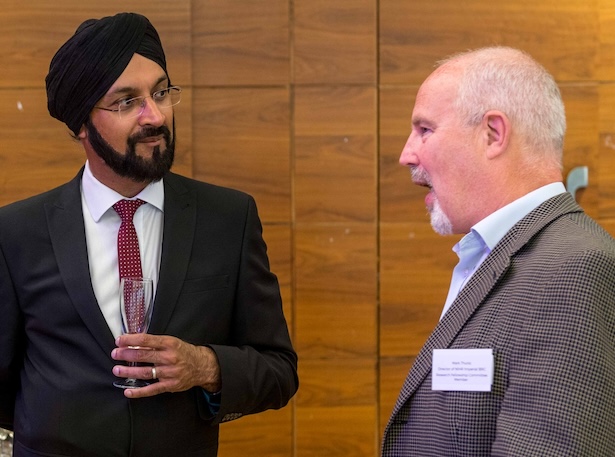 I've really enjoyed working with the other Heads of Division, including Mark and Phil. Their leadership style has been very inclusive. Neither of them is in my particular area, and I think when Mark first took over I wondered how it would work. But actually, if you're going to lead a Department, you have to serve the whole Department, not just yourself or your own area. I think Mark and Phil have been outstanding leaders and I will follow their leadership to ensure that the whole of the Department feel supported and valued to achieve their ambitions.
Ultimately for me, it's about supporting the best science, the best teaching and the best people. That’s the hard bit to judge (and we need to take into account the opportunities that people have had when judging their outputs). But if you get that right,you get the best outcomes. Equality, diversity and inclusion is supporting the best people taking into account their background and opportunities. If you get this right, we will pick the best talent and they will exceed, and the Department will flourish.
In your view, what makes Imperial special?
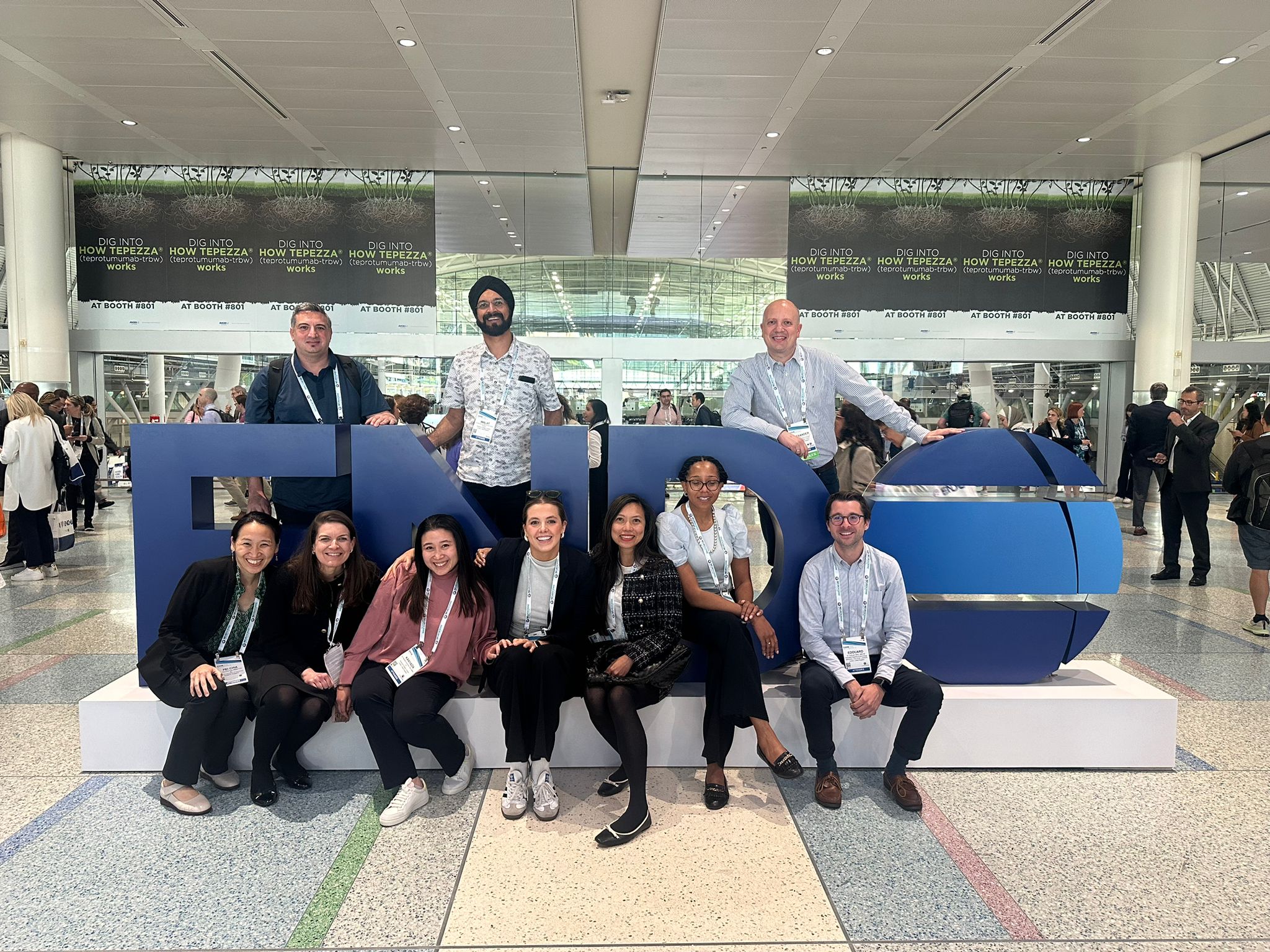 For me, it's the ambition. At school, it's seen as uncool to do well, whereas at Imperial I feel that the institution genuinely wants you to be the best in the world. We're second in the QS world rankings and I used to be a bit sceptical about rankings because I didn't really understand what they meant, but I now realise that helps bring top students, raise our reputation, and make the best people want to work here.
I've really enjoyed working at Imperial and I expect I'll probably carry on working here for the rest of my career until I retire. I really enjoy the working environment. It's supportive, fast-paced, dynamic and collegiate. I don’t feel any glass ceiling and its an exciting place to work, where if you have a great idea and get the funding you are supported to achieve your dreams. Throughout my career I have felt like a child in a sweet shop where you can do what make you think is cool science if you can bring in the grant funding to support your ambition.
Outside of work, what are your interests?
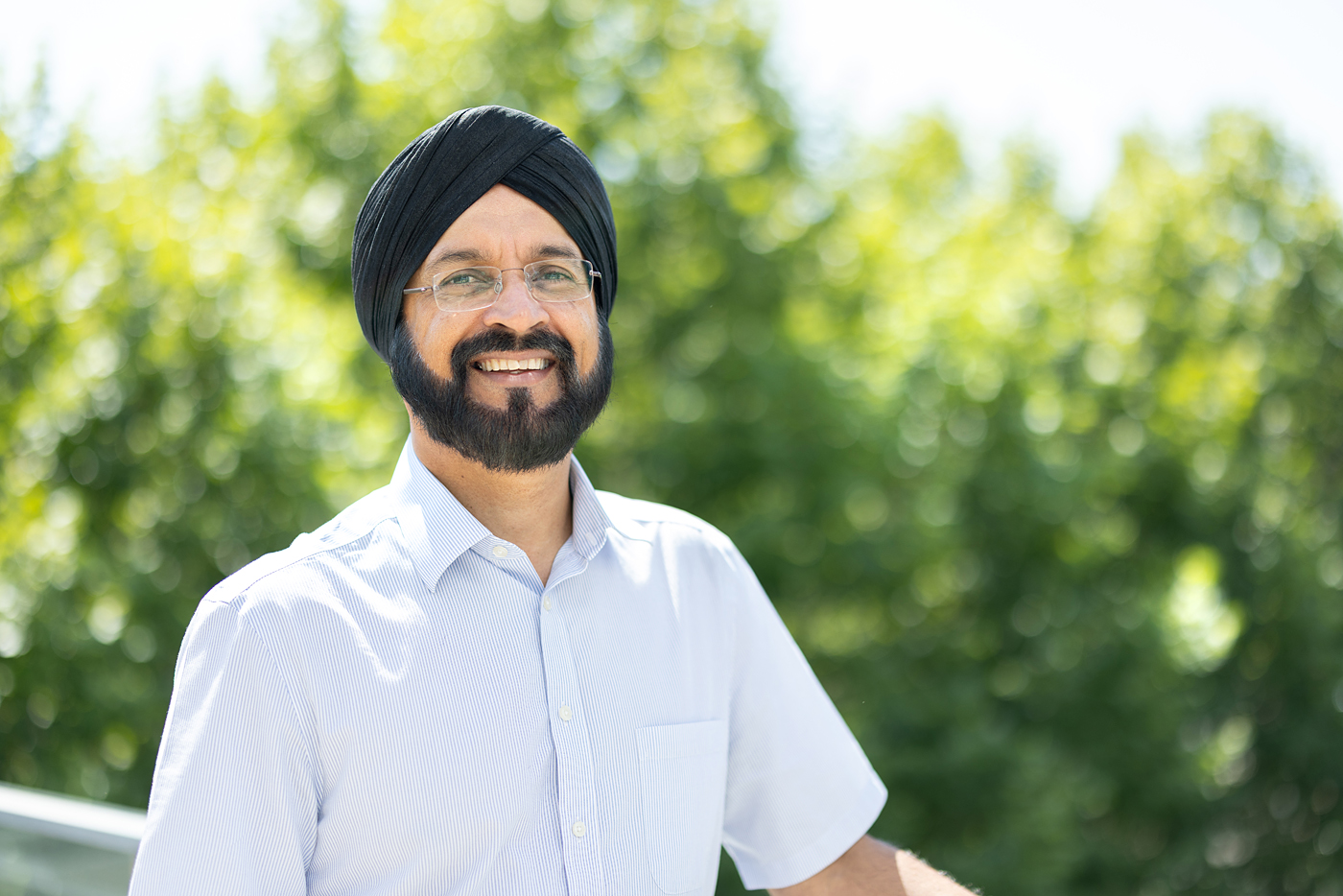 I used to do lots of sport, but then the kids came along, so these days, I mainly enjoy walking, particularly going for walks in National Trust sites.
As my children have grown older and have come out the other side of university, my wife and I started fostering. My wife is the main foster carer, but we've been doing that for about two years now. It's very interesting, very rewarding, and it keeps you young.
Any final thoughts on your new role?
The first thing I want to do is get to know the whole Department well. There are parts of the Department that I know less well, so I want to get to know the key people in those areas and, importantly, the key PTO staff, to make sure they're well supported.
Ultimately, I want to continue make the Department world leading but also ensure that it's a great place to work.
Article text (excluding photos or graphics) © Imperial College London.
Photos and graphics subject to third party copyright used with permission or © Imperial College London.
Article people, mentions and related links
Benjie Coleman
Faculty of Medicine