Celebrating academic achievement in Life Sciences
by Emily Govan

12 academic staff from the Department of Life Sciences have been promoted.
Professor Dan Davis, Head of the Department of Life Sciences, said: ‘Huge congratulations to everyone – all very well deserved! Thanks to everyone involved in the process, including everyone who sits on our promotions panels, our line managers, mentors, people who reviewed cases, and everyone who helps organise and run things.’
Professor
Michalis Barkoulas, Morgan Beeby, Nikolai Windbichler
Associate Professor
Kirsty Bannister, Emma Cavan, Peter Graystock, Marco Trizzino
Principal Teaching Fellow
Josh Hodge, Cathy Mansfield
Senior Teaching Fellow
Michael Baker, Atieme Ogbolosingha
Senior Research Fellow
Sarah Rouse
Nikolai Windbichler – Professor
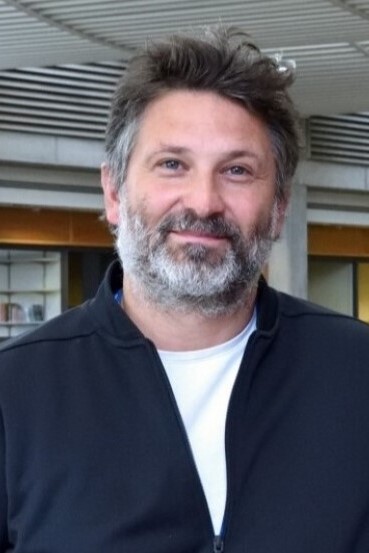 'I came to the UK and to Imperial in 2006 as a postdoctoral researcher in Andrea Crisanti’s group, having completed a PhD in genetics in Vienna on small non-coding RNAs. The problem I took on was whether certain selfish genetic elements, at that point a theoretical proposal from Austin Burt, could be built and made to spread through a mosquito population. If that worked, it would hand us a very powerful tool to break the transmission cycle of malaria, one of the most devastating diseases affecting humans, and especially children under five. Nearly two decades later, I am still working on the same question, which has since grown into a vibrant field with dozens of groups across the globe.
The answer, as it turned out, was yes. The synthetic homing endonuclease gene drive we demonstrated in Anopheles gambiae was the first efficient gene-drive mechanism engineered in any organism, and it opened a research field that now spans disease vectors, agricultural pests and invasive species. Along the way we established the Target Malaria consortium and produced the first sexually sterile transgenic strain of the malaria vector An. gambiae, which became the first transgenic insect released into the environment in Africa, and we took the first steps towards engineering meiotic sex distortion, another powerful technology for vector control. Technologies that spread themselves through wild populations also raise ethical and ecological questions, including how they can be tested safely, so I have spent a good deal of time on that side of the work too.
My current work sits within Transmission Zero, a collaboration that aims to block malaria transmission using gene drives. In 2024, the team engineered local mosquitoes inside purpose-built containment facilities in Tanzania and produced a strain that blocked genetically diverse Plasmodium falciparum isolates taken from naturally infected children. It was the first genetically engineered mosquito generated in Africa, and the first such strain tested for transmission blocking in a country where malaria is endemic. Building the capability and empowering researchers in the place where the disease is, rather than shipping conclusions there, matters as much as the genetics.
In parallel, I have been applying the same engineering mindset to other problems in biotech and agriculture, with support from the BBSRC, the ERC, the Gates Foundation and industry partners. As Professor of Genetic Engineering, I look forward to continuing all of it alongside the excellent people in our department.'
Associate Professor of Marine Biogeochemistry - Emma Cavan
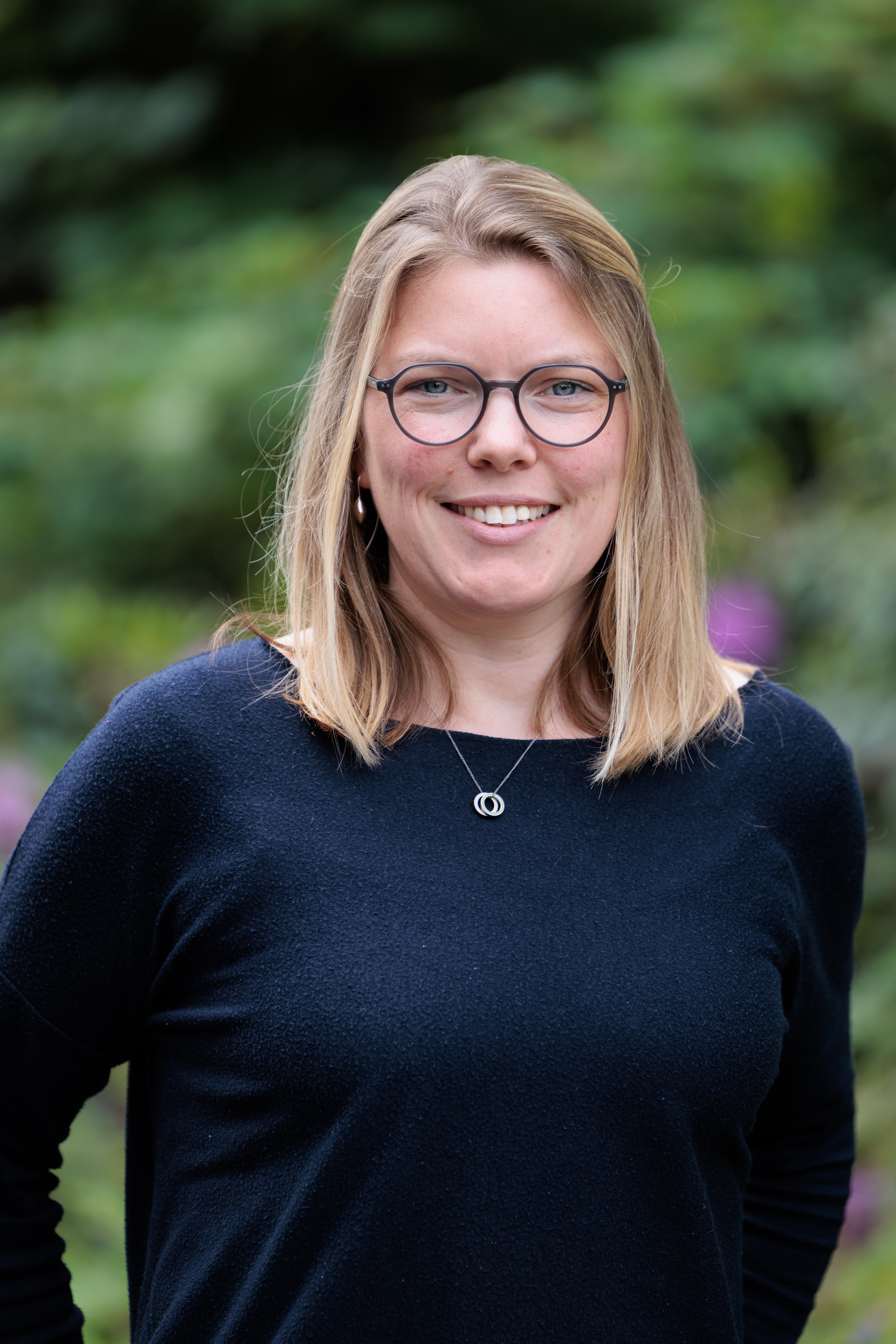 I’ve loved the ocean for as long as I can remember, and I’ve been lucky enough to build a career trying to understand one of its most important and least visible jobs: storing carbon. My research focuses on the ocean’s biological carbon pump, the process by which marine life draw carbon down from the surface ocean and lock it away in the deep sea, out of contact with the atmosphere for decades to centuries.
Much of my work has centred on zooplankton, and in particular Antarctic krill. Krill are small, but they are abundant, and their sinking faecal pellets are a surprisingly effective way of moving carbon to depth. Fieldwork has taken me from the Southern Ocean to the equatorial Pacific, and today my group combines observations with ecosystem modelling to ask how climate change and fishing are reshaping this natural carbon sink. That last question matters directly for policy: if we remove too much krill or fish, we may also be weakening the ocean’s capacity to sink carbon. I co-chair an International Council for the Exploration of the Seas (ICES) working group on fishing impacts on ocean carbon, bringing together international scientists so we have evidence ready for when the policy makers need it.
I came to Silwood Park as a postdoc in 2019 before starting as an Imperial Research Fellow in 2020. That fellowship, which included two periods of maternity leave, gave me the time and stability to carve out my own research niche, and I’m very grateful to the College and my mentors for that support. Now I lead a team of post-docs, PhD students and research assistants, and our work spans the poles and beyond. As part of the Horizon Europe SEA-Quester project, we’re investigating how the biological carbon pump will shift as Arctic sea ice melts and how underwater mountains create productive ecosystems efficient in sinking carbon. With NERC funding, we’re examining how sinking particles are respired in the ocean interior, assessing what happens to carbon resuspended by bottom trawling, and working with the University of Birmingham to understand how enhanced rock weathering affects river ecosystems.
Now as an Associate Professor, I’m looking forward to growing the Cavan Lab further and getting stuck into my new role as Director of the Silwood Park Living Planet Masters programs. It is a joy to watch our students transform into scientists ready to tackle some of the biggest problems our planet faces.
Article text (excluding photos or graphics) © Imperial College London.
Photos and graphics subject to third party copyright used with permission or © Imperial College London.
Article people, mentions and related links
Emily Govan
Faculty of Natural Sciences