IEEE BioSensors conference furthers UK-Thailand collaboration in biosensor research
by Kate Hobson
/prod01/channel_4/imperial-news/media/news-images/3000X2000-main-article-images/DSC_4206.JPG)
Co-directors of the Imperial-MUT SABER Lab chaired the fourth IEEE BioSensors conference in Bangkok, Thailand in August.
SABER Lab directors Prof Pantelis Georgiou (Imperial College London, Electrical and Electronic Engineering) and Panavy Pookaiyaudom (Mahanakorn University of Technology, Thailand) co-chaired the fourth IEEE BioSensors conference in Bangkok, Thailand from 2-4 August 2026.
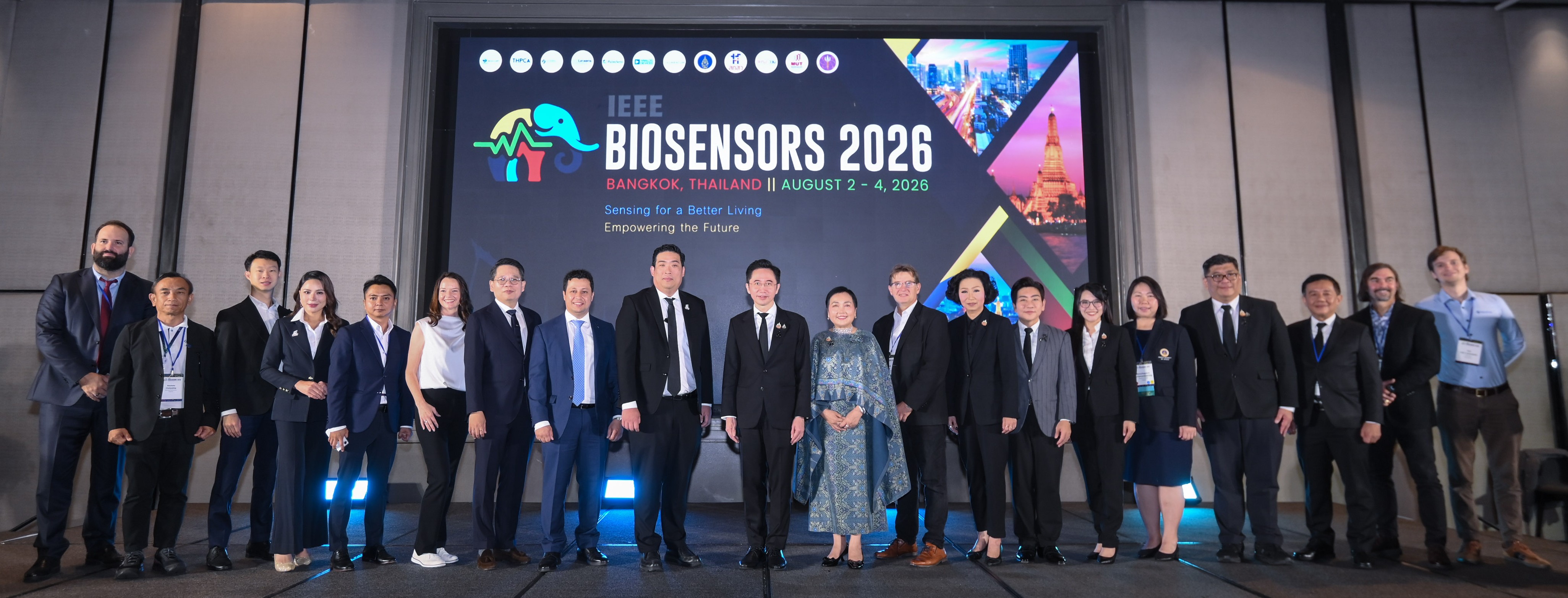
Building on previous successful events in London, Cambridge and San Diego, the conference brought together researchers, clinicians and industry experts from 28 different countries to present advances in biosensor research and innovation, exchange knowledge and forge new collaborative links, supporting the mission of the SABER Lab to Advance Semiconductor, AI, and Biosensor Innovation Through Global Collaboration.
Conference chair and SABER Lab director Prof Georgiou was excited to welcome the global biosensors community to Thailand for the event, saying:
Biosensors are transforming the way we monitor health, diagnose disease, and interact with the world around us. By bringing together leading researchers, clinicians, engineers, and industry partners, IEEE Biosensors 2026 will provide a unique platform for collaboration, innovation, and the exchange of ideas that will shape the future of healthcare and biosensing technologies.
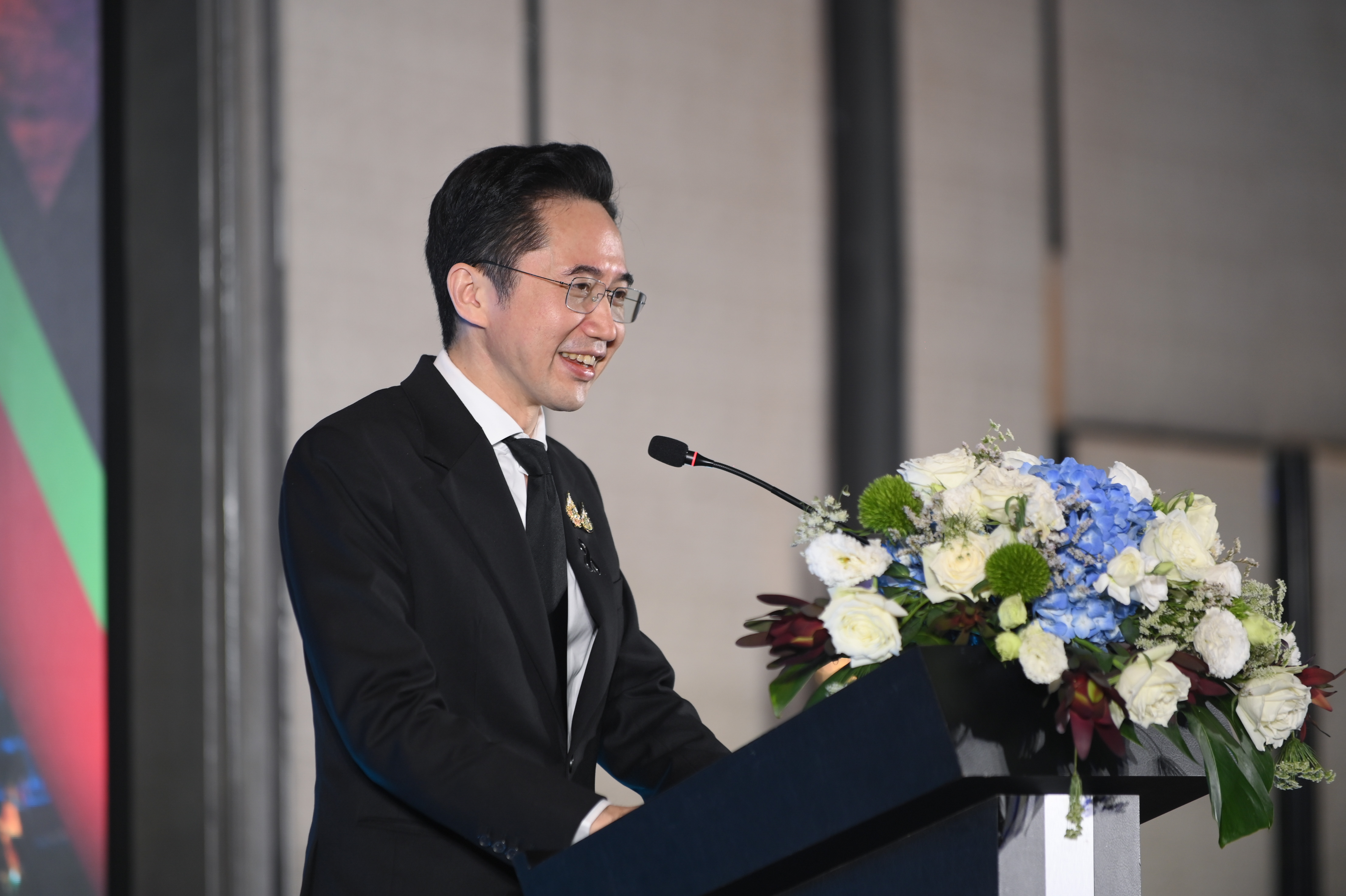
The conference was opened by Deputy Prime Minister of Thailand and Minister of Higher Education, Science, Research and Innovation, Prof. Dr. Yoschanan Wongsawat, who commented in his speech on the wide applications of biosensors and the important role that biosensor technology will play in creating economic opportunities in Thailand and supporting the country's growth and development.
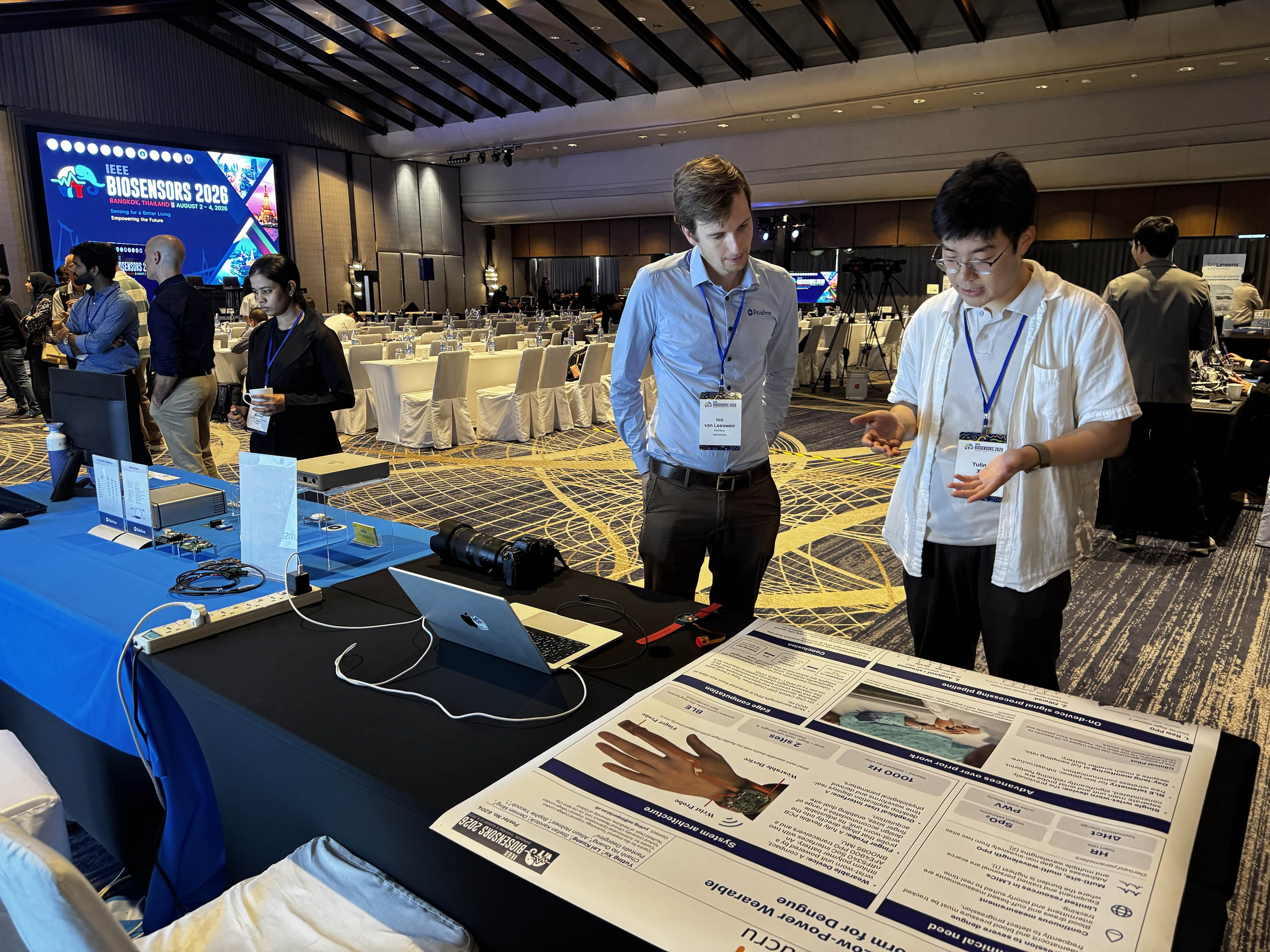
Alongside academic talks, poster sessions and live demonstrations of state-of-the-art biosensor technologies, the event provided industry discussions, dedicated sessions and opportunities for early career researchers, and workshops on the application of artificial intelligence and machine learning to biological signals; Optical fiber measurement strategies, and superchiral optical biological and chemical measurements.
Work presented at the conference will be published in the Proceedings of the IEEE BioSensors 2026 through IEEE's Xplore database after the conference. A further outcome of the event is the aim to open a local IEEE BioSensors chapter in Thailand allowing researchers to run events beyond the conference, and support entrepreneurship and start-ups.
The event has enhanced the strong academic relationship built between Imperial College London and Mahanakorn University of Technology through SABER Lab, and the UK and Thailand technology sectors in general. Co-chair and SABER Lab co-director Panavy Pookaiyaudom commented “For me, IEEE BioSensors 2026 is more than a scientific conference. It marks the beginning of a stronger international biosensor ecosystem in Thailand—connecting researchers, industry, and policymakers to accelerate research, innovation, and real-world impact.”
The IEEE BioSensors 2026 conference has been championed in several media articles in Thailand, and through a Mahanakorn University of Technology press release. Links to some of the external articles and media mentions can be found below.
Article text (excluding photos or graphics) © Imperial College London.
Photos and graphics subject to third party copyright used with permission or © Imperial College London.
Article people, mentions and related links
Kate Hobson
Faculty of Engineering