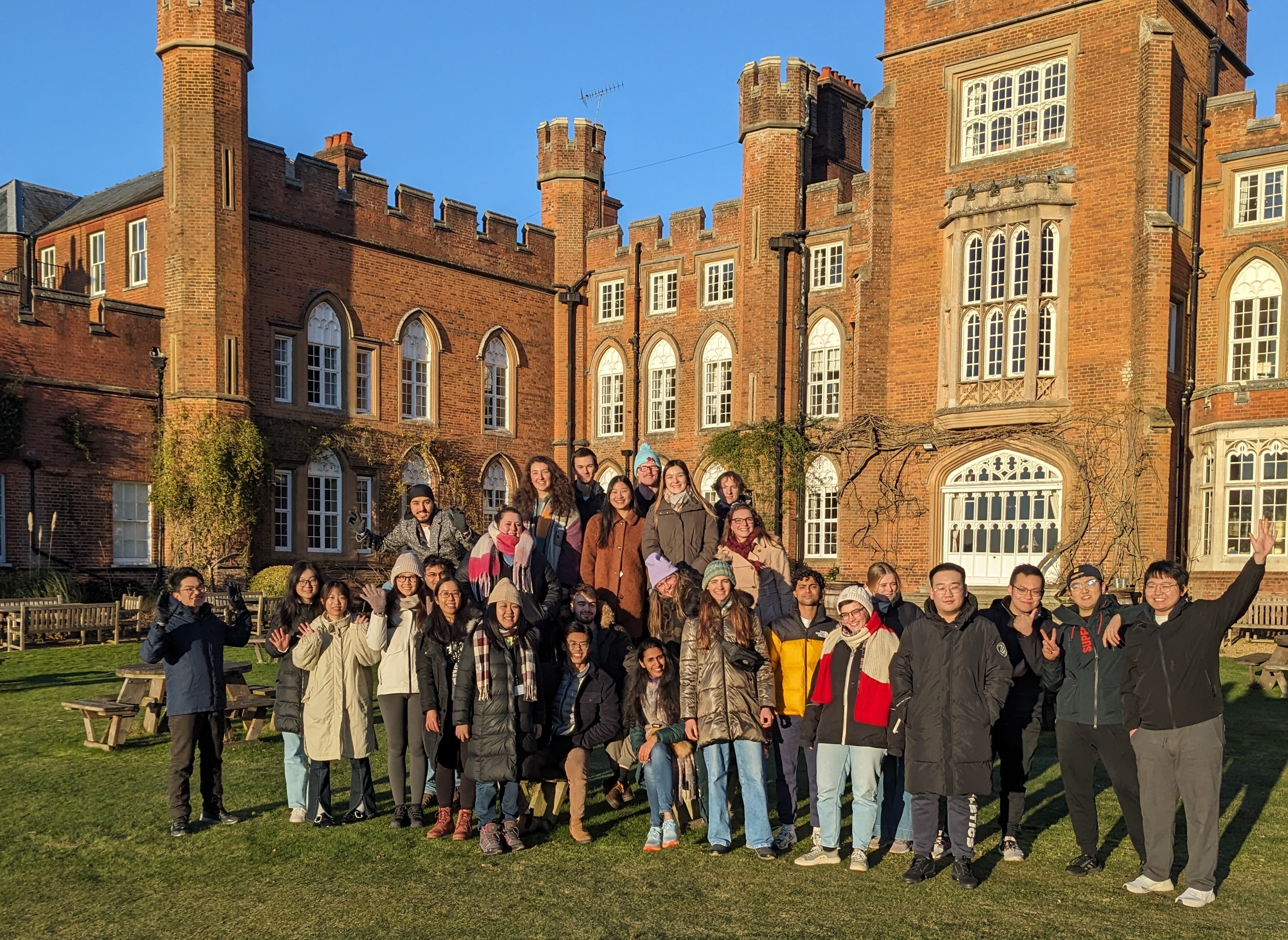
Our 2023 Student Profiles
- Bradley Diggines
- Nicole Fitikides
- Bronwyn Griffiths
- Harry Lowe
- Luke Parry
- Fawaz Raja
- Michelle Wong Chap Lan
- Kevin Yeung
- Daisy Williams
- Jiaying Zhuang
- Rohan Sekhri
- Lucy Dan
- Naura Fakhira Antariksa
- Li Lei
- Long-Hung Pham
- Maria Portela
- Sandhya Sridhar
- He Wang
- Yujia Zhang
- Baiqiu Tang
Name
Bradley Diggines
Project Title
A microfluidic toolkit for drug delivery particle discovery
Co-sponsored by the Institute of Chemical Biology EPSRC Centre for Doctoral Training and AstraZeneca
What were you doing before enrolling in the ICB CDT Programme?
I completed a MEng in Materials Science and Engineering during which I worked on a wide range of projects encompassing shape-morphing polymers, liquid crystals, plastic recycling machinery and DNA assemblies.
Why did you choose to apply for your particular project?
My project particularly appeals since it looks to apply many facets of engineering and science to tackle important challenges in drug delivery. I’m keen to use a wide range of tools, from lab chemistry and microfluidics to automation design, electronics and machine learning. I am also excited to work alongside collaborators at AstraZeneca to ensure that my work is directly linked to key requirements in the development of more effective drug delivery.
What are you looking forward to the most within the CDT programme?
I’m looking forward to taking advantage of the REACT and BOOST programmes to expand my awareness of entrepreneurship and industry in parallel to my research!
Please tell us a fun fact about yourself!
I once got paid to let Scream 6 be filmed in my apartment
 Name
Name
Nicole Fitikides
Project title
A new platform to understand and control protein liquid-liquid phase separation
What were you doing before your PhD?
I completed my undergraduate studies in Chemistry for Drug Discovery at the University of Bath and then went on to do a Master of Research at Imperial. My postgraduate project focused on developing cobalt complexes to inhibit the aggregation of the amyloid-β protein, a process directly linked to Alzheimer’s disease. I then worked as a research assistant for 6 months in the Vilar group at Imperial, on an environmental chemistry project involving the synthesis and large-scale production of a material for the removal of phosphate from water.
Why did you choose to apply for your particular project?
I have been very passionate about working in the field of neurodegenerative diseases for quite some time. My project involves the development of a new imaging tool for understanding and controlling liquid-liquid phase separation of proteins, with a focus on α-synuclein, a protein linked to Parkinson’s disease. What drew me to this project is its multidisciplinary character, as it involves research at the crossroads of synthetic and physical chemistry, cell culturing and protein expression, and microscopy. This project provides the opportunity to work on a new emerging topic and to contribute towards improving our understanding of Parkinson’s disease pathology.
What are you looking forward to the most within the CDT programme?
Being in the CDT programme feels like belonging in a small, multicultural, and diverse community of young scientists. I am really looking forward to all activities, events, and courses the CDT organizes, bringing all students together to discuss science, learn from one another, and last but not least, have fun.
Please tell us a fun fact about yourself!
I love to make tiny origami paper boats that float in the water!
 Name
Name
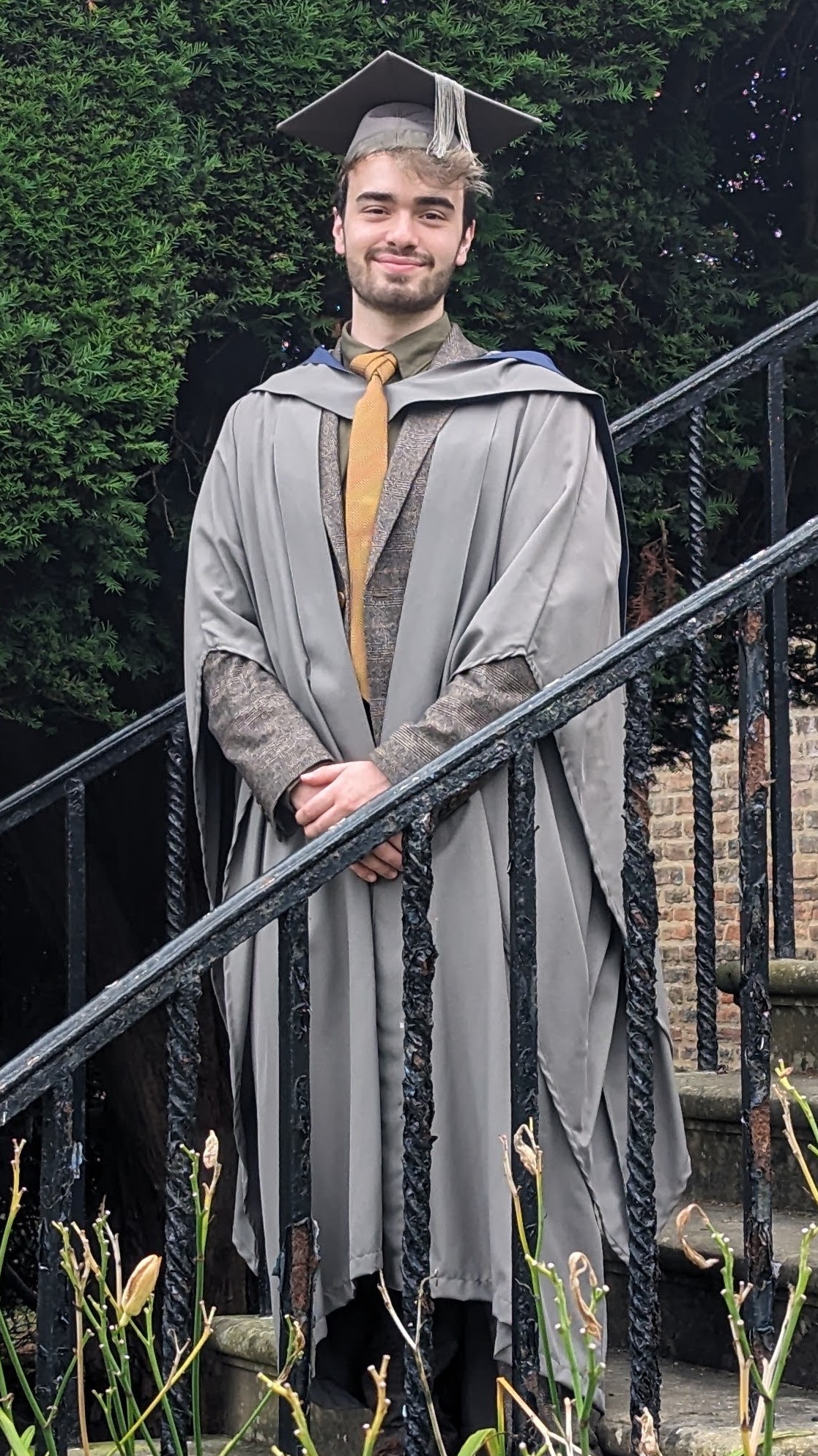
Bronwyn Griffiths
Project Title
Development of optical probes based on encoded aptamers for RNA visualization in live cells
What were you doing before enrolling in the ICB CDT Programme?
Before joining the ICB CDT I was completing my MChem in Chemistry with Medicinal Chemistry at the University of St Andrews. During my final year I undertook a project where I was developing NIR emitting boron difluoride curcuminoid complexes within the Zysman-Colman group.
Why did you choose to apply for your particular project?
I studied a bit of chemical biology during my undergrad and loved it. I have experience with photophysics and synthesis from my MChem project, and so being able to apply that to a more biology-based project really interested me. The multidisciplinary aspects of my project appealed to me as it’ll allow me to learn loads during my time in the CDT. I was also really excited about the potential applications of this research and the opportunity to collaborate with such amazing people at Imperial College.
What are you looking forward to the most within the CDT programme?
Along with the research and learning so many new skills, I’m really looking forward to the science and communication course we get to do with the BBC.
Please tell us a fun fact about yourself!
I play both the violin and the harp – I played in the National Youth Orchestra of Scotland!
 Name
Name
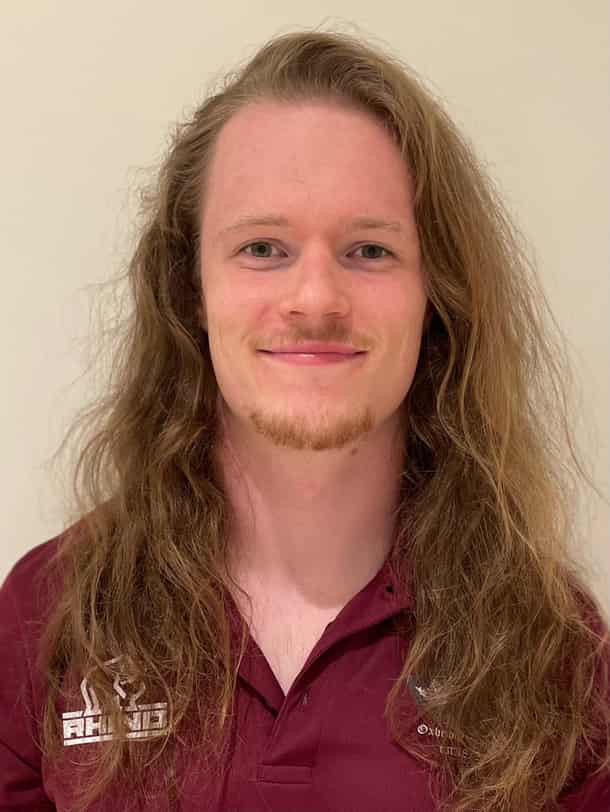
Harry Lowe
Project Title
Dynamic Protein Biosynthesis via an Integrated Cell-on-a-Chip Platform Device
What were you doing before enrolling in the ICB CDT Programme?
Before my PhD, I undertook my MChem in Chemistry with Biological and Medicinal Chemistry at the University of York, completing my Masters project at the Laboratory for Drug Discovery in Neurodegeneration, sponsored by Harvard Medical School.
Why did you choose to apply for your particular project?
Throughout my undergraduate degree the biological aspects were always the most exciting. When deciding to pursue a PhD, I knew I wanted to move away from organic synthesis and delve into chemical biology. I applied for this project as it was a TEDtalk on cell-on-a-chip technology that led me to pursuing chemistry initially, and the idea of working on a blue-sky project with the potential to transform approaches to protein synthesis is very exciting.
What are you looking forward to the most within the CDT programme?
The EVOLVE programme offered by the CDT is particularly interesting, as well as the Science and Communication course with the BBC. The importance of these in developing both my ability to communicate my research to others and get hands-on experience in a field such as science policy are super exciting
Please tell us a fun fact about yourself!
I played Hamlet in my final year of A-Levels!
 Name
Name
Luke Parry
Project Title
Developing novel label-free technologies for studying drug molecules and their ability to induce protein complex formation in cells
Co-sponsored by the Institute of Chemical Biology EPSRC Centre for Doctoral Training and AstraZeneca
What were you doing before enrolling in the ICB CDT Programme?
I completed my undergraduate integrated master’s in Natural Sciences at Cambridge in 2022, and after a short break worked as a chemist in a research laboratory at CLS in Sandwich, before starting my 1+3 MRes/PhD at Imperial in October.
Why did you choose to apply for your particular project?
A few reasons, really. I wanted to do something relating drug research, I was looking for opportunities to do something practically useful with my as-yet purely theoretical knowledge, and I believe that big advancements increasingly occur at the interfaces between disciplines, making a multidisciplinary approach a must. This project, and the ICB CDT in general, ticked all the boxes, so it was a no-brainer for me.
What are you looking forward to the most within the CDT programme?
The variety! The programme puts on a range of additional courses, workshops and opportunities alongside my research, to help develop my skills not just as a researcher but as an effective scientist as a whole.
Please tell us a fun fact about yourself!
I have played at Twickenham stadium! This was as part of the Cambridge squad that played Oxford in the Varsity Match 2022. Don’t ask me about the result though…
Name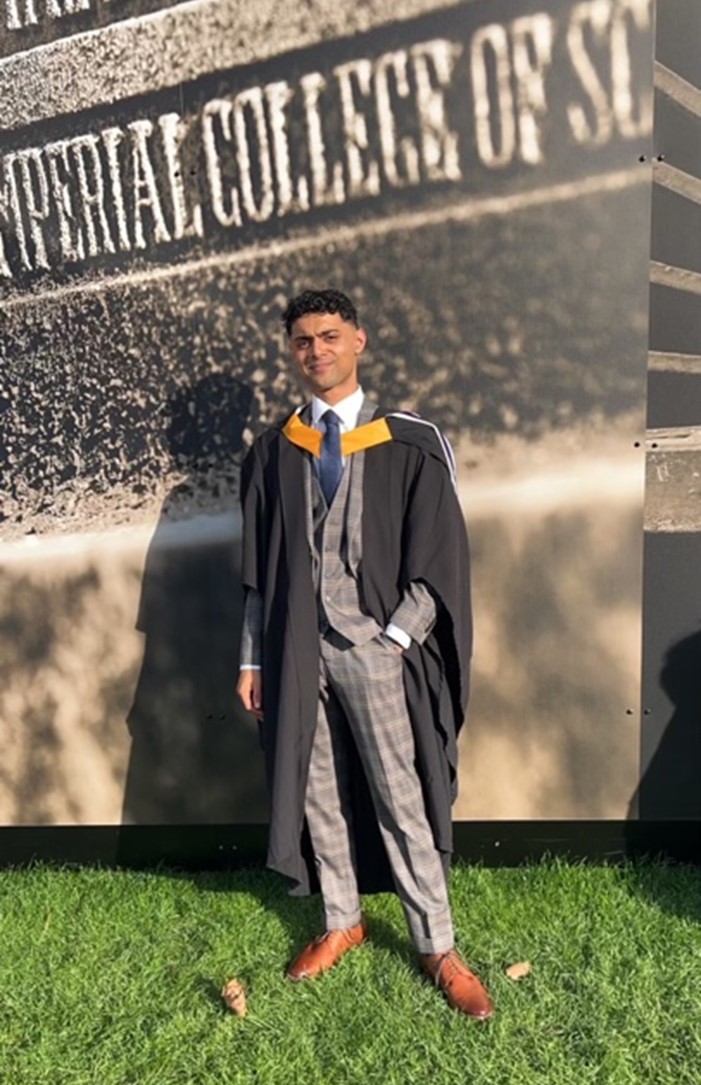
Fawaz Raja
Project Title
Visualising the effects of pollution nanoparticles on respiratory epithelial cells at the air-liquid interface
Co-sponsored by the Institute of Chemical Biology EPSRC Centre for Doctoral Training and The NIHR Imperial Biomedical Research Centre (BRC)
What were you doing before enrolling in the ICB CDT Programme?
Before joining the ICB CDT Programme, I graduated from Imperial with a BSc in Chemistry and spent a year working in the pharmaceutical industry at an early-stage drug development company in Manchester. Following that, I returned to Imperial to pursue an MRes in Chemical Biology with Bio-Entrepreneurship, where my research focused on the topographical characterisation of alpha-synuclein aggregates, contributing to a deeper understanding of protein misfolding in neurodegenerative diseases and reinforcing my decision to pursue a PhD.
Why did you choose to apply for your particular project?
Moving from the countryside to London made me acutely aware of the impact of urban pollution on our health. This experience sparked my interest in understanding how pollutants affect the body over time. My passion for cell culture, microscopy, and environmental health made this project a perfect fit, as it allows me to explore these interests while contributing to research that addresses a growing public health concern.
What are you looking forward to the most within the CDT programme?
Having already experienced the CDT as an MRes student, I’ve come to appreciate the wealth of opportunities it offers, both academically and socially. I’m particularly excited about the outreach and science communication programme at the BBC, as it will provide invaluable skills that I can use throughout my career. I look forward to honing my ability to communicate complex scientific ideas to diverse audiences and making a lasting impact through public engagement.
Please tell us a fun fact about yourself!
I’m a trained bartender.
 Name
Name
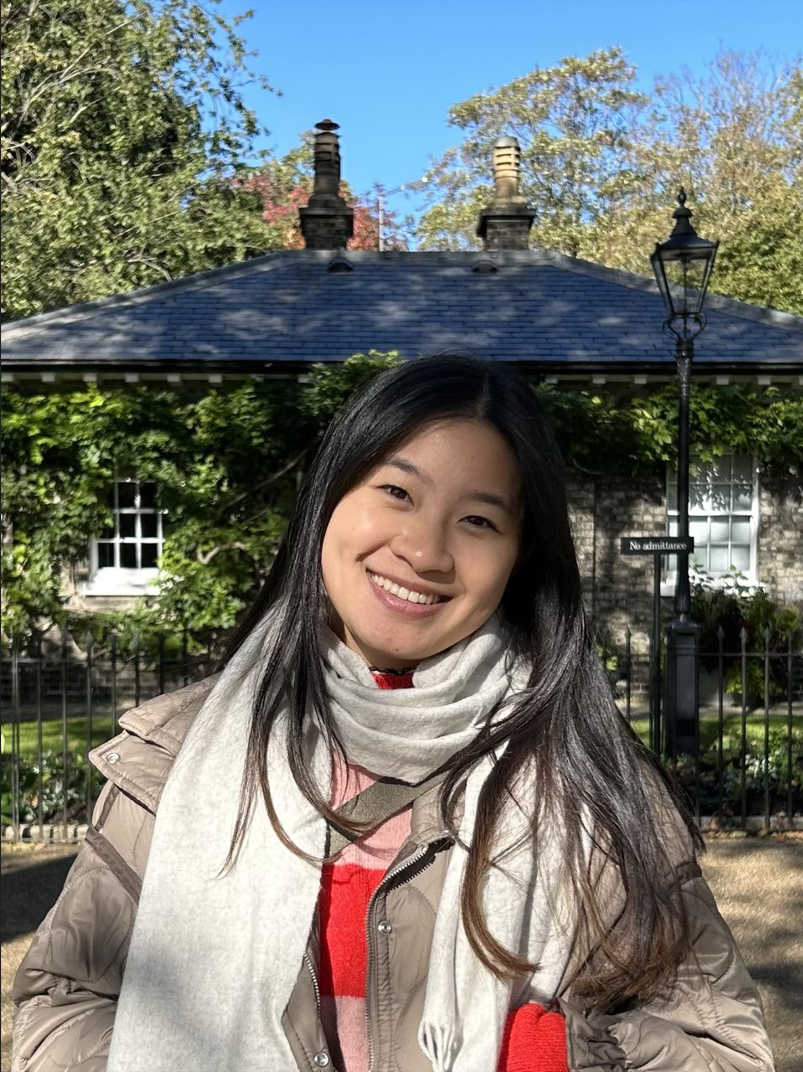
Michelle Wong Chap Lan
Project Title
Developing new technologies to monitor translocation of chemicals in plant leaf
This project is co-sponsored by the Institute of Chemical Biology, Imperial College London, and BASF SE
What were you doing before enrolling in the ICB CDT Programme?
Before my PhD, I did my MSci in Chemistry at Imperial, where I completed my final year project in the Membrane Biophysics group researching the effect of high pressure on membrane proton permeability.
Why did you choose to apply for your particular project?
I chose to apply for my project as my previous work studying proton permeability sparked my interest in investigating viscosity and permeability in more complex systems. This particular project fit well with this interest I developed, and I saw that the result of this project had great potential to have real-world impact, which was important to me.
What are you looking forward to the most within the CDT programme?
I look forward to developing skills outside of the lab, such as science communication and policy-making, all of which will be extremely helpful to me in any career I decide to pursue after my PhD.
Please tell us a fun fact about yourself!
I learnt all the dance routines in Barbie and the 12 Dancing Princesses off by heart at the age of 8!
 Name
Name
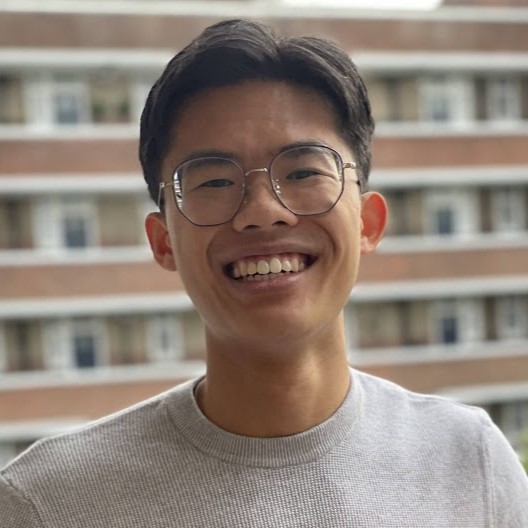
Kevin Yeung (he/him/his)
Project Title
Systematic discovery of functional allostery for next generation chemical modulators
What were you doing before enrolling in the ICB CDT Programme?
Before joining the CDT, I completed my bachelor’s degree at Princeton University in Chemical Engineering.
Why did you choose to apply for your particular project?
Having studied the design of de novo proteins during my undergraduate degree, I wanted to apply my knowledge of proteins to research and better understand the functionality of those in humans. Not only did this project aim to characterize allostery at a proteome-wide level — which could revolutionize drug discovery — but it also promised interdisciplinary collaboration. It would bring together computationalists, molecular biologists, and chemists, not unlike what many companies in the industry are doing nowadays with the recognition of the role that artificial intelligence would play in scientific research. You don’t often see that expected of a PhD student, and I was ready to take on the challenge.
What are you looking forward to the most within the CDT programme?
Of course, I hope that this degree will teach me scientific independence and allow me to develop a unique research direction I can take with me after my time here. Along the way, I particularly look forward to the scientific communication series to continue improving my writing skills and just learning from professors, lecturers, and other students!
Please tell us a fun fact about yourself!
I can consistently type over 100 wpm thanks to the SpongeBob SquarePants Typing Game.
Name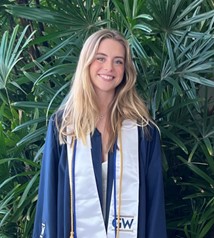
Daisy Williams
Project Title
Chemical proteomic discovery of covalent ligands for novel drug targets in Myc-deregulated cancers
Co-sponsored by the Institute of Chemical Biology EPSRC Centre for Doctoral Training and Merck KGaA
What were you doing before enrolling in the ICB CDT Programme?
I completed my undergraduate degree in the U.S. where I double majored in Chemistry and Neuroscience. I then joined the ICB as an MRes student where I worked on the directed evolution of the Sortase A enzyme for the development of a ubiquitin profiling platform.
Why did you choose to apply for your particular project?
During my undergraduate degree I discovered a profound appreciation for the intersection of chemical principles and complex biological systems which ultimately led to my passion for chemical biology. This project represents the culmination of my interests in organic synthesis, chemical proteomics and machine learning. I am eager to apply my knowledge of molecular biology methods to investigate cysteine reactivity and covalent ligandability using chemical probes and high-throughput proteomics techniques. This work would afford me the opportunity to participate in identifying potential targets for Myc-deregulated cancers and, in consequence, play a role in expanding the drug space.
What are you looking forward to the most within the CDT programme?
The CDT offers interdisciplinary and collaborative opportunities that I have already been able to appreciate through my experience as an MRes student in the programme. The CDT’s strong emphasis on outreach and social engagement aligns with my own priorities and I am particularly eager to become involved in these opportunities. Additionally, I look forward to refining my science communication skills through the extensive range of courses and programs offered by the CDT.
Please tell us a fun fact about yourself!
I have lived in three countries so far in my life!
 Name
Name
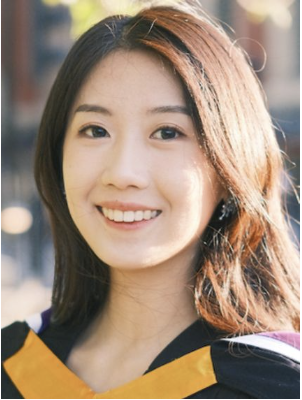
Jiaying Zhuang
Project Title
Unlocking deubiquitinase (DUB) probe discovery by high-throughput chemical proteomics
This project is co-sponsored by the Institute of Chemical Biology, Imperial College London, and Ubiquigent
What were you doing before enrolling in the ICB CDT Programme?
I completed my MSci Chemistry with Medicinal Chemistry and a Year in Industry degree at Imperial College London.
Why did you choose to apply for your particular project?
As a medicinal chemistry student, I have always wanted to apply chemistry knowledge to a biological context and help contribute to drug discovery and development. This PhD project enables me to utilise my chemistry skills and employ methods of molecular biology to develop a new high-throughput chemical proteomic technology platform which will bridge the current gap in tools to investigate DUB activity across intact cell lines. Industrial collaboration with Ubiquigent will link me to more state-of-the-art discovery and screening platforms and another group of talented scientists, which I believe is more than beneficial for my project.
What are you looking forward to the most within the CDT programme?
I am particularly interested in outreach and engagement that the CDT is dedicated to, since it is a perfect opportunity to share all the exciting cutting-edge research with the public and raise scientific awareness!
Please tell us a fun fact about yourself!
I am quadrilingual - English, Mandarin, Japanese, and Shanghainese (if that counts? :D).
Name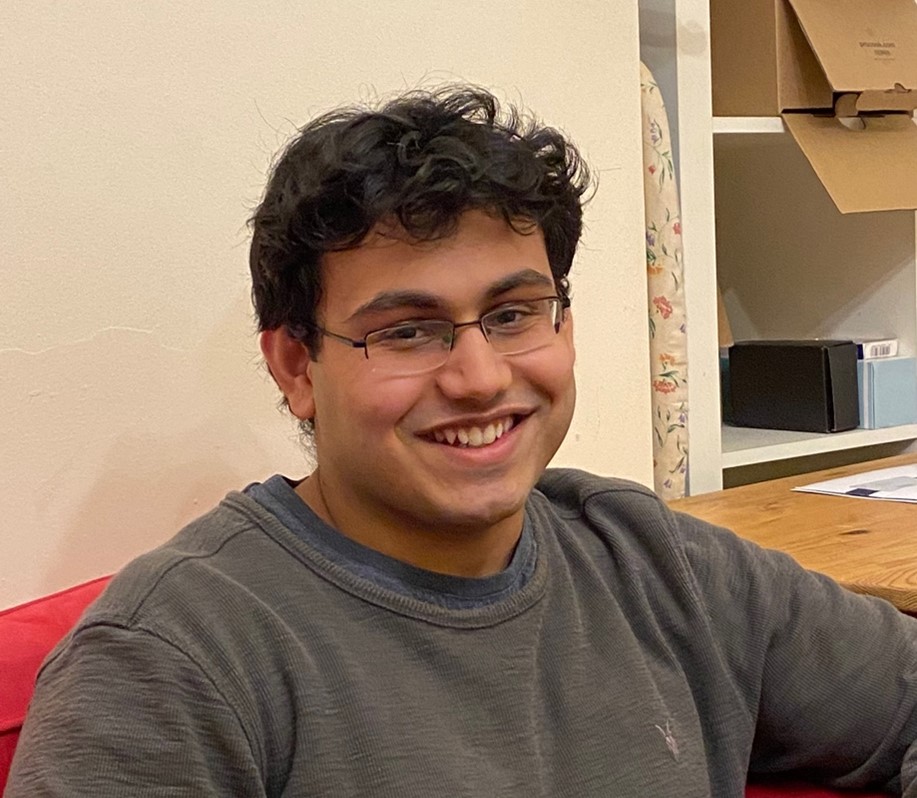
Rohan Sekhri
Project Title
3D printed synthetic tissues for patterned interactions with cellular populations
Co-sponsored by the Institute of Chemical Biology EPSRC Centre for Doctoral Training and The NIHR Imperial Biomedical Research Centre (BRC)
What were you doing before enrolling in the ICB CDT Programme?
Before my PhD, I completed a BSc in Chemistry at Durham University followed by a 1-year MRes at Imperial in Biological and Physical Chemistry. My research focussed on understanding protein aggregation in Parkinson’s disease using both computational and experimental techniques.
Why did you choose to apply for your particular project?
I am very interested in synthetic biology and its practical application in the development of artificial cells and tissues so this project seemed like an obvious choice. Additionally, the interdisciplinary nature of the project appealed to me, the chance to combine aspects of engineering, chemistry and biology excites me.
What are you looking forward to the most within the CDT programme?
I’m looking forward to making the most of the ICBs wide range of opportunities outside of just research, especially science communication with the BBC!
Please tell us a fun fact about yourself!
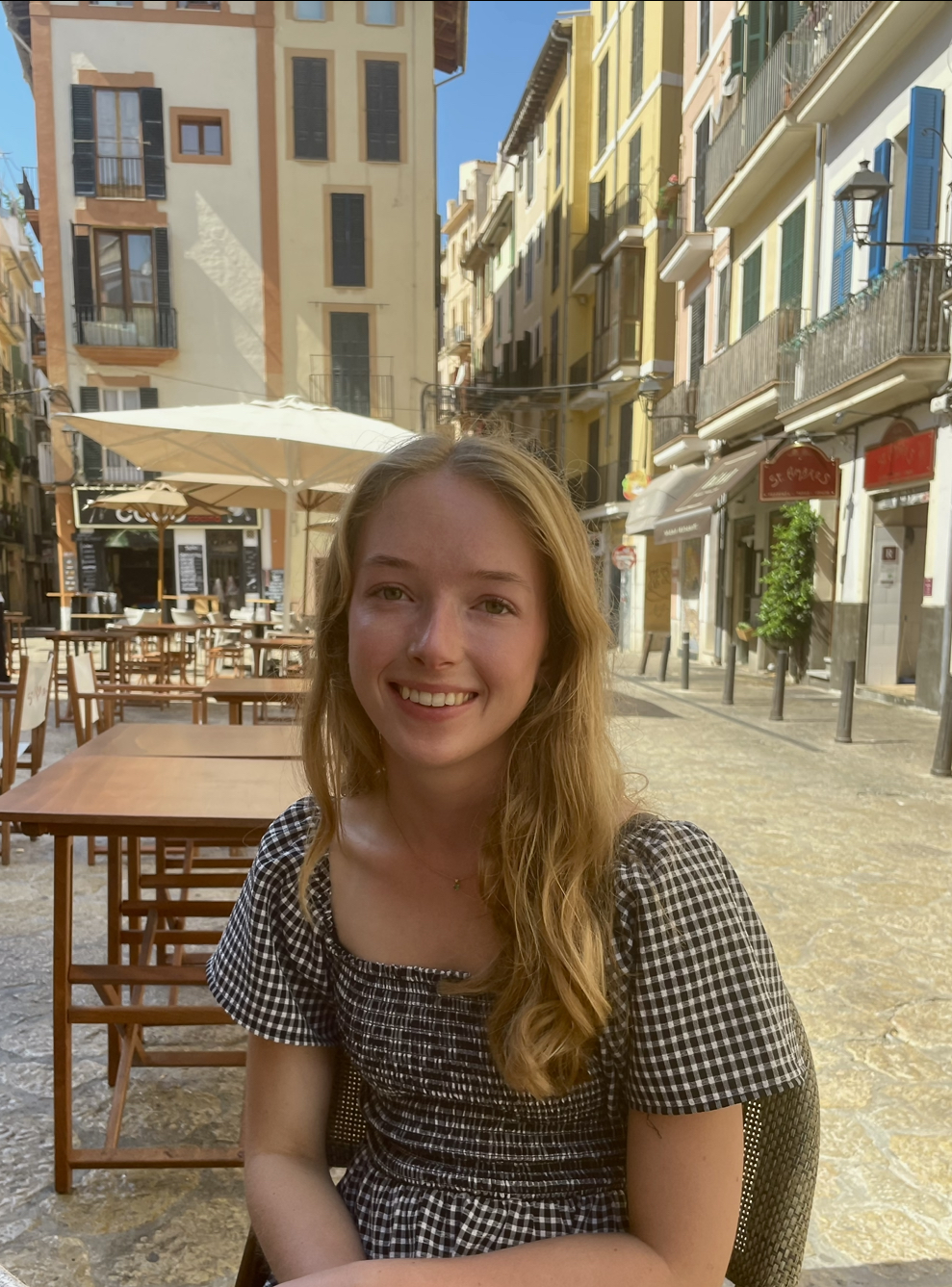
Having spent three years at an international school in New Delhi as a child, I can play rock paper scissors in Korean!
 Name
Name
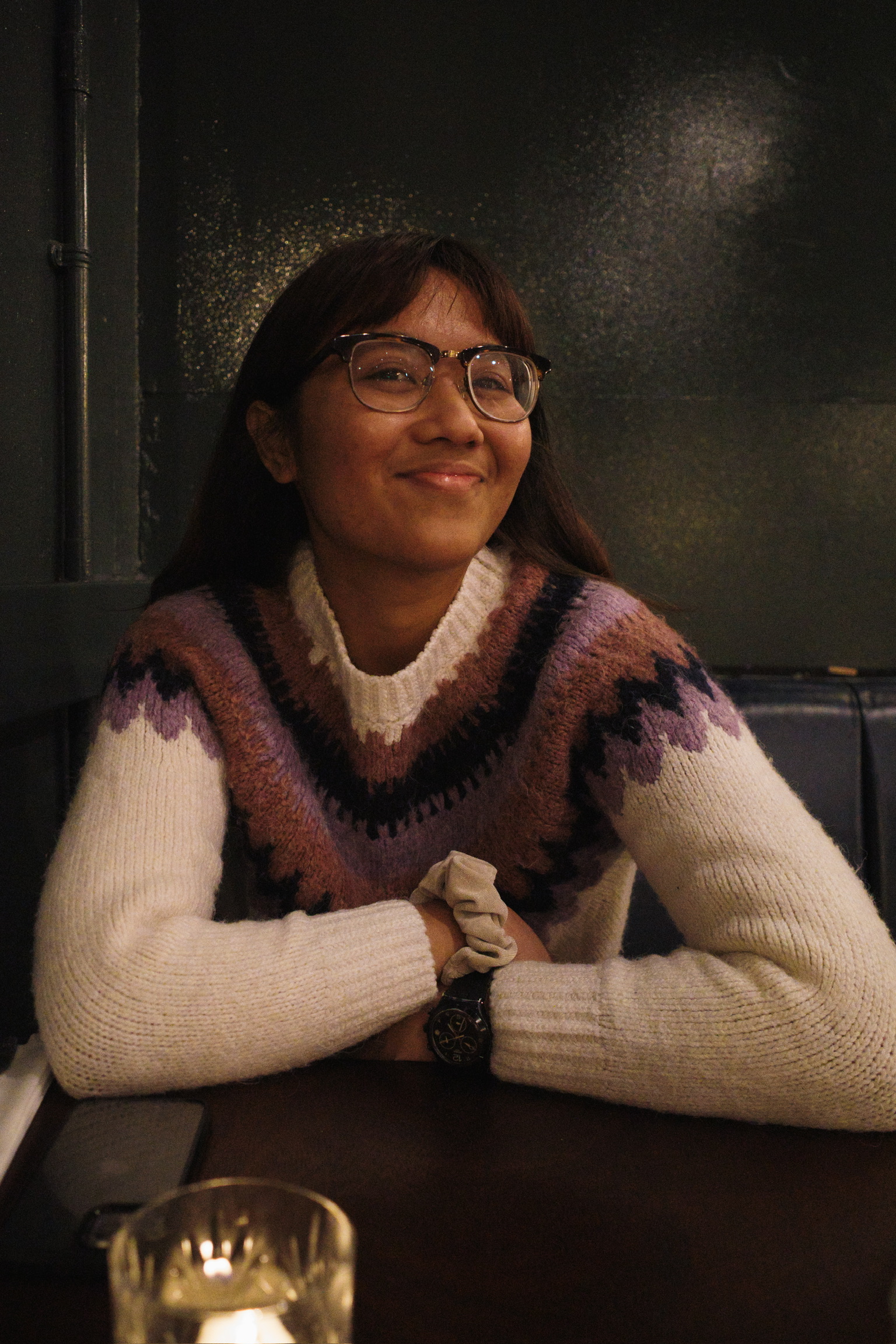
Lucy Dan
Project title
Developing novel p21-disrupting peptides to prevent quiescence and resistance to chemotherapy
This project is funded by the CRUK Convergence Science Centre
What were you doing before enrolling in the ICB CDT Programme?
I earned my Master’s degree in biological sciences from Durham University. My research project focused on the role of pro-survival autophagy in oesophageal adenocarcinoma.
Why did you choose to apply for your particular project?
As a Convergence Science PhD student, my project is hosted jointly across three different laboratories within Imperial and the Institute of Cancer Research. I am looking forward to using multidisciplinary approaches to investigate novel ways to target the activities of cyclin-dependent kinases for cancer therapy.
What are you looking forward to the most within the CDT programme?
I am looking forward to the sharing of ideas between scientists from different fields. I am also excited about the opportunity to improve my scientific communication skills.
Please tell us a fun fact about yourself!
When not in the lab, you can normally find me on the hockey pitch.
 Name
Name
Naura Fakhira Antariksa
Project Title
Mapping long-range G-G base pairing interaction within the human genome
Naura is sponsored by Imperial College's President's PhD Scholarship Programme
What were you doing before enrolling in the ICB CDT Programme?
I completed my undergraduate in Applied Chemistry at Kyushu University, Japan and continued my Master’s education at EPFL, Switzerland. In Switzerland I trained under Prof. Yimon Aye, with a project focused on investigating the interaction between protein and a drug-like molecule. I then did a 6-month internship at Prof. Julius Fredens’ group at the National University of Singapore, focusing on protein delivery and biosensor development.
Why did you choose to apply for your particular project?
I am interested in this project as it expands the work on investigating the biological importance of a non-canonical DNA structure called G-quadruplexes (G4s), which have been linked to cancer and other diseases. This project would allow me to broaden my chemical biology skillset, particularly in genomics and bioinformatics. Importantly, the project could inform on the “druggability” of nucleic acids, which is something I am excited to explore in my future career.
What are you looking forward to the most within the CDT programme?
I am enthusiastic about joining the various doctoral courses for professional development, as they would help me develop the“soft-skills” that are often overlooked in academia.
Please tell us a fun fact about yourself!
I have 9 cats back home in Indonesia! They were all rescued as kittens from the streets.
 Name
Name
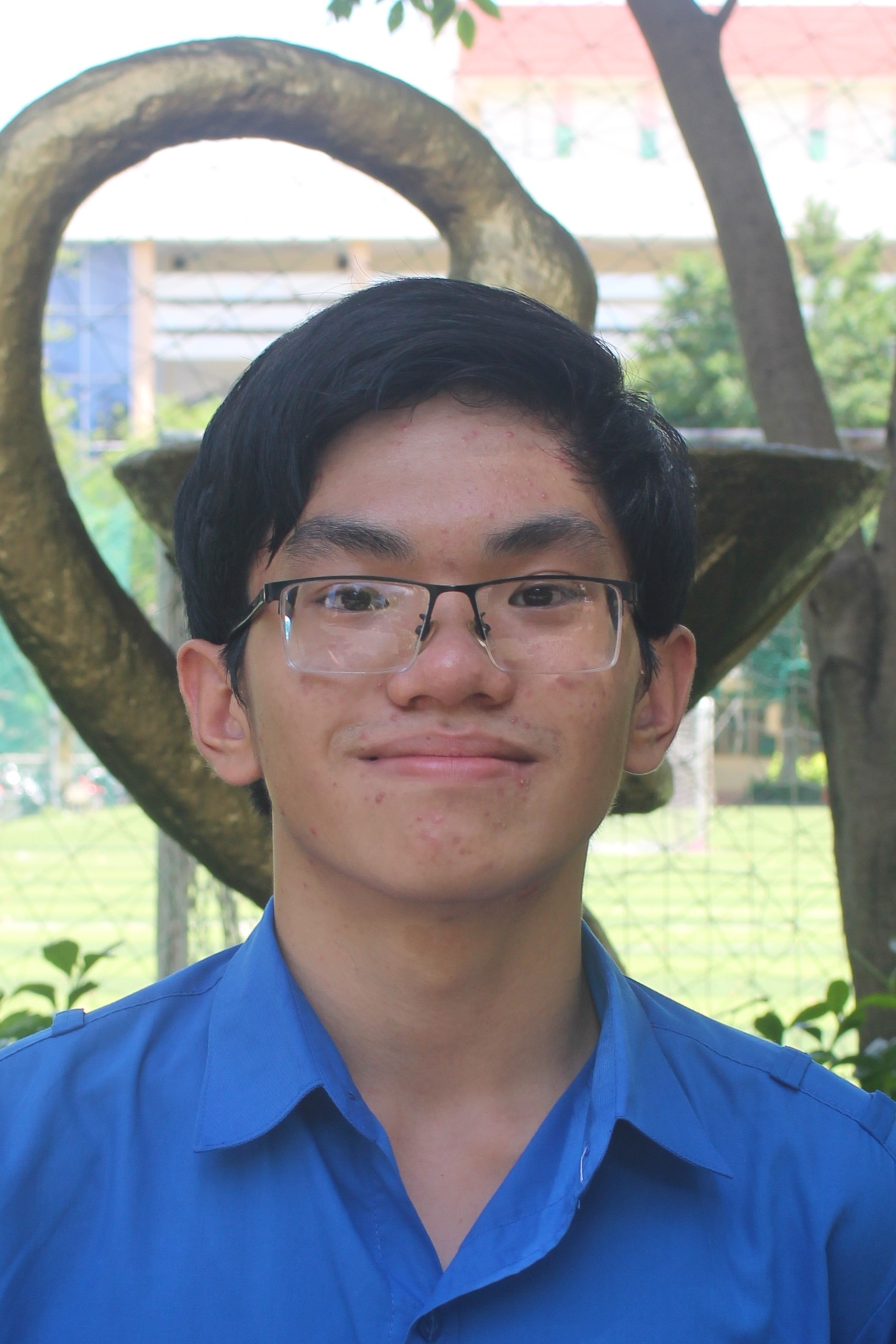
Li Lei
Project Title
Using Computational Chemistry Methods (Molecular Dynamics) to Simulate Protein Interaction
What were you doing before your PhD?
I complete my chemistry MSci degree at Imperial College London.
Why did you choose to apply for your particular project?
My project is centred on exploring a diverse array of computational methodologies to conduct thorough studies in both chemical and biological domains. I derive immense satisfaction not only from understanding new research about proteins but also from actively innovating and creating novel workflow as I progress in my research.
What are you looking forward to the most within the CDT programme?
Engaging in training programs and enrolling in courses facilitated by ICB and CDT will significantly enhance my researching skills and skills outside lab. This endeavour also represents a compelling opportunity to forge meaningful connections with like-minded professionals within the department.
Please tell us a fun fact about yourself!
A 10/10 trip planner
 Name
Name
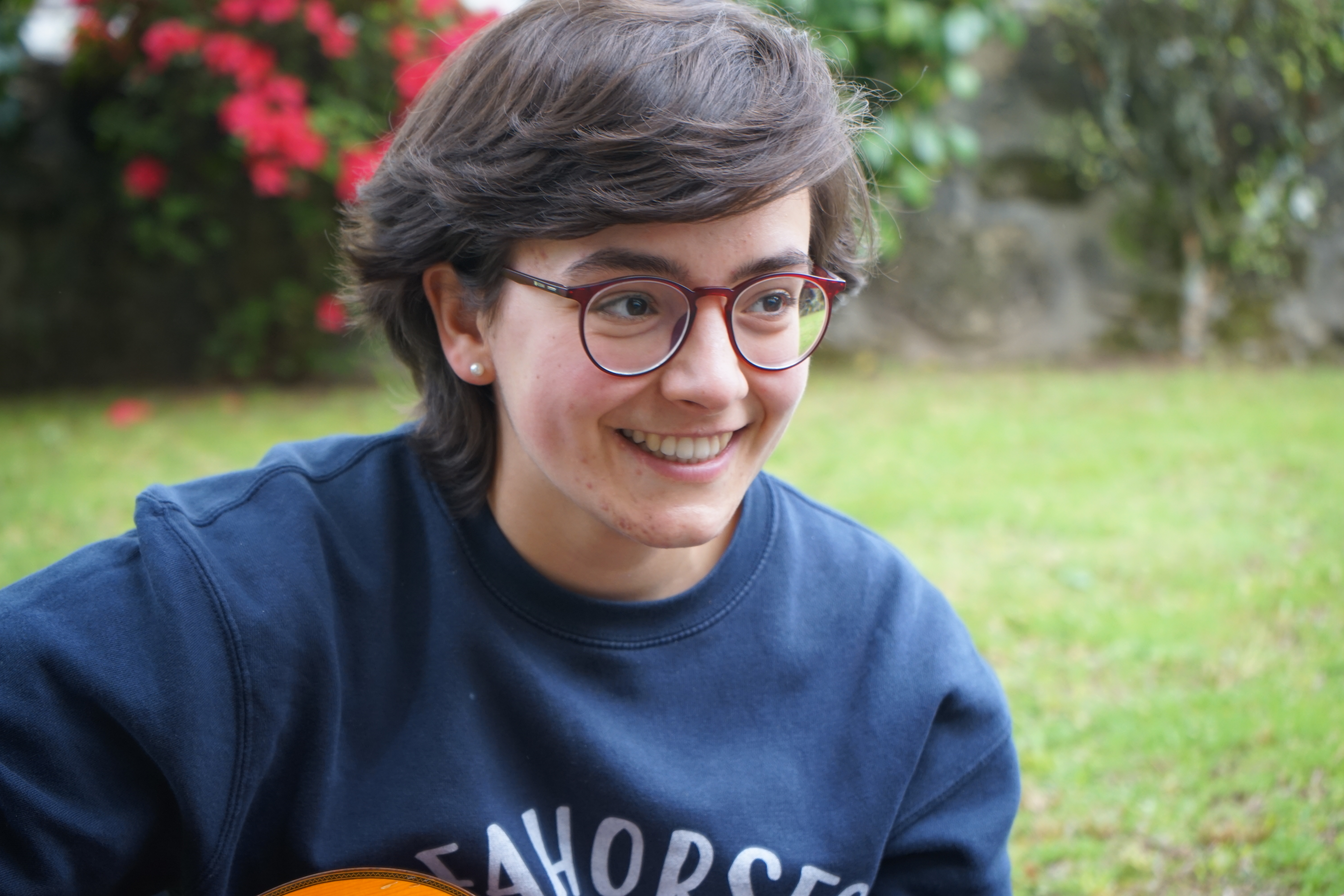
Long-Hung Pham
Project Title
Allosteric targeting of the proteome
This project is sponsored by the Vingroup Scholarship Program for Vietnamese students and the Department of Chemistry.
What were you doing before enrolling in the ICB CDT Programme?
Before joining the CDT, I completed a Bachelor of Pharmacy degree at the University of Medicine and Pharmacy at Ho Chi Minh City, Vietnam. My focus was chemical informatics applied to medicinal chemistry.
Why did you choose to apply for your particular project?
I consider myself very lucky to participate in this highly collaborative project between computational and experimental researchers. My area is primarily chemical informatics, and now I have a chance to learn more about mathematics, network science, together with receiving invaluable practical advice from chemical biologists. I hope my research can one day play a small part to help accelerate covalent drug discovery efforts using computer prediction.
What are you looking forward to the most within the CDT programme?
I look forward to learning and working with the prominent professors and interdisciplinary research of the CDT. I also hope to have a chance to learn from fellow graduate students who I think are all very talented.
Please tell us a fun fact about yourself!
I’m a fan of old Nintendo and 32-bit Capcom games.
 Name
Name
Maria Portela (she/her)
Project Title
Spores-on-a-chip - investigating the responsiveness of environmental soil spore communities at the single-cell level
Maria is sponsored by Imperial College's President's PhD Scholarship Programme
What were you doing before enrolling in the ICB CDT Programme?
Before my PhD I completed an MEng in Molecular Bioengineering at Imperial. My Masters research was on building and characterising ATP biosensors for the study of metabolic heterogeneity in yeast. I also did a year placement at GSK, working on single-cell CRISPR screens in primary immune cells for drug target identification.
Why did you choose to apply for your particular project?
Spores are specialised microbial cells with high resistance properties that play key roles in microbiome diversity and survival. Understanding their function and interactions, particularly within the soil microbiome, has the potential to improve sustainable agricultural, bioremediation and biocontrol strategies, and even benefit human health through new drugs and safer foods. However, and despite their importance, much is still unknown about the single-cell dynamics of spore formation and revival.
My interest in this research comes primarily from its potential to have a positive impact on building a green economy and a more sustainable future. I also wanted to learn new skills and work across disciplines: and this project will allow me to do research at the interface between microbiology and engineering!
The project is hosted by the Microbiome-Microfluidics and Microscopy lab at the Department of Bioengineering, led by Dr Claire Stanley, and funded by the Imperial College President’s PhD Scholarship. I am an incorporated member of the CDT.
What are you looking forward to the most within the CDT programme?
I am looking forward to the training opportunities, particularly when it comes to science communication and policy making.
Please tell us a fun fact about yourself!
I am also a choral singer and composer!
 Name
Name
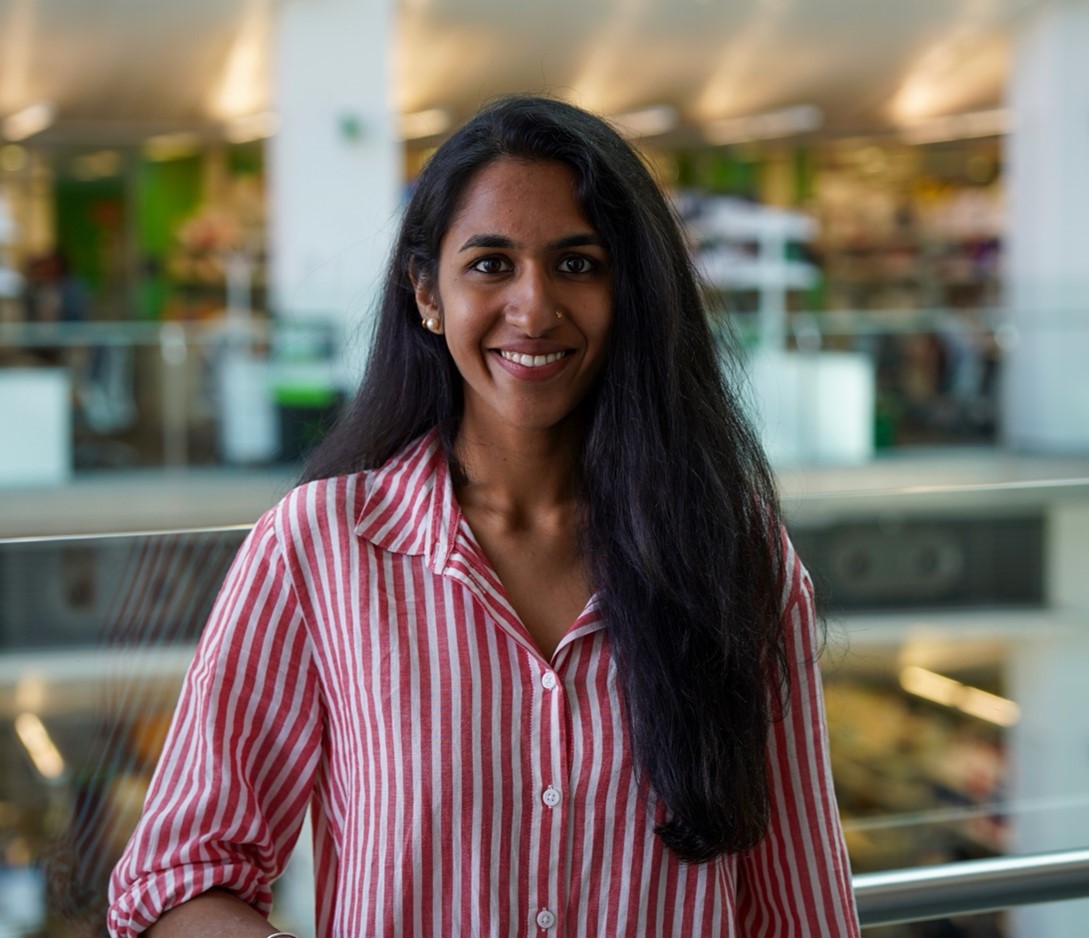
Sandhya Sridhar
Project Title
Chemical precision tools to probe O-linked protein glycosylation in metastatic breast cancer.
This project is funded by CRUK
What were you doing before your PhD?
I completed my BSc in Biomedical Sciences from Queen Mary University (London) and MPhil (MRC Cancer Unit) from the University of Cambridge.
Following graduation, I worked for several years as a Scientific Officer in the Gene Function team at the ICR in London. I was fortunate to be part of a great clinical research team that used high throughput drug/CRIPSR screening methods to identify therapeutic targets in breast cancer.
Why did you choose to apply for your particular project?
Coming from an oncology research background, I have always been interested in understanding the molecular mechanisms of disease and how we can use this knowledge to inform diagnoses and therapy. I was really excited by the interdisciplinary nature of this project, and the opportunity to use novel chemical biology tools and techniques to understand the role of the glycoproteome in cancer, something that is relevant but relatively understudied.
What are you looking forward to the most within the CDT programme?
I am looking forward to engaging and collaborating with scientists of different backgrounds to share knowledge and learn more. I’m also excited about the varied and interesting training programs offered by the programme, such as the EVOLVE and SciComm series.
Please tell us a fun fact about yourself!
I’m a trained Indian classical/Bollywood dancer and love to perform and host workshops
 Name
Name
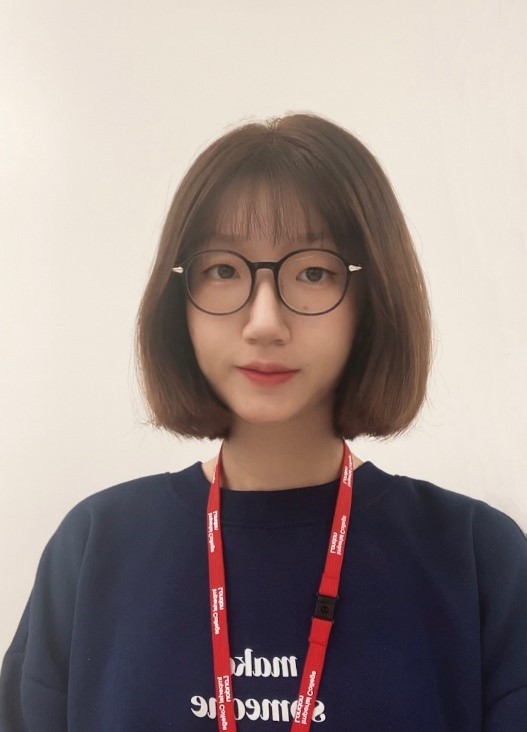
He Wang
Project Title
Sustainable Palladium Catalysis
This studentship is sponsored by the Chinese Scholarship Council and the Department of Chemistry
What were you doing before enrolling in the ICB CDT Programme?
Before I started my PhD, I majored in applied chemistry in China as an undergraduate. In 2022-2023, I studied in Imperial College as master student (MRes Catalysis: Chemistry and Engineering).
Why did you choose to apply for your particular project?
I have been involved in research projects related to catalysing organic reactions with precious metal catalysts since my undergraduate degree, and I am interested and confident in completing my PhD in this direction. Also, I believe this project is promising for providing greener and more sustainable catalytic pathways.
What are you looking forward to the most within the CDT programme?
I hope to learn more about combining theoretical knowledge of chemistry with industrial practice in the CDT programme. Apart from that, I would like to learn about entrepreneurship.
Please tell us a fun fact about yourself!
I am an enthusiastic and responsible person. I would love to help others when they are in need. In my daily life, I enjoy sports (badminton, table tennis, swimming...), approaching nature (travelling, hiking).
Name
Yujia Zhang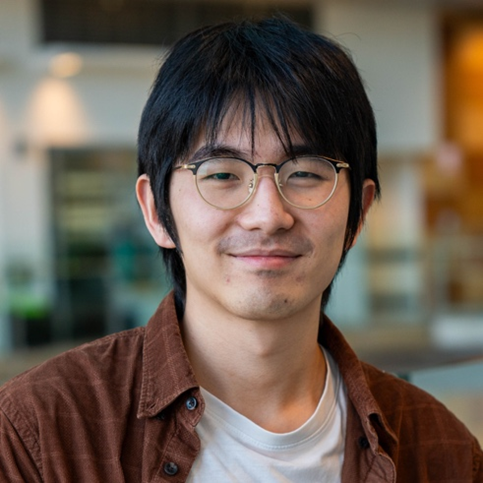
Project Title
Enabling Targeted Protein Degradation in Bacteria for Degrader Antibiotics
This studentship is sponsored by the Francis Crick Institute and the Department of Chemistry
What were you doing before enrolling in the ICB CDT Programme?
I studied Molecular Cellular Biology at the University of Glasgow, and took on an industrial placement at Sygnature Discovery, a drug discovery CRO in Nottingham for a year, where I developed high-throughput screening assays to find early drug candidates.
Why did you choose to apply for your particular project?
I am fascinated by the mechanism of degrader modalities, and the intricacies and challenges of protein-protein interface and induced proximity. To date TPD application has only been explored in eukaryotic cells, so the idea of translating this paradigm into bacteria leveraging the prokaryotic proteases was very interesting to me. I am also excited by the prospect that it may help us find next-generation antibiotics that overcome antimicrobial resistance.
What are you looking forward to the most within the CDT programme?
The opportunity to network with other like-minded PhD students, find common grounds and experience the academic trainings to become better scientists.
Please tell us a fun fact about yourself!
I got quite into crafting scale models recently.
Name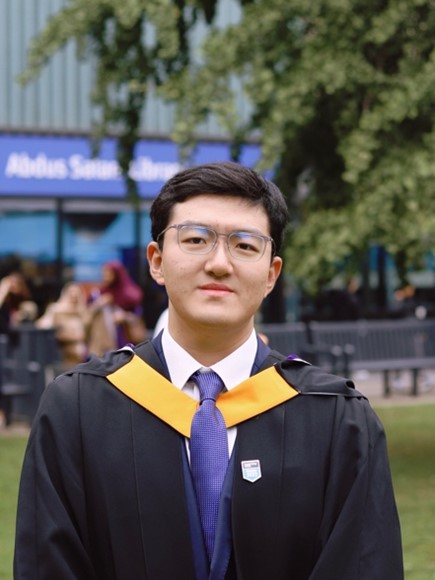
Baiqiu Tang
Project Title
Enhancing Photosynthesis in Clamydomonas reinhardtii using carbonic anhydrase mimetic
What were you doing before enrolling in the ICB CDT Programme?
I completed my MSci Chemistry degree at Imperial College London.
Why did you choose to apply for your particular project?
As a chemistry student, I am committed to applying my knowledge beyond the traditional boundaries of the discipline. From an early age, I have had a strong interest in plants, which has since developed into a deep passion for plant-related research. My current project embodies a meaningful integration of my academic background and personal interests. Specifically, I am developing a high-throughput screening platform to identify chemicals with the potential to accelerate or enhance plant growth, thereby increasing crop yields and overall food production. Through this work, we aim to contribute to efforts to alleviate — and ultimately eliminate — the hunger affecting millions of people worldwide. The CDT programme offers interdisciplinary training that will provide me with a broader set of skills, enabling both my development as a researcher and the advancement of my project.
What are you looking forward to the most within the CDT programme?
Having been part of the CDT, I deeply value its interdisciplinary environment and strong sense of community. The programme’s focus on science communication and public engagement aligns with my values, and I am particularly excited about outreach opportunities such as the BBC initiative. Beyond lab-based research, I appreciate the variety of activities offered, including conferences and symposia that expand my perspective across disciplines, as well as external training opportunities that enhance my development as a well-rounded researcher.
Please tell us a fun fact about yourself!
I am a fan of road cycling and running. I have cycled London-Brighton-London within 8 hours.
2023 student projects
Bronwyn Griffiths
Project Title: Development of optical probes based on encoded aptamers for RNA visualization in live cells
Bronwyn completed her MChem at the University of St Andrews and in her final year she undertook a project in the Zysman-Colman Group focusing on synthesising compounds with CPL and TADF properties. Now, she is a member of the Vilar, Kuimova, and Rueda Groups. Her PhD research focuses on the development of probes and aptamers which will allow for the study of RNA within live cells.

Bronwyn Griffiths
ICB CDT: Meet our students
Project Title: Development of optical probes based on encoded aptamers for RNA visualization in live cells
Bronwyn completed her MChem at the University of St Andrews and in her final year she undertook a project in the Zysman-Colman Group focusing on synthesising compounds with CPL and TADF properties. Now, she is a member of the Vilar, Kuimova, and Rueda Groups. Her PhD research focuses on the development of probes and aptamers which will allow for the study of RNA within live cells.
Daisy Williams
ICB CDT: Meet our students
Project Title: Chemical proteomic discovery of covalent ligands for novel drug targets in Myc-deregulated cancers
Co-sponsored by the Institute of Chemical Biology EPSRC Centre for Doctoral Training and Merck KGaA
Daisy is a PhD student in the Department of Chemistry at Imperial College London. She completed a Master of Research (MRes) in Chemical Biology from Imperial College London in 2024, under the supervision of Prof. Ed Tate and Dr. Marko Storch. Prior to this, she graduated in 2023 in the U.S. with two Bachelor of Science (BSc) degrees in Chemistry and Neuroscience. Her current research focuses on investigating cysteine reactivity and ligandability in Myc-deregulated cancer systems using chemical probes and high-throughput chemical proteomics techniques.
Fawaz Raja
ICB CDT: Meet our students
Project Title: Visualising the effects of pollution nanoparticles on respiratory epithelial cells at the air-liquid interface
Co-sponsored by the Institute of Chemical Biology EPSRC Centre for Doctoral Training and The NIHR Imperial Biomedical Research Centre (BRC)
I finished my BSc in Chemistry at Imperial College London in 2021, where I specialised in Organic Chemistry. After my degree, I worked in Alderley Park for a biotech company, where I was working in the automation and development of ADME-Tox assays, before returning back to Imperial to complete my MRes in Chemical Biology with Bio-Entrepreneurship.
Zhibo Deng
ICB CDT: Meet our students
Project Title: Phase behaviour of biological membranes under non-equilibrium conditions
Zhibo Deng is a PhD student at Imperial College London, focusing on computational chemistry on membrane biophysics. He recieved a BSc in Chemistry at University College London in 2019 and an MRes in Nanomaterials at Imperial College London in 2020. His current research interest is to exploreing the structural and functional asymmetry of biological membranes using computational modelling.
Sandhya Sridhar
ICB CDT: Meet our students
Project Title: Chemical precision tools to probe O-linked protein glycosylation in metastatic breast cancer.
This project is funded by CRUK
Sandhya completed her BSc in Biomedical Sciences from Queen Mary University (London) and MPhil from the University of Cambridge, where she carried out a research project on lung cancer metabolism at the MRC Cancer Unit. She then worked as a Scientific Officer in the Gene Function team at the ICR in London, where she employed high throughput CRIPSR and drug screening methods to identify therapeutic targets in breast cancer.
Sandhya’s CRUK-funded PhD project joint between the Schumann and Malanchi labs uses chemical precision tools to probe O-linked protein glycosylation in metastatic breast cancer, and investigate the impact of the tumour microenvironment on the glycoproteome.
In her spare time, she enjoys performing and teaching classical Indian and Bollywood dance, cooking and long walks.
Naura Fakhira Antariksa
ICB CDT: Meet our students
Project Title: Mapping long-range G-G base pairing interaction within the human genome
Naura is sponsored by Imperial College's President's PhD Scholarship Programme
Naura completed her BEng in Applied Chemistry at Kyushu University, graduating with first-class honours in 2020. Wanting to acquire more biological experience, she continued her education at EPFL where received her MSci in Chemistry in 2022. There, Naura trained under Prof. Yimon Aye, where her project focused on investigating the interactions protein and a drug-like molecule in the context of autoimmune disease. She then did an internship at Prof. Julius Fredens’ group at the National University of Singapore, focusing on protein delivery and biosensor development. Naura has now joined the Marco Di Antonio group at Imperial College on a President’s PhD Scholarship and she will be aiming at generating novel genomic strategies to map long range G-G interactions in chromatin.
Li Lei
ICB CDT: Meet the students
Project Title: Using Computational Chemistry Methods (Molecular Dynamics) to Simulate Protein Interaction
Li Lei is a second-year PhD student in the Bresme Group, focusing her research on protein adsorption and aggregation at liquid-liquid interfaces using computational techniques, specifically Molecular Dynamics simulations.
Kevin Yeung
ICB CDT: Meet our students
Project Title: Systematic discovery of functional allostery for next generation chemical modulators
Kevin is a PhD candidate co-supervised by Dr. Matthew Child, Prof. Sophia Yaliraki, Prof. Ed Tate, and Dr. Louise Walport. Before moving to the UK, he completed his undergraduate degree in chemical engineering at Princeton University in 2023. His current research is highly interdisciplinary, spanning the fields of molecular biology, protein chemistry, and genomics. Overall, his main interest is deciphering the relationship between DNA sequence and protein function with the goal of elucidating genetic drivers of inherited disorders and pinpointing novel drug targets.
Maria Portela
ICB CDT: Meet our students
Project Title: Spores-on-a-chip - investigating the responsiveness of environmental soil spore communities at the single-cell level
Maria is sponsored by Imperial College's President's PhD Scholarship Programme
Maria Portela is a Postgraduate Researcher in the Department of Bioengineering, within the Microbiome, Microscopy and Microfluidics lab led by Dr Claire Stanley. Her research focuses on building microfluidics tools to study the dynamics of environmental soil spore germination in high-throughput and at the single-cell level. Prior to starting her PhD, she completed a degree in Molecular Bioengineering and worked as a researcher for a pharmaceutical company. Outside of the lab, Maria is a keen science communicator and educator who regularly engages in STEM Outreach activities. She is also a choral singer and composer and has taken part in several interdisciplinary projects blending science and the arts.
Meilin Yu
ICB CDT: Meet our students
Project Title: Light mediated carbonylation reactions using CO ‘surrogates’
Meilin Yu is currently a second-year PhD student in Miller group at Imperial College London. Her research focuses on the synthesis and study of novel photoactive carbon monoxide-releasing molecules based on transition metal complexes. She is interested in exploring the applications of coordination chemistry in biomedical science. Outside of the lab, she enjoys reading and cooking. She looks forward to furthering her scientific career and contributing to new discoveries.
Nicole Fitikides
ICB CDT: Meet our students
Project title: A new platform to understand and control protein liquid-liquid phase separation
After completing her BSc in Chemistry for Drug Discovery at the University of Bath, Nicole joined Imperial in October 2021 to do an MRes in Drug Discovery and Development. She started her PhD within the CDT in Chemical Biology in 2023. Her research is focused on developing a new imaging tool for studying the liquid-liquid phase separation of α-synuclein and its role in Parkinson's disease. Her project is supervised by Dr. Francesco Aprile, Prof. Marina Kuimova, and Prof. Ramon Vilar.
Long-Hung Pham
ICB CDT: Meet our students
Project Title: Allosteric targeting of the proteome
This project is sponsored by the Vingroup Scholarship Program for Vietnamese students and the Department of Chemistry
Long-Hung Pham is a Ph.D. student in computational chemistry at Imperial College London. Previously, he completed his B.Pharm. at the University of Medicine and Pharmacy at Ho Chi Minh City, Vietnam. His undergraduate project focused on the utilizing cheminformatics tools and machine learning to predict new inhibitors of the NDM-1 metallo-beta-lactamase in multi-resistant bacteria. At Imperial College London, he is working on allosteric sites prediction and atomistic graphs representation of proteins.
Rohan Sekhri
ICB CDT: Meet our students
Project Title: 3D printed synthetic tissues for patterned interactions with cellular populations
Co-sponsored by the Institute of Chemical Biology EPSRC Centre for Doctoral Training and The NIHR Imperial Biomedical Research Centre (BRC)
Prior to starting his PhD, Rohan studied Chemistry at Durham University before completing an MRes in Biological and Physical Chemistry at Imperial College London.
His current research focuses on developing synthetic tissues made from 3D-printed networks of picolitre-scale water droplets. These artificial tissues are designed to produce and release proteins in response to specific stimuli, enabling targeted delivery to living cells. By combining cell-free expression systems with stimulus-responsive release strategies, the project aims to create programmable droplet systems that can sense, respond, and adapt—enabling new possibilities for therapeutic delivery and cellular communication.
He Wang
ICB CDT: Meet our students
Project Title: Sustainable Palladium Catalysis
This studentship is sponsored by the Chinese Scholarship Council and the Department of Chemistry
He Wang is a second-year PhD student in the Department of Chemistry with research focus on the recovered palladium catalysis. She is funded by Imperial College London-China Scholarship Council. He completed her master (MRes Catalysis) in Imperial College London with Distinction and was recognized as an outstanding graduate. Her academic journey reflects a strong dedication to sustainable chemistry and advanced catalytic research. Outside the lab, she enjoys hiking and playing badminton, embracing both exploration and balance in her daily life.
Jiaying Zhuang
ICB CDT: Meet our students
Project Title: Unlocking deubiquitinase (DUB) probe discovery by high-throughput chemical proteomics
This project is co-sponsored by the Institute of Chemical Biology, Imperial College London, and Ubiquigent
Jiaying Zhuang is a PhD student in the Tate Group, with a passion for chemical biology and the translation of chemistry into biological applications. Her research focuses on developing a high-throughput chemoproteomic platform for deubiquitinase probe and inhibitor discovery. With a background in medicinal chemistry, she is enthusiastic about interdisciplinary science and its potential to tackle pressing healthcare challenges. Outside the lab, Jiaying enjoys travelling, hiking, baking , tennis and karaoke!
Date last reviewed: 20 June 2025
Date last updated: 20 June 2025