Speakers and Sessions
Confirmed sessions and speakers for MICER 26 are below.

Hypothesis to Headline: Publishing in Chemical Education
Strategies for performing rigorous research and turning it into celebrated publications.
 |
Dr Ben Arenas, School of Chemistry, University of Edinburgh Ben is a lecturer at the University of Edinburgh, where he teaches physical and analytical chemistry, is involved in student support, and performs discipline-based education research with a focus on laboratory learning and assessment, the use of technology, and evaluating activities and environments, particularly through the lens of inclusivity. |
 |
Dr David August, School of Chemistry, University of Edinburgh David is Director of Students and Senior Lecturer in Chemical Education at the University of Edinburgh, School of Chemistry. Originally a supramolecular chemist, he is now involved in the design and implementation of student support processes. His research covers supporting transitions in higher education, language support for international students and the role visuospatial skills play in chemistry education. |
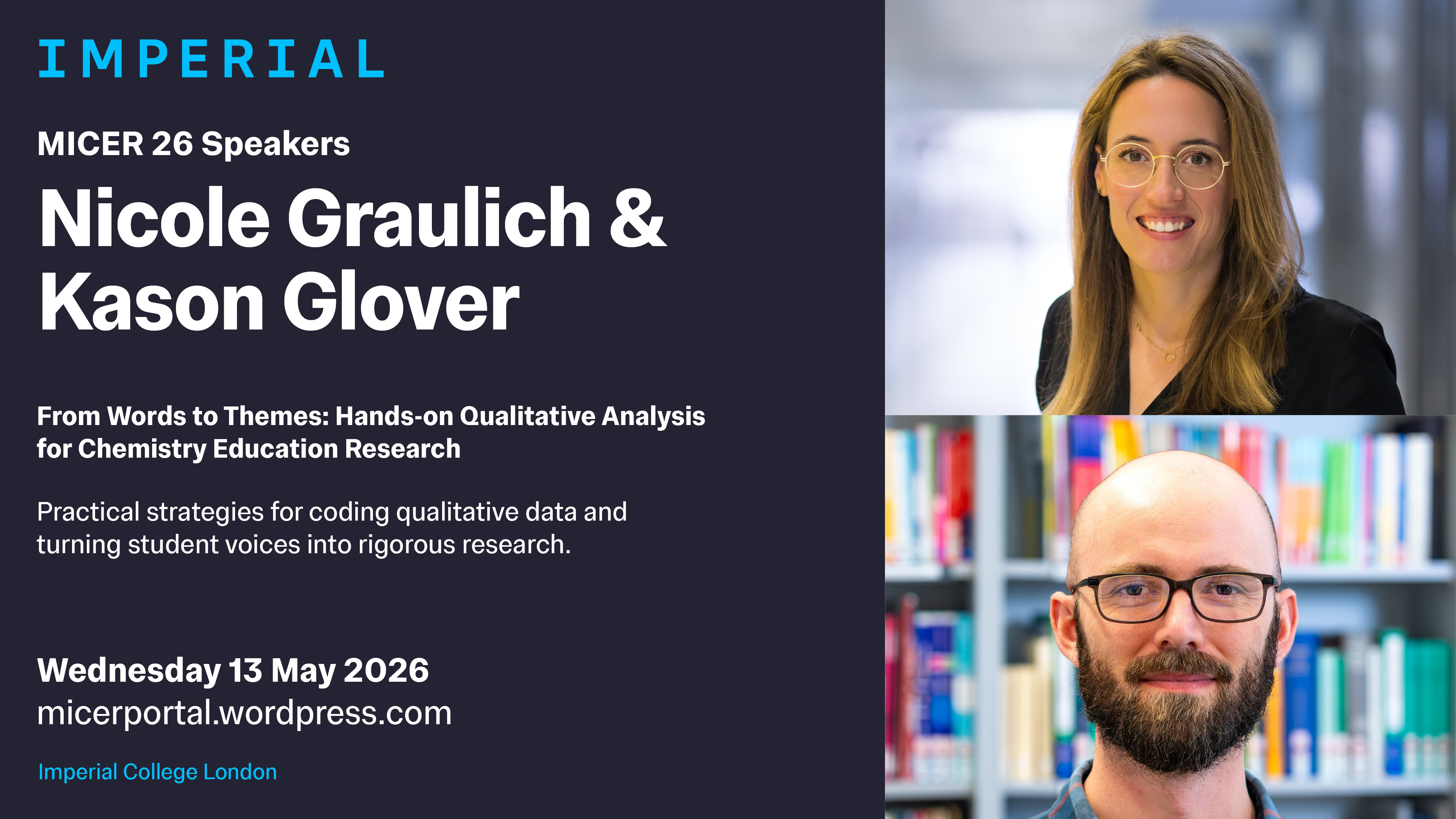
From Words to Themes: Hands-on Qualitative Analysis for Chemistry Education Research
Practical strategies for coding qualitative data and turning student voices into rigorous research.
This workshop introduces thematic analysis as a qualitative method widely used in chemistry education research. Participants will collaboratively learn how to code qualitative data and develop themes through guided analytic steps. The session focuses on practical strategies for moving from raw data to meaningful interpretations.
|
|
Prof Dr Nicole Graulich, Justis Liebig University Nicole is a Professor of Chemistry Education at Justus Liebig University Giessen, Germany. Her research focuses on cognitive perspectives on how students learn organic chemistry, particularly how they interpret chemical representations and develop mechanistic reasoning. She combines quantitative and qualitative research methods with technology-enhanced approaches, such as eye-tracking and machine learning, to better understand and support the complex processes underlying chemistry learning. |
|
|
Dr Kason Glover, Justis Liebig University Kason is a postdoctoral scholar working with Nicole Graulich at the Justus Liebig University. His graduate training included both organic chemistry and education research, and he now uses both perspectives to understand and support productive innovations in organic chemistry learning contexts. |


From Scientist to Education Researcher: Supporting the Transition into Chemistry Education Research from Student and Supervisor Perspectives
Educational research projects are becoming an increasingly popular option for STEM students, yet many supervisors may have limited experience in this area. This workshop focuses on how to support students transitioning into educational research within short project timelines. Drawing on both student and supervisor perspectives, this interactive session will explore supervision practice, common challenges and practical ways to scaffold students’ research processes and development, while offering strategies and resources to support students more effectively.
|
|
Dr Tiffany Chiu, Centre for Higher Education Research and Scholarship, Imperial College London Dr Tiffany Chiu is a Principal Teaching Fellow in Educational Development at the Centre for Higher Education Research and Scholarship, Imperial College London. She is also Academic Head of Imperial’s student partnership programme, which offers students the opportunity to collaborate with staff on projects that enhance learning, teaching and the wider student experience. Tiffany is a Principal Fellow of the Higher Education Academy (PFHEA). Her work focuses on student transition, assessment and feedback practices, and student identity in higher education. She has published in journals across sociology of education, higher education, and learning and teaching. |
|
|
Lauren Shields, Imperial College London Lauren Shields is a PhD candidate in Educational Development at Imperial College London, focussing on STEM students’ experiences of feedback and assessment as they transition to university. Lauren has an MChem degree and trained to be a chemistry teacher, before transitioning to educational research. |


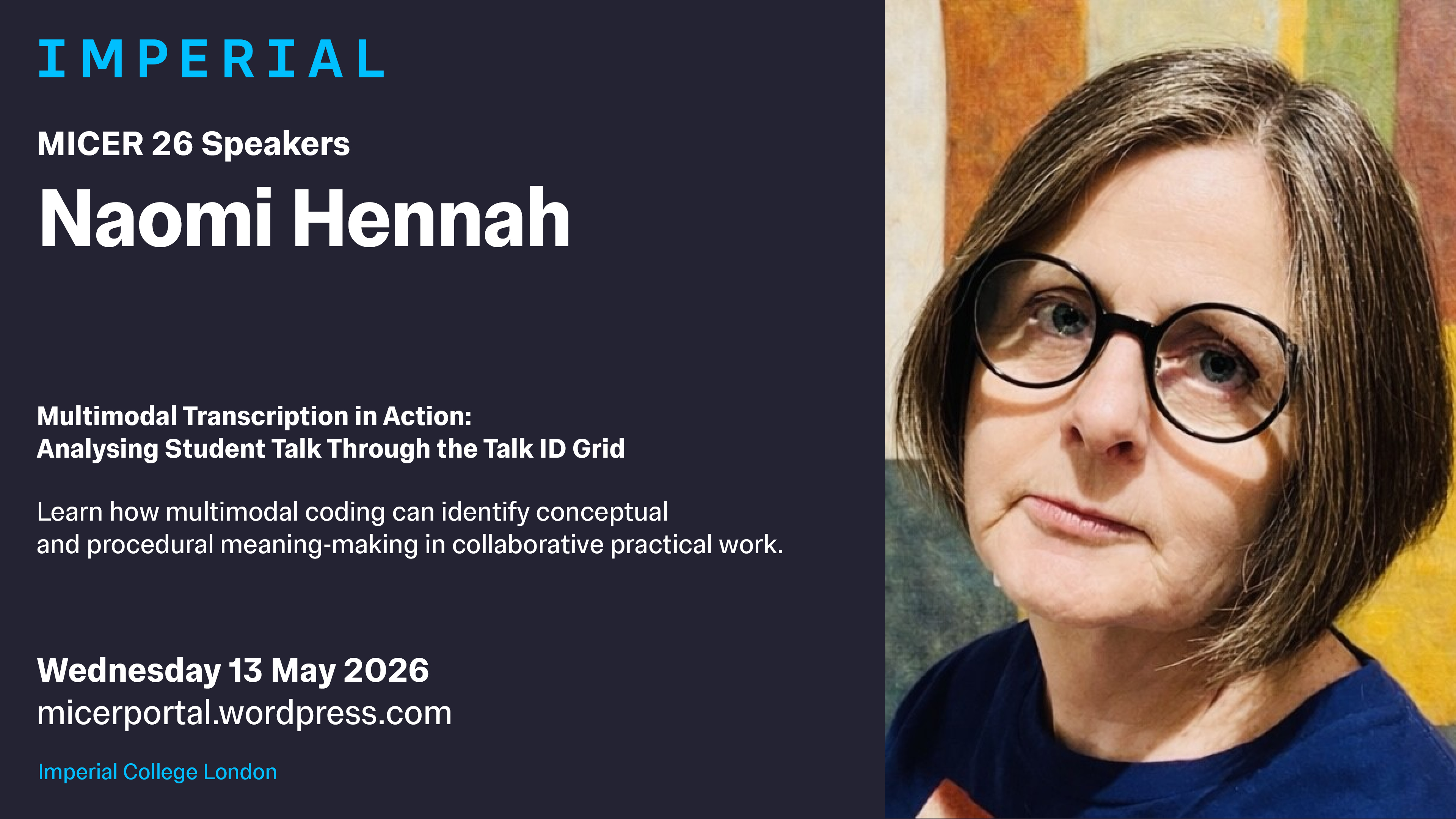
Multimodal Transcription in Action: Analysing Student Talk Through the Talk ID Grid
Learn how multimodal coding can identify conceptual and procedural meaning-making in collaborative practical work.
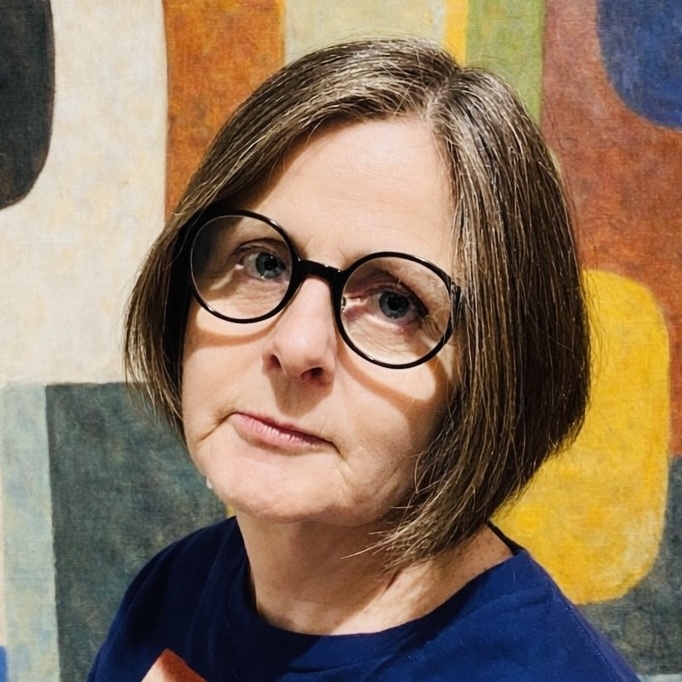 |
Naomi Hennah, Bedford College Group Naomi Hennah has published research on oracy in chemistry education, focusing on classroom talk, practical work and dialogic learning, and is the author of the forthcoming book Oracy in Chemistry Education. She currently works at the Bedford College Group. |