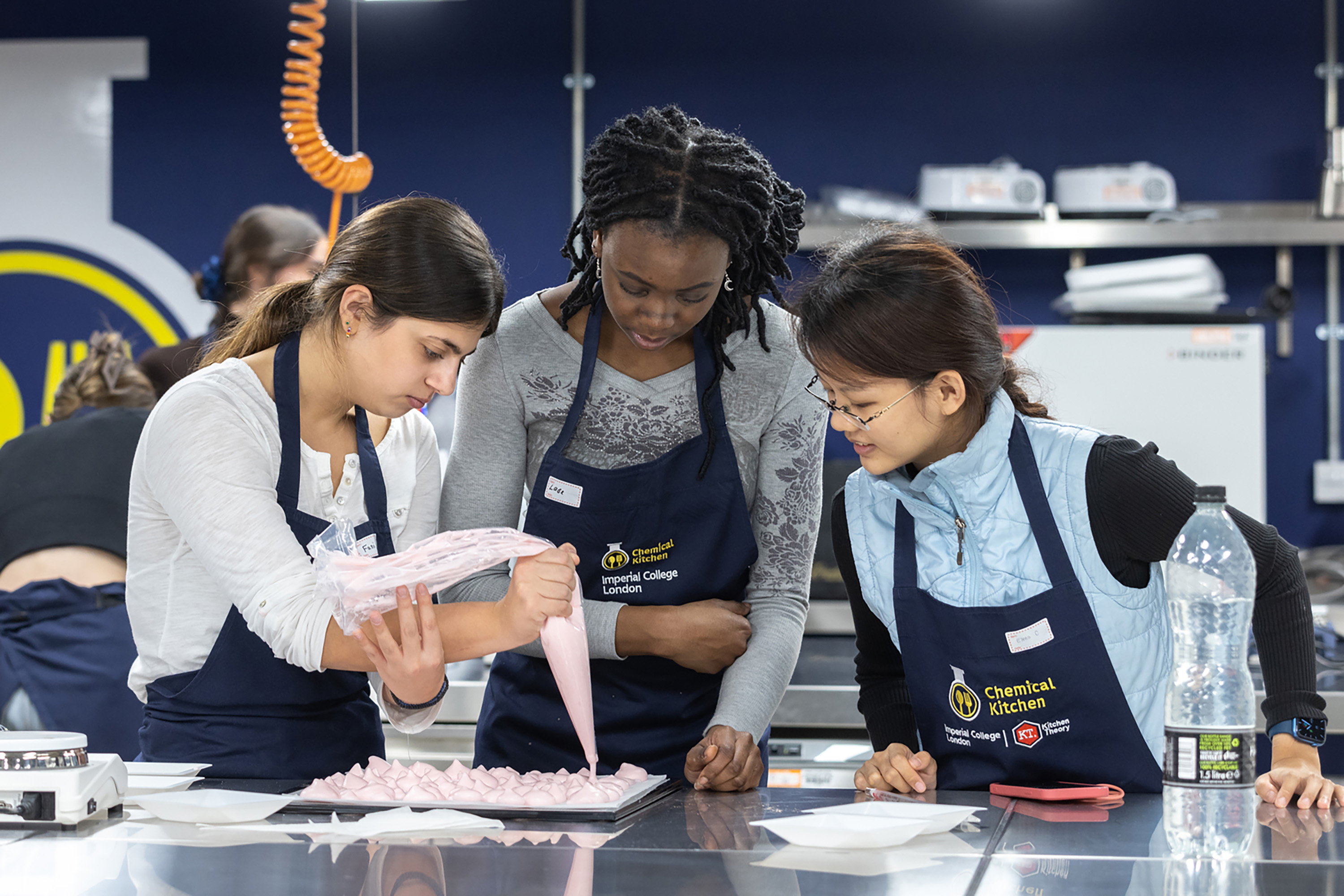
Chemical Kitchen is a pioneering educational initiative that reimagines laboratory instruction by drawing parallels between professional gastronomy and scientific practice. Developed at Imperial College London, the program addresses the challenges faced by first-year chemistry students transitioning from secondary education, particularly the disparity in prior laboratory experience and the cognitive load of mastering laboratory work approaches.
Traditional laboratory courses often emphasise chemical knowledge and procedural accuracy but overlook the development of translational skills - such as planning, observation, and dexterity - that are essential for scientific inquiry. Chemical Kitchen introduces students to these competencies through culinary experiments analogous to these performed in chemistry laboratories. By shifting the context from chemistry to cooking, the program reduces disciplinary pressure and fosters a more inclusive and engaging learning environment.
The Chemical Kitchen course comprises three sessions in which students work in small teams to conduct food-based experiments. Activities include:
- Cheese-making as an analogue to a basic synthetic chemistry practical
- Precision egg cooking, egg yolk extraction and deep frying to explore experimental design and variables
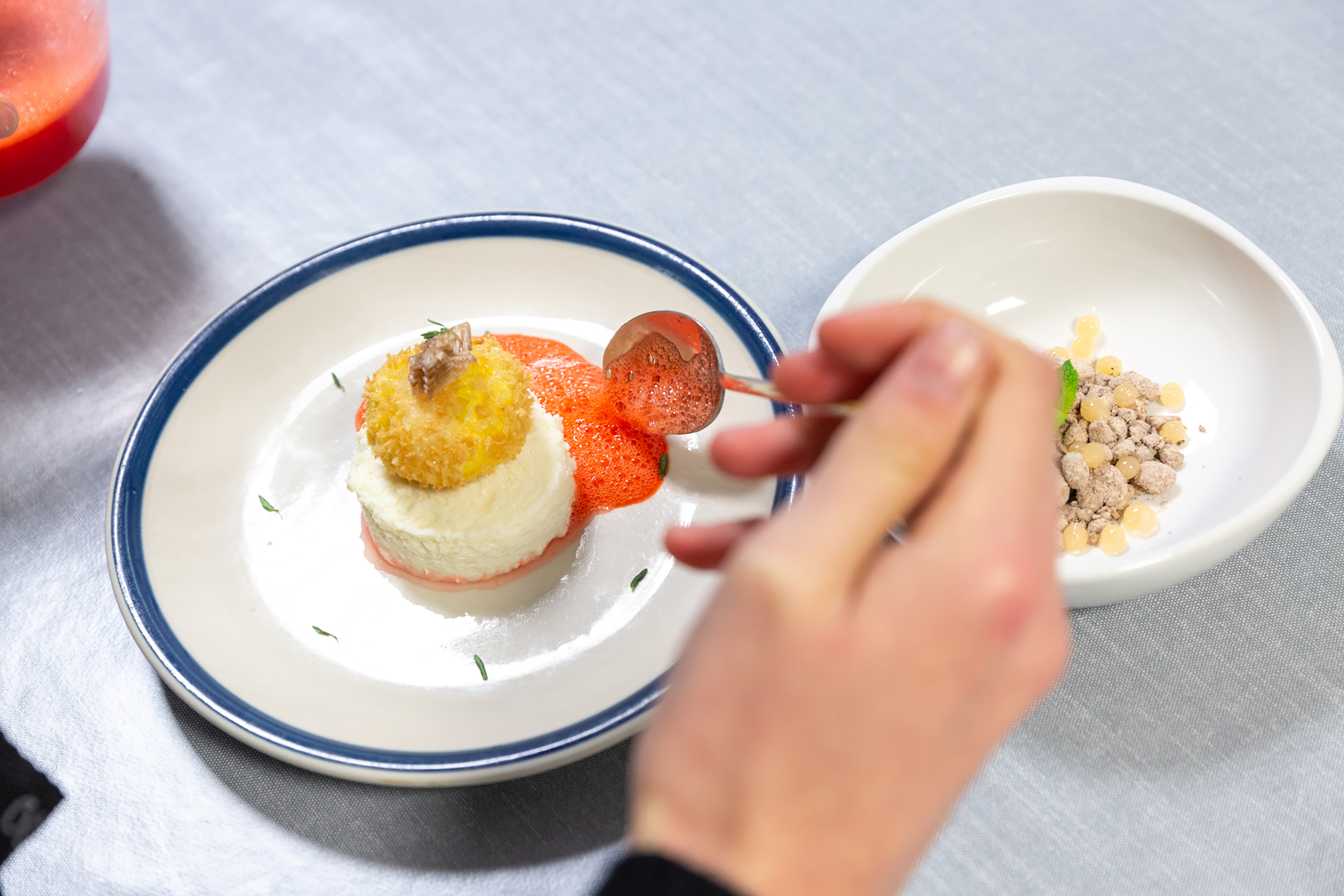
- Creative dish assembly using molecular gastronomy techniques, requiring precise working
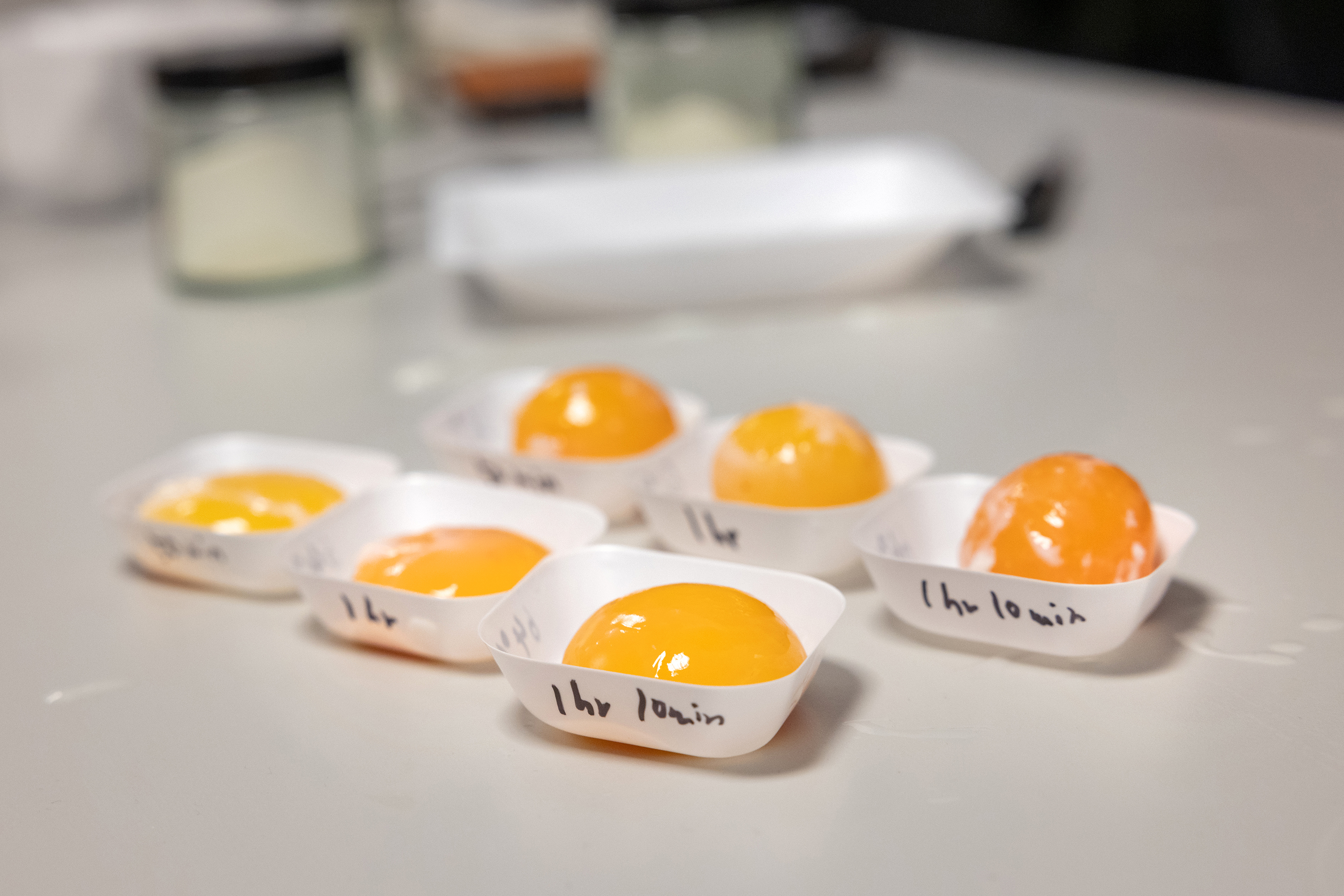
Students maintain laboratory notebooks, receiving formative feedback on their record keeping skills, and reflect on their process and outcomes. The course emphasises meticulous technique, teamwork, and safe working practices - skills transferable to any scientific discipline.
Quantitative and qualitative data from pre- and post-course surveys reveal a significant shift in students’ self-efficacy in relation to their confidence around practical chemistry. Notably, students with initially low confidence reported marked improvement, while those with high initial confidence experienced a recalibration, resulting in a more equitable cohort. This “leveling of the playing field” underscores the course’s success in fostering practical competence and self-awareness.
Chemical Kitchen exemplifies the potential of transdisciplinary education to enhance student engagement and skill acquisition. Its success has led to adaptations for other disciplines, including Medical Kitchen and Biomedical Kitchen, and has informed outreach and public engagement initiatives. The program continues to evolve, with future research aimed at assessing long-term impacts on student development and scientific identity.
Further Information: For detailed methodology, outcomes, evaluation, and course materials, refer to the J. Chem. Ed. article and Chemical Kitchen Website.
Project Leads: Dr Jakub Radzikowski, Dr Luke Delmas, Prof. Alan Spivey, Prof. Roger Kneebone, Chef Jozef Youssef