Background to the project
The transition from school to university is an exciting time for many students but is also known to pose challenges such as living independently, adapting to new ways of learning, or building a new community. The diversity of our students means that individuals can experience this transition very differently [1,2]; recognising and discussing transition can be valuable to supporting the process, with materials that are local and specific, not only general [3].
During 2021, new students were in a particularly challenging position due to restrictions because of the Covid-19 pandemic; opportunities for offer-holder visits were absent, academic preparation had been interrupted by school closures and assessment changes [4], and opportunities for social interaction were limited. Starting university seemed likely to feel even more of a mystery and challenge than usual!
So what happened, and why student-staff partnership?
We took a student-staff partnership approach as part of a joint project between teaching and pastoral staff to look at how we could develop some specific, long-term resources to help transition into our Department, enabled by funding from Imperial’s Student Shapers scheme. A partnership project benefits from student insights on transition – they are experts on their own experience – and the different perspectives and creativity they bring.
Generation of our ideas and priorities as a team came through workshopping activities prompting reflection on experiences, such as the emotions and skills we use or need at different academic stages, and prompts such as what we wished we’d known. (Figure 1) The different themes identified were prioritised and sub-teams brainstormed how best to create relevant materials – they then proceed to astonish us with their confidence behind and in-front of the camera!
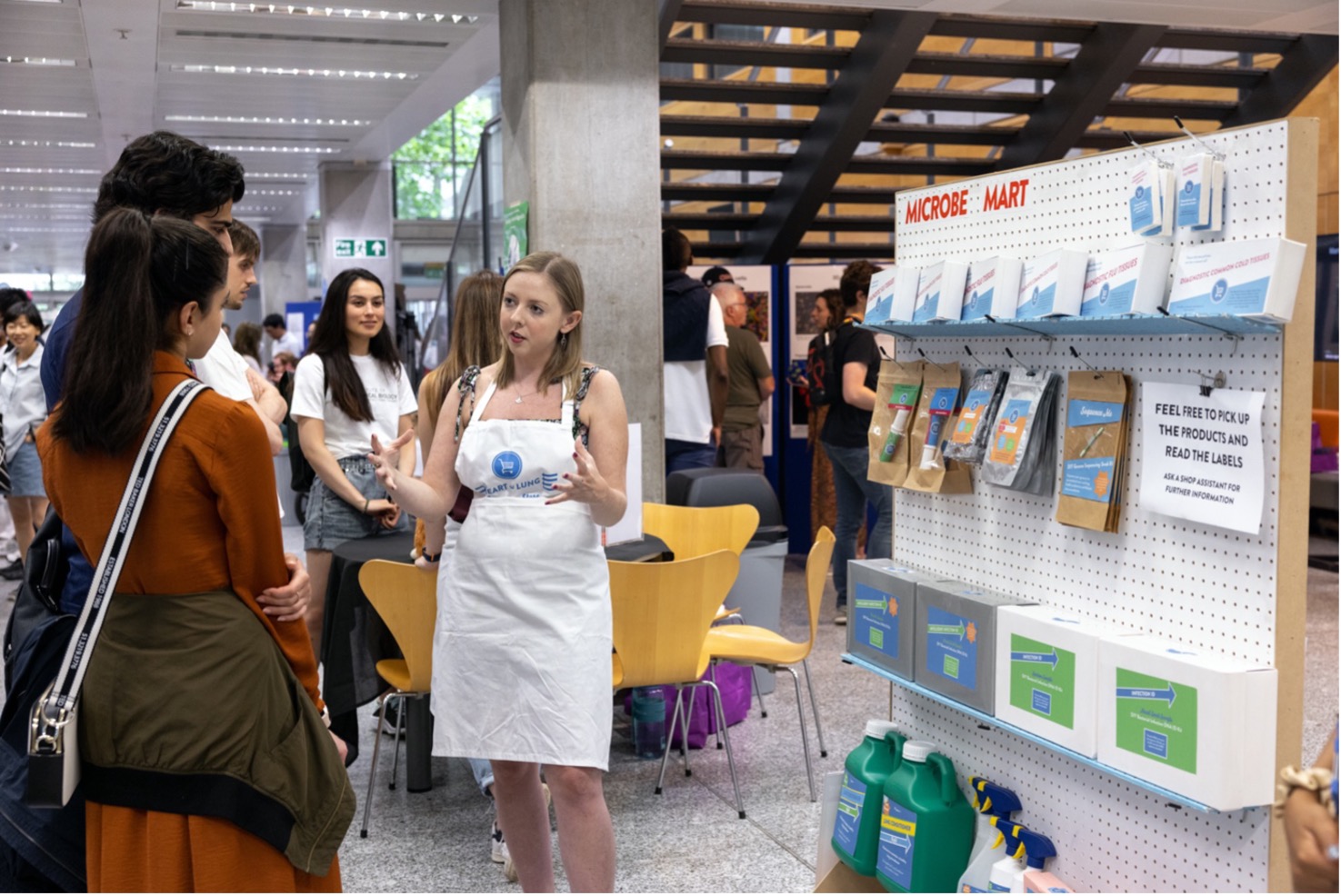 Figure 1: Reflecting back on different stages of transition journey helped identify different areas to prioritise.
The resources the students generated can be explored on the Chemunity website! You might notice it is separate from our department or Imperial website. An unexpected reflection had been how rarely students used central resources, turning to informal networks more frequently, and consequently our Student Shapers wanted materials to feel authentic and not ‘official’.
The ‘roundtables’ were designed and recorded by the students to allow common questions and experiences to be addressed, aiming to normalise conversations around wellbeing and potential transition challenges. They had control over the topics and questions, choosing to include staff in some discussions to humanise the new university structure and emphasise things like asking for help, which can feel daunting.
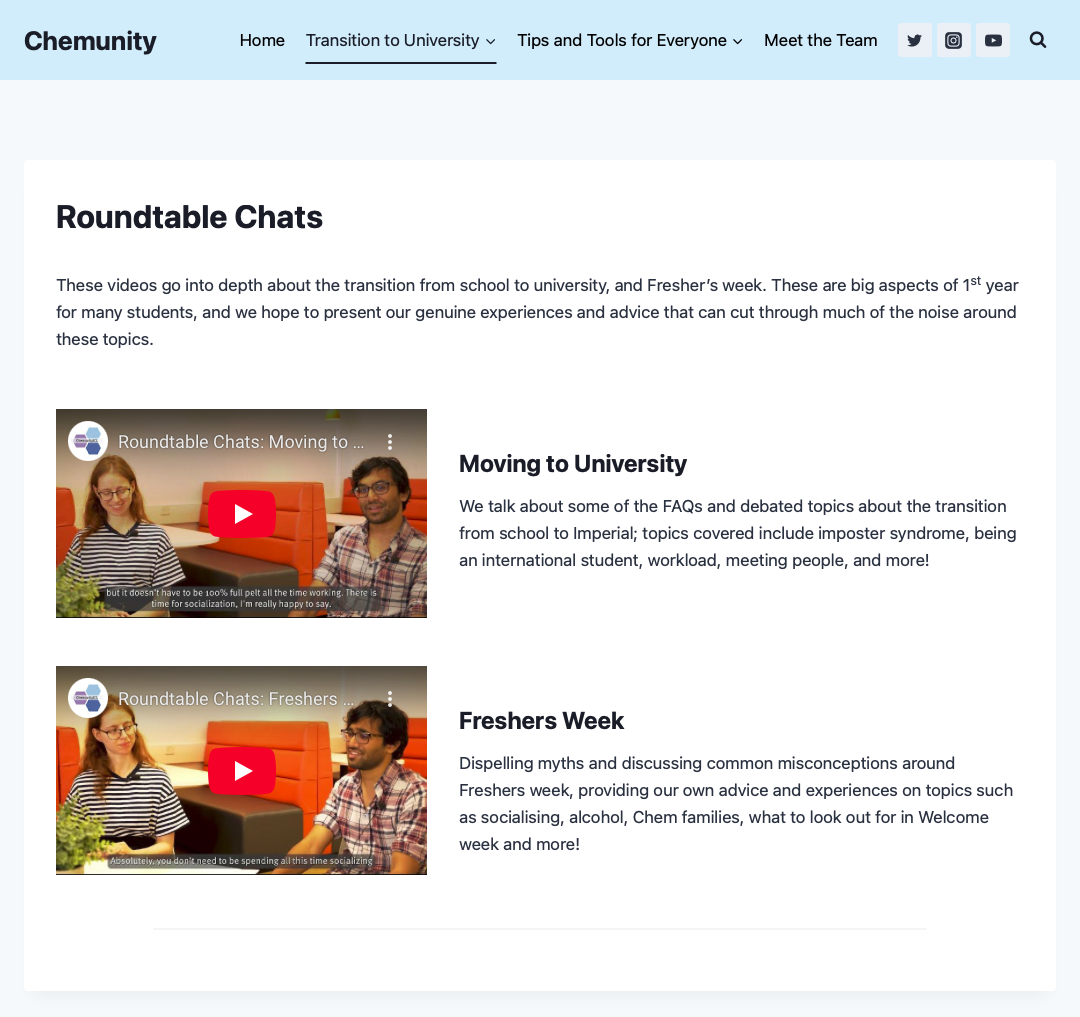 Figure 2: Student generated content on the Chemunity website includes videos such as roundtable chats in which they discussed common topics relevant to incoming students such as myths and misconceptions about the first week.
Perhaps unexpectedly, one of the most heavily used aspects of the website is the interactive ‘Finding Your Way Around’ map. Intended to help navigation and space familiarisation, using Genially allowed us to embed photos, 360° panoramas, and videos of students talking about the nature of teaching activities in areas to get a sense of the physical environments and their purpose. We’ve found this has had wider benefits for inclusivity, allowing students and staff to find their way around more quickly, even if they are unable to visit the campus in advance. It has also been useful for students with disabilities to support space familiarisation; confidence with what to expect from spaces can be particularly useful for neurodivergent students [5].
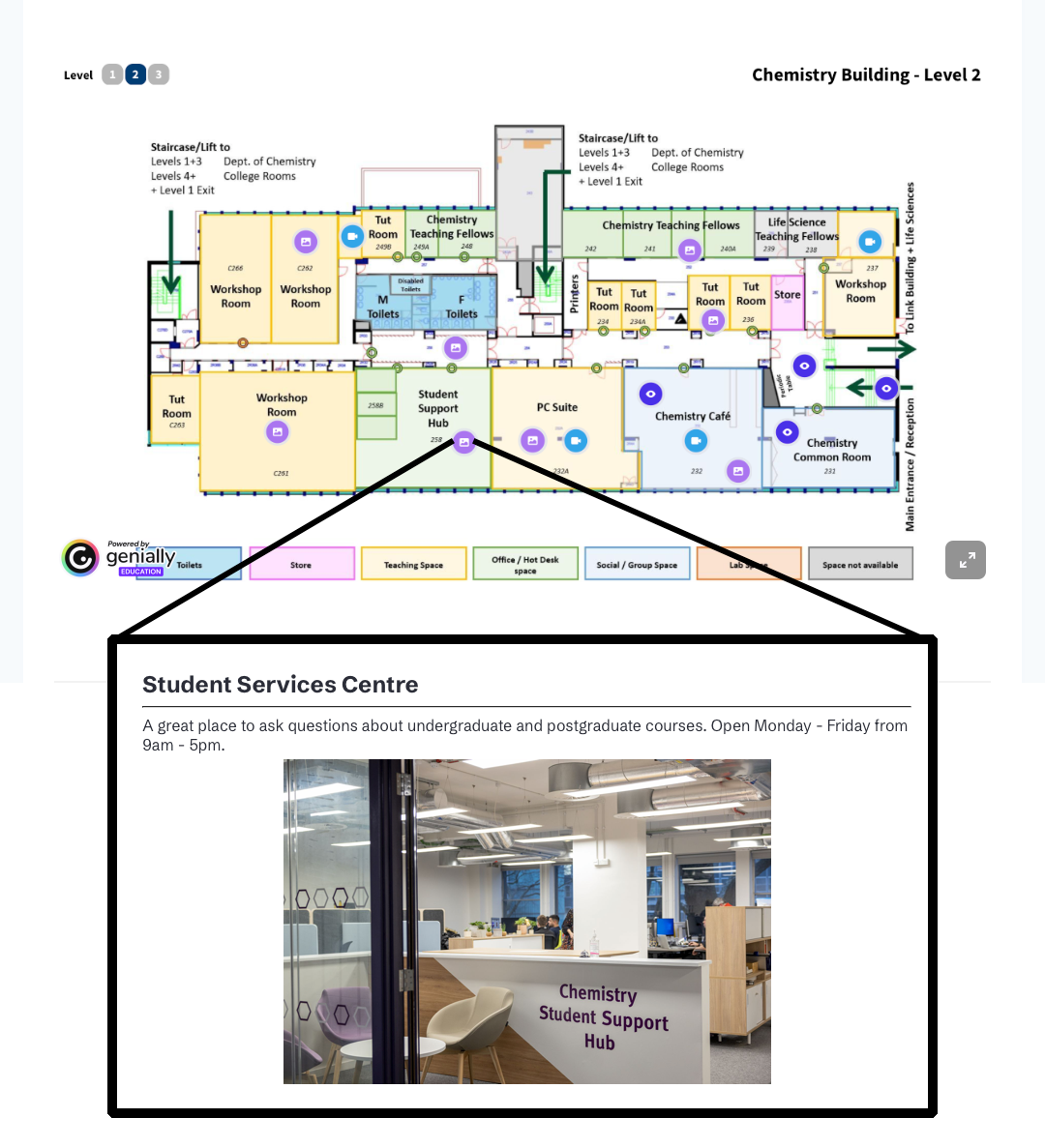 Figure 3: An image of the Chemunity interactive map, highlighting use of colour to help indicate the function of spaces. Icons are all clickable, expanding to either an image, 360° panorama, or video relating to the space.
Overall, the Student Shapers team wanted to ensure that there was ‘something for everyone’ rather than the website needing to be ‘everything for someone’. This has been borne out with usage according to student feedback surveys on Chemunity: few students access all resources, but many explore at least one part of it and report positively on utility.
Reflections and future directions
Transition remains a challenge in higher education in general and we continue to develop our resources and approach in this area. The Chemunity website can only be a small part of our approach and has specific challenges to consider; peer focused resources require updates to stay relevant and with students facing information overload, this resource can be missed. However, it continues to be used for the intended goals and beyond.
Above all we’d highlight our positive experience of student-staff partnership and recommend it to others. The talents and skills of our student shapers, from their ability to reflect and share their insights to their confidence in communication, were essential to the final outcomes! If both sides approach partnership with a willingness to be open, listen, and learn, it can be a valuable tool in enhancing student transition and the wider experience.
References
[1] Bowles, A. et al. (2014) Staying the distance: students’ perceptions of enablers of transition to higher education. Higher Education Research & Development, 33:2, 212-225 https://doi.org/10.1080/07294360.2013.832157
[2] Leong, E. et al. (2021) The transition to first year chemistry: student, secondary and tertiary educator’s perceptions of student preparedness. Chem. Educ. Res. Pract., 22, 923-947 https://doi.org/10.1039/D1RP00068C
[3] https://www.studentminds.org.uk/transitionintouniversity.html
[4] Turner, K.L., Hughes, M., and Presland, K. Learning Loss, a Potential Challenge for Transition to Undergraduate Study Following COVID19 School Disruption. J. Chem. Educ. 2020, 97, 9, 3346–3352 doi.org/10.1021/acs.jchemed.0c00705
[5] O'Connor, M. et al. Exploring Environmental Barriers and Facilitators to Inclusion on a University Campus for Autistic Students. Autism Adulthood. 2024 Mar 1;6(1):36-46. DOI: 10.1089/aut.2022.0053