
-Hitachi-The-University-of-Tokyo-and-Imperial-workshop_Tokyo-Nov-23-(002).jpg)


Science
In this section
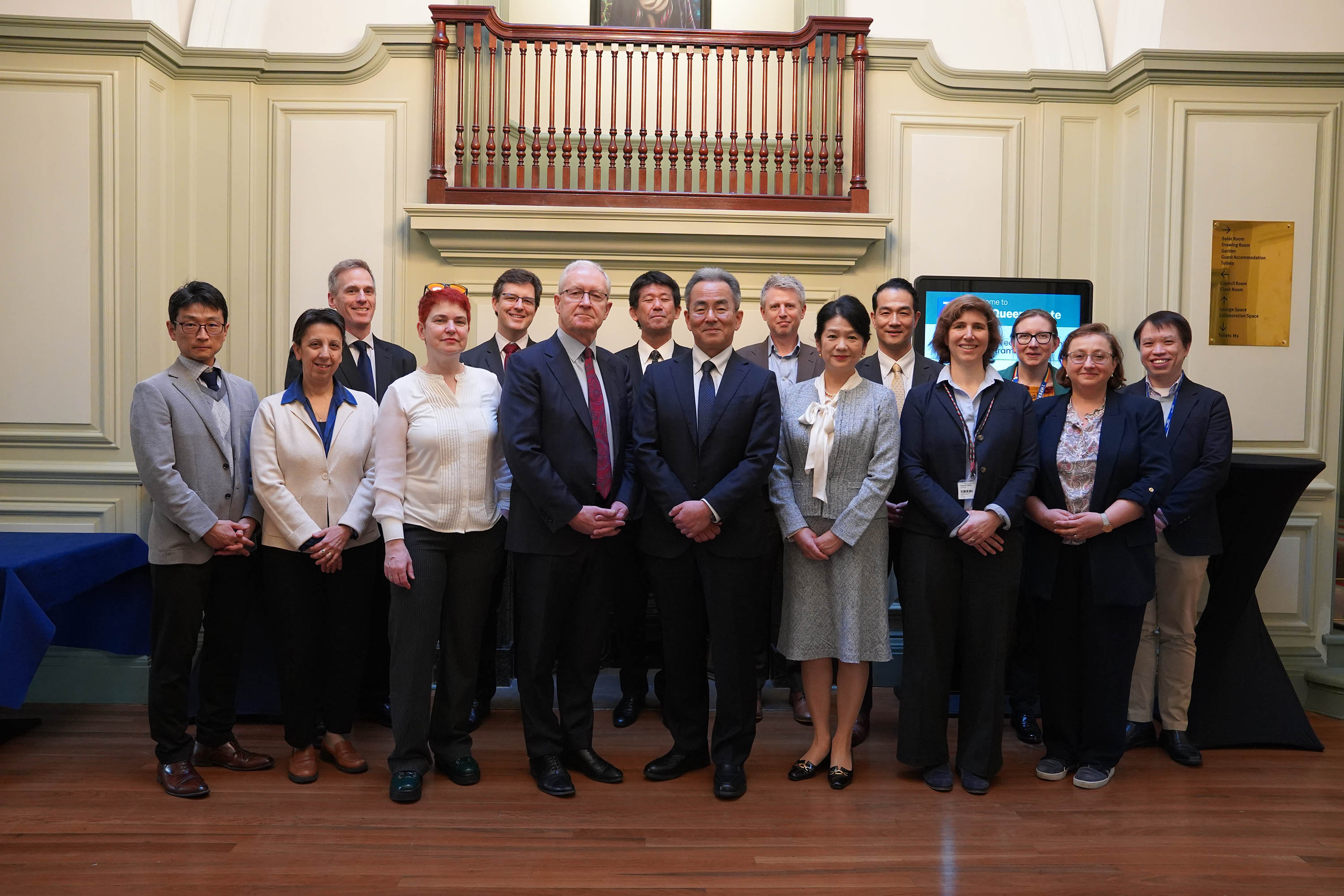
The Hitachi - Imperial Centre for Decarbonisation and Natural Climate Solutions hosted senior leaders from Hitachi’s Research & Development Group at Imperial College London on 25 February 2026, welcoming them for a curated programme demonstrating Imperial’s world-leading research strengths, global networks and interdisciplinary capabilities.
The visit highlighted the strong partnership focused around the Hitachi-Imperial Centre’s mission to advance decarbonisation, climate repair and evidence-based policy. The discussion summarised the successes to date, including pioneering work on carbon removal, biodiversity intelligence and decarbonisation pathways.
Professor Hugh Brady, President of Imperial College London, welcomed the delegation and outlined the university’s global mission, highlighting the enormous value that strategic partners such as Hitachi bring to tackling world problems collaboratively. This was followed by Professor Mary Ryan, Vice-Provost (Research & Enterprise) and Co-Director of the Hitachi–Imperial Centre, who further discussed Imperial’s Science for Humanity Strategy to deliver large-scale, mission-led research, empower talent, and build transformational international partnerships that accelerate scientific and societal impact at scale.
The day also primarily offered Hitachi’s R&D leadership a clear picture of Imperial’s wider scientific ecosystem, policy influence and the culture of innovation that supports the partnership. A central feature of the visit was a session led by the convening Co-Directors of the School of Convergence Science: Professors Anthony Bull, Alessandra Russo, Jonathan Eastwood, and Dr Mirabelle Muûls. Through examples spanning AI living labs, advanced robotics, satellite instrumentation, energy systems modelling and ecosystem analytics, the team illustrated how Imperial integrates disciplines to create system-wide solutions with global relevance. The group discussed the importance of having common goals and putting the right milestones and infrastructure in place to support convergence science.
The group later visited Imperial’s Data Observatory, where large-scale immersive visualisations bring research to life. Demonstrations included robotics for real-world sensing, tracking knowledge flows using patent citations, and interactive insights into the future of work powered by artificial intelligence.
Imperial academics and researchers joined senior Hitachi leaders including Dr Shigetoshi Sameshima and Dr Asako Koike for the visit, which concluded with reflections on the strength of the long-standing relationship between the two organisations.

Hitachi R&D and Imperial Leadership

Prof Kennedy and Hitachi Visitors

Prof Martin and Hitachi Visitors

Robot demonstration
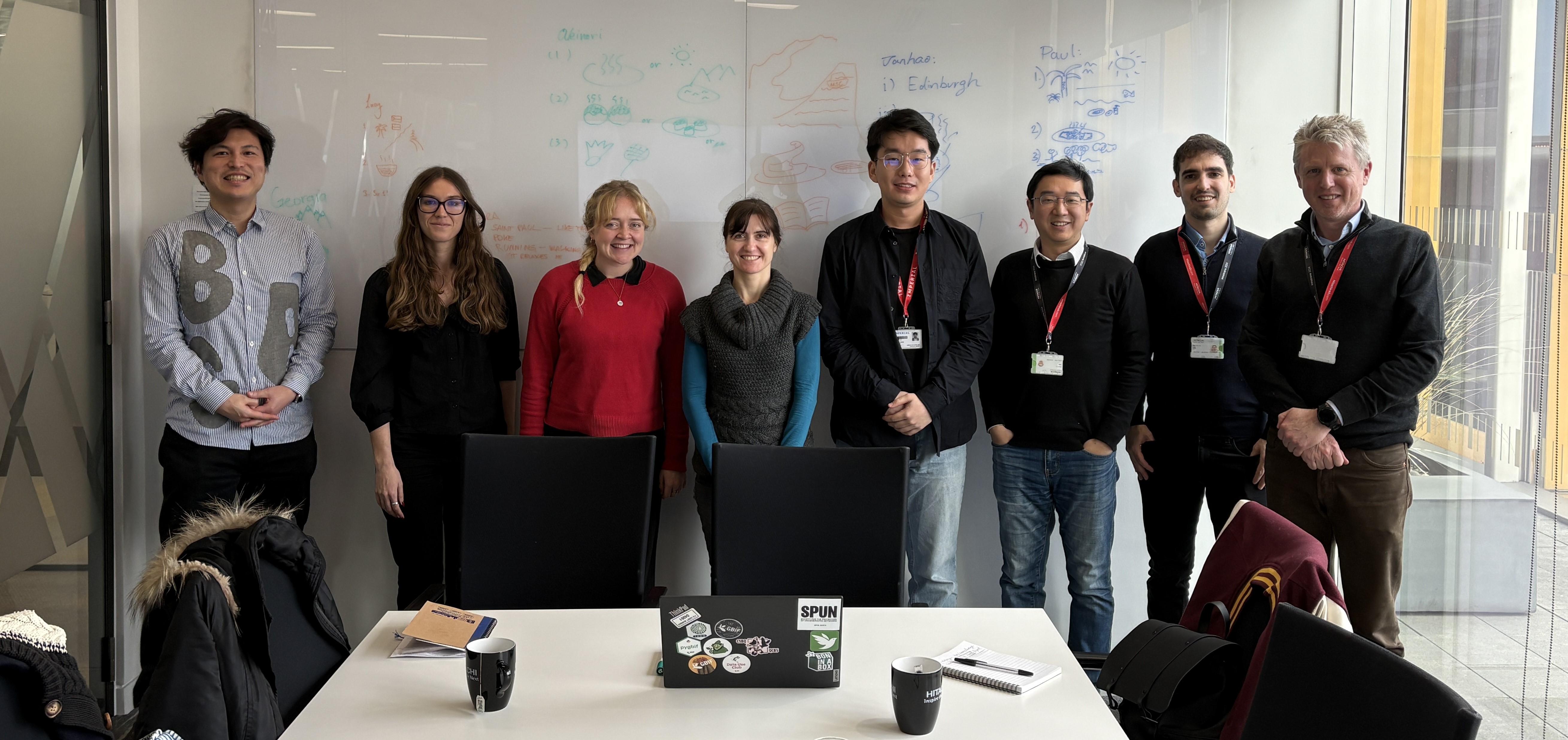 On 25 November 2025, Imperial College London and Hitachi came together at Hitachi’s London offices for a dynamic workshop designed to spark collaboration and deepen mutual understanding. The event brought researchers from both organisations into one room to share ideas, explore synergies, and lay the groundwork for future partnerships.
The day began with a warm welcome and informal networking over coffee, setting the tone for an open and interactive session. Participants then took part in an icebreaker activity that encouraged conversation and helped build connections across disciplines. A highlight of the morning was a presentation from Hitachi, offering insights into the company’s business and research priorities. This session provided valuable context for identifying areas where academic expertise and industry innovation could intersect.
Researchers from Imperial introduced their work through a creative “pair and share” format, allowing everyone to gain a deeper appreciation of the breadth and depth of research taking place. These exchanges revealed exciting overlaps and sparked discussions about the collaborative projects.
The workshop concluded with a forward-looking conversation on next steps: how to stay connected, share resources, and turn ideas into impactful initiatives. Over lunch, participants continued networking, reinforcing the spirit of partnership that defined the day.
This event is part of a broader vision to strengthen collaboration through the Hitachi-Imperial Centre for Decarbonisation and Natural Climate Solutions. Current projects include Regional Strategic Energy Planning for a Just and Resilient Energy Transition, which explores how energy systems can be designed to achieve net zero while ensuring fairness and resilience across regions. Alongside this, PhD projects within the Centre address critical challenges such as carbon accounting, direct air capture technologies, and nature-based climate solutions, equipping the next generation of researchers to lead the transition to a zero-pollution world.
Join Dr. Nadin Moustafa and Dr. Paola Saenz as they explore the groundbreaking work of the Hitachi-Imperial Centre for Decarbonisation and Natural Climate Solutions. The podcast delves into how cutting-edge research and cross-sector collaboration are driving innovative approaches to CO₂ removal, nature-based solutions, and sustainable technologies. Discover how this partnership between Hitachi and Imperial College London is helping to shape a net zero future.

