Dr Robert Peach
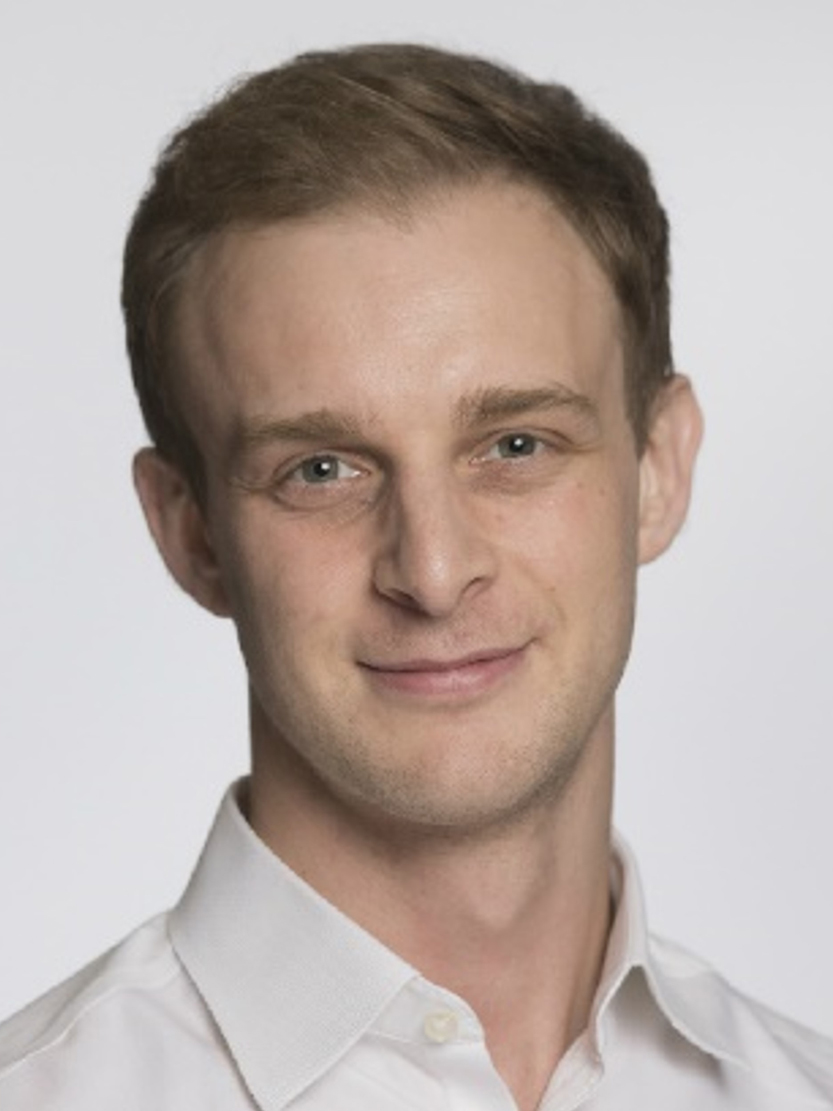 Robert is an Honorary Research Fellow in the Department of Brain Sciences and is a postdoctoral researcher at the University of Wuerzburg. Previously, Robert was a research associate in the Department of Mathematics at Imperial College London and completed his PhD in the application of maths and physical chemistry to biological systems in the Department of Chemistry. Prior to his PhD, Robert completed an MRes in chemical biology at Imperial College and an MPhys at the University of Bristol. Robert's research focuses on the development of mathematical methodologies for investigating complex and dynamical systems, such as the brain. In particular, he is interested in graph theory and its relationships with geometry and machine learning. He is also developing methods for identifying higher order mechanisms and behaviours in observable data and how this can be translated into higher-order network structures.
Email: r.peach13@imperial.ac.uk
Twitter: @RobertPeach15
Dr Jonathan Howard
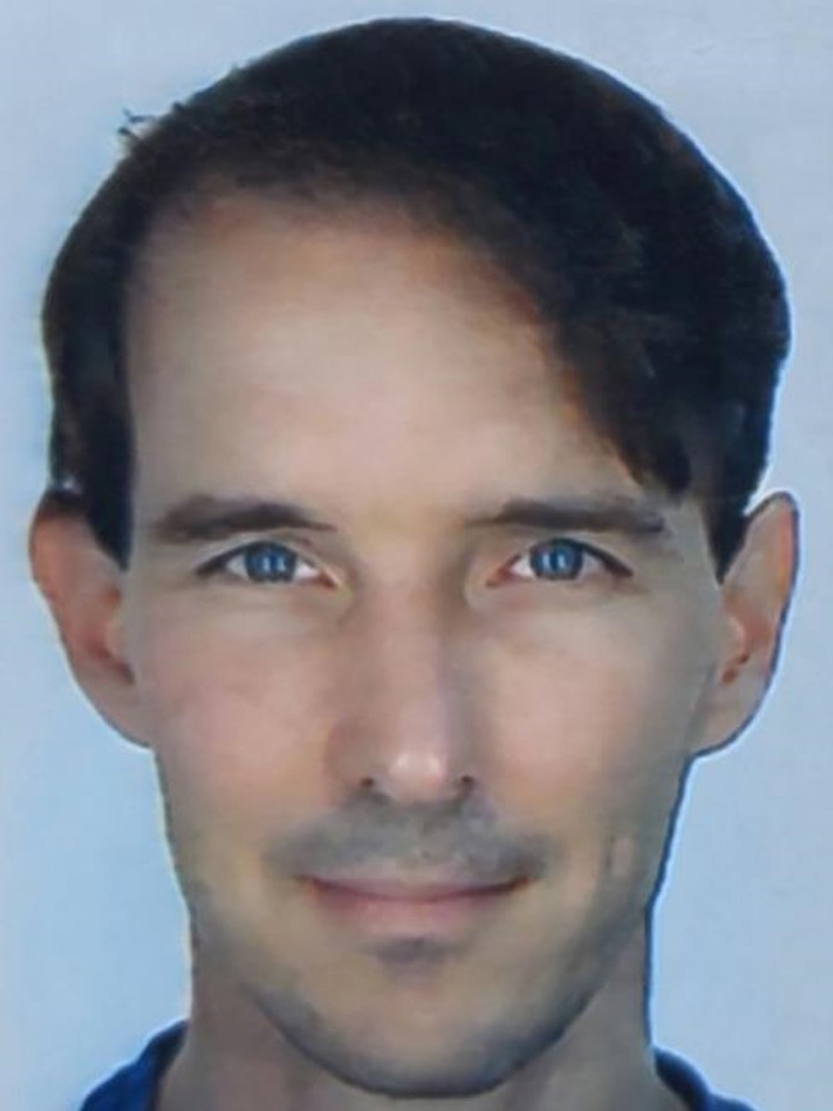 Jonathan is the senior PET/MRI imaging engineer at Perceptive. His Imperial College work focuses on the development of lab technologies for deep brain stimulation in pre-clinical research, and neuromodulation therapies in clinical research.
Jon received a BSc in Electronic Engineering, an MSc in Neuroscience and a PhD in Computational Neuroscience from King's College London. He has a further BSc in Mathematics and is an Imperial College honorary research fellow in Clinical Neurology, Department of Brian Sciences.
Additionally he is the director of Blue Magnet Ltd, a company that provides software development, electronic design, machining, fabrication and 3D printing services for medical research. https://jonathanh13.wixsite.com/bluemagnet
Dr Danielle Kurtin
.jpg) Danielle is a postdoctoral researcher at Imperial College London. Beginning in August 2024, she will commence her Imperial College Research Fellowship investigating the complementary mechanisms of psychedelic drugs and personalised Temporal Interference (TI) brain stimulation. This continues Danielle's research using neuroimaging and neuromodulation to develop a mechanistic understanding of context-dependent brain function and how it goes awry in disease states. Her primary translational focus is addiction research, and the methodology central to her research consists of information and graph theoretic measures of brain state connectivity and dynamics. Previously, Danielle completed her PhD in Computational Neuroscience at the University of Surrey, MSc in Translational Neuroscience at Imperial College London and BSc in Biological Sciences at the University of Florida. Outside of neuroscience, Danielle serves as a trustee on the Board of Directors for UniArk, a registered educational charity in the UK and is the co-founder of a podcast highlighting the global dimensions of addiction, Craving Clarity.
Danielle is a postdoctoral researcher at Imperial College London. Beginning in August 2024, she will commence her Imperial College Research Fellowship investigating the complementary mechanisms of psychedelic drugs and personalised Temporal Interference (TI) brain stimulation. This continues Danielle's research using neuroimaging and neuromodulation to develop a mechanistic understanding of context-dependent brain function and how it goes awry in disease states. Her primary translational focus is addiction research, and the methodology central to her research consists of information and graph theoretic measures of brain state connectivity and dynamics. Previously, Danielle completed her PhD in Computational Neuroscience at the University of Surrey, MSc in Translational Neuroscience at Imperial College London and BSc in Biological Sciences at the University of Florida. Outside of neuroscience, Danielle serves as a trustee on the Board of Directors for UniArk, a registered educational charity in the UK and is the co-founder of a podcast highlighting the global dimensions of addiction, Craving Clarity.
Email:
danielle.kurtin18@imperial.ac.uk
Dr Xiaoqi Zhu
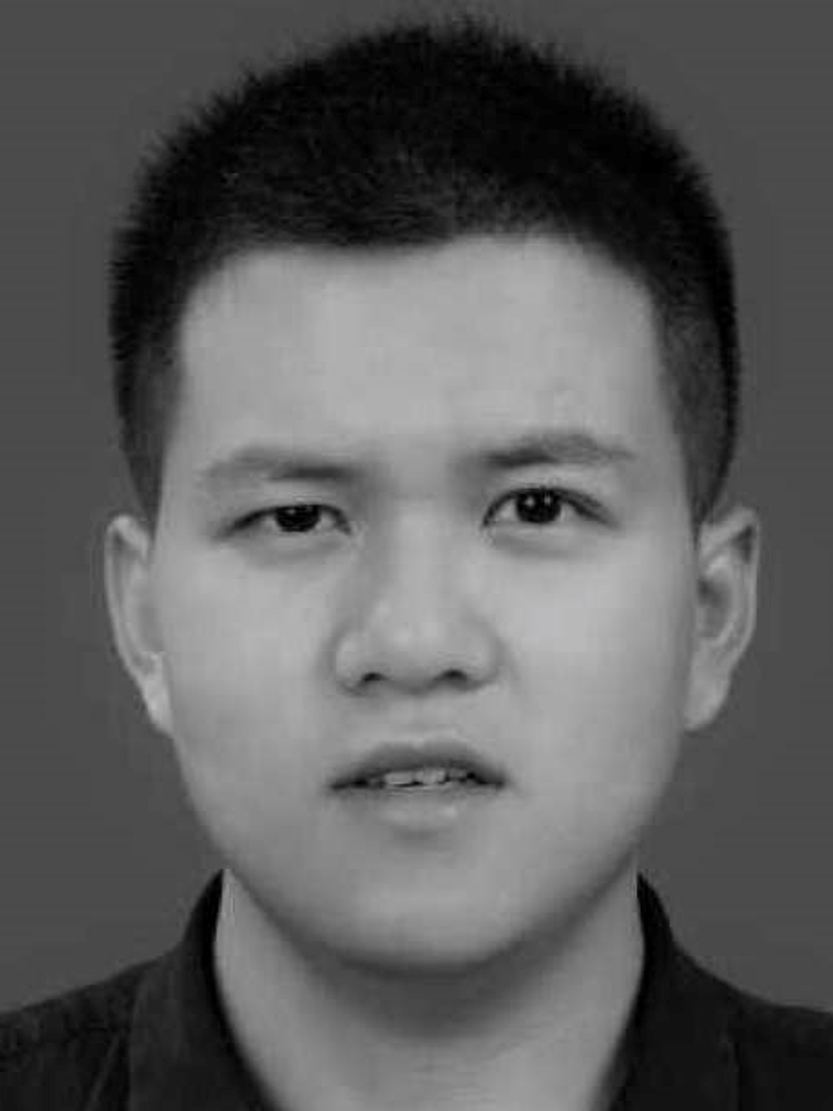 Xiaoqi was a PhD student investigating temporal interference (TI) stimulation, a non-invasive deep brain stimulation technique, via electrophysiological recording in vivo (local field potential, LFP). His project aimed to offer a direct way to investigate the brain responses to electrical stimulation via LFP. He completed his BSc and MRes in Biomedical Engineering at Xi’an Jiaotong University before joining the ISN Lab at Imperial and UK DRI. In his free time, Xiaoqi likes swimming.
Xiaoqi is now an honorary research associate at the ISN lab and serves as a Deputy Director and Junior Scientist of R&D at the Xi'an NeuroDome Medical Technology Co., Ltd.
Email: x.zhu19@imperial.ac.uk
Twitter: @xiaoqi_zhu
Dr Sofia Peressotti
 Sofia is an Honorary Research Associate in the Department of Brain Sciences and Bioengineering, and a postdoctoral researcher at the University of Geneva at Campus Biotech (Zerbi Lab). Previously, Sofia was a PhD student working in the ISN lab on the therapeutic effects of temporal interference (TI) stimulation in pre-clinical, in vitro and in vivo models. Her interests include the development of interventional approaches for brain regeneration. She studies the effects of electrical stimulation on neural stem cells in aging and disease, including adult neurogenesis interventions and cell replacement therapies.
She previously completed a MSc in Bioengineering at Imperial College London with a specialisation on Biomaterials and Tissue Engineering, and a BSc in Biomedical Engineering at Politecnico di Torino, Italy.
Email: sofia.peressotti15@imperial.ac.uk
Twitter: @SofiaPeressotti
General enquiries
Dr Nir Grossman
Senior Lecturer in Dementia Research and Group Leader at the UK DRI
nirg@imperial.ac.uk
+44 (0)20 7594 6805
