Information about studies and surveys
PsilOpioid
 PsilOpioid: A proof of concept randomised controlled trial to investigate psilocybin therapy and brain reward mechanisms in opioid use disorder (OUD). This study aims to test whether psilocybin (a substance found in ‘magic mushrooms’) can be helpful in treating people with opioid use disorder and to find out how this treatment might work. For more information, visit the PsilOpioid study site.
FenDep Study
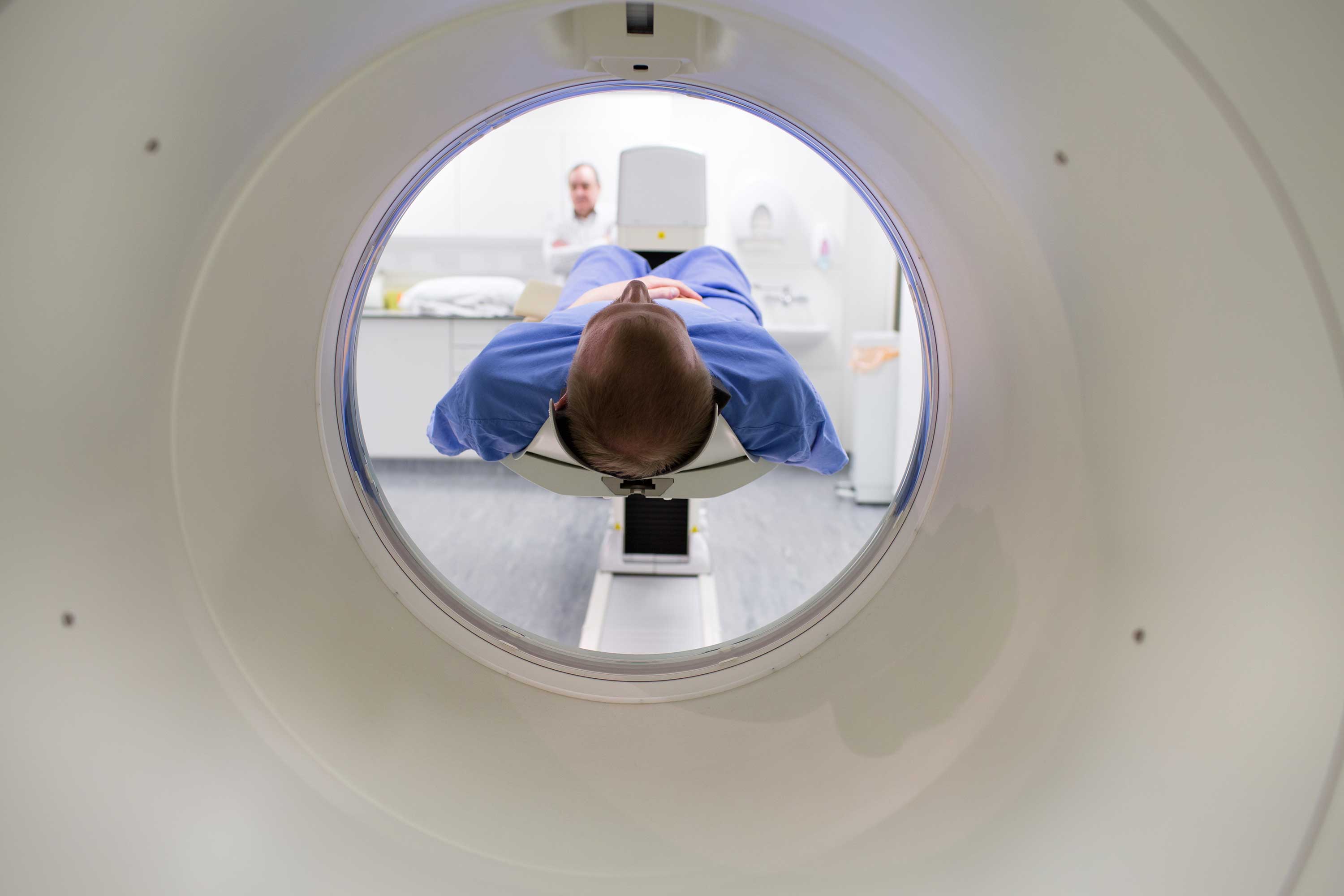 FenDep is a brain imaging study investigating the biological basis of depression, with a primary focus on whether serotonin signalling is reduced. The study uses several imaging techniques, including positron emission tomography (PET), MRI, and EEG. A medication called fenfluramine will be administered to assess serotonin release in the living brain.
The study is recruiting both healthy volunteers and people with depression. Ideally, to get the clearest data, participants with depression will not have tried an antidepressant before. To participate in the study, potential participants with depression will be clinically reviewed by a specialist consultant psychiatrist. The same psychiatrist will then follow these individuals up remotely once the two in-person visits are completed. Healthy volunteers will have the option to undertake a parallel study involving measuring neuroplasticity following psychedelic use. Both healthy controls and individuals with depression will be compensated for their vital contribution to research.
You can read more on the FenDep study site.
PsiloGambling Study

PsiloGambling is a research study investigating how psilocybin affects brain activity, cognitive, psychological and biological processes in people with gambling disorder. Led by the Centre for Psychedelic Research at Imperial College London, the study will use MRI and EEG brain scans, questionnaires, interviews and biological measurements before and after a single supervised dose of psilocybin. We are seeking adults aged 18 or over who have a diagnosis of gambling disorder and are receiving treatment through the National Gambling Clinic. Taking part is voluntary, involves approximately eight study visits over four and a half months, and should not be considered a replacement for treatment. The findings may help researchers better understand gambling disorder and inform future research into psychedelics and addiction.
You can read more on the PsiloGambling study site.
TIDEs Study
 Imperial College London has started a study investigating the brain modification abilities of electrical stimulation and psychedelics. For this study, we seek healthy volunteers (18-65 years old) who are proficient in English, and who do not have a history of psychiatric, neurological or cardiovascular disorders, chronic physical illness and who are not currently taking psychotropic medication. For more information please visit the TIDEs study site.
PsiloIMAGINE
 An experimental medicine study of mental imagery re-scripting enhanced by psilocybin for young people who self-harm. For more information, visit the PsiloIMAGINE study site.
Online survey studies
.jpeg) Meditation retreat survey
Meditation retreat survey
The Meditation Survey aims to characterise the psychological effects and impact of meditation retreats on various effects in mental health and wellbeing. For more information please visit here.
 Psychedelics and couples
Are you planning to take a MDMA, a psychedelic drug/attend a psychedelic retreat with your romantic partner and want to help psychedelic research?
Imperial College London is now investigating the long-term effects of taking psychedelics, MDMA, ketamine, 2C-B, etc.. in romantic couples, from intimacy to attachment styles and sexual satisfaction. For more information visit Psychedelics and Couples Survey.
This study is online and for people in a romantic relationship, however you can also participate by yourself if your partner do not want to participate. One member of the couple must enrol in the study first before receiving a unique link to share the study with their partner. You will be asked to select the date of your experience and you will receive questionnaires at five different timepoints.
 Connectedness study
You are being invited to take part in a research project aimed at identifying video clips that evoke cognitive-emotional states of emotional connection, meaningfulness, big picture thinking, and pleasantness. This project is being run by an international group of scientists at Imperial College London, led by Dr David Erritzoe.
The purpose of this study is to rate a series of videos on how much they make you feel emotional connection, meaningfulness, big picture thinking, and pleasantness.
In this study, you will provide some demographic, personality, and background information about yourself. You will then watch and rate 60 one minute video clips on eight attributes based on how the clips affect you psychologically. Your participation can be completed entirely from a computer internet browser.
The information you provide will inform the task design of future laboratory studies, namely the video stimuli that will be used in the fMRI scanner. For more information visit the Connected Survey