Search or filter publications

Filter by type:

Filter by publication type

Filter by year:

to

Results

  • Showing results for:
  • Reset all filters

Search results

  • Journal article
    Ahmadi Y, Umrekar TR, Mutter N, Beeby M, Barišić Iet al., 2024,

    DNA origami-enhanced binding of aptamers to Staphylococcus aureus cells

    , Biosensors and Bioelectronics X, Vol: 16

    The combination of DNA origami nanostructures and aptamers provides a powerful technology for diagnostic assays. Here, we functionalized a DNA origami nanostructure with a Protein-A binding aptamer to target Staphylococcus aureus bacterial cells. Using an enzyme-linked oligonucleotide assay (ELONA), we semi-quantitatively analyzed and compared the interaction of the aptamer and aptamer-modified DNA origamis with Staphylococcus aureus bacterial isolates. The results showed that aptamer-functionalized DNA nanostructures bind with five times higher affinity (K<inf>D</inf>: 34 ± 5 nM) compared to the aptamer alone (K<inf>D</inf>: 160 ± 9 nM). Visualising the interaction of bacterial cells and nanostructures with electron cryotomography further confirmed the aptamer-mediated specific interaction of DNA nanostructures with bacterial cells.

  • Journal article
    Karamanos TK, Matthews S, 2024,

    Biomolecular NMR in the AI-assisted structural biology era: Old tricks and new opportunities

    , BIOCHIMICA ET BIOPHYSICA ACTA-PROTEINS AND PROTEOMICS, Vol: 1872, ISSN: 1570-9639
  • Journal article
    Manchinu MF, Pala M, Palmas MF, Diana MA, Maschio A, Etzi M, Pisanu A, Diana FI, Marongiu J, Mansueto S, Carboni E, Fusco G, De Simone A, Carta ARet al., 2024,

    Region-specific changes in gene expression are associated with cognitive deficits in the alpha-synuclein-induced model of Parkinson's disease: A transcriptomic profiling study

    , EXPERIMENTAL NEUROLOGY, Vol: 372, ISSN: 0014-4886
  • Journal article
    Eilers K, Hoong Yam JK, Liu X, Goh YF, To K-N, Paracuellos P, Morton R, Brizuela J, Hui Yong AM, Givskov M, Freibert S-A, Bange G, Rice SA, Steinchen W, Filloux Aet al., 2024,

    The dual GGDEF/EAL domain enzyme PA0285 is a Pseudomonas species housekeeping phosphodiesterase regulating early attachment and biofilm architecture

    , Journal of Biological Chemistry, Vol: 300, ISSN: 0021-9258

    Bacterial lifestyles depend on conditions encountered during colonization. The transition between planktonic and biofilm growth is dependent on the intracellular second messenger c-di-GMP. High c-di-GMP levels driven by diguanylate cyclases (DGCs) activity favor biofilm formation, while low levels were maintained by phosphodiesterases (PDE) encourage planktonic lifestyle. The activity of these enzymes can be modulated by stimuli-sensing domains such as Per-ARNT-Sim (PAS). In Pseudomonas aeruginosa, more than 40 PDE/DGC are involved in c-di-GMP homeostasis, including 16 dual proteins possessing both canonical DGC and PDE motifs, that is, GGDEF and EAL, respectively. It was reported that deletion of the EAL/GGDEF dual enzyme PA0285, one of five c-di-GMP–related enzymes conserved across all Pseudomonas species, impacts biofilms. PA0285 is anchored in the membrane and carries two PAS domains. Here, we confirm that its role is conserved in various P. aeruginosa strains and in Pseudomonas putida. Deletion of PA0285 impacts the early stage of colonization, and RNA-seq analysis suggests that expression of cupA fimbrial genes is involved. We demonstrate that the C-terminal portion of PA0285 encompassing the GGDEF and EAL domains binds GTP and c-di-GMP, respectively, but only exhibits PDE activity in vitro. However, both GGDEF and EAL domains are important for PA0285 PDE activity in vivo. Complementation of the PA0285 mutant strain with a copy of the gene encoding the C-terminal GGDEF/EAL portion in trans was not as effective as complementation with the full-length gene. This suggests the N-terminal transmembrane and PAS domains influence the PDE activity in vivo, through modulating the protein conformation.

  • Journal article
    Kennett J, Matthews S, 2024,

    TRUTHFULNESS AND SENSE-MAKING: TWO MODES OF RESPECT FOR AGENCY

    , JOURNAL OF PHILOSOPHY, Vol: 121, Pages: 61-88, ISSN: 0022-362X
  • Journal article
    Beetham CM, Schuster CF, Kviatkovski I, Santiago M, Walker S, Grundling Aet al., 2024,

    Histidine transport is essential for the growth of Staphylococcus aureus at low pH

    , PLoS Pathogens, Vol: 20, ISSN: 1553-7366

    Staphylococcus aureus is an opportunistic pathogen capable of causing many different human diseases. During colonization and infection, S. aureus will encounter a range of hostile environments, including acidic conditions such as those found on the skin and within macrophages. However, little is known about the mechanisms that S. aureus uses to detect and respond to low pH. Here, we employed a transposon sequencing approach to determine on a genome-wide level the genes required or detrimental for growth at low pH. We identified 31 genes that were essential for the growth of S. aureus at pH 4.5 and confirmed the importance of many of them through follow up experiments using mutant strains inactivated for individual genes. Most of the genes identified code for proteins with functions in cell wall assembly and maintenance. These data suggest that the cell wall has a more important role than previously appreciated in promoting bacterial survival when under acid stress. We also identified several novel processes previously not linked to the acid stress response in S. aureus. These include aerobic respiration and histidine transport, the latter by showing that one of the most important genes, SAUSA300_0846, codes for a previously uncharacterized histidine transporter. We further show that under acid stress, the expression of the histidine transporter gene is increased in WT S. aureus. In a S. aureus SAUSA300_0846 mutant strain expression of the histidine biosynthesis genes is induced under acid stress conditions allowing the bacteria to maintain cytosolic histidine levels. This strain is, however, unable to maintain its cytosolic pH to the same extent as a WT strain, revealing an important function specifically for histidine transport in the acid stress response of S. aureus.

  • Journal article
    Tieu M, Matthews S, 2024,

    The Relational Care Framework: Promoting Continuity or Maintenance of Selfhood in Person-Centered Care

    , JOURNAL OF MEDICINE AND PHILOSOPHY, Vol: 49, Pages: 85-101, ISSN: 0360-5310
  • Journal article
    Capstick A, Palermo F, Zakka K, Fletcher-Lloyd N, Walsh C, Cui T, Kouchaki S, Jackson R, Tran M, Crone M, Jensen K, Freemont P, Vaidyanathan R, Kolanko M, True J, Daniels S, Wingfield D, Nilforooshan R, Barnaghi Pet al., 2024,

    Digital remote monitoring for screening and early detection of urinary tract infections

    , npj Digital Medicine, Vol: 7, ISSN: 2398-6352

    Urinary Tract Infections (UTIs) are one of the most prevalent bacterial infections in older adults and a significant contributor to unplanned hospital admissions in People Living with Dementia (PLWD), with early detection being crucial due to the predicament of reporting symptoms and limited help-seeking behaviour. The most common diagnostic tool is urine sample analysis, which can be time-consuming and is only employed where UTI clinical suspicion exists. In this method development and proof-of-concept study, participants living with dementia were monitored via low-cost devices in the home that passively measure activity, sleep, and nocturnal physiology. Using 27828 person-days of remote monitoring data (from 117 participants), we engineered features representing symptoms used for diagnosing a UTI. We then evaluate explainable machine learning techniques in passively calculating UTI risk and perform stratification on scores to support clinical translation and allow control over the balance between alert rate and sensitivity and specificity. The proposed UTI algorithm achieves a sensitivity of 65.3% (95% Confidence Interval (CI) = 64.3–66.2) and specificity of 70.9% (68.6–73.1) when predicting UTIs on unseen participants and after risk stratification, a sensitivity of 74.7% (67.9–81.5) and specificity of 87.9% (85.0–90.9). In addition, feature importance methods reveal that the largest contributions to the predictions were bathroom visit statistics, night-time respiratory rate, and the number of previous UTI events, aligning with the literature. Our machine learning method alerts clinicians of UTI risk in subjects, enabling earlier detection and enhanced screening when considering treatment.

  • Journal article
    Filloux A, 2024,

    Bacterial type VI secretion system helps prevent cheating in microbial communities

    , The ISME Journal: multidisciplinary journal of microbial ecology, Vol: 18, ISSN: 1751-7362
  • Journal article
    Zamora-Caballero S, Chmielowska C, Quiles-Puchalt N, Brady A, Del Sol FG, Mancheño-Bonillo J, Felipe-Ruíz A, Meijer WJJ, Penades JR, Marina Aet al., 2024,

    Antagonistic interactions between phage and host factors control arbitrium lysis-lysogeny decision.

    , Nature Reviews Microbiology, Vol: 9, Pages: 161-172, ISSN: 1740-1526

    Phages can use a small-molecule communication arbitrium system to coordinate lysis-lysogeny decisions, but the underlying mechanism remains unknown. Here we determined that the arbitrium system in Bacillus subtilis phage phi3T modulates the bacterial toxin-antitoxin system MazE-MazF to regulate the phage life cycle. We show that phi3T expresses AimX and YosL, which bind to and inactivate MazF. AimX also inhibits the function of phi3T_93, a protein that promotes lysogeny by binding to MazE and releasing MazF. Overall, these mutually exclusive interactions promote the lytic cycle of the phage. After several rounds of infection, the phage-encoded AimP peptide accumulates intracellularly and inactivates the phage antiterminator AimR, a process that eliminates aimX expression from the aimP promoter. Therefore, when AimP increases, MazF activity promotes reversion back to lysogeny, since AimX is absent. Altogether, our study reveals the evolutionary strategy used by arbitrium to control lysis-lysogeny by domesticating and fine-tuning a phage-defence mechanism.

  • Journal article
    Zhang X, Gao F, Ye F, Zhang B, Cronin N, Buck Met al., 2024,

    Structural basis of s54 displacement and promoter escape in bacterial transcription

    , Proceedings of the National Academy of Sciences of USA, ISSN: 0027-8424

    Gene transcription is a fundamental cellular process carried out by RNA polymerase (RNAP). Transcription initiation is highly regulated and in bacteria, transcription initiation is mediated by sigma (σ) factors. σ recruits RNAP to the promoter DNA region, located upstream oftranscription start site (TSS), and facilitates open complex formation, where double stranded DNA is opened up into a transcription bubble and template strand DNA is positioned inside RNAP for initial RNA synthesis. During initial transcription, RNAP remains bound to sigma andupstream DNA, presumably with an enlarging transcription bubble. The release of RNAP fromupstream DNA is required for promoter escape and processive transcription elongation. Bacteria sigma factors can be broadly separated into two classes with the majority belonging to the σ70 class, represented by the σ70 that regulates housekeeping genes. σ54 forms a class on its own and regulates stress response genes. Extensive studies on σ70 have revealed the molecularmechanisms of σ70 dependent process while how σ54 transitions from initial transcription to elongation is currently unknown. Here we present a series of cryo electron microscopy structures of the RNAP-σ54 initial transcribing complexes with progressively longer RNA, which reveal structural changes that lead to promoter escape. Our data show that initially, the transcription bubble enlarges, DNA strands scrunch, reducing the interactions between σ54 and DNA strands in the transcription bubble. RNA extension and further DNA scrunching help to release RNAP from σ54 and upstream DNA, enabling the transition to elongation.

  • Journal article
    Seddon C, Frankel G, Beis K, 2024,

    Structure of the outer membrane porin OmpW from the pervasive pathogen Klebsiella pneumoniae

    , Acta Crystallographica Section F: Structural Biology and Crystallization Communications Online, Vol: 80, Pages: 22-27, ISSN: 1744-3091

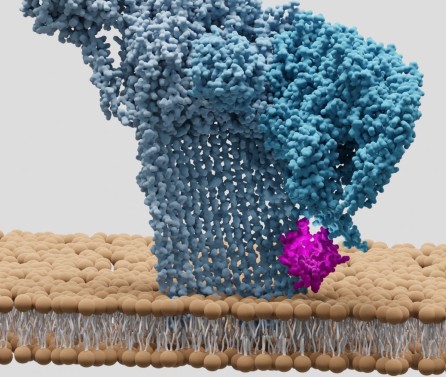
    Conjugation is the process by which plasmids, including those that carry antibiotic-resistance genes, are mobilized from one bacterium (the donor) to another (the recipient). The conjugation efficiency of IncF-like plasmids relies on the formation of mating-pair stabilization via intimate interactions between outer membrane proteins on the donor (a plasmid-encoded TraN isoform) and recipient bacteria. Conjugation of the R100-1 plasmid into Escherichia coli and Klebsiella pneumoniae (KP) recipients relies on pairing between the plasmid-encoded TraNα in the donor and OmpW in the recipient. Here, the crystal structure of K. pneumoniae OmpW (OmpWKP) is reported at 3.2 Å resolution. OmpWKP forms an eight-stranded β-barrel flanked by extracellular loops. The structures of E. coli OmpW (OmpWEC) and OmpWKP show high conservation despite sequence variability in the extracellular loops.

  • Journal article
    Sugiura M, Kimura M, Shimamoto N, Nakamura M, Koyama K, Selles J, Boussac A, Rutherford Aet al., 2024,

    Tuning of the ChlD1 and ChlD2 properties in photosystem II by site-directed mutagenesis of neighbouring amino acids

    , BBA: Bioenergetics, Vol: 1865, ISSN: 0005-2728

    Photosystem II is the water/plastoquinone photo-oxidoreductase of photosynthesis. The photochemistry and catalysis occur in a quasi-symmetrical heterodimer, D1D2, that evolved from a homodimeric ancestor. Here, we studied site-directed mutants in PSII from the thermophilic cyanobacterium Thermosynechoccocus elongatus, focusing on the primary electron donor chlorophyll a in D1, ChlD1, and on its symmetrical counterpart in D2, ChlD2, which does not play a direct photochemical role. The main conserved amino acid specific to ChlD1 is D1/T179, which H-bonds the water ligand to its Mg2+, while its counterpart near ChlD2 is the non-H-bonding D2/I178. The symmetrical-swapped mutants, D1/T179I and D2/I178T, and a second ChlD2 mutant, D2/I178H, were studied. The D1 mutations affected the 686 nm absorption attributed to ChlD1, while the D2 mutations affected a 663 nm feature, tentatively attributed to ChlD2. The mutations had little effect on enzyme activity and forward electron transfer, reflecting the robustness of the overall enzyme function. In contrast, the mutations significantly affected photodamage and protective mechanisms, reflecting the importance of redox tuning in these processes. In D1/T179I, the radical pair recombination triplet on ChlD1 was shared onto a pheophytin, presumably PheD1 and the detection of 3PheD1 supports the proposed mechanism for the anomalously short lifetime of 3ChlD1; e.g. electron transfer quenching by QA− of 3PheD1 after triplet transfer from 3ChlD1. In D2/I178T, a charge separation could occur between ChlD2 and PheD2, a reaction that is thought to occur in ancestral precursors of PSII. These mutants help understand the evolution of asymmetry in PSII.

  • Journal article
    Di Pilato V, Codda G, Niccolai C, Willison E, Wong JLC, Coppo E, Frankel G, Marchese A, Rossolini GMet al., 2024,

    Functional features of KPC-109, a novel 270-loop KPC-3 mutant mediating resistance to avibactam-based ,B-lactamase inhibitor combinations and cefiderocol

    , INTERNATIONAL JOURNAL OF ANTIMICROBIAL AGENTS, Vol: 63, ISSN: 0924-8579
  • Journal article
    Beltrán L, Torsilieri H, Patkowski JB, Yang JE, Casanova J, Costa TRD, Wright ER, Egelman EHet al., 2024,

    The mating pilus of E. coli pED208 acts as a conduit for ssDNA during horizontal gene transfer

    , mBio, Vol: 15, ISSN: 2150-7511

    Bacteria are constantly exchanging DNA, which constitutes horizontal gene transfer. While some of these occurs by a non-specific process called natural transformation, some occurs by a specific mating between a donor and a recipient cell. In specific conjugation, the mating pilus is extended from the donor cell to make contact with the recipient cell, but whether DNA is actually transferred through this pilus or by another mechanism involving the type IV secretion system complex without the pilus has been an open question. Using Escherichia coli, we show that DNA can be transferred through this pilus between a donor and a recipient cell that has not established a tight mating junction, providing a new picture for the role of this pilus.

  • Journal article
    Ignatiou A, Macé K, Redzej A, Costa TRD, Waksman G, Orlova EVet al., 2024,

    Structural Analysis of Protein Complexes by Cryo-Electron Microscopy.

    , Methods Mol Biol, Vol: 2715, Pages: 431-470

    Structural studies of bio-complexes using single particle cryo-Electron Microscopy (cryo-EM) is nowadays a well-established technique in structural biology and has become competitive with X-ray crystallography. Development of digital registration systems for electron microscopy images and algorithms for the fast and efficient processing of the recorded images and their following analysis has facilitated the determination of structures at near-atomic resolution. The latest advances in EM have enabled the determination of protein complex structures at 1.4-3 Å resolution for an extremely broad range of sizes (from ~100 kDa up to hundreds of MDa (Bartesaghi et al., Science 348(6239):1147-1151, 2015; Herzik et al., Nat Commun 10:1032, 2019; Wu et al., J Struct Biol X 4:100020, 2020; Zhang et al., Nat Commun 10:5511, 2019; Zhang et al., Cell Res 30(12):1136-1139, 2020; Yip et al., Nature 587(7832):157-161, 2020; https://www.ebi.ac.uk/emdb/statistics/emdb_resolution_year )). In 2022, nearly 1200 structures deposited to the EMDB database were at a resolution of better than 3 Å ( https://www.ebi.ac.uk/emdb/statistics/emdb_resolution_year ).To date, the highest resolutions have been achieved for apoferritin, which comprises a homo-oligomer of high point group symmetry (O432) and has rigid organization together with high stability (Zhang et al., Cell Res 30(12):1136-1139, 2020; Yip et al., Nature 587(7832):157-161, 2020). It has been used as a test object for the assessments of modern cryo-microscopes and processing methods during the last 5 years. In contrast to apoferritin bacterial secretion systems are typical examples of multi protein complexes exhibiting high flexibility owing to their functions relating to the transportation of small molecules, proteins, and DNA into the extracellular space or target cells. This makes their structural characterization extremely challenging (Barlow, Methods Mol Biol 532:397-411, 2009; Costa et al., Nat Rev Micr

  • Journal article
    Rismondo J, Gründling A, 2024,

    Type I Lipoteichoic Acid (LTA) Purification by Hydrophobic Interaction Chromatography and Structural Analysis by 2D Nuclear Magnetic Resonance (NMR) Spectroscopy.

    , Methods Mol Biol, Vol: 2727, Pages: 107-124

    Type I lipoteichoic acid (LTA) is a glycerol phosphate polymer found in the cell envelope of diverse Gram-positive bacteria. The glycerol phosphate backbone is often further decorated with D-alanine and/or sugar residues. Here, we provide details of a 1-butanol extraction and purification method of type I LTA by hydrophobic interaction chromatography. The protocol has been adapted from methods originally described by Fischer et al. (Eur J Biochem 133:523-530, 1983) and further optimized by Morath et al. (J Exp Med 193:393-397, 2001). We also present information on a 2D nuclear magnetic resonance (NMR) analysis method to gain chemical and structural information of the purified LTA material.

  • Journal article
    Millership C, Gründling A, 2024,

    Type I Lipoteichoic Acid (LTA) Detection by Western Blot.

    , Methods Mol Biol, Vol: 2727, Pages: 95-106

    Type I lipoteichoic acid (LTA) is a glycerol phosphate polymer found in the cell envelope of diverse Gram-positive bacteria including Staphylococcus aureus, Bacillus subtilis, and Listeria monocytogenes. The polymer is linked by a lipid anchor to the outer leaflet of the bacterial membrane and in some bacteria can also be shed and detected in the culture supernatant. Here, we describe a simple and rapid western blot method for the detection of Type I LTA in bacterial cell extracts and culture supernatant fractions using a polyglycerol phosphate specific monoclonal LTA antibody.

  • Journal article
    Herzog MK-M, Cazzaniga M, Peters A, Shayya N, Beldi L, Hapfelmeier S, Heimesaat MMM, Bereswill S, Frankel G, Gahan CGM, Hardt W-Det al., 2023,

    Mouse models for bacterial enteropathogen infections: insights into the role of colonization resistance

    , GUT MICROBES, Vol: 15, ISSN: 1949-0976
  • Journal article
    Brady A, Cabello-Yeves E, Gallego Del Sol F, Chmielowska C, Mancheño-Bonillo J, Zamora-Caballero S, Omer SB, Torres-Puente M, Eldar A, Quiles-Puchalt N, Marina A, Penadés JRet al., 2023,

    Characterization of a unique repression system present in arbitrium phages of the SPbeta family

    , Cell Host and Microbe, Vol: 31, Pages: 2023-2037.e8, ISSN: 1931-3128

    Arbitrium-coding phages use peptides to communicate and coordinate the decision between lysis and lysogeny. However, the mechanism by which these phages establish lysogeny remains unknown. Here, focusing on the SPbeta phage family's model phages phi3T and SPβ, we report that a six-gene operon called the "SPbeta phages repressor operon" (sro) expresses not one but two master repressors, SroE and SroF, the latter of which folds like a classical phage integrase. To promote lysogeny, these repressors bind to multiple sites in the phage genome. SroD serves as an auxiliary repressor that, with SroEF, forms the repression module necessary for lysogeny establishment and maintenance. Additionally, the proteins SroABC within the operon are proposed to constitute the transducer module, connecting the arbitrium communication system to the activity of the repression module. Overall, this research sheds light on the intricate and specialized repression system employed by arbitrium SPβ-like phages in making lysis-lysogeny decisions.

  • Journal article
    Ghani L, Kim S, Ehsan M, Lan B, Poulsen IH, Dev C, Katsube S, Byrne B, Guan L, Loland CJ, Liu X, Im W, Chae PSet al., 2023,

    Melamine-cored glucosides for membrane protein solubilization and stabilization: importance of water-mediated intermolecular hydrogen bonding in detergent performance

    , Chemical Science, Vol: 14, Pages: 13014-13024, ISSN: 2041-6520

    Membrane proteins play essential roles in a number of biological processes, and their structures are important in elucidating such processes at the molecular level and also for rational drug design and development. Membrane protein structure determination is notoriously challenging compared to that of soluble proteins, due largely to the inherent instability of their structures in non-lipid environments. Micelles formed by conventional detergents have been widely used for membrane protein manipulation, but they are suboptimal for long-term stability of membrane proteins, making downstream characterization difficult. Hence, there is an unmet need for the development of new amphipathic agents with enhanced efficacy for membrane protein stabilization. In this study, we designed and synthesized a set of glucoside amphiphiles with a melamine core, denoted melamine-cored glucosides (MGs). When evaluated with four membrane proteins (two transporters and two G protein-coupled receptors), MG-C11 conferred notably enhanced stability compared to the commonly used detergents, DDM and LMNG. These promising findings are mainly attributed to a unique feature of the MGs, i.e., the ability to form dynamic water-mediated hydrogen-bond networks between detergent molecules, as supported by molecular dynamics simulations. Thus, MG-C11 is the first example of a non-peptide amphiphile capable of forming intermolecular hydrogen bonds within a protein-detergent complex environment. Detergent micelles formed via a hydrogen-bond network could represent the next generation of highly effective membrane-mimetic systems useful for membrane protein structural studies.

  • Journal article
    Jobbins AM, Yu S, Paterson HAB, Maude H, Kefala-Stavridi A, Speck C, Cebola I, Vernia Set al., 2023,

    Pre-RNA splicing in metabolic homeostasis and liver disease

    , Trends in Endocrinology and Metabolism, Vol: 34, Pages: 823-837, ISSN: 1043-2760

    The liver plays a key role in sensing nutritional and hormonal inputs to maintain metabolic homeostasis. Recent studies into pre-mRNA splicing and alternative splicing (AS) and their effects on gene expression have revealed considerable transcriptional complexity in the liver, both in health and disease. While the contribution of these mechanisms to cell and tissue identity is widely accepted, their role in physiological and pathological contexts within tissues is just beginning to be appreciated. In this review, we showcase recent studies on the splicing and AS of key genes in metabolic pathways in the liver, the effect of metabolic signals on the spliceosome, and therapeutic intervention points based on RNA splicing.

  • Journal article
    Berezin C-T, Aguilera LU, Billerbeck S, Bourne PE, Densmore D, Freemont P, Gorochowski TE, Hernandez SI, Hillson NJ, King CR, Kopke M, Ma S, Miller KM, Moon TS, Moore JH, Munsky B, Myers CJ, Nicholas DA, Peccoud SJ, Zhou W, Peccoud Jet al., 2023,

    Ten simple rules for managing laboratory information

    , PLOS COMPUTATIONAL BIOLOGY, Vol: 19, ISSN: 1553-734X
  • Journal article
    Andrews M, Baum J, Gilson PR, Wilson DWet al., 2023,

    Bottoms up! Malaria parasite invasion the right way around

    , TRENDS IN PARASITOLOGY, Vol: 39, Pages: 1004-1013, ISSN: 1471-4922
  • Journal article
    Beattie JW, Rowland-Jones RC, Farys M, Bettany H, Hilton D, Kazarian SG, Byrne Bet al., 2023,

    Application of Raman spectroscopy to dynamic binding capacity analysis

    , Applied Spectroscopy, Vol: 77, Pages: 1393-1400, ISSN: 0003-7028

    Protein A affinity chromatography is a key step in isolation of biotherapeutics (BTs) containing fragment crystallizable regions, including monoclonal and bispecific antibodies. Dynamic binding capacity (DBC) analysis assesses how much BT will bind to a protein A column. DBC reduces with column usage, effectively reducing the amount of recovered product over time. Drug regulatory bodies mandate chromatography resin lifetime for BT isolation, through measurement of parameters including DBC, so this feature is carefully monitored in industrial purification pipelines. High-performance affinity chromatography (HPAC) is typically used to assess the concentration of BT, which when loaded to the column results in significant breakthrough of BT in the flowthrough. HPAC gives an accurate assessment of DBC and how this changes over time but only reports on protein concentration, requires calibration for each new BT analyzed, and can only be used offline. Here we utilized Raman spectroscopy and revealed that this approach is at least as effective as both HPAC and ultraviolet chromatogram methods at monitoring DBC of protein A resins. In addition to reporting on protein concentration, the chemical information in the Raman spectra provides information on aggregation status and protein structure, providing extra quality controls to industrial bioprocessing pipelines. In combination with partial least square (PLS) analysis, Raman spectroscopy can be used to determine the DBC of a BT without prior calibration. Here we performed Raman analysis offline in a 96-well plate format, however, it is feasible to perform this inline. This study demonstrates the power of Raman spectroscopy as a significantly improved approach to DBC monitoring in industrial pipelines.

  • Journal article
    Stepien P, Swiatek S, Robles MYY, Markiewicz-Mizera J, Balakrishnan D, Inaba-Inoue S, De Vries AH, Beis K, Marrink SJ, Heddle JGet al., 2023,

    CRAFTing Delivery of Membrane Proteins into Protocells using Nanodiscs

    , ACS APPLIED MATERIALS & INTERFACES, Vol: 15, Pages: 56689-56701, ISSN: 1944-8244
  • Journal article
    Khala M, Hare C, Karde V, Heng JYYet al., 2023,

    A regime map for dry powder coating: the influence of material properties and process parameters

    , Frontiers in Chemical Engineering, Vol: 5, ISSN: 2673-2718

    A numerical study is carried out to investigate the combined influence of material properties and process parameters on coating quality in a high shear mixer (specifically an FT4 Powder Rheometer) to construct a regime map. The Discrete Element Method (DEM) is employed to simulate a range of material properties (size, density, and surface energy) and process parameters (impeller speed and mixing time) via Design of Experiments (DoE). A robust regime map is proposed for prediction of dry coating performance based on dimensionless Stokes deformation number (Stdef) and granular Bond number (Bo). The regime map provides insight on the optimal range of material properties and process parameters to achieve high coating levels in a high-shear bladed mixer. Furthermore, the minimum energy required to achieve optimal coating performance as well as regions of poor coating quality due to guest detachment exacerbated by excessive energy input can be identified from the regime map, thus reducing wastage of energy and coating material required. The regime map enables the required mixing time for optimal coating to be determined so long as particle size distributions and surface energies are known.

  • Journal article
    De Wannemaeker L, Mey F, Bervoets I, Ver Cruysse M, Baldwin GS, De Mey Met al., 2023,

    Standardization of Fluorescent Reporter Assays in Synthetic Biology across the Visible Light Spectrum

    , ACS SYNTHETIC BIOLOGY, Vol: 12, Pages: 3591-3607, ISSN: 2161-5063
  • Journal article
    Nanev C, Saridakis E, Chayen N, 2023,

    Growing crystals for x-ray free-electron laser structural studies of biomolecules and their complexes

    , International Journal of Molecular Sciences, Vol: 24, ISSN: 1422-0067

    Currently, X-ray crystallography, which typically uses synchrotron sources, remains the dominant method for structural determination of proteins and other biomolecules. However, small protein crystals do not provide sufficiently high-resolution diffraction patterns and suffer radiation damage; therefore, conventional X-ray crystallography needs larger protein crystals. The burgeoning method of serial crystallography using X-ray free-electron lasers (XFELs) avoids these challenges: it affords excellent structural data from weakly diffracting objects, including tiny crystals. An XFEL is implemented by irradiating microjets of suspensions of microcrystals with very intense X-ray beams. However, while the method for creating microcrystalline microjets is well established, little attention is given to the growth of high-quality nano/microcrystals suitable for XFEL experiments. In this study, in order to assist the growth of such crystals, we calculate the mean crystal size and the time needed to grow crystals to the desired size in batch crystallization (the predominant method for preparing the required microcrystalline slurries); this time is reckoned theoretically both for microcrystals and for crystals larger than the upper limit of the Gibbs–Thomson effect. The impact of the omnipresent impurities on the growth of microcrystals is also considered quantitatively. Experiments, performed with the model protein lysozyme, support the theoretical predictions.

  • Journal article
    Ren R, Cai S, Fang X, Wang X, Zhang Z, Damiani M, Hudlerova C, Rosa A, Hope J, Cook NJ, Gorelkin P, Erofeev A, Novak P, Badhan A, Crone M, Freemont P, Taylor GP, Tang L, Edwards C, Shevchuk A, Cherepanov P, Luo Z, Tan W, Korchev Y, Ivanov AP, Edel JBet al., 2023,

    Multiplexed detection of viral antigen and RNA using nanopore sensing and encoded molecular probes

    , Nature Communications, Vol: 14, ISSN: 2041-1723

    We report on single-molecule nanopore sensing combined with position-encoded DNA molecular probes, with chemistry tuned to simultaneously identify various antigen proteins and multiple RNA gene fragments of SARS-CoV-2 with high sensitivity and selectivity. We show that this sensing strategy can directly detect spike (S) and nucleocapsid (N) proteins in unprocessed human saliva. Moreover, our approach enables the identification of RNA fragments from patient samples using nasal/throat swabs, enabling the identification of critical mutations such as D614G, G446S, or Y144del among viral variants. In particular, it can detect and discriminate between SARS-CoV-2 lineages of wild-type B.1.1.7 (Alpha), B.1.617.2 (Delta), and B.1.1.539 (Omicron) within a single measurement without the need for nucleic acid sequencing. The sensing strategy of the molecular probes is easily adaptable to other viral targets and diseases and can be expanded depending on the application required.

This data is extracted from the Web of Science and reproduced under a licence from Thomson Reuters. You may not copy or re-distribute this data in whole or in part without the written consent of the Science business of Thomson Reuters.

Request URL: http://www.imperial.ac.uk:80/respub/WEB-INF/jsp/search-t4-html.jsp Request URI: /respub/WEB-INF/jsp/search-t4-html.jsp Query String: id=290&limit=30&resgrpMemberPubs=true&page=10&respub-action=search.html Current Millis: 1784265755443 Current Time: Fri Jul 17 06:22:35 BST 2026