Search or filter publications

Filter by type:

Filter by publication type

Filter by year:

to

Results

  • Showing results for:
  • Reset all filters

Search results

  • Journal article
    Webb A, Allan F, Kelwick R, Beshah F, Kinunghi S, Templeton MR, Emery A, Freemont Pet al., 2022,

    Specific Nucleic AcId Ligation for the detection of Schistosomes: SNAILS

    , PLOS Neglected Tropical Diseases, Vol: 16, Pages: 1-19, ISSN: 1935-2727

    Schistosomiasis, also known as bilharzia or snail fever, is a debilitating neglected tropical disease (NTD), caused by parasitic trematode flatworms of the genus Schistosoma, that has an annual mortality rate of 280,000 people in sub-Saharan Africa alone. Schistosomiasis is transmitted via contact with water bodies that are home to the intermediate host snail which shed the infective cercariae into the water. Schistosome lifecycles are complex, and while not all schistosome species cause human disease, endemic regions also typically feature animal infecting schistosomes that can have broader economic and/or food security implications. Therefore, the development of species-specific Schistosoma detection technologies may help to inform evidence-based local environmental, food security and health systems policy making. Crucially, schistosomiasis disproportionally affects low- and middle-income (LMIC) countries and for that reason, environmental screening of water bodies for schistosomes may aid with the targeting of water, sanitation, and hygiene (WASH) interventions and preventive chemotherapy to regions at highest risk of schistosomiasis transmission, and to monitor the effectiveness of such interventions at reducing the risk over time. To this end, we developed a DNA-based biosensor termed Specific Nucleic AcId Ligation for the detection of Schistosomes or ‘SNAILS’. Here we show that ‘SNAILS’ enables species-specific detection from genomic DNA (gDNA) samples that were collected from the field in endemic areas.

  • Journal article
    Zhang K, Li S, Wang Y, Wang Z, Mulvenna N, Yang H, Zhang P, Chen H, Li Y, Wang H, Gao Y, Wigneshweraraj S, Matthews S, Zhang K, Liu Bet al., 2022,

    Bacteriophage protein PEIP is a potent<i> Bacillus</i><i> subtilis</i> enolase inhibitor

    , CELL REPORTS, Vol: 40, ISSN: 2211-1247
  • Journal article
    Youn T, Yoon S, Byrne B, Chae PSet al., 2022,

    Foldable Detergents for Membrane Protein Stability

    , ChemBioChem: a European journal of chemical biology, Vol: 23, Pages: 1-5, ISSN: 1439-4227

    Detergents are widely used for membrane protein structural study. Many recently developed detergents contain multiple tail and head groups, which are typically connected via a small and branched linker. Due to their inherent compact structures, with small inter-alkyl chain distances, these detergents form micelles with high alkyl chain density in the interiors, a feature favorably associated with membrane-protein stability. A recent study on tandem triazine maltosides (TZMs) revealed a distinct trend; despite possession of an apparently large inter-alkyl chain distance, the TZM−Es were highly effective at stabilizing membrane proteins. Thanks to the incorporation of a flexible spacer between the two triazine rings in the linker region, these detergents are prone to folding into a compact architecture in micellar environments instead of adopting an extended conformation. Detergent foldability represents a new concept of novel detergent design with significant potential for future detergent development.

  • Journal article
    Verma V, Mitchell H, Guo M, Hodnett BK, Heng JYYet al., 2022,

    Studying the impact of the pre-exponential factor on templated nucleation

    , Faraday Discussions, Vol: 235, Pages: 199-218, ISSN: 1359-6640

    Traditionally, the enhancement of nucleation rates in the presence of heterogeneous surfaces in crystallisation processes has been attributed to the modification of the interfacial energy of the system according to the classical nucleation theory. However, recent developments have shown that heterogeneous surfaces instead alter the pre-exponential factor of nucleation. In this work, the nucleation kinetics of glycine and diglycine in aqueous solutions have been explored in the presence and absence of a heterogeneous surface. Results from induction time experiments show that the presence of a heterogeneous surface increases the pre-exponential factor by 2-fold or more for both glycine and diglycine, while the interfacial energy remains unchanged for both species. This study suggests that the heterogeneous surface enhances the nucleation rate via hydrogen bond formation with both glycine and diglycine. This is verified by hydrogen bond propensity calculations, molecular functionality analysis, and calculation of the time taken for a solute molecule to attach to the growing nucleus, which is an order of magnitude shorter than the estimated lifetime of the hydrogen bond. The effect of the heterosurface is of greater magnitude for diglycine than for glycine, which may be due to the heightened molecular complementarity between the hydrogen bond donor and acceptor sites on diglycine and the heterosurface.

  • Journal article
    Ouyang J, Xing X, Zhou L, Zhang C, Heng JYYet al., 2022,

    Cocrystal design of vanillin with amide drugs: Crystal structure determination, solubility enhancement, DFT calculation

    , Chemical Engineering Research and Design, Vol: 183, Pages: 170-180, ISSN: 0263-8762

    Vanillin (VAN) is widely used in medicine, food and optoelectronics, but its low solubility leads to the decrease of bioavailability and increase of application costs. Three APIs-nicotinamide (NIC), isonicotinamide (INM) and isoniazid (INH) were chosen to form cocrystals with VAN, aiming at improving the solubility of VAN and APIs simultaneously. Two cocrystals (VAN-NIC, VAN-INM) were obtained through cocrystallization while VAN reacted with INH to form one novel compound (VAN-INH). The crystal structures were characterized by single-crystal X-ray diffraction (SCXRD), Powder X-ray diffraction (PXRD), Fourier-Transform Infrared Spectroscopy (FT-IR) and Differential Scanning Calorimetry (DSC). The melting temperatures of VAN-NIC and VAN-INM cocrystals are between this of VAN and APIs. Compared with pure VAN and APIs, the solubility and dissolution rate of VAN-NIC and VAN-INM are significantly increased. The melting temperature of VAN-INH is greater than that of VAN and INH, and the solubility and dissolution rate is not increased significantly. The intermolecular energy between VAN and APIs as well as lattice energies of cocrystals/novel compound were computed to elucidate the formation mechanism and stability. The present investigation opens a new pathway for the development of natural product-drug cocrystals to improve solubility and dissolution rate of natural product.

  • Journal article
    David S, Wong JLC, Sanchez-Garrido J, Kwong H-S, Low WW, Morecchiato F, Giani T, Rossolini GM, Brett SJ, Clements A, Beis K, Aanensen DM, Frankel Get al., 2022,

    Widespread emergence of OmpK36 loop 3 insertions among multidrug-resistant clones of Klebsiella pneumoniae.

    , PLoS Pathogens, Vol: 18, Pages: 1-23, ISSN: 1553-7366

    Mutations in outer membrane porins act in synergy with carbapenemase enzymes to increase carbapenem resistance in the important nosocomial pathogen, Klebsiella pneumoniae (KP). A key example is a di-amino acid insertion, Glycine-Aspartate (GD), in the extracellular loop 3 (L3) region of OmpK36 which constricts the pore and restricts entry of carbapenems into the bacterial cell. Here we combined genomic and experimental approaches to characterise the diversity, spread and impact of different L3 insertion types in OmpK36. We identified L3 insertions in 3588 (24.1%) of 14,888 KP genomes with an intact ompK36 gene from a global collection. GD insertions were most common, with a high concentration in the ST258/512 clone that has spread widely in Europe and the Americas. Aspartate (D) and Threonine-Aspartate (TD) insertions were prevalent in genomes from Asia, due in part to acquisitions by KP sequence types ST16 and ST231 and subsequent clonal expansions. By solving the crystal structures of novel OmpK36 variants, we found that the TD insertion causes a pore constriction of 41%, significantly greater than that achieved by GD (10%) or D (8%), resulting in the highest levels of resistance to selected antibiotics. We show that in the absence of antibiotics KP mutants harbouring these L3 insertions exhibit both an in vitro and in vivo competitive disadvantage relative to the isogenic parental strain expressing wild type OmpK36. We propose that this explains the reversion of GD and TD insertions observed at low frequency among KP genomes. Finally, we demonstrate that strains expressing L3 insertions remain susceptible to drugs targeting carbapenemase-producing KP, including novel beta lactam-beta lactamase inhibitor combinations. This study provides a contemporary global view of OmpK36-mediated resistance mechanisms in KP, integrating surveillance and experimental data to guide treatment and drug development strategies.

  • Journal article
    Meier-Credo J, Preiss L, Wiillenweber I, Resemann A, Nordmann C, Zabret J, Suckau D, Michel H, Nowaczyk MM, Meier T, Langer JDet al., 2022,

    Top-Down Identification and Sequence Analysis of Small Membrane Proteins Using MALDI-MS/MS

    , JOURNAL OF THE AMERICAN SOCIETY FOR MASS SPECTROMETRY, ISSN: 1044-0305
  • Journal article
    Penades J, Gallego del Sol F, Quiles-Puchalt N, Brady A, Marina Aet al., 2022,

    Insights into the mechanism of action of the arbitrium communication system in SPbeta phages

    , Nature Communications, Vol: 13, ISSN: 2041-1723

    The arbitrium system is employed by phages of the SPbeta family to communicate with their progeny during infection to decide either to follow the lytic or the lysogenic cycle. The system is controlled by a peptide, AimP, that binds to the regulator AimR, inhibiting its DNA-binding activity and expression of aimX. Although the structure of AimR has been elucidated for phages SPβ and phi3T, there is still controversy regarding the molecular mechanism of AimR function, with two different proposed models for SPβ. In this study, we deepen our understanding of the system by solving the structure of an additional AimR that shows chimerical characteristics with the SPβ receptor. The crystal structures of this AimR (apo, AimP-bound and DNA-bound) together with in vitro and in vivo analyses confirm a mechanism of action by AimP-induced conformational restriction, shedding light on peptide specificity and cross regulation with relevant biological implications.

  • Journal article
    Macé K, Vadakkepat AK, Redzej A, Lukoyanova N, Oomen C, Braun N, Ukleja M, Lu F, Dias da Costa T, Orlova EV, Baker D, Cong Q, Waksman Get al., 2022,

    Cryo-EM structure of a type IV secretion system

    , Nature, Vol: 607, ISSN: 0028-0836

    Bacterial conjugation is the fundamental process of unidirectional transfer of DNAs, often plasmid DNAs, from a donor cell to a recipient cell1. It is the primary means by which antibiotic resistance genes spread among bacterial populations2,3. In Gram-negative bacteria, conjugation is mediated by a large transport apparatus-the conjugative type IV secretion system (T4SS)-produced by the donor cell and embedded in both its outer and inner membranes. The T4SS also elaborates a long extracellular filament-the conjugative pilus-that is essential for DNA transfer4,5. Here we present a high-resolution cryo-electron microscopy (cryo-EM) structure of a 2.8 megadalton T4SS complex composed of 92 polypeptides representing 8 of the 10 essential T4SS components involved in pilus biogenesis. We added the two remaining components to the structural model using co-evolution analysis of protein interfaces, to enable the reconstitution of the entire system including the pilus. This structure describes the exceptionally large protein-protein interaction network required to assemble the many components that constitute a T4SS and provides insights on the unique mechanism by which they elaborate pili.

  • Journal article
    Tamaki F, Fisher F, Milne R, Teran FS-R, Wiedemar N, Wrobel K, Edwards D, Baumann H, Gilbert IH, Baragana B, Baum J, Wyllie Set al., 2022,

    High-Throughput Screening Platform To Identify Inhibitors of Protein Synthesis with Potential for the Treatment of Malaria

    , ANTIMICROBIAL AGENTS AND CHEMOTHERAPY, Vol: 66, ISSN: 0066-4804
  • Journal article
    Dixon TA, Freemont PS, Johnson RA, Pretorius ISet al., 2022,

    A global forum on synthetic biology: the need for international engagement

    , NATURE COMMUNICATIONS, Vol: 13
  • Journal article
    Navarro-Paya C, Sanz-Hernandez M, De Simone A, 2022,

    Plasticity of Membrane Binding by the Central Region of α-Synuclein

    , FRONTIERS IN MOLECULAR BIOSCIENCES, Vol: 9
  • Journal article
    Low WW, Wong J, Beltran L, Seddon C, David S, Kwong H-S, Bizeau T, Wang F, Pena A, Costa TRD, Pham B, Chen M, Egelman E, Beis K, Frankel Get al., 2022,

    Mating pair stabilization mediates bacterial conjugation species specificity

    , Nature Microbiology, Vol: 7, Pages: 1016-1027, ISSN: 2058-5276

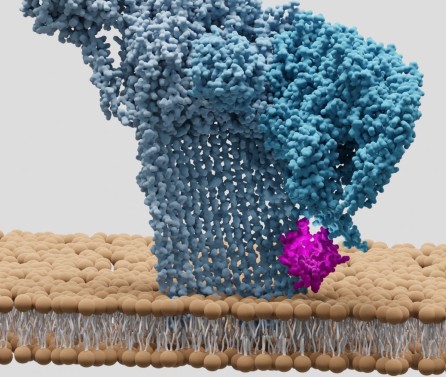
    Bacterial conjugation mediates contact-dependent transfer of DNA from donor to recipient bacteria, thus facilitating thespread of virulence and resistance plasmids. Here we describe how variants of the plasmid-encoded donor outer membrane(OM) protein TraN cooperate with distinct OM receptors in recipients to mediate mating pair stabilization and efficient DNAtransfer. We show that TraN from the plasmids pKpQIL (Klebsiella pneumoniae), R100-1 (Shigella flexneri) and pSLT (SalmonellaTyphimurium), and the prototypical F plasmid (Escherichia coli) interact with OmpK36, OmpW and OmpA, respectively.Cryo-EM analysis revealed that TraN pKpQIL interacts with OmpK36 through the insertion of a β-hairpin in the tip of TraN intoa monomer of the OmpK36 trimer. Combining bioinformatic analysis with AlphaFold structural predictions, we identified afourth TraN structural variant that mediates mating pair stabilization by binding OmpF. Accordingly, we devised a classifica-tion scheme for TraN homologues on the basis of structural similarity and their associated receptors: TraNα (OmpW), TraNβ(OmpK36), TraNγ (OmpA), TraNδ (OmpF). These TraN-OM receptor pairings have real-world implications as they reflect thedistribution of resistance plasmids within clinical Enterobacteriaceae isolates, demonstrating the importance of mating pairstabilization in mediating conjugation species specificity. These findings will allow us to predict the distribution of emergingresistance plasmids in high-risk bacterial pathogens.

  • Journal article
    Couves E, Bubeck D, 2022,

    Capturing pore-forming intermediates of MACPF and binary toxin assemblies by cryoEM

    , Current Opinion in Structural Biology, Vol: 75, ISSN: 0959-440X

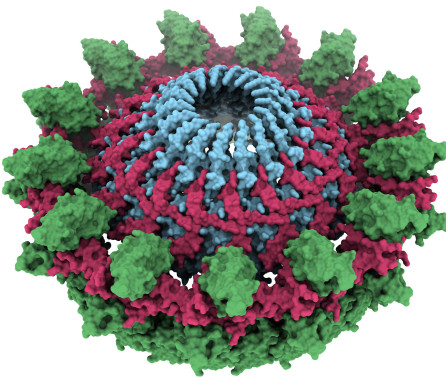
    Deployed by both pathogenic bacteria and host immune systems, pore-forming proteins rupture target membranes and can serve as conduits for effector proteins. Understanding how these proteins work relies on capturing assembly intermediates. Advances in cryoEM allowing in silico purification of heterogeneous assemblies has led to new insights into two main classes of pore-forming proteins: membrane attack complex perforin (MACPF) proteinsand binary toxins. The structure of an immune activation complex, sMAC, shows how pores form by sequential templating and insertion of b-hairpins. CryoEM structures of bacterial binary toxins present a series of transitions along the pore formation pathway and reveal a general mechanism of effector protein translocation. Future developments in time-resolvedcryoEM could capture and place short-lived states along the trajectory of pore-formation.

  • Journal article
    Ye C, Wang A, Breakwell C, Tan R, Grazia Bezzu C, Hunter-Sellars E, Williams DR, Brandon NP, Klusener PAA, Kucernak AR, Jelfs KE, McKeown NB, Song Qet al., 2022,

    Development of efficient aqueous organic redox flow batteries using ion-sieving sulfonated polymer membranes.

    , Nat Commun, Vol: 13

    Redox flow batteries using aqueous organic-based electrolytes are promising candidates for developing cost-effective grid-scale energy storage devices. However, a significant drawback of these batteries is the cross-mixing of active species through the membrane, which causes battery performance degradation. To overcome this issue, here we report size-selective ion-exchange membranes prepared by sulfonation of a spirobifluorene-based microporous polymer and demonstrate their efficient ion sieving functions in flow batteries. The spirobifluorene unit allows control over the degree of sulfonation to optimize the transport of cations, whilst the microporous structure inhibits the crossover of organic molecules via molecular sieving. Furthermore, the enhanced membrane selectivity mitigates the crossover-induced capacity decay whilst maintaining good ionic conductivity for aqueous electrolyte solution at pH 9, where the redox-active organic molecules show long-term stability. We also prove the boosting effect of the membranes on the energy efficiency and peak power density of the aqueous redox flow battery, which shows stable operation for about 120 h (i.e., 2100 charge-discharge cycles at 100 mA cm-2) in a laboratory-scale cell.

  • Journal article
    Xie SC, Metcalfe RD, Dunn E, Morton CJ, Huang S-C, Puhalovich T, Du Y, Wittlin S, Nie S, Luth MR, Ma L, Kim M-S, Pasaje CFA, Kumpornsin K, Giannangelo C, Houghton FJ, Churchyard A, Famodimu MT, Barry DC, Gillett DL, Dey S, Kosasih CC, Newman W, Niles JC, Lee MCS, Baum J, Ottilie S, Winzeler EA, Creek DJ, Williamson N, Parker MW, Brand S, Langston SP, Dick LR, Griffin MDW, Gould AE, Tilley Let al., 2022,

    Reaction hijacking of tyrosine tRNA synthetase as a new whole-of-life-cycle antimalarial strategy

    , SCIENCE, Vol: 376, Pages: 1074-+, ISSN: 0036-8075
  • Journal article
    Gerard CJJ, Briuglia ML, Rajoub N, Mastropietro TF, Chen W, Heng JYY, Di Profio G, ter Horst JHet al., 2022,

    Template-assisted crystallization behavior in stirred solutions of the monoclonal antibody Anti-CD20: probability distributions of induction times

    , Crystal Growth and Design, Vol: 22, Pages: 3637-3645, ISSN: 1528-7483

    We present a method to determine the template crystallization behavior of proteins. This method is a statistical approach that accounts for the stochastic nature of nucleation. It makes use of batch-wise experiments under stirring conditions in volumes smaller than 0.3 mL to save material while mimicking larger-scale processes. To validate our method, it was applied to the crystallization of a monoclonal antibody of pharmaceutical interest, Anti-CD20. First, we determined the Anti-CD20 phase diagram in a PEG-400/Na2SO4/water system using the batch method, as, to date, no such data on Anti-CD20 solubility have been reported. Then, the probability distribution of induction times was determined experimentally, in the presence of various mesoporous silica template particles, and crystallization of Anti-CD20 in the absence of templates was compared to template-assisted crystallization. The probability distribution of induction times is shown to be a suitable method to determine the effect of template particles on protein crystallization. The induction time distribution allows for the determination of two key parameters of nucleation, the nucleation rate and the growth time. This study shows that the use of silica particles leads to faster crystallization and a higher nucleation rate. The template particle characteristics are shown to be critical parameters to efficiently promote protein crystallization.

  • Journal article
    Higginson EE, Nkeze J, Permala-Booth J, Kasumba IN, Lagos R, Hormazabal JC, Byrne A, Frankel G, Levine MM, Tennant SMet al., 2022,

    Detection of Salmonella Typhi in Bile by Quantitative Real-Time PCR

    , MICROBIOLOGY SPECTRUM, Vol: 10, ISSN: 2165-0497
  • Journal article
    Knoppová J, Sobotka R, Yu J, Bečková M, Pilný J, Trinugroho JP, Csefalvay L, Bína D, Nixon PJ, Komenda Jet al., 2022,

    Assembly of D1/D2 complexes of photosystem II: binding of pigments and a network of auxiliary proteins

    , Plant Physiology, Vol: 189, Pages: 790-804, ISSN: 0032-0889

    Photosystem II (PSII) is the multi-subunit light-driven oxidoreductase that drives photosynthetic electron transport using electrons extracted from water. To investigate the initial steps of PSII assembly, we used strains of the cyanobacterium Synechocystis sp. PCC 6803 arrested at early stages of PSII biogenesis and expressing affinity-tagged PSII subunits to isolate PSII reaction center assembly (RCII) complexes and their precursor D1 and D2 modules (D1mod and D2mod). RCII preparations isolated using either a His-tagged D2 or a FLAG-tagged PsbI subunit contained the previously described RCIIa and RCII* complexes that differ with respect to the presence of the Ycf39 assembly factor and high-light-inducible proteins (Hlips) and a larger complex consisting of RCIIa bound to monomeric PSI. All RCII complexes contained the PSII subunits D1, D2, PsbI, PsbE, and PsbF and the assembly factors rubredoxin A (RubA) and Ycf48, but we also detected PsbN, Slr1470, and the Slr0575 proteins, which all have plant homologs. The RCII preparations also contained prohibitins/stomatins (Phbs) of unknown function and FtsH protease subunits. RCII complexes were active in light-induced primary charge separation and bound chlorophylls, pheophytins, beta-carotenes, and heme. The isolated D1mod consisted of D1/PsbI/Ycf48 with some Ycf39 and Phb3, while D2mod contained D2/cytochrome b559 with co-purifying PsbY, Phb1, Phb3, FtsH2/FtsH3, CyanoP, and Slr1470. As stably bound chlorophyll was detected in D1mod but not D2mod, formation of RCII appears to be important for stable binding of most of the chlorophylls and both pheophytins. We suggest that chlorophyll can be delivered to RCII from either monomeric PSI or Ycf39/Hlip complexes.

  • Journal article
    Ouyang J, Xing X, Chen J, Zhou L, Liu Z, Heng JYYet al., 2022,

    Effects of solvent, supersaturation ratio and silica template on morphology and polymorph evolution of vanillin during swift cooling crystallization

    , PARTICUOLOGY, Vol: 65, Pages: 93-104, ISSN: 1674-2001
  • Journal article
    Sanchez Garrido J, Ruano-Gallego D, Choudhary JS, Frankel Get al., 2022,

    The type III secretion system effector network hypothesis

    , Trends in Microbiology, Vol: 30, Pages: 524-533, ISSN: 0966-842X

    Type III secretion system (T3SS) effectors are key virulence factors that underpin the infection strategy of many clinically important Gram-negative pathogens, including Salmonella enterica, Shigella spp, enteropathogenic and enterohaemorrhagic Escherichia coli and their murine equivalent, Citrobacter rodentium. The cellular processes or proteins targeted by the effectors can be common to multiple pathogens or pathogen-specific. The main approach to understanding T3SS-mediated pathogenesis has been to determine the contribution of one effector at a time, with the aim to piece together individual functions and unveil infection mechanisms. However, in contrast to this prevailing approach, simultaneous deletion of multiple effectors revealed that they function as an interconnected network in vivo, uncoveringeffector co-dependency and context-dependent effector essentiality. This paradigm shift in T3SS biology is at the heart of this opinion.

  • Journal article
    Lockwood DC, Amin H, Costa TRD, Schroeder GNet al., 2022,

    The Legionella pneumophila Dot/Icm type IV secretion system and its effectors

    , Microbiology, Vol: 168, ISSN: 1350-0872

    To prevail in the interaction with eukaryotic hosts, many bacterial pathogens use protein secretion systems to release virulence factors at the host–pathogen interface and/or deliver them directly into host cells. An outstanding example of the complexity and sophistication of secretion systems and the diversity of their protein substrates, effectors, is the Defective in organelle trafficking/Intracellular multiplication (Dot/Icm) Type IVB secretion system (T4BSS) of Legionella pneumophila and related species. Legionella species are facultative intracellular pathogens of environmental protozoa and opportunistic human respiratory pathogens. The Dot/Icm T4BSS translocates an exceptionally large number of effectors, more than 300 per L. pneumophila strain, and is essential for evasion of phagolysosomal degradation and exploitation of protozoa and human macrophages as replicative niches. Recent technological advancements in the imaging of large protein complexes have provided new insight into the architecture of the T4BSS and allowed us to propose models for the transport mechanism. At the same time, significant progress has been made in assigning functions to about a third of L. pneumophila effectors, discovering unprecedented new enzymatic activities and concepts of host subversion. In this review, we describe the current knowledge of the workings of the Dot/Icm T4BSS machinery and provide an overview of the activities and functions of the to-date characterized effectors in the interaction of L. pneumophila with host cells.

  • Journal article
    Rattu P, Glencross F, Mader SL, Skylaris C-K, Matthews SJ, Rouse SL, Khalid Set al., 2022,

    Corrigendum to “Atomistic level characterisation of ssDNA translocation through the E. coli proteins CsgG and CsgF for nanopore sequencing” [Comput. Struct. Biotechnol. J. 19 (2021) 6417–6430]

    , Computational and Structural Biotechnology Journal, Vol: 20, Pages: 1027-1027, ISSN: 2001-0370

    Corrigendum to original article: https://doi.org/10.1016/j.csbj.2021.11.014

  • Journal article
    Saleh A, Noguchi Y, Aramayo R, Ivanova ME, Stevens KM, Montoya A, Sunidhi S, Carranza NL, Skwark MJ, Speck Cet al., 2022,

    The structural basis of Cdc7-Dbf4 kinase dependent targeting and phosphorylation of the MCM2-7 double hexamer

    , Nature Communications, Vol: 13, ISSN: 2041-1723

    The controlled assembly of replication forks is critical for genome stability. The Dbf4-dependent Cdc7 kinase (DDK) initiates replisome assembly by phosphorylating the MCM2-7 replicative helicase at the N-terminal tails of Mcm2, Mcm4 and Mcm6. At present, it remains poorly understood how DDK docks onto the helicase and how the kinase targets distal Mcm subunits for phosphorylation. Using cryo-electron microscopy and biochemical analysis we discovered that an interaction between the HBRCT domain of Dbf4 with Mcm2 serves as an anchoring point, which supports binding of DDK across the MCM2-7 double-hexamer interface and phosphorylation of Mcm4 on the opposite hexamer. Moreover, a rotation of DDK along its anchoring point allows phosphorylation of Mcm2 and Mcm6. In summary, our work provides fundamental insights into DDK structure, control and selective activation of the MCM2-7 helicase during DNA replication. Importantly, these insights can be exploited for development of novel DDK inhibitors.

  • Journal article
    Chee Wezen X, Chandran A, Eapen RS, Waters E, Bricio-Moreno L, Tosi T, Dolan S, Millership C, Kadioglu A, Gründling A, Itzhaki LS, Welch M, Rahman Tet al., 2022,

    Structure-based discovery of lipoteichoic acid synthase inhibitors.

    , Journal of Chemical Information and Modeling, Vol: 62, Pages: 2586-2599, ISSN: 1549-9596

    Lipoteichoic acid synthase (LtaS) is a key enzyme for the cell wall biosynthesis of Gram-positive bacteria. Gram-positive bacteria that lack lipoteichoic acid (LTA) exhibit impaired cell division and growth defects. Thus, LtaS appears to be an attractive antimicrobial target. The pharmacology around LtaS remains largely unexplored with only two small-molecule LtaS inhibitors reported, namely "compound 1771" and the Congo red dye. Structure-based drug discovery efforts against LtaS remain unattempted due to the lack of an inhibitor-bound structure of LtaS. To address this, we combined the use of a molecular docking technique with molecular dynamics (MD) simulations to model a plausible binding mode of compound 1771 to the extracellular catalytic domain of LtaS (eLtaS). The model was validated using alanine mutagenesis studies combined with isothermal titration calorimetry. Additionally, lead optimization driven by our computational model resulted in an improved version of compound 1771, namely, compound 4 which showed greater affinity for binding to eLtaS than compound 1771 in biophysical assays. Compound 4 reduced LTA production in S. aureus dose-dependently, induced aberrant morphology as seen for LTA-deficient bacteria, and significantly reduced bacteria titers in the lung of mice infected with S. aureus. Analysis of our MD simulation trajectories revealed the possible formation of a transient cryptic pocket in eLtaS. Virtual screening (VS) against the cryptic pocket led to the identification of a new class of inhibitors that could potentiate β-lactams against methicillin-resistant S. aureus. Our overall workflow and data should encourage further drug design campaign against LtaS. Finally, our work reinforces the importance of considering protein conformational flexibility to a successful VS endeavor.

  • Journal article
    Kaplan M, Oikonomou CM, Wood CR, Chreifi G, Subramanian P, Ortega DR, Chang Y-W, Beeby M, Shaffer CL, Jensen GJet al., 2022,

    Novel transient cytoplasmic rings stabilize assembling bacterial flagellar motors

    , EMBO JOURNAL, Vol: 41, ISSN: 0261-4189
  • Journal article
    Cawood EE, Clore GM, Karamanos TK, 2022,

    Microsecond Backbone Motions Modulate the Oligomerization of the DNAJB6 Chaperone.

    , Angew Chem Weinheim Bergstr Ger, Vol: 134, ISSN: 0044-8249

    DNAJB6 is a prime example of an anti-aggregation chaperone that functions as an oligomer. DNAJB6 oligomers are dynamic and subunit exchange is critical for inhibiting client protein aggregation. The T193A mutation in the C-terminal domain (CTD) of DNAJB6 reduces both chaperone self-oligomerization and anti-aggregation of client proteins, and has recently been linked to Parkinson's disease. Here, we show by NMR, including relaxation-based methods, that the T193A mutation has minimal effects on the structure of the β-stranded CTD but increases the population and rate of formation of a partially folded state. The results can be rationalized in terms of β-strand peptide plane flips that occur on a timescale of ≈100 μs and lead to global changes in the overall pleat/flatness of the CTD, thereby altering its ability to oligomerize. These findings help forge a link between chaperone dynamics, oligomerization and anti-aggregation activity which may possibly lead to new therapeutic avenues tuned to target specific substrates.

  • Journal article
    Link FJ, Heng JYY, 2022,

    Unraveling the impact of pH on the crystallization of pharmaceutical proteins: a case study of human insulin

    , Crystal Growth and Design, Vol: 22, Pages: 3024-3033, ISSN: 1528-7483

    One of the most crucial parameters in protein crystallization is pH, as it governs the protein’s electrostatic interactions. However, the fundamental role of pH on crystallization still remains unknown. Here, we systematically investigated the crystallization of human insulin (isoelectric point 5.3) at various pHs between 6.0 and 6.7 at different supersaturation ratios, up to 20.9. Our results demonstrate that the pH has an opposing effect on solubility and nucleation rate as a shift in pH toward a more basic milieu increases the solubility by 5-fold while the onset of nucleation was accelerated by a maximum of 8.6-fold. To shed light on this opposing effect, we evaluated the protein–protein interactions as a function of pH by measuring the second virial coefficient and hydrodynamic radius and showed that a change in pH of less than one unit has no significant impact on the protein–protein interactions. As it is widely understood that the increase in protein solubility as a function of pH is due to the increase in the repulsive electrostatic interactions, we have demonstrated that the increase in insulin solubility and decrease in the onset of nucleation are independent of the protein–protein interactions. We hypothesize that it is the electrostatic interactions between both ions and solvent molecules and the protein residues that are governing the crystallization of human insulin. The findings of this study will be of crucial importance for the design of novel crystallization pathways.

  • Journal article
    Ledesma Amaro R, Ouldridge T, O'Hare D, Team I, Baldwin Get al., 2022,

    Synthetic biology and bioelectrochemical tools for electrogenetic system engineering

    , Science Advances, Vol: 8, ISSN: 2375-2548

    Synthetic biology research and its industrial applications rely on deterministic spatiotemporal control of gene expression. Recently, electrochemical control of gene expression has been demonstrated in electrogenetic systems (redox-responsive promoters used alongside redox inducers and electrodes), allowing for the direct integration of electronics with biological processes. However, use of electrogenetic systems is limited by poor activity, tunability and standardisation. In this work we developed a strong, unidirectional, redox-responsive promoter before deriving a mutant promoter library with a spectrum of strengths. We constructed genetic circuits with these parts and demonstrated their activation by multiple classes of redox molecules. Finally, we demonstrated electrochemical activation of gene expression in aerobic conditions using a novel, modular bioelectrochemical device. These genetic and electrochemical tools facilitate the design and improve the performance of electrogenetic systems. Furthermore, the genetic design strategies used can be applied to other redox-responsive promoters to further expand the available tools for electrogenetics.

  • Journal article
    Hutchison CDM, Fadini A, van Thor JJ, 2022,

    Linear and Non-Linear Population Retrieval with Femtosecond Optical Pumping of Molecular Crystals for the Generalised Uniaxial and Biaxial Systems

    , APPLIED SCIENCES-BASEL, Vol: 12

This data is extracted from the Web of Science and reproduced under a licence from Thomson Reuters. You may not copy or re-distribute this data in whole or in part without the written consent of the Science business of Thomson Reuters.

Request URL: http://www.imperial.ac.uk:80/respub/WEB-INF/jsp/search-t4-html.jsp Request URI: /respub/WEB-INF/jsp/search-t4-html.jsp Query String: id=290&limit=30&resgrpMemberPubs=true&page=18&respub-action=search.html Current Millis: 1783846469346 Current Time: Sun Jul 12 09:54:29 BST 2026