Meet our second cohort of students, who joined us in October 2025!
Our 2025 Student Profiles
- Sara Ali
- Shraddha Ashok
- Cansu Ayabakan
- Olivia Calkins
- Jacob Corrie
- Joe Gilbride
- Amy Higgins
- Yali Lyu
- Roddy Macaulay
- Lucas Moss
- Sophie Quintin
- Jasmine Randall
- Charlie Rayner
- George Raynor
- Andrea Rico Montaña
- Giorgia Rosati
- Albie Smith
- Elif Zeynep Erten
- Dylan John
- Damjan Lalovic
- Sewon Lim
- Oisín Ó Feinneadha
- Pablo R. Graf Rubia
- Kira Scobel
- Chenyang Wang
- Yicheng Ye
Name
Sara Ali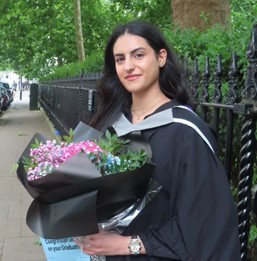
Project Title
‘Non-invasive skin patches can interrogate interstitial skin fluid to improve skin cancer diagnosis in primary care’
This project is co-sponsored by the EPSRC CDT in Chemical Biology and the CRUK Convergence Science Centre
What were you doing before enrolling in the ICB CDT Programme?
I completed my undergraduate degree in Biochemistry at King’s College London. I then undertook an MRes in Medical Device Design and Entrepreneurship at Imperial College London. Here, I understood the importance of biomarkers present in bodily fluids as clinically informative tools for disease detection.
Why did you choose to apply for your particular project?
I decided to apply for this project because I enjoyed my research project during my MRes. This project will allow me to build on the skills I developed. I also look forward to the interdisciplinary collaboration that this project will facilitate.
What are you looking forward to the most within the CDT programme?
I am excited to expand my chemical biology techniques and refine my scientific communication skills. I am interested in the vast opportunities offered by the CDT, especially the science and communication training with the BBC.
Please tell us a fun fact about yourself!
I enjoy baking and playing tennis!
Name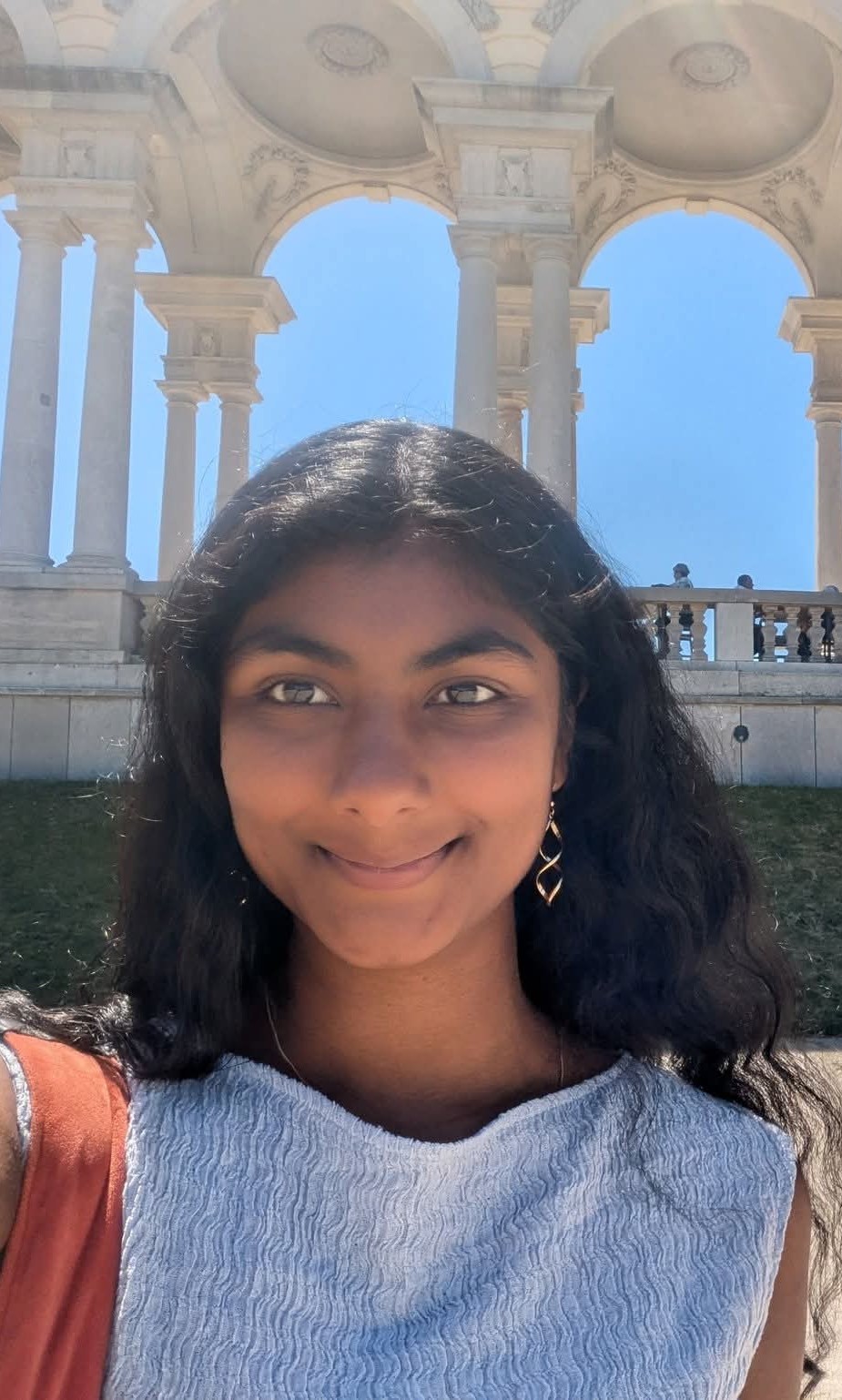
Shraddha Ashok
Project Title
A target agnostic covalent cyclic peptide platform
This project is co-sponsored by the EPSRC CDT in Chemical Biology and GSK
What were you doing before enrolling in the ICB CDT Programme?
I studied Chemistry (MSci) at Imperial College London and spent my final year abroad at ETH Zürich. I completed my Master's project in the Wennemers Group where I used collagen model peptides to examine the effect of amino acid substitution on the stability of collagen triple helices.
Why did you choose to apply for your particular project?
I took a chemical biology module in my 3rd year and I found the concept of using chemistry as a tool to learn more about biology really exciting. I was particularly interested in this project because it allows me to apply my background in peptide chemistry to an application oriented context, addressing the need for novel therapeutic strategies. I was also keen to work on a project where I would have the opportunity to use many different techniques across the chemistry/biology interface.
What are you looking forward to the most within the CDT programme?
Getting to know everyone in the CDT community and hearing about their exciting research!
Please tell us a fun fact about yourself!
I once held the world record for the largest game of musical bumps.
Name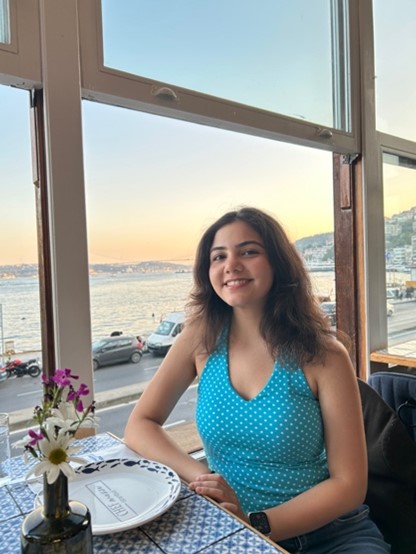
Cansu Ayabakan
Project Title
High-Throughput Fungal Imaging Utilising Microfluidic Technologies
Co-sponsored by the EPSRC CDT in Chemical Biology and Syngenta
What were you doing before enrolling in the ICB CDT Programme?
I completed my MEng degree in Molecular Bioengineering at Imperial College London. My final year project was on developing a methodology for a microfluidic tool that can achieve transcription-on-a-chip via immobilized DNA strands. Before my final year, I was part of the ICL team for the 2024 iGEM synthetic biology competition as a laboratory researcher.
Why did you choose to apply for your particular project?
I wanted to expand my knowledge in microfluidics through testing and making new chip designs. I also wanted to merge my technical bioengineering knowledge and biological laboratory skills and apply them to real-world scenarios. Furthering my skills with the EPSRC CDT programme while also getting to work alongside researchers at Syngenta and ICL provided the perfect opportunity to achieve these goals.
What are you looking forward to the most within the CDT programme?
I’m very excited to meet all the cohort members and get to hear about their diverse and multidisciplinary backgrounds! I’m also looking forward to gaining further experience in the lab, as well as developing my skills outside of the lab; especially through the science communication lectures with BBC.
Please tell us a fun fact about yourself!
I’m quite good at baking (specifically cookies and cakes)! Currently trying to get better at cooking :D
Name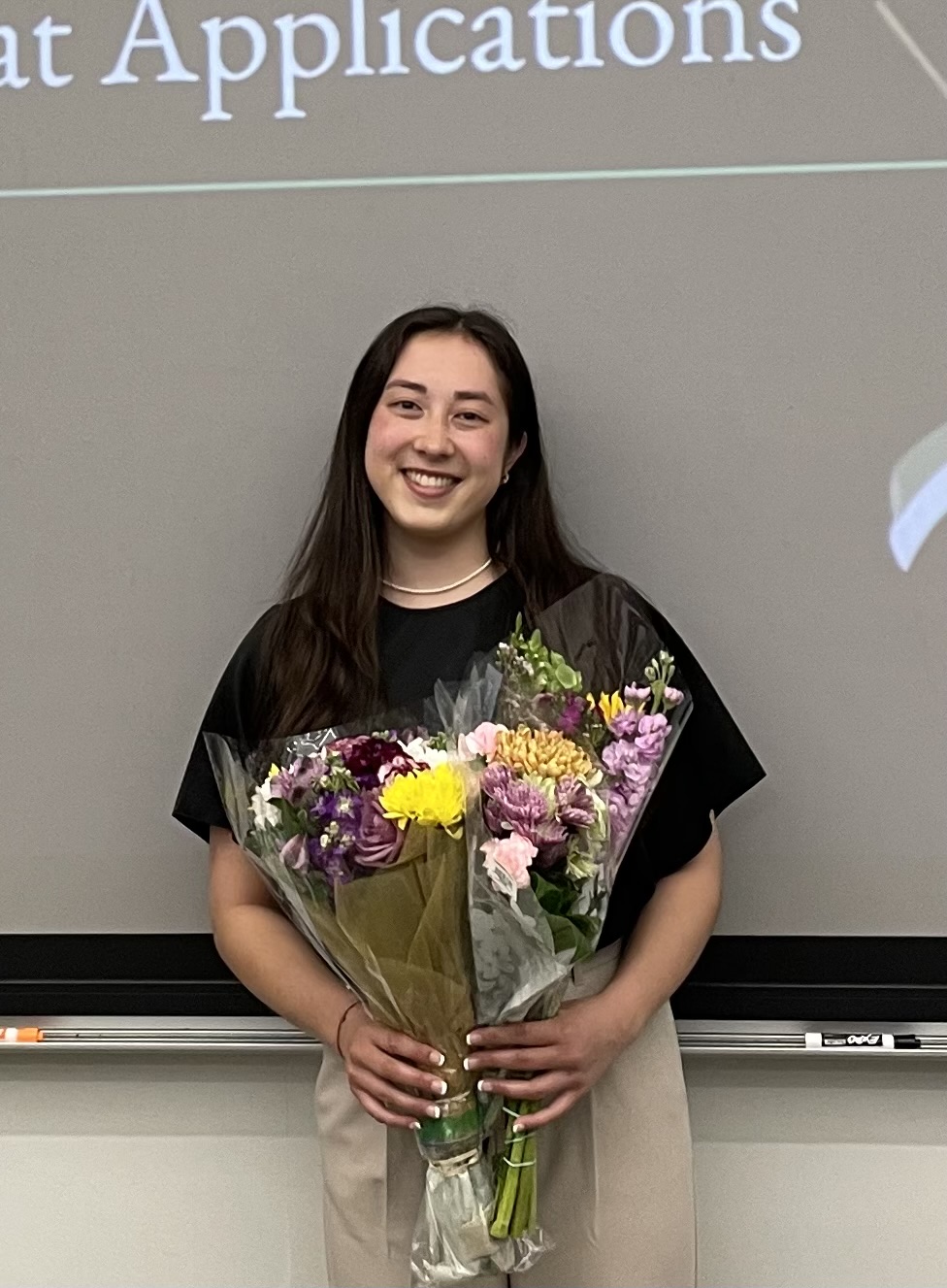
Olivia Calkins
Project Title
Highly multiplexed and automated CRISPR-based pipeline for advanced biomanufacturing
This project is co-sponsored by the EPSRC CDT in Chemical Biology and Nutropy
What were you doing before enrolling in the ICB CDT Programme?
I was working at the Tufts University Center for Cellular Agriculture near Boston, Massachusetts where I was working on establishing the world's first open access cell bank specifically for the field of cell-cultivated meat. Before that, I completed my undergraduate degree at Tufts where I studied Chemical Engineering and Food Systems.
Why did you choose to apply for your particular project?
Since I was younger, I have been fascinated about applying engineering for sustainability. At Tufts, I had the opportunity to research cell cultivated meat, where I realized my passion was to utilize bioengineering principles to improve our food system . This project offers the chance to explore microbial platforms as a path toward more eco-friendly and ethical food production, as well as other commodities.
What are you looking forward to the most within the CDT programme?
I am looking forward to working with such a vibrant and passionate community of researchers!
Please tell us a fun fact about yourself!
I started a non-profit organization during my final year of undergrad that focuses on positioning students at the forefront of food systems change!
Name
Jacob Corrie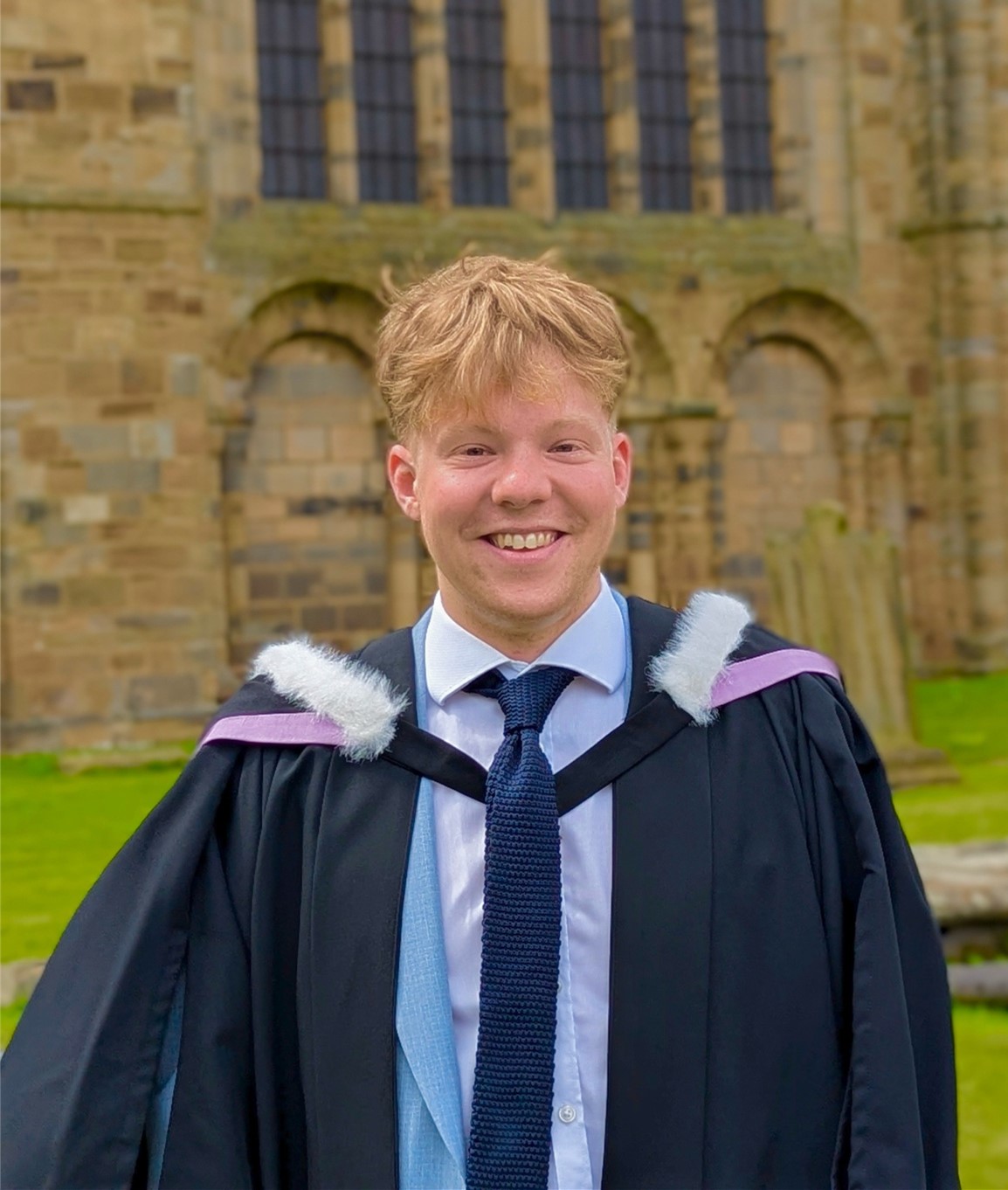
Project Title
Expanding the scope of antibody-drug conjugates (ADCs) for targeted protein degradation through rational payload design
This project is co-sponsored by the EPSRC CDT in Chemical Biology and GSK
What were you doing before enrolling in the ICB CDT Programme?
I completed my MChem at Durham University, working on my research project externally in the R&D teams at Illumina, Cambridge. I contributed to the development of in-vitro diagnostic (IVD) tools for next-generation sequencing by synthesis. I worked on a base labelling project and “constellation mapped reads technology,” a novel assay for performing on-flow cell DNA library preparation and primer ligation for higher resolution mapping of difficult to map genomic regions.
Why did you choose to apply for your particular project?
My time innovating in the IVD space at Illumina gave me an insight into a powerful future of multiomics-informed personalised medicine. Since, I have been looking for research opportunities that would strengthen my skillset and expertise beyond IVD and into drug development. Prof Tate’s group has been high on my list for a while, and this multidisciplinary project caught my attention as it combines two cutting-edge drug development concepts: the catalytic knockdown of disease-causing proteins afforded by targeted protein degradation; and the cell/tissue-type delivery behaviour of antibody-drug conjugates. I am excited to be performing lots of different science, from doing chemistry in cells with SLIP, to synthesising peptide degron ligands and ligating antibodies to PROTACs. The supervision is superb, and the collaboration with the GSK TPD team is a great opportunity to work with those working on these modalities in industry.
What are you looking forward to the most within the CDT programme?
I am excited to train as a chemical biologist at one of the most prestigious institutes in the world. I was attracted to the ICB CDT due to its cohort-based community, and the additional collaboration, training and networking opportunities this affords. I was pleased to hear about the fluidity of the training elements to adapt to emerging research methods and technology platforms in the field (like the recent boom in AI-driven drug development), to ensure its graduates are consistently prepared for postdoctoral opportunities in an ever-changing landscape.
Please tell us a fun fact about yourself!
I have just finished a year-out, climbing volcanoes and surfing with turtles!
Name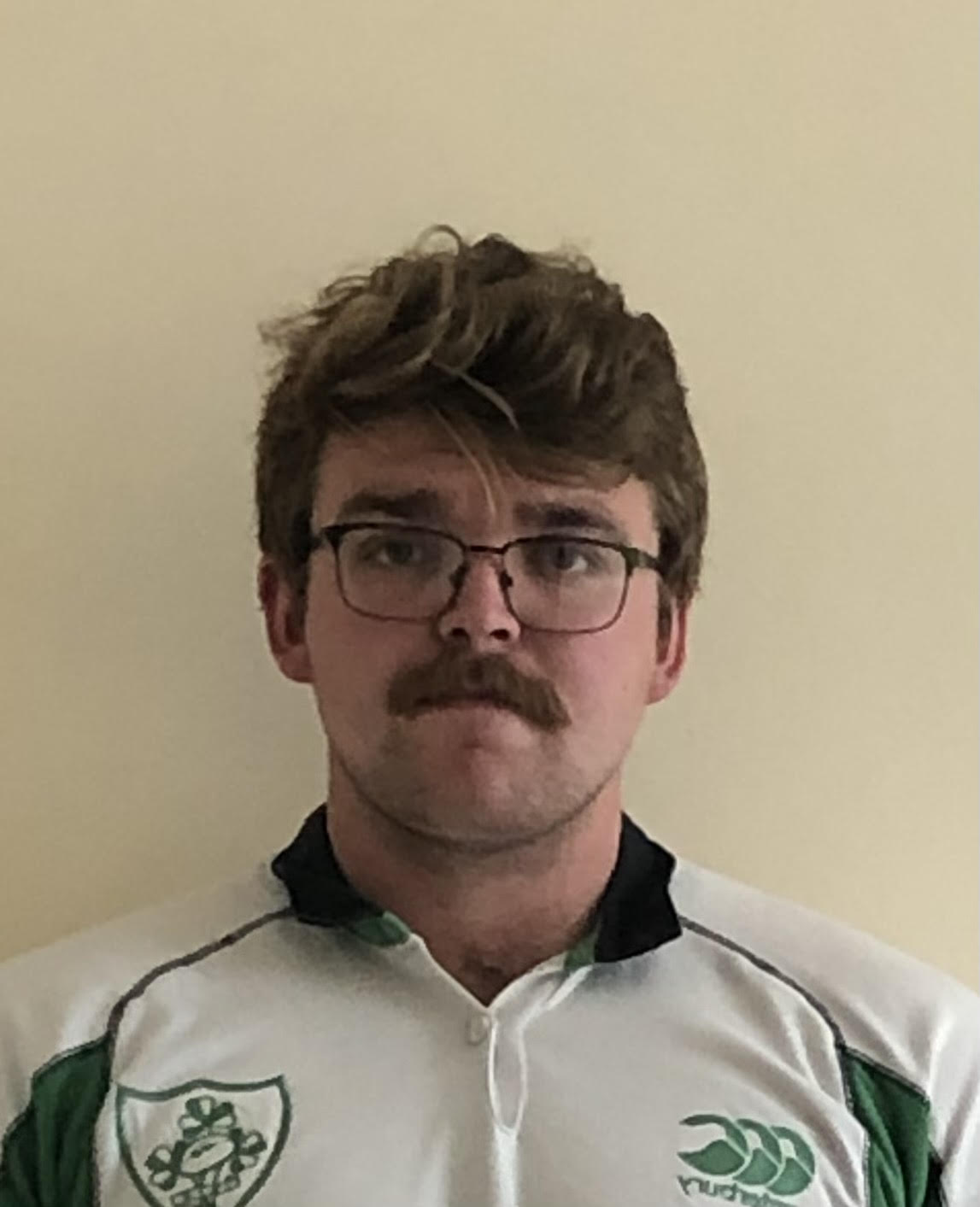
Joe Gilbride
Project Title
The effect of mechanical stress on radiation-induced cancer cell death investigated using molecular rotor technology.
This project is co-sponsored by the EPSRC CDT in Chemical Biology and the CRUK Convergence Science Centre
What were you doing before enrolling in the ICB CDT Programme?
I was studying theoretical physics at Trinity College Dublin.
Why did you choose to apply for your particular project?
After finishing my studies in Trinity, I wanted to pivot away from purely mathematical and theoretical study and work in a related but more experimental area. The medical world always interested me and I happened to come across this project while looking for places to apply my physics background to medicine. After doing some background reading I decided it was an area I was interested in and wanted to pursue.
What are you looking forward to the most within the CDT programme?
I’m looking forward to expanding my knowledge outside of the world of physics and working with people from different disciplines.
Please tell us a fun fact about yourself!
I used to have a mullet and I’m deceptively good at skipping (the type with a rope).
Name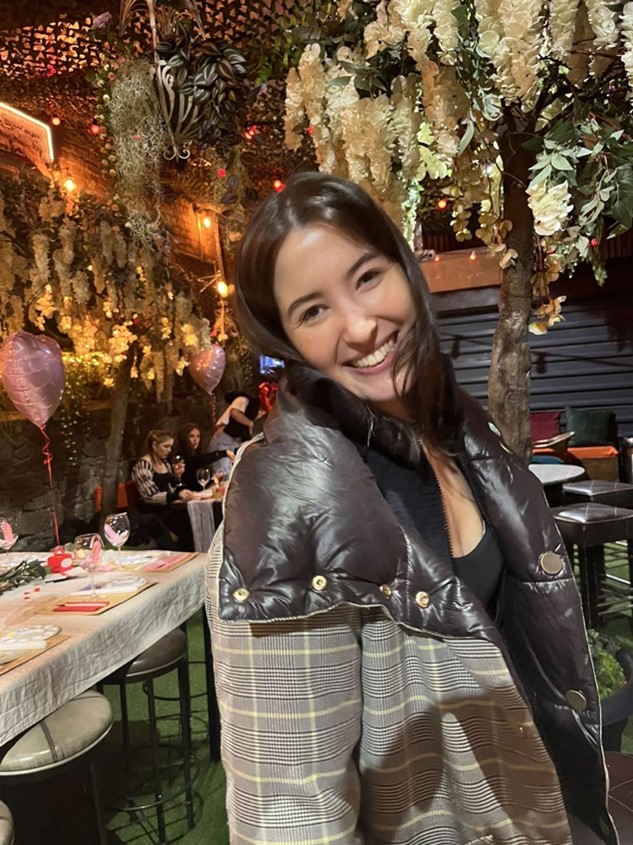
Amy Higgins
Project Title
A microfluidic Micro-Foundry for engineering multi-compartment lipid nanoparticles as next-generation therapeutic carriers
This project is co-sponsored by the EPSRC CDT in Chemical Biology and The NIHR Imperial Biomedical Research Centre (BRC)
What were you doing before enrolling in the ICB CDT Programme?
I studied Pharmaceutical and Industrial Chemistry at the University of Limerick, Ireland. During my degree, I spent eight months on placement with Eli Lilly in Kinsale, where I gained hands-on experience in organic synthesis and process chemistry. For my final year thesis, I explored the use of conductive polymers to create an electro-responsive drug delivery system, which sparked my interest in bridging chemistry with biomedical applications.
Why did you choose to apply for your particular project?
During my studies I came to really value the intersection of chemistry, biology, and engineering, and how working across these fields can open new ways of tackling medical problems. My final year project on electro-responsive drug delivery first showed me the potential of using smart materials to control therapeutic release. This PhD feels like a natural progression, as it focuses on using microfluidic platforms to design more sophisticated lipid nanoparticles with improved functionality. I’m excited by the chance to help push forward new technologies for drug delivery that could expand what’s possible in next-generation therapeutics.
What are you looking forward to the most within the CDT programme?
I’m especially excited about the FutureLab, as it offers the chance to experiment with cutting-edge technologies, from rapid prototyping to biohacking, and to think creatively about how ideas can be turned into practical solutions. I’m also looking forward to the science communication training, particularly the collaboration with the BBC, because I see it as a rare opportunity to develop the skills needed to share complex science in a way that is accessible and engaging. Together, these experiences capture what excites me most about the CDT: being in an environment that nurtures curiosity while encouraging us to push our research beyond the lab and into the wider world.
Please tell us a fun fact about yourself!
I love hosting big dinners and often pick a cuisine to shape the whole menu around. It’s my favourite way to bring my favourite people together for a great evening.
Name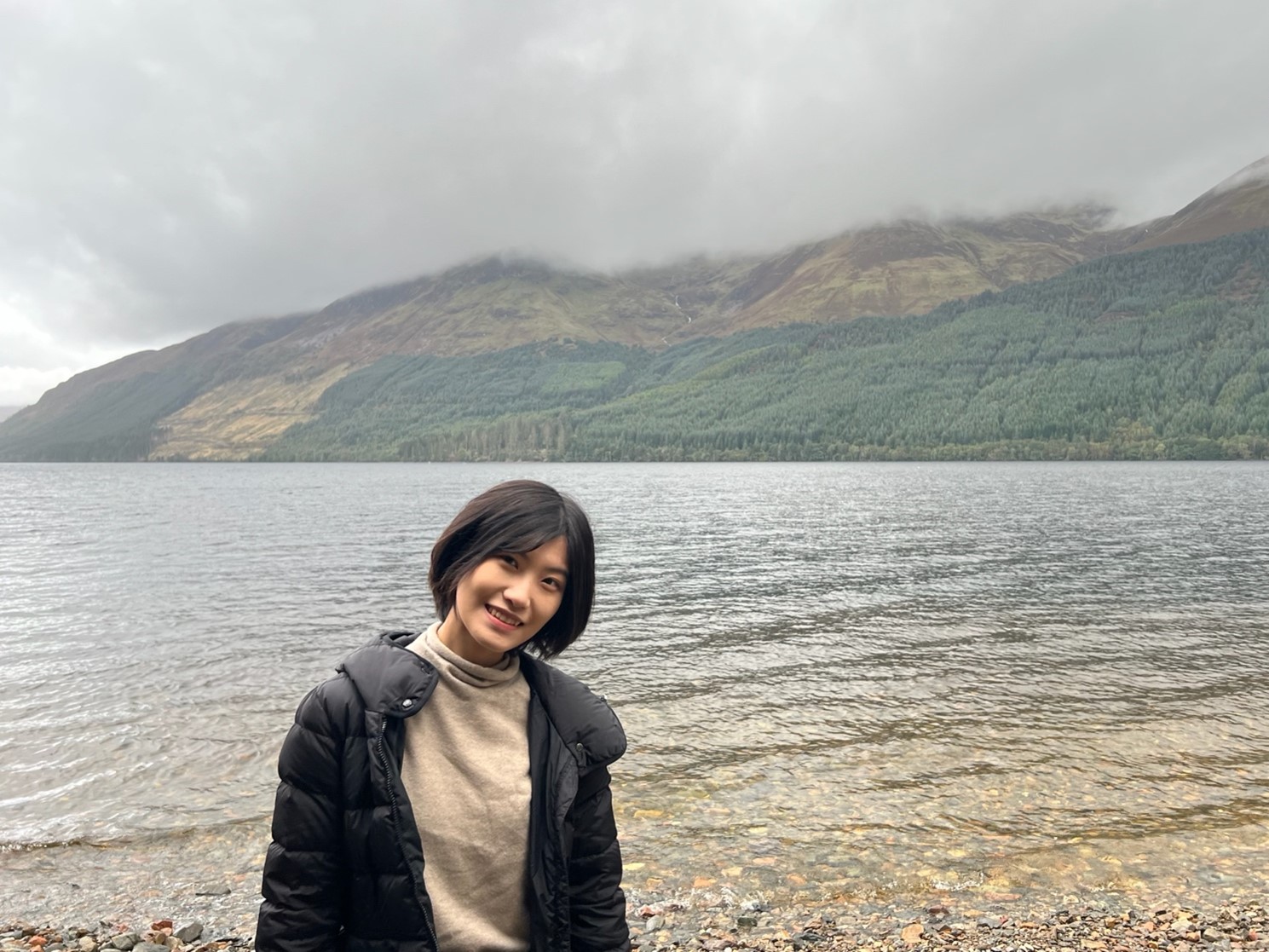
Yali Lyu
Project Title
Molecular Mechanisms of Agonist-Driven G Protein Coupling in β-Branch Class A GPCRs
This project is co-sponsored by the EPSRC CDT in Chemical Biology and Vertex Pharmaceuticals
What were you doing before enrolling in the ICB CDT Programme?
I completed my undergraduate studies in Chemistry at the University of Oxford, followed by an MRes in Biomedical Data Science at Imperial.
Why did you choose to apply for your particular project?
I am excited by the opportunity to integrate computational simulation with experimental validation to address a question of significant value in drug discovery.
What are you looking forward to the most within the CDT programme?
I look forward to the opportunity to collaborate closely with the pharmaceutical industry.
Please tell us a fun fact about yourself!
I would be receiving my third Master’s degree by the end of the first year of the CDT programme.
Name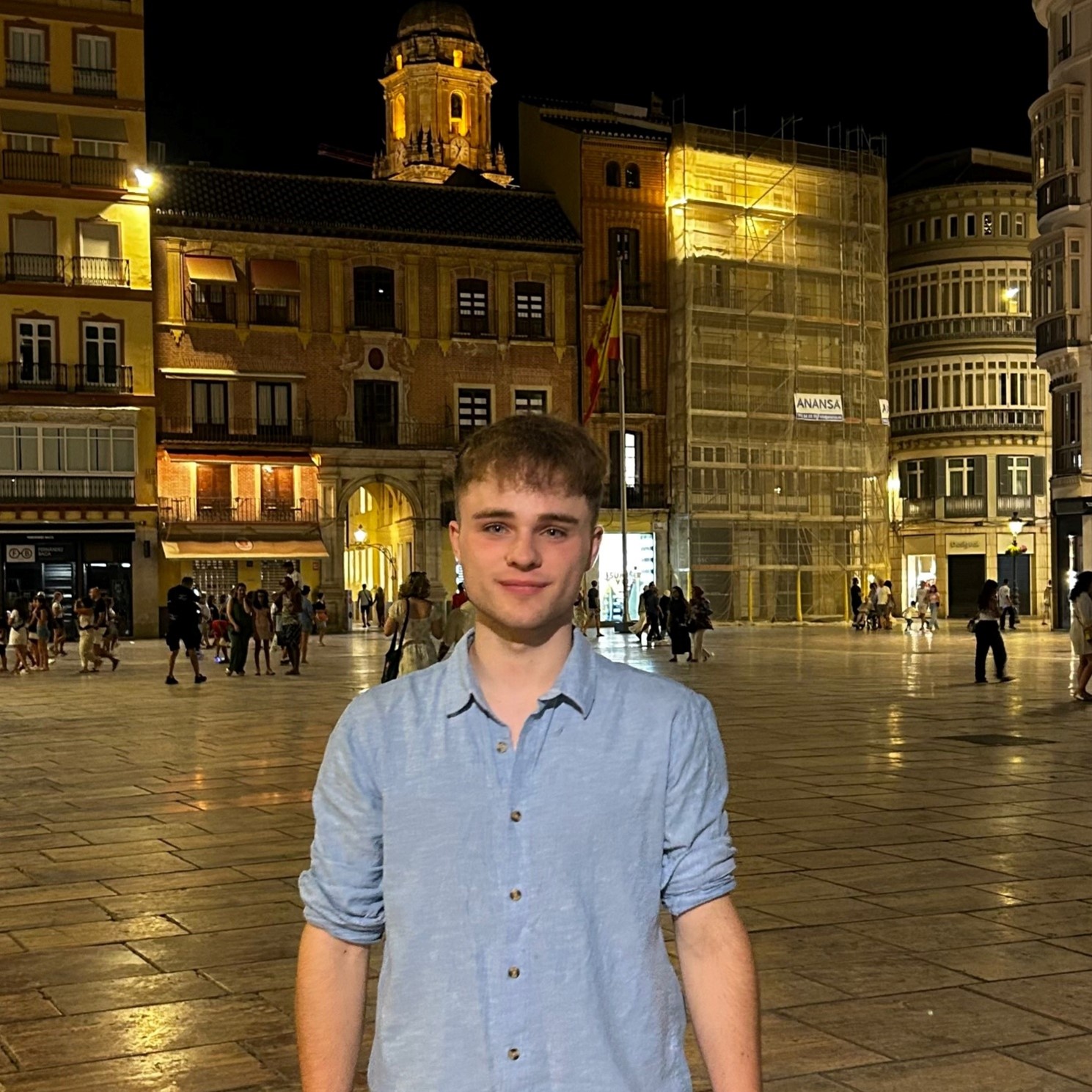
Roddy Macaulay
Project Title
Development of automated workflows for direct-to-biology drug discovery of kinase inhibitors
This project is co-sponsored by the EPSRC CDT in Chemical Biology and GSK
What were you doing before enrolling in the ICB CDT Programme?
I spent the last four years at the University of Birmingham, completing my undergraduate degree in MSci Chemistry. My master's research focused on the design and development of novel lipopeptide systems for application within MRI contrast. I loved my time at Birmingham, especially my research, which made me realise I wanted to pursue a PhD.
Why did you choose to apply for your particular project?
I’ve always been interested in science that makes a difference, particularly within the context of healthcare. This project is exciting because it contributes to the field of PROTAC discovery, a rapidly evolving and important area of therapeutics. Combining automation with a direct-to-biology approach to discovery has proven highly advantageous.
What are you looking forward to the most within the CDT programme?
The people! I am most looking forward to meeting everyone and working alongside them.
Please tell us a fun fact about yourself!
I love music and I enjoy playing the piano and guitar!
Name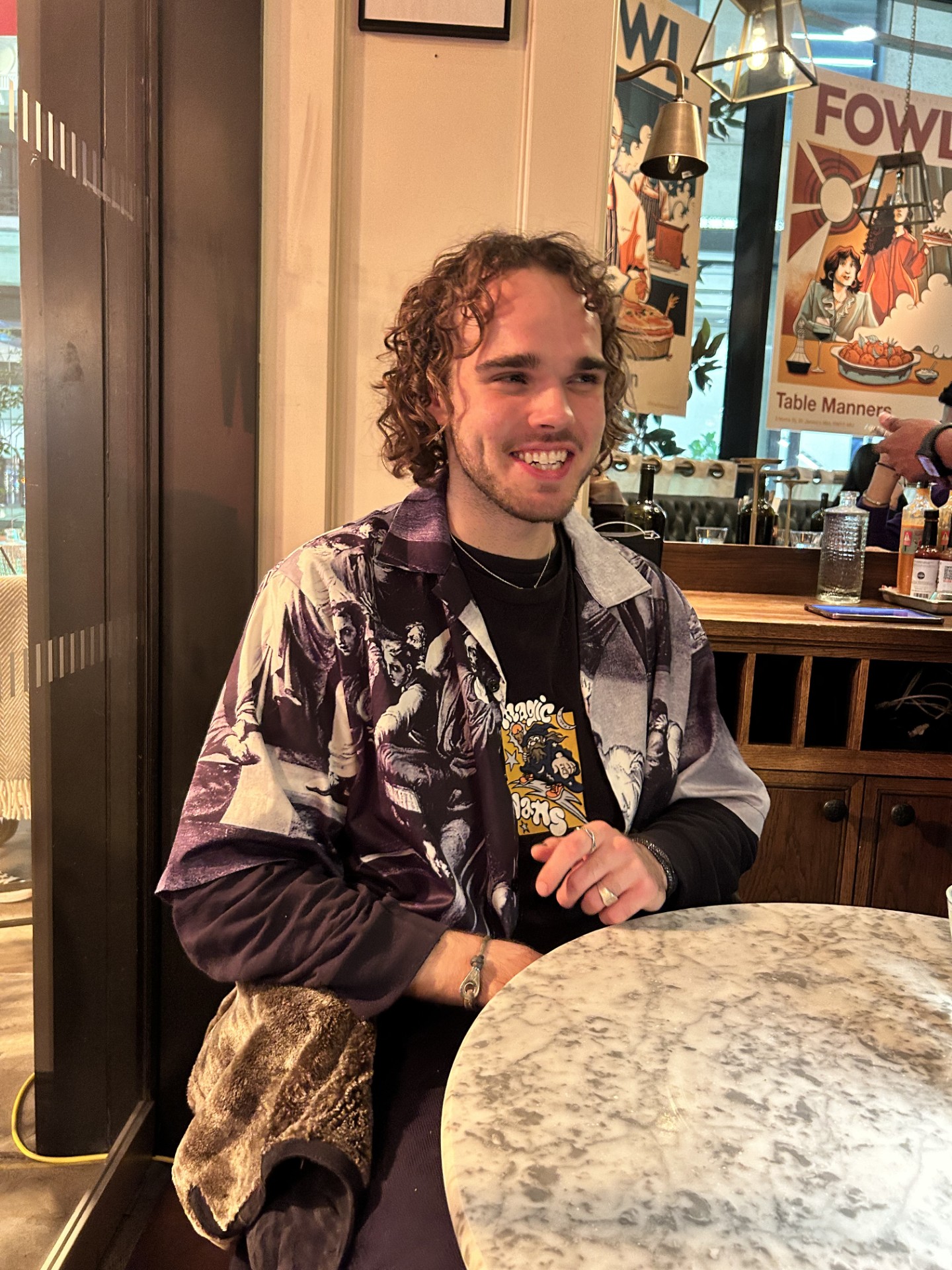
Lucas Moss
Project Title
New Dimensions for Covalent Enantioprobe Chemoproteomics
This project is generously funded by the Faculty of Natural Sciences
What were you doing before enrolling in the ICB CDT Programme?
I studied an MSci degree in Chemistry at the University of Nottingham. My research project during my Master’s year focussed on using insect natural products, specifically terpenes for therapeutic gain. I studied the biosynthesis of these terpenes via activity assays of novel insect terpene synthase enzymes. During other undergraduate research projects, I also gained experience in chemical synthesis of natural products and drug discovery. Since graduating, I have been gaining industrial experience by working in the Process Development lab team of machine lubricant manufacturer Afton Chemical. I led many projects in an effort to scale up lubricant products from lab-scale to plant-scale, providing me with lab experience and knowledge of chemistry niches beyond my usual field of study.
Why did you choose to apply for your particular project?
I am deeply passionate about the idea of using my chemistry knowledge to synthesise new drug molecules or utilise and modify biochemical processes for therapeutic benefit. A large driving force for my undertaking of PhD studies is to improve my knowledge and skills surrounding specifically both organic chemistry and chemical biology even further in an interdisciplinary fashion. I believe this project to be perfectly suited to my passions and scientific development due to the aforementioned points. Being at the forefront of the chemical biology by developing new starting points for drug design is super exciting to me!
What are you looking forward to the most within the CDT programme?
I am really looking forward to meeting and working with more like-minded scientists, who not only believe in the importance of studying chemical biology but share my passion for learning about it. The CDT’s commitment to teaching students about concepts essential to scientists that don’t involve the science directly is also an exciting prospect.
Please tell us a fun fact about yourself!
I am able to name every single country and point out each of them on a world map!
Name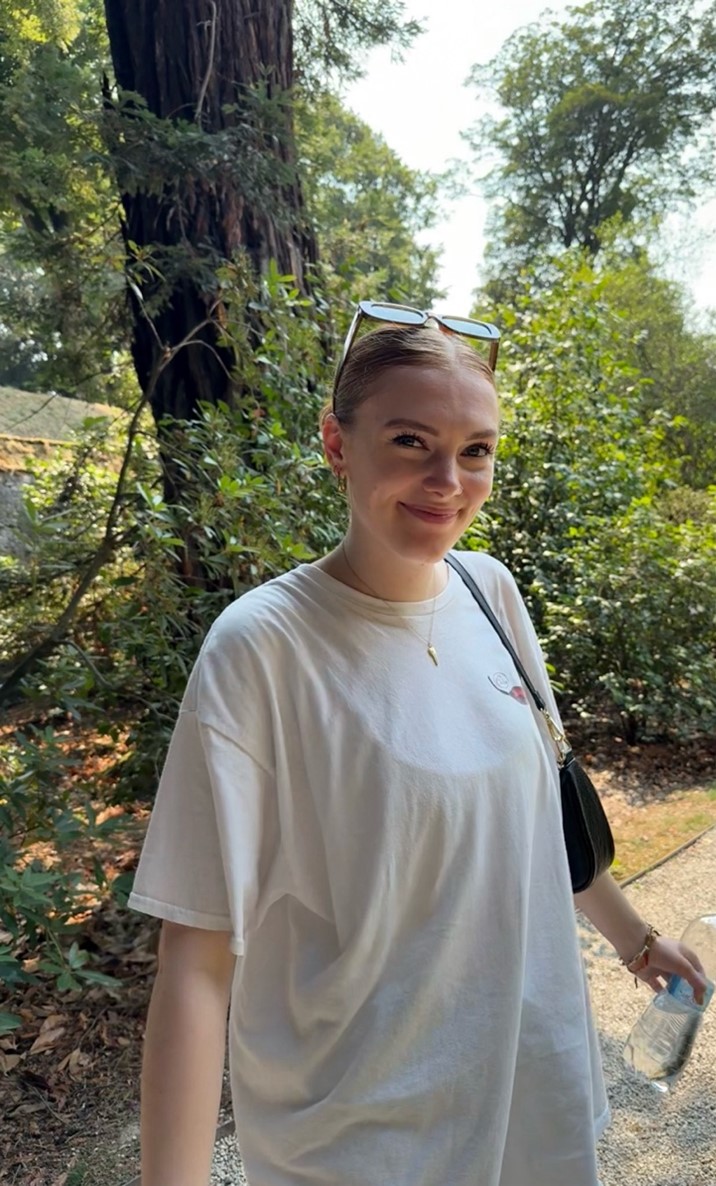
Sophie Quintin
Project Title
Targeting Immune Recognition: Advancing Nanobody Therapeutics for Complement System Control
This project is co-sponsored by the EPSRC CDT in Chemical Biology and Apellis Pharmaceuticals
What were you doing before enrolling in the ICB CDT Programme?
Before enrolling in the programme, I completed a BSc at Imperial in Biochemistry with a Year in Industry, during which I worked at GSK. Here, I gained valuable experience. in molecular and cellular biology by employing high-throughput methods for generating mutant libraries and analysing protein-protein interactions. In addition to this experience, my final year research project allowed me to gain experience in Cryo-ET and Cryo-EM to assess the capabilities of OPA1 elucidation in mitochondria.
Why did you choose to apply for your particular project?
I chose to apply for this project because I find the complement system to be an intriguing target for therapeutics, with C3 being central to the cascade, and its receptor being compromised in many diseases. I was also interested by the novel use of nanobodies, proving an effective way to specifically target and manipulate interactions. The combination with Cryo-EM is also exciting, as it is a technology I have always been interested in and one that I am eager to gain more experience with. Its capabilities in resolving high-resolution molecular details are fascinating, whilst being key to understanding molecular interactions and driving the discovery of new medicines.
What are you looking forward to the most within the CDT programme?
I am looking forward to all of the exciting opportunities available within the CDT, especially the FutureLab and BOOST programmes. Having a background in Biochemistry, I look forward to developing my expertise, as well as applying newly learnt skills in different environments. I am also excited to meet and collaborate with new people!
Please tell us a fun fact about yourself!
I love to dance, and during my final year, I choreographed a competition dance that won 2nd and 3rd place!
Name
Jasmine Randall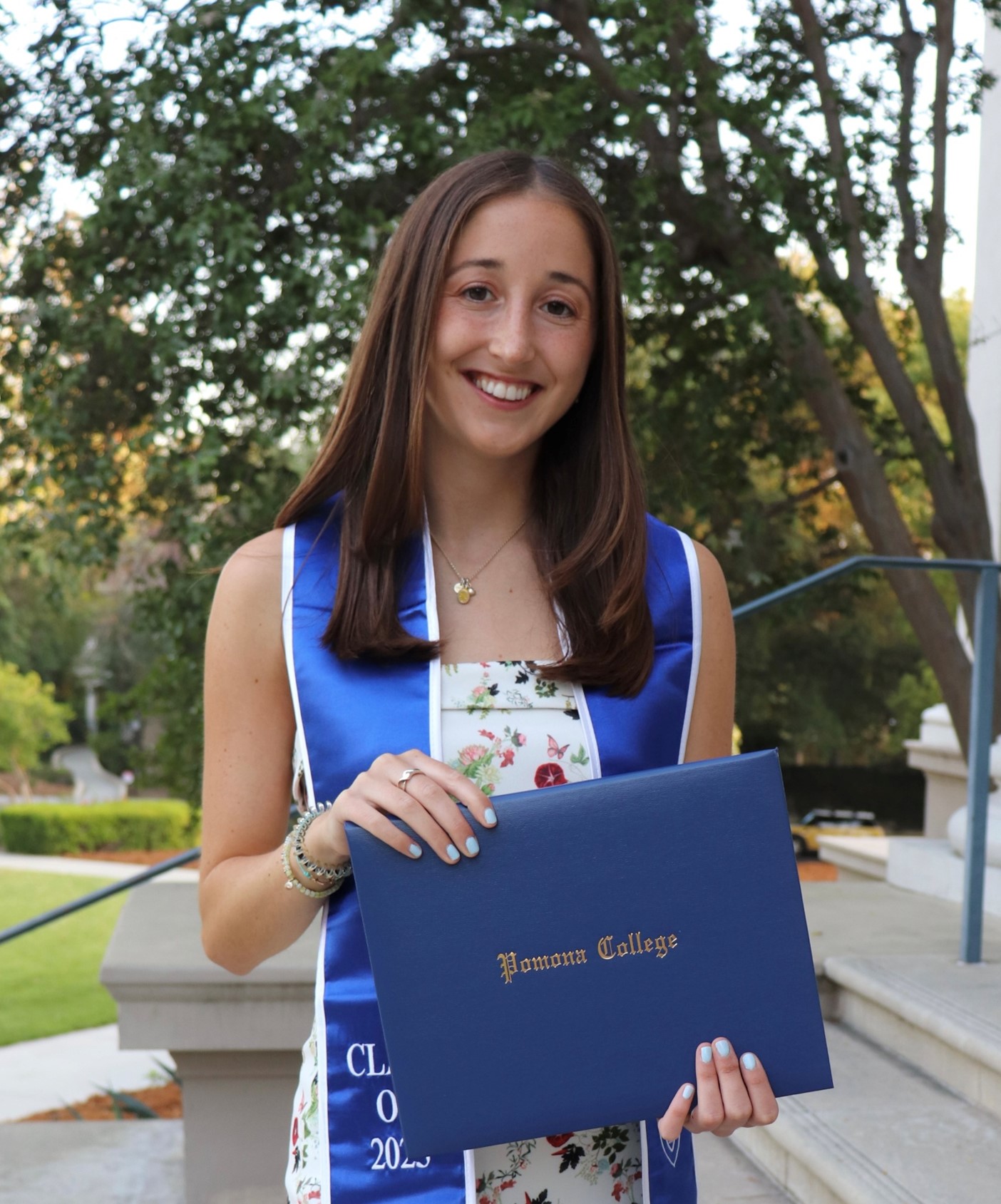
Project Title
Understanding the mechanistic link between mitochondrial electron transfer and proliferation of glioblastoma multiforme cells
This project is co-sponsored by the EPSRC CDT in Chemical Biology and the CRUK Convergence Science Centre
What were you doing before enrolling in the ICB CDT Programme?
I attended Pomona College, a small liberal arts college in California, for my undergraduate studies in chemistry. My thesis project was focused on developing a novel post-polymerisation modification of polybutadiene with amines, and I also conducted research during my summers with the NMR department at Novartis Biomedical Research in Boston, and the Chadwick Group at Imperial.
Why did you choose to apply for your particular project?
During my summer placement at Imperial, I attended a talk by a PhD student in Professor Roessler’s group. I knew very little about electron paramagnetic resonance spectroscopy (EPR), but was fascinated to hear about what a powerful tool it could be for studying unpaired electron systems, particularly in complex biological molecules. I was drawn to apply for this project as it will allow me to cultivate my interest in EPR, as well as new chemical biology research techniques, within the meaningful context of cancer research. I am also excited by how interdisciplinary the project is, offering the opportunity to learn from three supervisors across different scientific disciplines.
What are you looking forward to the most within the CDT programme?
I am looking forward to strengthening my understanding of chemical biology during the taught portion of the course, along with exploring some real-world applications of scientific research through the emphasis on entrepreneurship. I am also excited to get to know and work alongside the rest of the cohort!
Please tell us a fun fact about yourself!
I have been skydiving, paragliding and parasailing!
Name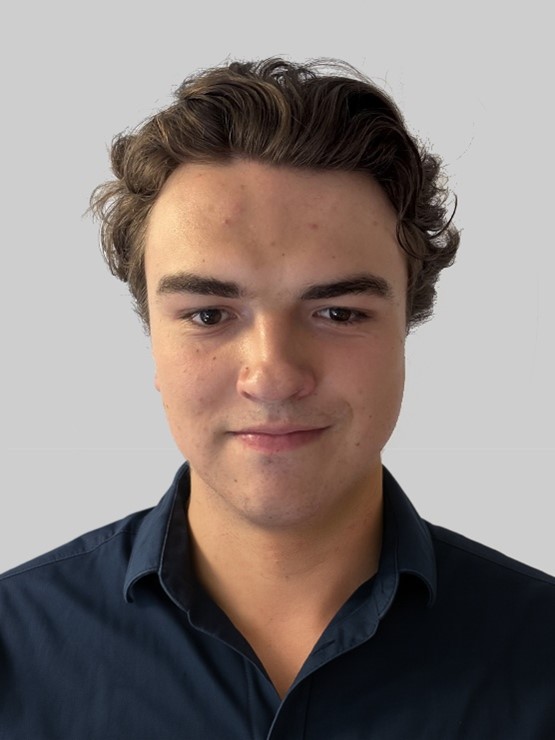
Charlie Rayner
Project Title
Multiplex measurement of neurotransmitter release within the skin
This project is co-sponsored by the EPSRC CDT in Chemical Biology and Procter & Gamble
What were you doing before enrolling in the ICB CDT Programme?
Prior to this project, I spent a few years with the CCMM group at the University of Cambridge. My work encompassed a range of different applications, such as synthetic vascular implants for coronary bypass procedures and bioactive materials for osseointegrative orthopaedic devices. My most recent work aimed to utilise machine learning for designing additively manufactured implants to achieve better post-surgical outcomes.
Why did you choose to apply for your particular project?
The interdisciplinary project and approach between Professors Higgins and Hashemi presents a unique and exciting method for achieving a far deeper understanding of the relationship between cells. I’m also keen to build on the skills I’ve previously developed, and this intersection in these fields offer the perfect chance to do so. There’s potential for huge strides in research to be made, and I’m very excited for the chance to be involved!
What are you looking forward to the most within the CDT programme?
I’m interested in the range of training programmes available, especially in the first year of the programme! I’m most looking forward to the broad range of training the CDT offers: both industry-led workshops, and bespoke transferable skills sessions.
Please tell us a fun fact about yourself!
I’m a keen caver, having done trips across both the UK and Europe!
Name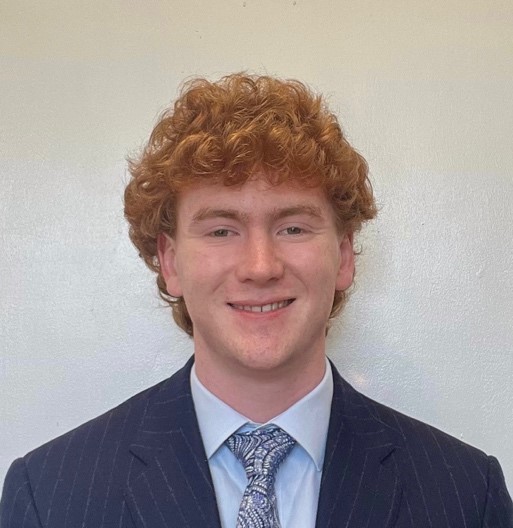
George Raynor
Project Title
Targeting inflammation and autoimmune disease through universal proximity-induced pharmacology
This project is co-sponsored by the EPSRC CDT in Chemical Biology and The NIHR Imperial Biomedical Research Centre (BRC)
What were you doing before enrolling in the ICB CDT Programme?
I completed my MSci in Chemistry with Medicinal Chemistry at Imperial, completing my final year project in the Di Antonio group and focusing on peptide-RNA condensation in ALS-linked intron-retained sequences. I also gained research experience at AstraZeneca and at the University of Toronto.
Why did you choose to apply for your particular project?
This project really appealed to me as it uses a unique approach to tackle a key hurdle in medicinal chemistry: targeting ‘undruggable’ proteins. The SLIP platform provides a novel way to map effector-target interactions, offering a fundamentally new route to developing proximity-induced therapeutics. I was also drawn to the project’s potential to deliver new therapeutic strategies.
What are you looking forward to the most within the CDT programme?
I am looking forward to collaborating with students from different scientific backgrounds and developing the skills necessary to translate innovative research into practical applications with areal-world impact.
Please tell us a fun fact about yourself!
I sing in Imperial’s Chamber Choir and a cappella society!
Name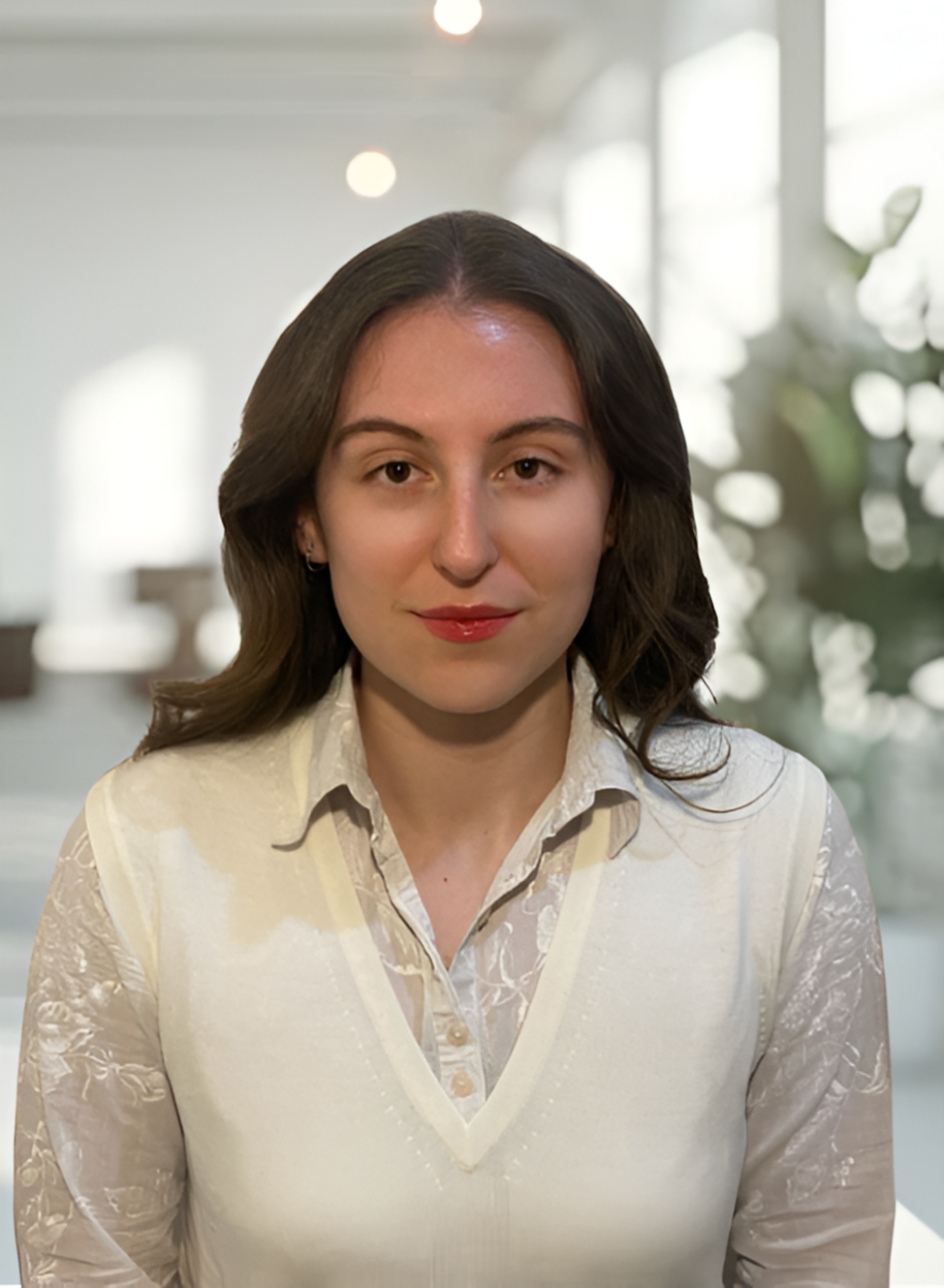
Andrea Rico Montaña
Project Title
Analysis of vitamin production heterogeneity in Yarrowia lipolytica
This project is co-sponsored by the EPSRC CDT in Chemical Biology and BASF
What were you doing before enrolling in the ICB CDT Programme?
Before enrolling in this programme, I worked as a Research Associate/Lab Manager at Carnegie Science in Stanford, where I supported microalgae bioenergetics research and set up the lab’s transcriptomics pipeline. This followed my MSci in Molecular and Cellular Biology (with Biotechnology) at the University of Glasgow, during which I spent a placement year at Cambridge University developing synthetic biology tools to engineer chloroplasts for high-value compound production. In addition, I gained experience in structural biology through a Cryo-EM internship at the MRC Laboratory of Molecular Biology and investigated how bacteriocins could be applied as natural antimicrobials to improve food safety, further expanding my toolkit for engineering and understanding biological systems.
Why did you choose to apply for your particular project?
I am passionate about producing chemicals sustainably through microbial biotechnology. From first-hand experience working with microbial cell factories, I have seen how engineered strains can become less robust, heterogeneous, and prone to “sick” or unstable phenotypes. This sparked my interest in understanding the underlying causes of these challenges. Through my project, I am excited to explore how strain and process optimisation intersect with genetic and phenotypic stability, ultimately bridging the gap between research and commercialisation.
What are you looking forward to the most within the CDT programme?
I’m especially looking forward to the bio-entrepreneurship training within the CDT, particularly the EVOLVE and BOOST programmes. Having previously co-founded a start-up idea around lab equipment management, I’m eager to build on that experience by learning how to translate research into impactful biotech ventures.
Please tell us a fun fact about yourself!
I’ve lived in six countries and love exploring new cultures through food, people, and sports – like backpacking, wakeboarding, tennis, and dancing. Thanks to California, I’m now a terrible but very enthusiastic surfer (my main motivation was the post-surfing burrito)!
Name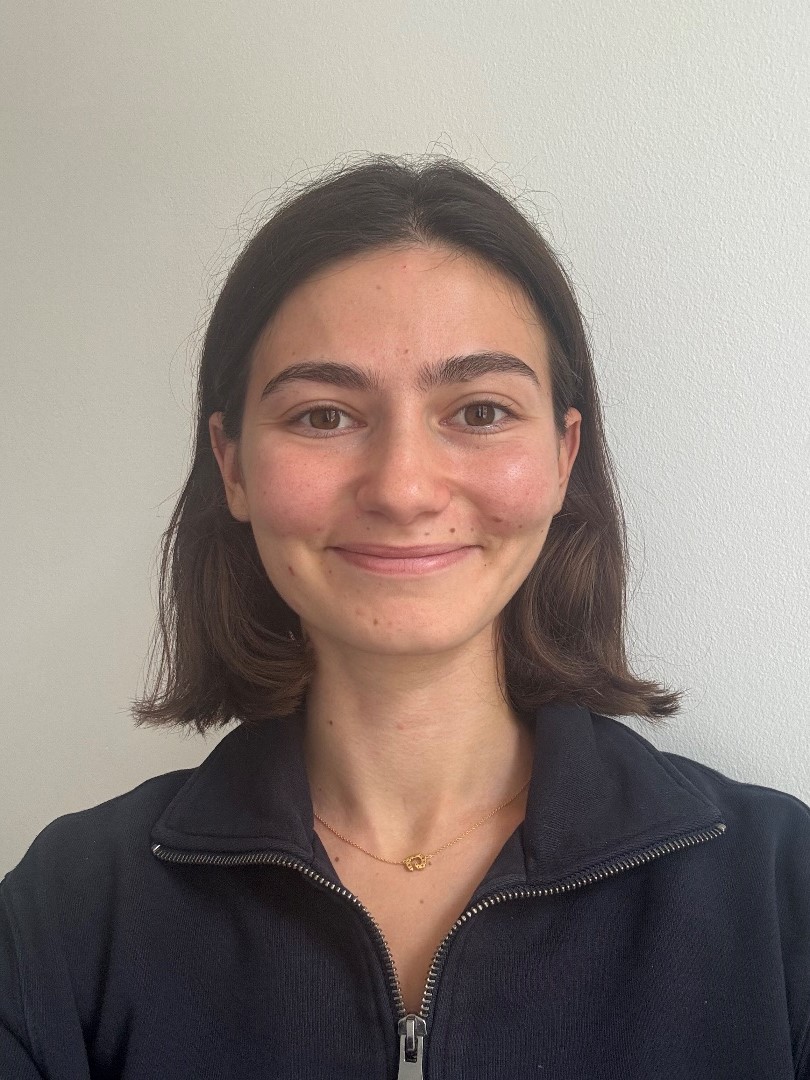
Giorgia Rosati
Project Title
Novel chemical biology tools to increase crop yields
This project was made possible via the EPSRC CDT in Chemical Biology and the Norris Plant Chemical Biology Postgraduate Scholarship
What were you doing before enrolling in the ICB CDT Programme?
I studied Chemistry at Imperial College London, graduating with an MSci in Chemistry with Research Abroad in June 2025. During my degree, I spent my final year at École Normale Supérieure (Ulm) in Paris, which was a really great opportunity to live abroad and gain some research experience.
Why did you choose to apply for your particular project?
I liked the look of this project because it tackles one of the biggest global challenges we face: food security. I am intrigued by the idea of using chemical biology in new ways to help plants grow more efficiently: it feels like research that could make a real difference.
What are you looking forward to the most within the CDT programme?
I’m excited to collaborate with people from a variety of scientific disciplines and to continue growing as a scientist.
Please tell us a fun fact about yourself!
I’ve lived in four different countries so far and I’d love to add more to the list!
Name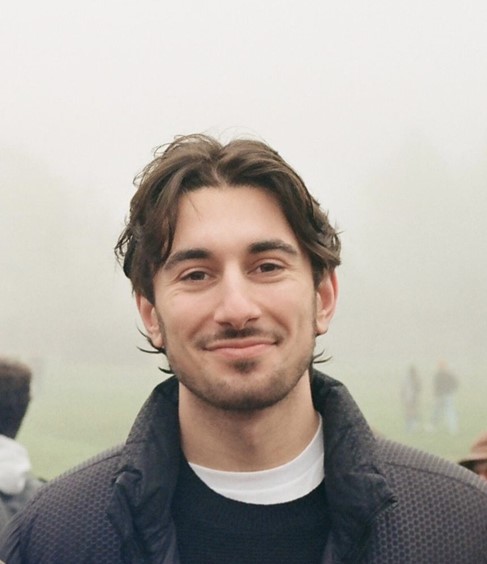
Albie Smith
Project Title
Warheads take the strain in chemoproteomics
This project is co-sponsored by the EPSRC CDT in Chemical Biology and Vertex Pharmaceuticals
What were you doing before enrolling in the ICB CDT Programme?
Since completing my integrated Master’s at the University of Oxford in 2024, I have been working as a research assistant at the University of Oxford in partnership with the Ineos Oxford Institute for Antimicrobials. My primary research has been focused on the discovery of novel small molecule inhibitors of Tet(X) to be used in a combination therapy with tigecycline.
Why did you choose to apply for your particular project?
During both my Master’s and time as a research assistant, I was involved in medicinal chemistry projects that strengthened my interest in chemical biology. This project appealed to me as it allows me to expand my expertise within organic chemistry and molecular biology, whilst also developing new skills in proteomics. Additionally, I am excited to work with industrial collaborators and leverage their insights to maximise the impact of my PhD.
What are you looking forward to the most within the CDT programme?
I am eager to develop skills beyond my immediate research through the FutureLab and Biz-Catalyst programmes. I am also looking forward to collaborating with and learning from of a diverse network of students and leading experts within the ICB.
Please tell us a fun fact about yourself!
In my free time, I enjoy bouldering and playing football.
Name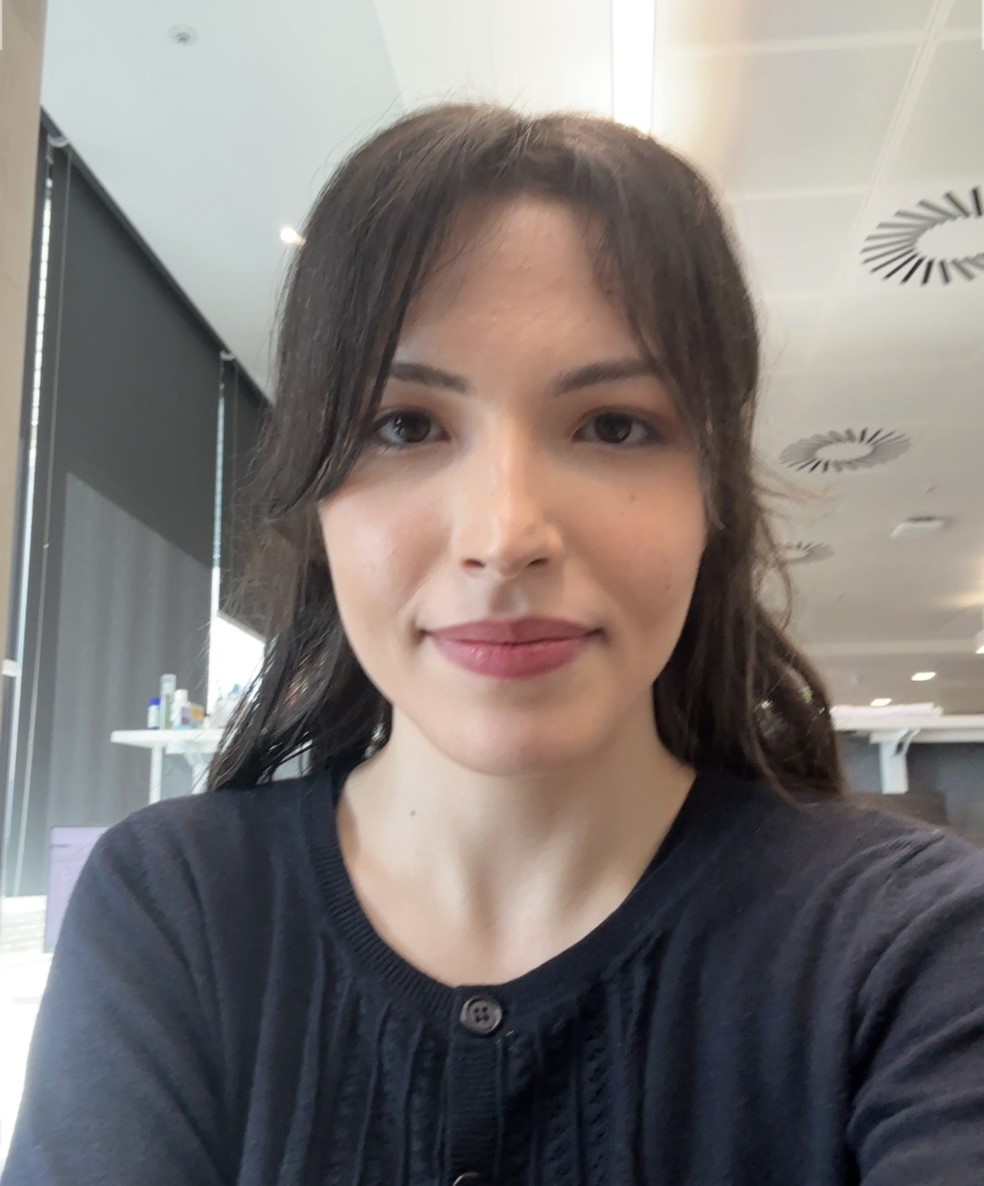
Elif Zeynep Erten
Project Title
Enzymatic assembly of modified nucleic acid therapeutic agents
What were you doing before enrolling in the ICB CDT Programme?
I completed my MChem degree at the University of Manchester. I carried out several funded summer projects in synthetic chemistry before undertaking my final-year project on developing a novel selection methodology for discovering therapeutic agents using DNA-encoded libraries, under the supervision of Prof. Sam Butterworth.
Why did you choose to apply for your particular project?
The ability of oligonucleotides to store information through their nucleobase sequences makes them highly important for applications such as drug discovery and as therapeutics. However, chemical synthesis of oligonucleotides requires multiple washing steps that generate large amounts of solvent waste, which is harmful to the environment. In addition, the chemical yield of each step limits the achievable length of the oligonucleotide chain. Enzymatic synthesis, on the other hand, would not only reduce environmental impact but also improve scalability by removing the need for lengthy purification steps. The aspects of green chemistry, together with the potential to develop a new method for template-independent oligonucleotide synthesis, are what sparked my interest in this project.
What are you looking forward to the most within the CDT programme?
I look forward to learning new laboratory techniques and adapting to a collaborative working environment. Moreover, I am excited to take part in the transferable skills training offered by the CDT to further develop my skills for my future academic career.
Please tell us a fun fact about yourself!
I once taught myself Morse code in under an hour, just so my sister and I could secretly communicate when we were bored, or even to signal each other in tricky situations!
Name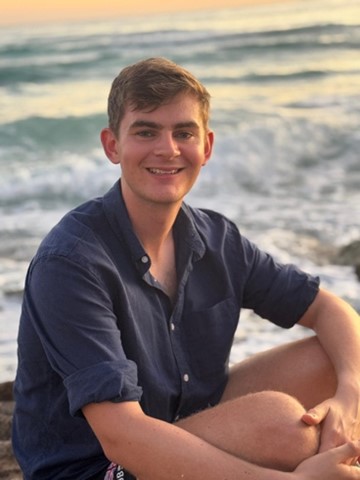
Dylan John
Project Title
Integrating Chemical Constraints into Generative Models to Enhance Synthetic Accessibility
This studentship is funded by the Department of Chemistry
What were you doing before enrolling in the ICB CDT Programme?
I studied Chemistry at Magdalen College, University of Oxford, graduating with an MChem in 2025. My final-year research project, supervised by Professor Fernanda Duarte, focused on the computational design of novel serine β-lactamase inhibitors to address antibiotic resistance.
Why did you choose to apply for your particular project?
During my final year at Oxford, I really enjoyed learning about machine learning and exploring its wide and exciting range of applications in chemistry. I think synthesisability is a particularly interesting problem to study, as it involves many different factors and has important implications across fields from drug design to materials discovery.
What are you looking forward to the most within the CDT programme?
I’m most looking forward to being part of a community of inspiring researchers and getting involved in the training and social opportunities the CDT offers.
Please tell us a fun fact about yourself!
I love staying active and enjoy rowing, cycling, and running. I’m also a big football and cricket fan, and I regularly go to West Ham matches.
Name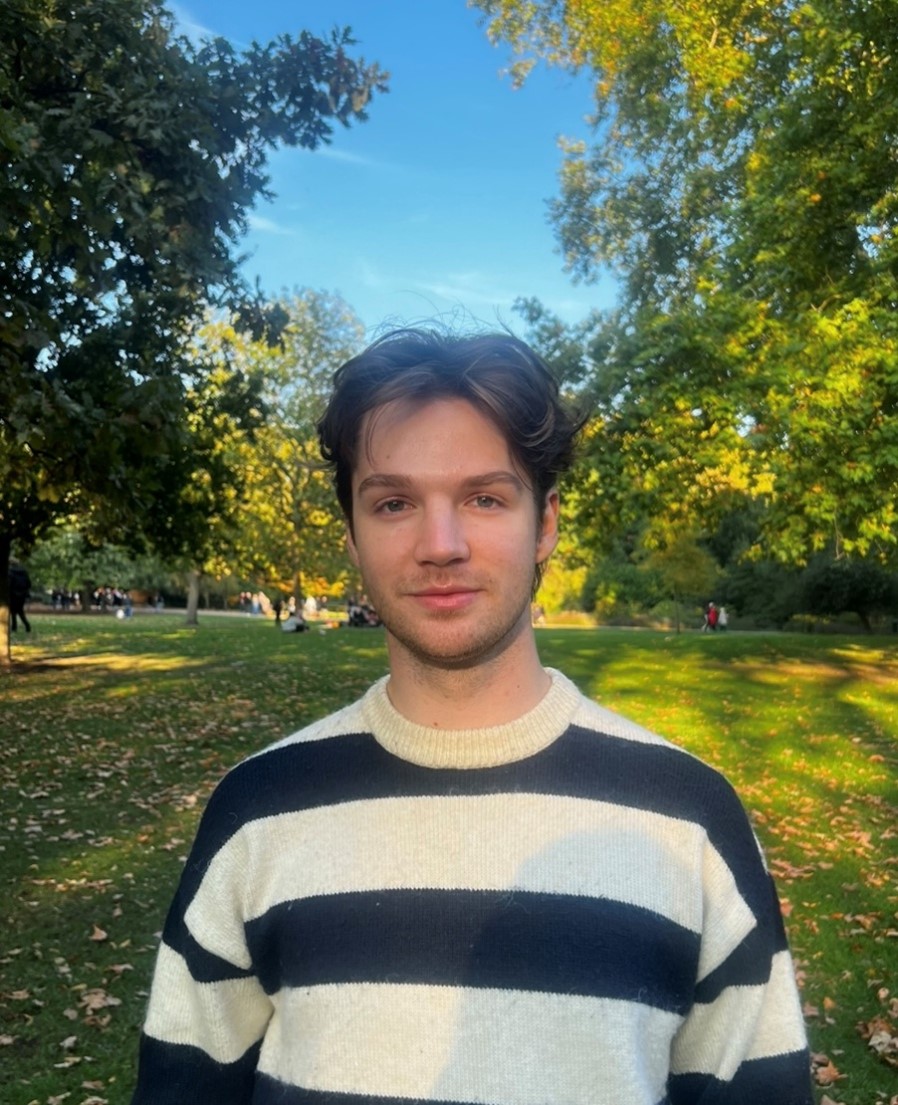
Damjan Lalovic
Project Title
Advancing Antibody-Drug Conjugates with Novel NMT Inhibitor Payloads
The studentship is funded by Myrix-Bio
What were you doing before enrolling in the ICB CDT Programme?
Before this project, I was a Biochemistry MSci student at Prof. Matilda Katan’s lab at UCL. My project focused on Phospholipase C (PLC) enzymes, mainly PLCg1 and associated tumorigenic mutants. As part of the project, we managed to characterise a novel allosteric pocket for this currently ‘undruggable’ group of proteins, and utilised ultra-large virtual ligand screens to look for new inhibitors. This project equipped me with the necessary skills to pursue this amazing PhD project.
Why did you choose to apply for your particular project?
The Tate lab has been extensively researching lipidation mechanisms, and their breakthroughs in developing potent N-myristoyltransferase (NMT) inhibitors have major implications for treating different types of cancer. As a collaboration with Myricx Bio, which has secured major support for further developing NMT inhibitors, this PhD project aims to deepen the understanding of using NMTi as ADC payloads. This presents an exciting opportunity to utilise many different techniques and collaborate with some of the best researchers in this field from ICL and the Francis Crick Institute, while working on drug candidates that are slated to enter clinical trials in due course. For these reasons, I was keen on applying for this project.
What are you looking forward to the most within the CDT programme?
I am most excited about how collaborative and multifaceted the CDT programme is. It is a major network of some of the best researchers in the world, and it is the best opportunity to meet people from diverse backgrounds, learn new techniques and acquire transferrable skills, all of which would make pursuing this PhD an even more fun experience.
Please tell us a fun fact about yourself!
I started fencing when I was 18 and had the ambition of becoming the Master of Arms within that year, but then Covid happened and I haven’t even seen a foil blade since. I still think it could happen (maybe).
Name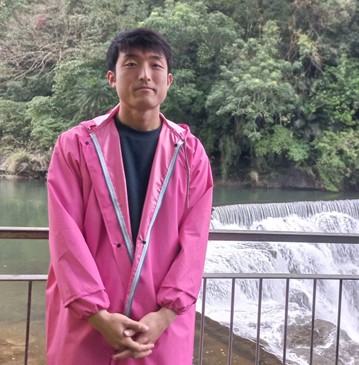
Sewon Lim
Project Title
Development of novel phototoxic metal complexes as anticancer drugs
This studentship is funded via the President's Scholarship Programme
What were you doing before enrolling in the ICB CDT Programme?
In Aug, 2022, I completed master’s degree in Seoul National University, under supervision of Prof. Yan Lee. The project was developing anionic cell penetrating peptides (CPPs) with unique polyproline helix structure. After my master's degree, I moved to Yonsei University, where I had worked as a military service research personnel for 3 years. There, I published a paper, focusing on synergistic enhancement of luminescent and ferroelectric properties of (Z)-type tetraphenylethylene derivatives.
Why did you choose to apply for your particular project?
Since I started my academic career, I have experienced a variety of fields from bio- to organic chemistry. While exploring the upper row of the periodic table, I also wanted to experience the chemistry of metals, elements in central and lower rows. That is the world of inorganic chemistry, which I found as ‘Gesamtkunstwerk’, what German composer Richard Wagner defined as a total, comprehensive form of art. Inorganic chemistry is ‘Gesamtkunstwerk’, which focuses not only on metallic materials, but also on organics. The beauty of inorganic chemistry as comprehensive chemistry was attractive to me as a doctoral project.
What are you looking forward to the most within the CDT programme?
Becoming a Ph.D means to be an independent scientist. It means, I have to be able to conduct research by myself from proposal to publication. During the years in the CDT programme, I want to practice a lot to endow meaningful scientific interpretations to seemingly rough, insignificant experimental data. Of course, writing, presentation, and analysing skills are also big focuses, but I am especially looking forward to networking opportunities with many other competent scholars in Imperial.
Please tell us a fun fact about yourself!
I am an amateur pianist and spent more than 20 years of my life practicing piano as a hobby. Also, I traveled to more than 50 different countries.
Name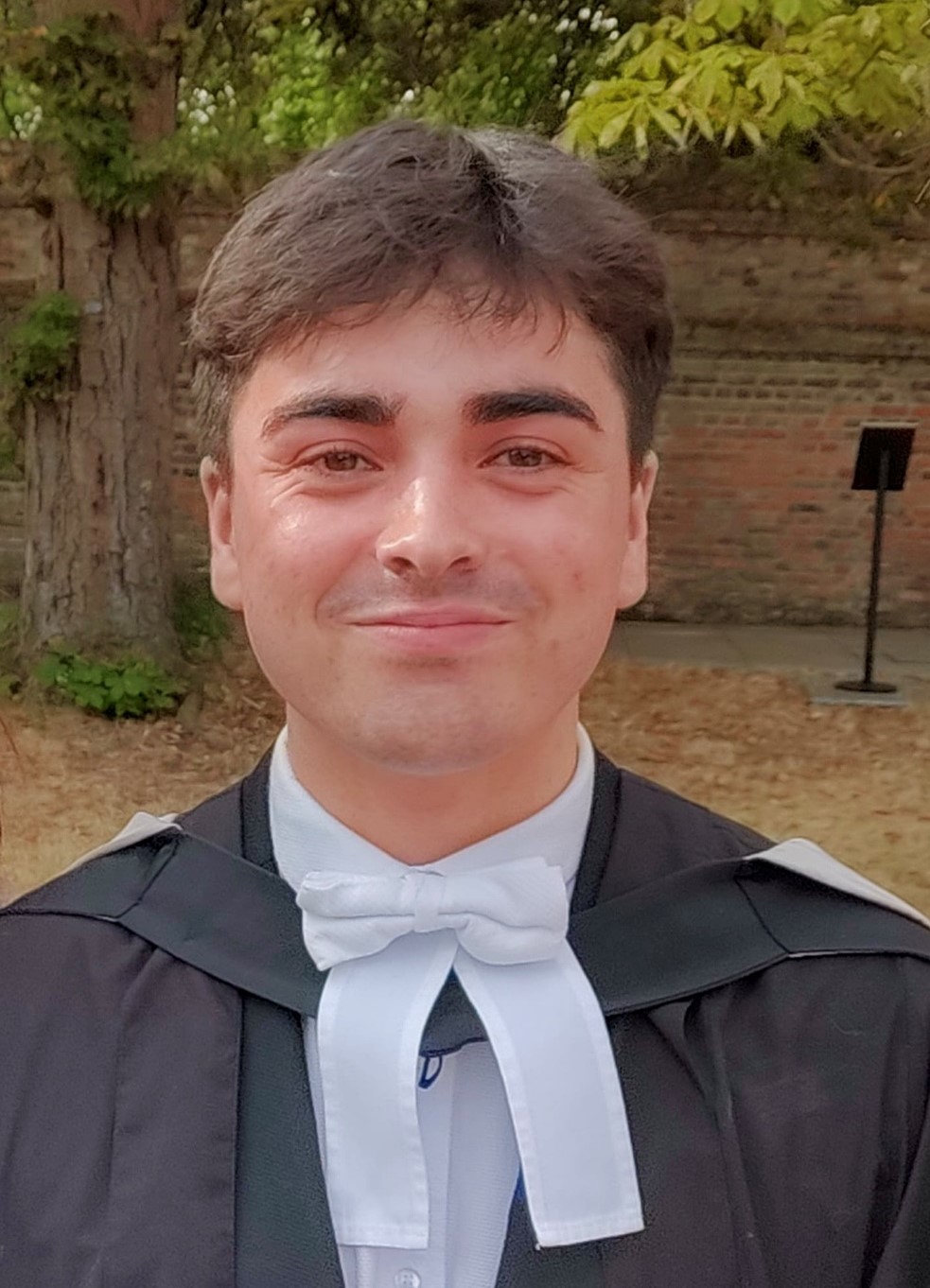
Oisín Ó Feinneadha
Project Title
Enzymatic Methods for Peptide Synthesis
This project is jointly funded by the European Research Council
What were you doing before enrolling in the ICB CDT Programme?
I received my BA in Natural Sciences and MSci in Chemistry from the University of Cambridge. I conducted my research project with Shankar Balasubramanian examining the chromatin interactions of a targeted cancer therapy called Rucaparib.
Why did you choose to apply for your particular project?
A biochemistry module in my undergrad introduced me to the field of chemical biology. I am most fascinated by using chemistry to manipulate biological systems. This project stood out to me as it combines exciting chemical and biological methods for exciting new applications.
What are you looking forward to the most within the CDT programme?
I am most looking forward to meeting other like-minded researchers and making the most of the programme’s opportunities.
Please tell us a fun fact about yourself!
This summer I went to California and visited the Hollywood sign!
Name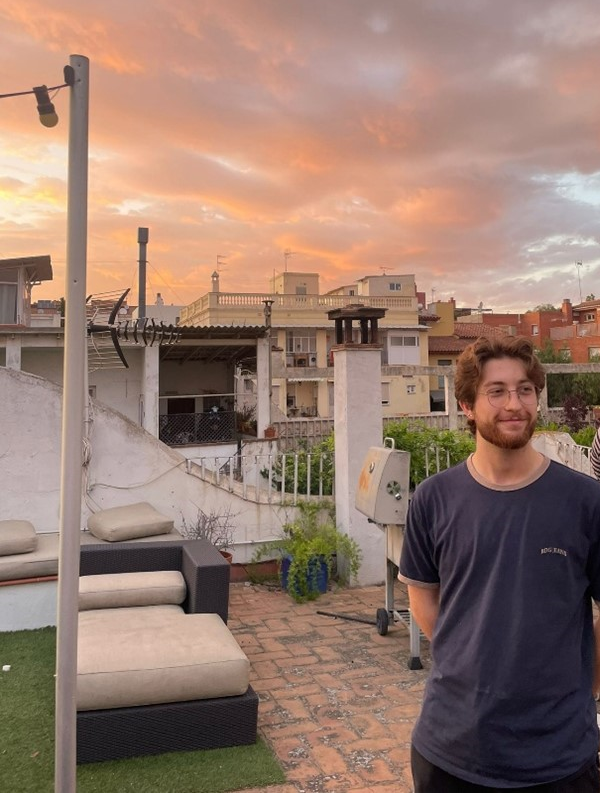
Pablo R. Graf Rubia
Project Title
Closed loop discovery and discrimination of kinetics-based reaction mechanisms
This studentship is funded by the Department of Chemistry
What were you doing before enrolling in the ICB CDT Programme?
I completed a Master’s in Multidisciplinary Research at the Barcelona Institute of Science and Technology, where I undertook a 9-month master’s project in the group of Prof. García de Arquer. There, I developed a high-throughput screening platform for water splitting electrocatalysts. This experience, together with my previous Master’s in Theoretical Photochemistry, made me realize I wanted to pursue a PhD that combines computational and experimental techniques to create closed loop systems and algorithms applicable to the rapid advancement of knowledge across scientific disciplines.
Why did you choose to apply for your particular project?
Kinetics is a discipline that allows for the mathematical description of how each species involved in a dynamic transformation, such as a chemical reaction, evolves over time. This provides a unique opportunity to create algorithms that exploit these mathematical signatures to extract key information about reaction mechanisms, with the potential to offer insights in fields ranging from enzyme kinetics to heterogenous catalysis.
What are you looking forward to the most within the CDT programme?
I am looking forward to meeting the cohort and learning about their interesting projects and possibly draw inspirations and broaden the horizons of my own work. I am also excited to gain many transferable skills from all the excellent training opportunities!
Please tell us a fun fact about yourself!
I can speak the lesser known language Catalan, love playing the bass, and enjoy both playing and following a wide range of sports!
Name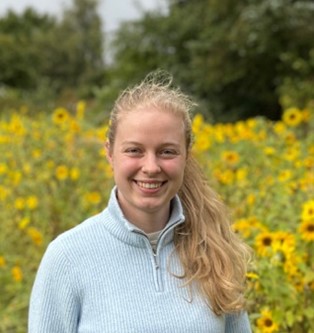
Kira Scobel
Project Title
Photoswitchable Stapled Peptides as Tools for Controlling Target Selectivity
This studentship is funded via the President's Scholarship Programme
What were you doing before enrolling in the ICB CDT Programme?
I completed my MSci degree in chemistry at Imperial College London. For my Master’s project I worked in the Barnard group on developing and characterising novel crosslinkers for photoswitchable stapled peptides.
Why did you choose to apply for your particular project?
I am passionate about research at the interface of chemistry, biology, and medicine with a particular focus on developing and applying chemical tools to manipulate biological systems for drug discovery. During my Master’s project I became especially fascinated by photopharmacology and specifically photoswitchable stapled peptides. I chose to apply for this project for the opportunity to build on the experience I gained during my Master’s and work on exploring and expanding this exciting area. Using light as a stimulus offers a powerful way to achieve precise spatial and temporal control, and incorporating light-switchable elements into peptides has great potential for both therapeutics and probes. I am excited to take this further during this project.
What are you looking forward to the most within the CDT programme?
I am excited about all the training opportunities the CDT offers, for example in science communication and coding. I am particularly looking forward to working in the interdisciplinary environment fostered by the CDT and getting to know the rest of the cohort in cohort building activities.
Please tell us a fun fact about yourself!
Outside the lab, I enjoy doing cheerleading and as a base that means I get to lift people and throw them in the air!
Name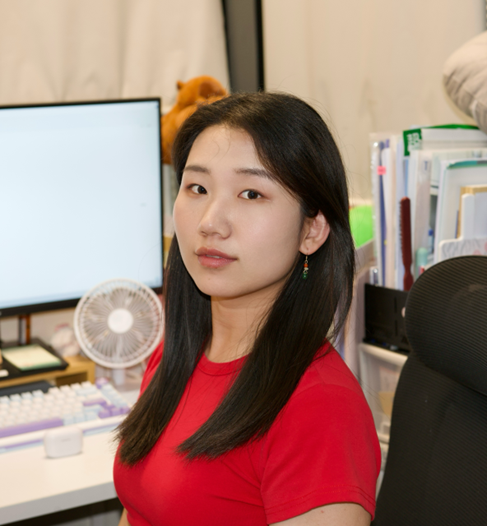
Chenyang Wang
Project Title
Synthesis of dual probes for cellular imaging of nucleic acids
This studentship is sponsored by the Chinese Scholarship Council and the Department of Chemistry
What were you doing before enrolling in the ICB CDT Programme?
Before joining the ICB CDT, I completed my Master’s degree under the supervision of Prof. Yanchuan Zhao at the State Key Laboratory of Fluorine and Nitrogen Chemistry and Advanced Materials, Shanghai Institute of Organic Chemistry, where I focused on the design, synthesis, and application of fluorinated molecular probes.
Why did you choose to apply for your particular project?
Having focused on developing molecular probes for small biomolecules and real-time metabolic monitoring during my Master's, I want to expand my expertise through the implementation of chemical biology and advanced optical methods to study nucleic acid structures. This project with Professor Vilar aims to design and apply novel optical probes to monitor G-quadruplex dynamics in living cells—offering the potential to open new avenues for understanding gene regulation and cellular function. I am also excited by the opportunity to work within an interdisciplinary team with strengths in chemical biology, biophysics, nanotechnology, and cell imaging.
What are you looking forward to the most within the CDT programme?
I am most looking forward to engaging in the highly collaborative and interdisciplinary research environment that the CDT programme offers. The opportunity to work with leading academics, industry partners, and peers from diverse scientific backgrounds will allow me to broaden my research perspective and develop innovative approaches to complex problems. Specifically, I am excited about the advanced training in translational science and the chance to contribute to developing optical probes for G-quadruplex structures, which aligns perfectly with my background in molecular probe design and my long-term goal of pursuing a research career at the intersection of chemistry and biology.
Please tell us a fun fact about yourself!
I'm a pretty competitive badminton player. And because I am nearsighted and dislike wearing glasses, I often mistake people for someone else and end up saying hello to strangers.
Name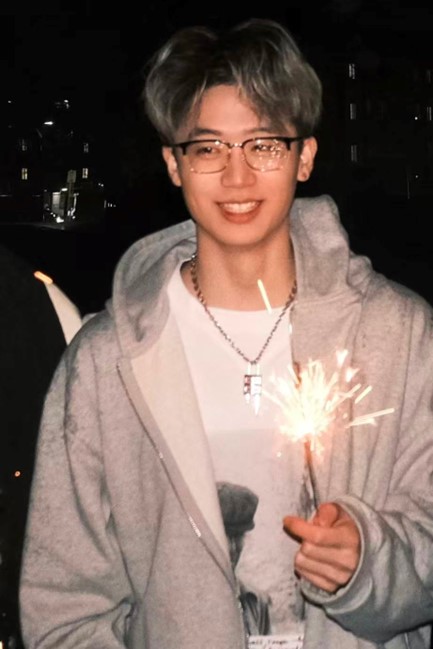
Yicheng Ye
Project Title
Methods for the chemoenzymatic synthesis of antifungal agents
This scholar is supported by the Department of Chemistry International Continuation PhD Scholarship
What were you doing before enrolling in the ICB CDT Programme?
Before starting my PhD, I completed an MSci degree in Chemistry at Imperial College London. My final year research project was focused on towards the total synthesis of medium-ring ethers from Laurencia species.
Why did you choose to apply for your particular project?
I was particularly drawn to this project because it perfectly combines my passion for organic synthesis with my goal of working on real-world drug discovery. My MSci project solidified my love for synthesizing complex compounds, and this research allowed me to apply those skills to a meaningful medical challenge: creating better antifungals. I'm particularly excited by the innovative chemoenzymatic approach, which combines the best of both chemical and enzymatic methods to maximize drug potency and minimize side effects.
What are you looking forward to the most within the CDT programme?
I am most looking forward to the wonderful learning environment which the CDT programme offers. The structured training opportunities such as bespoke skills courses, workshops, and sessions led by industrial partners are particularly appealing to me. I truly cherish these chances for developing professional skills and am excited to acquire cutting-edge tools and perspectives that will shape me into a better scientist. Beyond advancing my core research skills, I am eager to know more peers who also have strong passions in Chemistry. I believe that collaborating and exchanging ideas with this diverse group of passionate individuals will be an invaluable source of inspiration and growth.
Please tell us a fun fact about yourself!
I'm a huge fan of travelling and I have visited over 10 countries.
Date last reviewed: 13 October 2025
Date last updated: 13 October 2025