Faculty of Engineering
- Andrijana Minic - Department of Chemical Engineering
- Ethan Draper - Department of Bioengineering
- Karam Sarieddine - Department of Earth Science and Engineering
- Kasper Foss Hansen - Department of Mechanical Engineering
- Maedeh H.Toosi - Department of Electrical and Electronic Engineering
- Min Waye Chew - Department of Bioengineering
- Zhiyun Song - Department of Computing
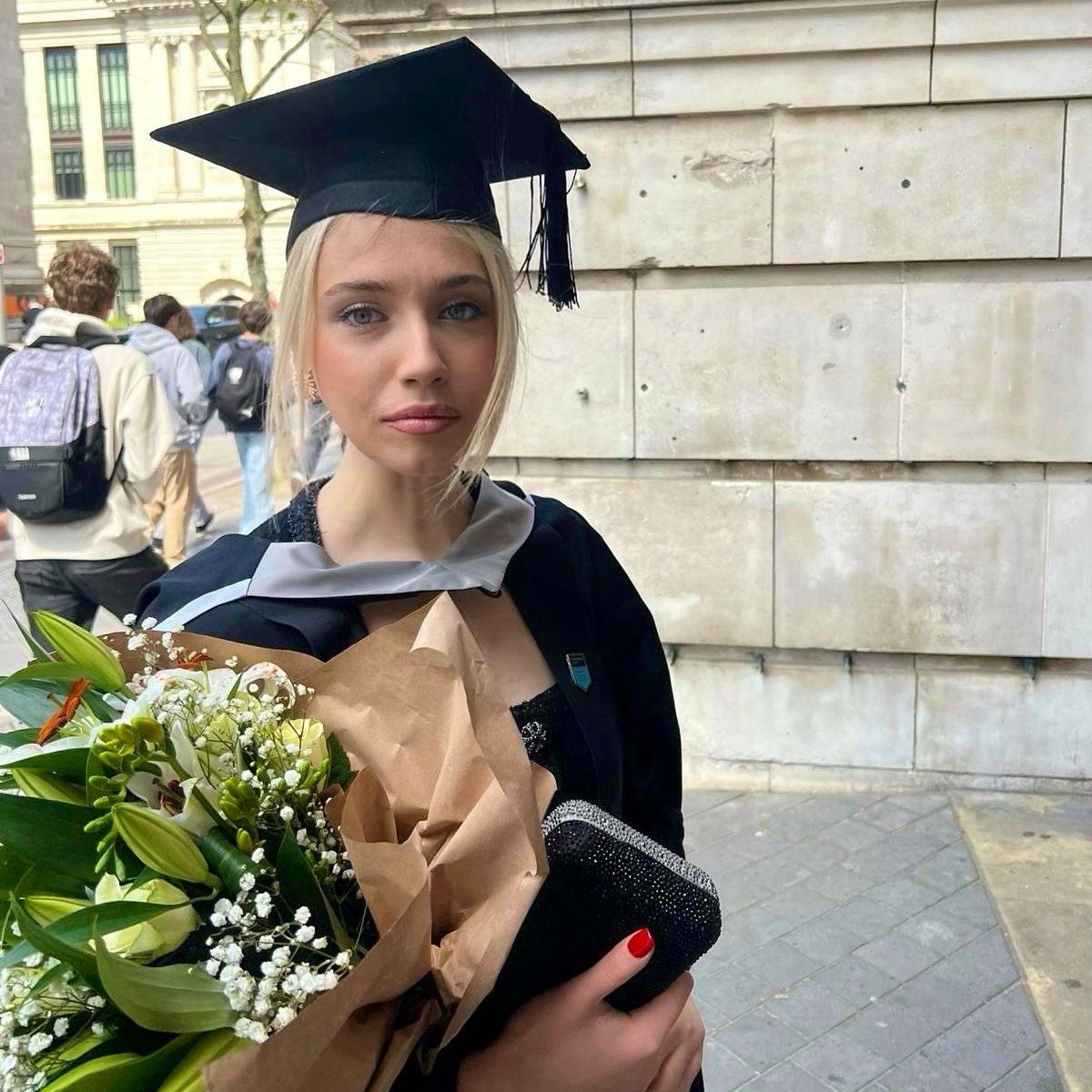 Name: Andrijana Minic
Department: Chemical Engineering
Title of Research: Optimisation of electrochemical CO2 reduction catalysts for the production of multi-carbon products towards aviation fuels
Email: andrijana.minic21@imperial.ac.uk
Supervisor(s): Dr Maria-Magdalena Titirici and Dr Ifan Stephens
About me: I am a PhD student in the Department of Chemical Engineering at Imperial College London and part of Titirici Group, Interfacial Electrochemistry Group and the Centre for Doctoral Training in Green Industrial Futures. My research is focused on the development of Power to X (P2X) technologies which offer an opportunity to convert CO2 (directly captured from air) with renewable electricity to create energy-dense long-chain hydrocarbons for use in aviation and shipping. Currently, my main interest is optimisation of CO2 electro-reduction catalysts for the production of multi-carbon products towards sustainable aviation fuels (SAFs) using automated high-throughput approaches. I hold BEng in Chemical Engineering from University College London (2021) and an MSc in Advanced Chemical Engineering from Imperial College London (2022). As part of my master’s research, I worked on the development of high-performance composite materials (adsorbents and membranes) for wastewater remediation under supervision of Professor Kang Li. Following this, I worked as an ESG analyst which involved project and engineering management, bid management and technical advisory for sponsors, lenders and investors in large transportation and energy PPP projects in Europe, the Middle East, Africa (EMEA) and the Americas. In this role, my particular focus was on Green and Sustainable Finance, more specifically, Green and Climate Bonds. After a year and a half spent in consultancy, I continued my research at the Institute of General and Physical Chemistry in Belgrade, Serbia where I worked on the development of advanced heterogenous catalysts for high-efficiency fuel cell applications and doped polymer membranes for enhanced efficiency of alkaline electrolysis process. With my multidisciplinary expertise in chemical engineering, finance, climate policy and other environmental regulatory frameworks and passion for sustainability, my goal is to make impactful contributions at the intersection of technological development, sustainable finance and innovation. My work reflects a strong commitment to advancing development of new materials to foster innovative real-world energy solutions and drive transition to clean fuels.
Summary of Research: The shipping and aviation sectors are critically dependent upon the availability of energy-dense molecules and liquids, which should be made as economically and sustainably as possible. The aim of my research is to develop Power to X (P2X) technologies which offer an opportunity to convert CO2 (ideally directly captured from air) with renewable electricity to create energy-dense long-chain hydrocarbons for use in aviation and shipping. CO2 electrolysis (CO2E) allows us to produce energy-dense hydrocarbons, but the technological developments have been limited due to low selectivity and activity of catalysts used to produce these highly reduced species. Using new automated high-throughput (HT) approaches for materials discovery and development including experimentation (synthesis and characterisation) and computational modelling, the goal of my research is to identify and create conditions favourable for enhanced C-C coupling and ultimately to push the boundaries towards generation of multi-carbon products and sustainable aviation fuels (SAFs).
Research interests: Sustainable Energy Materials, Electrochemistry, Catalysis, Electrodeposition, Electro-fuels (e-Fuels), Nanomaterials, Clean Energy Production
Why did you choose the scholarship scheme at Imperial College: The President's PhD Scholarship is a prestigious award that offered me the opportunity to pursue a PhD at one of the world’s leading research institutions. The scheme is of particular significance for international students, especially in fields where many programmes are limited to home or EU applicants. Furthermore, the scheme offers autonomy, as the funding remains entirely independent of external academic or industrial financial support allowing students to define and refine the direction of their research in alignment with their evolving interests over the course of the doctoral programme. In addition to financial support, the scheme offers substantial resources for academic and professional development. The consumables fund facilitates engagement in conferences, specialist trainings, courses and other developmental activities that enhance both disciplinary expertise and broader research competencies. Finally, the scholar community is diverse and inspiring. It brings together talented young researchers from a wide range of disciplines, fostering peer learning, interdisciplinary exchange, and collaborative skill-building beyond our individual research areas.
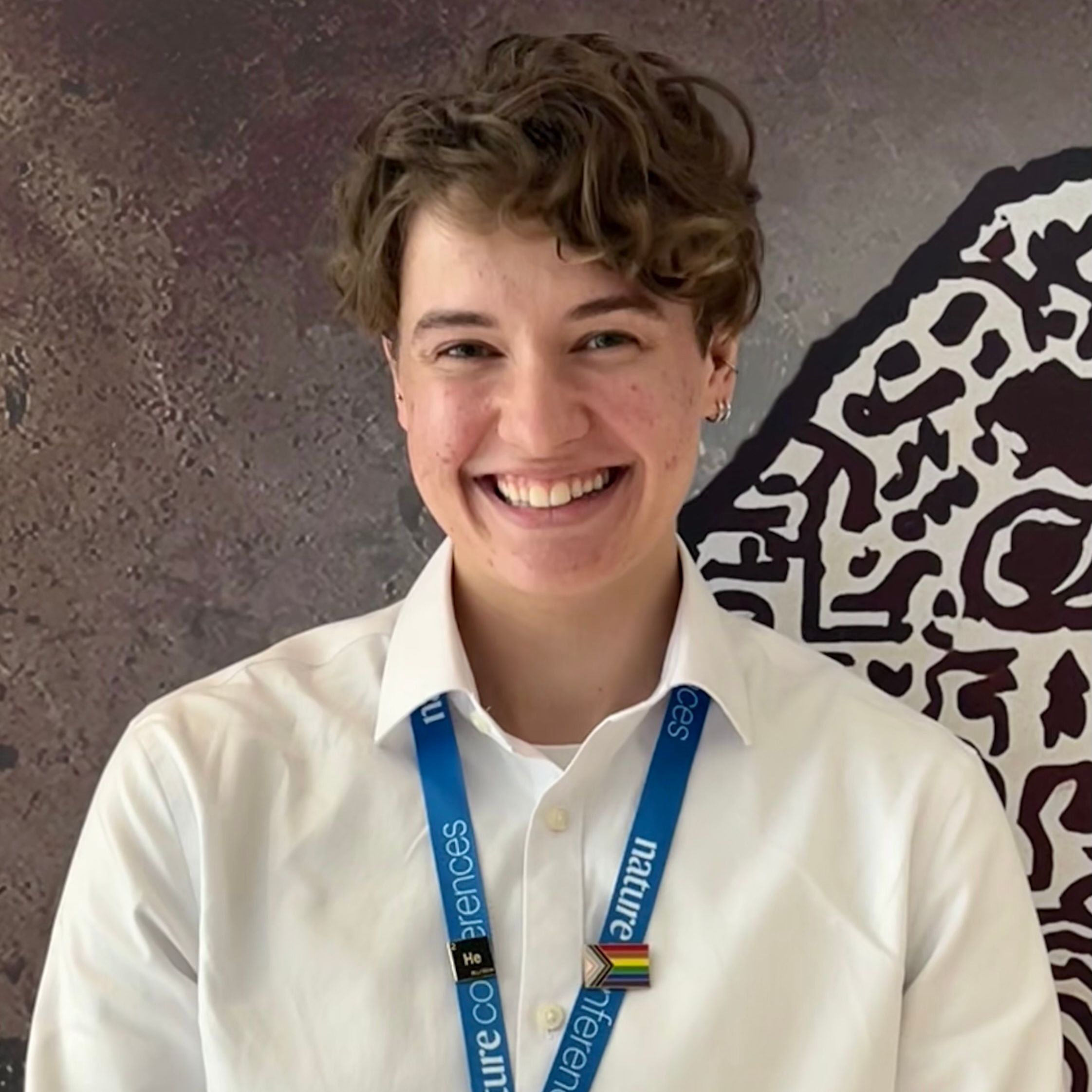 Name: Ethan Draper
Department: Bioengineering
Title of Research: Advanced microstructural modelling techniques for brain health in clinical settings
Email: e.draper25@ic.ac.uk
Supervisor(s): Dr. Amy Howard
About me: I received my BA in Applied Forensic Psychology (St. Francis Xavier University) before pursuing my MSc in Neuroscience (McGill University, Montreal Neurological Institute). My work has predominantly focused on psychological and neurological conditions (ranging from psychosis to dementia), with a focus on magnetic resonance imaging (MRI) in the brain's white matter. At the MNI, I began contributing to the Consortium for the Advancement of MRI Education and Research in Africa, designing and delivering neuroimaging training to clinicians and students in low- and middle-income countries. I also spent time at Oxford University as a visiting academic in the Oxford Centre for Integrative Neuroimaging, where I met my current supervisor who recently joined Imperial.
Summary of Research: The development of MRI to non-invasively understand changes in the brain’s microstructure is critical for designing tools to identify pathology, optimize treatment planning, and monitor disease progression. Because dMRI is an indirect measure of the brain’s cellular structures, complex models are used to estimate the biophysical parameters related to the brain microstructure that influence the dMRI signal. However, oftentimes multiple possible parameters can describe a dMRI signal equally well. To address model degeneracy, my project will use a novel framework (BENCH) to estimate microstructural changes in pathology. Despite providing valuable microstructural insights, BENCH is currently unavailable in clinical settings as it relies on research-grade dMRI data. My research will focus on adapting and optimizing BENCH for clinical settings, which primarily involve restricted data.
Research interests: Neuroimaging, white matter, diffusion modelling, research translation
Why did you choose the scholarship scheme at Imperial College: The President's Scholarship provides funding for research consumables, which was a big factor in my decision. It's incredibly helpful to have designated funding for data acquisition and related research travel.
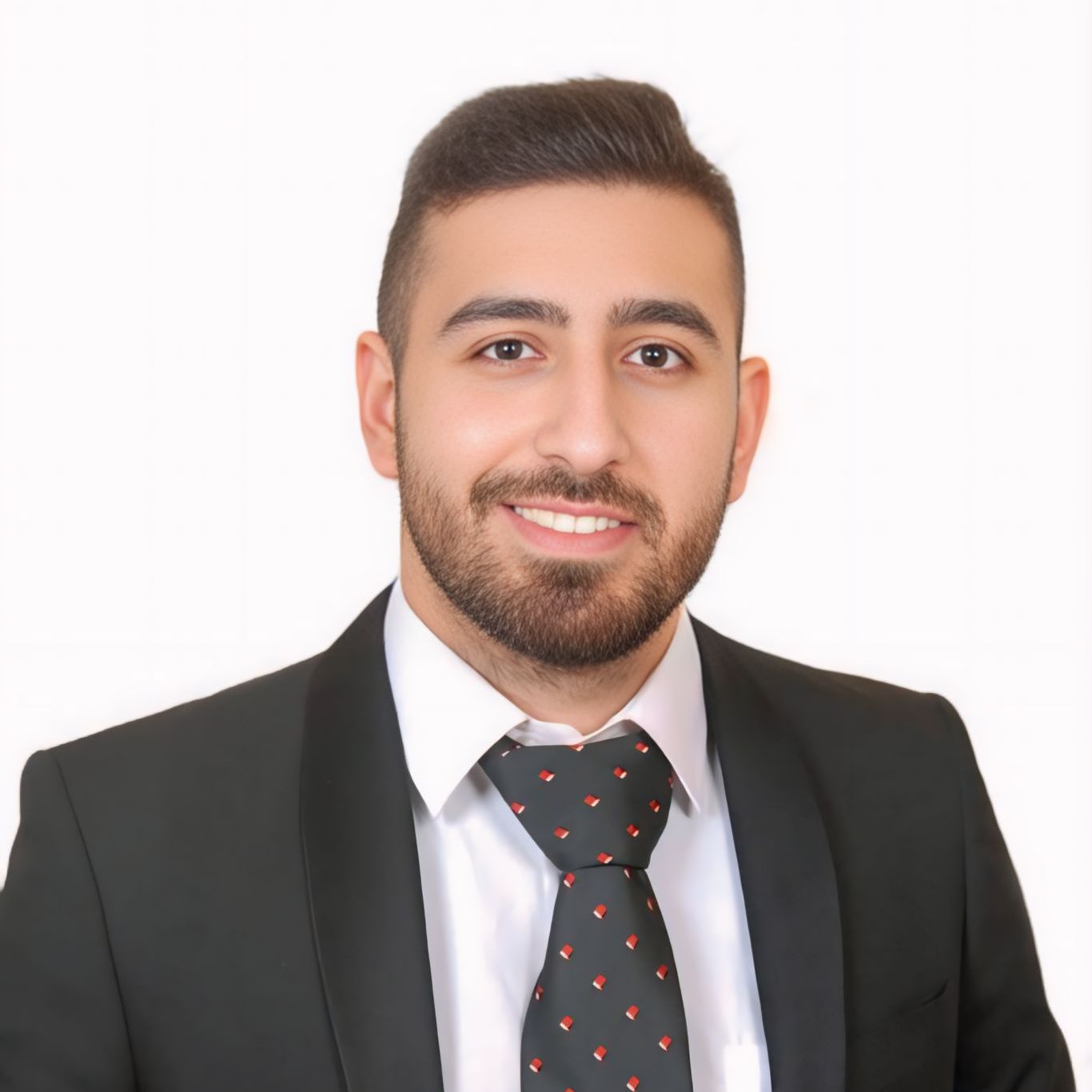 Name: Karam Sarieddine
Department: Earth Science and Engineering
Title of Research: Geological and Geophysical Investigation of the Environmental Evolution of the Southern North Sea for Offshore Wind Applications
Email: k.sarieddine25@imperial.ac.uk
Supervisor(s): Alexander Whittaker, Rebecca Bell, Gary Hampson
About me: Before joining Imperial College London as a PhD student, I worked as a Research Assistant in Earthquake and Structural Geology at the American University of Beirut (AUB). I hold a BSc in Petroleum Studies and an MSc in Geology, both awarded by the AUB.
Summary of Research: My PhD research focuses on investigating the shallow subsurface geology of the North Sea basin to improve our understanding of the influence of multiple glacial and interglacial cycles over the past 500 kyr. The work involves interpreting ultra-high-resolution seismic data to gain a better understanding of the stratigraphic and palaeogeographic evolution of the North Sea basin. This provides critical information for the development of ground models (i.e., models used for wind-farm development) that can accurately capture ground conditions and derisk geohazards.
Research interests: Basin Analysis, Geophysics, Earthquake Geology, Structural Geology, Geomorphology, Hydrogeology, Glaciology, Energy Transition, Petroleum Geology
Why did you choose the scholarship scheme at Imperial College: I have always aspired to pursue a PhD at Imperial College London, the leading university in Europe and a world-renowned institution for Earth Sciences. I was aware of the President’s PhD Scholarship, recognised as the most prestigious and competitive PhD scholarship offered by Imperial. Following my admission to Imperial, I worked hard to strengthen my academic and research profile, prepare for the selection interviews, and fulfill all the requirements of the application process to compete for the scholarship. I am incredibly proud and honoured to be a President’s Scholar at Imperial College London.
 Name: Kasper Foss Hansen
Department: Mechanical Engineering
Title of Research: Qualification and design frameworks for recycled composite materials and structures
Email: kasper.hansen23@imperial.ac.uk
Supervisor(s): Dr Soraia Pimenta
About me: I completed a BEng at UCL, writing my dissertation on machine learning for marine robotics computer vision and doing an industrial placement at Mercedes AMG High Performance Powertrains. I then completed an MSc at Imperial, where I became interested in composite materials through my thesis project on machine learning for carbon fibre composites. Having enjoyed my time spent in composites research, I worked for a year as a research assistant in a joint research programme between Imperial and the University of Bristol. I am now focusing on composite material recycling in my PhD at Imperial.
Summary of Research: Carbon fibre composites are exceptionally light, stiff, and strong materials - but they are also expensive and poor for the environment. Manufacturing scraps and end‑of‑life products generate growing volumes of waste, most of which is currently landfilled. However, as recycling technologies mature, commercially viable, sustainable reuse of carbon fibre is becoming possible.
Research interests: Composite materials, circular economy, experimental characterisation, simulation, and data-driven modelling.
Why did you choose the scholarship scheme at Imperial College: The President’s Scholarship provides the ideal environment to conduct my research while connecting with PhD students across disciplines. I am always excited to learn about cutting-edge work beyond my own field, and this scheme offers the chance to engage with an inspiring, interdisciplinary community.
 Name: Maedeh H.Toosi
Department: Electrical and Electronic Engineering
Title of Research: Methods for Reducing Demographic Bias in Clinical Risk Prediction
Email: maedeh.toosi25@imperial.ac.uk
Supervisor(s): Prof. Esther Rodriguez-Villegas
About me: Before joining Imperial, I completed both my undergraduate and master's degrees in Computer Engineering in Iran. During my undergraduate years I spent a summer internship working on ECG signal processing, and it changed what I wanted to work on: the signals were noisy, but behind each one was a patient. I followed that direction into my master's, where I worked on designing low-power AI models to detect cardiac arrhythmias from data collected by wearable devices. I am glad that my PhD has kept me in this field, now working on clinical data with a different question in mind, not only whether these models work, but whether they work equally well for every patient.
Summary of Research: AI systems are increasingly used to predict which patients are most at risk in hospitals, but these tools do not always perform equally well for all patients. Models often work less accurately for some race and gender groups, which risks worsening the health inequalities they were meant to help address. As these systems move from research into clinical use, such biases can directly affect who receives timely treatment and who does not. My research aims to understand where this bias comes from and to develop practical methods for reducing it, so that these models can be used safely and fairly in clinical settings.
Research interests: AI in healthcare, Embedded Systems, Hardware/Software Co-Design, Trustworthy AI
Why did you choose the scholarship scheme at Imperial College: I applied for the President's PhD Scholarship because it gives real freedom to take on a research question that matters, with the funding and time to do it properly. Receiving it also meant a lot to me personally, it felt like the years of work before Imperial had finally been seen and answered.
 Name: Min Waye Chew
Department: Bioengineering
Title of Research: The Role of the Dermal Papilla in Human Hair Fibre Pigmentation
Email: min.chew23@imperial.ac.uk
Supervisor(s): Dr Claire Higgins
About me: I completed my BSc in Biomedical Science at King’s College London, where my final-year project investigated the transgenerational effects of a paternal protein-deficient diet on offspring under the supervision of Dr Michelle Holland. I then pursued an MSc in Engineering for Biomedicine at Imperial College London, where I met my current supervisor, Dr Claire Higgins. For my research project, I explored reprogramming amputee stump skin using plantar fibroblasts as a preventative cell therapy for mechanically induced dermatoses. After graduating, I worked for a year as a Research Assistant in the Higgins Lab before beginning my PhD.
Summary of Research: The dermal papilla is a specialised group of cells at the base of the hair follicle that helps regulate hair growth, cycling, and fibre formation by signalling to surrounding follicular cells. Despite this central role, it remains relatively under-studied in the context of hair fibre pigmentation. Animal studies suggest that the dermal papilla may help influence hair colour, but its role in human hair pigmentation is still not fully understood. My research investigates changes in dermal papilla signatures associated with hair greying, alongside broader questions about pigmentation and hair follicle biology in conditions such as alopecia areata.
Research interests: Single-cell RNA-sequencing, human hair follicle, hair pigmentation, alopecia areata
Why did you choose the scholarship scheme at Imperial College: Because of its flexibility, this scholarship allowed me to pursue research that I am interested in, especially as an international student.
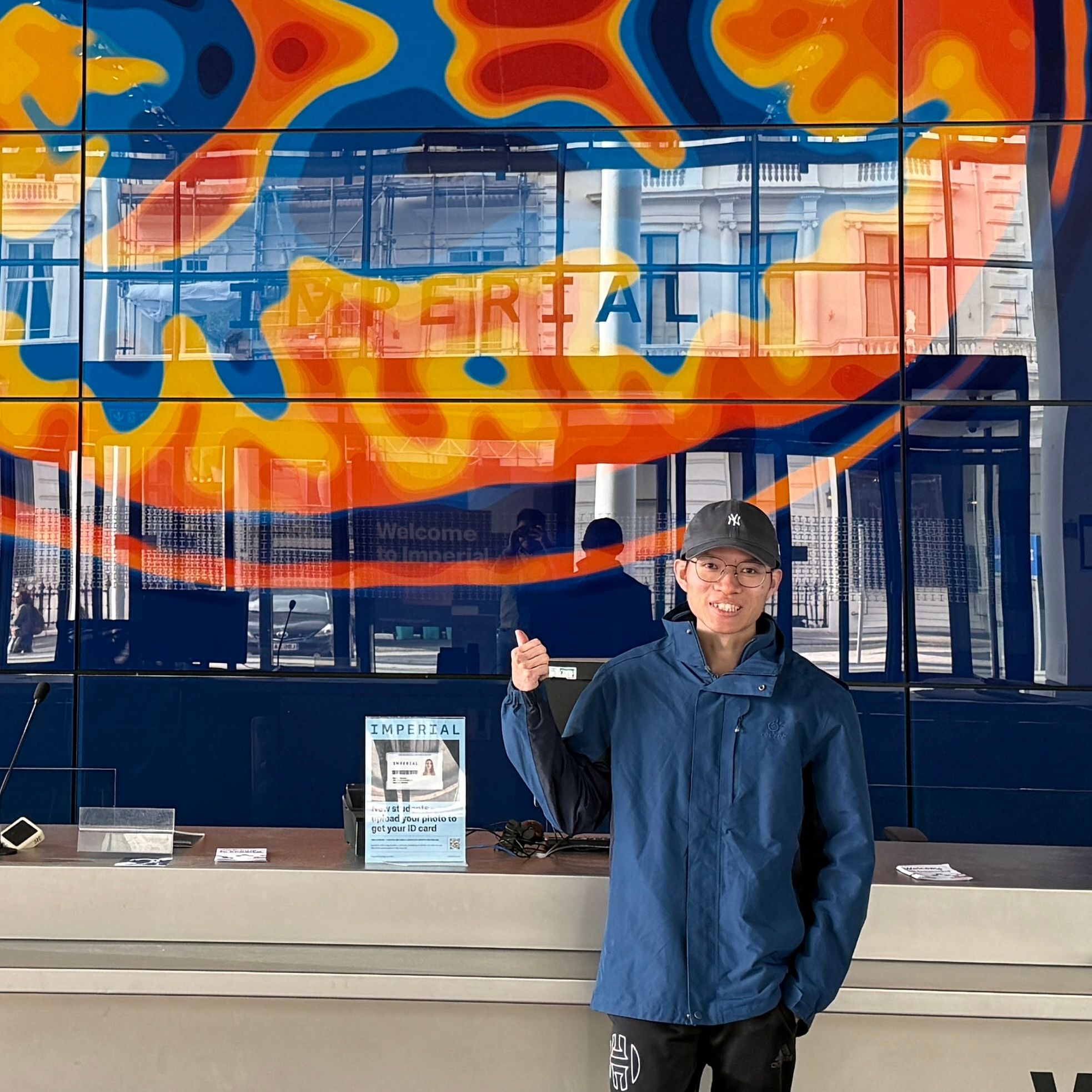 Name: Zhiyun Song
Department: Computing
Title of Research: Generative Foundation Models for Magnetic Resonance Imaging
Email: zs125@ic.ac.uk
Supervisor(s): Dr Wenjia Bai
About me: Hi everyone! I’m excited to join the team here at Imperial. Previously, I studied at Shanghai Jiao Tong University and Beihang University. I also spent some time interning at Deepwise and, most recently, at Alibaba DAMO Academy. My research background is in generative models for medical imaging—mostly looking at self-supervised learning, modality synthesis, and super-resolution.
Summary of Research: Generative models are promising tools for synthesis personalized medical images and have the potential for visiual recognition. My research goal is to utilize the generative models in the field of Magnetic Resonance Imaging to empower the development of Vision Language Models.
Research interests: Generative models, self-supervised learning, multi-modal analysis, segmentation, and pretraining algorithms
Why did you choose the scholarship scheme at Imperial College: I chose the President's Scholarship scheme primarily for the research independence it offers. Because the funding is so secure and generous, it allows me to focus entirely on my research into generative models and medical imaging without the immediate pressure of securing external grants or taking on excessive teaching loads. It gives me the mental space to take high-risk, high-reward approaches to problems.
Faculty of Medicine
- Ada Puric - Institute of Clinical Sciences
- Amy Parnell - Department of Infectious Disease
- Eline Stas - Department of Brain Sciences
- Frank Williams - Department of Metabolism, Digestion and Reproduction
- Isaac Fee - Institute of Clinical Sciences (Laboratory of Medical Sciences)
- Kyle Higgins - Department of Surgery and Cancer
- Siyuan Fan - School of Public Health
- Toby Clark - Department of Brain Sciences
- Zubairu Dalhatu Zubairu - School of Public Health
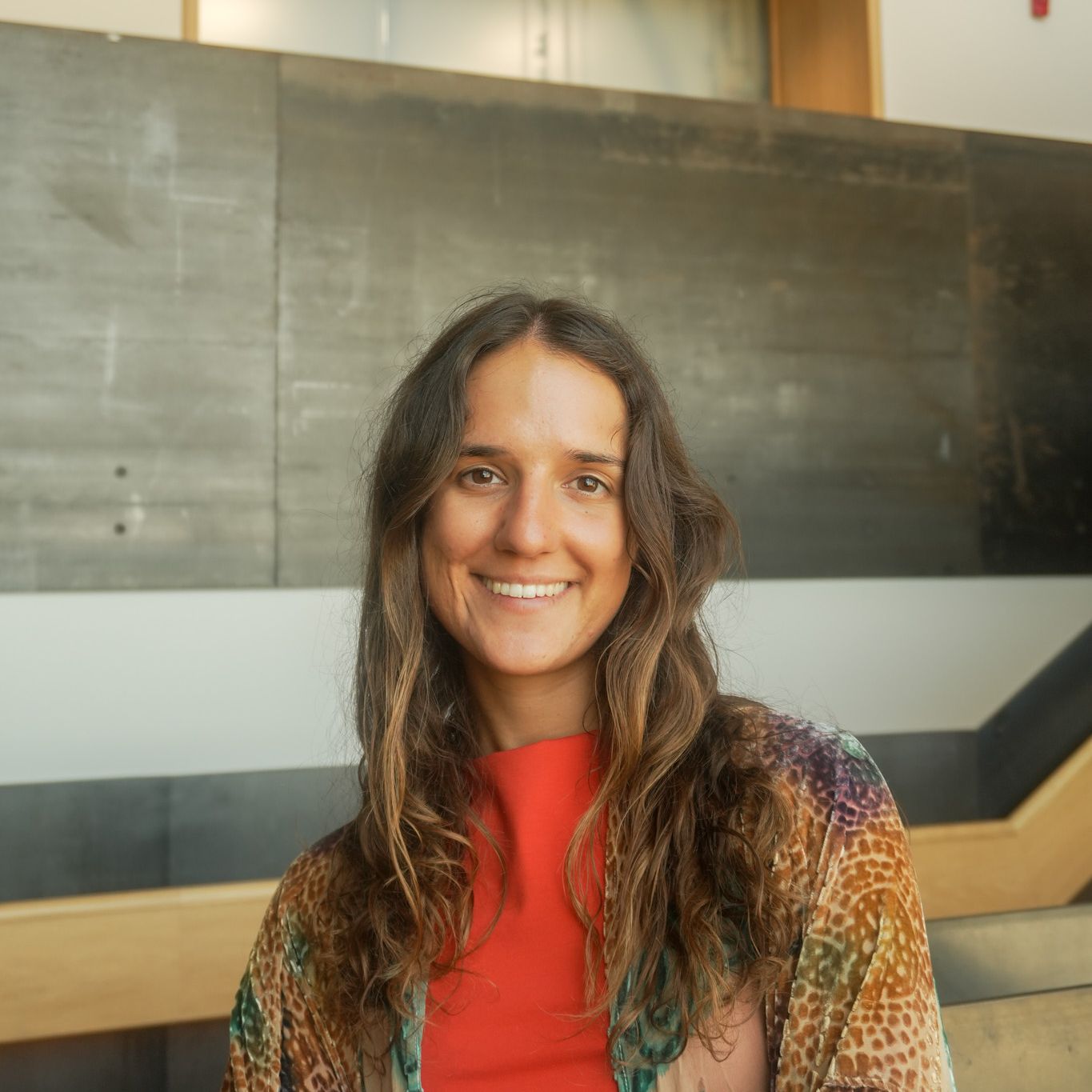 Name: Ada Puric
Department: Institute of Clinical Sciences
Title of Research: Advancing Treatments for Adipose Tissue Dysfunction with Single Cell Genomics
Email: ap5625@ic.ac.uk
Supervisor(s): Dr Will Scott and Prof Jesus Gil
About me: Before joining Imperial, I completed my undergraduate degree in Bioprocessing of New Medicines at UCL, followed by an MPhil in Therapeutic Sciences at the University of Cambridge. During my master's, I completed a placement at Relation Therapeutics, where I worked on the development of a Software as a Medical Device for personalised drug recommendations in obesity and type 2 diabetes. This experience highlighted the potential of genomic data and machine learning to personalise care for complex, multifactorial disorders, while also showing me how much of that potential is limited by an incomplete understanding of the molecular mechanisms driving disease. It sparked my interest in working further upstream, contributing to research that uncovers these mechanisms and translates them into new treatment strategies.
Summary of Research: Obesity affects over a billion people worldwide and is a leading cause of diabetes, cardiovascular disease and related comorbidities, yet no drug treatments currently target adipose tissue dysfunction directly. My research asks why fat (adipose) tissue becomes dysfunctional as obesity progresses, and what can be done to intervene. Building on the Scott Group's single-cell atlas of human adipose tissue, my project aims to further characterise the cell states and signalling pathways driving its pathological expansion, including inflammation, cellular senescence, metabolic dysfunction and fibrosis. Using perturbation modelling, I predict how these cell states respond to intervention to identify candidate targets, then integrate compound databases and off-target effect prediction to nominate existing drugs that could be repurposed against them, or flag them as novel targets for future development. The goal is to translate these findings into treatment strategies that address not only obesity but the metabolic conditions it drives.
Research interests: Single cell genomics, metabolic endocrinology, translational research, drug discovery, generative modelling
Why did you choose the scholarship scheme at Imperial College: The President's Scholarship has provided me with the opportunity to pursue my PhD research with leading academic researchers, while also connecting me to a network of international scholars working across different disciplines at Imperial.
Name: Amy Parnell
Department: Infectious Disease
Title of Research: Impact of CMV in lower respiratory tract infections in children born to mothers with HIV.
Email: amy.parnell25@imperial.ac.uk
Supervisor(s): Dr James Seddon, Dr Helen Payne & Dr Aubrey Cunnington
About me: I completed a BSc in Biomedical Science at the University of Warwick. My research focused on the epidemiology of gonorrhoea and chlamydia, examining determinants of risk, and was later published in an undergraduate research journal. Alongside my degree, I worked in Global Medical Affairs on paediatric HIV and was awarded A*STAR’s SIPGA scholarship to undertake an international research attachment in Singapore, where I investigated the directed evolution of alphaviruses. Since graduating, I have contributed to research projects with the Institute for Global Health on early detection of paediatric sepsis and meningitis, and with Imperial College London on cytomegalovirus and HIV co-infection, presenting this work at two conferences.
Summary of Research: My research will investigate the virological and immunological impact of cytomegalovirus (CMV) in lower respiratory tract infections in young children in South Africa. I will explore virological and immunological determinants of clinical outcomes.
Research interests: Paediatrics, CMV, HIV, TB, virology, immunology
Why did you choose the scholarship scheme at Imperial College: My favourite part of my PhD is the intellectual freedom it offers - the ability to design and develop a project that addresses an unmet research need. It allows me to combine creativity, critical thinking and curiosity to generate meaningful scientific insights.
 Name: Eline Stas
Department: Brain Sciences
Title of Research: Temporal Interference brain-stimulation for cognitive enhancement in ageing
Email: efs23@ic.ac.uk
Supervisor(s): Dr Samuel Barnes, Dr Nir Grossman
About me: Before starting my PhD, I completed a BSc in Life Science & Technology with additional courses in Mechanical Engineering at the Technical University of Delft and the University of Leiden. During my final BSc project, I joined the Bonner-Weir Lab at Harvard Medical School, where I worked on enhancing subcutaneous islet transplantation for Type I diabetes. I then took a short break from science and pursued an MSc in Management at the Rotterdam School of Management, followed by an MSc in Engineering in Biomedicine at Imperial College London. During my MSc project in the Neural Coding and Neurodegenerative Disease Laboratory, I developed a longitudinal three-photon imaging pipeline to quantify cerebrovascular and amyloid plaque changes in a mouse model of Alzheimer’s disease.
Summary of Research: Ageing is associated with changes in neuronal excitability, plasticity, and the mechanisms that maintain stable brain activity, which may contribute to cognitive decline. My PhD focuses on Temporal Interference (TI) brain stimulation as a potential approach for modulating age-related changes in cortical activity and excitability. I use a combination of longitudinal behavioural testing, electrophysiology, spatial transcriptomics, mesoscopic imaging, and two-photon imaging to investigate how TI influences neural activity, circuit function, and cognition in the ageing brain.
Research interests: Ageing, synapse & circuitry, brain stimulation
Why did you choose the scholarship scheme at Imperial College: As an international student, the President’s PhD Scholarship gave me the opportunity to study a topic I’m passionate about at Imperial College and gave me the support to focus fully on my PhD.
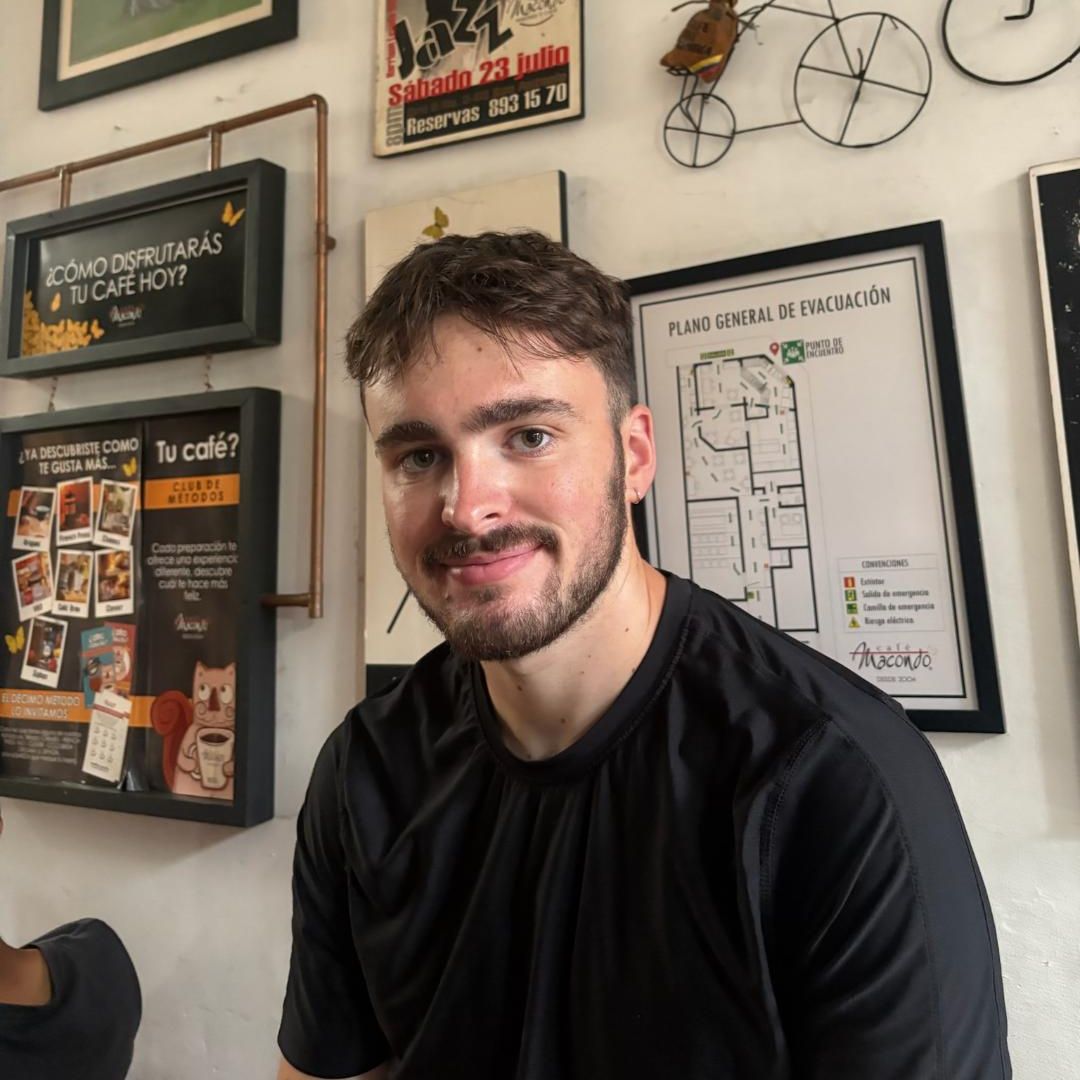 Name: Frank Williams
Department: Metabolism, Digestion and Reproduction
Title of Research: Defining Host-Microbial Interactions, Antimicrobial Resistance and Infection Risk in Reproductive-age women
Email: fow23@ic.ac.uk
Supervisor(s): Dr Elita Jauneikaite & Dr Lynne Sykes
About me: My research interests lie in bacterial evolution, with a focus on the genetics of antimicrobial resistance. I completed my BSc in Cellular and Molecular Medicine at the University of Bristol before moving to Imperial to pursue an MSc in Human Molecular Genetics. During my MSc, I joined a research group within the Department of Infectious Disease, where I conducted a six-month research project. Following this, I stayed on as a Research Assistant in the HPRU Priority Pathogens theme, working alongside collaborators at the UK Health Security Agency and developing expertise in bacterial genomics, antimicrobial resistance dissemination and large-scale data analysis.
Summary of Research: Microbial communities are highly responsive to shifts in their host’s physiological and pathological states, and pregnancy is a period of particularly profound change. During this time, the maternal vaginal and gut microbiomes become especially sensitive to host-driven alterations and external pressures such as antibiotic exposure. These disruptions can disturb microbial balance, promote pathogen dominance and elevate infection risk, an important yet often under-recognised contributor to maternal and neonatal morbidity. Rising antimicrobial resistance among major pathogens, including E. coli, Klebsiella pneumoniae and Group B Streptococcus, further complicates diagnosis and treatment.
My PhD explores how the maternal vaginal and gut microbiomes interact with key bacterial pathogens to influence susceptibility to infection during pregnancy. This will involve integrating a literature review, genomic and metagenomic analyses and clinical data to identify microbial signatures, pathogen virulence traits and patterns of antimicrobial resistance. Using advanced sequencing techniques, bioinformatic pipelines and machine learning approaches, I aim to characterise how antimicrobial resistance contributes to the dynamics of the microbiome, infections and related maternal outcomes. The goal is to provide insights into the interplay between microbial communities, pathogens and AMR that affect reproductive health and infection risk.
Research interests: Bacterial genetics: Advances in whole-genome sequencing have enabled high-resolution study of bacterial evolution. My interests focus on mobile genetic elements - plasmids, transposons and other horizontally transferred DNA, that disseminate traits such as antimicrobial resistance across lineages and species. These elements display evolutionary dynamics distinct from the core chromosome, and characterising their mobility and genomic interactions remains a central research focus. Microbiome Dynamics: The human microbiome consists of the microbial communities that inhabit our bodies, and their composition and function can have wide-ranging effects on health. I’m particularly interested in how these communities operate in the maternal context, including their role in reproductive health and pregnancy outcomes. My focus is on understanding how factors such as antibiotics, infections and other environmental pressures can alter microbial balance, and how these shifts may influence susceptibility to disease and overall maternal well-being. Antimicrobial resistance: I’m interested in the processes that drive the development and spread of antimicrobial resistance, from within individual hosts to broader population scales across the globe. Using genomic and surveillance data, I aim to deepen the current understanding of how resistance emerges, spreads and persists across different contexts, and how surveillance can be improved to track these dynamics effectively.
Why did you choose the scholarship scheme at Imperial College: I applied for the President’s PhD Scholarship because it is a prestigious award that supports me in continuing my research, provides access to Imperial’s wide range of academic resources and offers a generous stipend that allows me to focus fully on my work without always needing part-time employment. It also enables me to live in London, close to the community where I conduct my research.
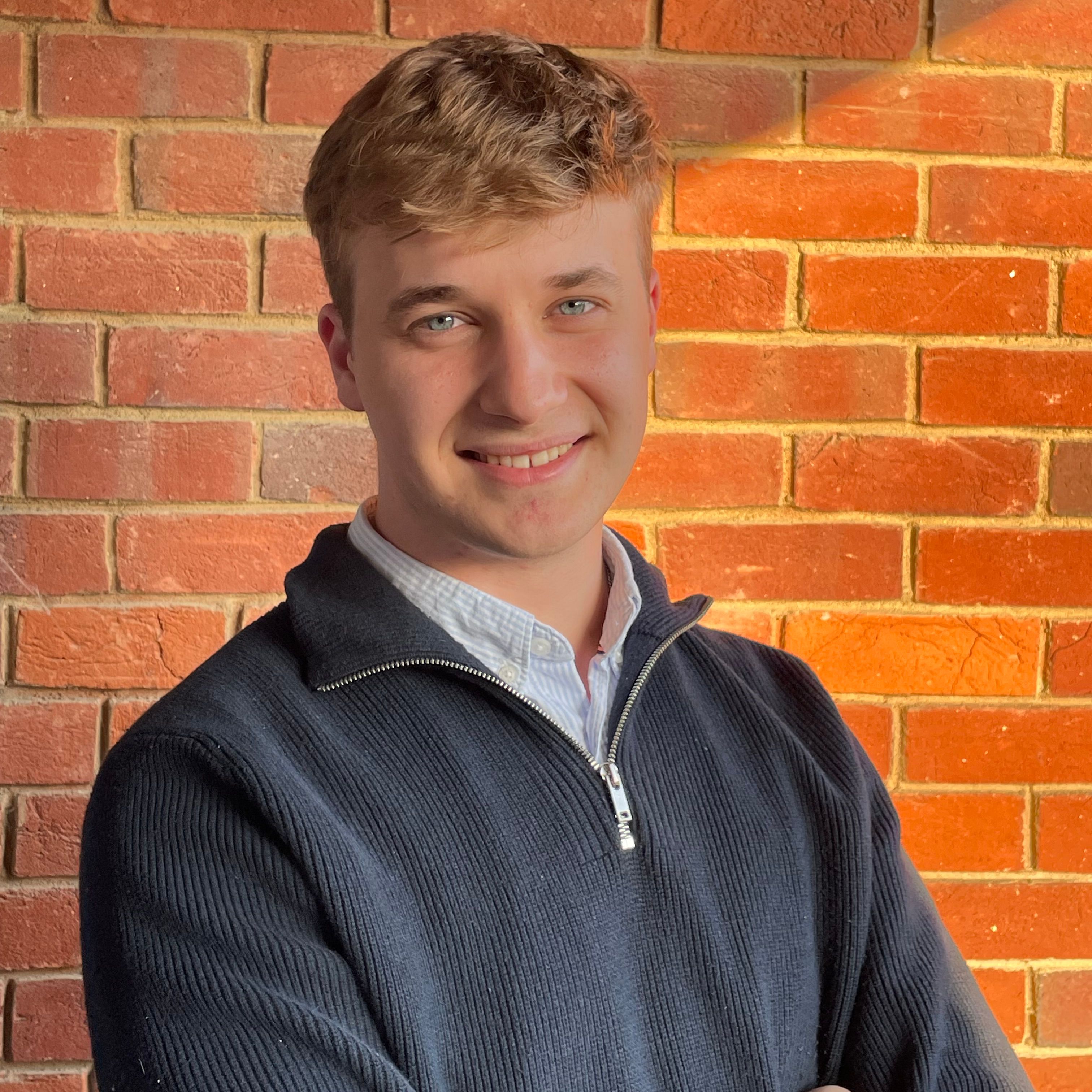 Name: Isaac Fee
Department: Institute of Clinical Sciences (Laboratory of Medical Sciences)
Title of Research: Investigating gene-intergenic fusion–derived neopeptides as promising targets for immunotherapies
Email: i.fee25@lms.mrc.ac.uk
Supervisor(s): Dr Lila Allou & Dr Petter Brodin
About me: I'm excited to be pursuing a PhD in immuno-oncology at the Laboratory of Medical Sciences (LMS)! Prior to joining Imperial and the LMS, I completed an integrated Master's degree in Biochemistry at the University of Cambridge, where I designed and created trifunctional immune cell engagers to direct NK cell cytotoxicity towards colorectal cancer cells. In line with my research interests, I am driven by the translational impact of therapeutic and medical research. Alongside my PhD research, I am a keen jazz saxophonist always looking for opportunities to play and listen around London!
Summary of Research: Somatic structural variants (SVs) are common drivers of fusion gene formation in cancer, generating oncogenes such as BCR-ABL, PAX3-FOXO1, and EWS-FLI1. Beyond fusion gene formation, SVs can drive the formation of gene-intergenic fusions, giving rise to novel peptide sequences derived from non-coding DNA. During my PhD, I aim to characterise the immunogenic potential of these gene-intergenic fusion–derived neopeptides using a combination of proteogenomic analyses and T cell immunogenicity assays. The most promising candidates will be further validated in vivo in xenograft mouse models or ex vivo in patient-derived tumour organoid models, and explored as targets for cancer immunotherapy.
Research interests: Immuno-oncology, proteogenomics, structural variation
Why did you choose the scholarship scheme at Imperial College: The President’s PhD Scholarship scheme at Imperial is a generous and prestigious award that has enabled me to conduct an ambitious, highly translational PhD project at a world-renowned research institution whilst making the most of cultural experiences in London.
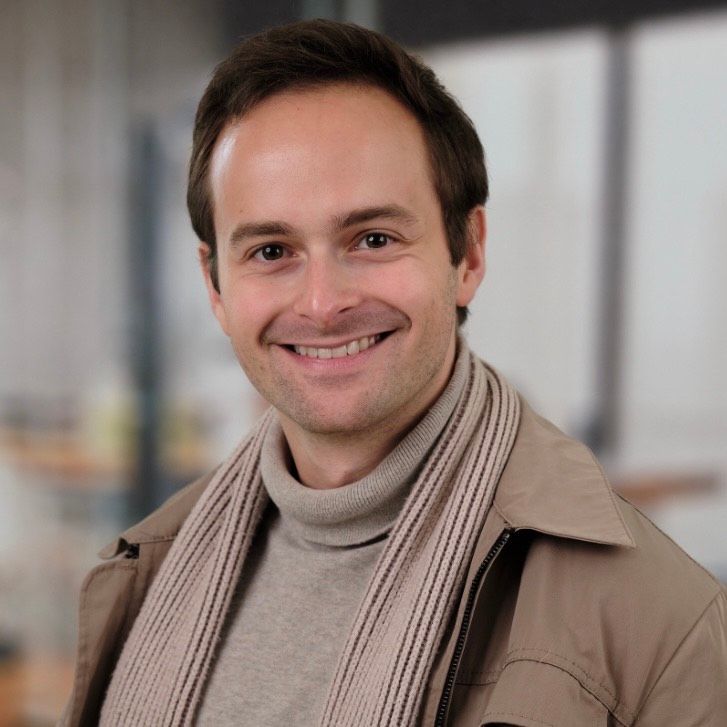 Name: Kyle Higgins
Department: Surgery and Cancer
Title of Research: Network AI with Multi-omics for Mechanistic Insights/Precision Diagnostics of Esophagogastric Cancer
Email: ksh22@ic.ac.uk
Supervisor(s): Kirill Veselkov (Main supervisor) George Hanna (Co-supervisor)
About me: President’s Scholar at Imperial College London and a bioinformatician and physicist specialising in Graph AI, reinforcement learning, and cancer research. My work focuses on combining multimodal clinical and multi-omics data to develop AI-based tools for personalised cancer diagnosis, monitoring, and treatment. I am currently based in the Veselkov Group at Imperial, collaborating with the George Hanna Group on graph-based AI and large language model approaches for oesophagogastric cancer. Previously, I developed algorithms for single-cell isolation using optical tweezers at Imperial and worked at Harvard Medical School on mutation identification in mass spectrometry-based proteomics. My background is in high-energy physics, where I developed simulations and detector instrumentation for studying quark-gluon plasma at Brookhaven National Laboratory’s heavy-ion collider. Across these fields, I am interested in applying computational and mathematical methods to fundamental scientific questions and translating them into practical technologies with real-world clinical impact.
Summary of Research: My research develops biologically structured artificial intelligence methods for cancer diagnosis, mechanistic discovery, and personalised decision support. I focus on graph neural networks that embed patient omics data, such as RNA-seq, methylation, proteomics, metabolomics and microbiome profiles, within known biological networks including protein–protein interactions, pathway hierarchies and metabolic graphs. This allows cancer to be modelled not only as a classification problem, but as a coordinated perturbation of interacting molecular systems.
Research interests: Bioinformatics, Graph AI, Omics, Multi-modal AI, Physics
Why did you choose the scholarship scheme at Imperial College: It was an extremely generous and prestigious opportunity, to not only fund my international PhD work, but also to connect with an outstanding cohort of top-notch academics.
 Name: Siyuan Fan
Department: School of Public Health
Title of Research: Adverse Childhood Experiences and Substance Use Transitions Across the Life Course
Email: siyuan.fan24@imperial.ac.uk
Supervisor(s): Filippos T Filippidis
About me: I completed a BSc in Preventive Medicine at Capital Medical University and an MPH at Imperial College London before starting my PhD in the School of Public Health. My previous research focused on mental and behavioural health, particularly the development of large-scale population databases and mixed-methods research involving the development, adaptation and validation of psychological and behavioural measurement tools.
Summary of Research: My research looks at how patterns of substance use—including nicotine, tobacco, alcohol and other drugs—and mental health change across the life course. Using large multinational datasets, including omics and population health data, I explore how early-life and social experiences may shape these patterns and what this could mean for prevention.
Research interests: Social epidemiology, life-course epidemiology, substance use, early adversity and mental health
Why did you choose the scholarship scheme at Imperial College: Academic freedom and familiarity with Imperial’s academic environment.
.jpg) Name: Toby Clark
Name: Toby Clark
Department: Brain Sciences
Title of Research: Enhancing prediction of the effects of genetic variation on DNA methylation using machine learning.
Email: toby.clark25@imperial.ac.uk
Supervisor(s): Dr Nathan Skene & Dr Payam Barnaghi
About me: Initially specialising in chemistry during my integrated master's degree in Natural Sciences at the University of Cambridge, I gained experience applying machine learning and statistics to biological problems during my fourth year while studying Systems Biology. Following a master’s project predicting single-cell gene perturbations with foundation models in Dr Bornelöv’s group in the Department of Biochemistry, I continued to work as a research assistant in the group. Here, I focused on training language models on eukaryotic coding DNA sequences, aiming to understand the complex mechanisms of codon-dependent gene regulation across species.
Summary of Research: During my PhD, I aim to enhance machine learning models’ ability to capture individual genetic variation, particularly for predicting DNA methylation patterns. I plan to fine-tune existing functional genomics models such as AlphaGenome for methylation prediction, and investigate different architectures which could improve the ability to capture variant effects. These improved models could then be used to better identify causal genetic variants underlying neurodegenerative diseases.
Research interests: Training and scaling machine learning models, deep learning approaches for epigenomic prediction, methods for predicting the effects of genetic variants
Why did you choose the scholarship scheme at Imperial College: When looking at PhDs to apply to, my current project was the most interesting and applicable to my skillset. The scholarship gave me the opportunity to study this project in Dr Skene's lab without needing to apply for other funding to be able to live in London.
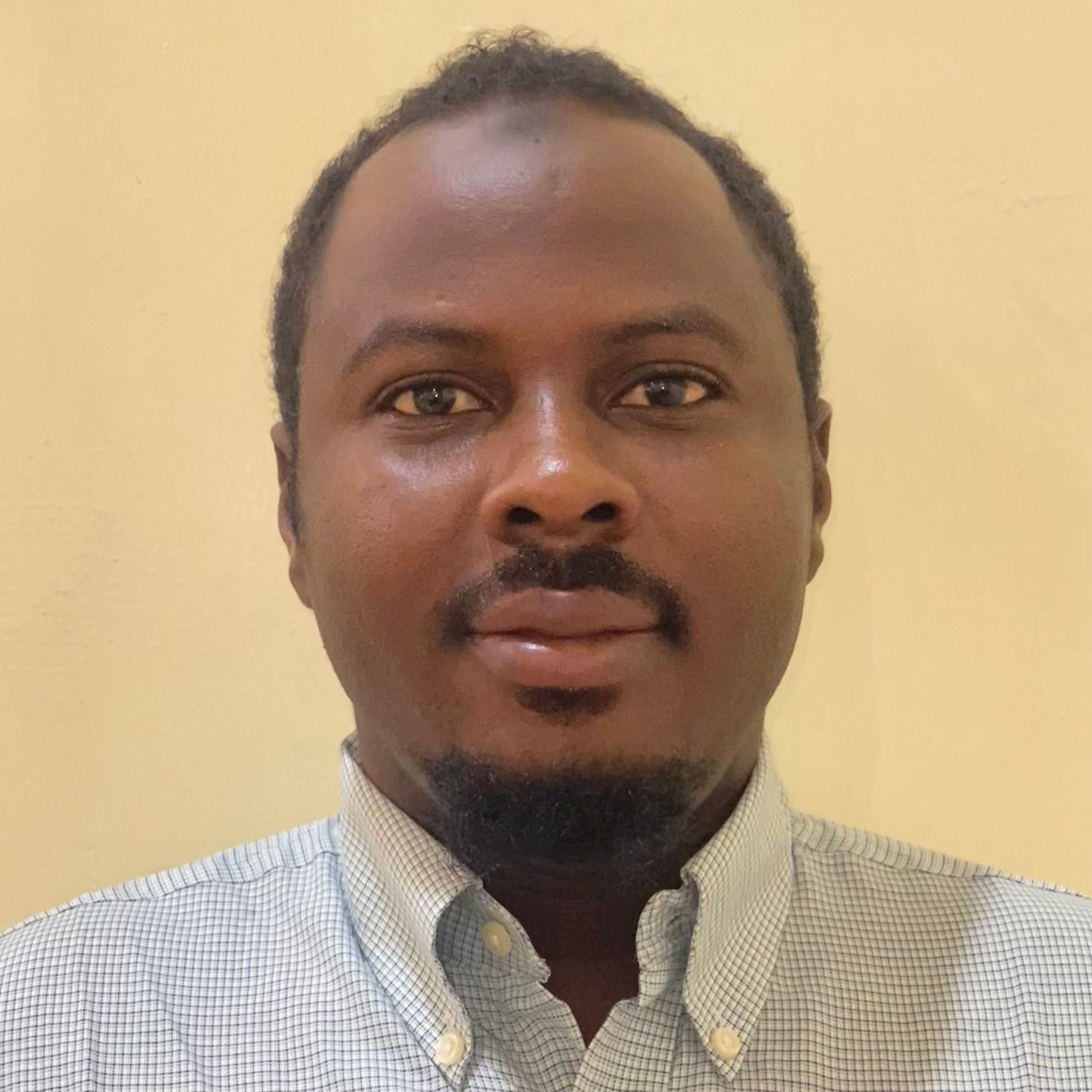 Name: Zubairu Dalhatu Zubairu
Department: School of Public Health
Title of Research: Modelling future use case of malaria vaccines
Email: zd923@ic.ac.uk
Supervisor(s): Dr Lucky Okell & Dr Patrick Walker
About me: I obtained my BSc in Human Anatomy from Ahmadu Bello University. In 2021, I won a Commonwealth Shared Scholarship to study MSc Public Health at Brunel University of London. I began working as an Assistant Lecturer at Ahmadu Bello University Distance Learning Centre in 2023, where I taught and assisted in coordinating the Master's in Public Health (online) programme. In 2024, I was selected for the Nigeria Malaria Modelling Fellowship, a Gates Foundation-funded project implemented by Corona Management Systems.
Summary of Research: The research will use mathematical modelling to estimate how vaccine efficacy among older children and adults.is influenced by age at vaccination and transmission intensity. These calculated efficacy estimates will subsequently be integrated into a mathematical model of malaria infection to project the real-world public health effectiveness of expanding mass vaccination campaigns beyond the current World Health Organisation (WHO) recommendation age group of children under five years old.
Research Interests: Infectious disease modelling; Malaria modelling
Why did you choose the scholarship scheme at Imperial College: The President's PhD Scholarship is one of the most generously funded scholarships in the UK. It gave me the opportunity to study at one of the World's leading universities in infectious disease modelling.
Faculty of Natural Sciences
- Audrey Wagner - Centre for Environmental Policy
- Rayyan Al-Qaiwani - Department of Mathematics
- Sewon Lim - Department of Chemistry
- Yating Jiang - Centre for Environmental Policy
- Yinka Adeniji - Department of Life Sciences
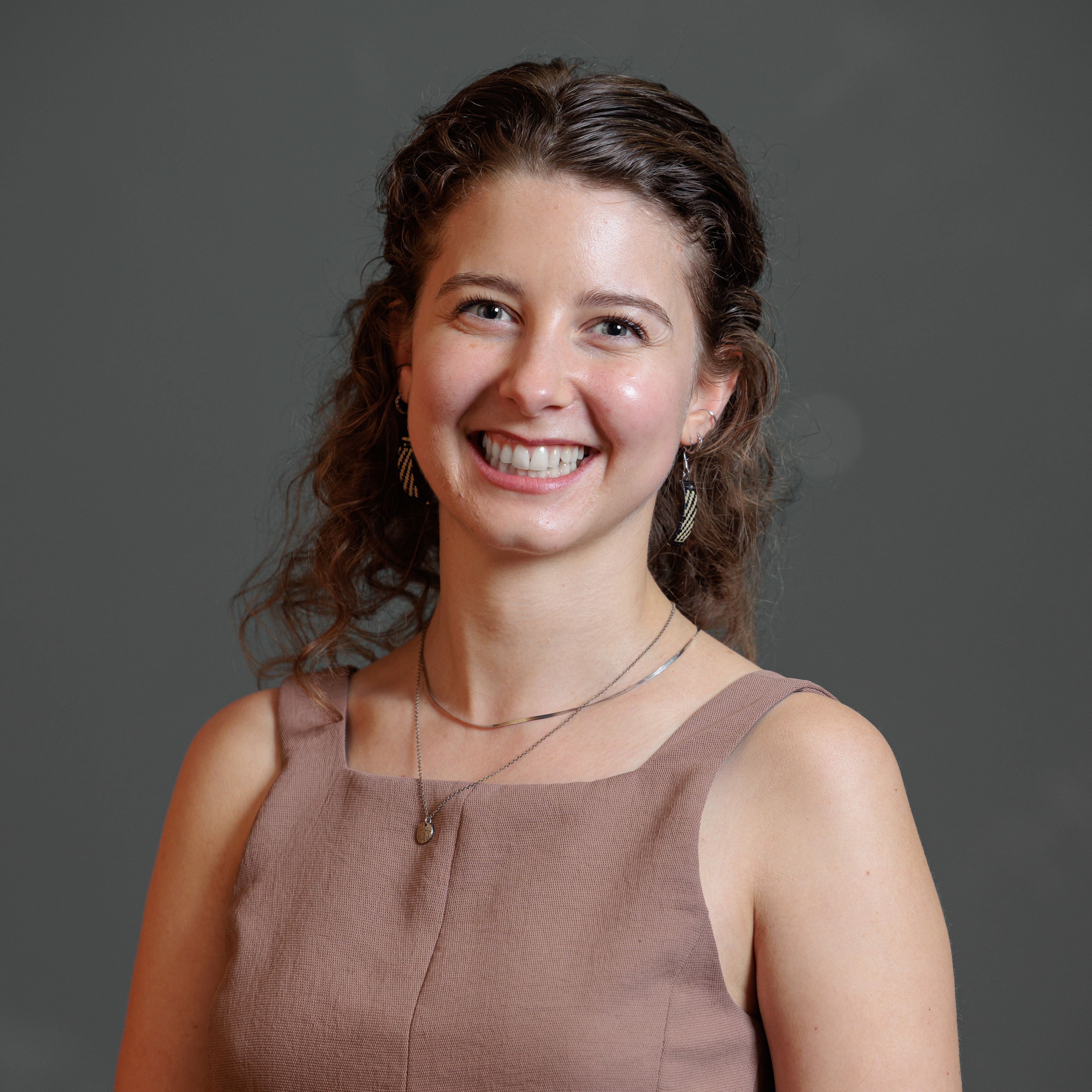 Name: Audrey Wagner
Department: Centre for Environmental Policy
Title of Research: The Kunming-Montreal Global Biodiversity Framework: implementation across scales and governance of nature-based solutions in Amazonian countries
Email: a.wagner25@imperial.ac.uk
Supervisor(s): Dr Caroline Howe
About me: I am an expert on nature-based solutions and biodiversity & climate synergies and trade-offs, focusing on international policy and governance. Previously, I worked for 4 years as Programme Coordinator and Researcher for Oxford University's Nature-based Solutions Initiative (NbSI) under Prof Nathalie Seddon, working on research and policy of NbS and climate & biodiversity synergies and trade-offs. I have been researching, working, and studying in the field of environment and sustainability for over decade. My knowledge base is interdisciplinary and includes a background in environmental biology, plant ecology, sustainable agriculture, sustainability certification, net zero science and policy, environmental management, nature-based solutions, and global environmental governance. I graduated from an MSc. in Environmental Change and Management at the University of Oxford (2021), finishing with awarded Distinction. My Masters dissertation research focuses on indigenous sovereignty and payments for ecosystem services for reducing deforestation in the Peruvian Amazon. I obtained my BSc. from McGill University in Montreal, Canada, with an Honours in Environment (BSc.), a specialization in Food Production and Environment and a minor in International Agriculture, while my undergraduate thesis research looked at how tree diversity in Panama affects carbon stocks and fluxes. I also act as Coordinator of the Academia and Research (A&R) Organisations group engaging under the UN Convention on Biological Diversity (CBD).
Summary of Research: I am currently a PhD researcher at Imperial College London in the Centre for Environmental Policy (CEP) and the Transdisciplinary Centre for Nature and People (TCNP) under the supervision of Prof Caroline Howe, researching governance across scales of nature-based solutions in Amazonian countries: policy implementation in the era of the Kunming-Montreal Global Biodiversity Framework.
Research interests: Environmental policy and governance, biodiversity and climate change, nature-based solutions, implementation of the Global Biodiversity Framework
Why did you choose the scholarship scheme at Imperial College: It was an honour to be awarded the Imperial President's Scholarship in order to fund my research in environmental policy and pursue my ambition of doing a PhD at Imperial College London.
 Name: Rayyan Al-Qaiwani
Department: Mathematics
Email: ra223@ic.ac.uk
Supervisor(s): Martin Rasmussen
About me: I studied mathematics and economics as an undergraduate degree in Germany and I did a Masters degree in applied Mathematics at Imperial. Before starting my PhD at Imperial, I worked as a quantitative consultant.
Research interests: Random Dynamical Systems, Ergodic Theory, Quasiergodic measures
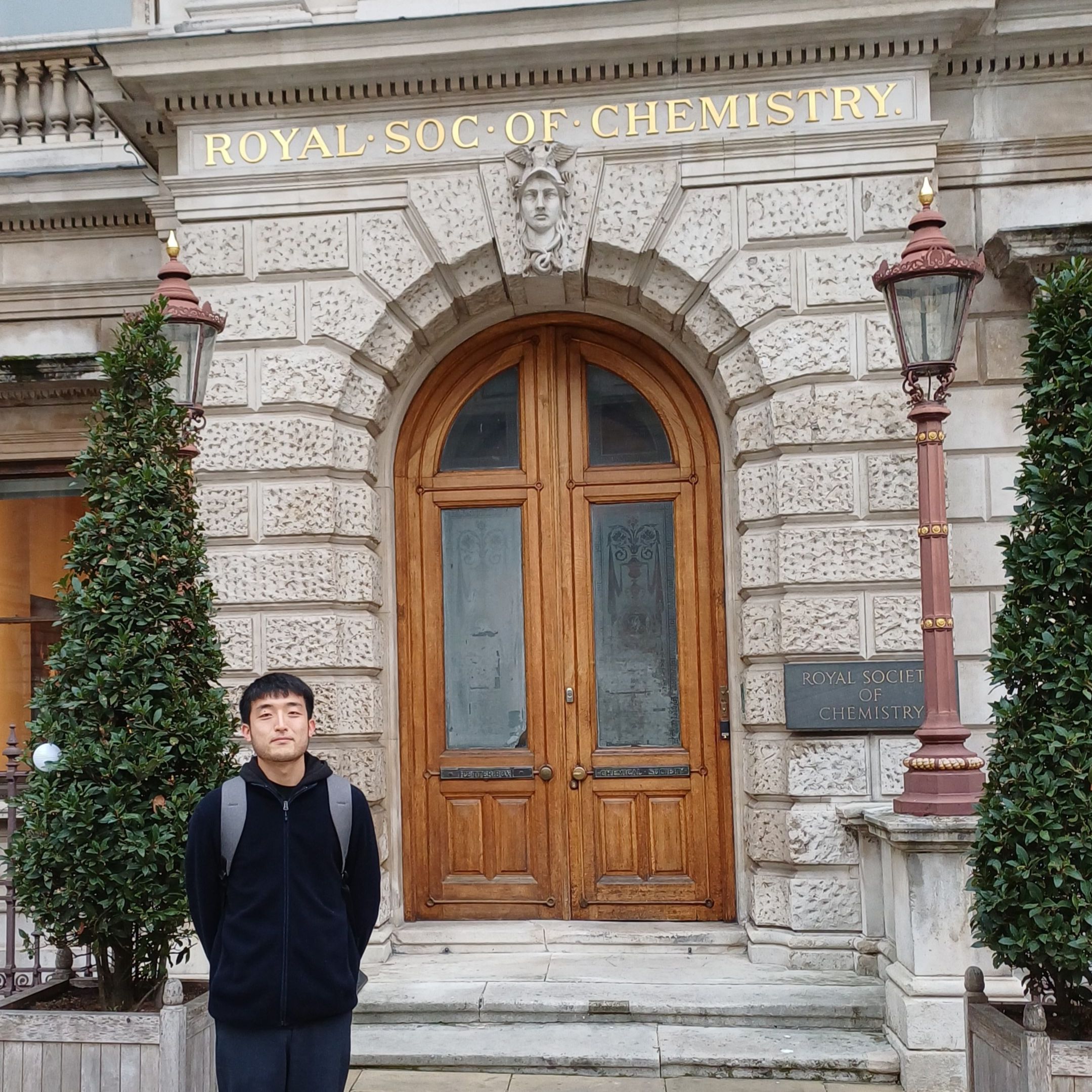 Name: Sewon Lim
Department: Chemistry
Title of Research: Development of novel phototoxic metal complexes as anticancer drugs
Email: s.lim25@imperial.ac.uk
Supervisor(s): Dr. Ramon Vilar Compte
About me: Before I came to Imperial, I had completed my undergraduate course in 2020 at Sogang University. Afterwards, I had moved to Seoul National University for MSc under Prof. Yan Lee. The project was developing anionic cell penetrating peptides (CPPs) with unique polyproline helix structure. Right after MSc degree, I had worked as a military service research personnel between 2022 to 2025 in Yonsei University. There, I have published a paper, focusing on synergistic enhancement of luminescent and ferroelectric properties of (Z)-type tetraphenylethylene derivatives.
Summary of Research: My doctoral research project aims to develop anticancer Iridium (III)-metal complexes, which can be activated by light. The desired mechanisms for therapeutic activity are photoactivable chemotherapy (PACT) and Proton-coupled electron transfer (PCET). Iridium (III) complexes have been proved their potentials and excellent photochemical properties to be developed for photocatalysts, fluorophore, and even biologically active compounds. Starting from synthetic organic-, inorganic chemistry to biological assay, I would be exploring biochemical applications of Iridium-based medicinal metal complexes.
Research interests: Organometallic chemistry, Synthetic chemistry, Therapeutic metal complex, Anticancer drug
Why did you choose the scholarship scheme at Imperial College: The President's Ph.D Scholarship is one of the most prestigious and generous bursary from Imperial. Even if the scholarship is extremely competitive, I wanted to challenge to 'once-in-a-lifetime-opportunity' for my Ph.D course. Of course, I should have enough budget to live in London for years.
 Name: Yating Jiang
Department: Centre for Environmental Policy
Title of Research: Investigating the Impact of Road Morphology on Commuters’ Air Pollution Exposure
Email: y.jiang25@imperial.ac.uk
Supervisor(s): Dr Audrey de Nazelle & Dr Ahmadreza Faghih Imani
About me: I received a BSc in Urban Management, and a MSc in Administrative Management from Central University of Finance and Economics in China.
Summary of Research: Air pollution is a major urban health concern, and commuting represents a critical period of air pollution exposure due to dense traffic and roadway emissions. Because people travel through different environments on their way to work or school, their exposure is shaped not only by pollution levels but also by how cities are structured and how road networks guide their movement. This study aims to explore the impacts of road morphology on people’s mobility and health. The findings could provide evidence for urban planning, transport policy, and public health strategies supporting healthier commuting environments.
Research interests: Urban environment, environmental policy, mobility, and health
Why did you choose the scholarship scheme at Imperial College: This scholarship has alleviated the financial pressures. Also, it has opened doors to a more inclusive and collaborative community and provide the opportunity to connect with people from diverse backgrounds, enriching discussions and broadening perspectives.
 Name: Yinka Adeniji
Department: Life Sciences
Title of Research: Acoustic Signal Diversity in Manx Shearwaters: Variation, Origins, and Applications for Conservation Monitoring
Email: y.adeniji25@imperial.ac.uk
Supervisor(s): Dr. Julia Schroeder Dr. Will Pearse
About me: I am a PhD researcher in the Department of Life Sciences at Imperial College London, based at Silwood Park. My academic journey began in Nigeria, where I completed both my undergraduate and master’s degrees at the Federal University of Technology, Akure (FUTA). I hold a B.Tech in Ecotourism and Wildlife Management and an MSc in Wildlife Ecology and Management, which laid the foundation for my interest in wildlife, animal behaviour and conservation. Before joining Imperial, I worked as a Biology and Environmental Science teacher in further education colleges in the UK. Teaching strengthened my passion for communicating science and making biological concepts accessible to others. My research interests lie at the intersection of animal behaviour, bioacoustics and conservation. I am interested in understanding how animals communicate and how this information can be used to develop better approaches for monitoring wildlife. Beyond my research, I enjoy teaching, science communication and engaging in opportunities that connect research with wider audiences.
Summary of Research: Manx shearwaters are highly vocal seabirds that breed in underground burrows on remote islands, making them difficult to monitor using conventional survey methods. My PhD investigates what information is encoded within their calls, including whether individuals have distinctive vocal signatures, how calls vary between colonies, and how vocal characteristics develop over an individual’s lifetime. I am also exploring how passive acoustic monitoring and machine-learning approaches can use these vocal signatures to improve the monitoring of seabird populations. Ultimately, my research aims to deepen our understanding of animal communication while developing practical acoustic tools for seabird conservation.
Research interests: Animal communication, bioacoustics, behavioural ecology, seabird ecology and conservation, passive acoustic monitoring, and computational approaches to biodiversity monitoring.
Why did you choose the scholarship scheme at Imperial College: The President’s PhD Scholarship offered me the opportunity to pursue an ambitious research project within an interdisciplinary research environment. The generous funding has given me the freedom to develop as an independent researcher, explore new ideas, and engage with a diverse community of scholars across disciplines.
Imperial College Business School
- Aditya Polisetty - Department of Finance
- Amin Izadyar - Department of Finance
- Raj Arasanal - Department of Management and Entrepreneurship
 Name: Aditya Polisetty
Department: Finance
Title of Research: Essays on Household Behaviour (TBC)
Email: a.polisetty23@imperial.ac.uk
Supervisor(s): Dr Tarun Ramadorai
About me: I studied for an undergraduate degree in accounting and finance at Osmania University in India and a masters degree in Economics at the University of Warwick. I worked as a pre-doctoral fellow at the economics & public policy department at Imperial College London and a research assistant at King's College London on projects in household finance, housing and financial stability.
Summary of Research: My research focuses on understanding behaviour of households, particularly in housing, using large and granular datasets and modelling observed behaviour to construct counterfactuals that help inform policy. I also work on understanding how intermediaries in housing could be incentivised better to make housing markets more efficient.
Research interests: Household finance, housing and behavioural finance
Why did you choose the scholarship scheme at Imperial College: I chose to apply to to the scholarship scheme for the generous funding and support extended by the college and ECRI.
 Name: Amin Izadyar
Department: Department of Finance
Title of Research: - AI and Exchange Rate Forecasting
- The LLM factor
- Robust Estimation of Factor Structure in the FX Market
- Cross Predictability in Multi-asset Portfolios
Email: a.izadyar23@imperial.ac.uk
Supervisor(s):
About me: Amin Izadyar is a doctoral researcher in finance at Imperial College London. His research lies at the intersection of asset pricing, international finance machine learning, and applied AI. He earned his Master of Research degree with Distinction and was awarded the Imperial College President’s PhD Scholarship in recognition of his excellent academic performance. Before joining Imperial, he completed an MBA and a BSc in Electrical Engineering—both with first-class honours—at Sharif University of Technology. Amin’s recent research focuses on currency return predictability using AI, cross-asset predictive signals in global portfolios, and robust methods for estimating factor structures in the foreign exchange market. This work builds on his strong quantitative foundation, demonstrated by a perfect GRE score (340/340) and exceptional performance in national university entrance exams, ranking 2nd out of 20,000 for his master’s and 9th out of 150,000 for his bachelor’s. Alongside his research, Amin serves as a PhD advisor at Imperial Student Investment Fund. He is also a member of the Imperial Centre of Excellence in Quantitative Finance.
Summary of Research: Amin’s recent research focuses on asset return predictability using AI, cross-asset predictive signals in multi-asset class portfolios, and robust methods for estimating factor structures in the foreign exchange market.
Research interests: Asset Pricing; International Finance; Applied AI
 Name: Raj Arasanal
Department: Management and Entrepreneurship
Title of Research: The Innovation Balancing Act: Dynamic Ecosystem Maneuvering and the Process of Value Capture
Email: r.arasanal23@imperial.ac.uk
Supervisor(s): Prof. Erkko Autio
About me: Raj Arasanal is a PhD student at Imperial College Business School, researching innovation and entrepreneurship, with interests in open innovation, innovation management, and strategy in ecosystems. He came to Imperial in 2023 for the MRes in Business, completing it with Distinction. Before that he spent eighteen years in engineering and management at Nokia, NetApp, and Amazon, working across India and the United States, and holds two US patents from his years in storage systems. He read Computer Science at B. M. S. College of Engineering and holds a Master's in Computer Science from the University of Illinois at Urbana-Champaign.
Summary of Research: I study how firms decide what to open up and what to keep closed, and how they revise that decision as an industry evolves. Open innovation research has largely treated openness as a position a firm picks and holds; my work argues it is a continuous activity. Firms open and close access asset by asset, repeatedly, as competition, regulation, safety concerns and ecosystem growth shift around them. I call this dynamic ecosystem maneuvering. My setting is the generative AI industry, where such reversals have been unusually visible, from OpenAI's move toward closed development to Google running proprietary and open-source model lines in parallel. To understand the top management team behavior, I built a multi-agent AI simulation, grounded in a corpus of public executive interviews and earnings calls, to generate rich qualitative data. We then analyze the simulation data to inductively build theories on how firms make their decisions in the open innovation ecosystem context to capture value.
Research interests: Innovation ecosystems, AI and Tech development, Strategy, Entrepreneurship
Why did you choose the scholarship scheme at Imperial College: I choose the scholarship because my method, simulating executive decision-making with AI agents, was too novel to fund conventionally, and Imperial is where the question belongs. The scholarship also lifts the mandatory teaching-assistant requirement: teaching becomes a paid choice rather than an obligation, returning those hours to the research. After eighteen years in industry, I wanted a doctorate pursued at full focus, and this funds the ambitious version of the thesis.