Faculty of Engineering
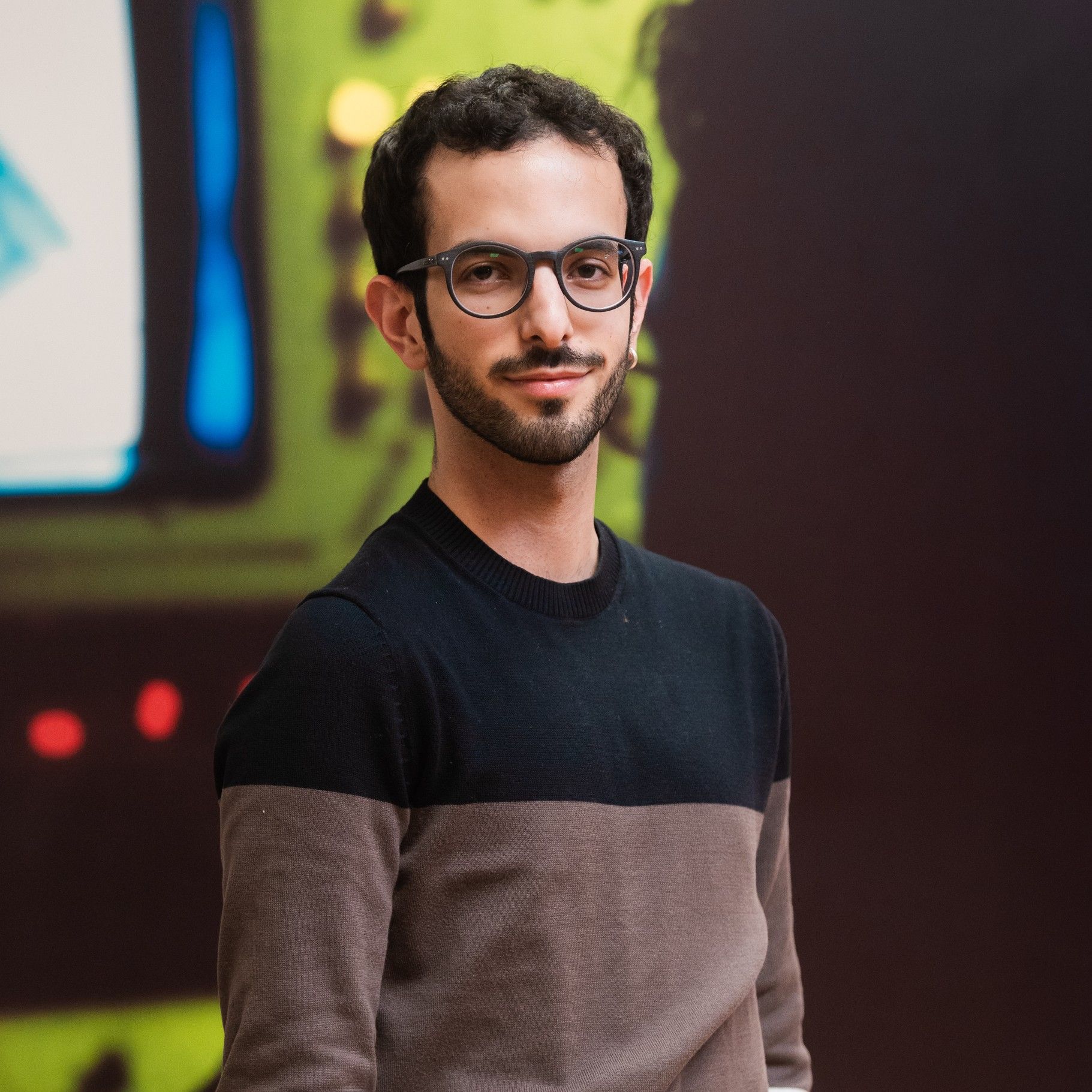 Name: Alejandro Mercado
Department: Computing
Title of Research: Neurosymbolic Approaches For Scaling Safe Generalized Policies In Sequential Decision Making Problems
Email: a.mercado24@imperial.ac.uk
Supervisor(s): Dr Alessio Lomuscio & Dr Murray Shanahan
About me: Before joining Imperial, I completed my Licenciatura, a six-year degree equivalent to a combined Bachelor’s and Master’s, in Computer Science at the University of Buenos Aires (Argentina). My thesis focused on handling inconsistencies in knowledge bases, a core field in symbolic artificial intelligence. After graduating and before starting my PhD, I worked at Safe Intelligence, an Imperial spin-off, carrying out a project on the formal verification of object detection models for safety-critical applications.
Summary of Research: My research aims to contribute to the development of AI systems that are not only provably safe and reliable, but also competitive in terms of performance. I'm currently working on neurosymbolic approaches for safe AI. In particular, I am developing sound and complete methods that combine neural learning with symbolic reasoning to more efficiently synthesize interpretable, verifiable generalized policies for sequential decision-making problems.
Research interests: Artificial Intelligence (AI), AI Safety, Sequential Decision-Making, Symbolic AI, Verification
Why did you choose the scholarship scheme at Imperial College: I decided to apply for the President's scholarship as it is a flexible source of funding that allows me to commit fully to my studies at Imperial and manage the cost of living in London without added financial pressure. Beyond that, the scholarship’s prestige helps strengthen my profile and expand my future professional opportunities. Finally, being part of a community of scholars across different disciplines gives me the opportunity to learn from others’ research interests, build genuine connections, and develop collaborations that can extend beyond my time at Imperial.
Faculty of Medicine
- Antonia Ramos-Guzmán - Institute of Clinical Sciences
- Colin M Warnes - School of Public Health
- Han Xiao - School of Public Health
- Julia Borella - Department of Brain Sciences
- Parisa Rahbar - Department of Brain Sciences
- Thomas Deegan - Department of Brain Sciences
- Vinicius B Franceschi - School of Public Health
 Name: Antonia Ramos-Guzmán
Department: Institute of Clinical Sciences
Title of Research: Investigating the repression of LINE1 retrotransposon activity in pluripotent cells
Email: a.ramos-guzman24@lms.mrc.ac.uk
Supervisor(s): Michelle Percharde & Christian Speck
About me: Before joining Imperial College for my PhD, I completed my BSc in Biology and MSc in Biological Sciences at the University of Chile. During my MSc, I conducted research in the Systems Microbiology Lab, using Dictyostelium discoideum as a model to investigate immune phenomena. I also spent a summer in the Saiardi Lab at the LMCB, University College London, where I expanded my research experience with this model organism. Prior to starting my PhD, I worked as a research assistant at the BEM Laboratory at the University of Chile.
Summary of Research: My research investigates how LINE1 transposable elements are regulated in pluripotent cells during early development. Although LINE1 activity can be harmful in differentiated cells by contributing to genomic instability, its expression is associated with developmental progression and stem cell self-renewal. Using mouse embryonic stem cells, I study proteins and cellular pathways that interact with the LINE1 machinery to understand how its expression can be maintained while limiting its potentially harmful effects. This work aims to uncover the mechanisms that allow cells to preserve the developmental functions of LINE1 while maintaining genome stability.
Research interests: Transposable elements, pluripotency, stem cell biology, early development
Why did you choose the scholarship scheme at Imperial College: As an international student, the President’s PhD Scholarship represented a unique opportunity to pursue my PhD at Imperial while having the financial support to live in London and fully focus on my research. Being part of a diverse community of scholars has allowed me to meet and learn from researchers working across a wide range of fields. I particularly value these interactions, as they have exposed me to new perspectives and made my experience at Imperial much richer.
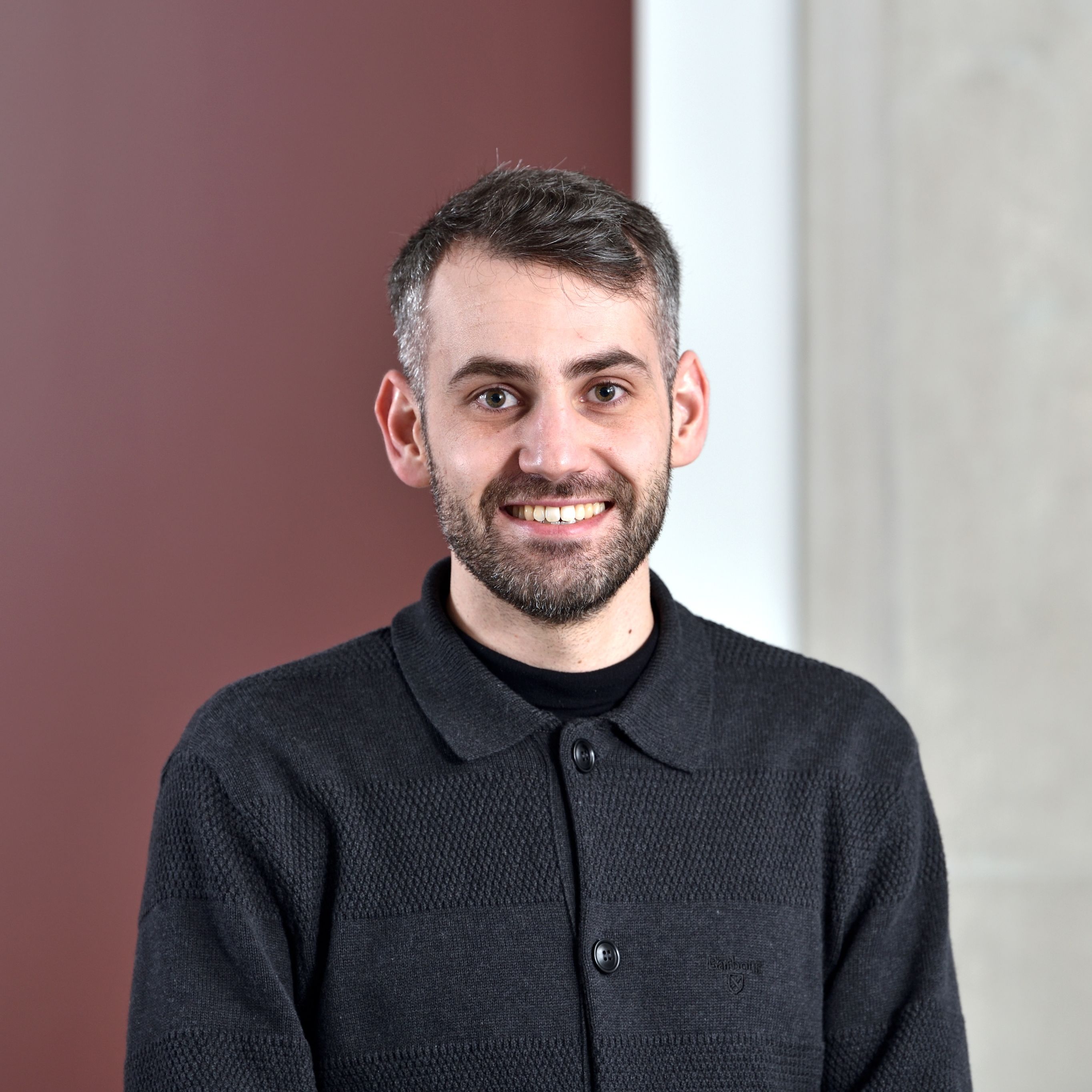 Name: Colin M Warnes
Department: School of Public Health
Title of Research: Describing the in-host kinetics of viral infection
Email: c.warnes23@imperial.ac.uk
Supervisor(s): Dr Ilaria Dorigatti
About me: I did my Masters in Public Health at UC Berkeley and Bachelors of Science at Brandeis University. At UC Berkeley, I focused on research flavivirus seroepidemiology and virology. Right before coming the Imperial, I worked for Glyphic Bio in their Assay Development team.
Research interests: Virology, Translational Research, Biomarker Analytics
Why did you choose the scholarship scheme at Imperial College: Gave me the opportunity to work with a brilliant supervisor and a flexible research plan.
.jpg) Name: Han Xiao
Name: Han Xiao
Department: School of Public Health
Title of Research: Multi-omics of proteomic aging
Email: hx624@ic.ac.uk
Supervisor(s): Dr. Oliver Robinson
Summary of Research: We use plasma proteins to measure how old we are exactly
Research interests: Aging
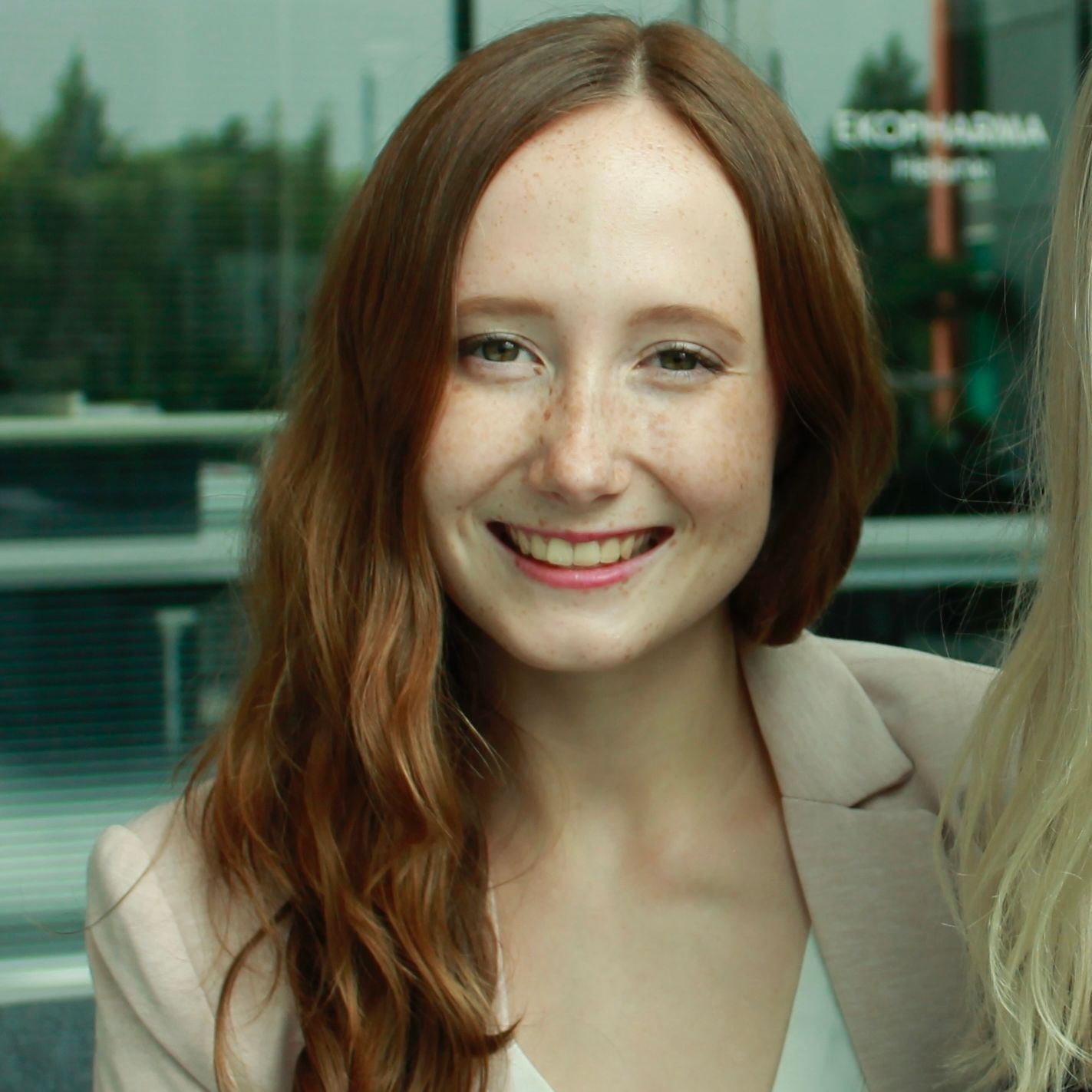 Name: Julia Borella
Department: Brain Sciences
Title of Research: Developing a tool to quantify accelerated long-term forgetting for early detection of Alzheimer's disease
Email: julia.borella21@imperial.ac.uk
Supervisor(s): Dr Christopher Butler, Dr Adam Hampshire and Dr Chris Bird
About me: After graduating from the University of Edinburgh with a BSc in Biomedical Sciences, I came to Imperial to pursue an MSc in Translational Neuroscience. My MSc project led me to work on the first clinical study of temporal interference (TI) brain stimulation of the hippocampus in patients with Alzheimer's disease. I continued to spearhead this study for 2 years as a Research Assistant in the UK Dementia Research Institute, before starting my PhD.
Summary of Research: As new treatments for Alzheimer's disease become available, we urgently need ways to detect very early changes in memory, and to monitor these changes over time. Accelerated long-term forgetting (ALF) has emerged as a sensitive marker of preclinical Alzheimer’s disease, and has been identified up to 7 years before clinical onset. ALF is a phenomenon in which information is forgotten rapidly over days to weeks, despite normal learning and initial retention. Recently ALF has also shows promise as a proximity marker, with severity of ALF predicting clinical onset. My research focuses on developing a smartphone application to measure ALF in preclinical Alzheimer’s disease, as well as understanding how various factors affect long-term forgetting in healthy ageing.
Research interests: Alzheimer's disease, digital biomarkers, and cognitive neuroscience
Why did you choose the scholarship scheme at Imperial College: I'm incredibly grateful to have received the Presidents' scholarship, because it has given me the freedom to pursue a PhD project tailor-made to my research interests, which I otherwise would not have been able to do.
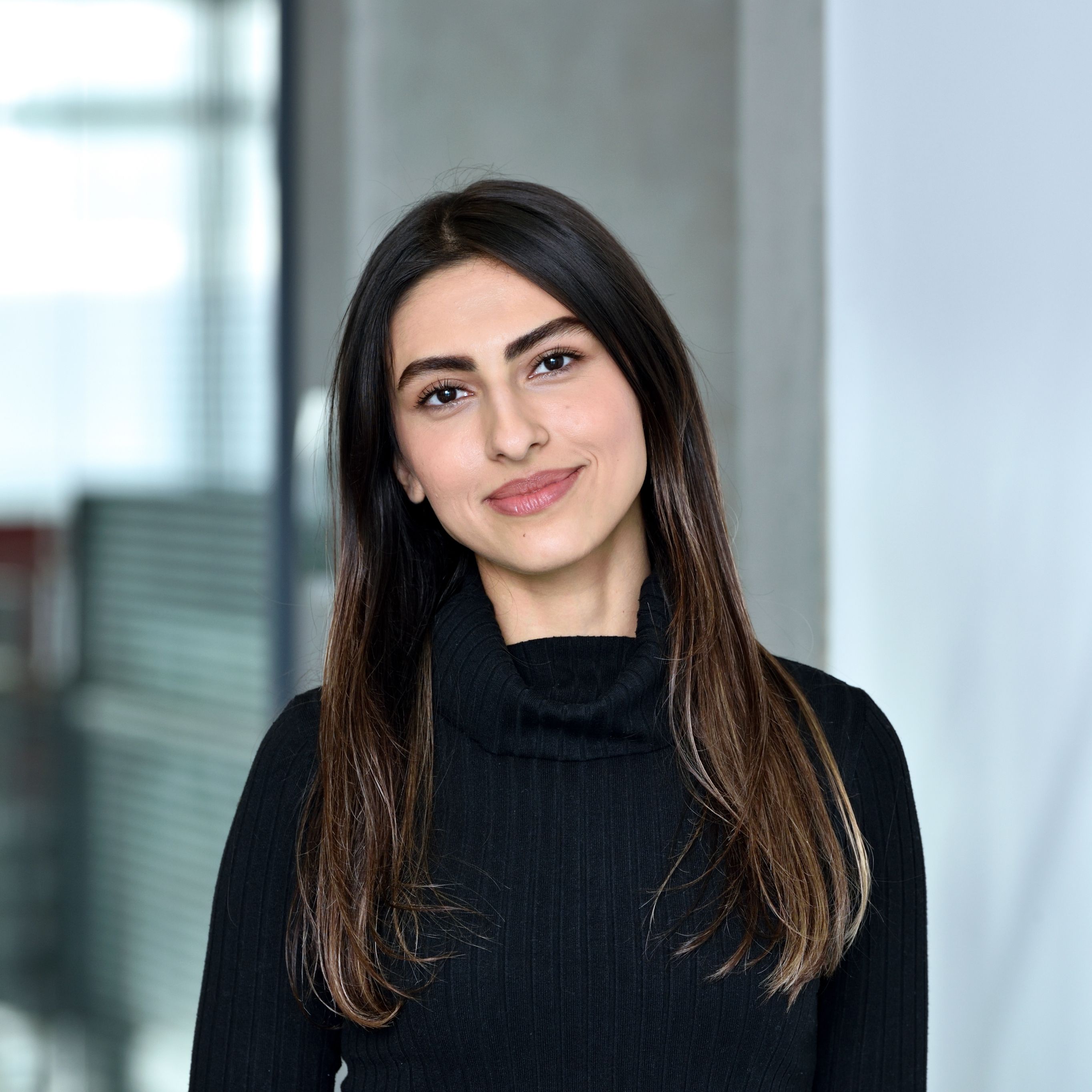 Name: Parisa Rahbar
Department: Brain Sciences
Title of Research: Genetic Effects on the Single-Cell Transcriptome and Disease Risk of Epilepsy
Email: parisa.rahbar22@imperial.ac.uk
Supervisor(s): Professor Michael Johnson
About me: I completed my Bachelor’s degree in Genetics in Iran before moving to London to pursue a Master’s degree in Applied Genomics at Imperial College London. During my Master’s, my research interests developed towards human genetics, neuroscience and genomics, particularly understanding the genetic basis of neurological diseases. After completing my Master’s, I applied for the President’s PhD Scholarship, and I am currently a second-year PhD student in Neurogenomics at Imperial.
Summary of Research: My research aims to discover novel epilepsy-associated loci and identify candidate genes and cell-type-specific mechanisms underlying disease. I integrate large-scale genetic studies with single-nucleus RNA sequencing of surgically resected epileptic hippocampal tissue to investigate how genetic variants may regulate gene expression in specific brain cell types.
Research interests: Computational and statistical genomics, single-cell transcriptomics, genetic links between brain disorders, translational and precision medicine
Why did you choose the scholarship scheme at Imperial College: This scholarship would provide the support and stability to focus fully on my PhD, deepen my computational and experimental research skills, and contribute to Imperial’s collaborative research environment. It would also allow me to continue my academic journey at an institution whose research culture has encouraged me to grow, overcome challenges, and pursue ambitious scientific questions.
Name: Thomas Deegan
Department: Brain Sciences
Title of Research: Closed-Loop EEG with Temporal Interference Stimulation
Email: thomas.deegan22@imperial.ac.uk
Supervisor(s): Dr Nir Grossman
About me: For my bachelor's degree I studied Computer Electronic engineering at University of Galway, Ireland. I moved to London in 2022 to study an MSc in Integrated Circuit Design, and I joined the Grossman Lab for my research project in the MSc.
Summary of Research: Adressing the engineering challenges around concurrent electrophysiology and electrical stimulation to enable a novel closed-loop Temporal Interference (TI) stimulation strategy informed by concurrently recorded EEG.
Research interests: Electrophysiology, noninvasive neuromodulation, signal processing, electrical engineering
Why did you choose the scholarship scheme at Imperial College: To contribute to the cutting edge research conducted here.
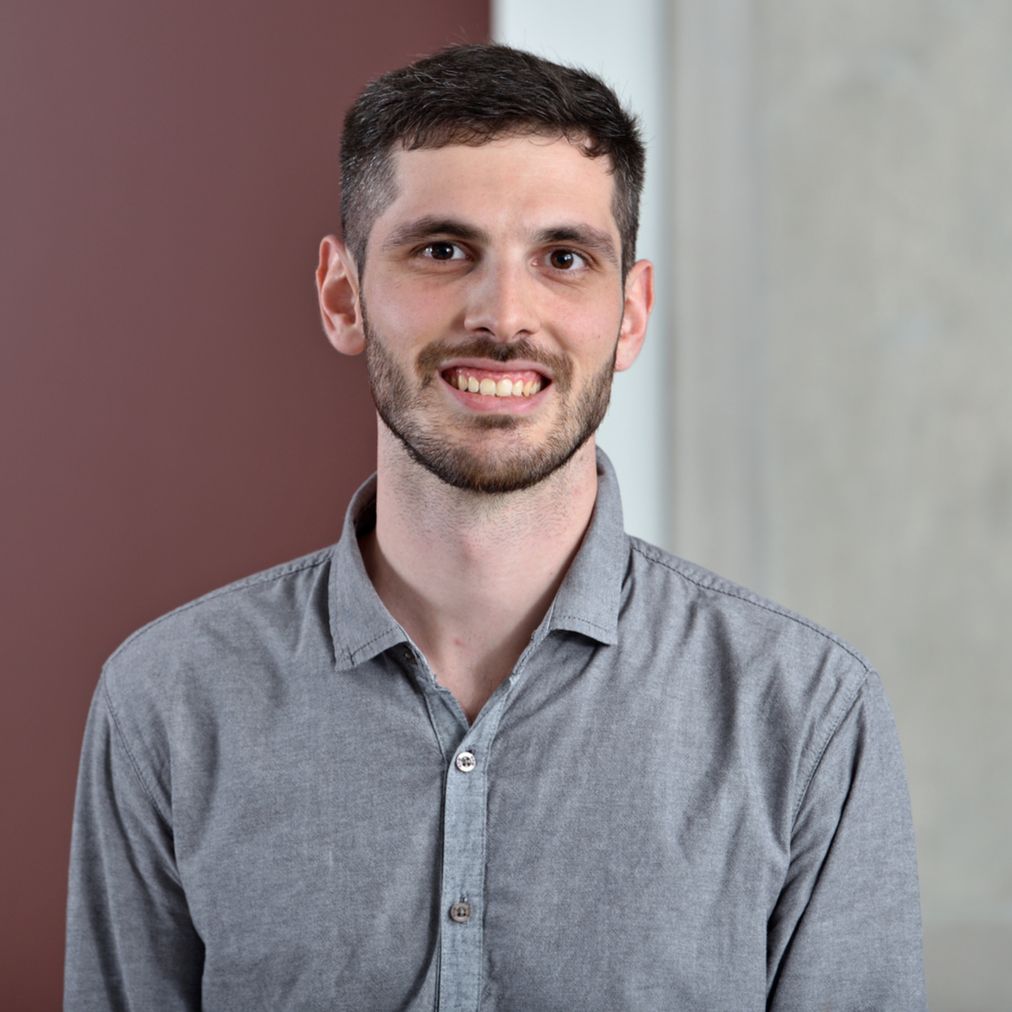 Name: Vinicius B Franceschi
Department: School of Public Health
Title of Research: Tracking and predicting the evolution of viral variants using genomic epidemiology, covariate data and machine learning methods
Email: v.franceschi@imperial.ac.uk
Supervisor(s): Dr Erik Volz and Dr Nuno Faria
About me: I completed my undergraduate degree in Biomedical Informatics at the Federal University of Health Sciences of Porto Alegre (UFCSPA) and a Master’s degree in Cell and Molecular Biology at the Federal University of Rio Grande do Sul (UFRGS). During my Master’s, I applied phylogeographic and phylodynamic methods to characterise the spread of SARS-CoV-2 at municipal, state, and national levels in Brazil. I then joined Imperial College London as a Research Assistant, where I worked on developing clustering methods to identify mutations that influence the transmission fitness of SARS-CoV-2 and HIV-1. This research experience strengthened my motivation to continue my academic development and pursue a PhD at Imperial.
Summary of Research: My project is focused on tracking and predicting the emergence of viral variants using genomic epidemiology, covariate data, and statistical models. For example, I used mixed-effects models to estimate HIV-1 virulence using viral loads and CD4 T-cell counts at the phylogenetic cluster level. For SARS-CoV-2, I am developing a population genetic model to mechanistically link experimentally-measured variant traits (e.g. immune escape and binding affinity) with epidemic growth so that we can better predict future variants with different epidemiological characteristics.
Research interests: Genomic epidemiology; phylogenetic methods; statistical modelling; infectious diseases; integrative data analysis; SARS-CoV-2; HIV-1; Dengue virus.
Why did you choose the scholarship scheme at Imperial College: As an international student, this scholarship was one of the few viable routes to pursuing a PhD at Imperial. After my time as a Research Assistant, I knew I wanted to continue working in such a exciting research environment. The full tuition coverage and generous stipend were essential—they allowed me to focus fully on my project without worrying too much about finances. I also valued the freedom to design my own research rather than being restricted to predefined topics. Overall, this scholarship felt like the opportunity that would not only support my studies but also push me to grow personally and professionally.
Faculty of Natural Sciences
- Alexandre Chaduteau - Department of Physics
- Kamaljit Singh - Department of Mathematics
- Karl Scheifinger - Centre of Environmental Policy
- Keming Li - Department of Chemistry
- Molin Han - Department of Mathematics
- Sergio Estan Ruiz - Department of Mathematics
- Viktor Ellingsson - Department of Chemistry
.jpg) Name: Alexandre Chaduteau
Name: Alexandre Chaduteau
Department: Physics
Title of Research: Topological Quantum Matter
Email: alexandre.chaduteau20@imperial.ac.uk
Supervisor(s): Dr Frank Schindler & Dr Derek K.K. Lee
About me: Previously, I did a MSci in Physics with Theoretical Physics at Imperial. Before that, I was at school in Belgium and did the European Baccalaureate.
Summary of Research: I investigate topologically robust phenomena described by quantum mechanics. Specifically right now, I am investigating such phenomena in open quantum systems, as well as in symmetry-protected topological phases of matter. This involves theoretical/mathematical work in quantum field theory and topology.
Research interests: Holography, Quantum Information, Quantum Many-Body Systems
Why did you choose the scholarship scheme at Imperial College: The President's Scholarship allowed me to pursue my research with ultimate freedom, and with a generous stipend that is crucial to help me live in London!
 Name: Kamaljit Singh
Department: Mathematics
Title of Research: Coherent vortices in quasi-geostrophic two-dimensional turbulence
Email: k.singh24@imperial.ac.uk
Supervisor(s): Dr Pavel Berloff
About me: Before joining Imperial College for my PhD, I completed my Master of Science at the University of Alberta, Canada. During my MSc, I conducted research on multiphase turbulent flows. My work focused on applying statistical theory of turbulence theory to understand the complex interactions between multiphase interfaces and the nonlinear dynamics of homogeneous turbulence. Through this research, I developed a strong foundation in the mathematical modelling of turbulence and in scientific computation for studying complex fluid systems at the planetary scale.
Summary of Research: Coherent vortices are persistent, isolated, and asymmetric structures observed in planetary atmospheres, with the Great Red Spot on Jupiter as an ideal example. On Earth, these vortices play a crucial role in flow circulation and act as major sources of instabilities and chaotic behaviour in weather and climate systems. Understanding their persistence characteristics and interactions is a longstanding challenge in turbulent fluid dynamics and has applications in climate modelling and in transport mechanisms in geophysical systems. My research focuses on analysing the persistence of these coherent structures and investigating the dynamics governing their interactions. Moreover, I aim to study how these vortices relate to the properties of quasi-geostrophic turbulence and influence large-scale geophysical flows. In a nutshell, my research uses numerical modelling and statistical theory of turbulence to advance our understanding of the behaviour of coherent vortices and their implications for both planetary and astrophysical fluid systems.
Research interests: I am fascinated by the complex and hidden chaos of turbulent flows in planetary and geophysical systems. The intricate patterns and unpredictable dynamics of these flows intrigue me, and my passion for using mathematical modelling drives my research. I focus on understanding coherent vortices and their role in shaping large-scale processes, aiming to uncover fundamental insights into turbulence behaviour and its impact on natural fluid systems.
Why did you choose the scholarship scheme at Imperial College: I chose the President's PhD scholarship scheme at Imperial College London because it offers the opportunity to be part of a large and vibrant community working in applied mathematics, particularly in geophysical flows. This prestigious scholarship has been life-changing, providing me with the resources, mentorship, and platform to pursue my research aspirations at a world-leading university. It allows me to engage with experts in fluid dynamics and to contribute meaningfully to advancing our understanding of complex fluid systems. It also offers the opportunity to meet researchers from diverse fields and to be part of a large scholarly community, which inspires and drives me to continually improve and push the boundaries of my work.
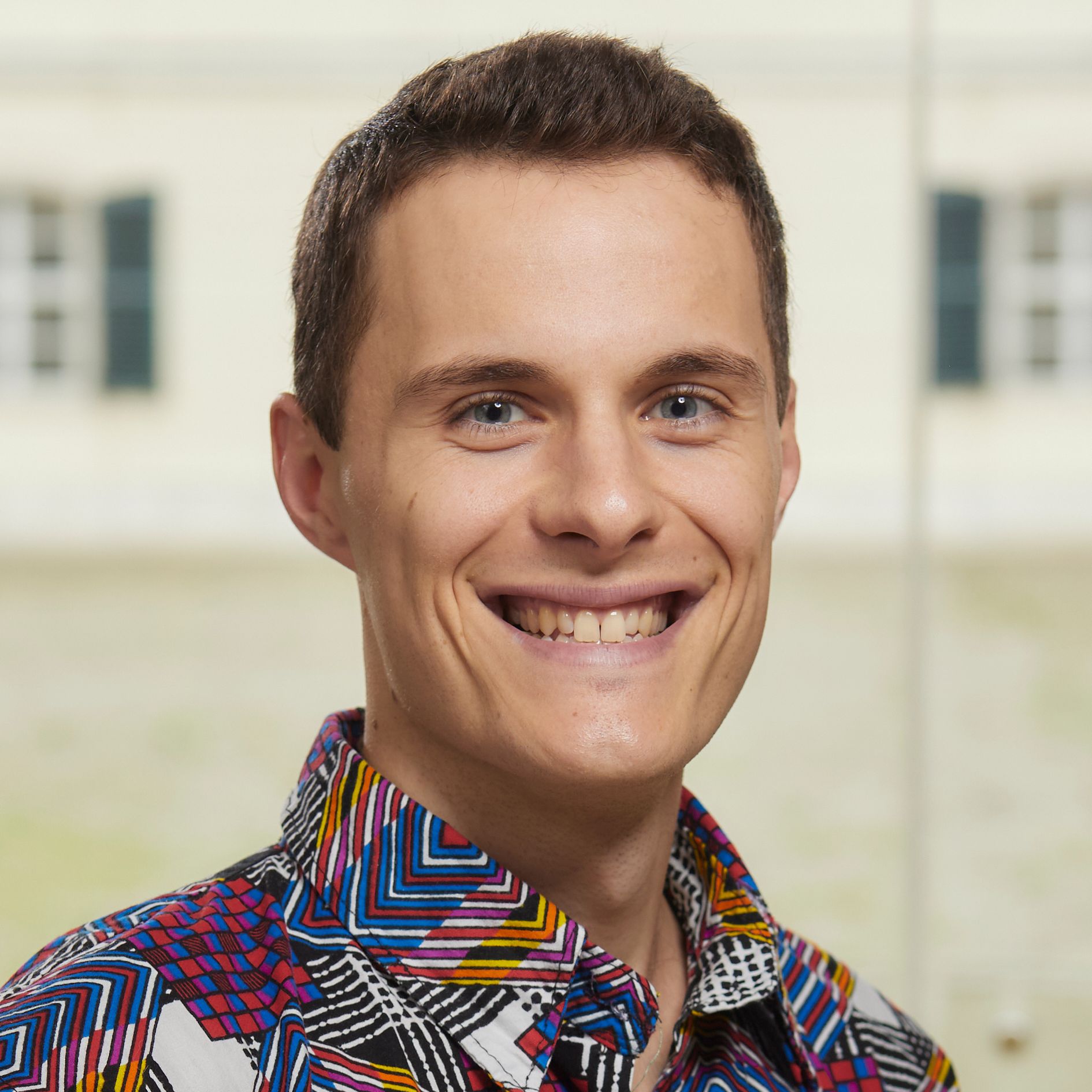 Name: Karl Scheifinger
Department: Centre of Environmental Policy
Title of Research: From collective imagination to collective action: Co-created scenario narratives that drive climate action
Email: k.scheifinger24@imperial.ac.uk
Supervisor(s): Dr Joeri Rogelj
About me: Before joining Imperial College, I studied environmental system sciences and environmental policy in Austria, Belgium and the Netherlands. In my free time, I like to make music and to play any sports that require running after a ball.
Summary of Research: My PhD project explores new ways to co-create climate mitigation scenarios with the goal to motivate stronger collective action. Using novel participatory approaches, I seek to create more inclusive, credible and actionable climate scenarios, focusing on justice and wellbeing.
Research interests: scenarios, stakeholder engagement, operations research, sustainability transitions
Why did you choose the scholarship scheme at Imperial College: It provides the freedom to conduct independently conduct exciting research.
Name: Keming Li
Department: Chemistry
Title of Research: Spectroscopic study of carrier dynamics of metal oxides for photocatalysis
Email: kl1124@ic.ac.uk
Supervisor(s): Dr James Durrant
About me: Before beginning my PhD at Imperial College London, I completed a B.Eng. in Mechanical Engineering and an M.Eng. in Laser Manufacturing in China, where I first developed my interest in laser spectroscopy.
Summary of Research: My research explores how charge carriers in metal oxides behave and meet their fate during photocatalytic reactions, using spectroscopy to track their journeys as they drive chemical transformations. By uncovering these hidden pathways, I aim to help develop more efficient and sustainable photocatalytic systems for cleaner energy and greener technologies.
Research interests: Carrier dynamics, spectroscopy, photoelectrocatalysis
Why did you choose the scholarship scheme at Imperial College: The President’s PhD Scholarship allowed me to live comfortably in London and to focus fully on my research without financial pressure. More importantly, being part of this community has brought me some of my closest friends, which has become the most valuable part of my experience at Imperial.
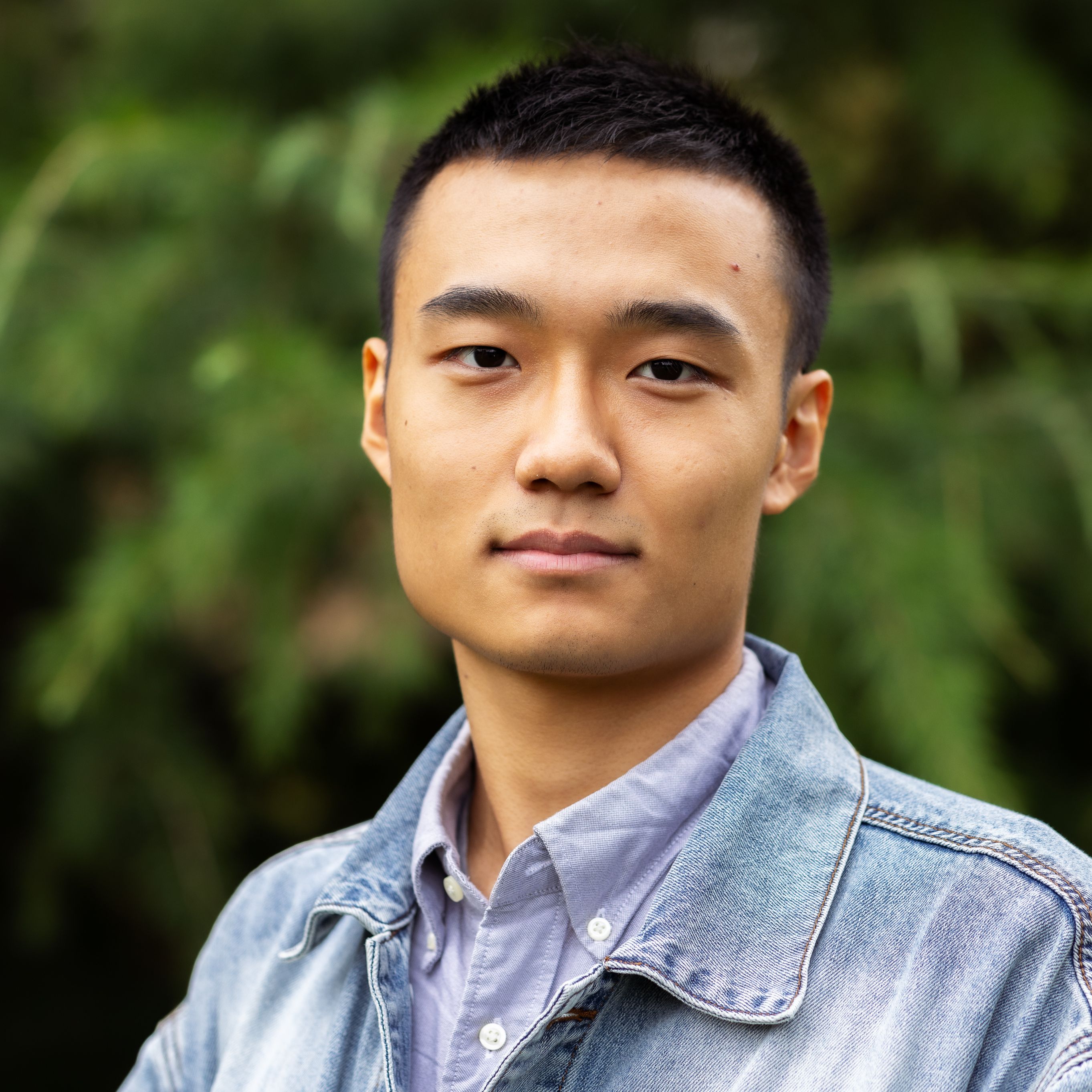 Name: Molin Han
Department: Mathematics
Title of Research: Compatible Finite Element Method for Global Ocean Modelling.
Email: molin.han20@imperial.ac.uk
Supervisor(s): Dr Colin J Cotter
About me: I hold an MSci degree in Mathematics from Imperial College London.
Summary of Research: My research centers on Finite Element Methods, particularly Compatible Finite Element Methods in ocean modeling. My current project aims to design a structure-preserving finite element scheme to address issues with spurious numerical waves that introduce significant errors in ocean simulations.
Research interests: Finite Element Method, Preconditioners, Geophysical Fluid Dynamics, Geometric Mechanics
Why did you choose the scholarship scheme at Imperial College: I chose the President’s Scholarship because it provides strong academic support, research flexibility, and the opportunity to work in a world-leading research environment. The generous funding allows me to live in London without financial concerns, enabling me to focus fully on my research while engaging with Imperial’s vibrant interdisciplinary community.
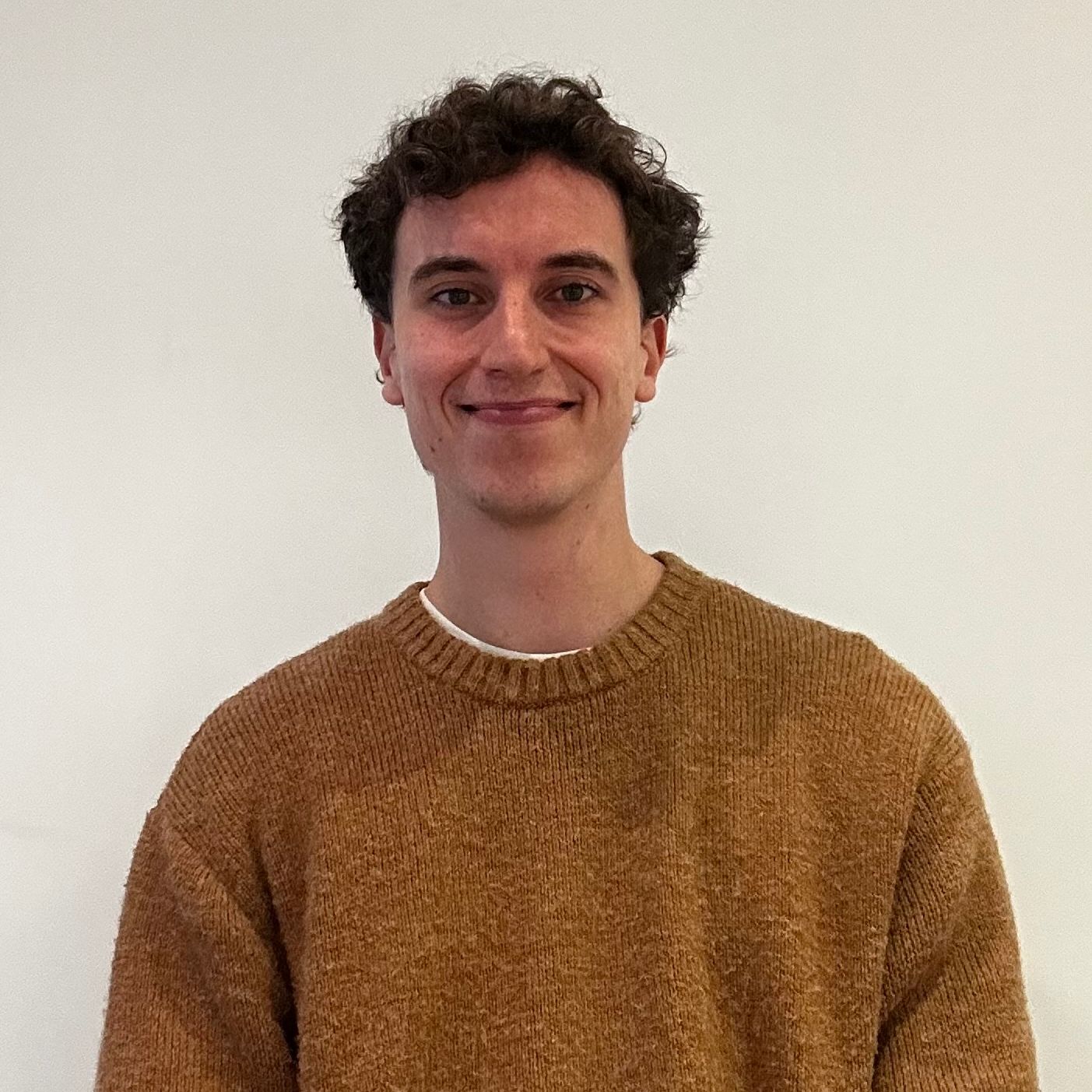 Name: Sergio Estan Ruiz
Department: Mathematics
Title of Research: Machine learning for public policy modelling.
Email: s.estan-ruiz24@imperial.ac.uk
Supervisor(s): Dr Guy Nason
About me: I'm Sergio and I come from Alicante, Spain. I studied mathematics at the University of Warwick, and then moved to the University of Cambridge where I did part III (master's degree). After this, I was a research assistant at the department of economics at IESE, as well as supervising students for different colleges at Cambridge. In 2024, I moved to London to begin my PhD at Imperial.
Summary of Research: I have a wide range of interest. My more applied projects look at macroeconomic forecasting by using graph-based multivariate time series modelling. On the other hand, I have more theoretical projects on singular learning theory where I try to understand training dynamics of models from a Bayesian perspective. This involves studying the geometry of loss landscapes to comprehend the generalisation and training behaviour of models.
Research interests: Macroeconomic forecasting, Singular Learning Theory, Network inference using deep learning, Large Language Models...
Why did you choose the scholarship scheme at Imperial College: The President's Scholarship is a prestigious scheme which provides the necessary financial comfort for me to focus fully on my studies and be able to attend conferences, workshops and events that would otherwise be very difficult for me to go to.
 Name: Viktor Ellingsson
Department: Chemistry
Title of Research: Halide solid electrolytes for all-solid-state batteries
Email: v.ellingsson24@imperial.ac.uk
Supervisor(s): Alexander Ganose
About me: I am from Iceland and graduated with a BSc in Chemistry with a focus on computational techniques from the University of Iceland. My BSc project looked at the computationally aided design of ammonia NRR catalysts with Prof. Egill Skúlason in collaboration with Atmonia. After the BSc degree I spent one year in the United States at the University of California Santa Barbara, attending the UCSB Extension program. In 2022, I joined the STEM Group at the University of Oxford, supervised by P. D. Nellist, R. J. Nicholls, and P. G. Bruce. At Oxford, I explored the redox mechanism of disordered rocksalt Li-ion cathode materials using electron microscopy and computational modelling.
Summary of Research: My research focuses on the exploration and characterisation of halide solid electrolytes using a combination of ab initio quantum mechanical simulations and machine learning-accelerated modelling techniques. This enables access to very long time and size scales, allowing my work to evaluate promising halide solid electrolyte materials at an atomic level with comparable statistical averaging to experimental techniques. With this atomic probe, rational design principles can be established, vastly accelerating the discovery of novel electrolyte materials.
Research interests: Computational simulations, Solid electrolytes, Machine learning, Catalysis, Green energy, Sustainability
Why did you choose the scholarship scheme at Imperial College: The opportunity to pursue a fully funded PhD degree at Imperial College London allows me the financial freedom to fully immerse myself in the access to world-class facilities and first-class academics availble at the university. This combination allows me to propel my research to the next level and provides the space to learn and grow as an academic researcher
Imperial College Business School
.jpg) Name: Fupeng Sun
Name: Fupeng Sun
Department: Analytics & Operations
Title of Research: Robust Weakly Coupled Markov Decision Processes
Email: f.sun23@imperial.ac.uk
Supervisor(s): Dr Wolfram Wiesemann & Dr Zhe Liu
About me: I am currently a third-year Ph.D. student in Analytics & Operations at Imperial College Business School, where I am very fortunate to work with Prof. Wolfram Wiesemann and Prof. Zhe Liu. I received my MRes degree in Analytics & Operations from the Imperial College Business School in 2024. Prior to that, I obtained both my Bachelor's and Master's degrees from the School of Mathematics and Statistics at the Beijing Institute of Technology. During my undergraduate studies, I also participated in an exchange program at the School of Arts and Sciences, Rutgers University, from September 2018 to March 2019.
Summary of Research: We study Robust Weakly Coupled Markov Decision Processes (RWCMDPs), a modeling paradigm for sequential decision-making under uncertainty in the transition kernel, where the global problem decomposes into independent subproblems coupled through linking constraints. The objective is to maximize the expected reward under the worst-case realization uncertainty over a finite horizon. We develop a general solution framework based on robust Lagrangian relaxation with state-action ambiguity sets. We prove that the resulting robust Lagrangian relaxation problem is non-convex while admitting three equivalent formulations. These formulations allow for the derivation of upper and lower bounds via subgradient methods and constant decision rule approximations. In a data-driven setting---where the ambiguity set is centered at the maximum likelihood estimator and converges in infinity-norm to the true transition kernel---we prove that the policies constructed from both the upper and lower bounds are asymptotically optimal for the weakly coupled MDP under the ground truth transition kernel, as both the ambiguity set radius and the number of subproblems grow large. Numerical experiments further demonstrate the superior performance of our proposed methods.
Research interests: data-driven optimization, generative AI & machine learning, geometry, game theory
Why did you choose the scholarship scheme at Imperial College: I chose the President’s Scholarship because it supports high-impact research and gives me the freedom to pursue ambitious ideas alongside world-class supervisors at Imperial.