Faculty of Engineering
- Alexander Jones - Department of Earth Science and Engineering
- Angelina Ankah Amengu - Dyson School of Design Engineering
- Lily Lee - Department of Civil and Environmental Engineering
- Maria Portela - Department of Bioengineering
- Michael Githegi Kareithi - Department of Bioengineering
- Natalia Martinez - Department of Electrical and Electronic Engineering
- Xiaotian Wang - Department of Electrical and Electronic Engineering
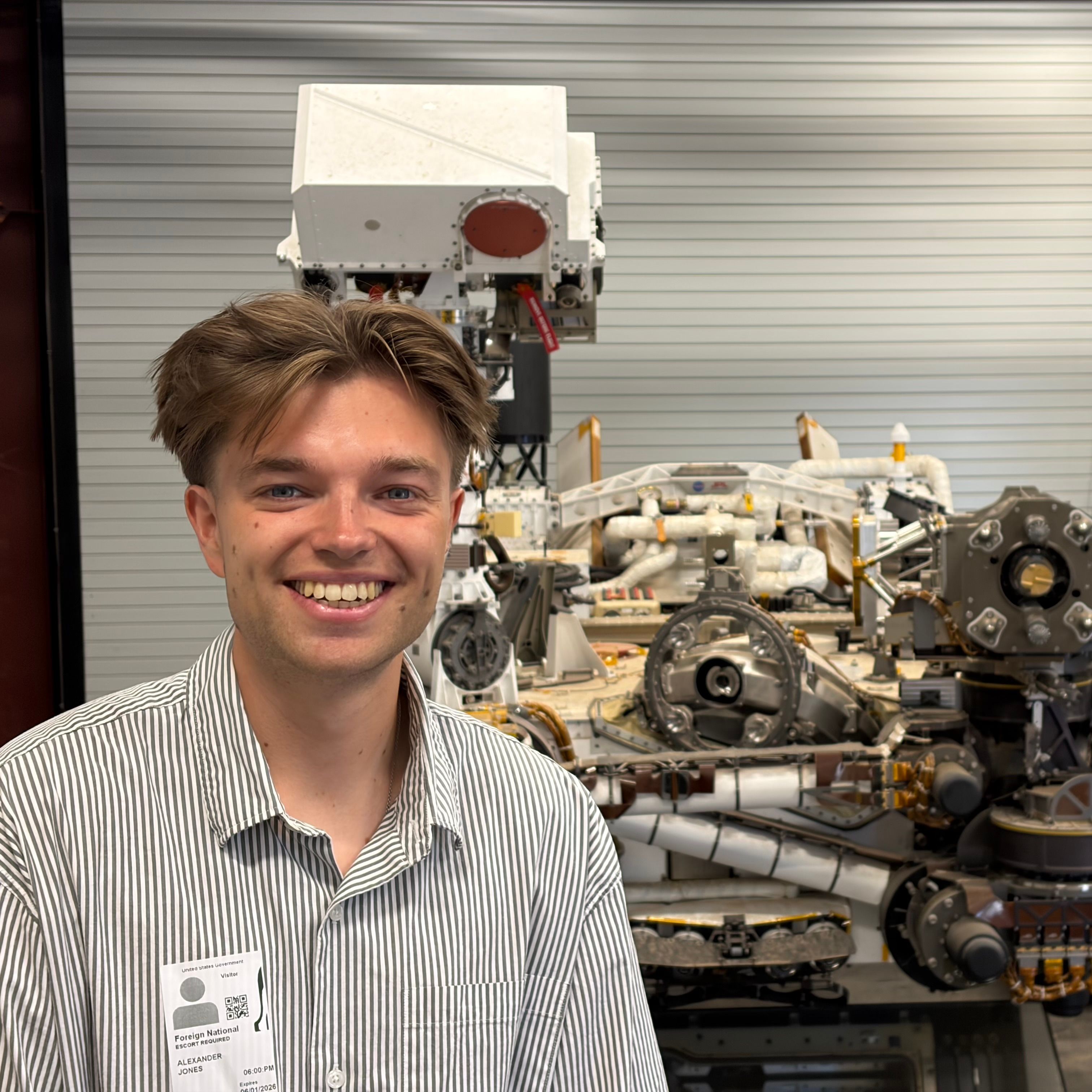 Name: Alexander Jones
Department: Earth Science and Engineering
Title of Research: From hostile to habitable: investigating the stratigraphic record of Jezero crater with the Perseverance rover
Email: alexander.jones19@imperial.ac.uk
Supervisor(s): Professor Sanjeev Gupta
About me: After completing my MSci in Earth and Planetary Sciences here at Imperial, I stayed on to join NASA's Perseverance rover mission for my PhD to investigate the geologic record of ancient Mars. I'm a member of the Mastcam-Z camera team and since starting my PhD, I have trained and qualified to lead the Mars 2020 Science Team during day-to-day tactical rover operations.
Summary of Research: The Perseverance rover landed in February 2021 in Jezero crater, the site of an ancient Martian lakebed, to search for signs of ancient microbial life. I'm interested in reconstructing the depositional setting of rock units encountered by Perseverance by using my field geologic experience from Earth and applying it to Martian rock outcrops. I spend time analysing high-resolution image mosaics and taking measurements from 3D outcrop data collected by Mastcam-Z to construct geologic maps and cross sections through rock units to constrain the ancient environment in which they formed.
Research interests: Mars geology, planetary geoscience, sedimentology
 Name: Angelina Ankah Amengu
Department: Dyson School of Design Engineering
Title of Research: A Digital Health Intervention for Improved Self-Measured Blood Pressure Monitoring in Low- and Middle-Income Countries (LMICs): A Behaviour-Centred Design Approach
Email: a.amengu23@imperial.ac.uk
Supervisor(s): Dr. Talya Porat and Dr. Weston Baxter
About me: I am a third-year PhD student and President’s PhD Scholar at the Dyson School of Design Engineering, Imperial College London. My academic background is in computing. I hold a BSc in Information Technology with First Class Honours and an MPhil in Computer Science with distinction from the University of Ghana. I also received several academic excellence awards, including recognition for my graduating project and outstanding performance across multiple undergraduate years. Before joining Imperial, I worked across research, teaching, and technology. After my undergraduate degree, I completed my national service as a Teaching Assistant and later worked as a Graduate Research and Teaching Assistant, while also teaching professional certification short courses at the Department of Computer Science, University of Ghana. During my MPhil, my research focused on wireless sensor networks and healthcare monitoring applications, where I developed and evaluated an energy-efficient algorithm for sensor-based monitoring systems. These experiences gave me a strong technical foundation but also led me to become increasingly interested in a different question: how do we design technologies that actually work for people in the realities of their everyday lives? This interest led me towards human-centred design, human–computer interaction, behaviour design, and digital health. Before beginning my PhD at Imperial, I was also awarded a fellowship with the NIHR Global Health Research Group on Digital Diagnostics for African Health Systems, which further strengthened my interest in applying technology and design to healthcare challenges in low-resource settings. At Imperial, I now study what happens when healthcare moves beyond hospitals and clinics and into homes and communities, particularly how technologies, behaviours, everyday routines, social relationships, and health systems come together to shape long-term healthcare practices.
Summary of Research: My research explores how healthcare technologies can better support hypertension self-management in low-resource settings, with a particular focus on home-based self-measured blood pressure monitoring. Blood pressure monitoring may seem simple, but when it moves from clinics into homes, responsibilities once supported by healthcare professionals, established routines, and clinical infrastructure shift to patients, caregivers, families, and community health workers. My research examines how this transition affects the feasibility and sustainability of home-based monitoring in low-resource settings. Through a longitudinal field study, qualitative research, in situ observation, co-design, and setting-driven design, I study how people coordinate blood pressure monitoring and how routines, physical environments, social relationships, knowledge, resources, and healthcare connections shape sustained practice. My work brings together digital health, human–computer interaction, human-centred design, and behaviour design. Rather than focusing only on devices or apps, I examine the wider behavioural setting needed to support monitoring, including technologies, physical environments, roles and responsibilities, everyday routines, communication pathways, and connections between home monitoring and primary healthcare. Ultimately, I aim to contribute to healthcare technologies and systems that are practical, inclusive, contextually appropriate, and sustainable in low-resource settings. At the heart of my work is a simple principle: healthcare technologies should fit people’s lives, not force people to fit technology.
Research interests: Human–computer interaction (HCI); Human-centred and participatory design; Setting-driven design; Digital and global health; Health equity; chronic disease self-management
Why did you choose the scholarship scheme at Imperial College: I chose the President’s PhD Scholarship at Imperial College London because it offered the opportunity to pursue doctoral research at a world-leading institution while developing an ambitious and interdisciplinary research direction. I was particularly drawn to Imperial and the Dyson School of Design Engineering because they provided an environment where I could build on my background in Computer Science and Information Technology while developing expertise in human-centred design, human–computer interaction, behaviour design, and digital health. My previous education had been largely grounded in the technical aspects of computing, but I had become increasingly interested in moving beyond the technical performance of systems to understanding people, behaviour, context, and the everyday realities in which technologies are used. Imperial offered an environment where I could bring these interests together across design, engineering, behavioural research, and healthcare. I was particularly inspired by my supervisors, Dr Talya Porat and Dr Weston Baxter, Professor Rafael A. Calvo’s Wellbeing and Tech Lab, and Imperial’s commitment to addressing societal challenges through science, engineering, and design. Their work across human factors, behaviour design, digital health, and healthcare design strongly aligned with my ambitions. The financial support provided by the scholarship was equally important. During both my undergraduate and postgraduate studies, I combined my education with teaching and research work to support myself financially. The President’s PhD Scholarship, which covers my tuition fees, living costs, and research expenses, has given me the freedom to concentrate fully on my doctoral research and development as a researcher. Receiving the scholarship has also been an important recognition of my academic journey and potential to contribute to STEM and global health research. More importantly, it has enabled me to pursue research addressing an issue that is particularly meaningful to me: reducing global health inequalities and ensuring that advances in healthcare technology are accessible, relevant, and beneficial to people living in resource-constrained settings. I hope to use the knowledge, experience, and opportunities gained through the scholarship to contribute to more equitable healthcare in Africa and globally.
.jpg) Name: Lily Lee
Name: Lily Lee
Department: Department of Civil and Environmental Engineering
Title of Research: Optimising Polyhydroxyalkanoates (PHA) Production from Wastewater using Classical Machine Learning and Quantum Computing
Email: lfl23@ic.ac.uk
Supervisor(s): Dr. Po-Heng (Henry) Lee, Prof. Sue Grimes & Dr. Shang Yu
About me: I completed my BS MS in Environmental Science and Engineering at the University of California, Los Angeles
Summary of Research: PHAs are microbially synthesized polymers that can be used to create bioplastics, offering a more sustainable alternative to petrochemical plastics. I study the microorganisms by collecting genetic data (e.g., DNA and RNA sequencing) and developing classical and novel quantum computing algorithms to process this highly dimensional, complex data. In doing so, my goal is to identify the optimal operating strategies that maximize PHA production and help the industrial scale up of this technology.
Research interests: Environmental genomics; resource recovery; quantum computing
Why did you choose the scholarship scheme at Imperial College: I chose this scheme because the generous stipend relieves financial pressure from working/living in London, and I was seeking a scheme where I would have more autonomy over my research topic and the freedom to explore my interests.
.jpg) Name: Maria Portela
Name: Maria Portela
Department: Bioengineering
Title of Research: Spores-on-a-chip - investigating the responsiveness of environmental soil spore communities at the single-cell level
Email: ms11818@ic.ac.uk
Supervisor(s): Dr Claire Stanley & Dr Rodrigo Ledesma Amaro
About me: Before my PhD I completed an MEng in Molecular Bioengineering at Imperial. My Masters research was on building and characterising ATP biosensors for the study of metabolic heterogeneity in yeast. I also did a year placement at GSK, working on single-cell CRISPR screens in primary immune cells for drug target identification.
Summary of Research: This project aims to explore the responsiveness of soil spore communities at the single-cell level using innovative microfluidics and microscopy techniques. By examining the behaviour of bacterial spores under varying environmental conditions, this work aims to uncover new insights into dormancy and spores’ role in soil microbiome dynamics. Understanding these strategies is crucial for advancing our knowledge of the processes which underpin soil health and ecosystem functions, and has potential applications in sustainable agriculture and biotechnology.
Research interests: Microfluidics, microbiology, microfabrication, soil science
Why did you choose the scholarship scheme at Imperial College: My interest in this research comes primarily from its potential to have a positive impact on building a green economy and a more sustainable future. I also wanted to learn new skills and work across disciplines: and this project will allow me to do research at the interface between microbiology and engineering!
.jpg) Name: Michael Githegi Kareithi
Name: Michael Githegi Kareithi
Department: Bioengineering
Title of Research: Neural Manifold Inference by Maximising Information
Email: m.kareithi21@imperial.ac.uk
Supervisor(s): Simon R. Schultz & Pier Luigi Dragotti
About me: I'm a 3rd year PhD in the field of Computational Neuroscience. My undergrad was in Computer Science at Sussex University, then I did an MRes in Neurotech before starting my PhD.
Summary of Research: I'm designing machine learning algorithms to discover latent structure in neural data. This can help us understand how brains make representations of the environment. I'm specifically working with data from the mouse hippocampus, which is the part of the brain usually associated with navigation and memory. If we can understand how representations are formed, changed, and maintained, we can make steps towards understanding pathologies from neurodegenerative diseases like Alzheimer's, which degrade the ability to form these representations, and also design Brain-Computer-Interface systems.
Research interests: computational neuroscience, manifold learning, evolutionary biology, information theory
Why did you choose the scholarship scheme at Imperial College: The President's PhD scheme offered the most robust package for pursuing my research. I'm very thankful for the opportunity to do good science. It's been a blast!
 Name: Natalia Martinez
Department: Electrical and Electronic Engineering
Title of Research: Low-Power Scalable Microsystem for Implantable Neural Interfaces
Email: n.martinez23@imperial.ac.uk
Supervisor(s): Prof. Timothy Constandinou
About me: I completed my Electronics Engineering degree at Universidad Católica del Uruguay in 2022. Alongside my studies, I worked as a Research and Teaching Assistant and joined an electronics company, which gave me insight into both industry practice and academia. During my engineering thesis, I had the opportunity to join the Microelectronics Department to work on the design of an integrated circuit for an implantable medical device, which was later fabricated and tested. This experience strengthened my interest in research and showed me how work in this field can directly impact patients’ lives. It ultimately motivated me to pursue a PhD in Electrical and Electronic Engineering at the Next Generation Neural Interfaces Lab at Imperial. In my PhD, I focus on microelectronics for implantable neural interfaces and have the chance to contribute to a project that brings together engineers, neuroscientists, and neurosurgeons to help move cutting-edge technologies closer to patients and their families.
Summary of Research: Implantable neural interfaces have the potential to transform the treatment of neurological and psychiatric disorders, with applications ranging from brain–machine interfaces to deep brain stimulation. Even where pharmacological interventions may fail, these devices can interface directly with the nervous system, potentially enabling more precise interventions. However, making such technologies safe, reliable, and widely accessible requires implants that are small enough for minimally invasive surgery and capable of sensing brain activity with high quality while consuming very little power. In my PhD, I work on the circuit-level design of a low-power neural recording chip for a distributed implantable neural interface. The key focus of my research is the design of a reconfigurable analog front-end that can adapt to different neural signals as the electrode–tissue interface changes over time, while still providing high-resolution recordings and remaining compatible with simultaneous microstimulation. By improving power efficiency, data handling, and scalability at the chip level, this work aims to support the next generation of implantable neural interfaces and bring neurotechnology closer to clinical use.
Research interests: Implantable Medical Devices, Implantable Neural Interfaces, Analog Integrated Circuit Design, Low-Power Microelectronics, Readout Circuits, Delta-Sigma Data Converters
Why did you choose the scholarship scheme at Imperial College: As an international student from Latin America, funding opportunities for doctoral studies are very limited, and the President’s PhD Scholarship made it possible for me to pursue my PhD at Imperial. These awards are more than financial support; they have given me access to an innovative research community and allowed me to connect with individuals from multiple disciplines who are conducting inspiring research. This is a unique opportunity that will have a long-lasting effect on my career and personal life, and it is allowing me to put into practice a deep passion for engineering at the service of the community by contributing to the advancement of neurotechnologies.
 Name: Xiaotian Wang
Department: Electrical and Electronic Engineering
Title of Research: Analysis of Joint-Interactions in Multiagent Systems
Email: x.wang23@imperial.ac.uk
Supervisor(s): Prof David Angeli
About me: My academic training began with a bachelor’s degree in Automation from Wuhan University of Technology, followed by a master’s degree in Control Science and Engineering from Huazhong University of Science and Technology. I then worked as a Research Associate at the University of Hong Kong.
Summary of Research: My research explores how complex networks of interacting agents can collectively reach agreement, make decisions, and even solve logical problems. By moving beyond conventional pairwise interactions to joint-agent interactions, I develop more expressive models for capturing how groups influence one another in real-world networked systems. I further extend this framework to distributed decision-making and satisfiability (SAT), investigating how logical constraints can be embedded into dynamical systems, with the broader goal of turning collective network dynamics into a powerful tool for computation and decision-making.
Research interests: Multiagent system, Consensus, Distributed system, Control theory
Why did you choose the scholarship scheme at Imperial College: Prestige. Excellence. Academic freedom.
Faculty of Medicine
- Abdurrahim Yilmaz - Department of Metabolism, Digestion and Reproduction
- Aglaia Freccero - Department of Brain Sciences
- Aitana Cheesman - Department of Surgery and Cancer
- Anastasia Gailly de Taurines - Department of Brain Sciences
- Mariana Veiga - MRC Laboratory of Medical Sciences
- Puji Faitna - School of Public Health
 Name: Abdurrahim Yilmaz
Department: Metabolism, Digestion and Reproduction
Title of Research: Artificial Intelligence Tools for Clinical Decision Support in Dermatology
Email: a.yilmaz23@imperial.ac.uk
Supervisor(s): Burak Temelkuran Joram M. Posma Zoltan Takats
About me: I completed both my BSc and MSc degrees in Mechatronics Engineering at Yildiz Technical University. After completing my MSc, I worked for almost one year as a Research Assistant at the Bundeswehr University Munich. During this time, my research focused on microrobotics, optics, computer vision, and applications of artificial intelligence in medicine. These experiences gave me a strong interdisciplinary background in engineering and research before I joined Imperial College.
Summary of Research: Dermatology is inherently multimodal, requiring the integration of clinical photographs, dermoscopy, microscopy, textual patient information, and longitudinal follow-up. Artificial intelligence (AI) has considerable potential to support clinical decision-making and enhance workflow efficiency. Recent advances in language models further extend these capabilities by enabling the joint interpretation of textual and visual clinical information and supporting more context-aware reasoning. However, the development and deployment of clinically useful dermatology AI remain constrained by fragmented datasets, scarce image-text supervision, privacy concerns, and the high computational demands of state-of-the-art models. My research focuses on a data-centric and resource-efficient AI framework for dermatology, spanning dataset construction, model development, benchmarking, and privacy-preserving deployment. First, it establishes structured data foundations through DERM12345, a multisource dermoscopic dataset comprising 12,345 images organized into 40 clinically meaningful subclasses, and DermaSynth, a synthetic multimodal dermatology dataset generated from open-access datasets, PubMed-derived resources, and instruction-following strategies to provide scalable image-text supervision for dermatology vision-language models (VLMs). Together, these resources support fine-grained skin lesion analysis and multimodal learning. Second, it investigates a range of AI methods for dermatological applications, beginning with convolutional neural network (CNN) baselines on DERM12345 and progressing to artifact-aware object detection for fungal hyphae localization in potassium hydroxide (KOH) microscopy, local language models for longitudinal pemphigus follow-up, and DermatoLlama, a dermatology-specific vision-language model designed for report generation and multimodal reasoning under resource constraints. Third, it introduces evaluation infrastructure, including AnnotatorMed, a locally deployable hierarchical annotation tool; DermaBench, a clinician-annotated visual question-answering (VQA) benchmark integrating clinical and dermoscopic images; and hierarchical foundation-model benchmarking on DERM12345. Together, these contributions define an end-to-end pathway for explainable, multimodal, resource-efficient, and privacy-preserving dermatology AI. The central argument of my research is that clinically credible dermatology AI must be not only accurate but also interpretable, evaluable, data-efficient, and compatible with real-world healthcare constraints.
Research interests: Artificial intelligence, Deep learning, Vision-language models, Dermatology, Skin cancer, Clinical decision support
Why did you choose the scholarship scheme at Imperial College: I chose the President’s PhD Scholarship at Imperial College because it provides comprehensive financial support throughout my PhD, allowing me to focus fully on my research without financial concerns. Imperial College is also one of the world’s leading universities, with an outstanding reputation for research and innovation. The opportunity to work in such a prestigious and highly interdisciplinary environment, particularly on state-of-the-art research topics, made this scholarship an ideal choice for me.
.jpg) Name: Aglaia Freccero
Name: Aglaia Freccero
Department: Brain Sciences
Title of Research: Artificial Intelligence-informed mobile behavioural interventions to support adolescents' mental health in schools
Email: aglaia.freccero21@imperial.ac.uk
Supervisor(s): Dr Dasha Nicholls, Dr Martina Di Simplicio & Dr Lindsay Dewa
About me: I am a PhD candidate in the Division of Psychiatry (Department of Brain Sciences). My interdisciplinary research focuses on evaluating the effectiveness and acceptability of AI-informed mobile behavioural interventions to support adolescents’ mental health in schools. I hold an MSc in Translational Neuroscience and a Master's in Public Health from Imperial College London, and a BSc in Biomedical Sciences from UCL. Beyond academia, I am an award-winning mental health activist and lived experience advisor to several national mental health charities.
Summary of Research: Children and young people are highly vulnerable to mental health difficulties, and early identification and support are crucial to prevent worsening symptoms and long-term impacts. Schools play a key role in shaping student wellbeing and are well placed to identify risks, but they lack evidence-based approaches. Mobile mental health apps offer a scalable and flexible solution. Through active self-reporting and passive phone sensor tracking, apps can generate behavioural profiles that inform timely, context-sensitive interventions. Machine learning enables further personalisation, although evidence on clinical effectiveness, real-world implementation, and integration in educational settings remains limited. This project uses MindCraft, an Imperial-developed mental health app that combines active and passive tracking to monitor emotions and behaviour. Its reinforcement learning system delivers personalised machine-learning-informed recommendations (“nudges”) when early signs of mental health change are detected. The project aims to: (1) evaluate the impact of machine learning nudges on mental health outcomes in young people across UK schools, and (2) examine stakeholders' perceptions to inform effective implementation.
Research interests: mental health, population health, digital health, mHealth
Why did you choose the scholarship scheme at Imperial College: I chose the President’s Scholarship because it provides a resourceful and supportive environment that enables me to grow as a researcher and advance my academic career. Its emphasis on excellence and interdisciplinary collaboration allows me to conduct high-quality research to pursue my goal of developing innovative interventions that make a meaningful impact on the mental health of young people.
.jpg) Name: Aitana Cheesman
Name: Aitana Cheesman
Department: Surgery and Cancer
Title of Research: Advancing treatment in ovarian high grade serous carcinoma (HGSC) by targeting RNA splicing
Email: ac6922@ic.ac.uk
Supervisor(s): Dr Anke Nijhuis & Professor Iain McNeish
About me: Before my PhD I did an MSci in Biochemistry at King's College London.
Summary of Research: For my PhD project, I am investigating how depleting RBM39 (a key regulator of RNA splicing) impacts high-grade serous ovarian cancer (HGSOC). My work examines why RBM39 loss appears to enhance the effectiveness of PARP inhibitors, drugs that target the cancer cells’ ability to repair damaged DNA. By studying how RBM39 depletion rewires gene expression and disrupts DNA damage–response pathways, I aim to understand why these cells become more vulnerable to treatment. In parallel, I am exploring whether altered RNA splicing can generate neoantigens, novel protein fragments that may be detected by the immune system. This is particularly significant in HGSOC, an immunologically “cold” tumour type that typically responds poorly to current immunotherapies. Together, these studies may reveal new therapeutic angles to better sensitize ovarian cancers to both targeted treatments and immune-based approaches.
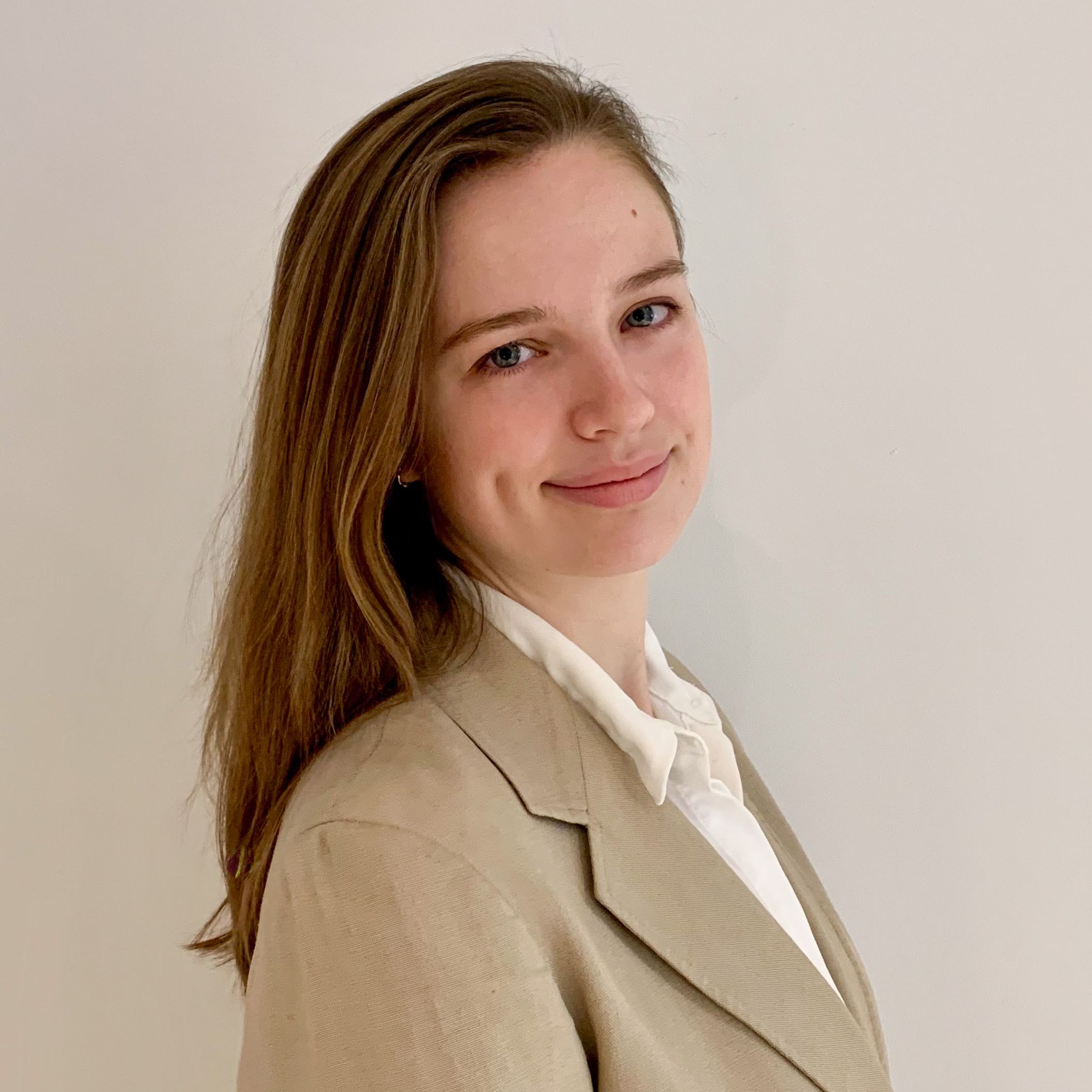 Name: Anastasia Gailly de Taurines
Department: Brain Sciences
Title of Research: Towards Clinically Viable Dementia Prediction - Navigating Performance, Explainability, and Early Signals in MRI-Based Models.
Email: anastasia.gailly-de-taurines21@imperial.ac.uk
Supervisor(s): Prof Payam Barnaghi (Brain Sciences) Prof Ben Glocker (Computing)
About me: Anastasia completed a BSc in Neuroscience at King's College London and an MSc in Translational Neuroscience at Imperial College London. Her research focuses on MRI-based biomarkers and machine learning models for dementia.
Summary of Research: Anastasia's research uses machine learning to improve how brain MRI scans are used to detect Alzheimer's disease, with a focus on making these tools both more trustworthy and more useful for early diagnosis. Her first project tackles a problem often overlooked in medical AI: the choice of software used to process brain scans can quietly shape a model's results. By systematically comparing six widely-used MRI processing pipelines alongside seven classical machine learning models, she found that simpler, interpretable models - when paired with the right preprocessing pipeline - can match or exceed the performance of deep learning approaches, while remaining transparent enough for clinicians to trust and computationally cheap enough for real-world use. Her second project reframes how AI "mistakes" are understood. Rather than treating false positives as simple errors, she investigated whether they might actually reflect subtle, early brain changes that precede a formal Alzheimer's diagnosis. Her findings suggest that some of these apparent misclassifications do carry predictive value - individuals who later progressed to Alzheimer's were disproportionately flagged as higher-risk by the model even years before diagnosis. This points toward a new way of using AI not just to classify disease, but to catch it earlier, when emerging treatments are most effective. Together, these projects aim to move machine learning for dementia diagnosis closer to real clinical impact: models that are accurate, explainable, and capable of anticipating disease before symptoms fully emerge.
Research interests: Alzheimer's Disease, Dementia, MRI, AI, machine learning, interpretability
Why did you choose the scholarship scheme at Imperial College: Being a scholarship offered to the student directly, the scholarship offers us agency over our work. Given that the funding is given to me directly, I am the master of my project and its direction, giving me plenty of flexibility to explore the topic in whichever way I feel inspired to. Additionally, being one of the most generous stipends in London, it enables me to live in the capital city without too much financial stress.
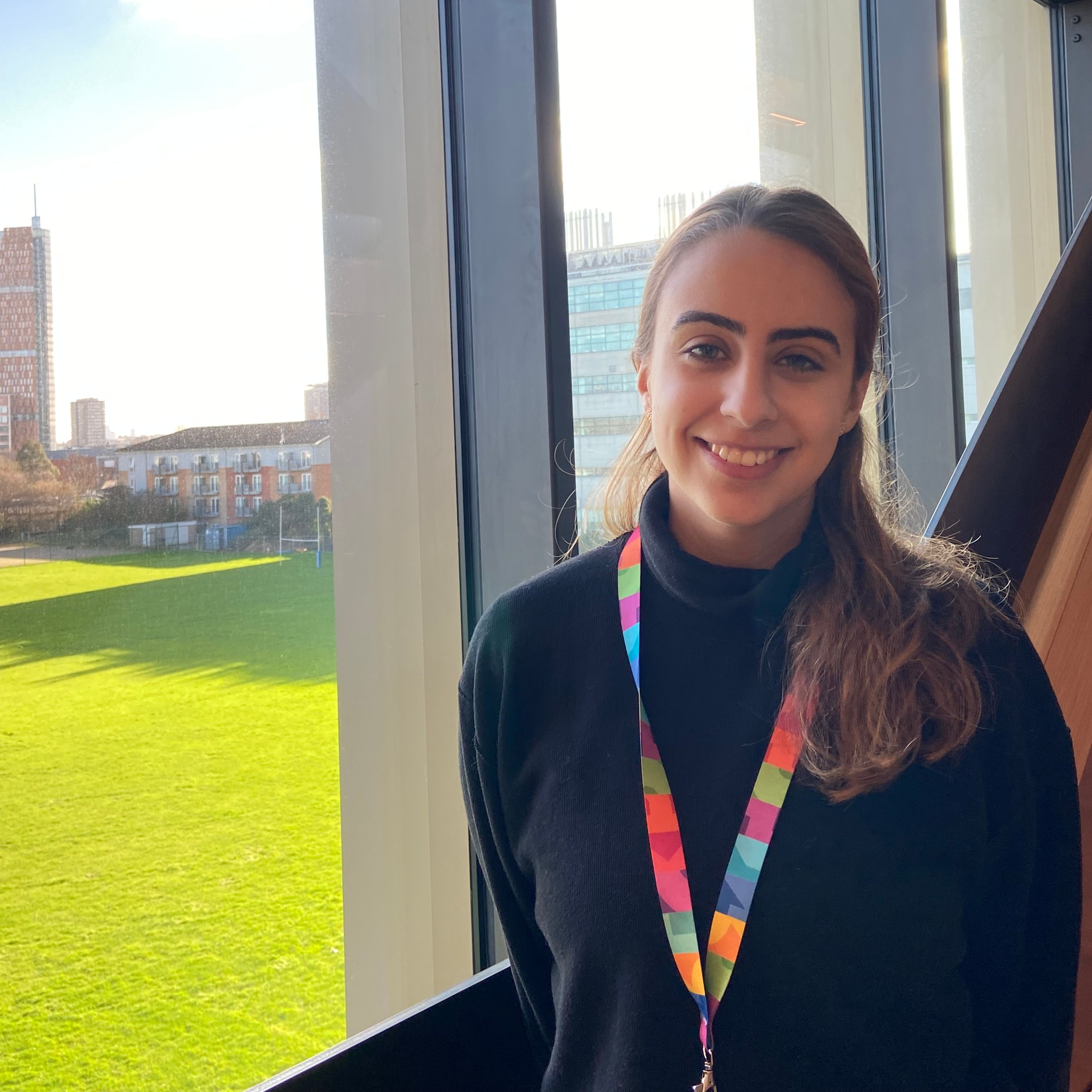 Name: Mariana Veiga
Department: MRC Laboratory of Medical Sciences
Title of Research: Exploring mechanisms that drive heterogenous drug accumulation at the single cell level
Email: mhv22@ic.ac.uk
Supervisor(s): Dr Louise Fets
About me: I am a final year PhD student at the Drug Transport and Tumour Metabolism Group at the MRC LMS. Before my PhD, I did a BSc in Biomedical Sciences at King’s College London and an MPhil in Genetics at the University of Cambridge.
Summary of Research: The intracellular concentration reached by a compound is very important for determining its target engagement and therapeutic efficacy, yet the impact of tumour heterogeneity on drug distribution remains underexplored. Targeted therapies have transformed treatment for multiple cancer types, but resistance remains a clinical problem in this highly heterogeneous disease. My PhD project leverages the intrinsic fluorescence properties of two targeted therapies to investigate mechanisms influencing cellular heterogeneity in drug distribution in distinct cancer contexts. These fluorescent compounds allow for the direct visualisation of drug distribution by live microscopy imaging and for fluorescence-activated cell sorting (FACS), enabling the separation of ‘high’ and ‘low’ drug cells. These subpopulations can then undergo molecular characterisation to identify mechanisms that contribute to differential drug uptake or retention. Ultimately, this work aims to better understand the role of drug distribution in therapeutic resistance, providing mechanistic insights that can guide more effective drug delivery strategies and improve patient response.
Research interests: Pharmacology, Cancer, Drug resistance
Why did you choose the scholarship scheme at Imperial College: I chose the President’s scholarship scheme because it allows me to undertake my research in a supportive and well-resourced environment alongside leading researchers. The funding allows me to focus fully on my PhD, while the scheme also offers valuable opportunities for collaboration and networking.
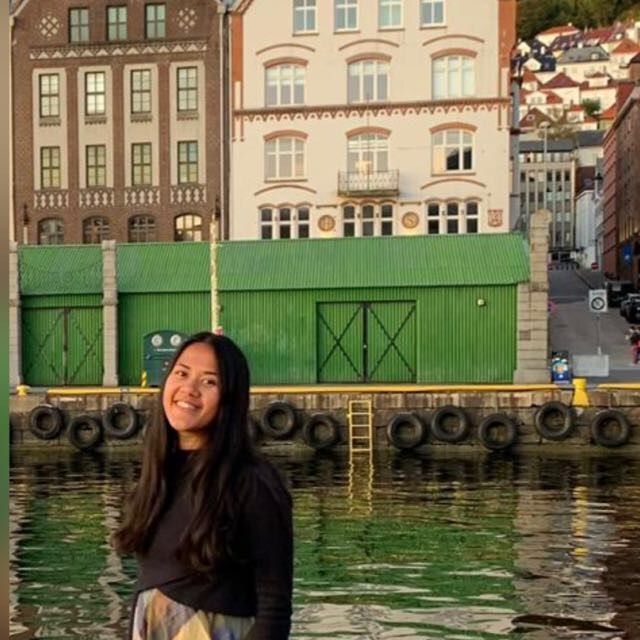 Name: Puji Faitna
Department: School of Public Health
Title of Research: Examining the relationship between socioeconomic disadvantage in children and young people and mental health trajectories using health care and community data.
Email: p.faitna@imperial.ac.uk
Supervisor(s): Professor Paul Aylin (Primary), Professor Alex Bottle and Dr Sabrina Rodrigues
About me: Raised in Melbourne, Australia, I trained and worked as a pharmacist before completing an MSc in Population Health (Distinction) at UCL. I then spent three years as a Research Assistant in Imperial's Dr Foster Unit before starting my PhD. I also serve as a PhD student representative for the School of Public Health.
Summary of Research: Broadly, my PhD quantitatively explores how socioeconomic circumstances in early life might shape mental health trajectories across the lifespan, encompassing both mental illness and emotional well-being.
Research interests: Advanced quantitative methods and applied statistics; population health and epidemiology; health services research; health inequalities and the social determinants of health; life-course epidemiology; mental health; child and adolescent health.
Why did you choose the scholarship scheme at Imperial College: I chose the President’s PhD Scholarship because of the academic freedom it provides, its generous funding, and the opportunity to work with world-leading researchers. It has enabled me to pursue a research question I am passionate about while focusing fully on my research and professional development within a globally recognised academic environment.
Faculty of Natural Sciences
- Elsy Milan - Centre for Environmental Policy
- Laila Kasuri - Centre for Environmental Policy
- Naura Fakhira Antariksa - Department of Chemistry
- Pablo Zurita Soler - Department of Mathematics
- Vanessa Rogga - Department of Chemistry
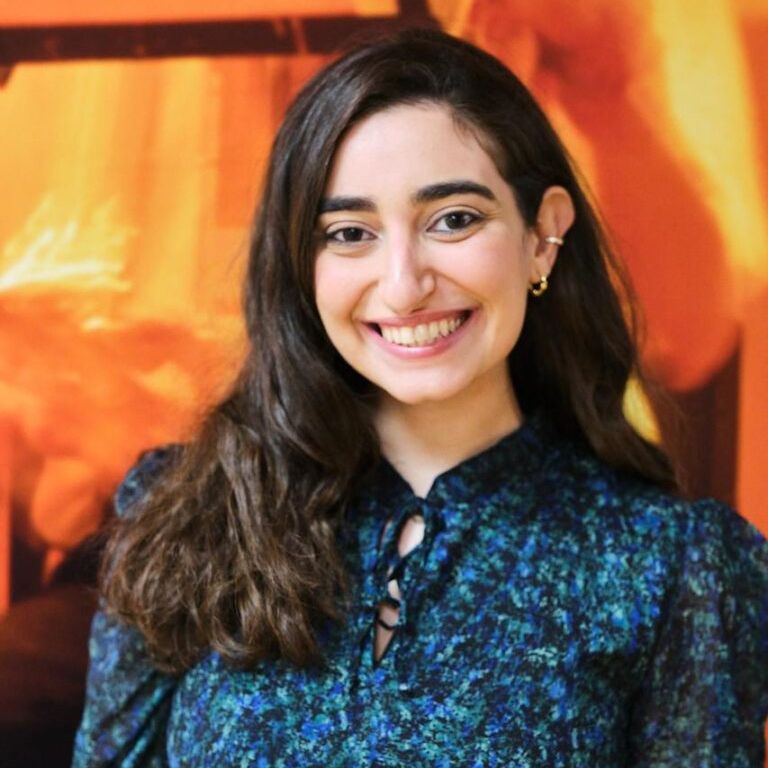 Name: Elsy Milan
Department: Centre for Environmental Policy
Title of Research: Market-Based Mechanisms Evaluation and Design for CCUS and Blue Hydrogen Viability in Heavy Industrial Sectors
Email: etm22@ic.ac.uk
Supervisor(s): Dr Gbemi Oluleye
About me: Elsy is a PhD candidate at the Centre for Environmental Policy (CEP) where she conducts research on conceptualising a novel policy framework for de-risking investment in carbon capture and storage (CCS) and Blue Hydrogen for decarbonising hard-to-abate sectors (Ammonia, Methanol, Iron & Steel, and Cement) under the supervision of Dr. Gbemi Oluleye. Her work is funded by the President Scholarship and the IIE Emergency Educational Fund for the UK-Levant Fund. Elsy is currently the negotiator for the Lebanese Delegation on Article 6 and the Technology Work Programs at the Conference of Parties (COP), promoted by the UNFCCC. Chosen by UNDP Climate as one of five most influential youths in fighting climate change int eh MENA region in 2022, Elsy is a Climate Ambassador with Connect4Climate, an EU JEEL Connector and a COP delegate. Through her collaboration with numerous high-level entities and international organisations, she works on empowering young professionals and women in ensuring an equitable energy transition. Lately, she has received the Student Award for Outstanding Achievement for Year 2025.
Summary of Research: This thesis will be the first to develop a large-scale spatio temporal simulation and optimisation model on a plant level to evaluate existing market-based interventions for Carbon Capture and Storage (CCS) and Blue Hydrogen uptake in hard to abate industrial sectors (methanol, ammonia, cement and steel) and design a new market-based intervention to fill the gap. The evaluation is based on (i) the potential of market-based interventions to generate sufficient demand-pull to scale CCS, (ii) their potential to achieve economic tipping points in the price of the products (low-carbon methanol, ammonia, cement and steel), (iii) their impact on the economic viability of plant. These three form part of the ex-post analysis for current market mechanisms. An ex-ante analysis starts with the complementary tools proposed by different parties that play a gap filler role: Carbon Contracts for Difference (CCfD), Carbon Takeback Obligations (CTBO) and Carbon Border Adjustment Mechanism (CBAM) before proposing a new market mechanism. Understanding the limitations of existing market-mechanisms allows for formulation of a new market-based mechanism that can de-risk investment in CCS and blue hydrogen.
Research interests: energy- policy- decision making- diplomacy- climate finance- carbon markets
Why did you choose the scholarship scheme at Imperial College: Imperial College London has always been a dream of mine. With the economic crisis ravaging my country, this dream became further away. This scholarship allowed me to cover my tuition fees and secure a living in London, all while focusing on my research and building both my career and professional life.
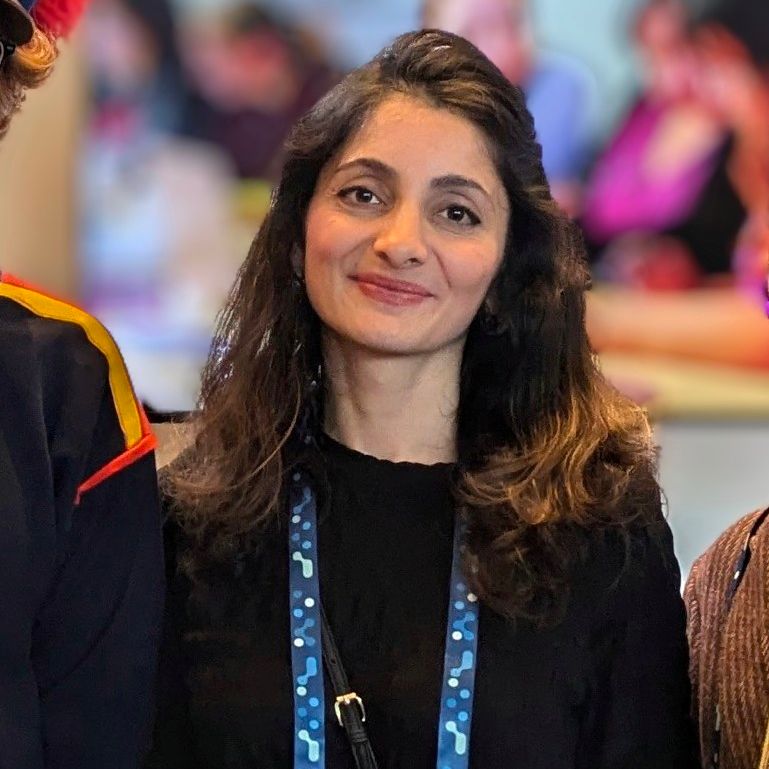 Name: Laila Kasuri
Department: Centre for Environmental Policy
Title of Research: Rights, rites and re-writing water: Towards meaningful engagement of Indigenous Peoples in global water governance
Email: l.kasuri23@imperial.ac.uk
Supervisor(s): Dr. Alexandra Collins
About me: Laila is a postgraduate researcher at the Centre for Environmental Policy (CEP) where she conducts research on examining and advancing engagement of Indigenous Peoples in water governance at the global level. Prior to joining Imperial, Ms. Kasuri had been working for the last twelve years on the breadth of global water issues, with organizations such as the World Bank and the Global Green Growth Institute, in multiple countries including Canada, the United States, Pakistan, Cambodia, Laos, Myanmar, Jordan, Bangladesh, Afghanistan, Burkina Faso and the four countries of the Lake Chad (Chad, Cameroon, Niger and Nigeria). In her most recent role, she worked as a Senior Advisor with the Assembly of First Nations in Canada working on issues around Indigenous water stewardship, federal regulations and policies related to climate and biodiversity, environmental regulations (CEPA), federal safe drinking water and freshwater issues and the linkages of these issues with UN human rights declarations. She was also selected as Forbes 30 under 30 Asia in 2019 for her work on water.
Summary of Research: Laila is currently involved in global processes related to water, and supporting an informal caucus of Indigenous Peoples and allies, especially with the upcoming UN-Water Conference in 2026. She has been working with global Indigenous networks and coalitions working on water, and supporting less-represented and non-state actors in global governance processes. Her research has been published in Nature Water.
Research interests: Water governance, global environmental governance
Why did you choose the scholarship scheme at Imperial College: It is the only scholarship that allows independent research.
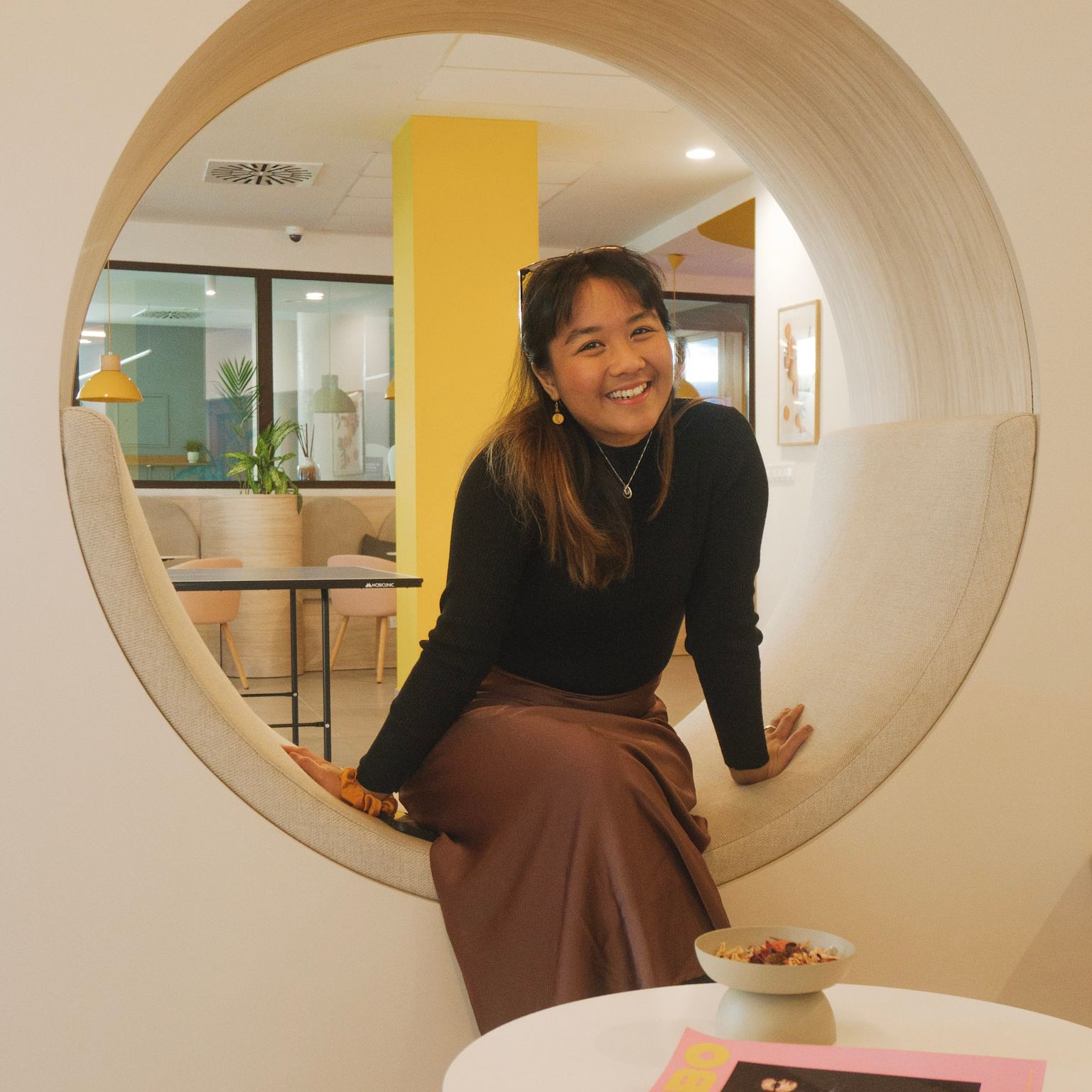 Name: Naura Fakhira Antariksa
Department: Chemistry
Title of Research: Mapping long-range G-G base pairing interaction within the human genome
Email: n.antariksa23@imperial.ac.uk
Supervisor(s): Marco Di Antonio
About me: I completed my B. Eng in Applied Chemistry at Kyushu University, Japan, followed by and MSc in Molecular and Biological Chemistry at EPFL, Switzerland. During my master’s, I trained under Prof. Yimon Aye, where I studied the relationship between protein and drug-like-molecules. Before my PhD, I conducted a 6-months research internship with Prof. Julius Fredens at the National University of Singapore, where I researched protein delivery systems and biosensors.
Summary of Research: We are investigating the biological relevance of a non-canonical DNA structure called G-quadruplexes (G4s), which have been linked to cancer and other diseases. Here, I am studying a specific topology of G4 called “multimolecular G4” (mG4), and understanding how this structure could modulate protein’s biophysical properties. Our ultimate goal is to map these structures in a chromatin context and establish a previously unrecognised layer of regulatory control in our gene expression landscape.
Research interests: Nucleic acids chemistry, molecular biology, genomics, 3D genome conformations
Why did you choose the scholarship scheme at Imperial College: I am excited with the prospect of joining a world-class university, with opportunities to learn from and form collaborations with researchers of various scientific backgrounds. Coming from Indonesia where such opportunities are severely limited, the President’s Scholarship scheme is invaluable for my education and professional development.
.jpg) Name: Pablo Zurita Soler
Name: Pablo Zurita Soler
Department: Mathematics
Email: p.zurita23@imperial.ac.uk
Supervisor(s): Eric Keaveny
About me: I’m a scientist and applied mathematician interested in modelling the human body and understanding the maths in those models. I’m currently a PhD student at Imperial College London, working under the supervision of Dr. Eric Keaveny. Before starting my PhD, I was a researcher at the Computational Medicine Group of the Institute for Biological and Medical Engineering at Pontificia Universidad Católica de Chile (PUC). I hold a BSc with a major in Biomedical Engineering and a minor in Applied Mathematics, and an MSc In Engineering Sciences from PUC.
Research interests: Mathematical physiology, computational medicine, biomechanics, applied analysis
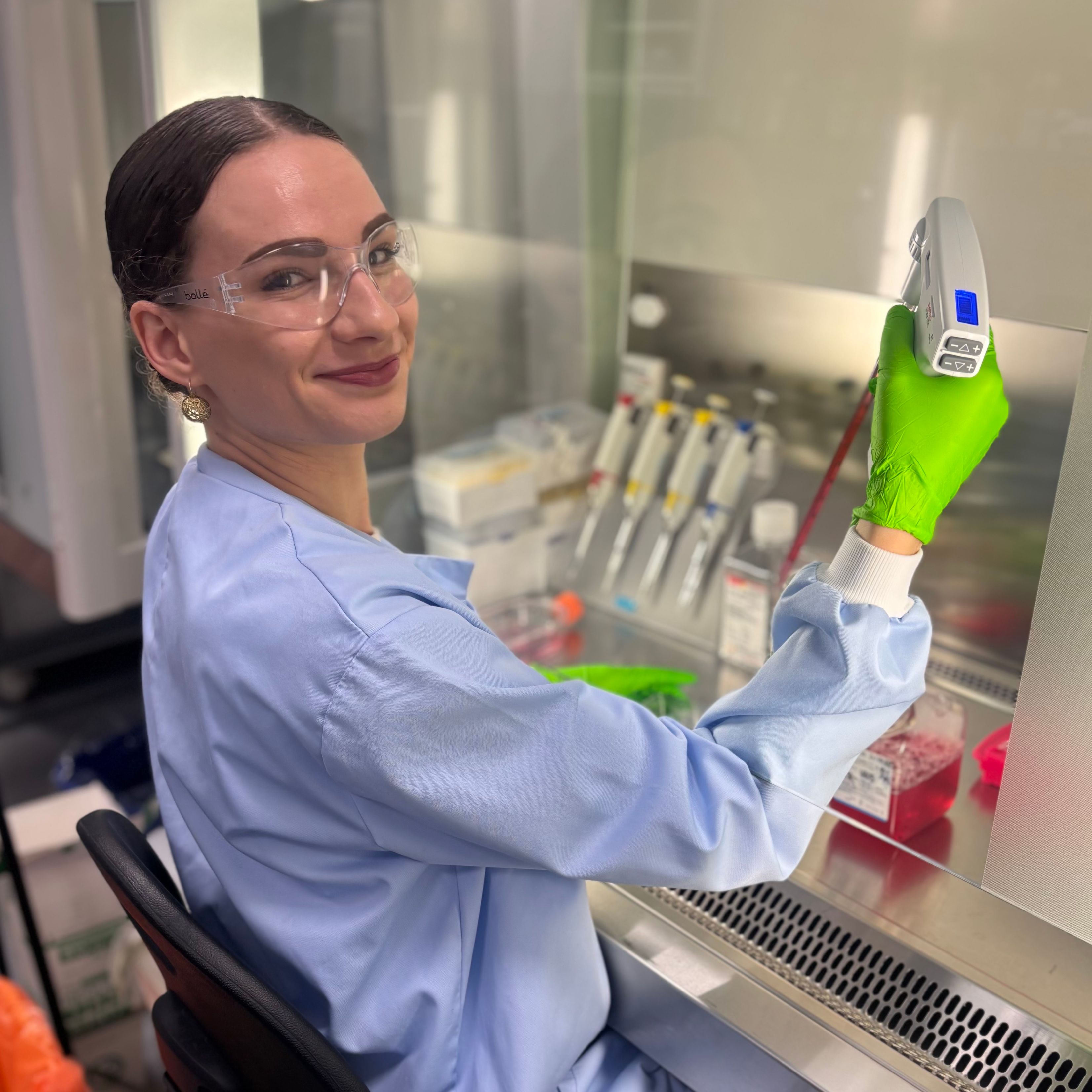 Name: Vanessa Rogga
Department: Chemistry
Email: v.rogga23@imperial.ac.uk
Supervisor(s): Prof. Ed Tate
About me: Before joining Imperial, I have obtained an MPharm degree from the University of Zagreb’s Faculty of Pharmacy and Biochemistry. While studying pharmacy, I became fascinated by the synergy between chemistry and biology in shaping human pathophysiology. This interest guided me to the chemistry–biology interface and, ultimately, to a PhD in Professor Ed Tate’s group at Imperial College London, funded by the President’s PhD Scholarship.
Research interests: Proximity-induced pharmacology
Why did you choose the scholarship scheme at Imperial College: The President’s Scholarship offers a generous stipend and exceptional cohort networking opportunities with fellow scholars.