Doing an MSc in Conservation Science and Practice in the middle of a major city with nearly nine million residents, may not seem the most obvious choice. However, apart from urban nature conservation being a big thing, the Centre for Environmental Policy is also just a few minutes’ walk from the amazing green space that is Hyde Park and Kensington Gardens. At the end of the first week of teaching, the current cohort of students was given a guided tour of some of the key sites in the Park and Gardens by the Head of Conservation at The Royal Parks, Alister Hayes.
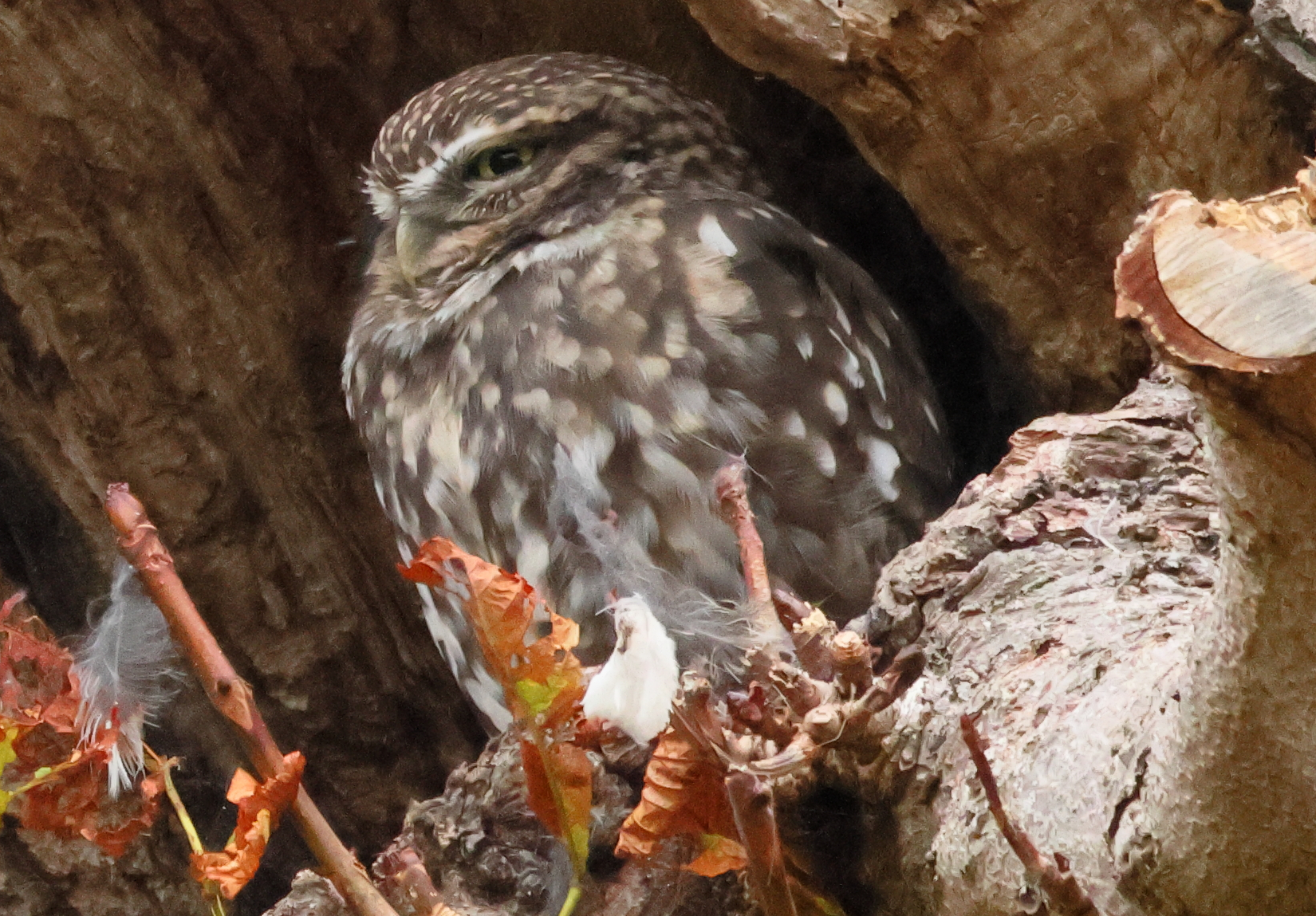
It was fascinating and encouraging to see how nature is managed and protected in a space under intense pressure. Collectively London’s eight Royal Parks receive around 75 million visitors annually. Looking after nature in that context is clearly a massive challenge - and yet, amidst the hustle and bustle there was much evidence of a flourishing ecosystem. It was great to see how this central London green space was being managed in a way that allows nature to become a little less tightly controlled and a little wilder, thereby making space for wildlife to thrive. Indeed, Kensington Gardens and Hyde Park are one of only two places I have ever managed to photograph Little Owls (Athene Noctua) in my four years of wildlife photography. These diminutive, grumpy looking birds make a charming, if elusive, addition to the area’s fauna.
The natural world is under ever more pressure. Homo sapiens is very much part of that natural world and utterly reliant on it for our survival. Seeing how nature can be looked after in a multi-million people city, accompanied by fellow conservationists, dedicated to helping nature thrive, was insightful, inspiring and hopeful.
By Robin Pettitt, MSc Conservation Science and Practice
Want to see more of Robin’s encounters with urban wildlife? Follow him on Instagram.
Can't find what you need?
Get in touch by emailing the CEP Postgraduate Office