Research interests
We work on developing new materials and photoelectrode architectures for photoelectrochemical reactions, including water splitting and carbon dioxide reduction. We develop novel approaches to engineer the interface between semiconductors and electrolytes, in order to optimize the performance of the semicoductors and achieve efficient solar energy devices for the production of solar fuels. We develop fabrication methods to tune those interfaces and boost their photoelectrochemical final performance. We also exploit synergies with the photovoltaics and electrocatalysis fields to develop photoelectrodes with buried junctions, protected with carbon catalytic sheets. We have capacity for electrode synthesis as well as potentiostats, solar simulators, LEDs, monochromators, gas chromatograph, etc. for a full (photo)electrochemical and gas evolution characterization. Materials that we work on include bismuth vanadate, iron oxide, titania, hematite, perovskites, and organic bulk heterojunctions for either photoanodes or photocathodes.
Key publications:
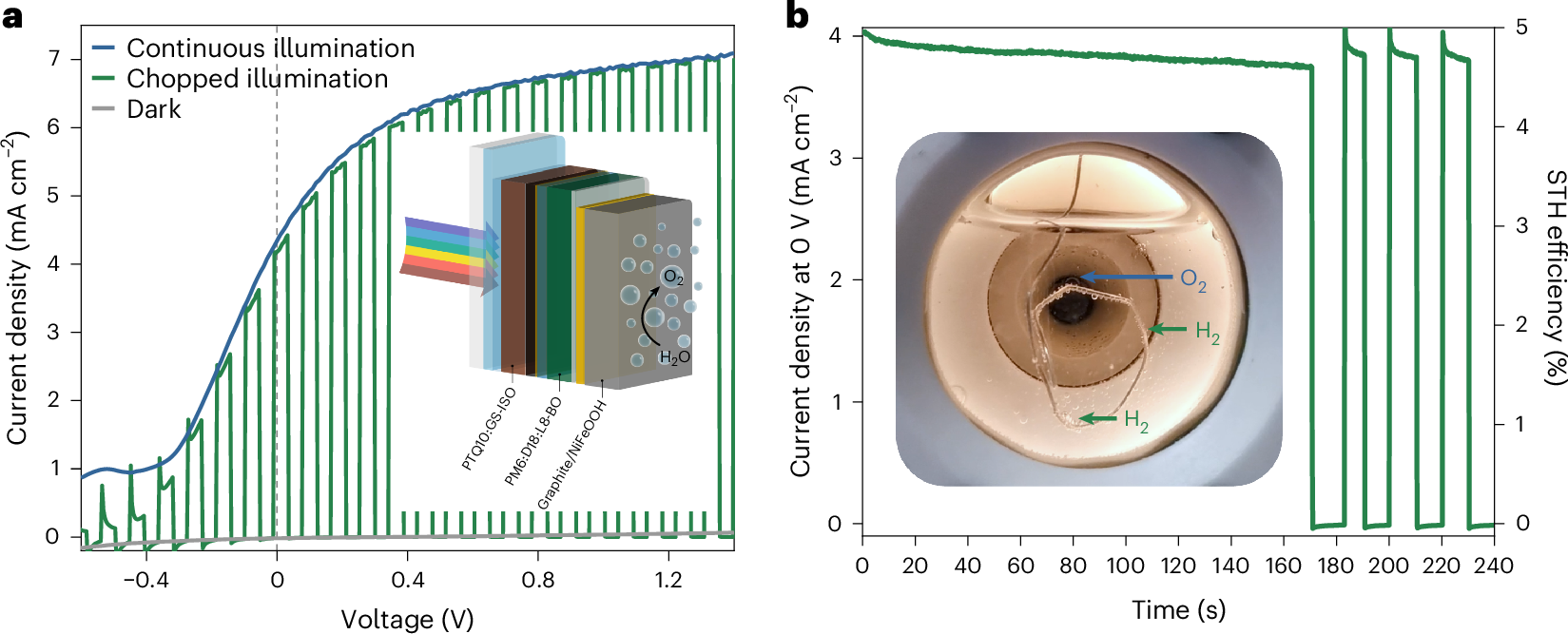
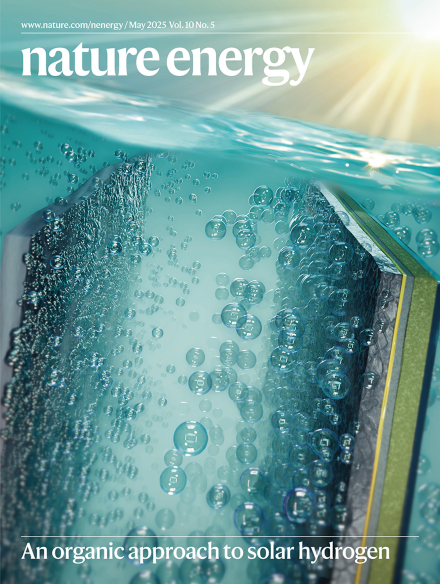
Daboczi, M.; Eisner, F.; Luke, J.; Yuan, S. W.; Al Lawati, N.; Zhi, M.; Yang, M.; Müller, J. S.; Stewart, K.; Kim, J.-S.; Nelson, J.; Eslava, S. Enhanced solar water oxidation and unassisted water splitting using graphite-protected bulk heterojunction organic photoactive layer. Nat. Energy 2025, 10(5), 581-591.
Zhu, Z.; Daboczi, M.; Chen, M.; Xuan, Y.; Liu, X.; Eslava, S. Ultrastable halide perovskite CsPbBr3 photoanodes achieved with electrocatalytic glassy-carbon and boron-doped diamond sheets. Nat. Commun. 2024, 15, 2791.

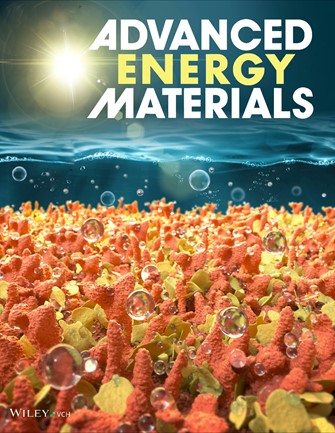
Yang, M.; Oldham, L.I.; Daboczi, M.; Baghdadi, Y.; Cui, J.; Benetti, D.; Zhang, W.; Durrant, J.R.; Hankin, A.; Eslava, S. Advancing Hematite Photoanodes for Photoelectrochemical Water Splitting: The Impact of g-C3N4 Supported Ni-CoP on Photogenerated Hole Dynamics. Adv. Energy Mater. 2024, 2401298
Daboczi, M.; Cui, J.; Temerov, F.; Eslava, S. Scalable All-Inorganic Halide Perovskite Photoanodes with >100 h Operational Stability Containing Earth-Abundant Materials. Adv. Mater., 2023, 2304350

Cui, J.; Daboczi, M.; Cui, Z.; Gong, M.; Flitcroft, J.; Skelton, J.; Parker, S.C. Eslava, S. BiVO4 photoanodes enhanced with metal phosphide co-catalysts: relevant properties to boost photoanode performance. Small 2023, 20, 2306757

Cui, J., Daboczi, M., Regue, M., Chin, Y.-C., Pagano, K., Zhang, J., Isaacs, M.A., Kerherve, G., Mornto, A., West, J., Gimenez, S., Kim, J.-S., Eslava, S., 2022. 2D Bismuthene as a Functional Interlayer between BiVO4 and NiFeOOH for Enhanced Oxygen-Evolution Photoanodes. Adv. Funct. Mater. 2022, 32, 1-12.

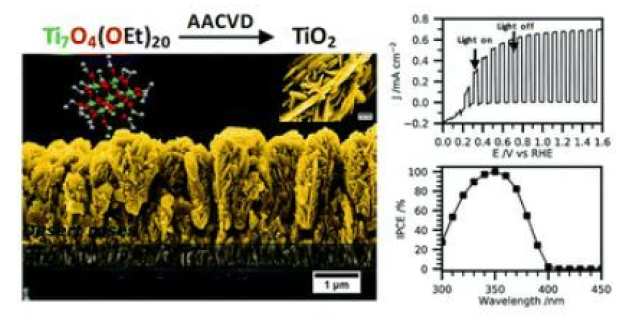
Regue, M.; Sibby, S.; Ahmet, I.Y.; Friedrich, D.; Abdi, F.F.; Johnson, A.L.; Eslava, S. TiO2 photoanodes with exposed {0 1 0} facets grown by aerosol-assisted chemical vapor deposition of a titanium oxo/alkoxy cluster. J. Mater. Chem. A 2019, 7, 19161-19172.
Poli, I.; Hintermair, U.; Regue, M.; Sackville, E.; Baker, J.; Watson, T.; Eslava, S.; Cameron, P.J. Graphite-protected CsPbBr3 perovskite photoanodes functionalised with water oxidation catalyst for oxygen evolution in water; Nat. Comm. 2019, 10, 2097

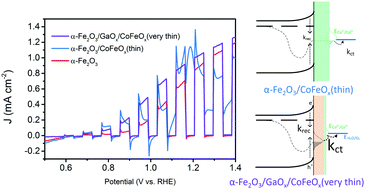
Zhang, J.; García-Rodríguez, R.; Cameron, P.J.; Eslava, S. Role of Cobalt−Iron (Oxy)Hydroxide (CoFeOx) as Oxygen Evolution Catalyst on Hematite Photoanodes. Energy Environ. Sci. 2018, 11, 2972-2984.
We study the discovery and development of promising semiconductor photocatalysts that absorb the solar spectrum and effectively avoid recombination of photoinduced charges. We focus on (i) obtaining high surface area materials and composites using synthesis approaches with scale-up capability, (ii) discovering novel multimetallic oxygen, hydrogen evolution reaction and carbon dioxide reduction electrocatalysts to be coated on semiconductor absorbing layers; and (iii) understanding the kinetics of such interfaces to rationalize the improved activities. We also put emphasis on the reactor design, to enable more efficient reactions in gas and liquid phase.
Key publications:
Baghdadi, Y.; Daboczi, M.; Temerov, F.; Yang, M.; Cui, J.; Eslava, S. g-C3N4/rGO/Cs3Bi2Br9 mediated Z-scheme heterojunction for enhanced photocatalytic CO2 reduction. J. Mater. Chem. A 2024, 12, 16383–16395

Baghdadi, Y.; Temerov, F.; Cui, J. Daboczi, M.; Rattner, E.; Sena, M.S.; Eslava, S. Cs3Bi2Br9/g-C3N4 direct Z-scheme heterojunction for enhanced photocatalytic reduction of CO2 to CO. Chem. Mater. 2023, 35, 20, 8607–8620
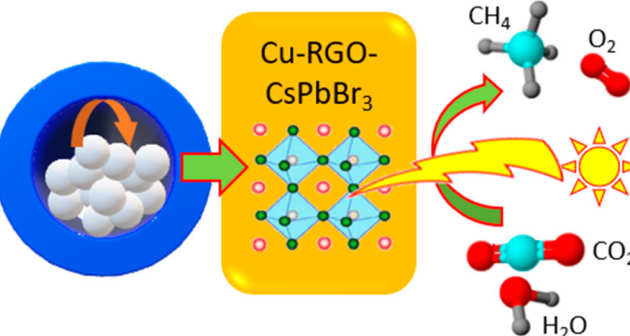
Kumar S.; Regue, M,; Isaacs, M.A.; Freeman, E.; Eslava S.; All-Inorganic CsPbBr3 Nanocrystals: Gram-Scale Mechanochemical Synthesis and Selective Photocatalytic CO2 Reduction to Methane, ACS Appl. Energy Mater. 2020
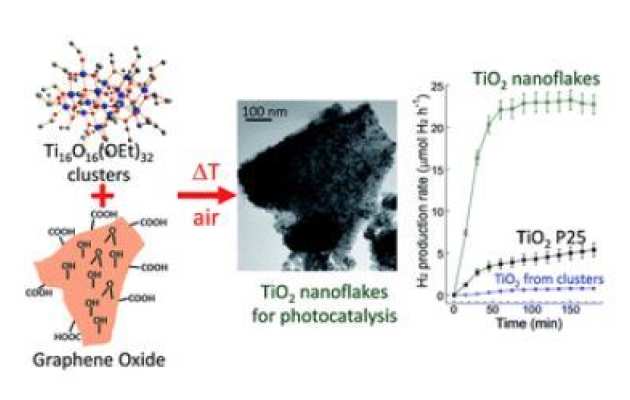
Eslava, S.; Reynal, A.; Rocha, V.G.; Barg, S.; Saiz, E. Using Graphene Oxide as a Sacrificial Support of Polyoxotitanium Clusters to Replicate Its Two-Dimensionality on Pure Titania Photocatalysts. J. Mater. Chem. A 2016, 4, 7200-7206.
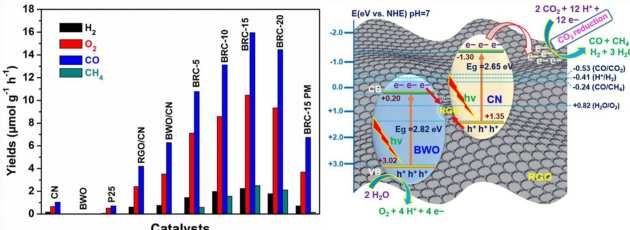
Jo, W.K.; Kumar, S.; Eslava, S.; Tonda, S. Construction of Bi2WO6/RGO/g-C3N4 2D/2D/2D hybrid Z-scheme heterojunctions with large interfacial contact area for efficient charge separation and high-performance photoreduction of CO2 and H2O into solar fuels. Appl. Cat. B Environ. 2018, 239, 586-598
We have a background in materials science and characterization that find applications beyond photoelectrochemistry and photocatalysis, for example in solar cells, thermocatalytic processes, photothermal applications, structural materials for coatings, etc. For example, we develop high surface area materials such as porous metal oxides, graphene derivatives, zeolites, mesoporous silicas, and heterometallic clusters. We focus on bottom-up syntheses using sol-gel, solvothermal, and CVD aproaches and on their extended characterization to relate their properties to their final performance, allowing fundamental understanding needed for their optimization. We cover a wide range of characterization techniques, including HR-TEM, FESEM, XPS, XRD, N2-ads, spectroscopic ellipsometry, UPS, UV-vis spectroscopy, Raman, and electrochemical techniques such as IMPS, IMVS, EIS, LSV, and RDE.
Key publications:
Liu, S.-C.; Lin, H.-Y.; Hsu, S.-E.; Wu, D.-T.; Sathasivam, S.; Daboczi, M.; Hsieh, H.-J.; Zeng, C.-S.; Hsu, T.-G.; Eslava, S.; Macdonald, T. J.; Lin, C.-T. Highly reproducible self-assembled monolayer based perovskite solar cells via amphiphilic polyelectrolyte. Mater. Chem. A 2024, 12 (5), 2856-2866.

Rood, S.C.; Pastor‐Algaba, O.; Tosca‐Princep, A.; Pinho, B.; Isaacs, M.; Torrente-Murciano, L.; Eslava, S. Synergistic Effect of Simultaneous Doping of Ceria Nanorods with Cu and Cr on CO Oxidation and NO Reduction. Chemistry: A European Journal 2021, 27, 2165
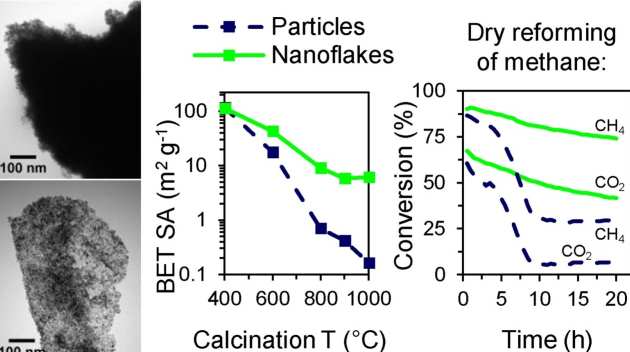
Rood, S.; Ahmet, H.; Gomez-Ramon, A.; Torrente-Murciano, L.; Reina, T. R.; Eslava, S. Enhanced Ceria Nanoflakes using Graphene Oxide as a Sacrificial Template for CO Oxidation and Dry Reforming of Methane. Appl. Cat. B. Environ. 2019, 242, 358-368.
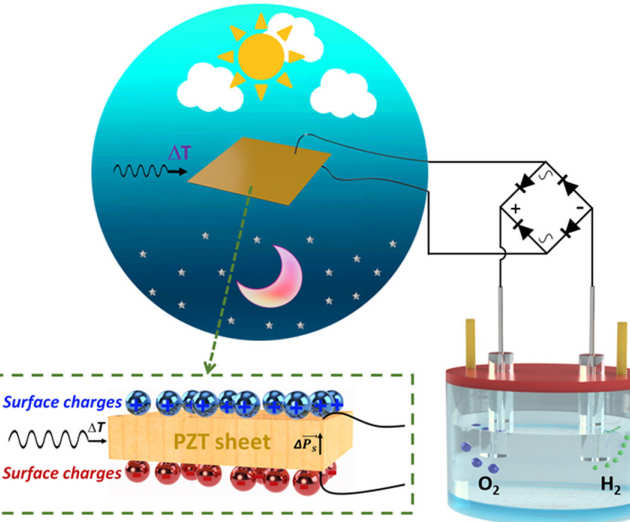
Zhang, Y.; Kumar, S.; Marken, F.; Krasny, M.; Roake, E.; Eslava, S.; Dunn, S.; Da Como, E.; Bowen, C.R. Pyro-electrolytic water splitting for hydrogen generation. Nano Energy 2019, 58, 183-191.
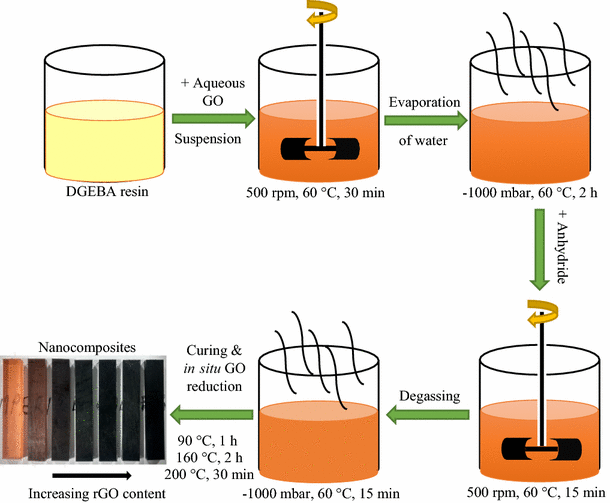
Olowojoba, G. B.; Kopsidas, S.; Eslava, S.; Gutierrez, E. S.; Kinloch, A. J.; Mattevi, C.; Rocha, V. G.; Taylor, A. C. A Facile Way to Produce Epoxy Nanocomposites Having Excellent Thermal Conductivity with Low Contents of Reduced Graphene Oxide. J. Mater. Sci. 2017, 52 (12) 7323-734.