Seminar’s Schedule:
14:00 – 14:15 : Welcome and set up
14:15 – 15:00 : Seminar + Q&A
15:00 – 15:30 : Tea, coffee, and discussions
Space Weather on Earth: Study of rapid and short-lived magnetic field variations under different solar wind conditions, Dr. Audrey Schillings
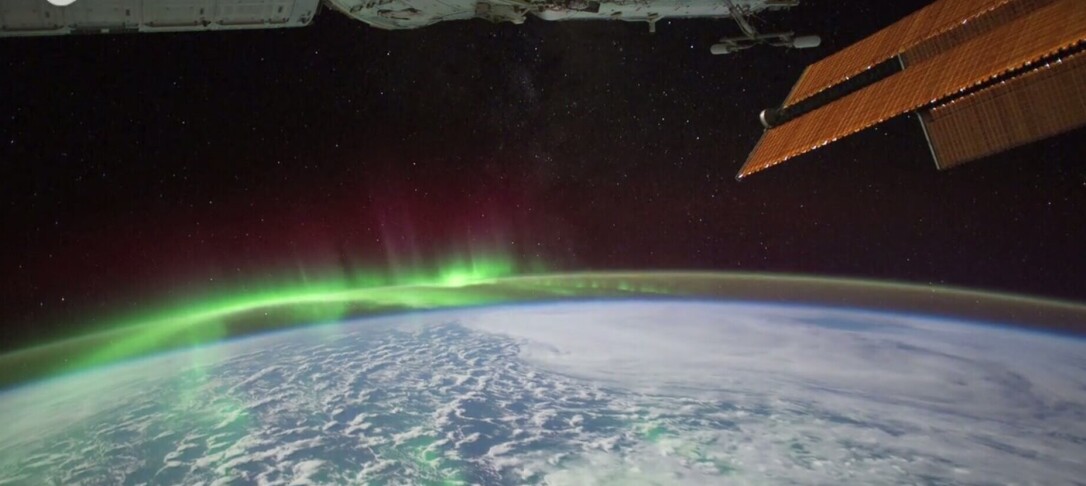
In our technology-dependent society, the increase of electricity consumption and the widespread use of GNSS data (Global Navigation Satellite System) are vulnerable and can be affected by rapid and short-lived variations in the Earth’s magnetic field. These variations occurring at various times and under various solar wind conditions, can disrupt the ionosphere and/or induce currents on the Earth’s surface, also called geomagnetically induced currents (GICs).
Utilizing a variety of data sources, including ground-based magnetometers, auroral cameras, satellite data, and SuperDARN radars, we seek to identify patterns and irregularities in magnetic behaviour during various solar wind conditions. This comparative analysis aims to deepen our understanding of the differences and similarities in magnetic responses, contributing to more accurate space weather predictions.
In this seminar, I will present our studies on some of these short-lived and strong variations in the magnetic field or also known as dB/dt spikes. We investigated the occurrence frequency of dB/dt spikes under different conditions, geomagnetic storms only and quiet times. Surprisingly we did find several spikes for quiet times as well. We also investigated one specific event the St Patrick’s storm where we found very localized spikes associated with localized ionospheric currents and optical signatures in the auroral images. I will conclude with my on-going project and preliminary results between dB/dt spikes and a potential link with sub-auroral polarization streams or SAPS.
I am looking forward to meeting you and discuss, hear about your suggestions and/or comments on my ongoing research.