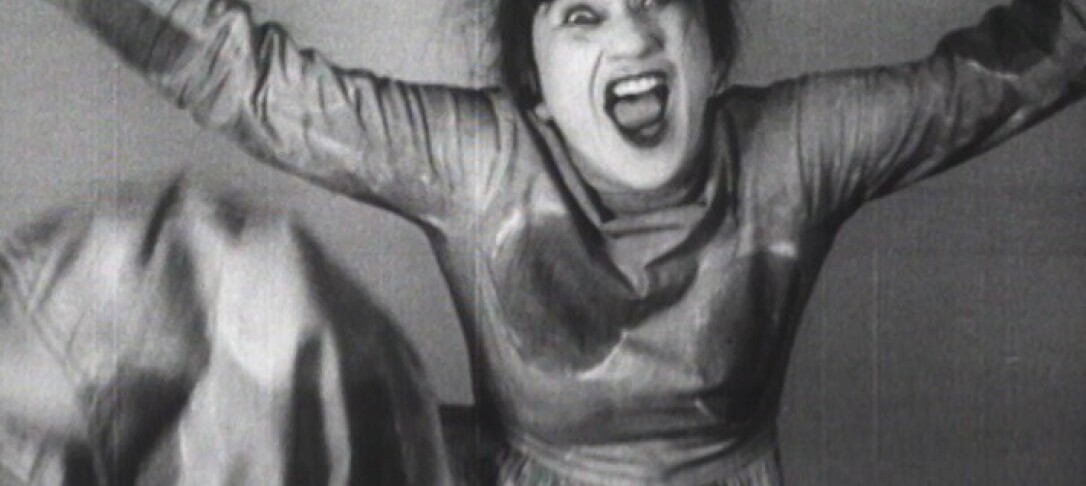
Performance art has long challenged traditional boundaries, questioning what art is, where it happens, and how audiences engage with it. In this talk, Dr Michael Paraskos explores the history of performance art, tracing its emergence in the twentieth century and its philosophical differences from the more familiar traditions of performing art such as theatre and dance.
Performance art has dealt with a wide range of themes—from politics, gender, and identity, to questions of presence, risk, and endurance—often placing the artist’s body at the centre of the work. It is art that demands not only to be seen, but to be experienced. But what happens when this disruptive and experimental art form enters a university more commonly associated with science, technology, engineering and medicine?
Drawing on examples from both the history of art and his own teaching practice, Dr Paraskos reflects on the benefits and challenges of bringing performance art into non-art institutions. The talk considers how performance art can encourage new ways of thinking, collaboration, and creativity, while also addressing the potential difficulties of situating such practices in environments not traditionally designed to support them.
*Please be advised that this seminar may include graphic images, strong political viewpoints, and discussion of sensitive or potentially distressing topics. The material is intended for critical engagement and educational purposes. We encourage participants to exercise discretion and to prioritize their own well-being during the session.*