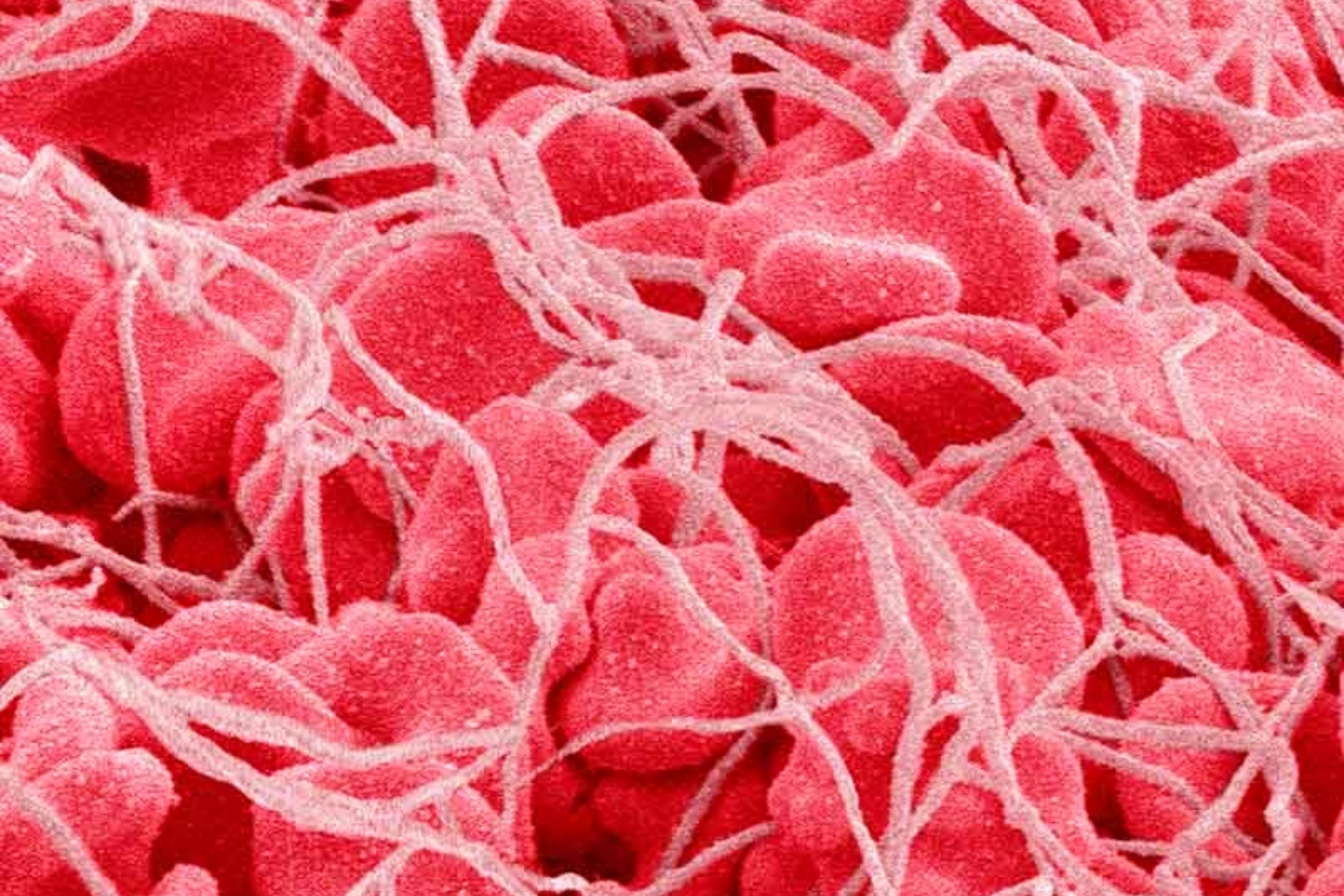
/prod01/channel_3/media/images/landscape-3000X2000/Portfolio-of-human-colorectal-adenocarcinomas_imperial-tech_3000X2000.png)
Six diverse colorectal cancer cell lines enable research into tumour biology, differentiation, and integrin expression for drug development.
Technology overview
Primary
Six cell lines from primary human colorectal adenocarcinomas were established from surgical specimens without the use of ‘feeder’ cells, ‘conditioned’ medium or passage of cells in nude mice. The six cell lines exhibit considerable variation in morphology, CEA secretion and tumourigenicity in nude mice. At least two of the lines retain some of the differentiated characteristics of colorectal epithelium. HRA-19 has stem cell properties and undergoes a multilineage differentiation in serum free medium.
Clonal
HRA-19a1.1 is a clone derived from HRA-19. The HRA-19a1.1 cell line was transfected with alpha integrin domain coding plasmids to create cell lines highly expressing alpha2 or alpha2 and alpha 1 integrin. In experiments, cell lines expressing alpha2 showed a significantly increased endrocrine and mucous cell lineage commitment relative to the parent cell line.
Benefits
- Cell lines are invaluable tools for biomedical research.
- Cancer cell lines are the foundation of cancer biology and the quest for drug treatments.
- Adenocarcinoma is a cancer of the epithelium (including colon) and originates in glandular tissue, such as skin surface layer and glands.
Purchasing these cell lines
This portfolio of human colorectal adenocarcenoma cell lines is available from Public Health England ECCAC
Contact for this technology
Commercialisation Executive Faculty of Medicine
Conor Simpson