What we do
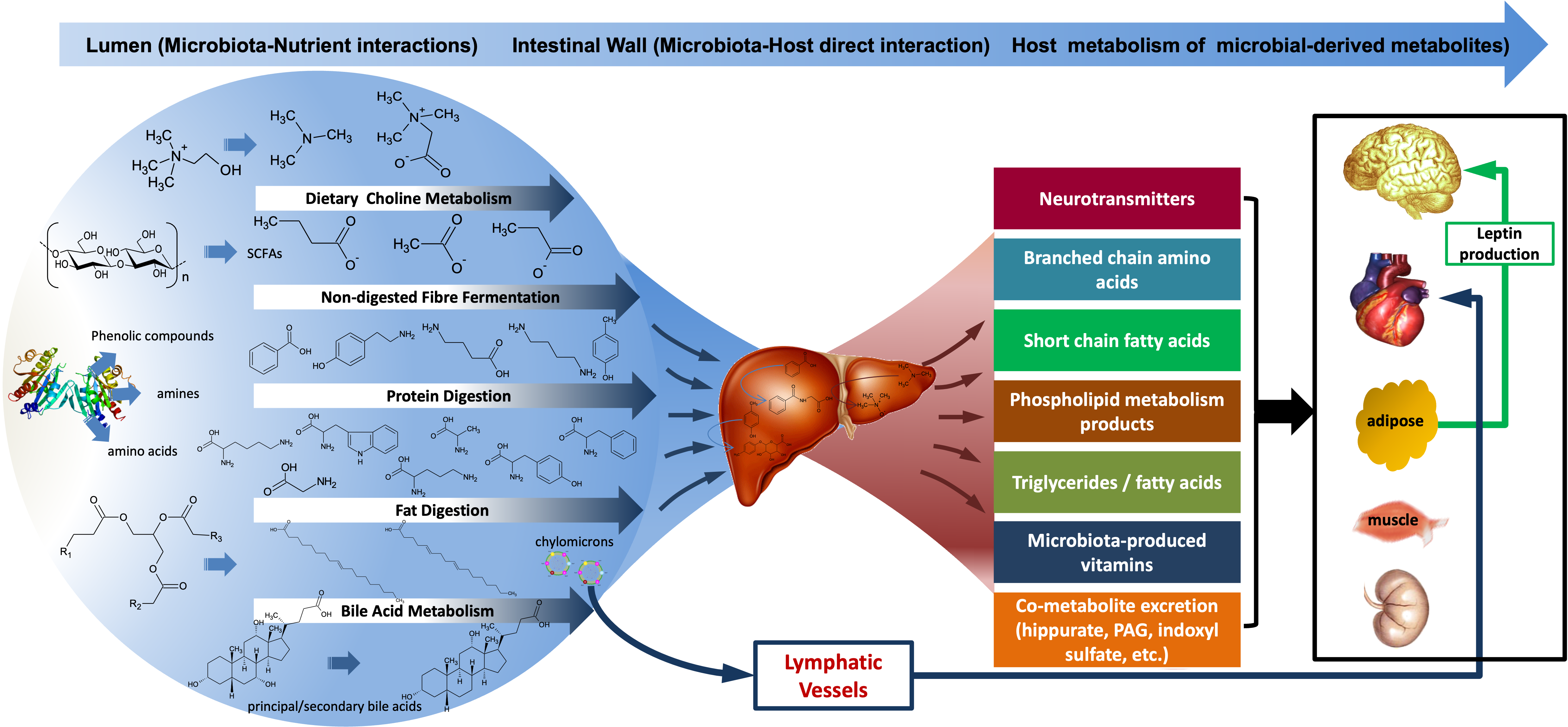
We are a dynamic, multidisciplinary research group exploring the chemical complexity of the human gut. Our work focuses on how diet, gut microbiota, and host biology interact to shape health outcomes. We investigate how microbial and host-derived metabolites influence gut physiology and disease risk, including colorectal cancer and obesity. We also investigate how obesity treatment -whether surgical, pharmacological, or dietary - can reshape the gut microbiome and influence cardiometabolic health across generations.
Our team uses cutting-edge techniques—metabolic phenotyping, transcriptomics, immunofluorescence, immunohistochemistry, and flow cytometry—across a range of models, from cellular systems and rodent models to human cohorts. This integrated approach allows us to uncover the molecular mechanisms driving host-microbe-diet interactions.
Why it is important
The gut is more than a digestive organ—it's a biochemical hub where microbes and dietary components influence intestinal epithelial function, immunity, metabolism, and disease. Disruptions in this system are linked to major global health challenges, including cancer and metabolic disorders. By decoding the chemical dialogue between the host, microbes, and diet, we aim to identify new biomarkers, therapeutic targets, and dietary strategies that can transform how we prevent and treat disease.
How it can benefit patients
Our research aims to translate complex biochemical insights into tangible health benefits. By understanding how diet, microbial communities, and host responses interact, we can:
- Identify early biomarkers of gut-related diseases, enabling earlier diagnosis and more targeted prevention.
- Develop disease risk stratification strategies that support disease prevention and early diagnosis and intervention.
- Inform clinical interventions—including surgery, medication, and nutrition—for obesity, with a focus on how these treatments affect long-term and even intergenerational cardiometabolic health.
Ultimately, our work bridges fundamental science and clinical application, helping to shape the future of precision nutrition and gut-targeted therapies.
Summary of current research
- Theme 1 – Diet, Microbiome & Gut Health
- Theme 2 – Bariatric Surgery, Gut Microbiome & Colorectal Cancer
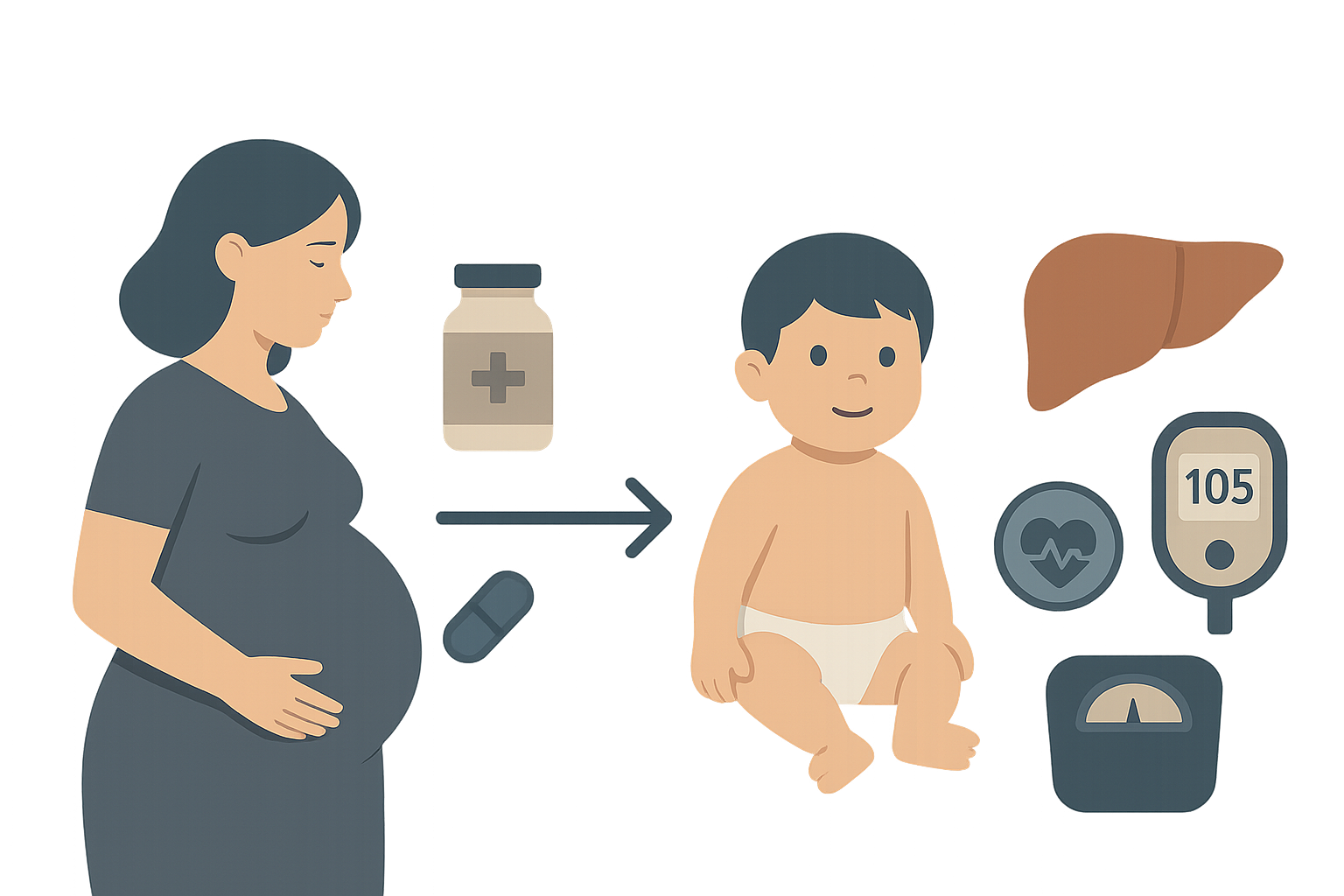
- Theme 3 – Obesity Treatment & Intergenerational Health
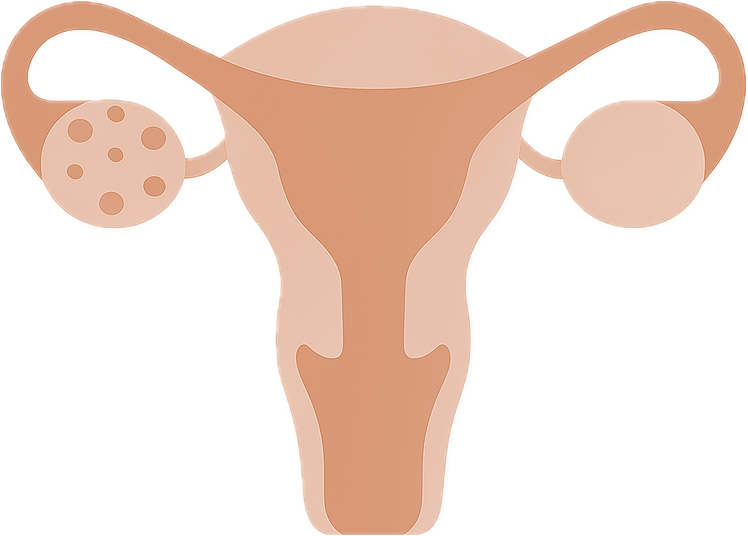
- Theme 4 – Bariatric Surgery & Polycystic Ovary Syndrome
- Theme 5 – Antibiotics, Microbiome & Diarrhoea
- Theme 6 – Analytical Innovation in Metabolic Phenotyping
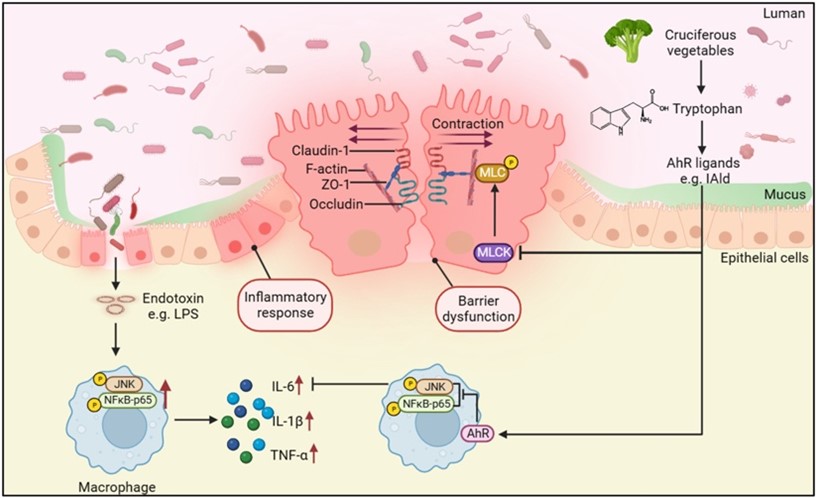
We investigate how diet shapes the gut microbiome and influences disease risk. Our studies in African populations show that high-fat, low-fibre diets increase colorectal cancer (CRC) risk, while fibre-rich diets are protective. In malnourished Malawian twins, we revealed how diet and microbiota co-regulate host physiology. We’re now uncovering mechanisms through which the gut microbiome (microbiota and their metabolites, such as indole-3-aldehyde) influence the intestinal mucosal health and CRC risk.
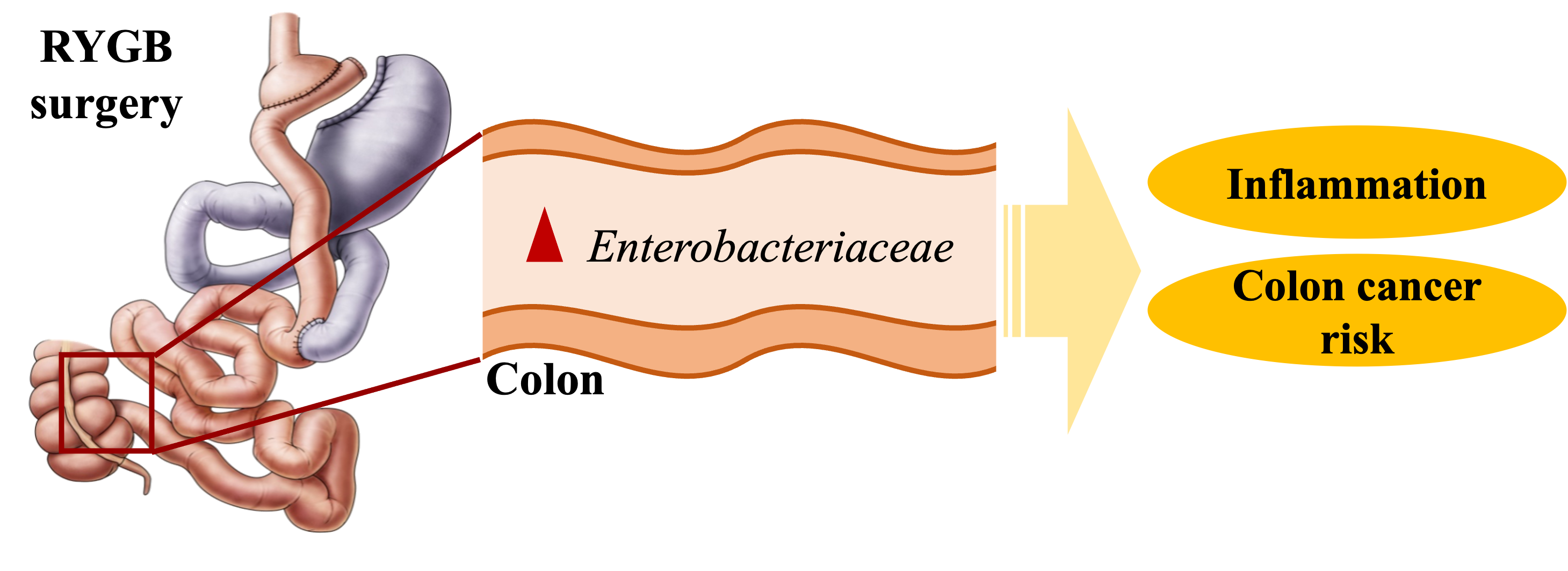
Bariatric surgery is an effective treatment for obesity and Type 2 Diabetes—but how does it affect long-term gut health? We study how Roux-en-Y Gastric Bypass (RYGB) reshapes the microbiome and alters host metabolism, with a focus on its potential impact on CRC risk. This work bridges metabolic surgery and cancer prevention through a microbiome lens. Here is an example of tyramine which is produced by gastric bypass-associated gut bacteria and increases colorectal cancer risk, and a short video.
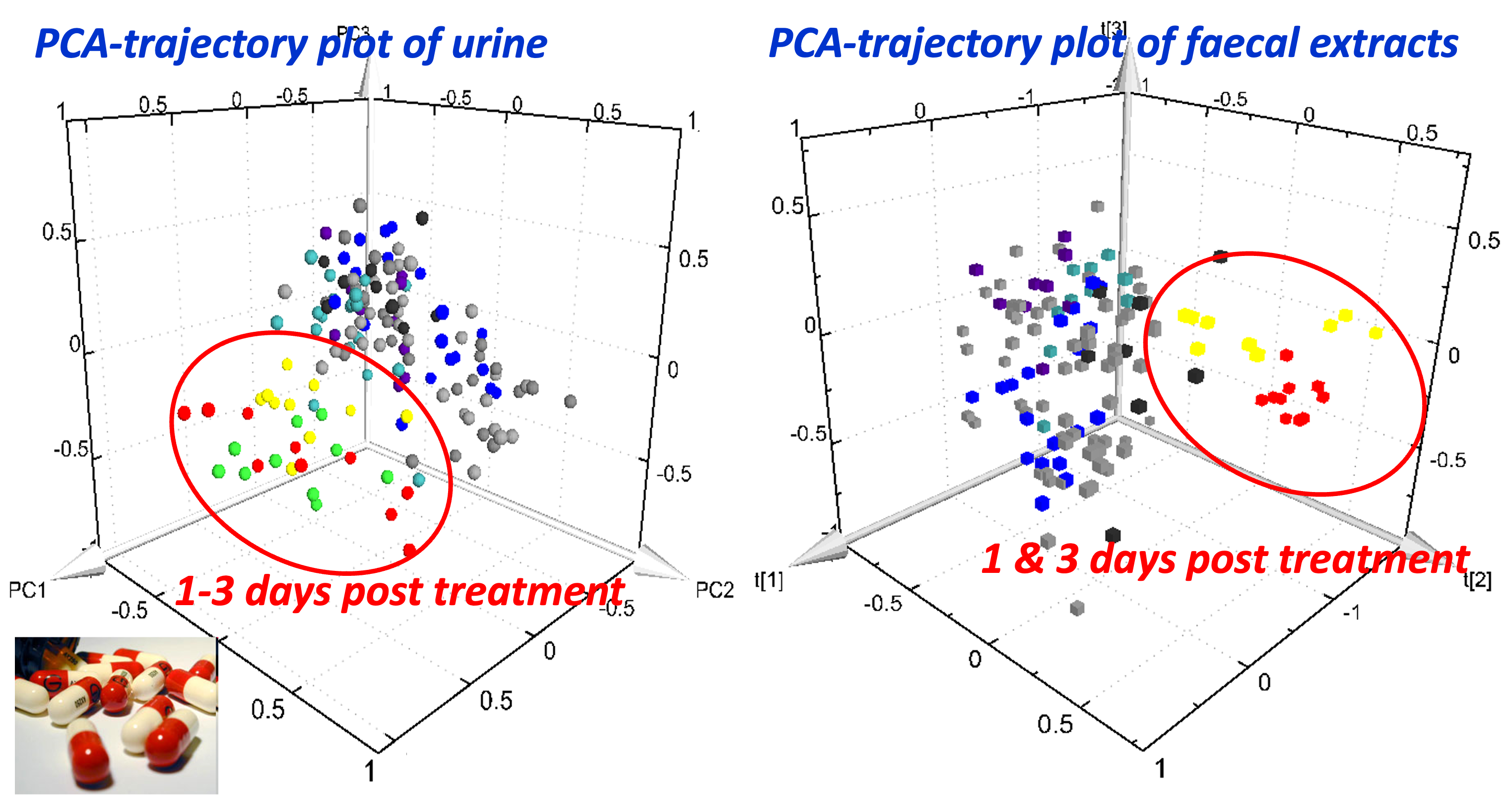
Intake of antibiotics profoundly disturb the gut microbiota composition and metabolism. We examine how different antibiotics and combinations disrupt the gut microbiome and contribute to antibiotic-associated diarrhoea. Our goal is to identify microbial signatures and interventions that can mitigate these side effects.
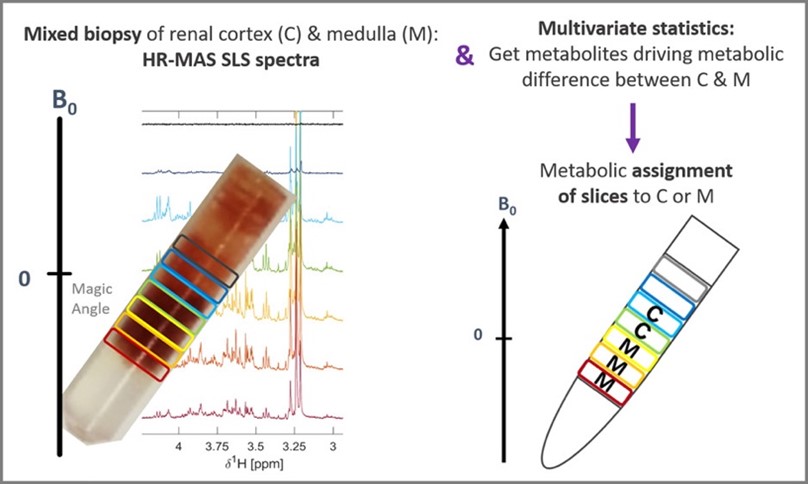 We develop and refine cutting-edge tools for metabolic phenotyping, including NMR spectroscopy for spatial tissue metabolite mapping and optimised protocols for biological sample handling, such as faecal sample metabolite extraction, short-chain fatty acid quantification and etc. Our methodological advances support high-resolution insights into host-microbe metabolic interactions.
Information
- Funders, related centres
- Collaborators
- Related education courses
- Group alumni
- Selected Publications
- News
Funders
- MRC
- BBSRC
- ERC
- Royal Society
- British Council
- Diabetes Research and Wellbeing Foundation
- Biochemical Society
- National Institutes of Health
- Imperial College Research Fellowship
Related centres
- Microbiome Network
- The Francis Crick Institute - Host and Pathogen Interest Group
- Centre for Translational Nutrition and Food Research
- Chinese Life Scientists in the UK (CLSS-UK)
- Chemical Structural Solutions Hub (CHESS-Hub)
Industry
Internal
- Professor Mina D Savvidou
- Professor Abbas Dehghan
- Dr Kevin Monohan
- Professor Mona El-Bahrawy
- Dr Horace Williams
- Dr James Kinross
- Professor Kevin Murphy
- Dr Nadia Guerra
- Professor Elaine Holmes
- Professor Gary Frost
- Professor Julian Marchesi
- Dr Rachael Barry
- Dr Elita Jauneikaite
- Dr Tony Goldstone
External
Staff:
- Dr Maria Glymenaki
- Prof. Zhigang Liu
- Dr Maria Valdivia-Garcia
- Dr Yong Guo
- Dr Laura Ruston
- Dr Lv Liang
- Dr Yang Bi
PhDs:
- Assistant Professor Jutarop Phetcharaburanin
- Dr Aruchuna Ruban
- Dr Natalie McLymont
- Dr Elisabeth Vonhof
- Dr Grace Barker
- Dr Qiling Chen
- Dr Nikita Gandhi
- Dr Aminah Alotaibi
- Dr Cong Hu
- Dr Shiva Thambiah Radhakrishnan
- Dr Kate Gallagher
- Dr Mu Wang
- Dr Renata Oliveira de Vasconcelos
- Dr Yang Bi
External PhD students:
- Dominic Ritler (University of Bern)
- Ornuma Haonon (Khon Kaen University)
- Sureerat Padthaisong (Khon Kaen University)
Masters’ students
- Amber Vaitkute
- Victoria Auyeung
- Chiao Chin Gan
- Andrew Lee
- Anqi Zhang
- Aos Alaa
- Bing Xia
- Danielle Monteil
- Emily Zhanxuan Wu
- Grace Barker
- Hasina Abdul
- Isabelle Coales
- Jasmine Gratton
- Jessica Lin
- Man Chun Wong
- Maysa Bonfleur Alves
- Miriam Eustace
- Qian Zhao
- Qiling Chen
- Sam Spurr
- Sarah Amis
- Durr-e-Shahwar Malik
- Yousun Kim
- Zoe Jukes
- Aurelie Zoetelief Tromp
- Natasja Wong
- Amanda Stafford
- Paula Momo Cabrera
- Qi Zhong
- Emilie Chantoin
- William Francis
- Kai Yee Eng
- Natalie Owen
- Jamie Hau
- Johan Nam
- Vera Solntceva
- Janet Zhong
- Elina Kuznecova
- Vivi (Yiming) Zeng
- Glymenaki M, Curio S, Shrestha S, Zhong Q, Rushton L, Barry R, El-Bahrawy M, Marchesi JR, Wang Y, Gooderham NJ, Guerra N, Li JV. Roux-en-Y gastric bypass-associated fecal tyramine promotes colon cancer risk via increased DNA damage, cell proliferation, and inflammation. Microbiome. 2025. 13, 60.
- Ramaboli MC, Ocvirk S, Khan Mirzaei M, Eberhart BL, Valdivia-Garcia M, Metwaly A, Neuhaus K, Barker G, Ru J, Nesengani LT, Mahdi-Joest D, Wilson AS, Joni SK, Layman DC, Zheng J, Mandal R, Chen Q, Perez MR, Fortuin S, Gaunt B, Wishart D, Methé B, Haller D, Li JV, Deng L, Swart R, O'Keefe SJD. Diet Changes due to Urbanization in South Africa are Linked to Microbiome and Metabolome Signatures of Westernization and Colorectal Cancer. Nat Commun. 2024. 15:3379.
- Wang M, Guo J, Hart AL, Li JV. Indole-3-Aldehyde Reduces Inflammatory Responses and Restores Intestinal Epithelial Barrier Function Partially via Aryl Hydrocarbon Receptor (AhR) in Experimental Colitis Models. J Inflamm Res. 2023. 16:5845-5864.
- Jones B, Sands C, Alexiadou K, Minnion J, Tharakan G, Behary P, Ahmed A, Purkayastha S, Lewis M, Bloom S, Li JV, Tan T. The metabolomic effects of tripeptide gut hormone infusion compared to Roux-en-Y gastric bypass and caloric restriction. J Clin Endocrinol Metab 2022. 107(2):e767-e782.
- Seyfried F, Phetcharaburanin J, Glymenaki M, Nordbeck A, Hankir M, Nicholson JK, Holmes E, Marchesi JR, Li JV. Roux-en-Y gastric bypass surgery in Zucker rats induces bacterial and systemic metabolic changes independent of caloric restriction-induced weight loss. Gut Microbes. 2021.13(1):1-20.
- Li JV, Ashrafian H, Sarafian M, Homola D, Rushton L, Barker G, Cabrera PM, Lewis MR, Darzi A, Lin E, Gletsu Miller NA, Atkin SL, Sathyapalan T, Gooderham NJ, Nicholson JK, Marchesi JR, Athanasiou T, Holmes E. Roux-en-Y Gastric bypass-induced bacterial perturbation contributes to altered host-bacterial co-metabolic phenotype. Microbiome 2021; 9:139.
- West KA, Kanu C, Maric T, McDonald JAK, Nicholson JK, Li JV, Johnson MR, Holmes E, Savvidou MD. Longitudinal metabolic and gut bacterial profiling of pregnant women with previous bariatric surgery. Gut. 2020; 69(8):1452.
- O’Keefe SJD, Li JV, Lahti L, Ou J, Carbonero F, Mohammed K, Posma JM, Kinross J, Wahl E, Ruder E, Vipperla K, Naidoo V, Mtshali L, Tims S, Puylaert PGB, DeLany J, Krasinskas A, Benefiel AC, Kaseb HO, Newton K, Nicholson JK, de Vos WM, Gaskins HR, Zoetendal EG. Fat, fibre and cancer risk in African Americans and rural Africans. Nat Commun 2015; 6:6342
- Smith MI, Yatsunenko T, Manary MJ, Trehan I, Mkakosya R, Cheng J, Kau AL, Rich SS, Concannon P, Mychaleckyj JC, Liu J, Houpt E, Li JV, Holmes E, Nicholson JK, Knights D, Ursell LK, Knight R, Gordon JI. Gut microbiomes of Malawian twin pairs discordant for kwashiorkor. Science 2013; 339:548-554
- Li JV*, Ashrafian H*, Bueter M, Kinross J, Sands C, le Roux CW, Bloom SR, Darzi A, Athanasiou T, Marchesi JR, Nicholson JK, Holmes E. Metabolic surgery profoundly influences gut microbial-host metabolic crosstalk. Gut 2011; 60:1214-1223
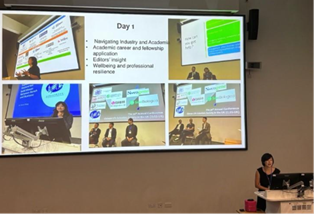
Chinese Life Scientists Society in the UK – 30th Annual Conference at CRUK, Cambridge, 11-12 September 2025
Jia, as the Chair of the Chinese Life Scientists Society in the UK, organised the 30th Annual Conference in Cambridge, along with the Cambridge Life Science Network and Cambridge Chem & Bio Seminar.
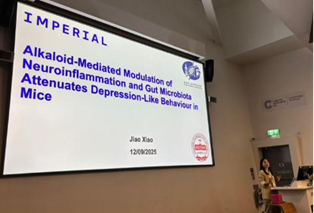
Dr Jiao Xiao, a visiting researcher supported by CSC scholarship in our lab, presented her work on the alkaloid-mediated modulation of neuroinflammation and gut microbiota attenuates depression-like behaviour in mice.
Workshop on Phenomic Medicine – Bangkok, Thailand 3-5th September 2025
Dr Caroline Clarke, Professors Julien Wist, Elaine Holmes and Jeremy Nicolson, Dr Jutarop Phetcharaburanin and Dr Jia Li have successfully delivered a 3-day workshop on phenomics medicine, attended by 50 researchers and policy makers.
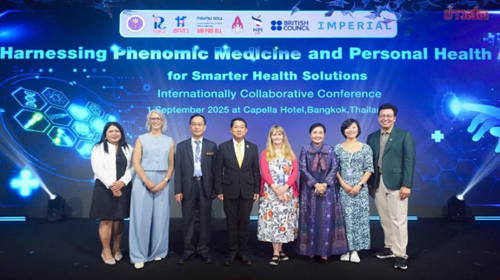
Harnessing Phenomic Medicine and Personal Health AI for Smarter Health Solutions Conference - Bangkok, Thailand, 1st September 2025
Together with Asst. Prof. Jutarop Phetcharaburanin from Khon Kaen University, we are excited to kick off an initiative with the launch of our conference on “Harnessing Phenomic Medicine and Personal Health AI for Smarter Health Solutions.” Our goal is to catalyse the integration of phenomics and AI into health monitoring systems to advance disease prevention and personalised care. This initiative was financially supported by the British Council.
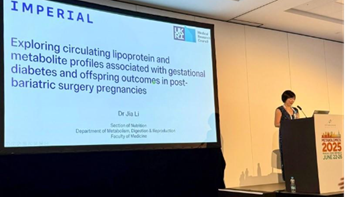
Kaoutar Abaakil and Jia Present at Metabolomics Annual Conference 2025
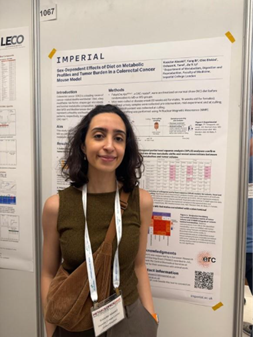
Thoroughly enjoyed the Metabolomics Society annual conference 2025 in beautiful Prague. Jia presented the research on post-bariatric pregnancies and their impact on neonatal outcomes, and Kaoutar Abaakil presented her PhD research on the sex-dependent effects of the diets and relation to colon cancer.
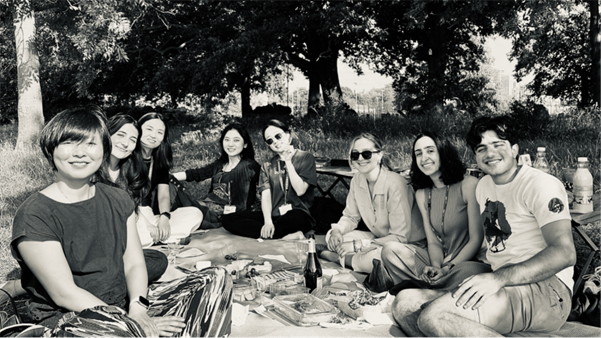
Summer picnic in the Wormwood Scrubs
Kaoutar Abaakil and Xuan Yang Present at Digestive Disease Week 2025
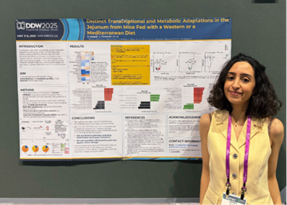
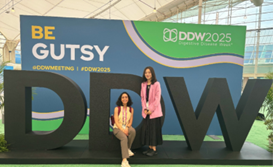
Miss Kaoutar Abaakil and Miss Xuan Yang attended the prestigious Digestive Disease Week 2025 conference, held in San Diego from May 3–6.
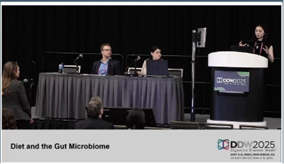
Kaoutar presented a poster titled “Distinct transcriptional and metabolic adaptations in the jejunum from mice fed with a Western or a Mediterranean diet.”
Xuan delivered a talk on “Impact of dietary heme on circulating, hepatic and gut microbial metabolism in germ-free mice colonized with a defined microbial community.”
Their contributions highlighted cutting-edge research in diet-microbiome interactions and metabolic health.
Our researchers
Dr Jia Li
/prod01/channel_3/media/images/people-list/Jia-Li.jpg)
Dr Jia Li
Principal Investigator
Dr Shiva Thambiah Radhakrishnan
/prod01/channel_3/media/images/people-list/Dr-Shiva-Thambiah-Radhakrishnan.jpg)
Dr Shiva Thambiah Radhakrishnan
Honorary Clinical Research Fellow
Jiao Xiao
/prod01/channel_3/media/images/people-list/Picture11.jpg)
Jiao Xiao
Visiting Researcher
Kaoutar Abaakil
/prod01/channel_3/media/images/people-list/Picture13.jpg)
Kaoutar Abaakil
Research Postgraduate
Xuan Yang
/prod01/channel_3/media/images/people-list/Picture14.jpg)
Xuan Yang
Research Postgraduate
Laetitia Firmenich
/prod01/channel_3/media/images/people-list/Picture16.jpg)
Laetitia Firmenich
Research Postgraduate
Brett Johnson
/prod01/channel_3/media/images/people-list/Picture15.jpg)
Brett Johnson
Research Postgraduate
Vilda Amir
/prod01/channel_3/media/images/people-list/Vilda-Amir.png)
Vilda Amir
Research Postgraduate
Dr Sharmili Balarajah
/prod01/channel_3/media/images/people-list/A.Harry---photo-(1).jpg)
Dr Sharmili Balarajah
Research Postgraduate
Current BSc/MSc/MRes students
Olivia Bikhazi
/prod01/channel_3/media/images/people-list/Olivia-Bikhazi.png)
Olivia Bikhazi
MRes in Cancer Biology
/prod01/channel_3/media/images/people-list/Jiwon-Jung.png)
Fariza Shauyen
/prod01/channel_3/media/images/people-list/Fariza-Shauyen.jpg)
Fariza Shauyen
MSc in Reproductive and Developmental Biology
Luwen Han
/prod01/channel_3/media/images/people-list/Luwen-Han.jpg)
Luwen Han
MRes in Clinical Research
Konoha Izaki-Lee
/prod01/channel_3/media/images/people-list/people-list-placeholder-400X400px.jpg)
Konoha Izaki-Lee
MRes in Biomedical Research, Microbiome in Health and Disease Stream
/prod01/channel_3/media/images/people-list/Sophia-Mok.jpg)
/prod01/channel_3/media/images/people-list/Alice-Han.jpg)
/prod01/channel_3/media/images/people-list/Macy-Feng.jpg)
Ushaan K Turel
/prod01/channel_3/media/images/people-list/Ushaan-K-Turel.jpg)
Ushaan K Turel
BSc in Medical Biosciences
Jihang Wu
/prod01/channel_3/media/images/people-list/Jihang-Wu.jpg)
Jihang Wu
BSc in Medical Biosciences