MRes in Clinical Research (Diabetes and Obesity)
What attracted you to that course?
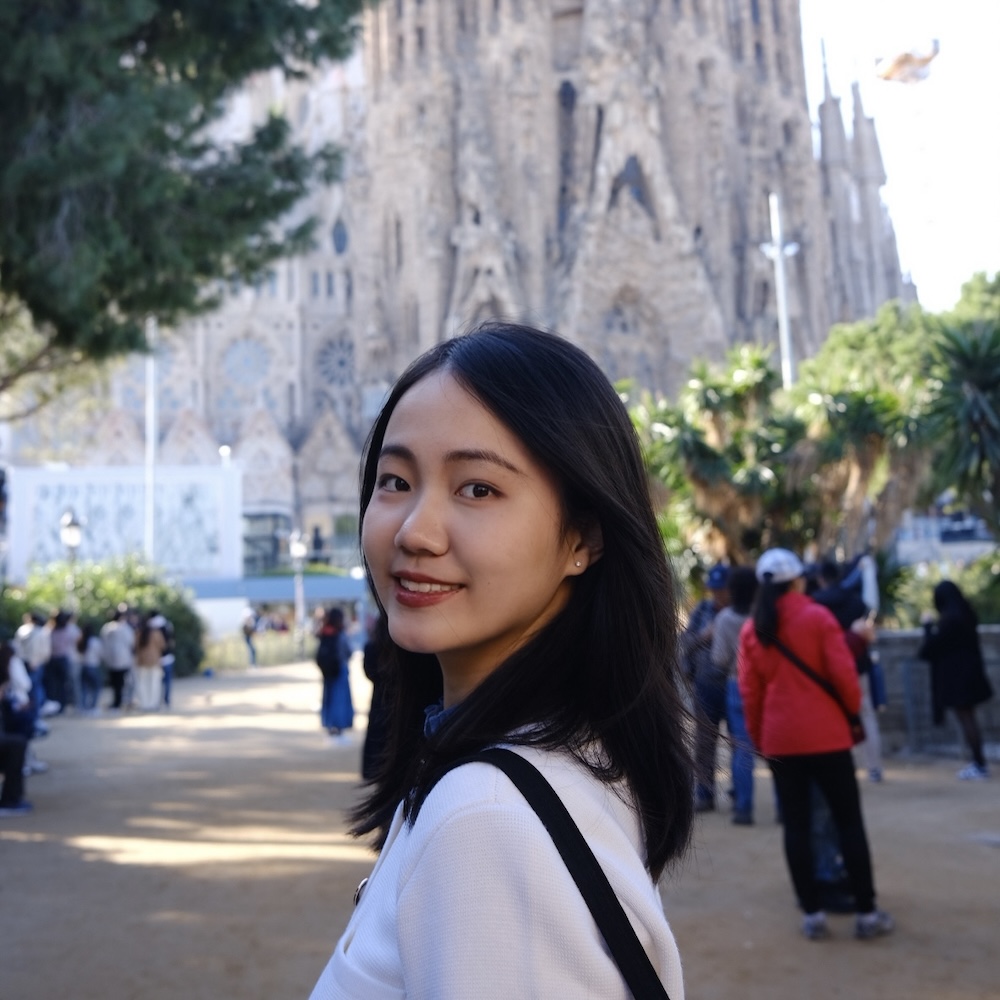 I am attracted to this course because it combines theoretical teaching with practical research experience. this curriculum covers the latest advances in obesity and diabetes, including metabolic regulation and emerging therapeutic strategies. And it gives the opportunity to undertake a year- long research project, where I can design and conduct experiments, analyze data, and report findings through written thesis and presentations. this integrated structure will allow me to deepen my knowledge while building the research skills.
What specific aspects of the teaching or course format did you enjoy the most?
I particularly enjoyed the module called Clinical Research Scenarios and Working in Challenging Area, which used intensive group work to simulate real clinical research. Over one week, our team collaboratively designed a project, prepared a group presentation, and constantly discussed and refined our ideas under time pressure. We also had to plan and control the project budget, which helped me to understand not only the scientific aspects but also the practical constraints involved in “incubating” a clinical research project from concept to proposal.
How do you think the course will impact your future career?
The course has laid a strong foundation for my future PhD training. Through the year-long research project, I gained essential laboratory skills such as cell culture, PCR and immunofluorescence, while also learning how to design experiments, troubleshoot problems and interpret results independently. These experiences have strengthened my confidence in pursuing more advanced research. In the future, I hope to continue my academic development in a research institute, and the practical and analytical skills I acquired from this course will be crucial for supporting that path.
Why did you choose Imperial College London?
I chose Imperial College London because of its outstanding global reputation and high ranking in science and medicine. Imperial offers an excellent academic environment that is both rigorous and intellectually stimulating, with strong research strengths in metabolism, obesity and diabetes that closely match my interests. I was also drawn to the open, inclusive culture of the university, where students from diverse backgrounds work together and support each other.
What did you most appreciate about your time at Imperial?
What I appreciated most about my time at Imperial was the supportive academic environment. In my project, Professor Kevin Murphy and his research group were always encouraging and approachable, providing guidance not only on technical issues but also on how to think critically about research questions. I also valued the way the programme was led, Diabetes and Obesity pathway leader, Dr Aaron, actively listened to students’ opinions and responded quickly to our feedback.
What are you doing now? And how has the course helped with your career?
I am currently applying for PhD programmes, and my experience at Imperial has played an important role in shaping this next step. The course gave me a deep understanding of research culture at Imperial, which made me very eager to continue my studies here. Through multiple presentations and the final viva, I became much more confident when discussing my project and answering interview questions. The experimental techniques I learned — such as cell culture, PCR and immunofluorescence — will also help me adapt quickly to PhD-level laboratory work. In addition, Imperial’s strong reputation and the excellent grades I achieved have enabled me to apply competitively for scholarships and research opportunities.