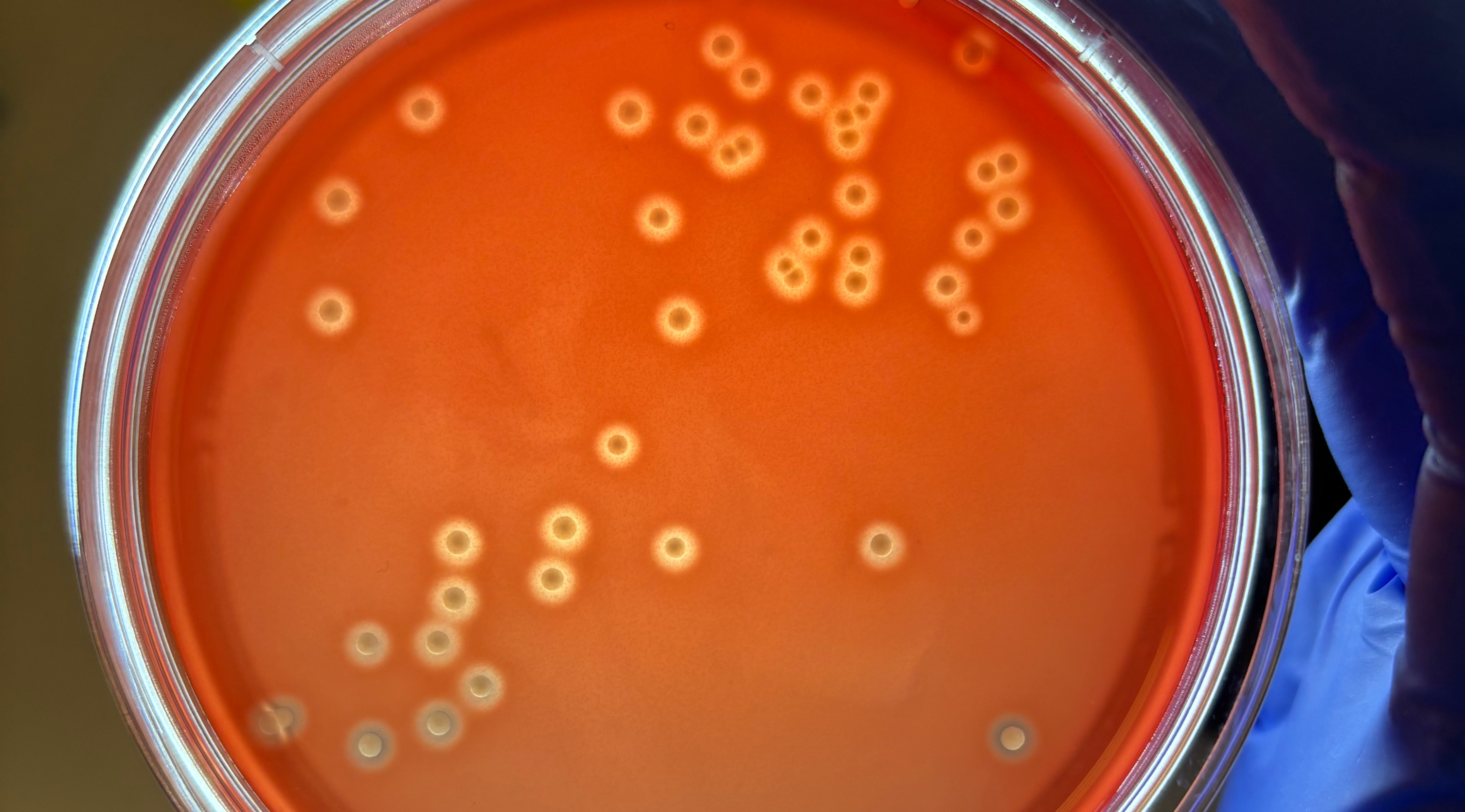
Group A streptococcus (Strep A) is a highly lethal bacterium that can cause not only simple sore throats and skin infections, but also more deadly infections such as bloodstream infection and toxic shock. It is a major cause of severe sepsis in people who are otherwise healthy, which is why its effects often seem so devastating. It can also affect women who have recently given birth causing something known as childbed fever, or puerperal sepsis; although very rare, this sadly can result in deaths. Strep A only infects humans, which means that infections almost always result from catching the bacteria from another person. It is believed that throat infections are caught from close contact, by mucus from one person reaching another, or by inhaling large droplets spread from another person close by. Skin infections are believed to result from close contact and touch, particularly when the skin is already broken. This is why precautions such as handwashing, and cleaning surfaces are very important when dealing with vulnerable people who may have wounds or have recently had a baby.
This project sets out to determine which strains of strep A are most suited to airborne spread and which ones are not, to help public health teams decide how best to deal with an outbreak. The project will also use a technique known as TraDIS to try to work out which genes in Strep A allow it to survive in different environments such as 'air', or on different surfaces. This could provide some insight into why bacteria behave differently and might allow us to predict how new clones of bacteria, similar to new variants of COVID19, might behave.
PI Lead : Dr David Green
Social media
Keep up to date by following us on our social channels
YouTube: Environmental Research Group


