Mini profile: Vincent Savolainen
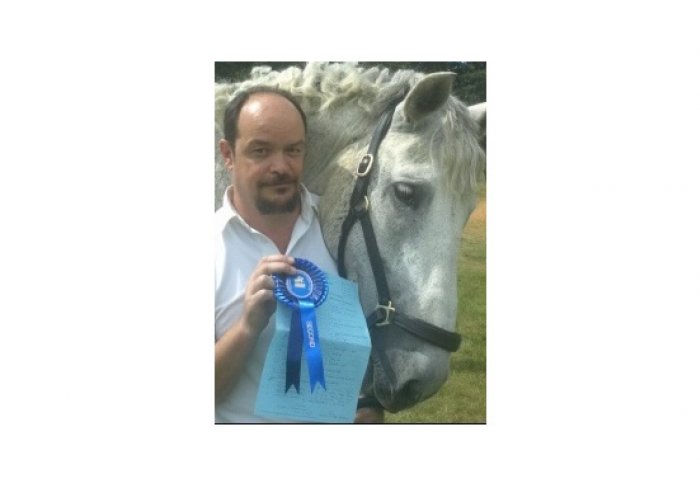
Professor Savolainen discusses his research and his involvement in the GCEE initiative
I specialise in biodiversity genomics. I combine field ecology, molecular phylogenetics, population genetics, and genomic approaches to help explain the origin of biodiversity and, where possible, find solutions for its preservation in a rapidly changing world. The origin of plant species on a remote oceanic island, comparative fish genomics and new crops for Africa. I developed it with some of my colleagues because the very big questions in science, most often, can only be answered by a large team of excellent researchers rather than by individual scientists. To start with, I will focus on food security with the view to expand on this as the initiative develops. This initiative comprises some of the highest concentrations of the world’s top scientists in the environment sciences, so I expect outstanding science and research impact. Those defined from the start, food security, complex ecosystems, global change, animal and human health Grand Challenges in Ecosystems and the Environment is a unique collaboration of Imperial’s strengths in research into the environment with partners around the globe – linking tightly pure sciences and practical solutions for our planet.What’s your specialist research interest and what first attracted you to it?
What does your research involve?
What are you working on at the moment?
What attracted you to the Grand Challenges in Ecosystems and the Environment Initiative?
What Grand Challenge will you be tackling under the initiative?
How do you think that the Grand Challenges in Ecosystems and the Environment Initiative can make a difference to the environmental challenges that we are facing?
What are the key areas where you feel that the Grand Challenges in Ecosystems and the Environment Initiative can have an impact?
How is the Grand Challenges in Ecosystems and the Environment Initiative different to other environmental initiatives globally?
Article text (excluding photos or graphics) © Imperial College London.
Photos and graphics subject to third party copyright used with permission or © Imperial College London.
Reporter
Victoria Ireton
Department of Life Sciences (Silwood Park)
