Mini profile: Oliver Windram
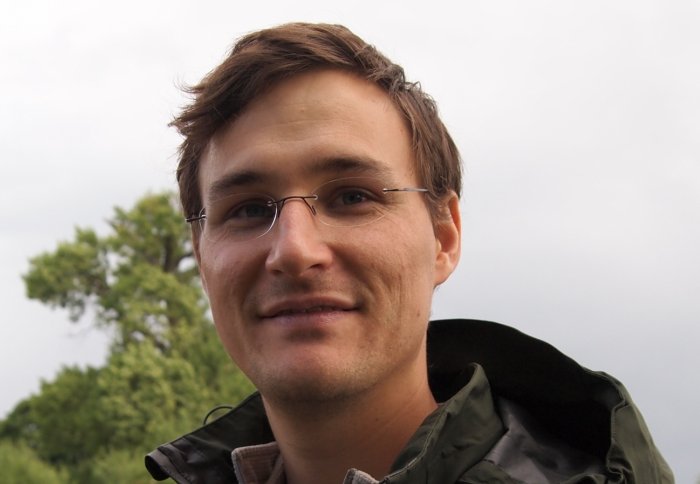
Dr Windram discusses his research and his involvement in the GCEE initiative
Transcriptional networks: I am fascinated how these regulatory systems impact heavily on complex macroscopic phenotypes such as plant defence. My research involves generation and interpretation with the aid of novel network modelling of large scale omics data. Also, my research focuses on taking this novel systems biology based data and using it to generate novel organism phenotypes through synthetic biology approaches. These phenotypes involve the generation of organisms useful for agriculture and other industries such as crop plants with enhanced defence capabilities and organisms capable of producing useful chemicals and proteins. I am working on creating novel plant commensal organisms capable of sensing pathogens and responding to them by synthesising appropriate plant signalling molecules to activate natural plant defence responses to prevent disease. I am also working on using a data driven approach to synthetically evolve crop species more resistant to plant pests and environmental challenges using omics inferred transcriptional rewiring methodologies. The chance of having a rich collaborative atmosphere in which I can discuss and more fully understand how the products of my research will influence agriculture and global ecosystems in a wider context. This will help inform future decisions to ensure this work produces useful technologies that helps to ensure food security for the worlds population in the uncertain future we face, whilst helping to protect and enrich global ecosystems providing mutual benefit. I will be tackling that Grand Challenge of ensuring global food security whilst ensuring the protection and improvement of global ecosystems. Losses in agriculture due to pests and climate change range from 30-70% of potential yield in different parts of the world. Improving the efficiency of agriculture through plant protection will go a long way to ensuring adequate food for the worlds growing population on existing agricultural land. Improving agricultural productivity will help relieve pressure on existing ecosystems by allowing us to grow more food on less land with less energy and resources. This will provide space and resources for us to rebuild and enrich existing ecosystems. These in turn will help to buffer and diminish detrimental environmental effects through their influence on the world’s climate.What’s your specialist research interest and what first attracted you to it?
What does your research involve?
What are you working on at the moment?
What attracted you to the Grand Challenges in Ecosystem and the Environment Initiative?
What Grand Challenge will you be tackling under the initiative?
How do you think that the Grand Challenges in Ecosystem and the Environment Initiative can make a difference to the environmental challenges that we are facing?
Article text (excluding photos or graphics) © Imperial College London.
Photos and graphics subject to third party copyright used with permission or © Imperial College London.
Reporter
Victoria Ireton
Department of Life Sciences (Silwood Park)
