Empowering girls in STEM in Nigeria: Digital tools for sustainable geoscience
by Zainab Titus

Zainab Titus on screen with the twenty girls selected from four schools in Nigeria to attend the event
Another inspiring outreach programme aimed at female students was delivered by the Department of Earth Science and Engineering at Imperial College.
ESE alumnus, Zainab Titus, was supported by the department to collaborate with the Integrated Women and Youth Empowerment Centre (IWAYEC) to run its second “Digital Tools for Sustainable Geoscience” outreach program aimed at promoting girls' participation in STEM fields.
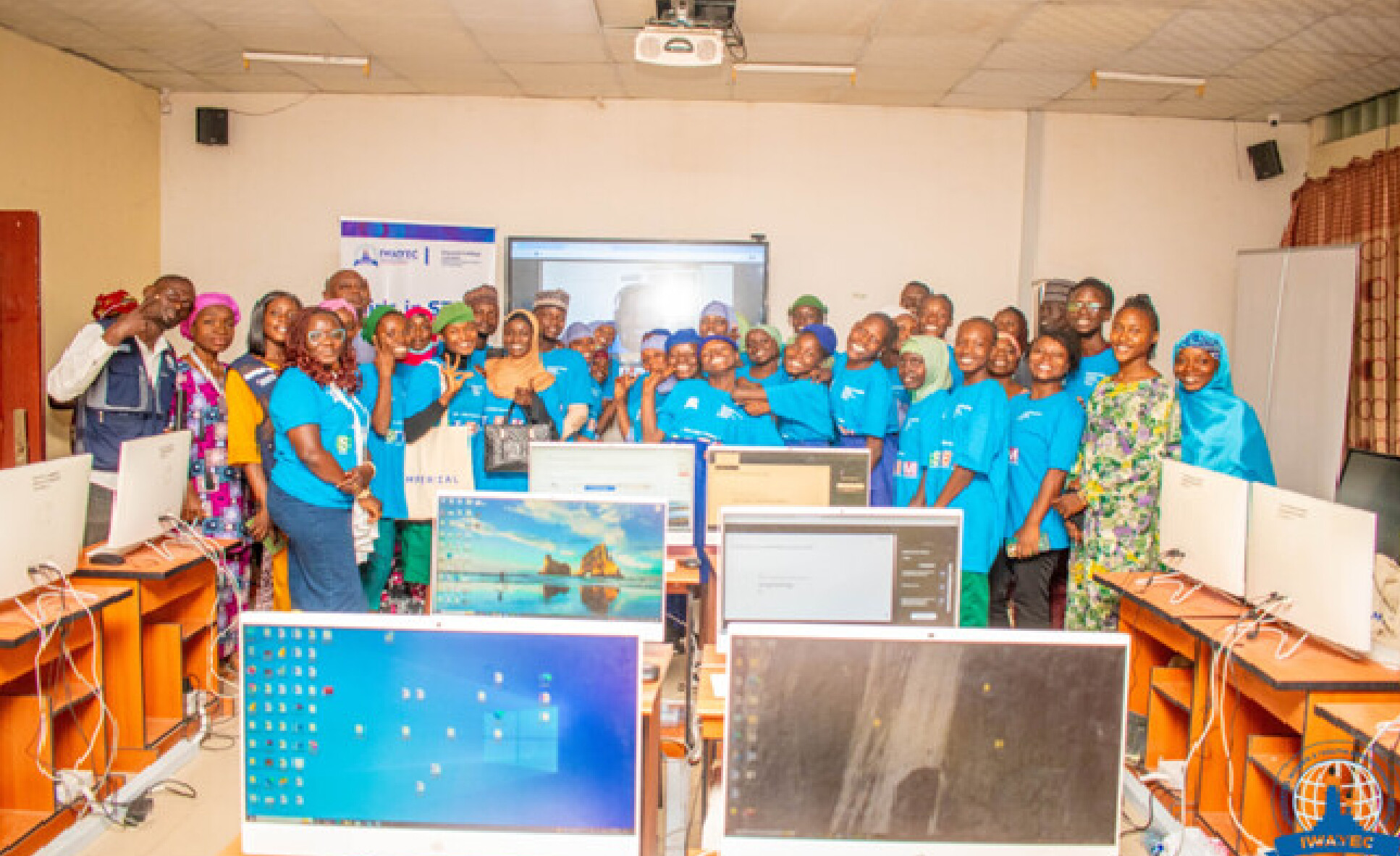
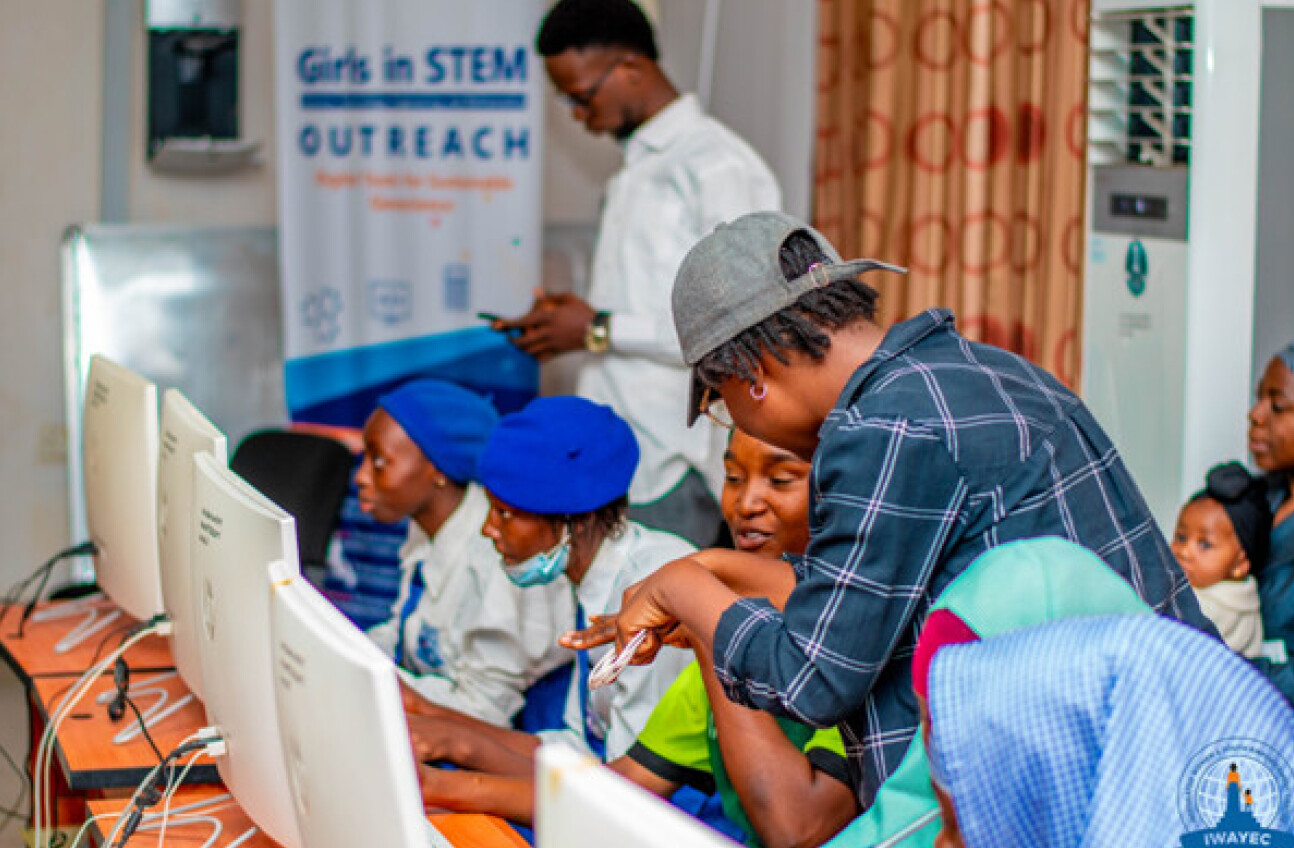
Twenty girls from four schools in Maiduguri, a city in north-eastern Nigeria, participated in the month-long event that commenced on 11 October 2024, aligning with the International Day of the Girl Child. It was designed to introduce the students to geoscience, digital literacy, and programming and, by spreading activities over a month and incorporating a self-learning phase, the outreach ensured that they could engage widely with the content and connect with their remote mentors.
Inspirations in STEM
The start of the event was marked with great enthusiasm and energy as the girls were encouraged to share their hopes and goals for the program on an expectation board that helped guide the project delivery. Interactive activities such as geoscience-themed games fostered engagement among participants, while different sessions provided valuable insights into the importance of digital literacy for STEM students, and introduced the crucial role of inspirational female scientists, such as Eunice Foote who discovered the greenhouse effect in 1856.
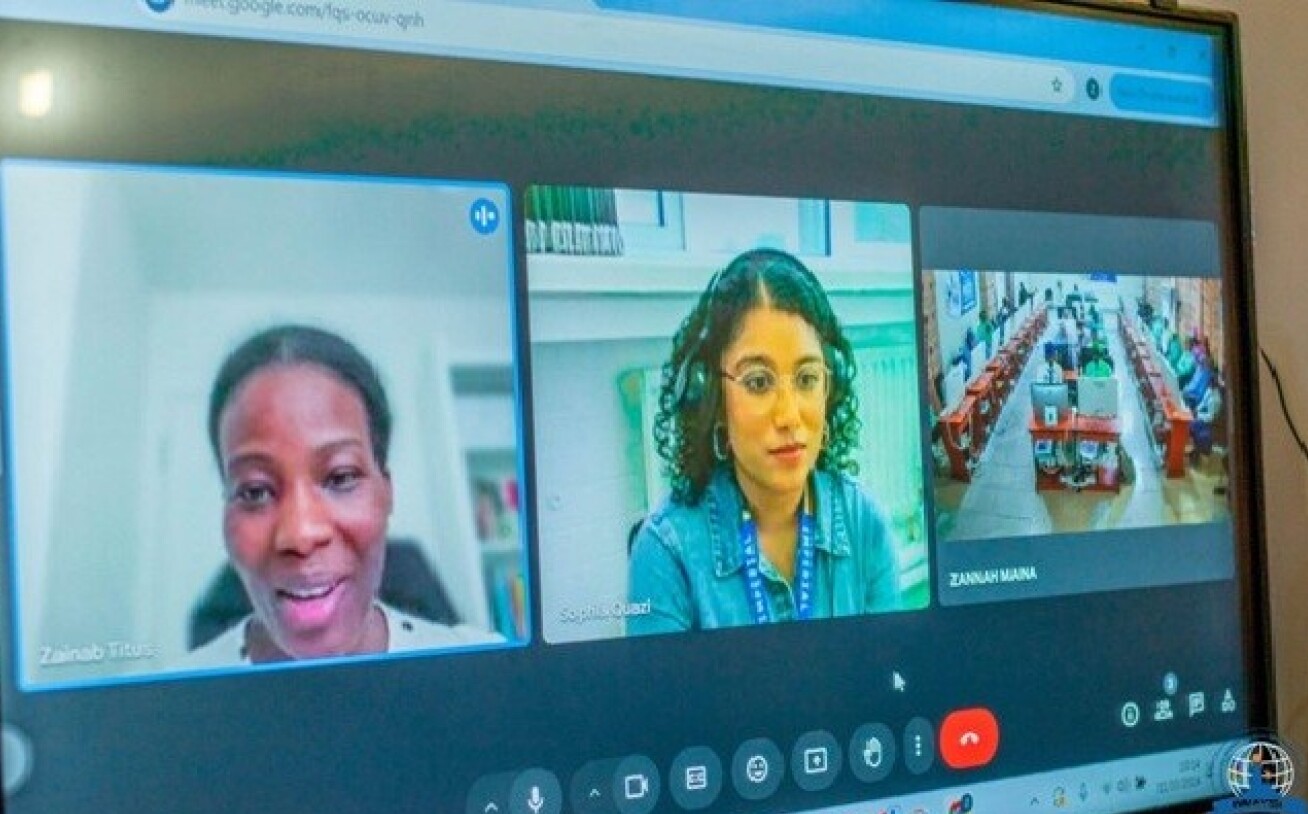
A panel session with women in various STEM careers offered the girls a chance to interact directly with professionals, ask questions, and be inspired to pursue STEM fields regardless of any preconceived limitations.
Over the next month, the girls embarked on a self-guided learning journey. They utilised the provided learning resources to build digital skills, delve deeper into e-learning tools, and explore science concepts and topics.
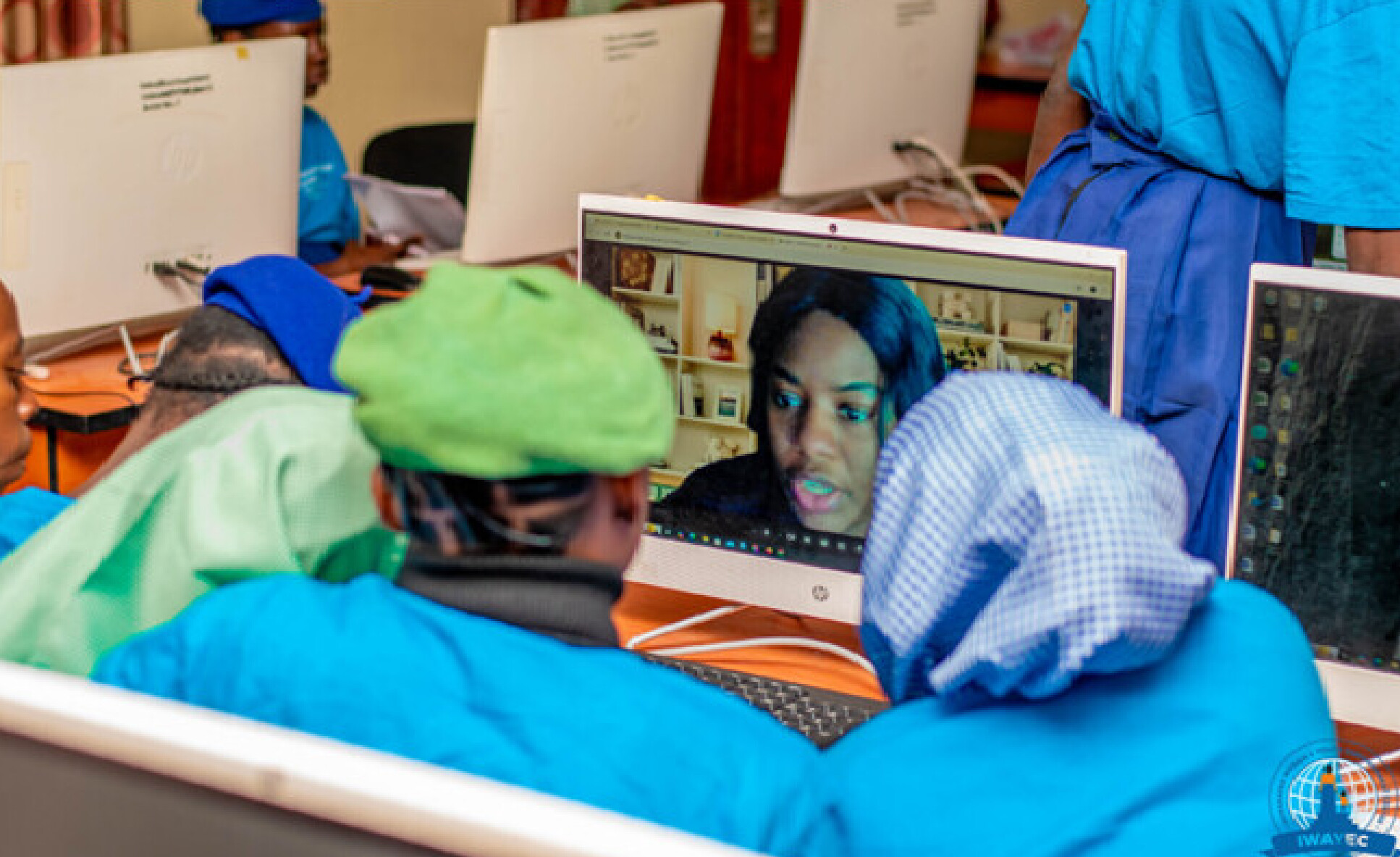
Participants were also grouped and assigned mentors who offered feedback and guidance. The mentors played a crucial role in supporting the students to help them improve their work as well as foster a deeper understanding of broader STEM topics. This mentorship element ensured that the self-learning phase was interactive and supportive, bridging the gap between independent study and guided learning.
Addressing global sustainability
The program culminated during the International Week of Science and Peace with two days of intensive learning and application on November 14 and 15. The final day was the highlight, featuring a mini-hackathon tagged "Hack the Heat" where the girls were tasked with a real-world challenge: calculating their carbon footprints, estimating the annual temperature rise due to their carbon emissions, and discussing actionable strategies to reduce them. This activity integrated programming skills with environmental science, emphasising the role of technology in addressing global sustainability issues.
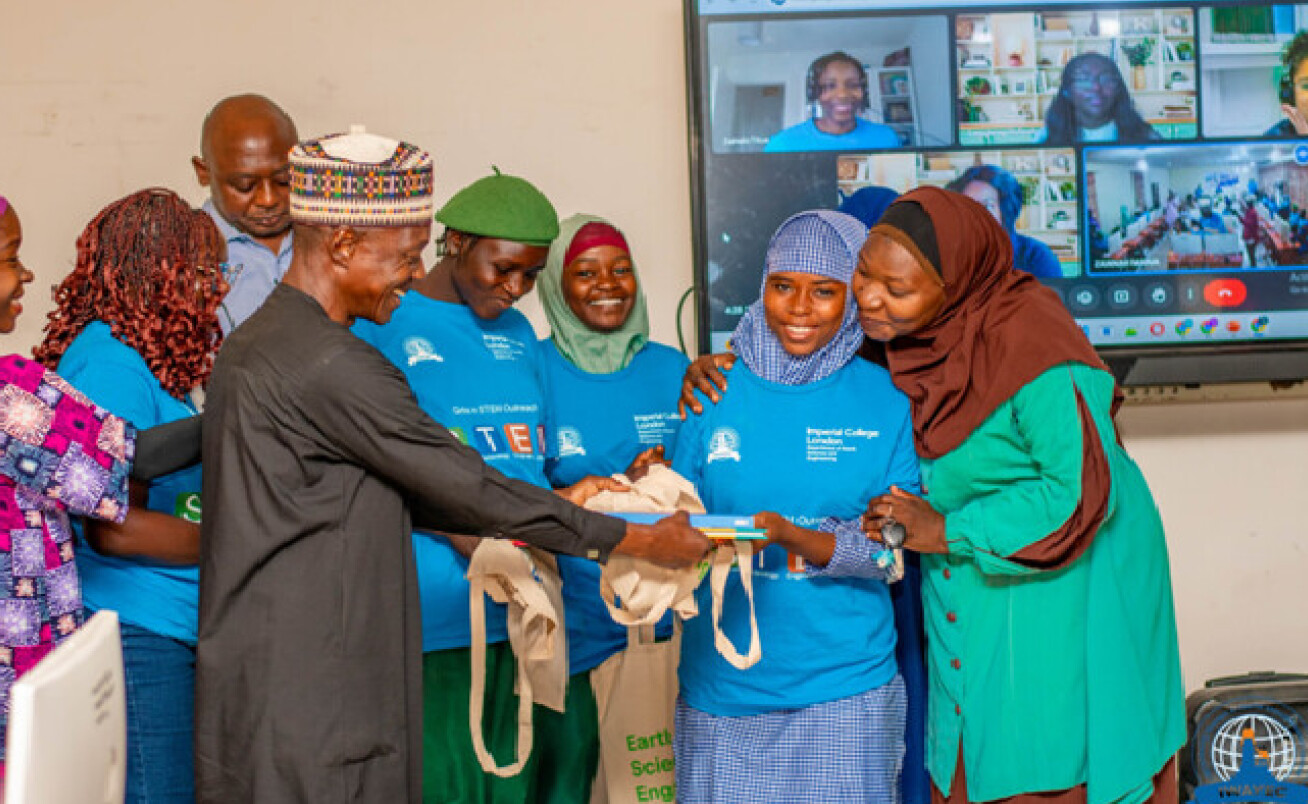
The girls interacted with digital learning tools, programming, and sustainable geoscience concepts in a way they have never done before. Peer educators, who were outstanding participants and had been mentored by Zainab in the first edition of the outreach in 2022, were present to inspire and guide the girls at the finale.
Blessed endings
At the end of the program, a survey captured the experiences of the participants, who reflected that they felt excited, blessed, inspired, encouraged and focused throughout the event. Participants rated their learning highly, especially noting significant gains in programming skills, with an average score of 9.4 out of 10 for learning to write codes in Python.
They expressed that they had been inspired by the stories of women they heard from during the program, and shared their diverse career ambitions, including becoming computer engineers, pilots, medical doctors, lawyers, and programmers – reflecting broadened horizons and the potential impact of STEM education.
Empowering girls in STEM
For all involved, the outreach program successfully inspired and empowered young girls to pursue interests in STEM fields. This underscores the importance of continued efforts to engage girls in STEM through the inclusion of mentorship and self-learning, and combining technology education with pressing environmental issues and personalised support.
By enhancing the educational experience and fostering lasting connections, we can inspire young minds to become leaders and innovators in creating a sustainable future. ESE is now working with IWAYEC to provide a mini solar-powered generator and refurbish a space for girls to continue to practise and advance their digital literacy and programming skills.
 The department remains committed to providing opportunities that foster diversity and inclusion in science and technology fields. We believe that empowering girls with the skills, confidence, and support to pursue STEM careers is essential for addressing the challenges of tomorrow.
Thanks to all involved
ESE PhD students Idris Bukar and Ekta Aggarwal, and ESE alumnus Nhoyidi Nsan contributed to the geoscience learning resources. Mentorship during the self-learning phase was provided by Dr. Longtong Dafyak, Hajara Kabeer, Promise Ekeh, and Opeyemi Oludara.
IWAYEC, based in Maiduguri, oversaw the operations and logistics, ensuring a seamless virtual learning experience. The outreach program took place at the University of Maiduguri ICT Centre, with on-site support from volunteers from the University and other institutions.
Zainab was a PhD student at ESE, whose research focused on applying data-driven methods to build representative models of geological reservoirs. She is deeply passionate about inspiring young people to pursue STEM careers and is committed to creating academic and professional opportunities for individuals from underrepresented and disadvantaged communities.
Article text (excluding photos or graphics) © Imperial College London.
Photos and graphics subject to third party copyright used with permission or © Imperial College London.
Reporter
Zainab Titus
Department of Earth Science & Engineering
