Medic wins London Gold Medal, returns top prize to Imperial

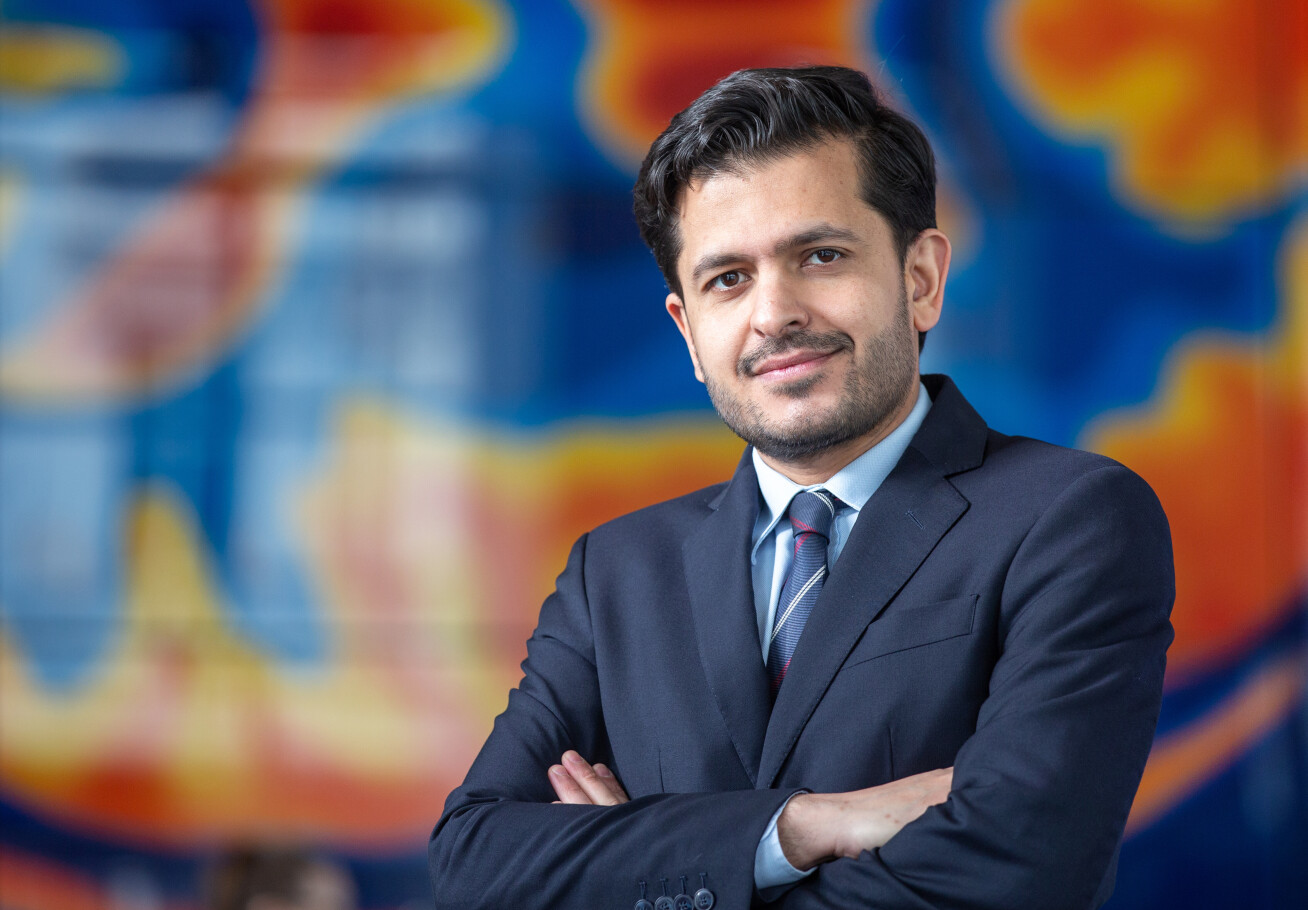
Dr Anya Nanchahal, winner of the 2025 London Gold Medal
Dr Anya Nanchahal, a Class of 2025 graduate, won the prestigious University of London award after a challenging examination this year.
Dr Nanchahal’s success this year brings Imperial College School of Medicine's (ICSM) wins to nine since its formation in 1997.
Responding to the news, Dr Nanchahal said, “When I found out that I’d won I was utterly shocked! Whilst preparing for the competition, I had never let myself think of winning as a possibility. I am very proud to be an Imperial medic, so I felt privileged to have been given the opportunity to represent ICSM at the competition.”
Awarded annually since 1904, the Gold Medal recognises the top student in medicine, with each London-based school nominating a small number of the highest-performing students from their newest class of graduates.
The competition involves each candidate being questioned by a panel of expert examiners, covering a range of areas of medicine including general medicine, surgery, obstetrics and gynaecology, clinical pharmacology, general practice, and pathology.
Preparedness for practice
ICSM’s Class of 2025 are the first to graduate from the School’s reimagined MBBS curriculum, launched in 2019 after an in-depth curriculum review. The spiral curriculum consists of building-block modules with longitudinal skills domains running through all six years.
This approach allows students each year to build on and expand their knowledge from the previous year, while continuously developing their skills in a variety of learning settings alongside.
Professor Amir Sam, Head of Imperial College School of Medicine, said, “Our innovative curriculum offers a robust foundation of scientific knowledge, intertwined with practical training and clinical exposure. Students experience clinical settings from the first year, preparing them from the start for the realities of life as a doctor and in the NHS, but also paving the way for their development as clinician scientists, leaders and scholars.”
Dr Nanchahal noted, “The viva stations were challenging; however, my training at ICSM had taught me to stay calm under pressure and tackle problems with a structured, logical approach.
“I believe the emphasis on clinical exposure right from the start of the course really helped hone our scientific reasoning and ability to navigate clinical uncertainty.”
In addition to their own revision, Imperial’s nominated candidates are put through their paces by leading academics from the School as part of their preparations for the exam.
Professor Sam said, “Contacting students to let them know they have been selected to take part in the Gold Medal competition is a highlight of the year, and working with them to prepare for the examination is always some of the most enjoyable teaching my colleagues and I have the privilege of delivering.
“We could tell this year’s cohort of candidates were amazing from the start, and it was clear that their natural strength combined with the excellence and rigour of our curriculum had allowed these students to flourish in an incredible way.”
Dr Nanchahal added, “I am very grateful to Professor Sam and the numerous academics who volunteered time to run mock viva sessions which were invaluable preparation for the competition.
“I feel lucky to have learnt from so many brilliant doctors during my clinical placements, and to have shared the journey with an incredible cohort who have inspired me daily, both as a medic and a person.”
Looking ahead
Around the time of her GCSEs, Dr Nanchahal’s interests in science and working with people combined to lead her towards a potential career in medicine. This path offered a perfect balance of these areas and an opportunity to make a tangible difference to people’s lives.
She moves on from Imperial this summer though is staying close by in North West London, taking up a Specialised Foundation Programme (SFP) post in Academic Surgery.
“You never know what you will learn from an experience, be that academic or extracurricular, and often it was those which truly pushed me outside my comfort zone that were the most rewarding and transformative. I hope to pursue a career in academic surgery, and would love to be able to combine teaching and research alongside clinical practice.”
Thinking about the students following her through the medicine programme at Imperial, Dr Nanchahal said, “Receiving London’s Gold Medal was a truly special way to end the best medical school experience I could have hoped for. Most of all, this award is testament to the unwavering support of my family and friends, who have often believed in me far more than I believed in myself.
“My advice to anyone nominated to compete for the Gold Medal next year would be the same as for all opportunities ICSM has to offer – take it with both hands!”
Article text (excluding photos or graphics) © Imperial College London.
Photos and graphics subject to third party copyright used with permission or © Imperial College London.
Reporter
Dorrit Pollard-Davey
Faculty of Medicine Centre
