ESE Responsible Mining and Metals MSc students attend European mines field trip
by Gege Li

Freya Huang on annual MSc Responsible Mining and Metals Finance field trip
Bank of Montreal scholarship recipient Freya Huang visited project sites across Sweden and Finland as part of the annual field trip.
From 10 to 24 May, 33 students from the Department of Earth Science and Engineering's Responsible Mining and Metals Finance MSc, including Freya, travelled through Sweden and Finland as part of the European mines field trip. They visited projects at various stages from pre-feasibility through to operational, with a range of ownership structures.
The first stop was Boliden Garpenberg, one of the world’s most modern mines, where complex ores containing zinc, silver, copper and gold are extracted.
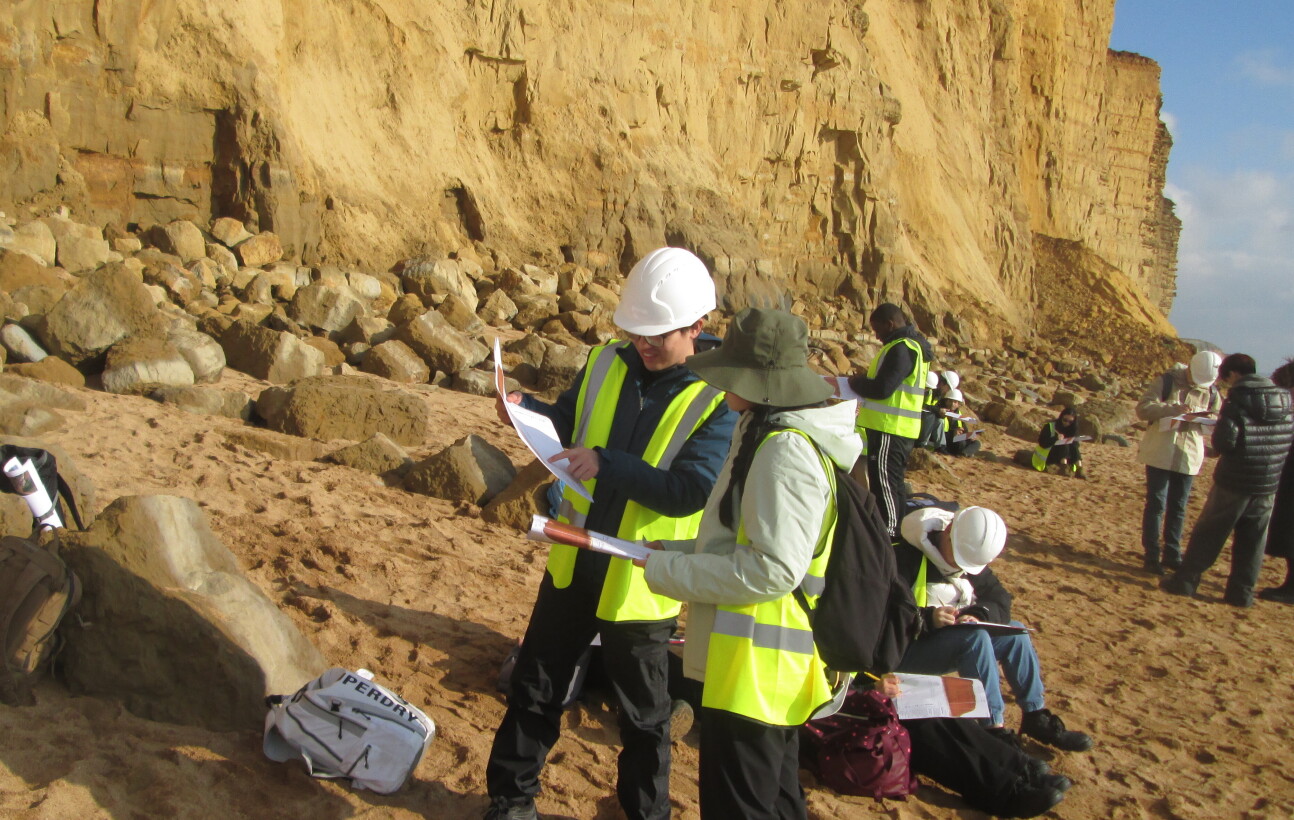 Next up was the Kiruna mine, the world’s largest and most modern underground iron ore mine, which is owned by state-owned Luossavaara-Kiirunavaara Aktiebolag (LKAB). In Western Australia, where Freya hails from, all iron ore mines are open pit and owned by multinational and private companies, so it was a point of interest seeing in contrast a state-owned, underground iron ore mine.
The third stop was the Kaunis Iron mine in Kaunisvaara, right near the Finnish border. The weekend was then spent in Finland at Hotel Levi Panorama, a ski resort where the sun set for only a couple of hours and Freya was able to enjoy hikes in the surrounding terrain.
After the weekend the group visited Anglo American’s Sakatti project, which is currently in its pre-feasibility phase. In their core shed Freya saw core samples 700m long, showing the geological variation at different depths. Sakatti is set to be built underground, below a protected area, so environmental studies are a particularly critical part of the project, including ensuring ground water will not be affected.
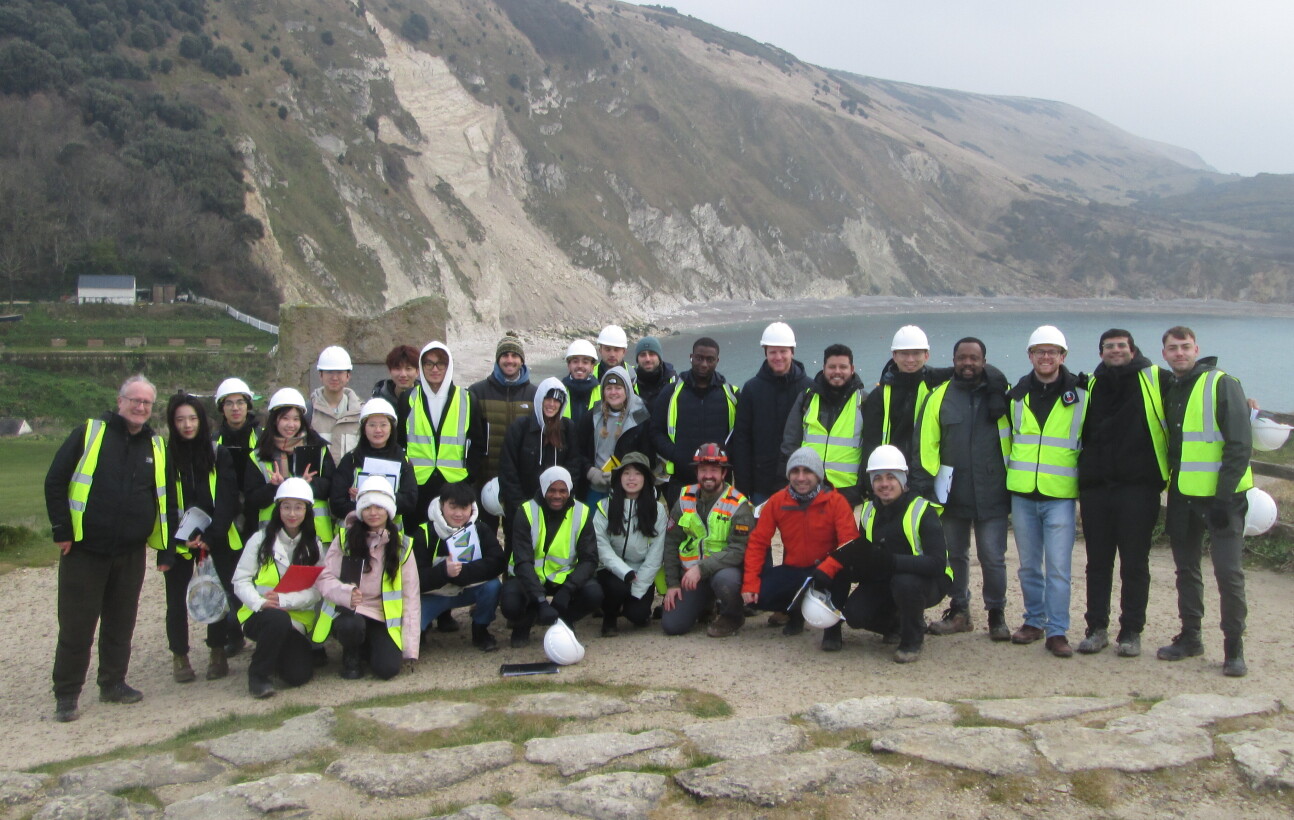 After Sakatti, the group visited a project near Rovaniemi, the home of Christmas, before heading back into Sweden. Here the group inspected Boliden Aitik’s open pit copper mine, where, despite it being late May, it snowed during the visit.
The last stop on the tour for Freya was Lulea, where the LKAB-owned smelter for the Kiruna mine is located. Having both the mine and extraction facilities in close proximity is one way LKAB is able to produce greener iron ore.
Freya expands on this, saying that a highlight of the trip was learning about the importance of ESG in these mines. Not only are steps taken to lower the mine’s environmental impact, such as having the smelter nearby or undertaking extensive environmental impact assessments, but green energy is also much more affordable in Sweden, which miners are able to take advantage of, lowering the overall footprint of their operations.
Freya also really enjoyed the fact they saw projects at different stages, with varying types of ownership, and with very modern technology. This made the trip a particularly beneficial experience with many learnings to takeaway.
Imperial continues to be grateful for BMO’s support of the Women in Responsible Mining and Metals Finance scholarship, and thanks them for their commitment.
Article text (excluding photos or graphics) © Imperial College London.
Photos and graphics subject to third party copyright used with permission or © Imperial College London.
Reporter
Gege Li
Department of Earth Science & Engineering
