UK-Brazil Declaration on Self-Care and medical leadership launched at UK summit
by Jack Stewart
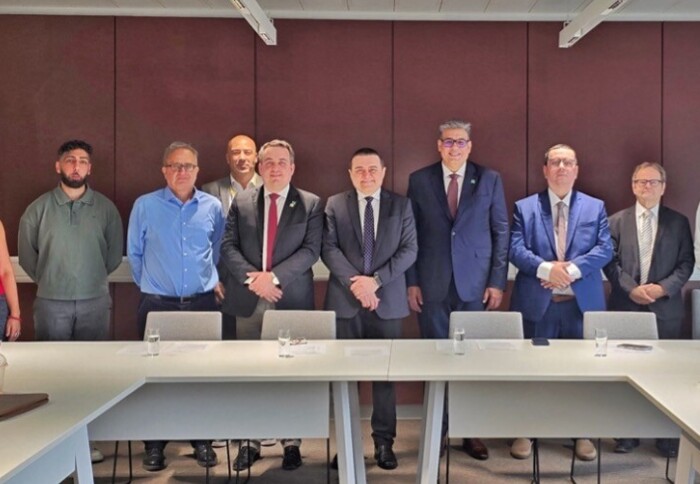
The London Self-Care Summit was hosted by the Self-Care Academic Research Unit (SCARU) at Imperial College’s School of Public Health 7-10 July 2025.
The Summit included representatives from the International Self-Care Foundation (ISF), the Self-Care Forum UK, Brazil’s Federal Council of Medicine (CFM), the Personalised Care Institute, the Federal University of São Paulo, the University of Technology Sydney, Abbott Laboratories Limited, Imperial College WHO Collaborating Centre on Public Health Education & Training, and Imperial SCARU.
The Summit opened with a UK-Brazil bilateral roundtable on 7-8 July 2025. This two-day roundtable convened senior representatives from academia, clinical leadership and public health to explore how self-care can be positioned as a core responsibility of the medical profession, resulting in the UK-Brazil Declaration on Medical Leadership for Self-Care. The roundtable was co-chaired by Dr Austen El-Osta, Director of SCARU, and Dr Jeancarlo Fernandes Cavalcante, Vice President of Brazil’s CFM.
Discussions highlighted the need to embed self-care literacy into medical education and professional development, and to redefine physicians not as gatekeepers, but as enablers of patient autonomy.
“It’s time that we recognise medical doctors as simultaneously one of the principal enablers and barriers to self-care” said Dr Austen El-Osta. “We are looking at a future where physicians will also support and sustain health systems globally by promoting self-care and personal autonomy. Our goal is to promote environments where self-care is viewed as integral to clinical practice and patient wellbeing, and for this reason, medical leadership must evolve. Doctors are not being asked to relinquish authority, but to use their expertise to build patient capability, confidence and autonomy by emphasising the important role of self-care”.
A central outcome of the roundtable was the formal release of the UK-Brazil Declaration on Medical Leadership for Self-Care, which outlines six core principles: positioning self-care as clinical excellence, supporting behaviour change through lifestyle medicine approaches, promoting interdisciplinary collaboration, incentivising patient capability, addressing equity and digital inclusion, and embedding self-care in systems through measurement, research and education.
The declaration aligns with key global frameworks including the WHO guideline on self-care interventions, PAHO’s resolution on health promotion, and the 2024 São Paulo Declaration on Self-Care. It supports broader goals such as UHC2030 and the UN Sustainable Development Goals.
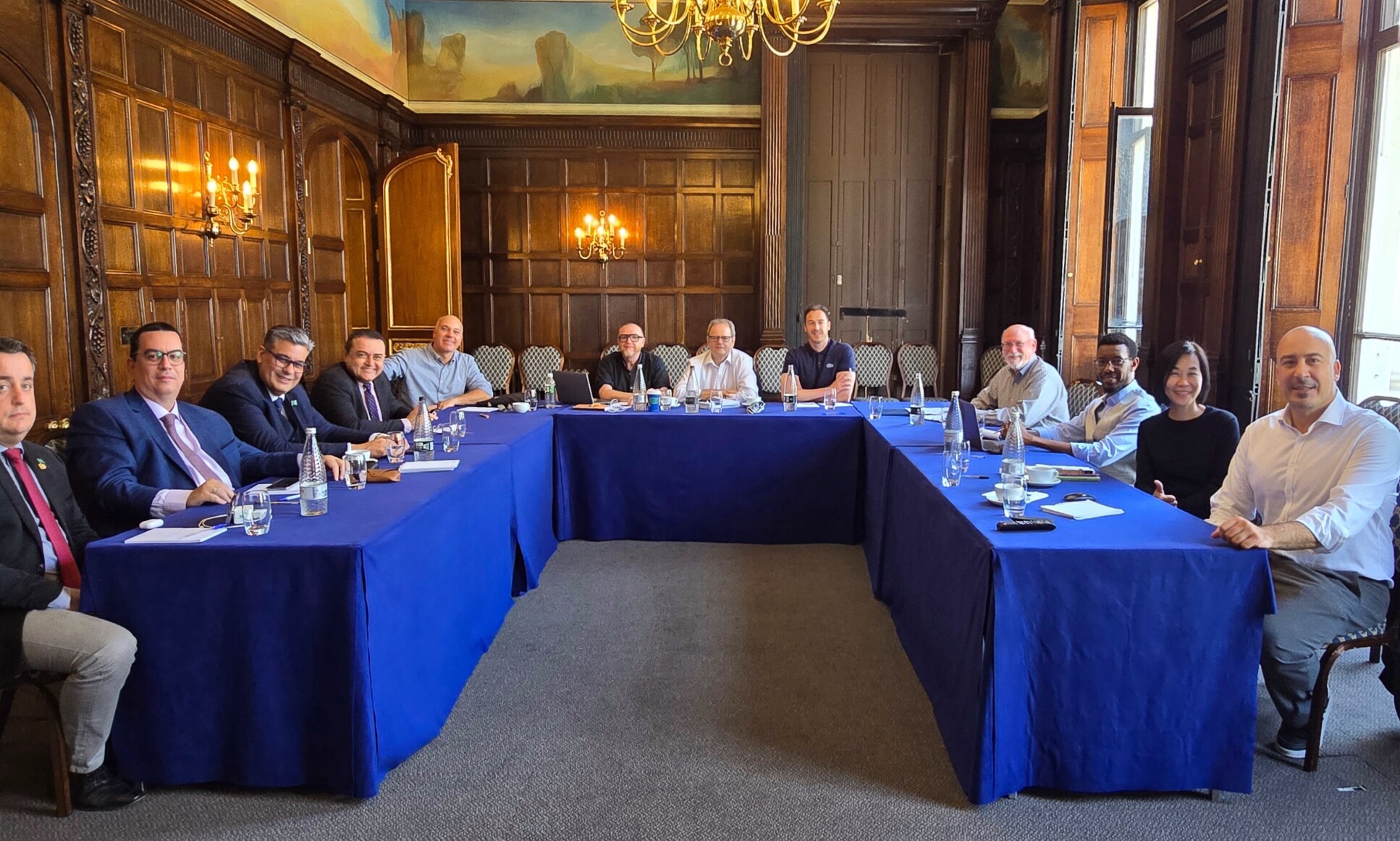
“Brazil and the UK face similar challenges, including ageing populations, rising non-communicable diseases and health workforce pressures,” noted Dr Cavalcante. “Our bilateral collaboration allows us to jointly develop innovative solutions. We must move away from dependency-based models and empower patients to take ownership of their health. This collaboration offers a shared vision for doing exactly that.”
The two-day bilateral roundtable galvanised a shared ambition to establish a dedicated working group to monitor global progress, share innovations and inform policy, with a focus on advancing research and embedding self-care within medical education. The partnership will be formalised through a memorandum of understanding and will include a working group to support quarterly collaboration.
The Summit concluded with a one-day workshop on 10 July focused on finalising the agenda for the next International Self-Care Summit (likely to be held in Bangkok in October 2026). This upcoming event will mark two major milestones for the global self-care movement: the formal launch of the International Academy of Self-Care Research (IASCR), and the inaugural ISF Annual Self-Care Lecture.
In parallel, delegates committed to advancing several collaborative initiatives. These include validating the Self-Care Capability and Assessment (CAPITAN) toolkit, piloting new interventions across diverse settings, and co-authoring high-impact publications to strengthen the evidence base for self-care.
The energy and alignment witnessed in London will now carry forward to Bangkok, as a growing coalition of researchers, clinicians and policymakers works to institutionalise self-care as a cornerstone of people-centred health systems. Meanwhile, we will celebrate this year’s International Self-Care Day 24/7 with the publication of the Self-Care 2030 Insights Report: Transforming Health Through Physical Activity.
Article text (excluding photos or graphics) © Imperial College London.
Photos and graphics subject to third party copyright used with permission or © Imperial College London.
Reporter
Jack Stewart
School of Public Health
