From Southall to South Kensington
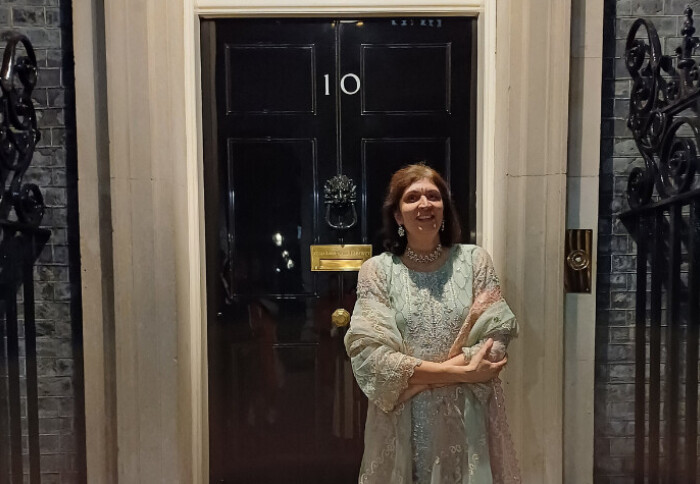
Dr Deesha Chadha, Diwali ready outside 10 Downing Street
Celebrating South Asian Heritage Month 2025 with Dr Deesha Chadha, Teaching Fellow at the Department of Chemical Engineering.
My own cultural background is that I am a very proud Hindu Punjabi, born and raised just outside Southall in North-West London.
My connection to my community is very strong because it is from that, that I formed my sense of identity. Dr Deesha Chadha OBE Teaching Fellow, Department of Chemical Engineering
My connection to my community is very strong because it is from that, that I formed my sense of identity.
My parents were both born and raised in Kenya, but whether you’re first or fifth generation Indian, there is never any escaping the cultural ties that bind you to the homeland. This becomes an organic process via strong ties to the community.
Beyond my family connections, being Punjabi is a big part of who I am.
India is regional. People speak different languages depending on the region you’re from. Not only that. People dress differently, look different, observe different cultural festivals, and eat different foods.
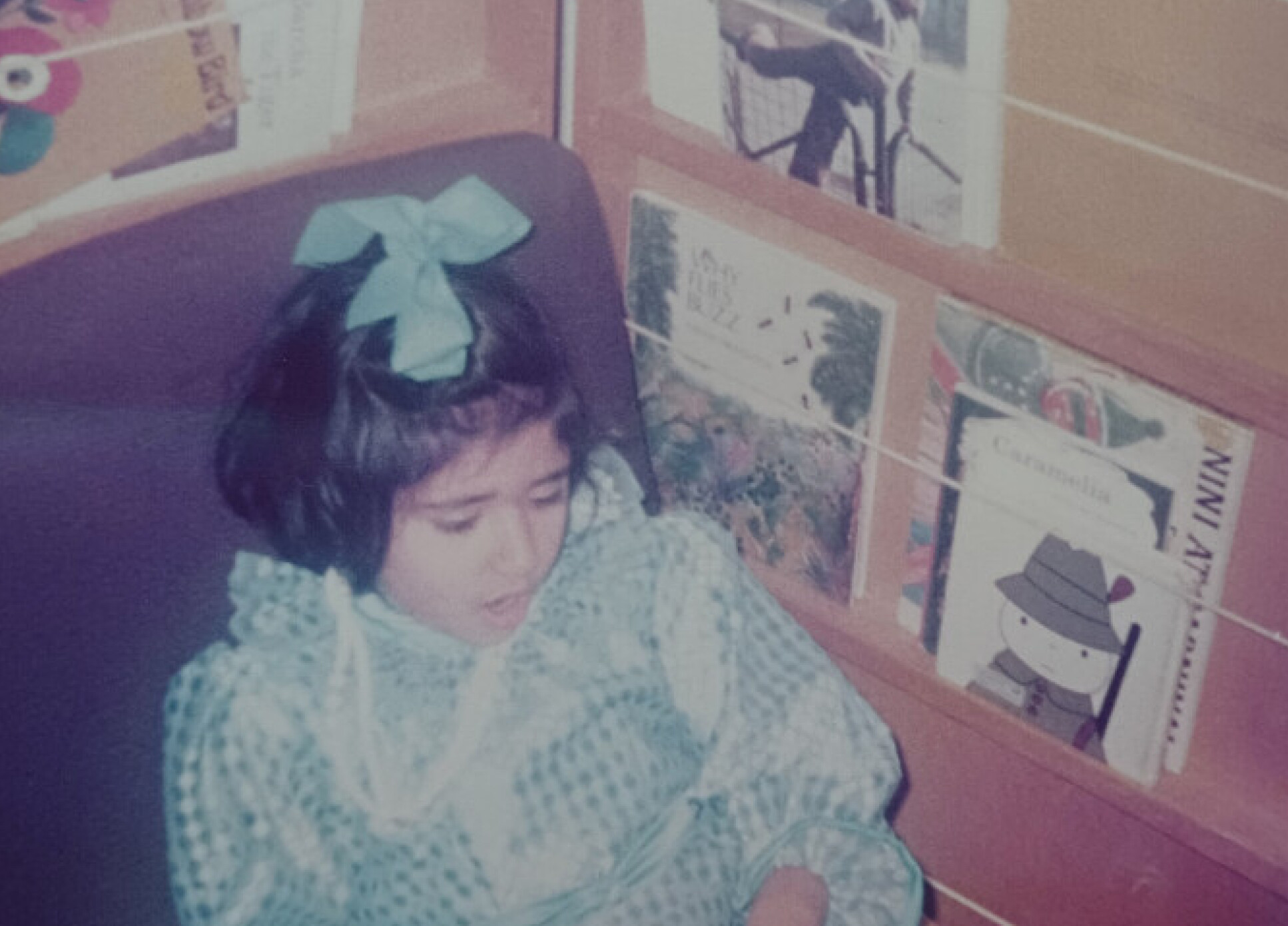
My family worked hard to ensure we were culturally aware – Punjabi is my first language, although I do not speak it particularly well anymore (saying that, probably better than Rishi Sunak does!).
They [my parents] had to hide some of their cultural artefacts so they could integrate and belong. Dr Deesha Chadha OBE Teaching Fellow, Department of Chemical Engineering
My grandmother could not speak English, and my mum was a huge fan of the sorts of 3-hour long Bollywood films one was exposed to in the late 1970s. The language was also a more naturally comfortable one for my parents even though they came from East-Africa. I was lucky, though. I had the luxury to be Punjabi and embrace my culture. My dad was less fortunate. They had to hide some of their cultural artefacts so they could integrate and belong.
He came to London at the age of 19 (in the early 1960s) and it was a really difficult time for him and his peers. They were among the first, and their struggles were very real. They instilled the importance of working hard and a good education as a way of thriving in a foreign land, as they had done.
Going to university was never a choice – you could choose what to study (and Chemical Engineering was and is respectable enough to make the cut), but not whether you went. The phenomenon of the Indian Doctor was parodied in Goodness Gracious Me countless times. We laughed because we identified.
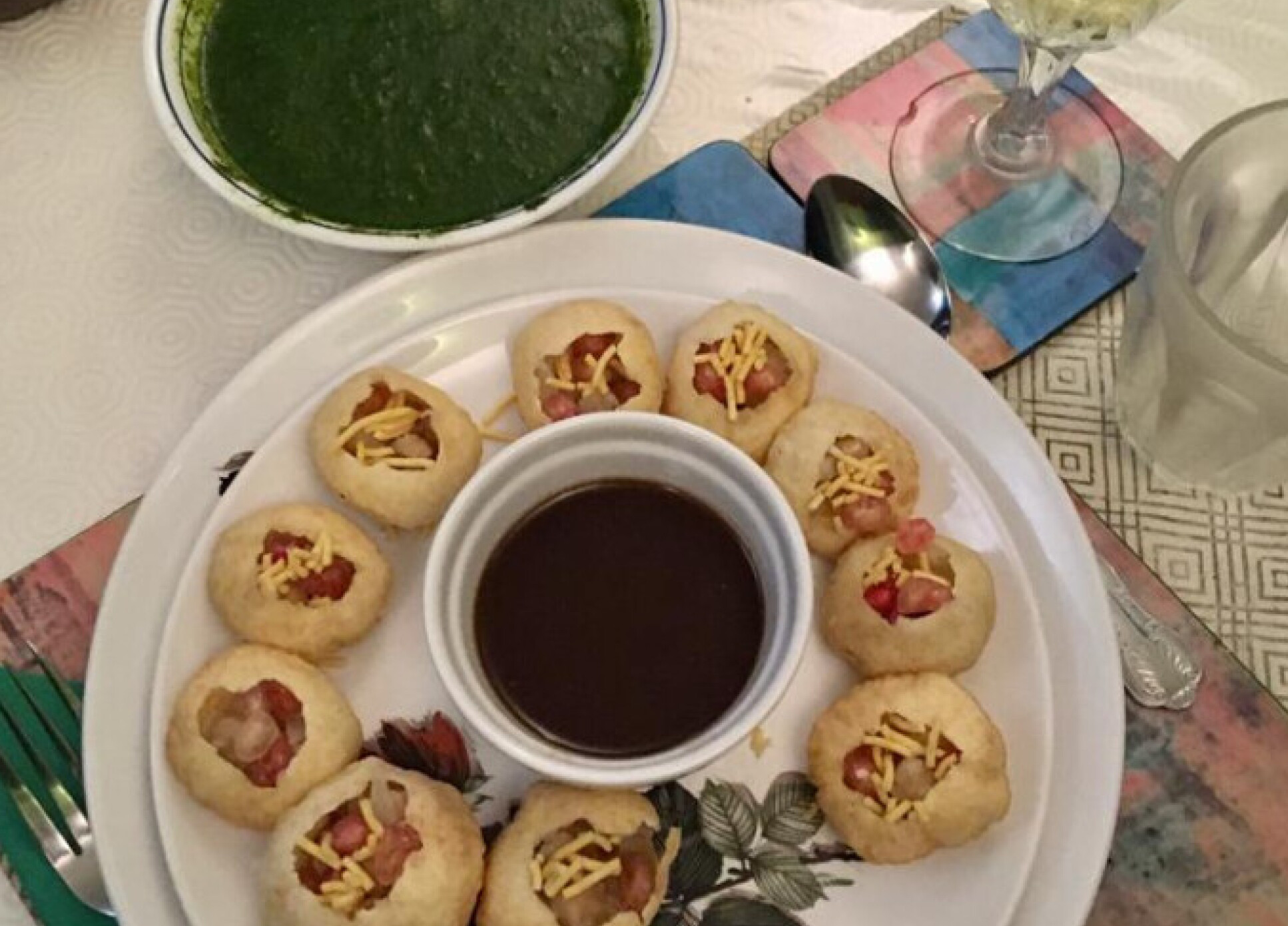
But they made things easy for me. They made me aware of my heritage, and it is one I am incredibly proud of. Not least because I make exceptional ‘pani puri’.
Southall to South Kensington
My journey has been one of great opportunities and some mixed blessings. It has also been one of firsts.
It was a hugely challenging process, because there was no-one to lean on who understood the difficulty for Asian women in balancing their home lives with accomplishment outside of it. [On obtaining a PhD]. Dr Deesha Chadha OBE Teaching Fellow, Department of Chemical Engineering
As a community, decision-making was informed by hot knowledge rather than hard data. It was my cousin's husband who had been to the University of Surrey and my Dad's younger cousin who had studied chemical engineering. Both of them were doing exceptionally well. I was, however the first of my family to obtain a PhD.
It was a hugely challenging process, because there was no-one to lean on who understood the difficulty for Asian women in balancing their home lives with accomplishment outside of it. There were also concerns about being ineligible for marriage as I would be more qualified than any potential husband! My Dad, however was and remains immensely proud of this achievement.
Along the way, I was championed by some amazing people who saw great potential in me who actively brought me into their teams and created space for me to grow and shine. I have not been immune to implicit racism, but I realised early-on that if I didn't step up, then who would? It is my family and my sense of communal identity that gives me the strength and courage to keep showing up.
About Dr Deesha Chadha
Dr Chadha studied Chemical Engineering at the University of Surrey and graduated in 1998. In 2005, she gained a PhD in engineering education.
Dr Chadha’s career in higher education spans 20 years and she has held various leadership roles including Programme Director for the Postgraduate Certificate in Academic Practice at King’s College London from 2013 to 2016. Dr Chadha has also been a National Assessor for the Queen’s Awards for Voluntary Service for over two years.
At Imperial, Dr Chadha is involved in the curriculum review process at the Department of Chemical Engineering. She is also an active researcher in this area and teaches some of the technical content of the programme.
Deesha is also a co-chair at the Faith Forum for London and has been awarded an OBE in recognition of the contribution to interfaith dialogue and harmony.
South Asian Heritage Month
Article text (excluding photos or graphics) © Imperial College London.
Photos and graphics subject to third party copyright used with permission or © Imperial College London.
Reporter
Navta Hussain
Department of Chemical Engineering
