Environmental Research Group wins Defra Contract to Model UK Air Pollution
by Jack Stewart
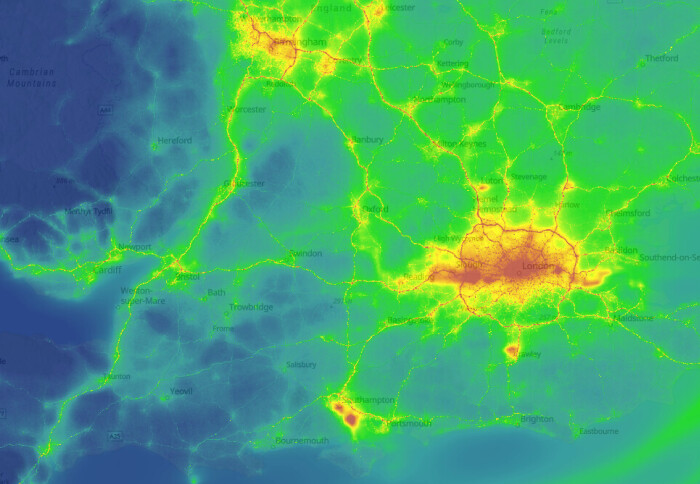
The Environmental Research Group has been awarded the UK Department for Environment, Food and Rural Affairs’ Modelling of Ambient Air Quality Contract
The Modelling of Ambient Air Quality (MAAQ) contract delivers the UK’s assessment of compliance with air quality limit and target values for statutory reporting on an annual basis, supported by public-facing services, such as interactive maps on Defra’s websites.
As part of the award the Environmental Research Group (ERG) will deliver comprehensive, high-resolution modelling of ambient air pollution across the UK both now and in the future, linking those concentrations with specific sources. The model results will benefit public health assessments, inform local and national clean air strategies, and provide evidence to support emissions reduction ranging from Clean Air Zones to Net Zero policies.
Dr Sean Beevers, Head of ERG’s Air Pollution Modelling Group, commented: “This award is an opportunity to deliver scientific evidence to support national air quality compliance and policy. We are excited to work closely with Defra to ensure that our modelling helps reduce air pollution and improves everyone’s health.”
Building on decades of atmospheric science leadership, ERG will lead the MAAQ programme through the innovative integration of emissions inventories, leading atmospheric dispersion, chemistry and meteorological models.
A Defra spokesperson said: “Air pollution is damaging to society and the environment. This Government is determined to improve air quality and protect the public from the harm of pollution.”
“Working with trusted partners including the Environmental Research Group ensures we have the crucial data needed to inform local and national clean air strategies, improve public health assessments, and support action to reduce emissions.”
Article text (excluding photos or graphics) © Imperial College London.
Photos and graphics subject to third party copyright used with permission or © Imperial College London.
Reporter
Jack Stewart
School of Public Health