LINE Symposium Unites UK Early-Career Infection Scientists
by Emily Govan
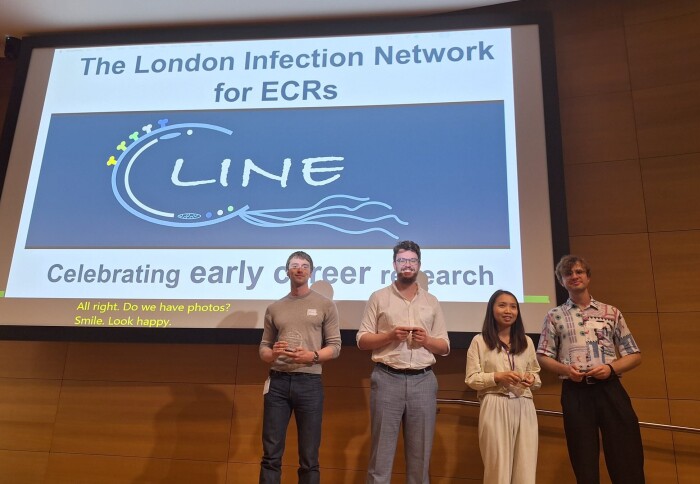
LINE Symposium prize winners
The third annual LINE Symposium for early-career infection researchers has taken place, we caught up with Dr Julia Sanchez Garrido to find out more.
Congrats on a third annual symposium! Can you tell us about the aims of the event?
Thank you! The London Infection Network for Early Career Researchers (LINE) Symposium brings together early-career scientists from across the UK to share their work, connect with peers, and explore career development opportunities - all in an inclusive, supportive space. Our mission is to foster collaboration and visibility for researchers working in infection biology, while addressing wider issues such as wellbeing, equity, and access in research careers.
How many people attended and from where?
We welcomed over 150 researchers from London, Cambridge, Bristol, Liverpool, and beyond. This growing national reach reflects the symposium’s expanding impact and the rising enthusiasm for dedicated, ECR-led events in infection biology.
What was the format of the day?
The programme featured a plenary lecture, ECR oral and poster presentations, a career pathways panel, and a keynote to close the day. We also hosted a talk from Carers in STEMM and informal networking activities - including a lively “sponsor bingo” game to connect attendees with the companies that make our free symposium possible.
What kind of research was presented?
We saw a diverse, cutting-edge range of infection-related research from institutions including LSHTM, Imperial College London, UCL, QMUL, the Francis Crick Institute, the University of Bristol, and more. Topics ranged from host–pathogen interactions and novel antimicrobial strategies to immune responses, vaccine development, and antimicrobial resistance.
Highlights from Imperial’s Centre for Bacterial Resistance Biology included:
From the Department of Infectious Diseases:
- Dr Tom Williams - identified IL-1RAP as a potential therapeutic target in airway eosinophilia.
- Dr. Edward Douglas - revealed the energy-dependent action of polymyxin antibiotics against E. coli.
From the Department of Life Sciences:
- Audrey Peters - showed that phage therapy may rely on long-term coexistence with pathogens.
- Olivia Wright-Paramio - uncovered genetic changes in K. pneumoniae that conserve energy by downregulating fimbriae.
Were there standout moments or themes?
Absolutely. Attendees praised the supportive atmosphere and the career panel’s honest, practical advice from experts in policy, biotech, media, and academia. Our invited speakers delivered inspiring talks that combined molecular discovery with real-world application - all with infectious enthusiasm and an approachable, down-to-earth style.
 What did attendees gain from participating?
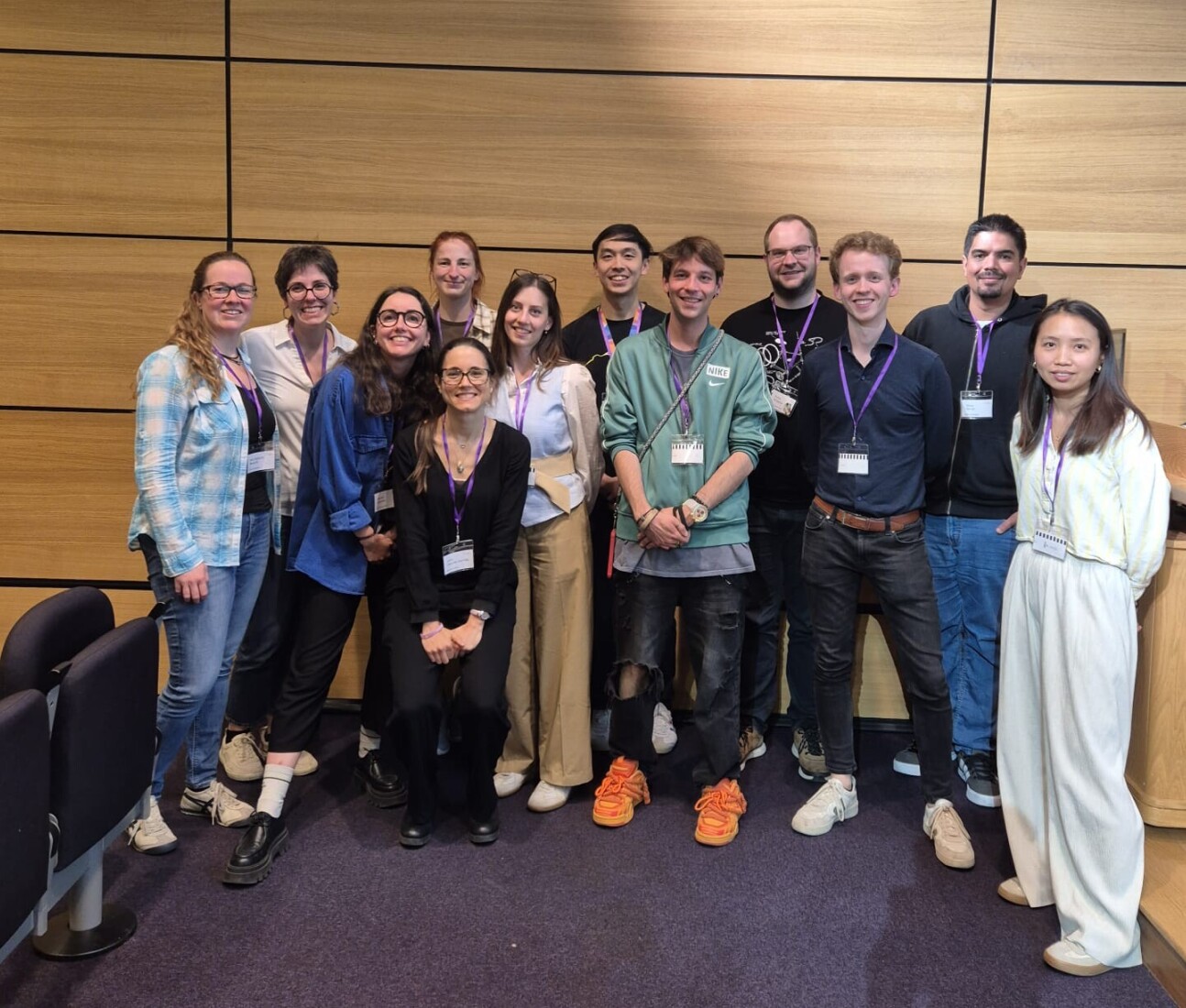
ECRs left feeling energised, connected, and more confident about navigating their research and career journeys. The event sparked several new collaborations and project ideas during networking breaks – it was a major success.
How is LINE supporting the ECR community long-term?
We’re committed to keeping our annual symposium free, inclusive, and ECR-led, with financial support for travel and caring responsibilities - something that sets us apart. With backing from the Francis Crick Institute and societies such as the Microbiology Society and the Company of Biologists, we aim to keep removing barriers and championing a healthier, more equitable research culture.
What’s next for LINE?
Building on this year’s success, we’re exploring new initiatives such as workshops, online events, and collaborations with other ECR networks. Whatever the format, our focus will remain on visibility, collaboration, and support for early-career infection researchers.
Article text (excluding photos or graphics) © Imperial College London.
Photos and graphics subject to third party copyright used with permission or © Imperial College London.
Reporter
Emily Govan
Department of Life Sciences
