Conservation must focus on ecological processes, not just saving species
by Emily Govan
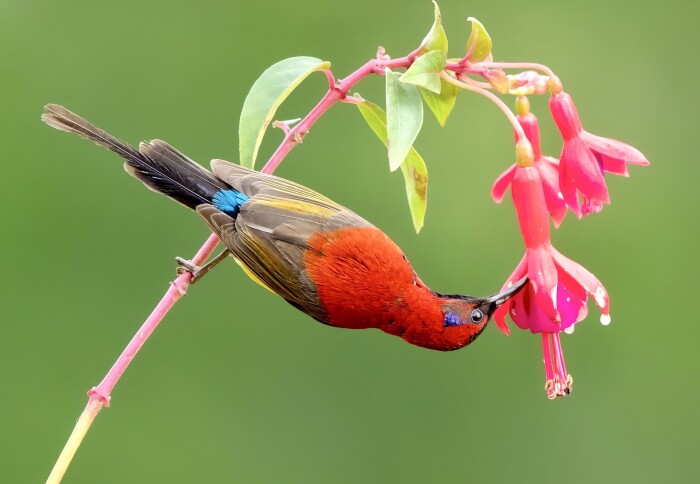
Mrs Gould's Sunbird
New research suggests conservation should move beyond saving species from extinction and instead focus on restoring ecosystems.
The study, led by Life Sciences' Professor Joe Tobias, argues that preserving functioning ecosystems is key to long-term biodiversity.
It warns that safeguarding ecological processes, such as species interactions and dispersal across landscapes, is crucial to maintaining resilient, adaptable ecosystems.
"To truly conserve biodiversity, we need to think at the scale of entire ecosystems. The current approach of saving small numbers of the rarest or most charismatic animals and plants is a fire-fighting approach which, on its own, will lead to ecosystems that cannot function effectively because populations of most species are too small and fragmented." Professor Joe Tobias
Current conservation efforts often prioritize flagship or rare species, including well-known conservation icons such as pandas and polar bears, but this approach risks neglecting the processes that sustain biodiversity.
The new paper, published in PNAS, outlines strategies to integrate species-focused protection with process-based conservation.
Professor Tobias said: 'To truly conserve biodiversity, we need to think at the scale of entire ecosystems. The current approach of saving small numbers of the rarest or most charismatic animals and plants is a fire-fighting approach which, on its own, will lead to ecosystems that cannot function effectively because populations of most species are too small and fragmented.'
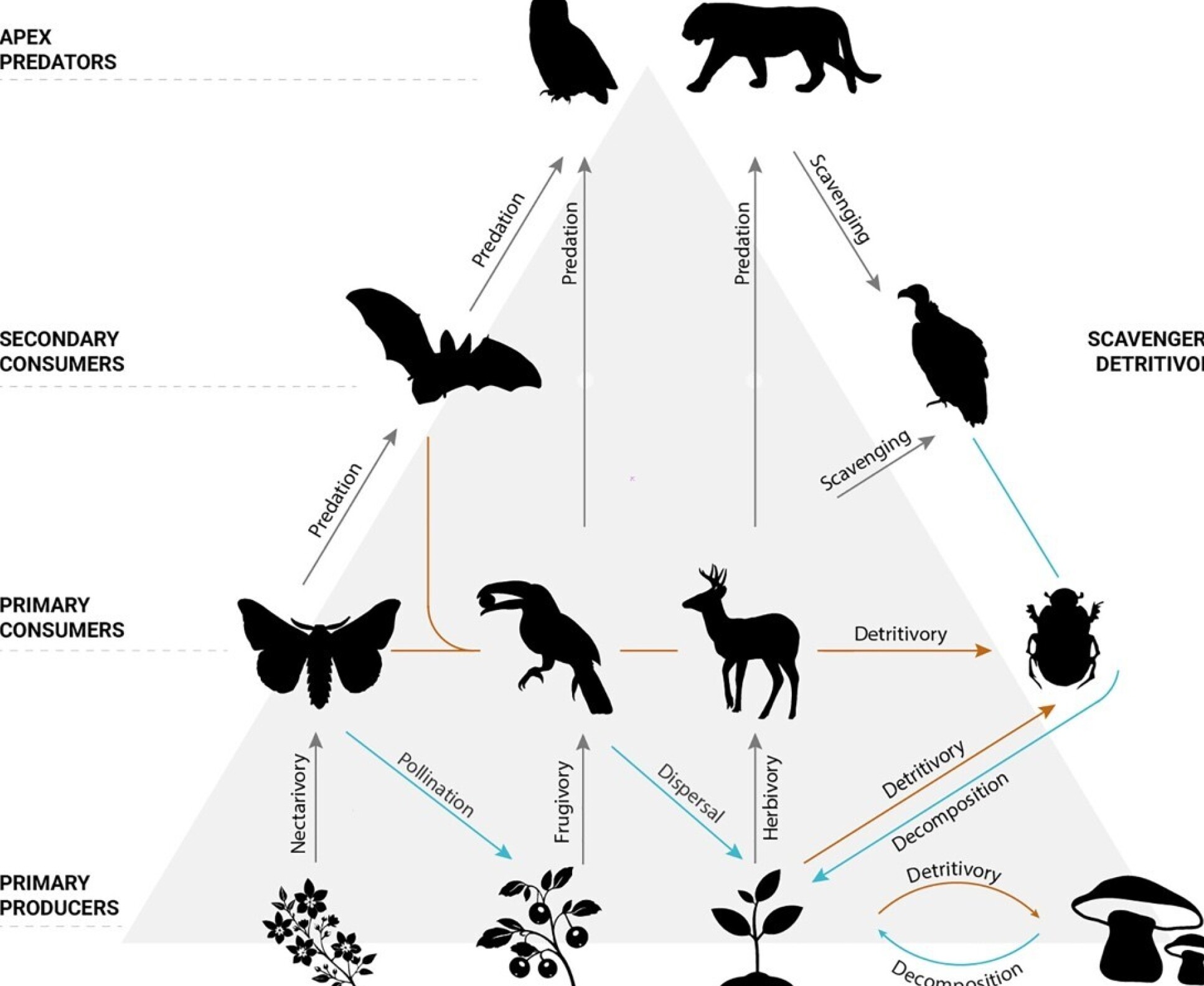
Ecological processes, from pollination and seed dispersal to migration and predator-prey dynamics, are the foundation of resilient natural systems. Protecting these processes ensures that ecosystems can adapt to the rapid environmental changes we’re now seeing worldwide.
The difficulty lies in how to achieve this. Saving species is conceptually simple and easy to communicate to policy makers and the public at large, but saving fundamental ecological processes seems harder to sell.
Fortunately, this shift in conservation strategy aligns with current global biodiversity goals, including the 2022 Kunming-Montreal Global Biodiversity Framework which almost all countries have signed. This treaty sets out the goal of enhancing and restoring ecosystem integrity, resilience and connectivity – all of which are inherently linked to ecological processes.
Prof Tobias said: 'To address these international targets, we need to establish corridors and wildlife-friendly farming landscapes, to support rewilding efforts, and to protect animal and plant groups that play critical roles in ecosystem function. We need to promote bioabundance and improve connectivity among populations so that wildlife can track shifting climates and adapt to changing land-uses.'
Some examples of process-based thinking in conservation are the Purbeck Wild Grazing Project, which is introducing large herbivores to UK heaths, and the protection of elevational corridors linking the Amazon rainforest with the Andean mountains to allow entire ecosystems to move upslope or downslope in response to changing conditions.
Cherishing and protecting iconic species will always be popular and relevant, but only by safeguarding natural processes can we secure the long-term health of our planet’s ecosystems and the benefits they provide to people.
Article text (excluding photos or graphics) © Imperial College London.
Photos and graphics subject to third party copyright used with permission or © Imperial College London.
Reporter
Emily Govan
Department of Life Sciences
