Imperial ChemEng Professor wins Royal Society Mullard Award
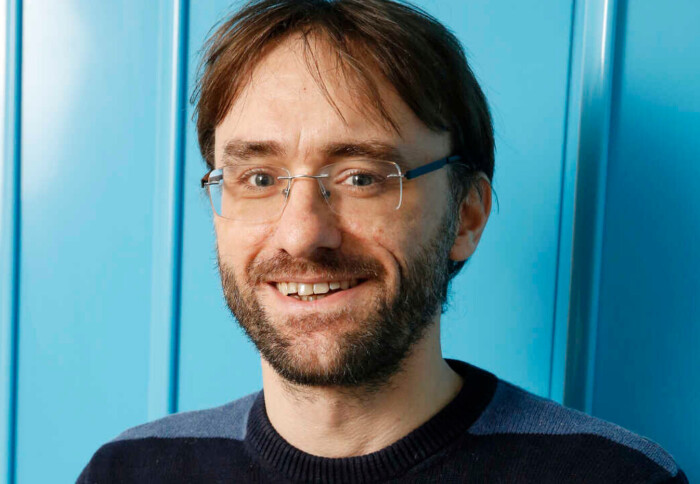
Professor Jason Hallett wins Royal Society Mullard Award for his pioneering research.
Professor Hallett, from Imperial’s Department of Chemical Engineering, has received the award for his pioneering research in sustainable chemical technologies and their successful translation into industry.
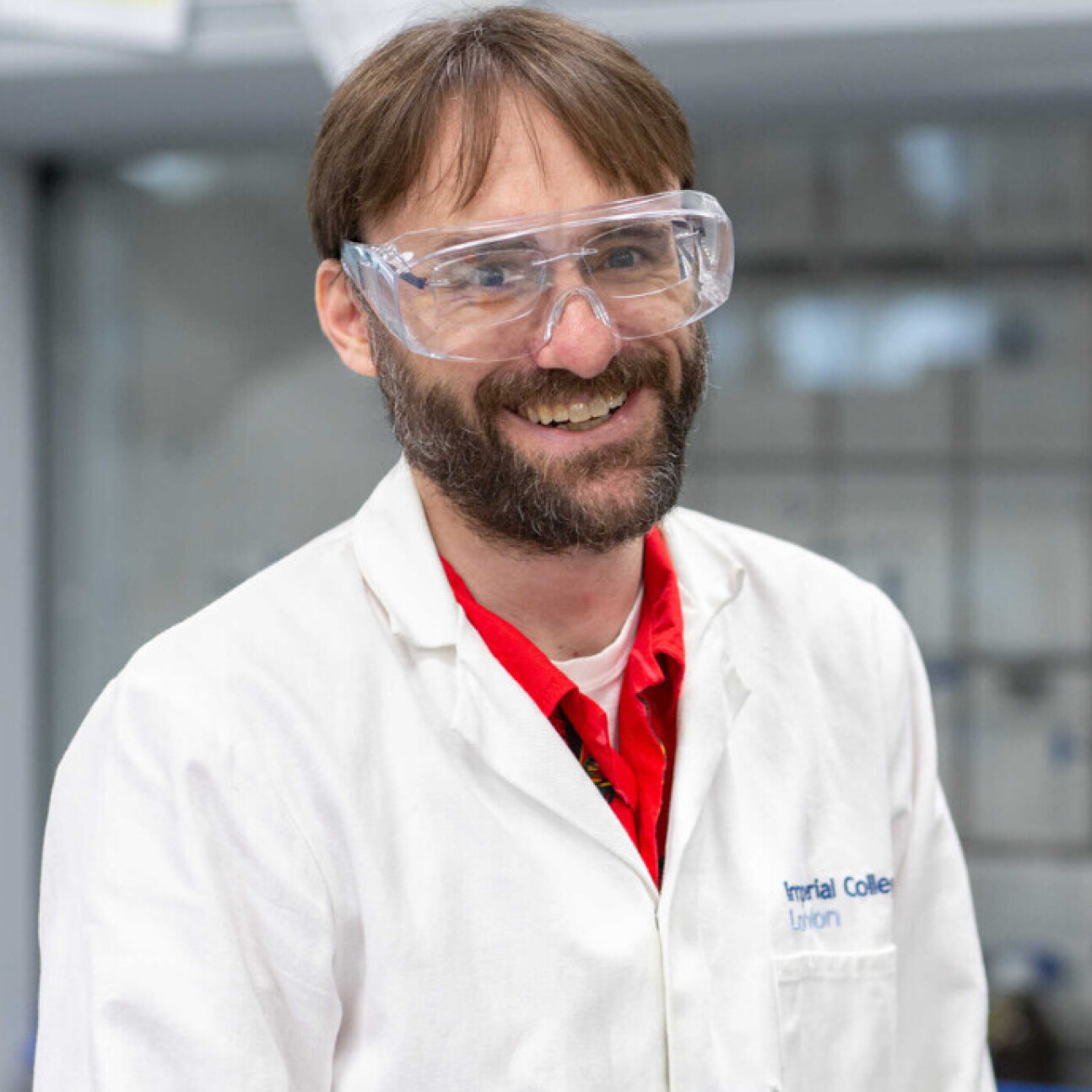 Professor Hallett’s work focuses on the development of novel solvent-based processes that are both economically competitive and environmentally responsible. His research spans biorefining, recycling, and the circular bioeconomy, with applications ranging from the production of fuels and chemicals from biomass to the recycling of textiles by removing dyes.
A dedicated advocate for translating academic research into real-world impact, he has co-founded seven spin-out companies to bring his innovations to market. The first of these, Lixea, is set to open a 25,000 tonne-per-year sustainable wood pulping plant in 2027, based on technology developed in his group.
Reflecting on the award, Professor Hallett said:
I could not be more thrilled to be awarded the Mullard Medal. The history and prestige of the Royal Society is unparalleled. I am humbled to be recognised with this medal. Jason Hallett Professor of Sustainable Chemical Technology
"I could not be more thrilled to be awarded the Mullard Medal. The history and prestige of the Royal Society is unparalleled. I am humbled to be recognised with this medal.”
Professor Hallett joined Imperial in 2006 as a Marshall–Sherfield Postdoctoral Fellow in the Department of Chemistry, before becoming a Research Lecturer. He was appointed Senior Lecturer in the Department of Chemical Engineering in 2014 and promoted to Reader in 2016 and Professor in 2018. He now holds a Royal Academy of Engineering Chair in Emerging Technologies and serves as co-Director of the UKRI Supergen Bioenergy Hub.
His research has attracted international attention, with features in Scientific American, Chemistry World, Chemical & Engineering News, the Washington Post and Science.
Looking ahead, Professor Hallett believes that biorefining and recycling are set to play a pivotal role in shaping a sustainable future.
These aspects make biomass and waste more attractive feedstocks than ever, and they should play a central role in displacing fossil carbon. Jason Hallett Professor of Sustainable Chemical Technology
"It’s an exciting time for biorefining and recycling because of how well these areas match up with advances in renewable energy, biotechnology and hydrogen. These aspects make biomass and waste more attractive feedstocks than ever, and they should play a central role in displacing fossil carbon.” he said.
He also highlighted the role of his students and researchers in his achievements:
“The highlights for me have absolutely been the students I have worked with over the years. Most of our innovations and all of the drive toward commercial translation has come about because of their brilliance and hard work.”
The Mullard Award is presented by the Royal Society to recognise individuals whose work contributes to national prosperity through science, engineering and technology.
Article text (excluding photos or graphics) © Imperial College London.
Photos and graphics subject to third party copyright used with permission or © Imperial College London.
Reporter
Skyla Morrison
Department of Chemical Engineering

Navta Hussain
Department of Chemical Engineering