MDR researchers celebrated in 2025 academic and teaching promotions

The Department of Metabolism, Digestion & Reproduction is proud to have ten staff recognised in the latest round of academic and teaching promotions.
Congratulations to Burak Temelkuran, Beth Holder, Tamas Korcsmaros, Lala Leelarathna, Victoria Male and Shivani Misra who have all been promoted to Associate Professor. Congratulations to Tamir Rashid, Alejandra Tomas and Channa Jayasena who have all been promoted to Professor. And finally, congratulations to Bahar Sahin on being promoted to Senior Teaching Fellow.
Speaking about the promotions, the Acting Head of the Department of Metabolism, Digestion and Reproduction, Professor Phil Bennett, said: "Congratulations to each of our newly promoted colleagues. Your commitment and effort are truly admirable, and this recognition is well earned by each of you. I am particularly pleased to see our Department grow with an increasing representation of senior female academics and teaching staff."
We spoke with some of our newly promoted colleagues to find out about their background, research and how they feel about their promotion.
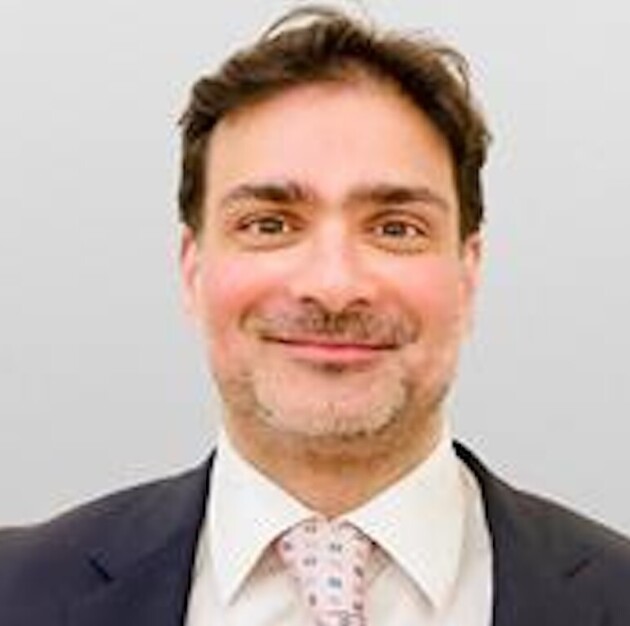
Tamir Rashid, Professor of Regenerative Medicine and Hepatology
 What is your academic background?
I hold a medical degree from St Mary's Hospital Medical School (Imperial), a PhD from the University of Cambridge, and I completed my fellowship and postdoctoral studies at Stanford.
What research are you currently working on?
My lab uses human stem cell and organoid systems to model and treat liver diseases. Recently, we have adapted AI and natural language models to help bridge our in vitro work with patient data.
How do you feel about your promotion?
I feel very humbled and privileged to be working at one of the best—if not the best—institutions in the world for translating cutting-edge technological advances into improvements in patient healthcare.
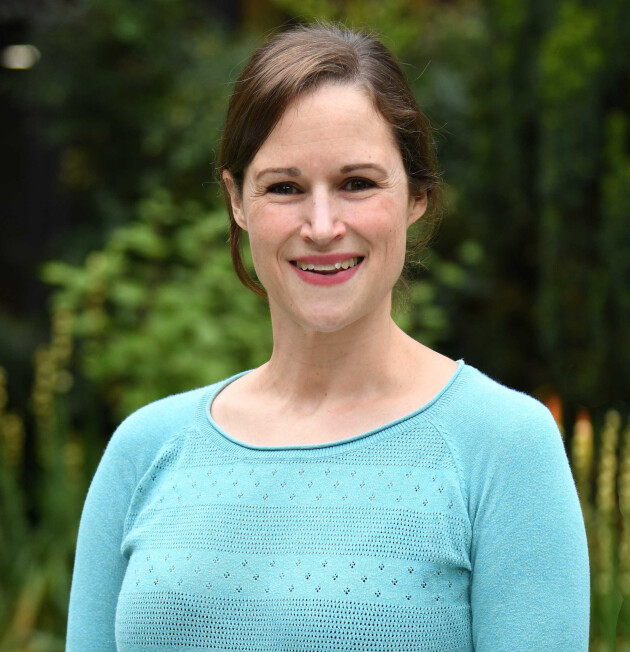
Victoria Male, Associate Professor in Reproductive Immunology
 What is your academic background?
I trained as an immunologist, but after six years in the Department of Metabolism, Digestion and Reproduction, I should probably start thinking of myself as a reproductive biologist! During my PhD, I worked on how NK cells in the human uterus develop. As a post-doc, and later a Sir Henry Dale Fellow, I went on to look at how NK cells develop in mouse bone marrow, and in human and mouse liver. In 2019, my appointment as a Lecturer in the newly-formed Department of Metabolism, Digestion and Reproduction brought me full circle, looking again at how uterine NK cells help the placenta implant during pregnancy.
What research are you currently working on?
I’m still interested in uterine NK cells and a President’s PhD student in my lab is currently researching how they might protect the fetus from infection. We are also looking at how macrophages in the uterus are involved in the initiation of labour. The pandemic also took me in some unexpected directions, which my team is following up. We found that vaccination and infection can increase the length of the menstrual cycle, we think by delaying ovulation. We are working out how that happens, as well as asking the converse question: how does the menstrual cycle affect immune responses? And why are the reproductive and immune systems so closely linked?
How do you feel about your promotion?
Delighted! I joined Imperial in 2019 and the pandemic made my first three years here very challenging. Now, I feel like my group is finally finding its feet. I’m excited to keep exploring how the immune and reproductive systems interact, and to support the next generation of scientists asking bold, interdisciplinary questions.
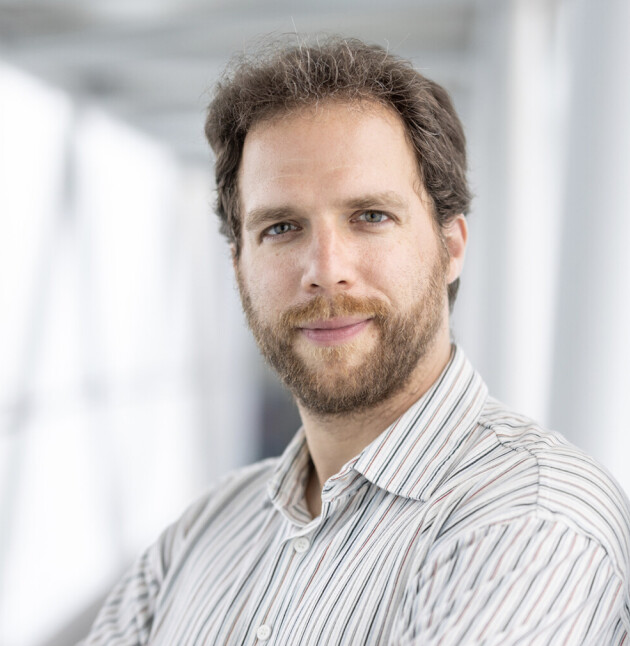
Tamas Korcsmaros, Associate Professor in Intestinal Epithelial Systems
 What is your academic background?
I graduated as a Molecular Biologist, and have been a systems biologist for over 15 years. First I studied signalling pathways and redox processes in the liver, then signalling processes and autophagy in colorectal cancer. This lead me to study inflammatory bowel disease with computational (multiomics) and experimental (organoid) approaches.
What research are you currently working on?
This is a very exciting period for us right now. We focus on the effect of the microbiome in inflammatory bowel disease (IBD). We would like to understand which microbe has positive or negative effect on which patient and on which cell type. We hope that this resolution will help to resolve the heterogeneity of IBD that limited many of the studies in the past. We have established community standard computational resources that thousands of people are using every month to study host-microbiome interactions. This autumn, we are opening the new Centre for Intestinal System, a multi laboratory infrastructure-part of the Imperial Organoid Facility-which will provide globally unique experimental resources, including 8 complementary gut-on-chip and microbiome modelling platforms to generate in vitro data and validate our computational predictions.
How do you feel about your promotion?
I am very proud of my group, together we achieved an amazing success since my move to Imperial nearly four years ago. This promotion is a great acknowledgement of these achievements. While the process was very long, throughout it was transparent, and I have received so many supports from my line manager and colleagues to present our results in the clearest way.
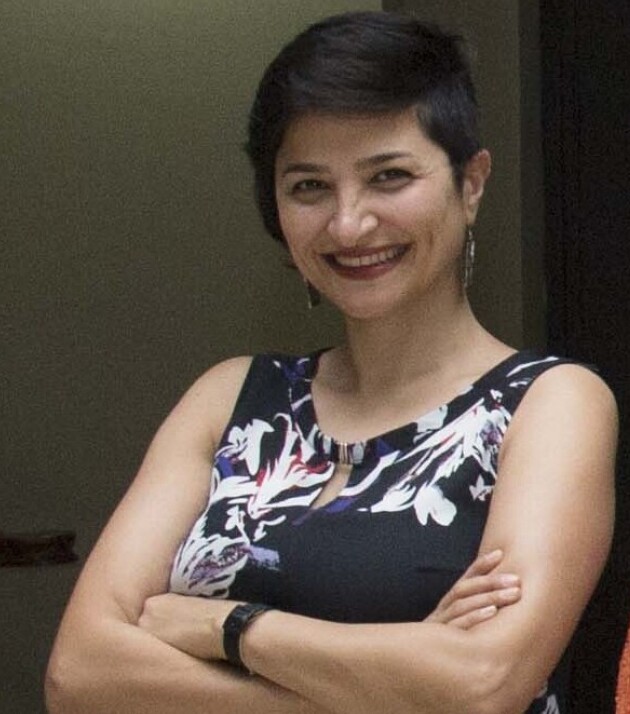
Bahar Sahin, Senior Teaching Fellow
 What is your academic and teaching background?
I have always been into molecular biology and genetics, since my undergrad degree. After a postdoc period, I served as an Asst Prof in Istanbul for 8 years, where I combined research and teaching of a wide range of students. What really improved my teaching skills was to prepare different teaching and assessment materials of the same topic, for undergraduate, MSc, and PhD students, suitable for their level, and trying to attract their attention at the same time. I joined Imperial College 4 years ago as a Teaching Fellow, focusing on the MSc level, and was recently promoted to Senior Teaching Fellow.
What do you enjoy most about teaching?
Every student has a unique journey. Guiding the students towards their next step, witnessing their improvement gradually, gives a certain satisfaction that could not be replaced with anything else.
What I really love in teaching is meeting the curiosity and creative energy of the youth. As our tools and power of computation increase rapidly, we need creative questions more and more that understands the working principles of science at the same time.
How do you feel about your promotion?
I'm very happy with the promotion. I find it highly motivating, and it gave me energy to integrate research in my teaching again.
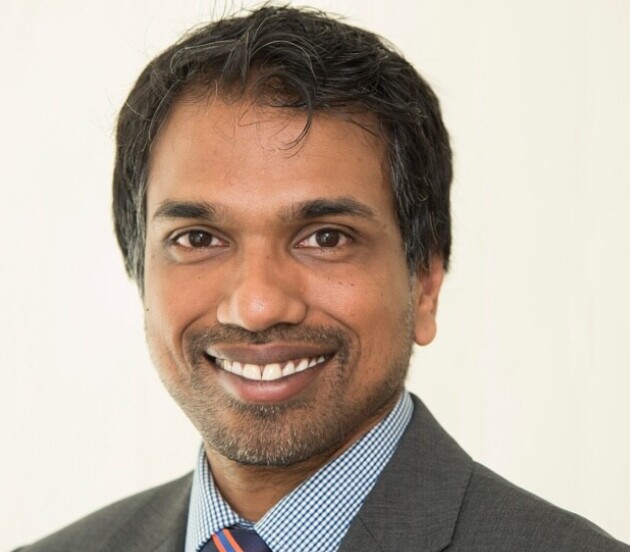
Channa Jayasena, Professor in Reproductive Endocrinology and Andrology
 What is your academic background?
As a registrar in endocrinology, I was fortunate to work in the labs of Prof Sir Steve Bloom and Prof. Waljit Dhillo as a Wellcome Trust Clinical Training Fellow, then NIHR Clinical Lecturer. This allowed me to contribute to an emerging field of kisspeptin research as a master regulator or reproduction. After being appointed as a Clinical Senior Lecturer, I worked with Prof. Steve Franks and other clinical mentors to learn how to manage patients with the most complex reproductive hormone disorders whom others found it difficult to treat.
What research are you currently working on?
My group bridges the interface between clinical practice and research; we focus on developing better treatments for people with reproductive disorders, and directly shaping the way patients are treated around the world. Current areas include: testosterone deficiency and ageing; suppression of gonadal function by obesity and anabolic steroids; developing novel diagnostics for male infertility.
How do you feel about your promotion?
I am very proud, but it really reflects the wonderful students, fellows, and colleagues I have been fortunate to work with.
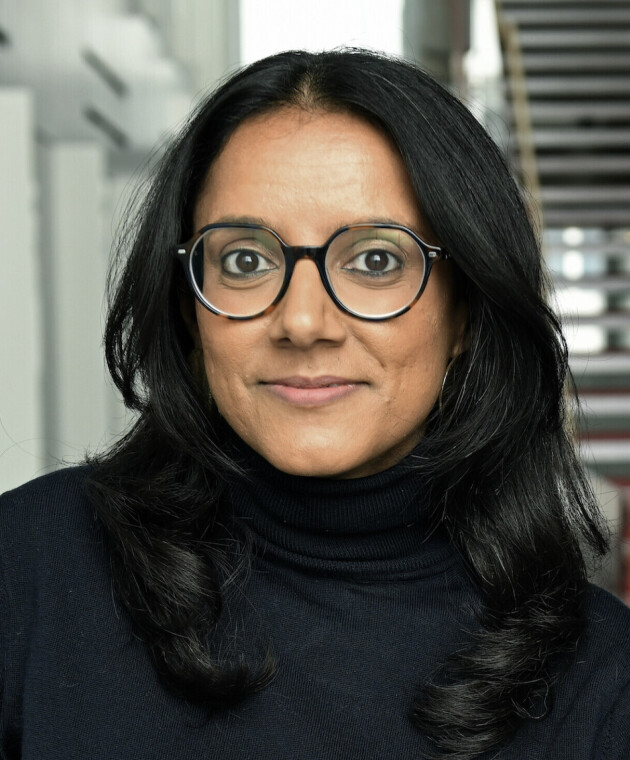
Shivani Misra, Associate Professor in Diabetes
 What is your academic background?
I first joined Imperial as an Academic Clinical Fellow, stayed to complete a PhD, and later secured a Wellcome Trust Intermediate Fellowship. I have remained because the place combines a lively, collaborative research culture with access to a uniquely diverse patient population and world-class science.
What research are you currently working on?
The core focus of my work is on early-onset type 2 diabetes (a diagnosis in youth and adults <40 years), which is characterised by 10-20 years of reduced life expectancy. Looking to the future, I want to spend my time equally on people and science. On the people side, that means structured mentoring, practical training, and active sponsorship so early-career clinicians have the skills and visibility to lead. On the science side, it means advancing precision medicine by combining rich phenotypes with diverse data to match prevention and treatment to the individual, and testing these approaches in routine care.
How do you feel about your promotion?
This promotion means a great deal to me. It recognises the work my team and I have put into precision diabetes care and gives us more room to make a difference. I want our research to reflect the people we serve and to turn good science into earlier diagnosis and better treatments.
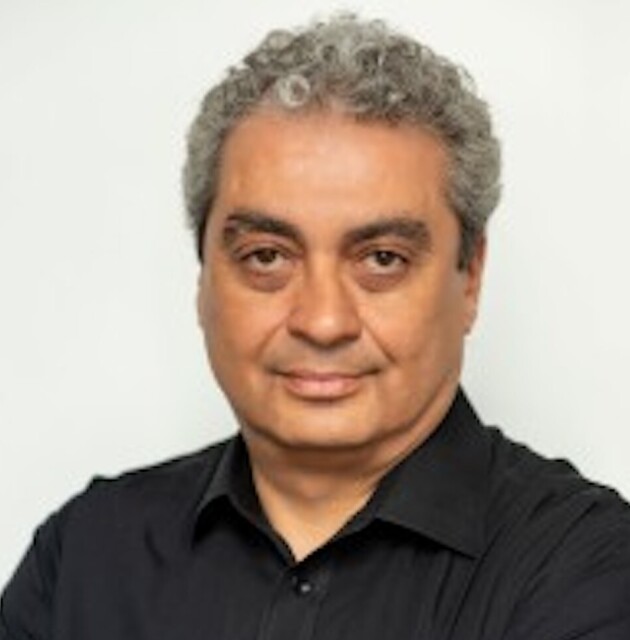
Burak Temelkuran, Associate Professor in Biomedical Photonics
 What is your academic background?
My academic background is in physics, with a focus on photonics. Over time, I expanded my expertise to include materials science at MIT (focusing on fibre fabrication) and robotics at ICL.
What interesting research are you currently working on?
We are adapting fibre fabrication technology to make multilateral, multifunctional fibres for surgical and other medical applications. The technology enables the integration of multiple functions (therapeutic, diagnostic, and robotic) within a miniature fibre, and facilitates large-scale fabrication, supporting our translational research aimed at advancing cancer surgery and cardiovascular interventions.
How do you feel about your promotion?
I am excited and honoured. This milestone would not have been possible without the unconditional support of my MIT supervisor and his fibre team (who are now professors themselves), and also my wife during my return to academia after 15 years; the invaluable guidance of my mentors at ICL; the support of my new colleagues; the assistance of our dedicated administrative staff; and the commitment of my team, of whom I am so proud.
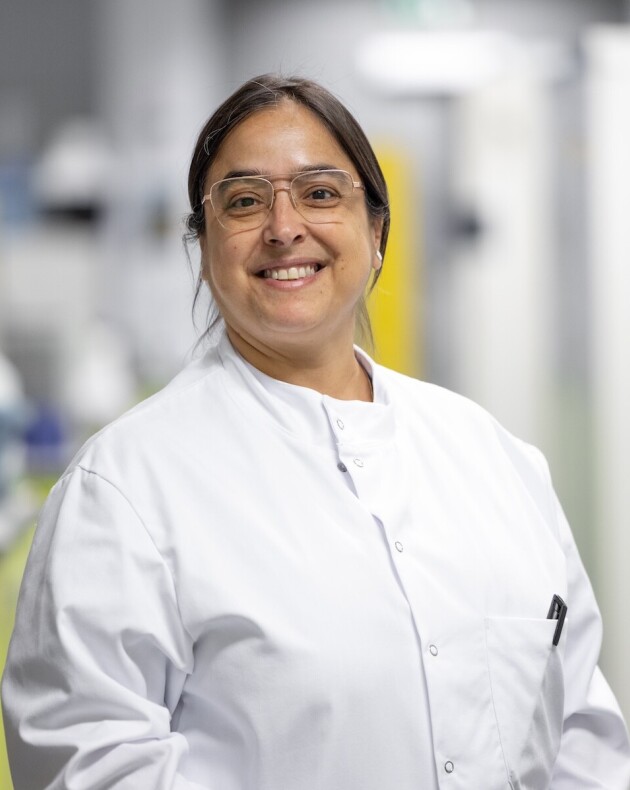
Alejandra Tomas, Professor of Cell Biology
 What is your academic background?
I studied Biochemistry in Valencia, Spain, and then specialised in Molecular Cell Biology, first with a master's degree in Paris and then in the UK, at UCL, where I did my PhD on mechanisms of calcium-dependent membrane remodelling in mammalian cells. Ever since then, I have worked on membrane trafficking one way or another, using high resolution microscopy combined with cell biology and biochemistry approaches. After my PhD, I worked as a postdoc in Geneva, Switzerland, where I first encountered the world of pancreatic beta cells and regulated insulin secretion. During those years I was interested in regulated exocytosis and coordinated endocytosis mechanisms. This brought me to focus on the molecular mechanisms governing the endocytic trafficking of membrane receptors and for a few years I worked in cancer research, investigating EGF receptor trafficking and subcellular signalling. During that time I came back to the UK, to the same Department at UCL where I did my PhD, where I also got trained in electron microscopy methods. It was during this time that I started to put together ideas for my own lab - and decided that the best option would be for me to study the trafficking mechanisms and subcellular signal organisation of receptors relevant to beta cell function - the GLP-1 receptor quickly sprung to mind and this became the subject of my MRC NIRG. I then contacted Guy Rutter, who I had briefly met in Geneva, where he was a visiting researcher before my arrival, and asked if he would sponsor me on this grant application - he luckily said yes, and I (also luckily) managed to get the funding and moved to Imperial to set up my lab in 2015.
What interesting research are you currently working on?
We are working intensely on defining the signalling architecture and regulatory mechanisms that control incretin receptor function at the molecular level in pancreatic beta cells, as well as expanding onto other cell types where receptors from this family have been found to act - including adipocytes and hepatocytes as well as the immune system and other pancreatic endocrine cell types. Beyond our molecular cell biology perspective, we have been very fortunate to collaborate over the years with many talented researchers, both at Imperial and beyond, including pharmacologists, structural biologists, chemical biologists, geneticists, bioinformaticians and bioengineers, who have significantly enriched our understanding of the biology of these receptors, giving us access to many other tools to analyse their function. I have enjoyed enormously working on projects to advance our current knowledge on how these receptors work, while at the same time witnessing how they became central players in the treatment of metabolic disease, with millions of people around the world now benefiting from therapies targeting these remarkable family of receptors.
How do you feel about your promotion?
My promotion to Professor at Imperial is truly a dream come true. Being the first one from my immediate family to have gone to University at all, I am very proud to have achieved this, specially while navigating the system of what used to be a foreign country which has now very much become my home. I am really indebted to the many people who along the way have helped and encouraged me to get to this point despite the odds. What I hope to do in my position is to continue with my passion to study the intricate mechanisms that define cellular function, hoping that this will not only lead to exciting new discoveries but also, in time, help those suffering from disease. Above all, I hope to inspire others to join this endeavour and to believe that with perseverance, hard work, and a little luck, their goals too can be achieved.
Article text (excluding photos or graphics) © Imperial College London.
Photos and graphics subject to third party copyright used with permission or © Imperial College London.
Reporter
Benjie Coleman
Department of Surgery & Cancer
