New Wellcome award to harness evolution for mosquito control
by Emily Govan
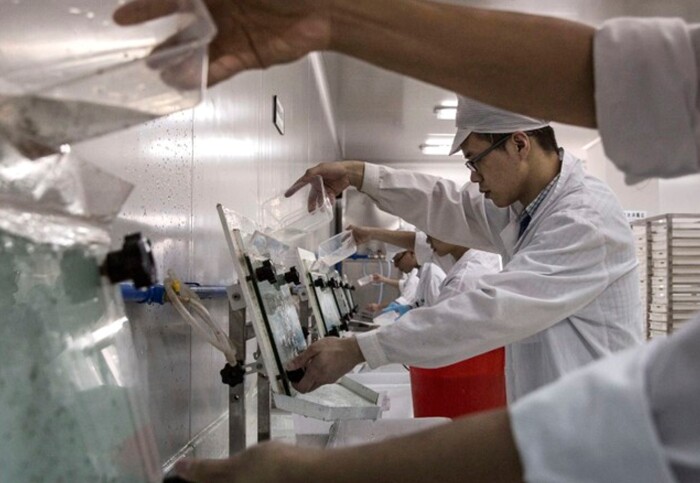
Credit: Kevin Freyer / Getty
An international team led by Imperial has been awarded a £1.47 million Wellcome Discovery Award.
The award will fund a project that will explore how evolutionary forces can be used to make mosquito control strategies more effective.
The project, titled Leveraging evolutionary forces to improve SIT control for arboviruses, will run for 48 months and aims to improve the performance of sterile male mosquitoes used in programmes to suppress populations that transmit arboviruses such as dengue, Zika, and chikungunya.
The team is led by Dr Lauren Cator, Associate Professor in Vector and Transmission Ecology in Imperial’s Department of Life Sciences at Silwood Park, alongside Dr Maiga Hamidou (Institut de Recherche en Sciences de la Santé, Burkina Faso), Dr Alongkot Ponlawat (WRAIR-AFRIMS, Thailand), Dr Brian Hollis (University of South Carolina), and Dr Penny Hancock (Imperial School of Public Health).
Harnessing sexual selection
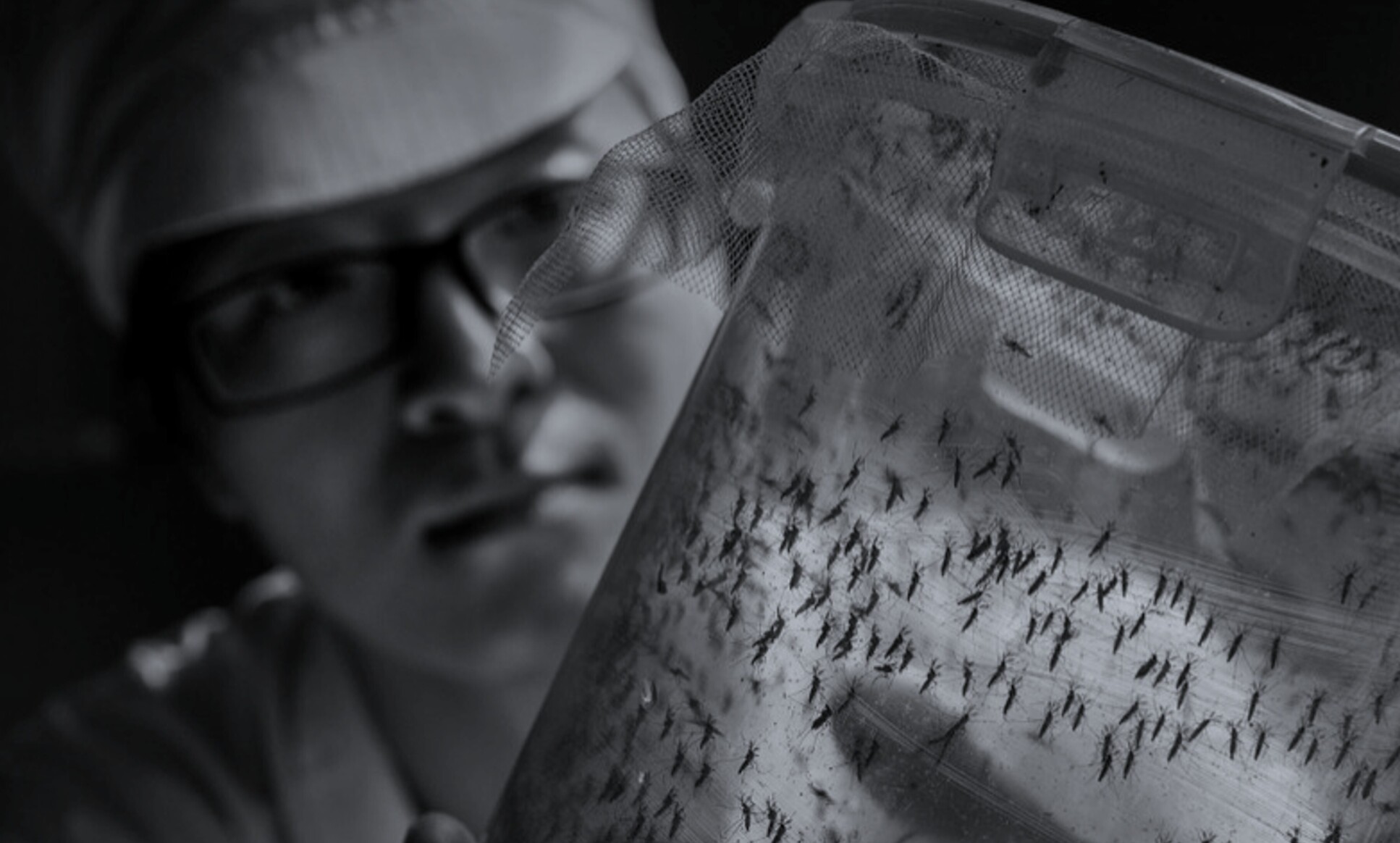
Many promising control strategies for arboviruses rely on the release of sterile male mosquitoes, which then mate with wild females to prevent the next generation of disease-transmitting insects. However, sterile males are often less competitive than their wild counterparts, meaning vast numbers need to be released to have an effect.
"I am unbelievably grateful to the Wellcome Trust for this opportunity to work with an amazing international team on this project which brings together experts in mosquito behaviour, evolutionary biology, mass rearing, and disease control. We cannot wait to begin." Dr Lauren Cator Associate Professor in Vector and Transmission Ecology
A key factor is the mass-rearing process used to produce sterile males at scale, which reduces their ability to compete for mates. In this new project, the researchers will explore whether harnessing sexual selection - the evolutionary force that shapes how males compete for females in swarms - can improve the quality and competitiveness of released males.
Dr Cator said: ‘I am unbelievably grateful to the Wellcome Trust for this opportunity to work with an amazing international team on this project which brings together experts in mosquito behaviour, evolutionary biology, mass rearing, and disease control. We cannot wait to begin.”
From the lab to the field
The research will take place in Burkina Faso and Thailand, where the team will evolve mosquito populations under different levels of sexual selection. Over two years, they will track genetic diversity, male reproductive traits, and colony productivity, then test the competitiveness of males in real-world field settings.
Dr Ponlawat said: ‘I’m delighted that our work has been recognized. It is exciting to see international collaboration being supported to turn innovative science into practical solutions for mosquito control in Thailand.”
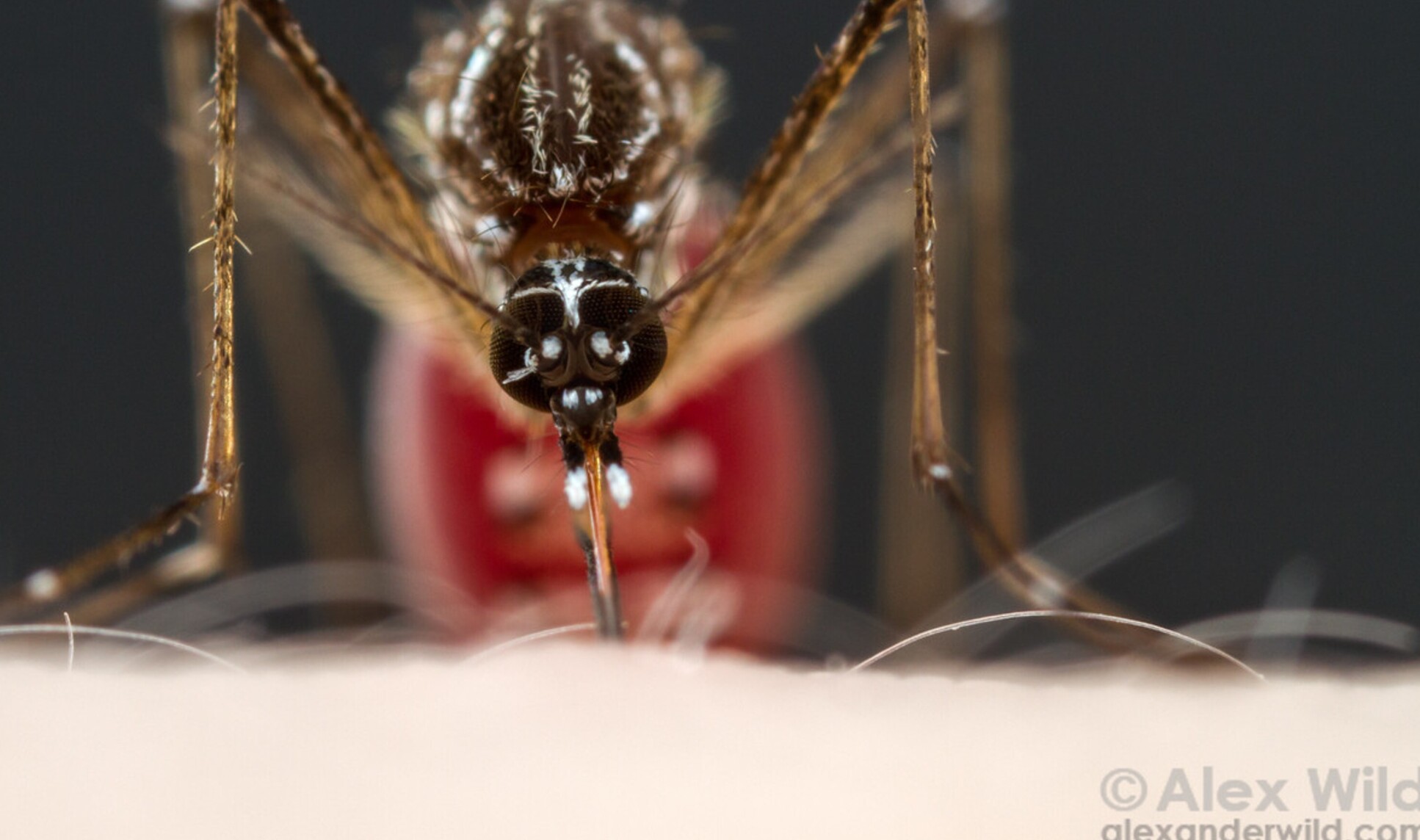
The project will incorporate genomic analysis, experimental evolution, and mathematical modelling to predict how efficient different mosquito rearing approaches will be in suppressing disease-spreading populations.
Dr Hancock said: ‘We aim to address a major barrier facing sterile insect technique technologies for suppressing populations of dengue-transmitting mosquitoes, by improving the competitiveness of released sterile male mosquitoes. In doing so, we will gain valuable scientific understanding about what drives competitiveness in these mosquitoes and how to achieve effective dengue suppression and control.’
Impact on disease control
The findings aim to have a global impact, informing how sterile male mosquito programmes are designed and scaled. By improving competitiveness and reducing costs, the project could accelerate the rollout of sustainable mosquito control interventions in regions affected by arboviruses.
This award will support the team to move from fundamental insight into application. Both Thailand and Burkina Faso are under threat from these mosquitoes and are developing sterile male programmes. The capacity and results of this project will feed directly into those important efforts.
About Wellcome Discovery Awards
Wellcome Discovery Awards provide long-term funding for established researchers and teams pursuing bold and creative ideas with the potential to deliver transformative shifts in science, health, and wellbeing.
Article text (excluding photos or graphics) © Imperial College London.
Photos and graphics subject to third party copyright used with permission or © Imperial College London.
Reporter
Emily Govan
Department of Life Sciences
