Life Sciences celebrates academic promotions
by Emily Govan
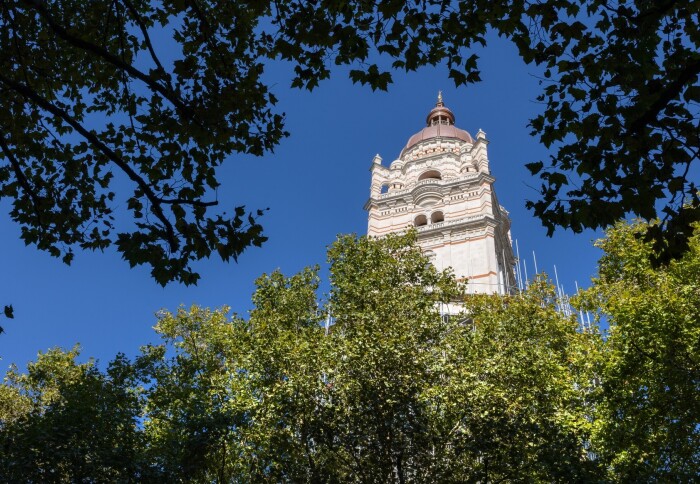
Four academic staff from the Department of Life Sciences have been promoted.
Professor Dan Davis, Head of Life Sciences, said: ‘Huge congratulations to everyone who was promoted - all well-deserved! Thanks too, to everyone involved in the process, including everyone who sits on our promotions panels, our line managers, mentors, people who reviewed cases, and everyone who helps organise and run things’.
Life Sciences Promotions
Associate Professor in Bioinformatics and Data Intensive Biology
Alessia David
Associate Professor in Evolution, Behaviour and Biodiversity
Julia Schroeder
Professor of Conservation Ecology
Cris Banks-Leite
Professor in Host-Pathogen Interactions
Tolga Bozkurt
Professor Tolga Bozkurt
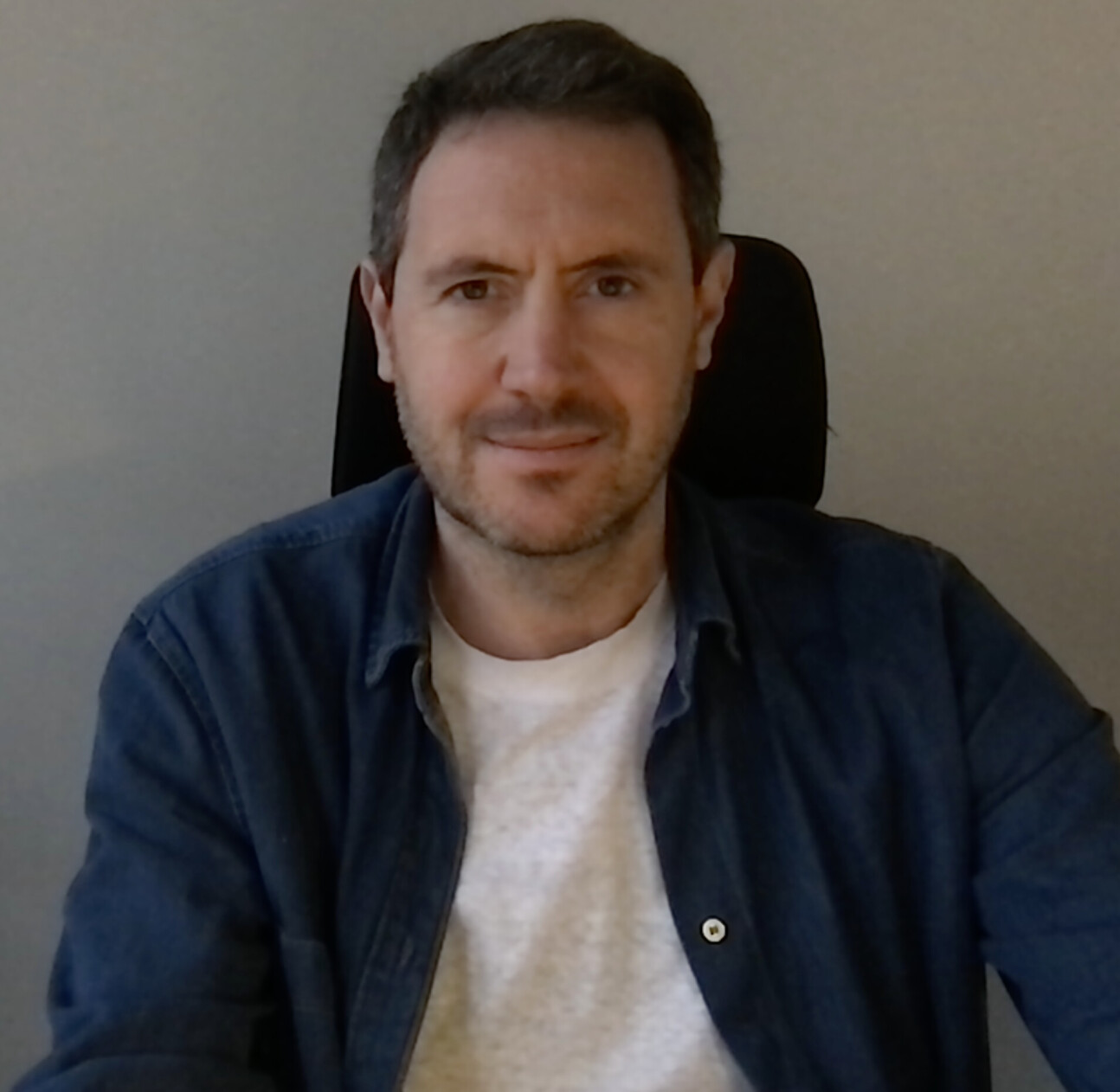 I lead the Host–Pathogen Interactions Lab, founded in 2014 to uncover how plants and microbes engage in a molecular arms race. Our research spans fundamental cell biology through to translational plant biotechnology, turning molecular insights into more resilient, sustainable crops. We blend fast-forward cell biology, biochemistry and genetics with AI-driven structure prediction (e.g. AlphaFold-Multimer) to decode the molecular events that determine whether infection succeeds or fails. In parallel, we develop AI-guided pipelines to discover, design and bioengineer new immune receptors with tailored specificities.
A central thread in our work is the tug-of-war between pathogen exploitation of host processes and plant countermeasures. We investigate defence-related autophagy (the cell’s selective recycling system), the activation and trafficking of immune receptors within infected plant cells, and the vesicle and organelle dynamics that assemble defences at the pathogen interface. Our work centres on the host–pathogen interface, mapping how plants mobilise defence, and how pathogens counter, at this critical frontline.
These discoveries also illuminate how different layers of immunity converse, including links between cell-surface receptors and intracellular immune receptors, revealing a coordinated “wiring” of plant immune networks. By determining where and how immune complexes assemble—and how pathogen effectors try to derail them—we identify leverage points for durable and sustainable disease resistance.
Beyond discovery, I co-founded Resurrect Bio to translate receptor engineering and immune-network principles into precision-bred resistance for staple crops. I also contribute to the Bezos Centre for Sustainable Protein, where plant science supports resilient, climate-friendly food systems. As Professor of Host–Pathogen Interactions, I’m excited to keep building this integrative programme with our brilliant students and collaborators.
Professor Cris Banks-Leite
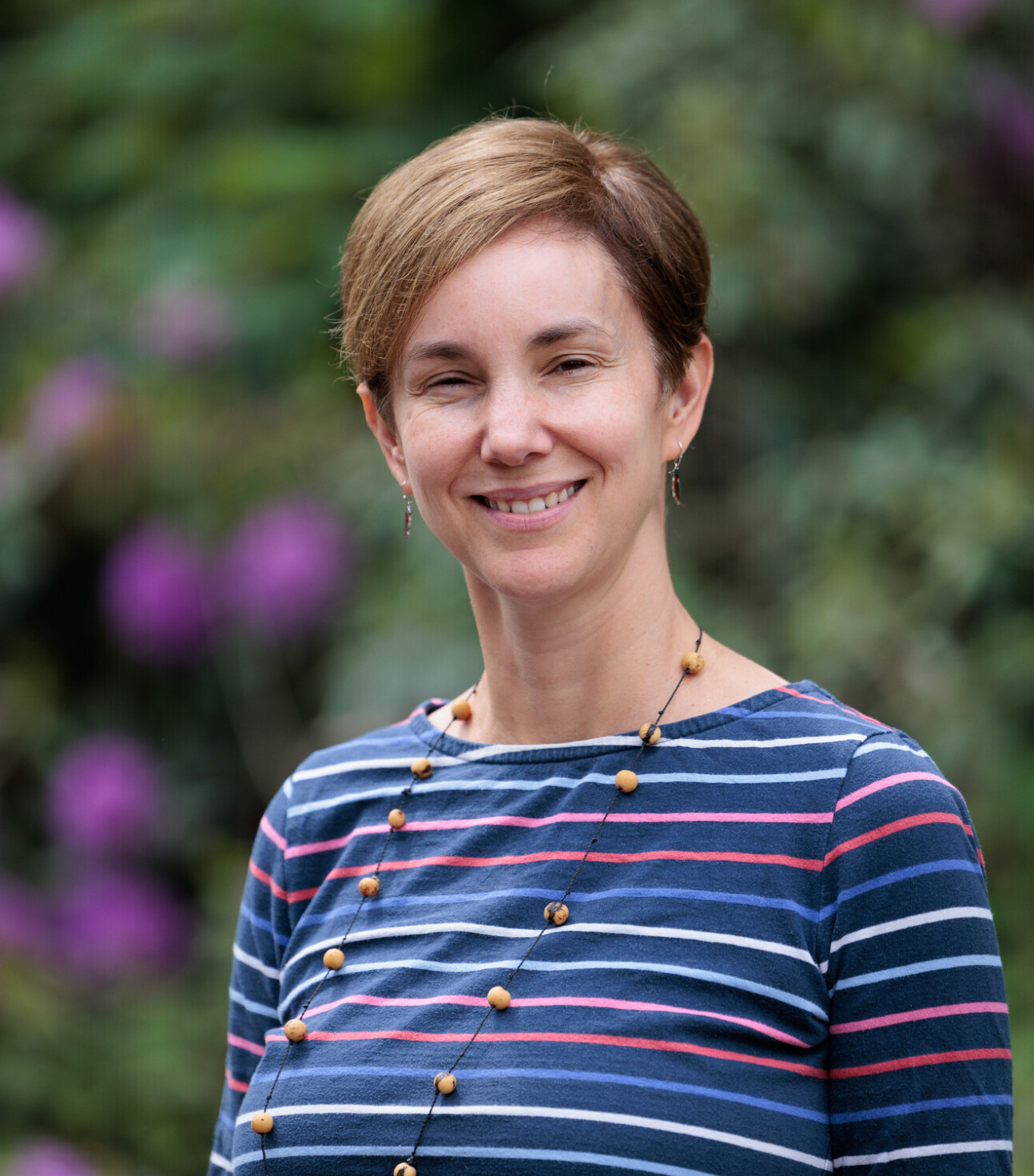
The world is changing at an impressive speed, and many of these changes bring exciting opportunities. At the same time, some changes pose serious challenges. My research focuses on biodiversity, and unfortunately, much of the news in this area is concerning.
Since joining Imperial as a Marie Curie fellow in 2010, and then as a lecturer/assistant professor in 2013, much of my research has been focused on biodiversity loss. Through collaborations with external partners and my students, we investigated the how, why, who, where and when habitat loss most impacts wildlife. For instance, we showed that we need a minimum of 30% forest cover to preserve the highly endangered Atlantic Forest biodiversity, results which were translated into three pieces of legislation in Brazil. We also showed how spider monkeys are impacted by roads and deforestation in Costa Rica, results which were also used to underpin local policy.
I am now focused on understanding biodiversity gain through restoration. This is a much more uplifting area of research but equally challenging. My current research is concentrated on the wider Amazon basin and it is particularly geared towards overcoming technological and methodological problems of sampling species over large spatial and temporal scales.
I generally do like change, and I have been heavily involved with changing practices and policies in the Department of Life Sciences and Imperial about equitable recruitment. Ever since being appointed as Athena SWAN lead for Life Sciences, I’ve been incredibly privileged to both instigate change and observe their impacts. Life Sciences is rapidly changing its gender ratio and is now far more balanced than it has ever been. As I said, not all changes are bad!
Article text (excluding photos or graphics) © Imperial College London.
Photos and graphics subject to third party copyright used with permission or © Imperial College London.
Reporter
Emily Govan
Department of Life Sciences
