Opening doors: building pathways to access in chemistry education
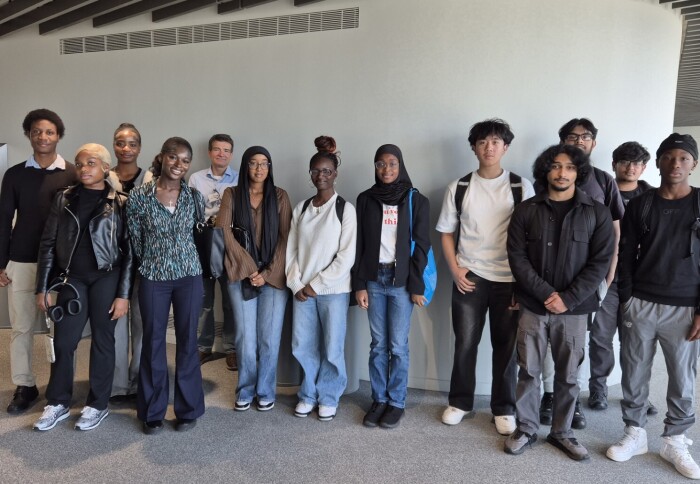
Chemistry is building inclusive pathways for students of Black heritage through programmes, curriculum reform and mentorship.
In honour of Black History Month 2025, we celebrate not only the achievements of Black scientists past and present but also the structural work being done to ensure that future generations can thrive. Within the Department of Chemistry, a series of pioneering initiatives are creating pathways to access for students of Black heritage, from inclusive summer placements to curriculum reform.
We spoke with Professor James Wilton-Ely, former EDI Co-Director, whose leadership has helped shape these programmes, about how targeted action can drive lasting change.
Q: What first inspired you to create these programmes within the Department of Chemistry?
James: Even before becoming one of the Department’s EDI Directors, I was aware of the low numbers of students of Black heritage in the institutions where I had worked. While serving as Director of the MRes in Green Chemistry, I established a bursary scheme for students with financial needs which later evolved into a series of MRes Studentships specifically for students of Black heritage.
However, it was the 2022 Missing Elements report from the Royal Society of Chemistry (RSC) that provided the data showing the very low proportion of undergraduate students of Black heritage across many Russell Group universities and even fewer at postgraduate level. It was clear that something had to be done.
 Q: What programmes did you introduce as a response to that need?
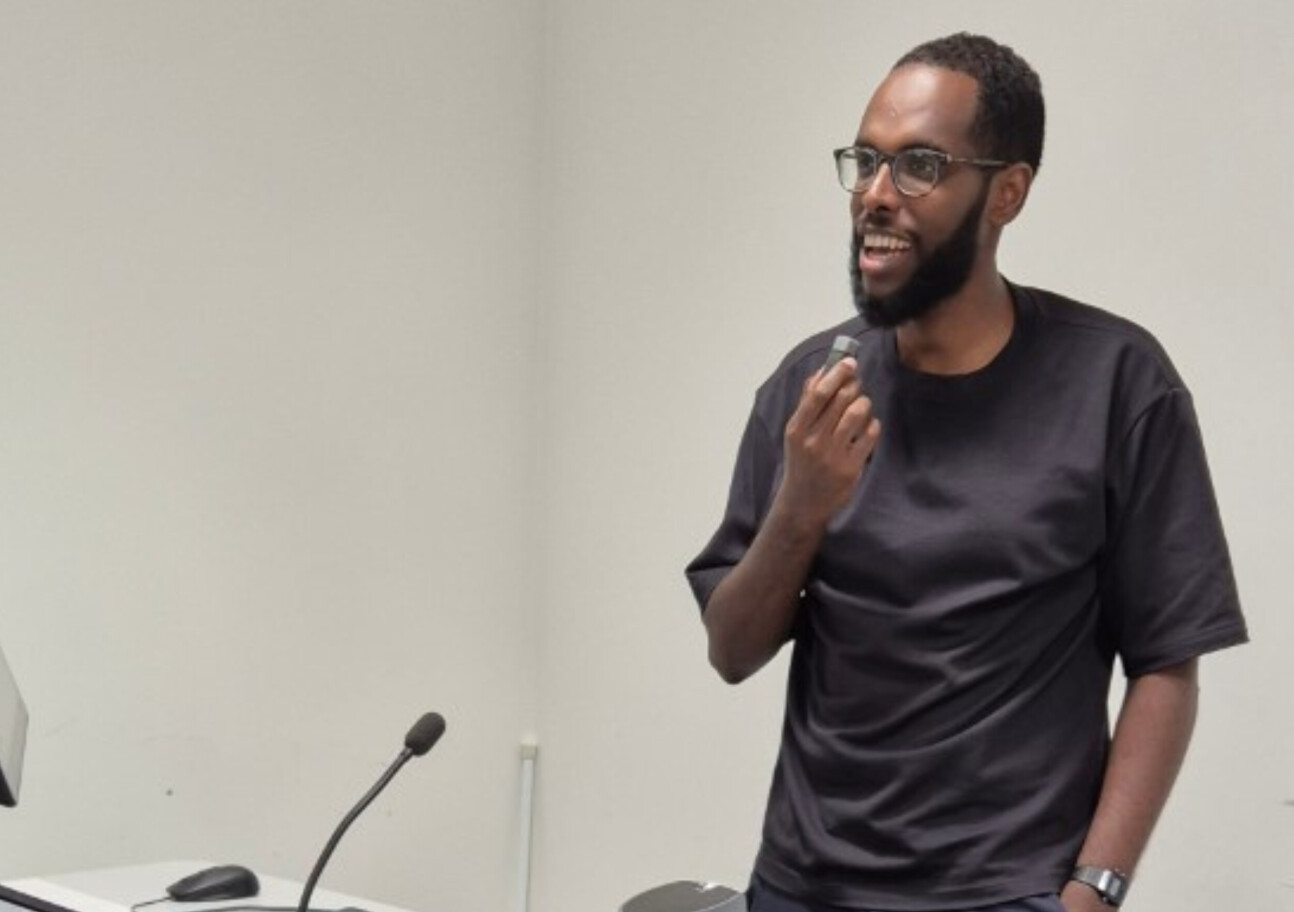
James: In 2022, a talented PhD student in my group, Faysal Farah, secured RSC funding that allowed us to host two Year 12 students of Black heritage in our research group. With departmental support, this evolved into our flagship Summer Research Placement Programme for Students of Black Heritage, which has since inspired similar initiatives across the College.
In parallel, I have served as Imperial’s lead for two RSC-funded Missing Elements projects (each supported by £100k grants).
The Kingston-Imperial-Brighton collaboration focuses on developing inclusive teaching materials that integrate the UN Sustainable Development Goals and social justice themes into chemistry education.
The Imperial-QMUL-Greenwich team has produced more than 80 profiles of scientists from underrepresented groups, presented through posters and videos that can be embedded in chemistry courses at Imperial and beyond.
 Q: Can you tell us more about the Summer Research Placement Programme and how it supports pathways to access?
James: Each summer, we welcome eight Year 12 students of Black heritage from across London for a paid, research-focused placement. They are selected from a highly competitive pool of more than 60 applicants.
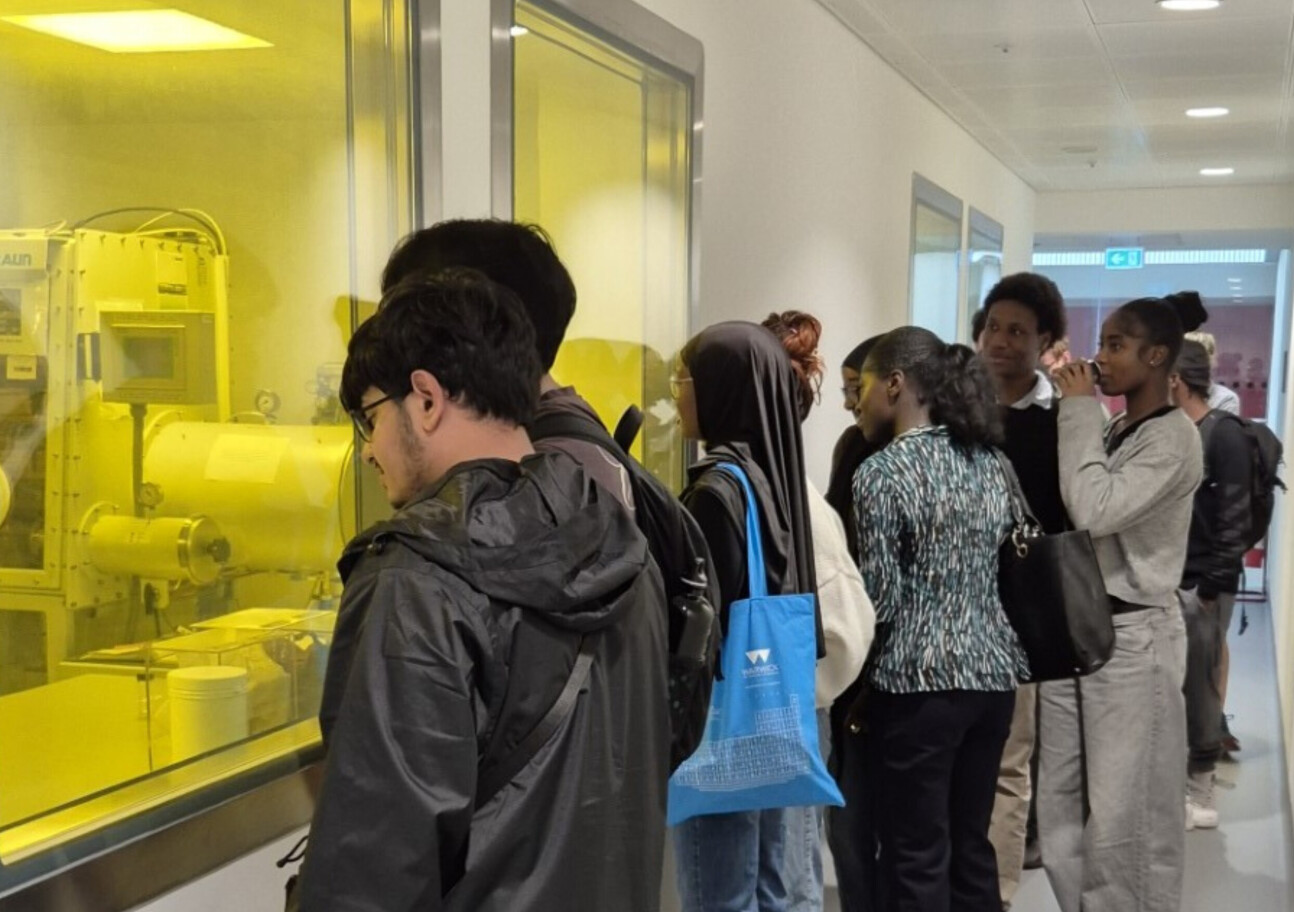
Under the mentorship of PhD students, participants engage in advanced scientific projects, applying classroom theory to real-world challenges and gaining hands-on experience with cutting-edge equipment. For example, they might have learned about nuclear magnetic resonance spectroscopy in school, but here they see how it is applied in genuine research settings.
To reduce barriers, we pay students the London Living Wage, recognising their contributions and ensuring they do not need to choose between this opportunity and a summer job. We also offer flexible scheduling, allowing them to attend one or two days a week, making participation feasible for students from low-income households who need to work over the summer.
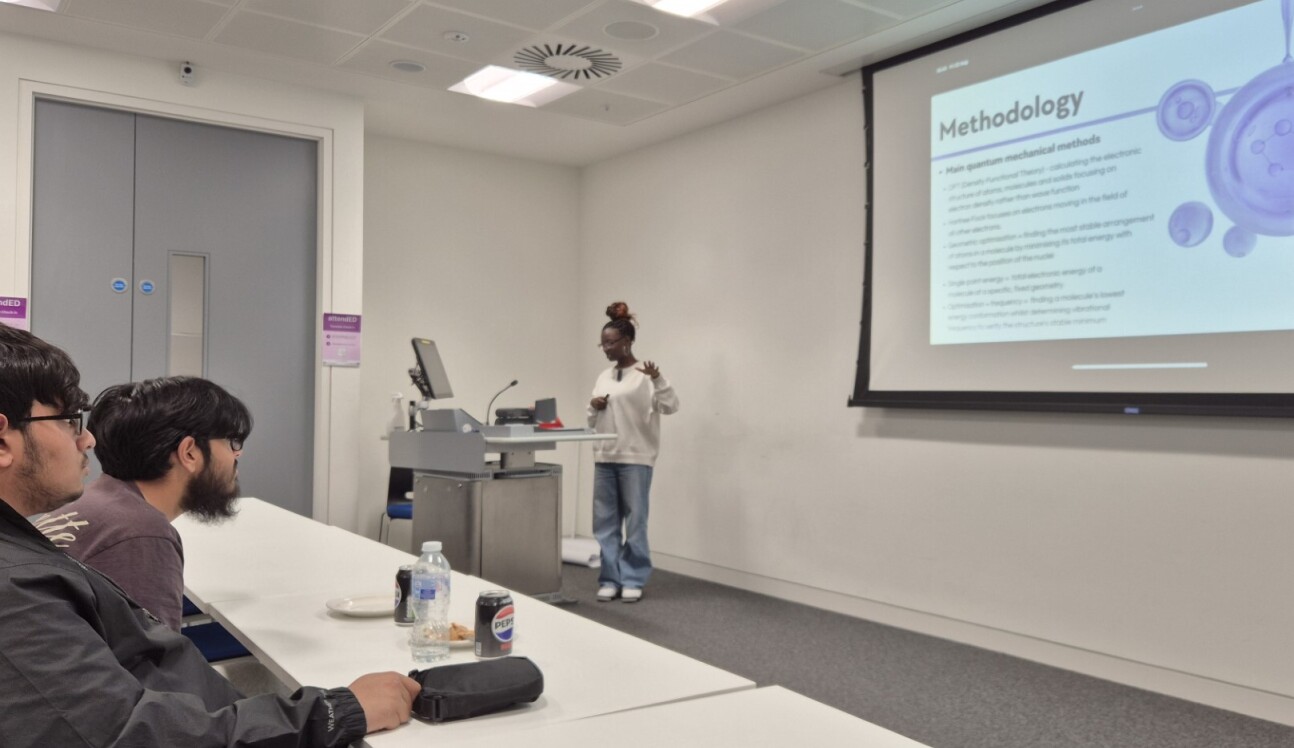
The placement culminates in an event, Science at University: Research and Career Opportunities, where students present their work alongside speakers of Black heritage from industry, academia and patent law. The event also includes a practical UCAS advice session led by our Admissions Tutor to help students navigate their next steps.
Q: What kind of impact have you seen on students, mentors or departmental culture?
James: We are really keen to capture the views of both the Year 12 students and the PhD mentors who guide them during their time with us, and we do this through an anonymous survey after the placement. One Year 12 student reflected on the experience: “Honestly, getting the chance to work alongside and speak with incredibly talented and knowledgeable people who are so clearly passionate about what they do was inspiring. I was able to carry out high-level work and use high-tech equipment—something I never imagined doing at this stage. I’ll forever be grateful for the wonderful experience.”
Another participant shared how the programme helped them see the broader impact of their work: “Feeling as though I was a part of something so much bigger than me and that the work I did over the summer will have a real impact on the lives of others.”
A third student highlighted how the scheme had been designed to give experience of research and to work around students’ summer jobs: “The best part was working on actual experiments alongside PhD researchers in a real lab environment. Also, I liked how flexible this was as we could discuss and choose dates based on our own availability.”
Throughout the summer, the students were mentored by a team of PhD volunteers, including Steffan James, who commented that “Despite not having much previous lab experience, the two Year 12 students I mentored quickly adapted to the lab environment and were really engaged. They asked good questions and showed a real interest in developing a career in science. I found it a really rewarding experience and it was great to have the time to build a relationship with the Year 12 students, which is often not possible when large groups of students come to the university.”
Q: Why is representation in teaching materials so important?
James: It is vital that students see that science is conducted by researchers from many different backgrounds. Yet, this diversity is rarely reflected in the images and examples used in teaching. If students never see people like themselves represented, they may struggle to imagine being part of the next generation of innovators.
In my lectures, I aim to pair historical figures with contemporary scientists, for instance, Glenn Seaborg alongside Polly Arnold in actinide chemistry, to demonstrate that excellence comes from all backgrounds.
Q: What kinds of resources have you and your collaborators developed, and how are they being used?
James: Together with undergraduate students and staff developers, we have produced over 80 profiles of scientists from underrepresented groups, presented through posters and short videos. These are being embedded into Imperial’s Chemistry curriculum so that students can easily explore the scientists’ stories.
Our project with QMUL and Greenwich also includes a virtual reality space where visitors can interact with researchers. Meanwhile, our collaboration with Kingston and Brighton has developed around 15 lesson plans and teaching materials that link chemistry topics with the UN Sustainable Development Goals and social justice themes, resources we hope will be adopted by universities across the UK and globally.
Q: Your work has inspired similar programmes across the College. What does that mean to you?
James: We have worked closely with Emma Mattin (FoNS Education and EDI Coordinator) and Ravinash Krishna Kumar (Medicine) to share the blueprint for our Summer Research Placement Programme. I am delighted that this will enable more Year 12 students to access similar opportunities in other disciplines.
If enough group leaders and PhD volunteers can be identified, the cost of running such schemes is modest, but the impact is immense. The feedback clearly shows that these experiences can transform students’ aspirations and increase the likelihood that they will apply to Imperial.
 Q: What do you hope the Department and the wider scientific community will carry forward from these foundations?
James: A key factor in the success of these initiatives has been the strong departmental support and culture fostered by Professor Oscar Ces (Head of Department) and Dr Erika Rosivatz (Director of Operations). Genuine progress in inclusion and diversity requires both financial backing and a willingness to innovate rather than treating EDI work as something to consider when time allows.
Imperial Chemistry has shown that embedding EDI into departmental culture leads to real change and a better environment for everyone. Alongside its commitment to gender equality, recognised by multiple Athena SWAN Gold Awards, the Department has become one of the UK’s leading centres for promoting diversity in the chemical sciences.
Although Professor Wilton-Ely has now stepped down from his role as EDI Co-Director to become Senior Tutor, he continues to support work on underrepresented groups in the Department. The programmes will now be led by Dr Ravi Singh and Dr David Ayuso, ensuring this vital work continues to grow.
These initiatives are helping to reshape the landscape of chemistry education, making it more representative, accessible and inspiring. They are a reminder that meaningful change begins with intentional action and that creating pathways to access is essential for building a more equitable future in science.
Article text (excluding photos or graphics) © Imperial College London.
Photos and graphics subject to third party copyright used with permission or © Imperial College London.
Reporter
Saida Mahamed
Department of Chemistry
