Students learn power of patient and public voices in surgical research

Imperial medical students learn firsthand how patient and public involvement is reshaping the future of surgical research.
Patient and Public Involvement and Engagement (PPIE) is a cornerstone of high-quality health and social care research. It ensures that research is carried out with patients and members of the public, rather than on them.
Meaningful patient involvement improves the relevance, quality, and impact of studies. It helps researchers focus on issues that matter most to patients and ensures research design and outcomes are grounded in real-world experience.
"I personally thought it was very moving, and as opposed to just reading pt stories, we could experience them through the voice of the patient. It definitely has motivated me to think about the importance of patient involvement in research, especially given they are the primary end goal." Adi, student
PPIE at Imperial's Department of Surgery and Cancer
In the Department of Surgery and Cancer, Kelly Gleason, Cancer Research UK (CRUK) Senior Research Nurse, has been a driving force in placing patients at the heart of research.
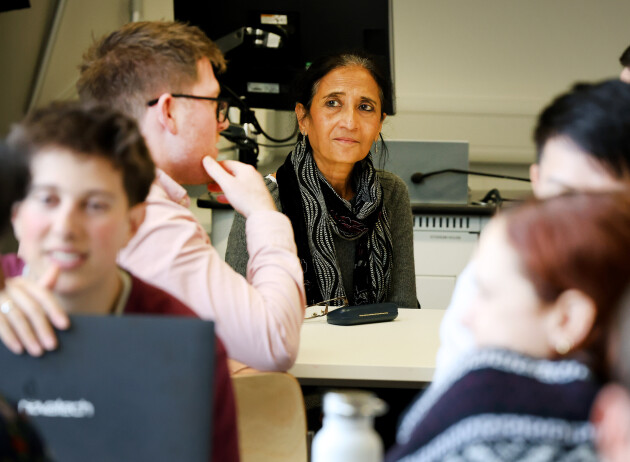 By organising PPIE sessions both researchers and patients can benefit. Kelly explains: "Patients often tell us that after taking part, they’re better able to understand their diagnosis and treatment. They get to ask questions and learn about the science behind their care. A cancer diagnosis is complicated - it takes time to understand your cancer and your treatment."
But the learning goes both ways. Kelly’s key advice to researchers considering patient-facing engagement is simple yet profound: listen.
"You really have to listen to patients. Some of what they share may not feel immediately relevant to your work but it will influence you. If not today, then later. Listening can spark new ideas and help you see research through the patient’s eyes."
"I learnt that through listening to patient experiences, it often shows you the gaps in what could've improved patient experiences but also the solutions to fixing that." Isra, student
Workshops: iBSc students learn from patients
Over recent years, Kelly has organised several PPIE workshops connecting Imperial research students with cancer patient advocates.
In these sessions, students share their lay summaries, plain-English explanations of their research, to ensure they are accessible and understandable. This exercise is invaluable, as members of funding panels may not have scientific backgrounds. If lay advocates can understand a summary, it’s likely others will too.
In October, one of these workshops entitled “PPIE in Surgery” took place at the Hammersmith Hospital Campus. Approximately 50 third- and fourth-year iBSc students had the opportunity to meet with 12 cancer patient advocates from the Imperial Patient and Public Involvement Group for Cancer and BRC Community Partners.
The aims of the session were the following:
- Introduce the importance of PPIE in research and how to involve PPIE in their own research.
- Discuss with patient cancer advocates their experience and build confidence in involving members of public in their research going forward.
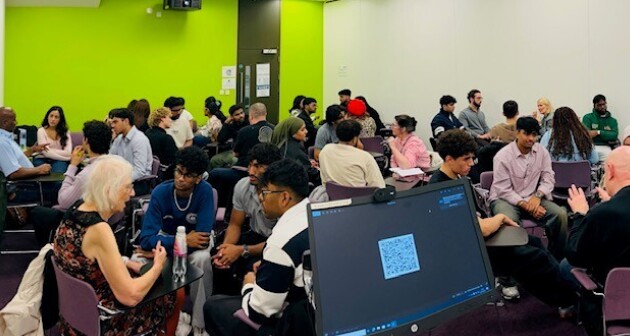 During the workshop, the students were given a presentation on PPIE and case studies on the impact it has had on research previously. After introductions, we shared our personal cancer journey openly and honestly. The students listened attentively, asked thoughtful questions and reflected on how our lived experiences might shape their future practice and research.
During the final discussion, both patients and students reflected on the session. The students described it as transformative: “Hearing directly from patients made me realise that what we’re taught is only part of the story. Many aspects of the patient experience can only be understood by listening to patients themselves.”
“It was very moving. Hearing stories first-hand motivated me to think more about patient involvement in research - especially since patients are the ultimate focus of everything we do.”
Patients, in turn, expressed how meaningful it felt to be heard, valued and connected to the university community.
“As a student interested in research, I found the session incredibly informative because it highlighted the idea that what we get told is often only part of the story. Hearing directly from patients made me realise that many important aspects of the patient experience can only truly be understood from the patient’s perspective.” Rachael, student
Reflections and next steps
These workshops demonstrate the transformative power of genuine collaboration between patients and researchers. When both groups share space, ideas, and stories, research becomes more human, more relevant and ultimately more impactful. The workshop helped students have PPIE at the forefront of the minds when developing and undertaking research going forward in their medical career.
Kelly Gleason’s work at Imperial exemplifies how excellence in research is achieved not for patients but with them.
This article was based on a blog by Almona Choudhury, member of Patient and Public Involvement Group.
Photos by Stephen Lawrence of AI4Health 2024 workshop.
References
- INVOLVE (NIHR), 2012. Briefing Notes for Researchers: Public Involvement in NHS, Public Health and Social Care Research. Updated 2021. NIHR
- National Institute for Health and Care Research (NIHR), 2021. Why Involve Patients and the Public in Research? NIHR
- Patient-Centered Outcomes Research Institute (PCORI), 2020. The Value of Engagement. PCORI
- World Health Organization (WHO), 2021. Engaging Communities for Health Research. WHO
Article text (excluding photos or graphics) © Imperial College London.
Photos and graphics subject to third party copyright used with permission or © Imperial College London.
Reporter
Benjie Coleman
Department of Surgery & Cancer