Professor Holman and the Lost Gold Mines
by Cleo Bowen
/prod01/channel_4/imperial-news/media/images/landscape-3000X2000/Gold-Carmerthenshire-(3).jpg)
Student project reveals the forgotten tale of an Imperial mining professor aiming to reopen Wales’ Roman gold mines.
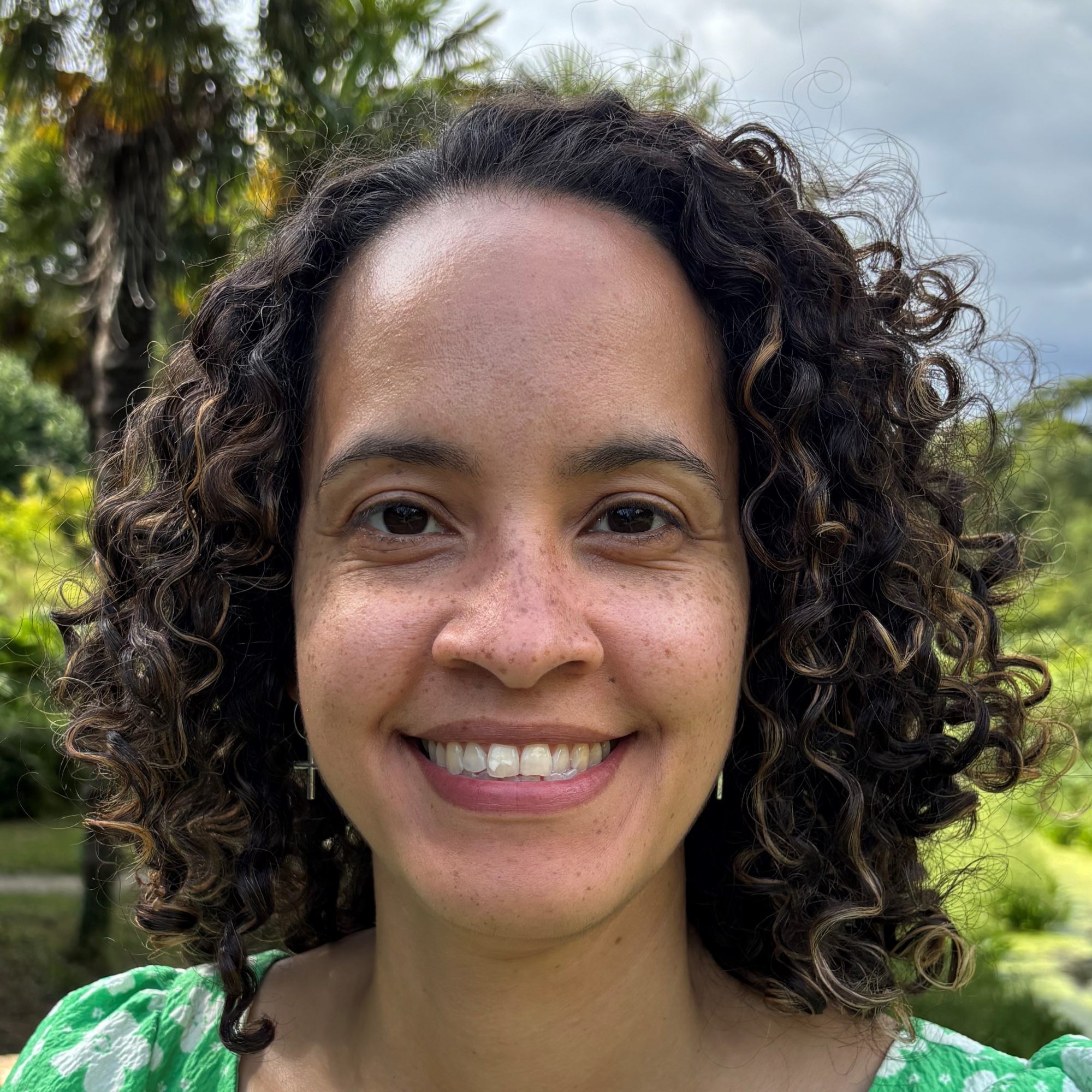
A remarkable piece of Imperial history has been brought to light through the work of Ivy Gao, a former I-Explore Humanities Project student and now a Research Postgraduate in the Department of Metabolism, Digestion and Reproduction. Ivy’s research explores the little‑known story of Bernard Whelpton Holman, a professor at the Royal School of Mines who, during the interwar years, attempted to revive Roman‑era gold mining in Wales.
Holman’s efforts centred on the Dolaucothi gold mines—Britain’s only known Roman gold‑mining site—and Ivy’s project uncovers the rich historical, industrial and personal narratives behind this unusual venture. To learn more about Ivy’s research journey, CLCC’s Cleo Bowen asked Ivy about the inspiration behind the project and what she uncovered along the way.
Exploring Welsh history through Imperial stories
Growing up in Wales, Ivy had long been fascinated by the country’s history, initially considering projects on coal mining, Welsh cultural traditions and historical rebellions. “Wales is famous for coal mining, but I realised I knew very little about Welsh gold mining,” Ivy explained. “This project allowed me to combine Welsh history with individual stories and innovation—an underexplored part of history worth investigating.”
A professor with wide-reaching influence
While delving into Holman’s career, Ivy discovered that his interests extended far beyond Welsh gold. She learned that he advised parliamentary science committees, served on the War Cabinet’s engineering advisory committee during the Second World War, and was connected—directly or indirectly—to projects ranging from waterway development to armoured ambulance design and overseas teaching. This painted a vivid picture of Holman as a versatile and imaginative figure whose expertise stretched well beyond mining.
Writing for a wider audience and shaping future perspectives
Ivy also reflected on how the Humanities Project differed from her scientific work. “There was more room for storytelling and interpretation, especially when dealing with incomplete historical sources. But in both science and humanities, clarity and accessibility are key—so thinking about a general audience felt familiar.”
Beyond uncovering a fascinating historical narrative, Ivy described how the project influenced her approach to study and work. Researching Holman taught her “the importance of persistence” in tracking down elusive archival material, while Holman's multidisciplinary career encouraged her to remain open to opportunities beyond a single field. This perspective played a role in her decision to pursue a bioengineering master’s project despite a background in biology. In many ways, Ivy's experience as a Humanities Project student exemplifies the goals of Imperial's I-Explore programme, designed to broaden perspectives, give new context to students' disciplinary knowledge and allow the sharing of expertise for the benefit of society.
Future Projects and Partnerships
Ivy’s project has now been formally deposited in the Imperial archives and her findings will be included as part of the Acland Centenary being celebrated in 2026. Members of the university can read Ivy's project in full (login required).
Imperial staff can conduct consultancy work, including through Imperial Consultants, where clients seek Imperial expertise for high‑value knowledge exchange. In many ways, Professor Holman was ahead of his time.
Article text (excluding photos or graphics) © Imperial College London.
Photos and graphics subject to third party copyright used with permission or © Imperial College London.
Article people, mentions and related links
Cleo Bowen
Administration/Non-faculty departments