Imperial engineers awarded multi-million EPSRC fellowships
/prod01/channel_4/imperial-news/media/images/landscape-3000X2000/250926_south_ken_main_entrance_new_brand_doors_004.jpg)
Imperial engineers have been awarded £2 million each in fellowships from the EPSRC to expand their research into how AI can be used in materials research, quantum materials science, and rechargeable batteries.
Transforming materials science with AI-enhanced workflows
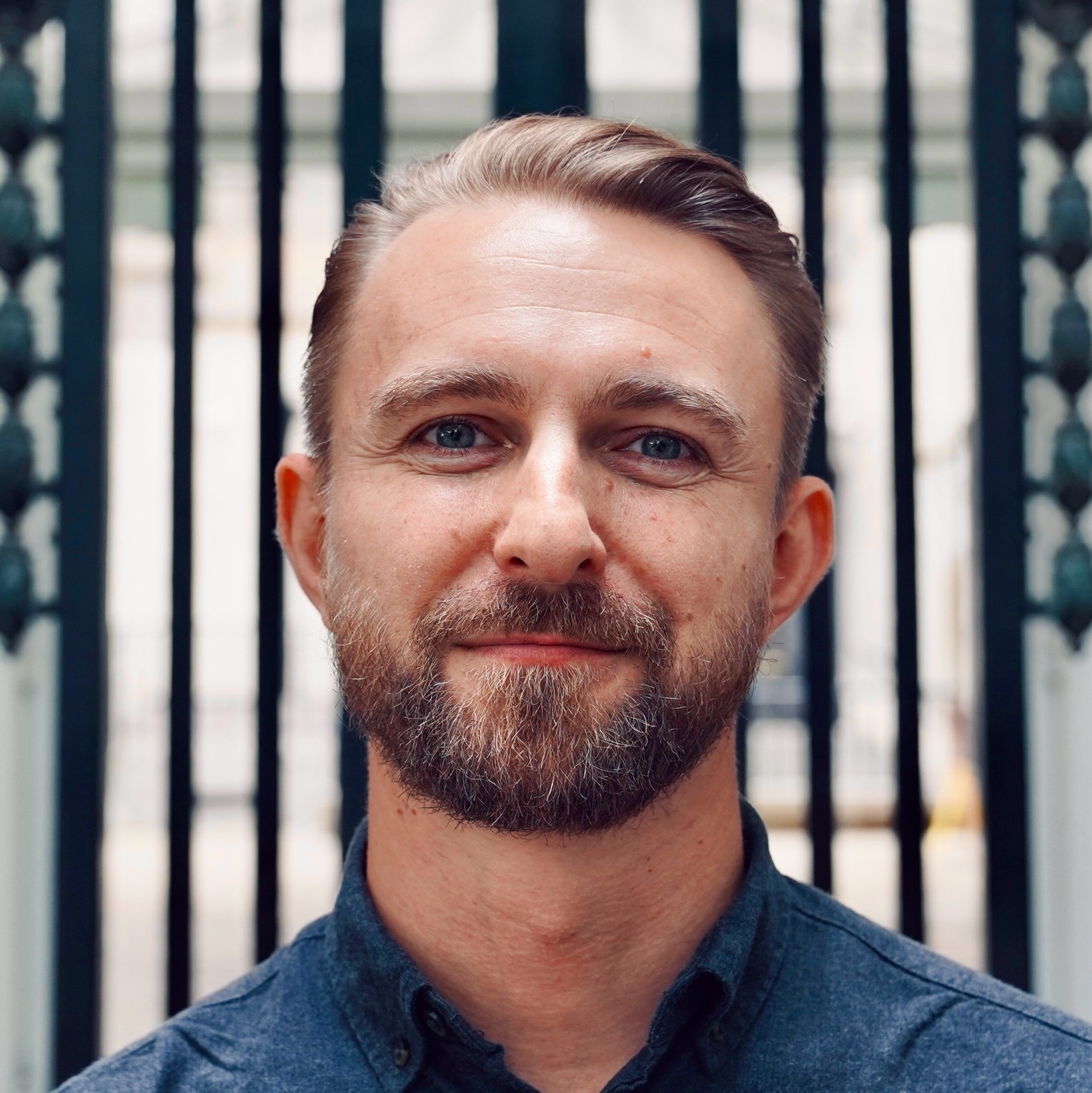 Dr Sam Cooper, Associate Professor in the Dyson School of Design Engineering, has been awarded an EPSRC Open Fellowship for his project, AIMS-DEEP: Transforming Materials Science with AI-Enhanced Workflows for Accelerated Innovation and Deep Reproducibility." The project aims to transform how materials science research is carried out by using artificial intelligence (AI) to make discoveries faster, more reliable, and easier to reproduce.
In many scientific fields, including materials science, researchers struggle with complex data, slow experimental processes, and a widespread “reproducibility crisis,” where published results cannot always be repeated by other scientists. This undermines trust in research and wastes time and resources.
The fellowship proposes a new approach that integrates modern AI systems (particularly “foundation models”) directly into the scientific workflow. Instead of AI being used only to analyse data after experiments are completed, it will become an active partner in the research process. The project will develop methods that allow AI models to understand different types of scientific information, such as experimental data, simulations, images, and written reports, and combine them into a unified framework that computers can analyse effectively.
One key goal is to make AI systems more transparent and trustworthy. Many powerful AI models behave like ‘black boxes’, meaning scientists cannot easily understand how they reach their conclusions. This project will create tools that help researchers see how the AI is reasoning, identify when it might fail, and ensure its predictions are reliable. We’ve already published some exciting results in this area on how large language models conceptualise the periodic table of elements.
Another major outcome will be the creation of an ‘AI co-investigator’. This tool will assist scientists in designing experiments, suggesting new research ideas, analysing results, and optimizing research strategies. In the future, it could even work alongside automated laboratories to rapidly test new materials for applications such as batteries, renewable energy technologies, or advanced manufacturing. Imperial is home to DIGIBAT, a robotic battery lab, where agentic workflows can be put into practice.
Finally, the project will focus on ‘deep reproducibility’. This means embedding systems that automatically document experiments, validate results, and ensure findings can be reliably reproduced by others. By building tools, standards, and a research community focused on reproducibility, the fellowship aims to improve trust in scientific results.
Overall, the project seeks to reshape scientific research by combining AI with better research practices, enabling faster discovery, more reliable science, and breakthroughs in technologies that benefit society and the environment.
Dr Cooper said: “We’re trying to rethink how science is actually done. If we combine artificial intelligence with better research practices, we can accelerate discovery while making the results far more reliable.”
Building quantum technologies
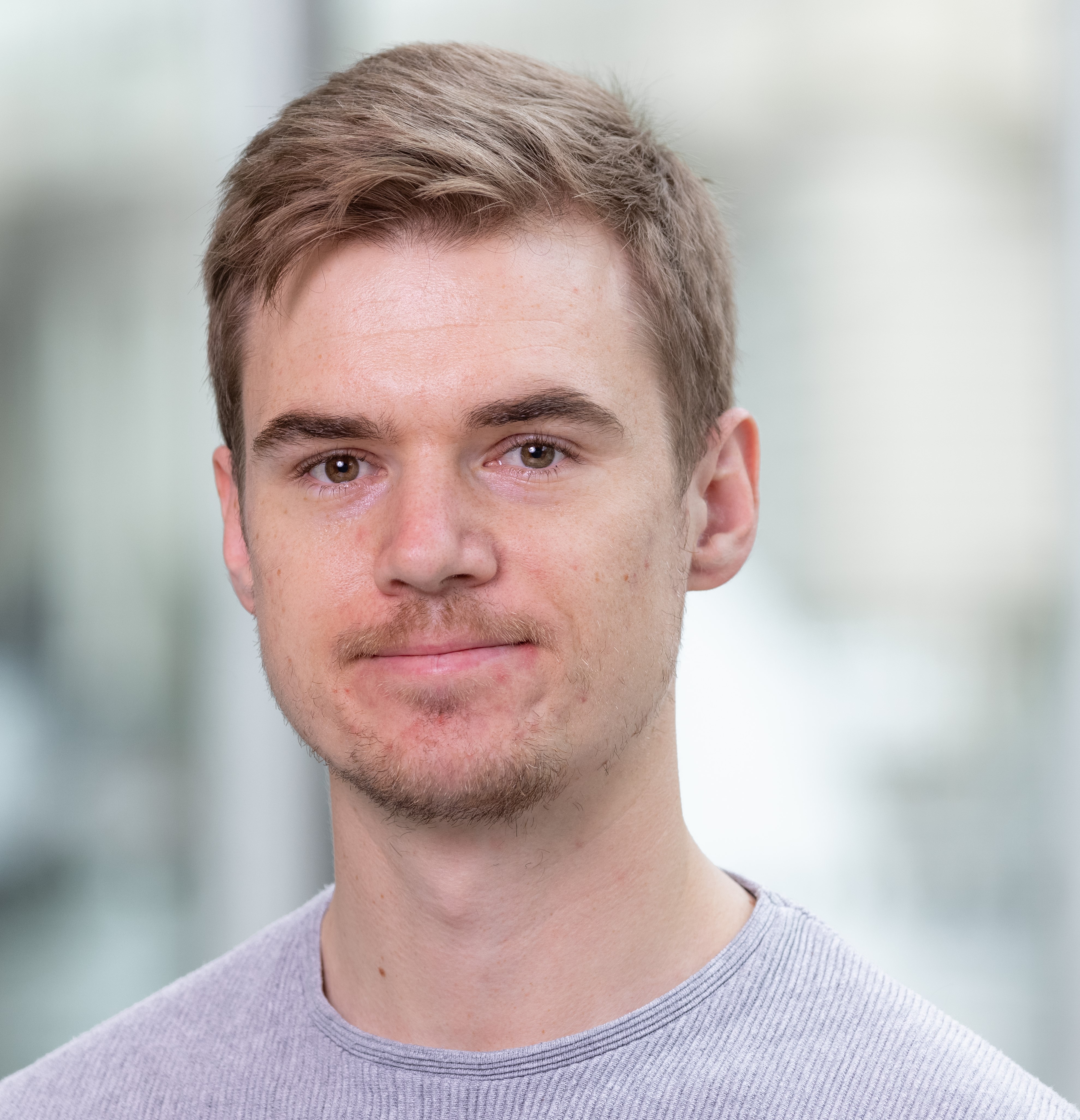 Dr Max Attwood, UKRI Quantum Technology Career Development Fellow and Academic Visitor in the Department of Materials, has been awarded an EPSRC Open Fellowship for his project Controlling molecular spins for robust quantum electronics at room temperature. Currently a Research Associate at the Massachusetts Institute of Technology, his research brings together materials science and chemistry to design new quantum materials with unpaired electrons that exhibit well-defined electron spin properties, a key requirement for building quantum technologies. These materials could offer a scalable platform for applications such as sensors, with the potential to provide a strong alternative to current state-of-the-art systems, including nitrogen-vacancy centres in diamond, helping to make quantum devices more adaptive and more sensitive.
During the fellowship, Dr Attwood and his team will explore how chemical design can be used to extend the lifetime and controllability of electron spins, creating materials that can be manipulated using light and microwaves, providing design principles for next-generation quantum sensors and their biomedical applications. Dr Attwood said: “The EPSRC Open Fellowship is a very welcome opportunity to establish my own research group by hiring postgraduate and postdoctoral researchers. Together, we will be able to pursue more ambitious and high-risk, high-reward projects.”
How materials behave
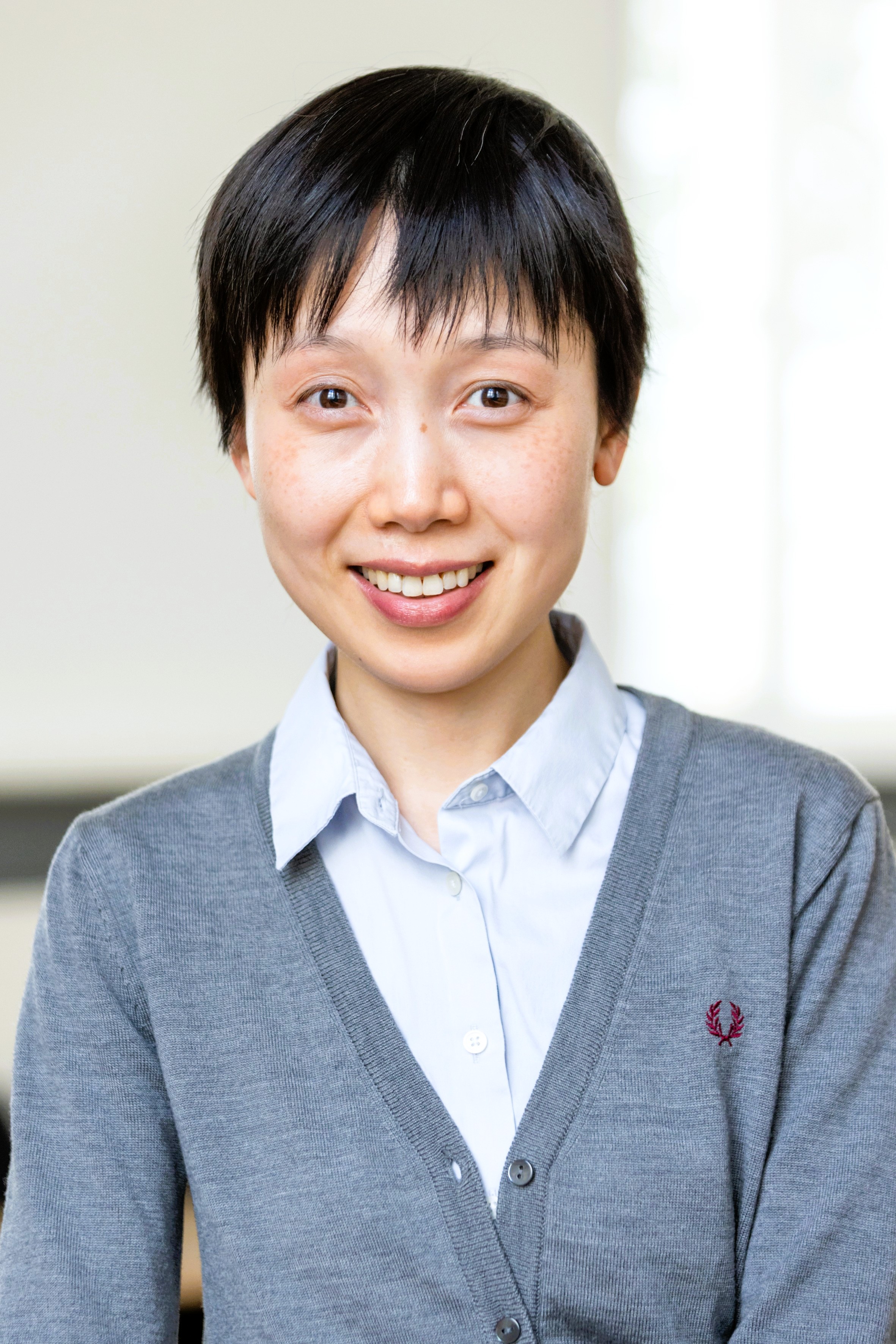 Dr Chun Ann Huang, Associate Professor in Energy Storage Materials in the Department of Materials, has been awarded an EPSRC Open Fellowship for her project Sustainable materials and manufacturing for zero-excess multivalent batteries. Her research focuses on developing new materials and advanced manufacturing techniques for rechargeable batteries, combining with synchrotron X-ray imaging and machine learning to uncover fundamental insights into how materials behave. Through the fellowship, her team will develop new materials and scalable manufacturing processes for next-generation multivalent batteries, which could store electrical energy generated from intermittent renewable sources to contribute to the effort in transition to net-zero.
She said: “I am very grateful to the EPSRC and to the support from my department and College. Many thanks to my group members, colleagues, and collaborators that I have been working with. I am very lucky to work with so many extraordinarily talented people.”
Supporters

Article text (excluding photos or graphics) © Imperial College London.
Photos and graphics subject to third party copyright used with permission or © Imperial College London.
Article people, mentions and related links
Wiktoria Tunska
Centres

Sanjana Kakar
Faculty of Engineering

Helen Wilkes
Faculty of Engineering