London universities inspire next generation of computer scientists at sixth form computing conference
by Ruth Ntumba
/prod01/channel_4/imperial-news/media/news-images/3000X2000-main-article-images/Computing-Conference.jpeg)
Imperial joined forces with four other London universities to open up the world of computing through a lively mix of hands-on learning, expert insight and teacher development.
40 sixth form students from 20 schools and colleges across Greater London gathered at Imperial College London’s South Kensington campus on Monday 22 June 2026 for a one-day Computing Conference designed to inspire the next generation of technology professionals.
It is wonderful to have this opportunity to work collaboratively with our colleagues from other London universities, harnessing the collective power of local partners, young people can be better supported to make the informed choices." Dr Ada Mau Outreach Research and Evaluation Officer, Central Faculty
The event, delivered collaboratively by five leading London universities – Imperial College London, King’s College London, Queen Mary University of London, Roehampton University and University College London (UCL) – provided students and teachers with a unique opportunity to explore the breadth and depth of modern computing through interactive workshops, academic talks and university-style learning experiences. Alongside the student programme, 25 teachers participated in a series of bespoke professional development sessions, aimed at supporting the continued advancement of computing education and helping schools prepare students for higher education pathways in computer science.
Dr Ada Mau, Outreach Research and Evaluation Officer at Imperial and co-organiser of the event said: “We are overwhelmed by the interests from so many London schools and young people to take part in the conference, it clearly shows that there is a strong interest among young people wanting to know more about pursing Computing beyond school and college. Also, it is wonderful to have this opportunity to work collaboratively with our colleagues from other London universities, harnessing the collective power of local partners, young people can be better supported to make the informed choices.”
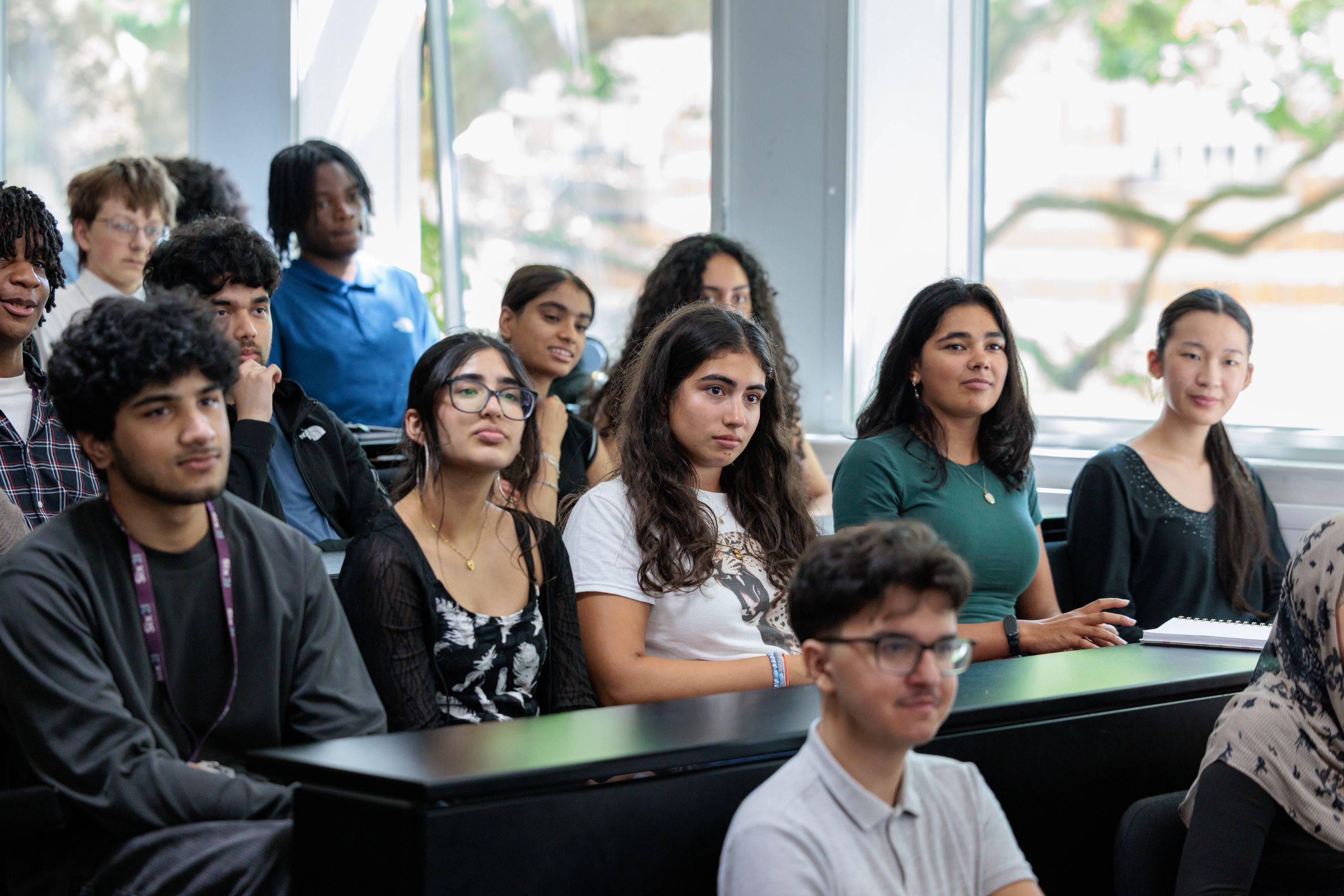 The conference aimed to help students explore big ideas in computing, experience university-level learning, meet academics and role models, and gain a better understanding of future study and career pathways.
Student sessions covered a wide range of topics, including final-year university projects, artificial intelligence, robotics, machine learning and the foundations of mathematics. Hands-on activities gave students the opportunity to programme robots, explore autonomous systems and discuss the opportunities and challenges presented by emerging technologies.
.jpg)
Attendees responded enthusiastically to the programme, with many highlighting the practical workshops, robotics activities and the chance to hear directly from undergraduates about their routes into computer science.
From the conference evaluation survey, 90% of the respondents reported feeling more familiar with the option of studying Computing or related courses at university after attending the event.
Teachers attended specialist sessions on preparing students for Computer Science degrees, understanding how people learn in the age of AI, and using research-informed approaches such as semantic waves and autonomy tours to improve computing teaching.
The event showcased the exciting possibilities within computing and highlighted the value of collaboration between schools and universities. Organisers were delighted to see such strong enthusiasm and engagement from both students and teachers throughout the day.
Article text (excluding photos or graphics) © Imperial College London.
Photos and graphics subject to third party copyright used with permission or © Imperial College London.
Article people, mentions and related links
Ruth Ntumba
Faculty of Engineering