Learning from patients to strengthen research culture
/prod01/channel_4/imperial-news/media/news-images/3000X2000-main-article-images/Suzanne-Bull.JPG)
Patient and public involvement is central to how Imperial’s Department of Surgery and Cancer strengthens cancer research and training, and a recent Science Communication workshop, delivered through the NIHR Imperial Biomedical Research Centre (BRC), represents this approach in action.
As part of a new approach to teaching lay summary writing and science communication, MSc students were invited to present their research to patient advocates and receive direct feedback, not on the science itself, but on how clearly, sensitively and accessibly they communicated it. Facilitated by PPI representatives from NIHR Imperial BRC and led by Kelly Gleason, Cancer Research UK Lead Nurse at Imperial’s Department of Surgery and Cancer, the workshop created a valuable space for honest dialogue between researchers at the start of their careers and people living with cancer.
Suzanne, a member of Imperial’s PPIE group, shares her reflections on working with MSc students to ensure research communication is clear, accessible and grounded in lived experience.
Finding my way into PPIE
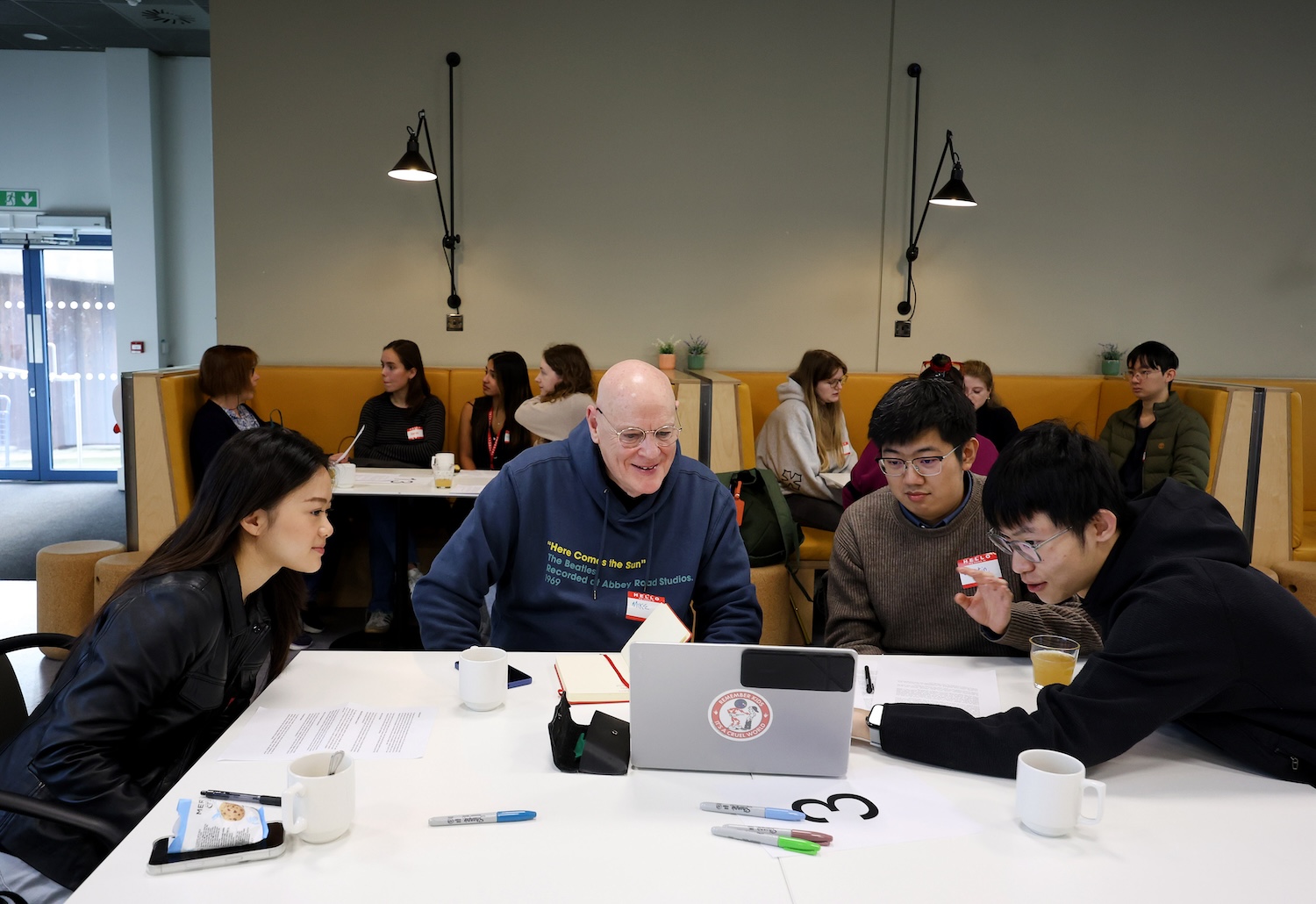 On 30th January I took part in the Science Communication workshop for MSc students along with other cancer patient advocates. For about 18 months, I’ve been a part of the PPIE programme (Public and Patient Involvement and Engagement) for Imperial College London. I had no idea that these kinds of programmes existed. It was only through a chance meeting with a neighbour at Maggie’s Centre, West London, that I became involved. Her enthusiasm sparked my enthusiasm.
I previously had a long career in arts and culture, founding a charitable organisation that improved access to live music, and placed disabled people’s lived experiences at the heart of societal change. After being diagnosed with Breast Cancer six years ago and subsequently leaving my senior position at the charity to prioritise a healthier work/life balance, I found I had the opportunity to offer a different perspective as a disabled person living with a cancer diagnosis.
Listening, learning and lay summaries
Engaging directly with Imperial students is my favourite part of the PPIE pro-gramme. I get to see first-hand how the students come to understand the real-world impact of their research.
“PPIE-focused sessions reinforce just how valuable lived experience is in shaping meaningful and relevant research.” - PPIE Advocate
This was my third Science Communication workshop. The first time I took part, I worried I wouldn’t be useful because I failed all my science exams at secondary school. However, it turned out that I was the perfect person for the students to prac-tice on because you don’t need to know about the scientific processes or technical jargon. As patients, our role is to listen to students present their research summar-ies (known as ‘Lay Summaries’) and feedback on what we’ve understood and not understood.
“I wanted to support Cancer MSc students in developing their ability to communi-cate complex research in a way that is meaningful and accessible to patients and the wider public. As a patient representative, it was important to contribute a non-academic perspective and help students test whether their lay summaries and presentations truly made sense to someone without a scientific background.” - PPIE Advocate
The power of plain English
Throughout my career, I’ve championed the use of ‘Plain English’. Jargon and complex language can create unnecessary barriers to understanding for many people. I also encourage students to use visual elements – diagrams, infographics, etc, which can bring research to life and support different learning styles.
Respect, emotion and responsibility
These students come from across the globe and I’m always struck by their intelli-gence and passion for helping cancer patients.
“I was both honoured and humbled by meeting these lovely young people - it is ob-vious to me that they are aware of the gravity of the matters they are looking into, and I thought they managed to be both curious and respectful in relation to my posi-tion as a patient.” - Patient Advocate
Respect is crucial. Workshops like this can bring up complex emotions for patient advocates, including memories of trauma. Some of the patient advocates have been living with incurable diagnoses. For many, however, contributing to research education offers something positive in return.
“The opportunity to do something useful and positive with some of my most upset-ting, frustrating, and traumatic experiences is really valuable to me. Supporting re-search, education, and learning with my experience of the disease and its treat-ment is truly transformative…probably better than therapy!” - Patient Advocate
“For me, it’s about listening to [the patient advocates’] stories and how much our re-search makes positive changes for [them]. We sometimes forget in the lab what we’re trying to do and achieve.” - MSc Student
“It was grounding, motivating and heartwarming. There was so much enthusiasm [from the patient advocates] for the projects. I’m going to carry this moment forward to the rest of my Masters.” - MSc Student
Why it matters
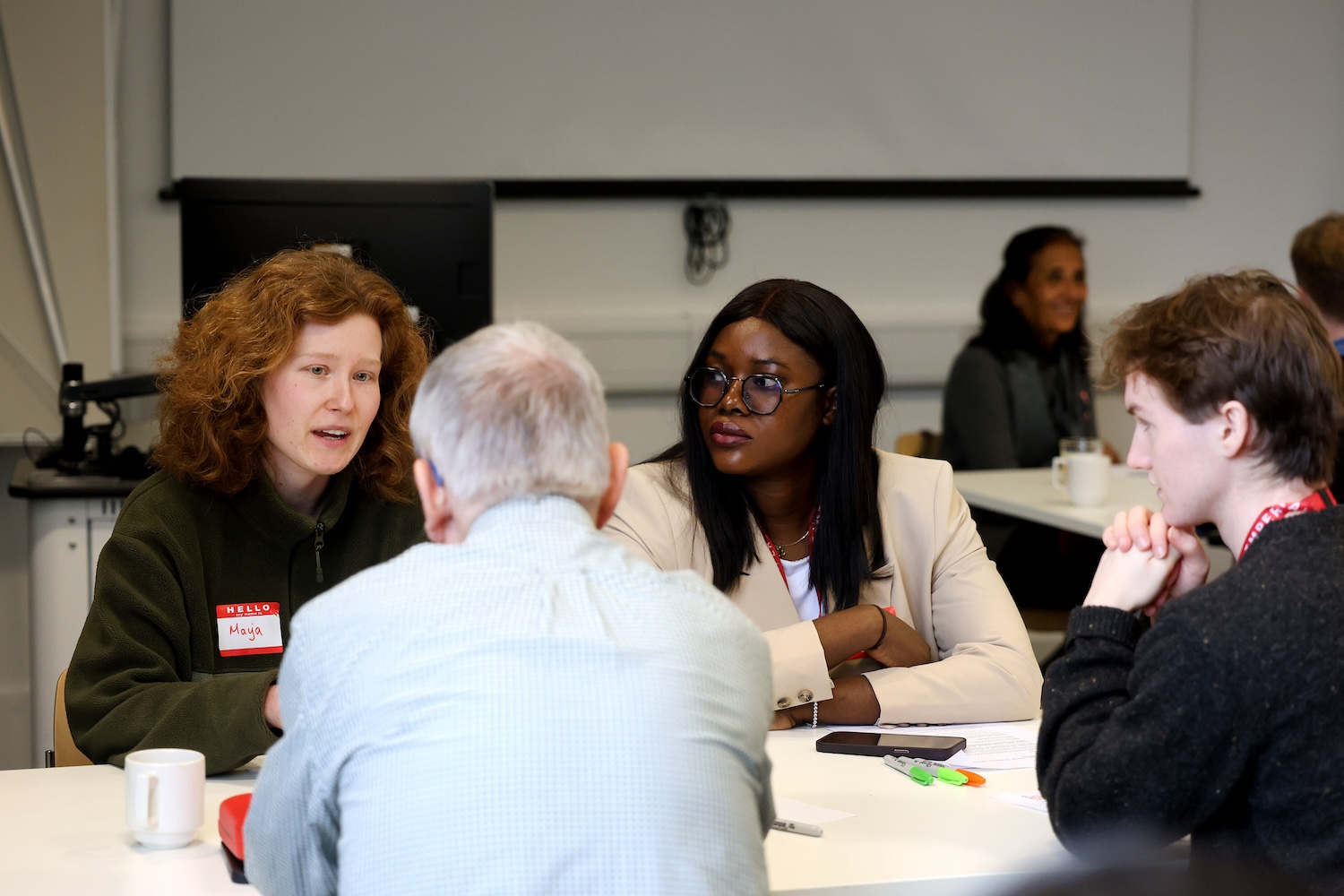 Co-production between clinical research students, tutors, patient advocates and healthcare professionals lays the groundwork for future improvements in the detec-tion and treatment of cancers.
Many patient advocates feel privileged to engage with researchers at the outset of their careers. Embedding PPIE within research training helps shape responsible, reflective scientists of the future, who understand the human context of their work.
“The MSc/PHD students of today are the researchers of tomorrow, whose prede-cessors’ work will have contributed to the medical breakthroughs that saved my life.” - Patient Advocate
The workshop demonstrated that when engagement is meaningful, it enhances mutual understanding and strengthens research itself.
By Suzanne Bull MBE
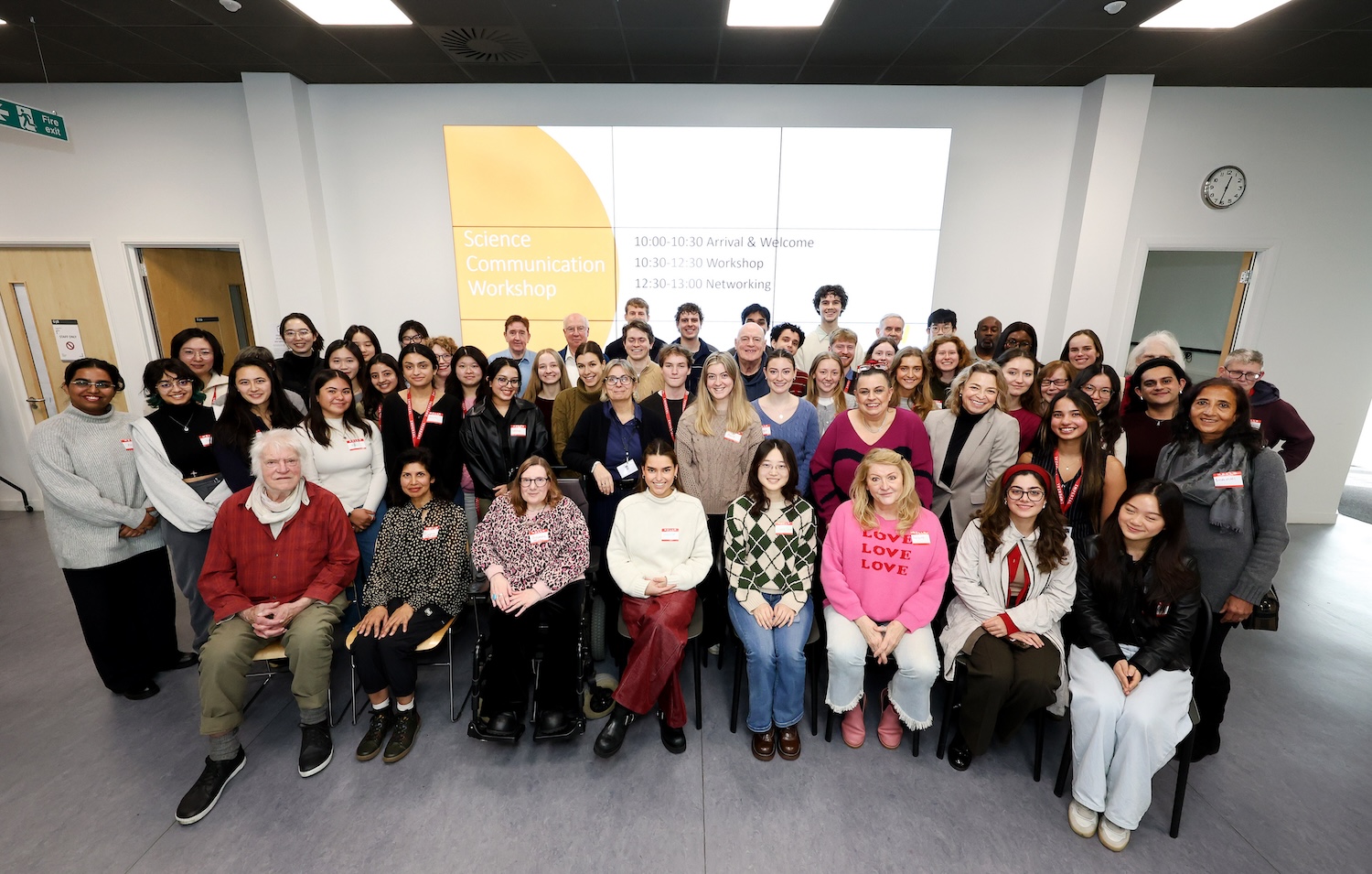
This article is also based on content from the CRUK Convergence Science Centre.
Article text (excluding photos or graphics) © Imperial College London.
Photos and graphics subject to third party copyright used with permission or © Imperial College London.
Article people, mentions and related links
Benjie Coleman
Faculty of Medicine