The next generation of cancer research: Meet the early career researchers driving innovation
/prod01/channel_4/imperial-news/media/news-images/3000X2000-main-article-images/WCD-lead-image---updated.jpg)
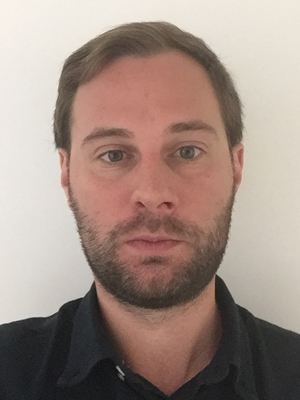
To mark World Cancer Day, we are spotlighting Department of Surgery and Cancer Postdoc-Fellows Dr Anke Nijhuis, Dr Ehsan Ghorani and Dr Mitch Chen.
They have each secured prestigious external fellowships in recent years and are establishing independent research programmes within the Department, leading to innovative work that could shape how cancer is understood and treated.
Their research spans immunotherapy, artificial intelligence (AI) and cancer genetics. Although their approaches differ, they are united by a common objective: to advance cancer treatment by making it more precise, effective, and patient-centred. Collectively, their research reflects this year’s World Cancer Day theme, “United by Unique”, which recognises that every cancer and every patient is different and that research must reflect that reality.
We asked them about their research, the challenges they are tackling and what the theme “United by Unique” means in the context of their work.
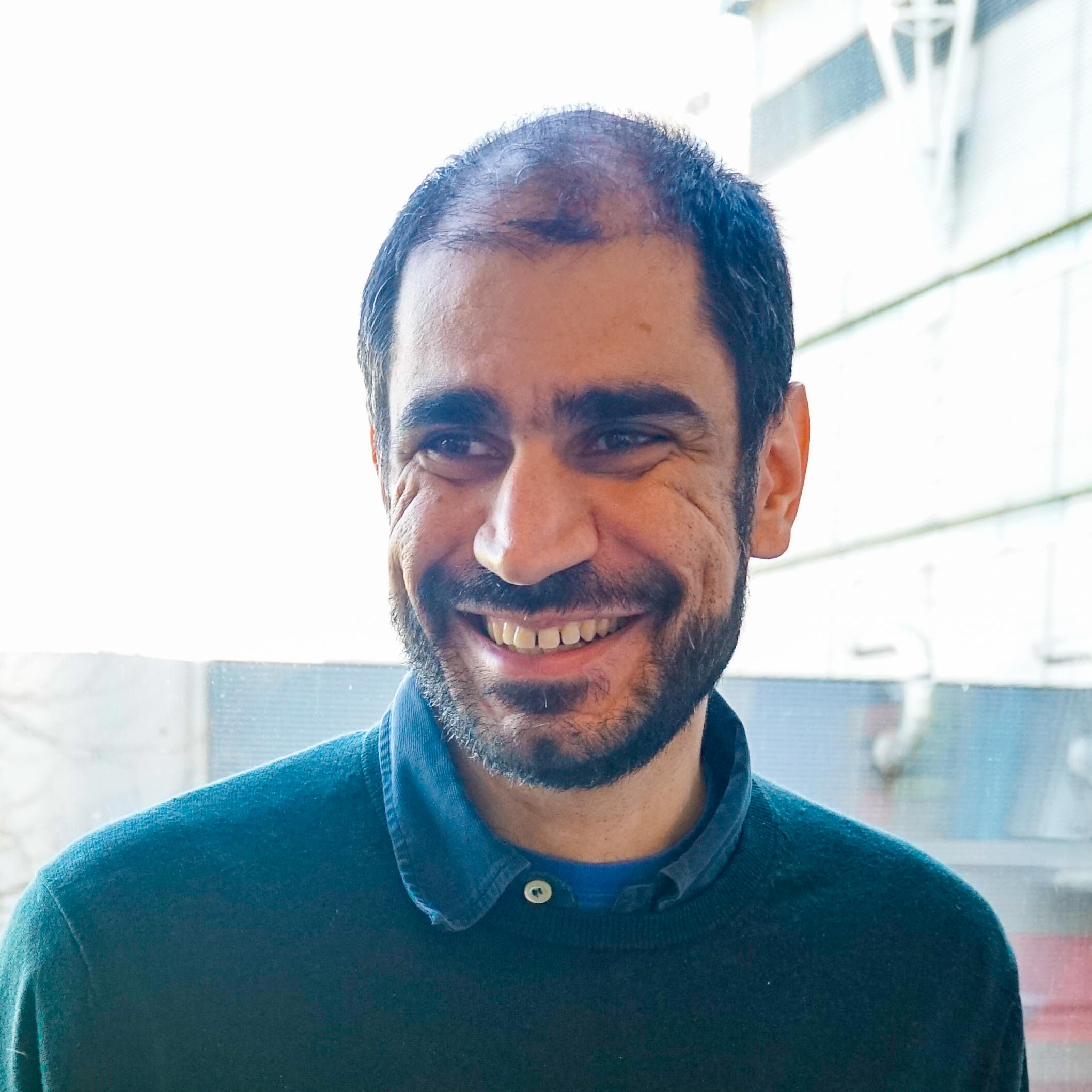
Dr Ehsan Ghorani, Cancer Research UK Clinician Scientist Fellow
 Who is your fellowship funded by?
I am a cancer immunologist funded by a Cancer Research UK Clinician Scientist Fellowship.
How would you describe your fellowship-funded research?
Our research focuses on understanding mechanisms of cancer immune evasion and immunotherapy sensitivity. We are particularly focused on a rare cancer that arises from the placenta called gestational trophoblastic neoplasia, or GTN. GTN is unique and puzzling because it is the only cancer that does not arise from the body’s own cells. It grows from fetal cells and is therefore similar to a transplant. We have also shown it to be the most sensitive cancer to immunotherapy, with about 70% of patients cured. We think this disease has a lot to teach us.
What is the main cancer challenge your work is trying to tackle, and why is it important right now?
We work on two major problems. Firstly, the immune system can recognise and eliminate cancer cells but patient tumours continue to grow despite immune activity. Secondly, immunotherapies that activate the immune response can cure some patients but most do not benefit. These are important questions because a better understanding will help develop more effective and more precise treatments.
If your research is successful, what could it change for patients or for cancer care?
Achieving long term cure with gentle and widely accessible treatments is the holy grail.
This year’s World Cancer Day theme is “United by Unique.” How is personalised medicine or people centred care part of your research?
Precision medicine is at the heart of our work. In GTN, our research has identified a new marker of response to immunotherapy that we are bringing into clinical use. In parallel, we run the world’s largest study looking to reduce overtreatment with immunotherapy drugs in lung cancer. Samples from the REFINE-Lung study are being used to develop new approaches to predict which patients will benefit and which will not. In the future, we hope these approaches will help ensure patients receive the right treatments at the right time. In another project, we have developed a new way of diagnosing diseases using a simple blood test and are exploring this to detect cancer early when it is easier to cure.
Who has helped you reach this point, and what advice would you give to early career researchers?
I am lucky to have worked with and have been mentored by some brilliant and inspiring minds; I’m particularly indebted to Sergio Quezada, Charlie Swanton and the TRACERx team, Pramod Srivastava, Rafi Ahmed and Michael Seckl. I have learned a lot from these individuals, but perhaps one piece of advice they would converge on is - think boldly and persevere.
Dr Anke Nijhuis, Cancer Research UK Career Development Fellow
 Who is your fellowship funded by?
My Career Development Fellowship is funded by Cancer Research UK.
How would you describe your fellowship-funded research?
My research investigates how cancer cells process RNA, a step called RNA splicing, and identifies weaknesses in this process that can be exploited for new treatments. It focuses on understanding when and in which genetic contexts blocking RNA splicing is most effective, particularly in ovarian cancer. Because inhibiting RNA splicing can increase DNA damage, a key aim is to determine how these drugs can boost the effectiveness of existing standard treatments.
What is the main cancer challenge your work is trying to tackle, and why is it important right now?
A major challenge in many cancers is that tumours almost inevitably become resistant to treatment. In ovarian cancer, the ability to repair DNA damage and survive is a main driver of tumour relapse. My research seeks new ways to disrupt this repair ability so cancers respond better and for longer, which is crucial for improving long term outcomes.
If your research is successful, what could it change for patients or for cancer care?
This research could lead to new combination treatments that keep ovarian and other cancers sensitive to therapy for longer and delay or prevent relapse. By directly targeting DNA damage repair, it could also expand and prolong the benefits of existing treatments to more patients.
This year’s World Cancer Day theme is “United by Unique.” How is personalised medicine or people centred care part of your research?
By studying how different genetic backgrounds handle RNA splicing and DNA damage, my research aims to identify which patients are most likely to benefit from RNA splicing inhibitors and PARP inhibitors so that we can design tailored combinations that work better and for longer.
Who has helped you reach this point, and what advice would you give to early career researchers?
Many colleagues across the department have been incredibly generous with their time, advice and practical tips and their support has been essential. I would particularly like to thank Hector Keun, who has been an outstanding mentor since I started my postdoctoral work at Imperial in 2017 and has provided instrumental guidance throughout my career.
I would encourage other early career researchers to prioritise building relationships with mentors and supportive peers from the very start. Being able to share worries, receive honest feedback, and learn from others’ experience strengthens your science and resilience. The hardest part is not to equate a rejected application or paper with being a bad scientist! Instead, use the feedback to refine your ideas and remember that persistence is often what matters most.
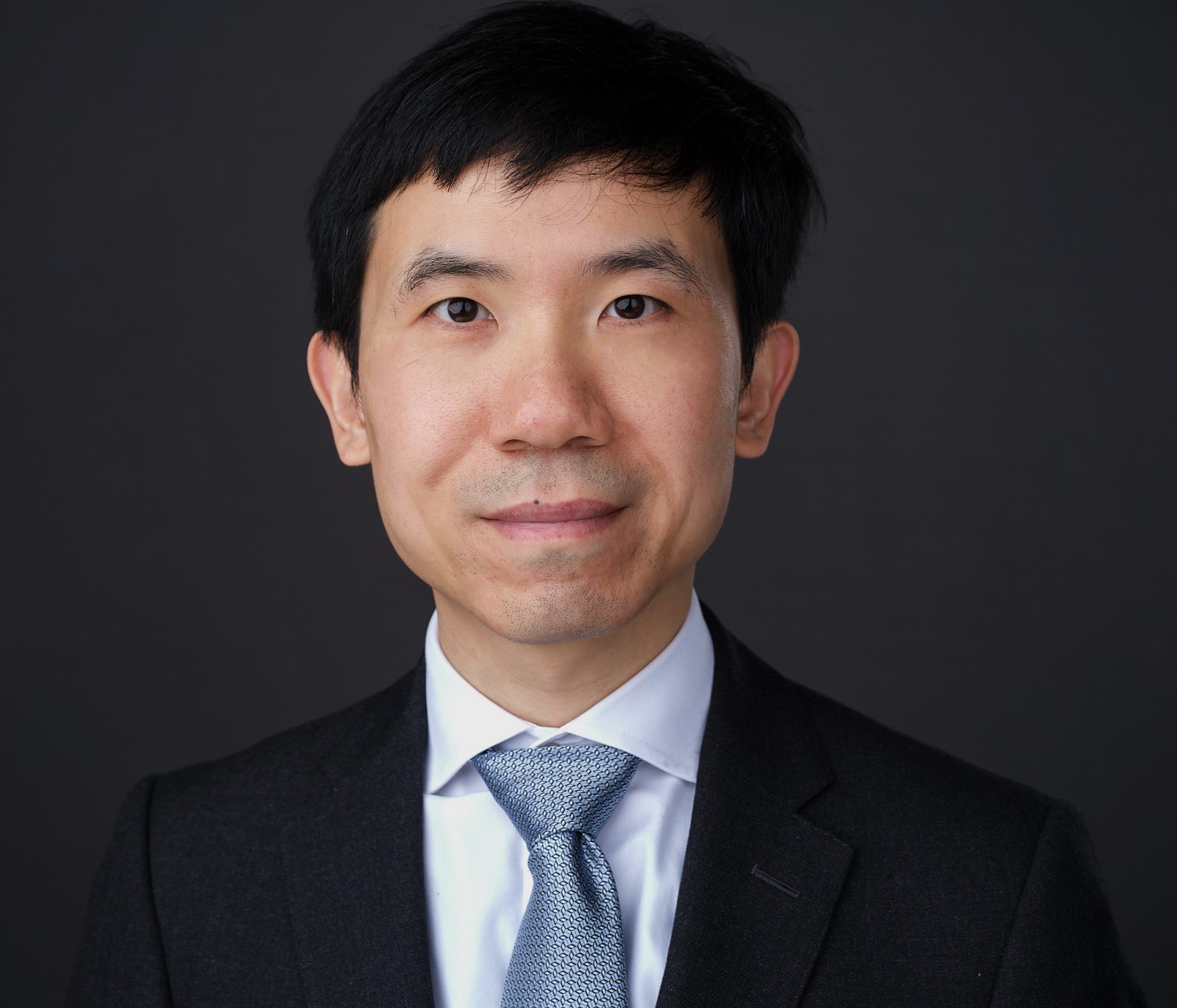
Dr Mitch Chen, Medical Research Council Clinician Scientist Fellow
 Who is your fellowship funded by?
My fellowship is funded by the Medical Research Council.
How would you describe your fellowship-funded research?
We aim to improve how we select patients for anti-cancer immunotherapy by using AI to extract useful information from routinely acquired cancer imaging data and from microscopic analysis of tumour immune cells. By developing AI-based tools that can predict treatment benefit and serious side effects before therapy begins, we can make immunotherapy safer and more effective for cancer patients.
What is the main cancer challenge your work is trying to tackle, and why is it important right now?
A major challenge in today’s lung cancer care is the lack of reliable, non-invasive tools to guide immunotherapy decisions. This is especially important right now because immunotherapy is increasingly used in lung cancer despite limited ability to predict benefit or serious toxicity. Addressing this gap could improve patient outcomes, reduce harm, and support more precise use of these powerful treatments as they become standard across cancers.
If your research is successful, what could it change for patients or for cancer care?
This research could allow us to identify before treatment which patients are most likely to benefit from immunotherapy and which are at high risk of serious side effects. This would lead to safer and more personalised care, avoiding ineffective or harmful treatments, improving outcomes for those likely to respond and enabling earlier intervention for complications. More broadly, it could establish imaging-based AI biomarkers, developed through a foundation model framework, as practical tools for guiding treatment decisions across multiple cancer types and help deliver precision medicine at scale.
This year’s World Cancer Day theme is “United by Unique.” How is personalised medicine or people centred care part of your research?
Cancer is not just a disease but a deeply personal experience shaped by each patient’s biology, risks and life circumstances. My research supports a people-centred approach by developing non-invasive tools that help clinicians tailor immunotherapy to the individual, maximising benefit while reducing unnecessary harm. By enabling more informed, compassionate treatment decisions, this work aims to respect each patient’s unique cancer journey while improving outcomes.
Who has helped you reach this point, and what advice would you give to early career researchers?
I have been fortunate to receive guidance and support from several mentors and collaborators at Imperial. I am particularly grateful to Professors Eric Aboagye and Sue Copley who recruited me to Imperial and helped shape my research niche. My collaboration with Professor David Pinato has provided invaluable data, and wider departmental support from Professors Iain McNeish and George Hanna has been pivotal in my fellowship success and in establishing my research group. My advice is to embrace interdisciplinary collaboration and seek diverse perspectives. Science progresses fastest when complementary expertise is combined and when people remain open to new ideas.
Article text (excluding photos or graphics) © Imperial College London.
Photos and graphics subject to third party copyright used with permission or © Imperial College London.
Article people, mentions and related links
Benjie Coleman
Faculty of Medicine